

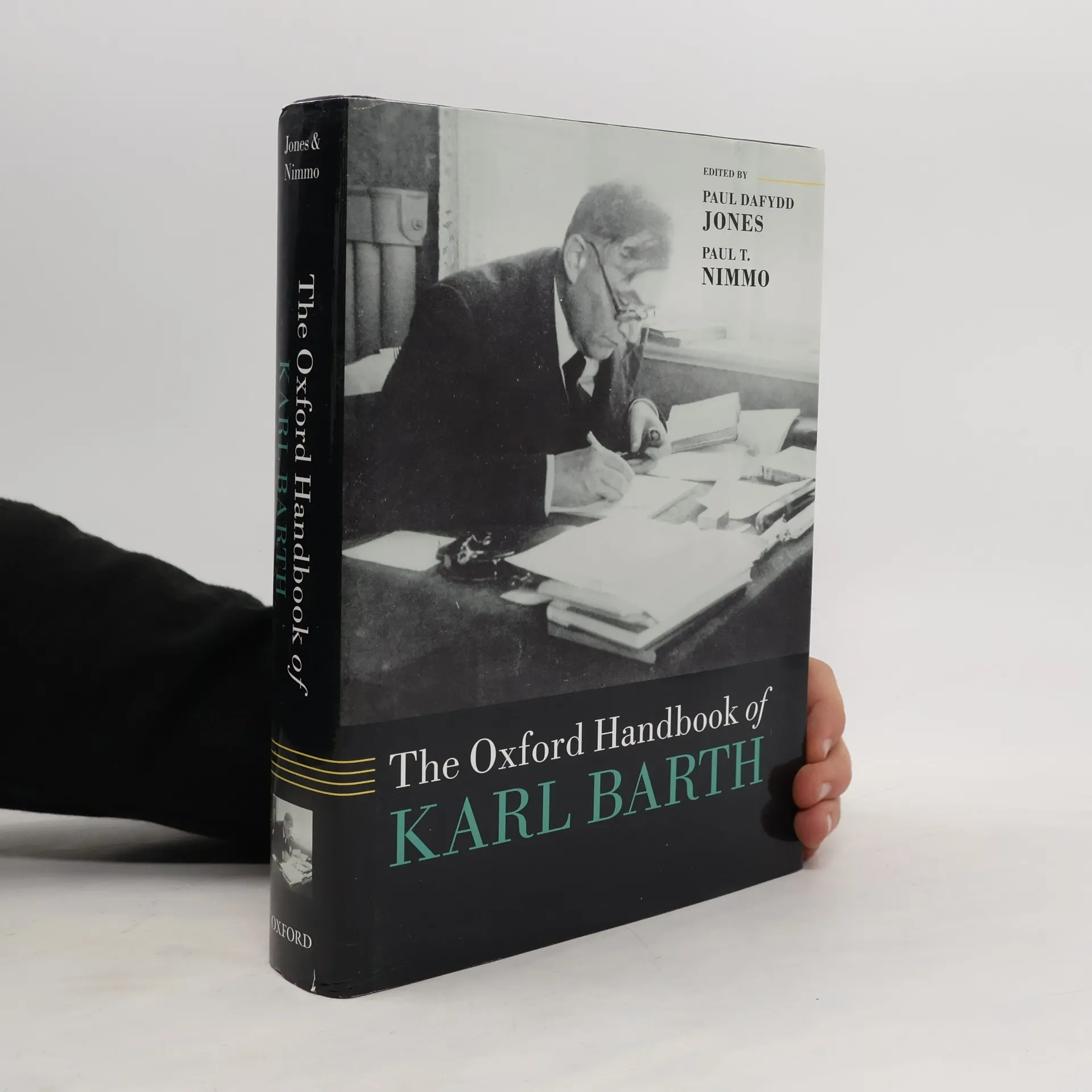
The Oxford Handbook of Karl Barth
- 736 stránek
- 26 hodin čtení
Karl Barth (1886-1968) is recognized as the most significant European Protestant theologian of the twentieth century, with a legacy comparable to that of Augustine, Aquinas, Calvin, Luther, and Schleiermacher. His influential works, including the Epistle to the Romans and the multi-volume Church Dogmatics, span various genres—theological, exegetical, historical, political, pastoral, and homiletic—shaping contemporary theology and church life. In recent decades, Barth's contributions have been central to key developments in Christian theology, philosophy of religion, and religious studies. The Oxford Handbook of Karl Barth is the most comprehensive guide to his work, featuring over forty original chapters authored by experts. It offers in-depth analyses of Barth's life and context, insightful interpretations of his key ideas, and explores new avenues for critical and constructive reflection. The Handbook aims to clarify the complexities of Barth's theology, engage with it from diverse perspectives, and convey the joyful essence of theology as Barth envisioned it. This resource will be invaluable for undergraduates, postgraduates, academics, and general readers for years to come.