Zastaveníčko
Serenáda pro housle


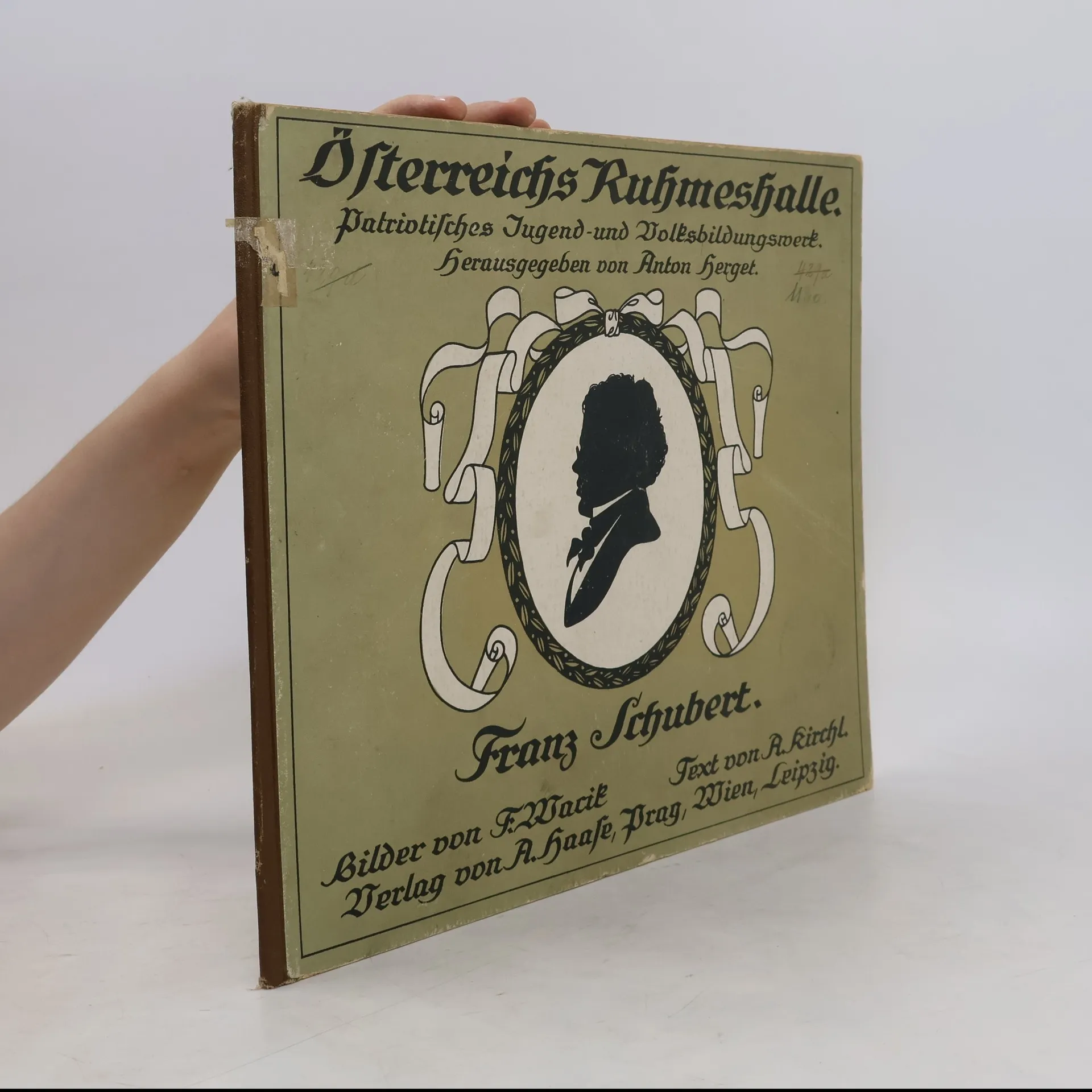
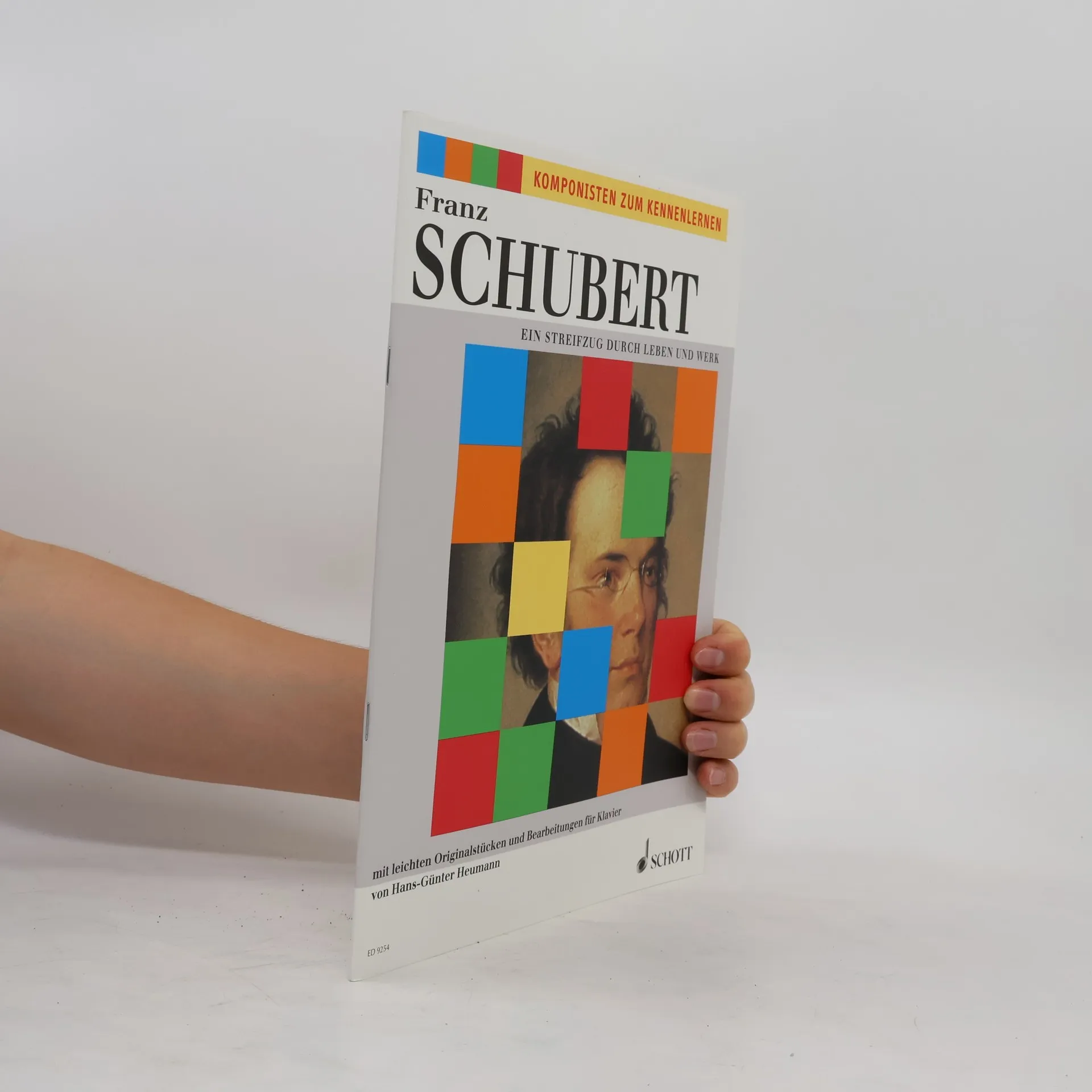
Franz Peter Schubert, a prolific composer of the early Romantic era, created a vast body of work despite his short life. His compositions include an extensive collection of Lieder, symphonies, liturgical music, operas, and a significant amount of chamber and solo piano music. Although his music was not widely appreciated during his lifetime, it gained considerable recognition posthumously, championed by prominent 19th-century musicians. Today, Schubert is celebrated as a central figure of his time and remains a frequently performed composer.

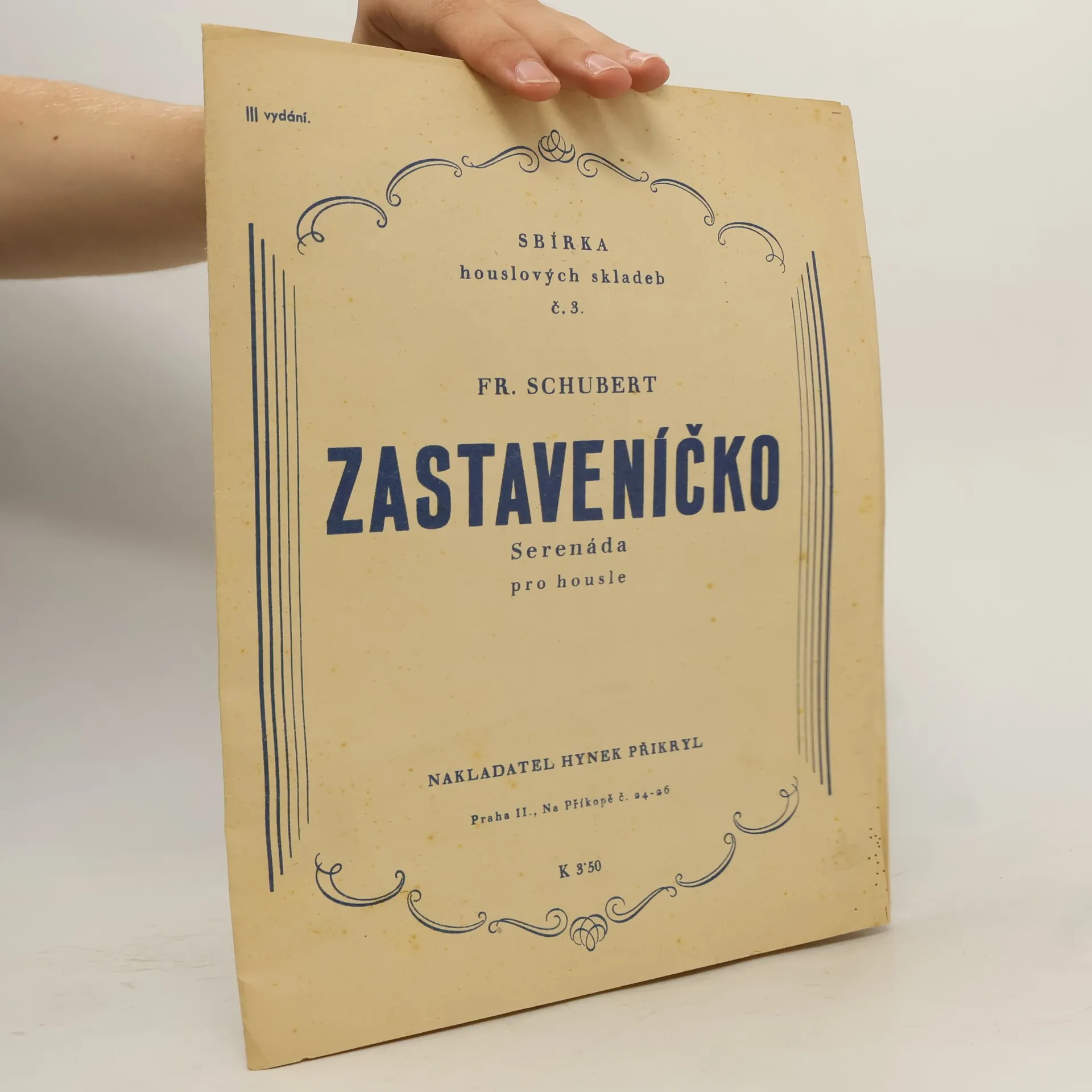
Serenáda pro housle
inch....this work is likely to become a standart work very quickly and is to be recommended to all schools where recorder studies are undertaken inch. (Oliver James,Contact Magazine) A novel and comprehensive approach to transferring from the C to F instrument. 430 music examples include folk and national songs (some in two parts), country dance tunes and excerpts from the standard treble repertoire of•Bach, Barsanti, Corelli, Handel, Telemann, etc. An outstanding feature of the book has proved to be Brian Bonsor's brilliantly simple but highly effective practice circles and recognition squares designed to give, in only a few minutes, concentrated practice on the more usual leaps to and from each new note and instant recognition of random notes. Quickly emulating the outstanding success of the descant tutors, these books are very popular even with those who normally use tutors other than the Enjoy the Recorder series.
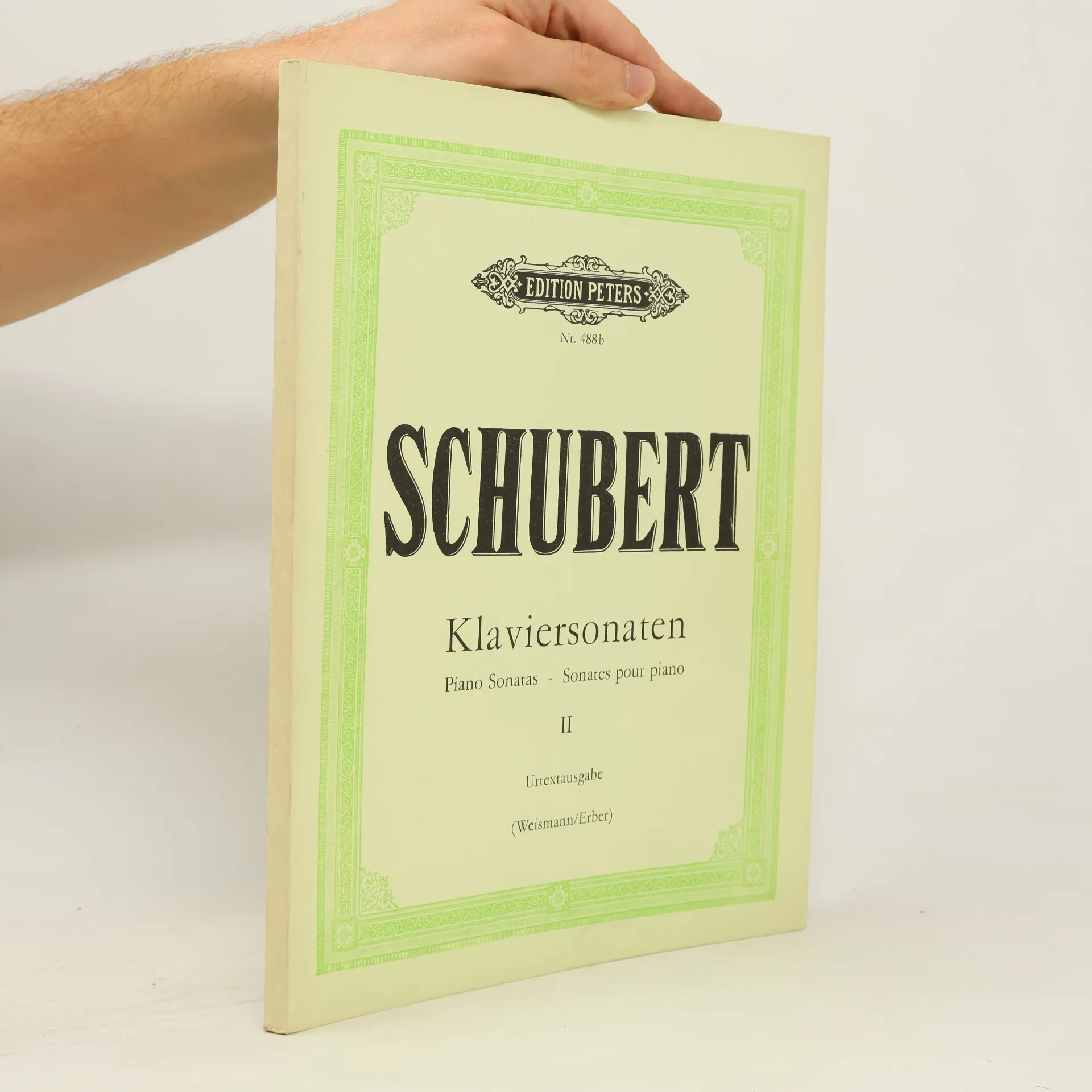
The piano sonatas of Franz Schubert are characterized by the supremely lyrical greatness that distinguishes all of this composer's work. The unfailing melody, the fresh modulations, and the emotional range — from blissful contentment to pensive melancholy — of these works place them firmly among the undisputed piano classics.This volume, reproduced directly from Series 10 of the definitive Breitkopf & Härtel Schubert-Gesammtausgabe, contains all fifteen of Schubert's piano the charming early sonatas, the groundbreaking sonatas of the early 1820s, right up to the brilliant final sonatas.Noteheads in this edition have been reproduced in a size large enough to be read easily at the keyboard, and margins and spaces between staves are conveniently wide to permit written notes, harmonic analysis, fingerings, and running measure numbers. Essential to all classical pianists, this edition is also practical for study, reference, enjoyment — virtually any use.
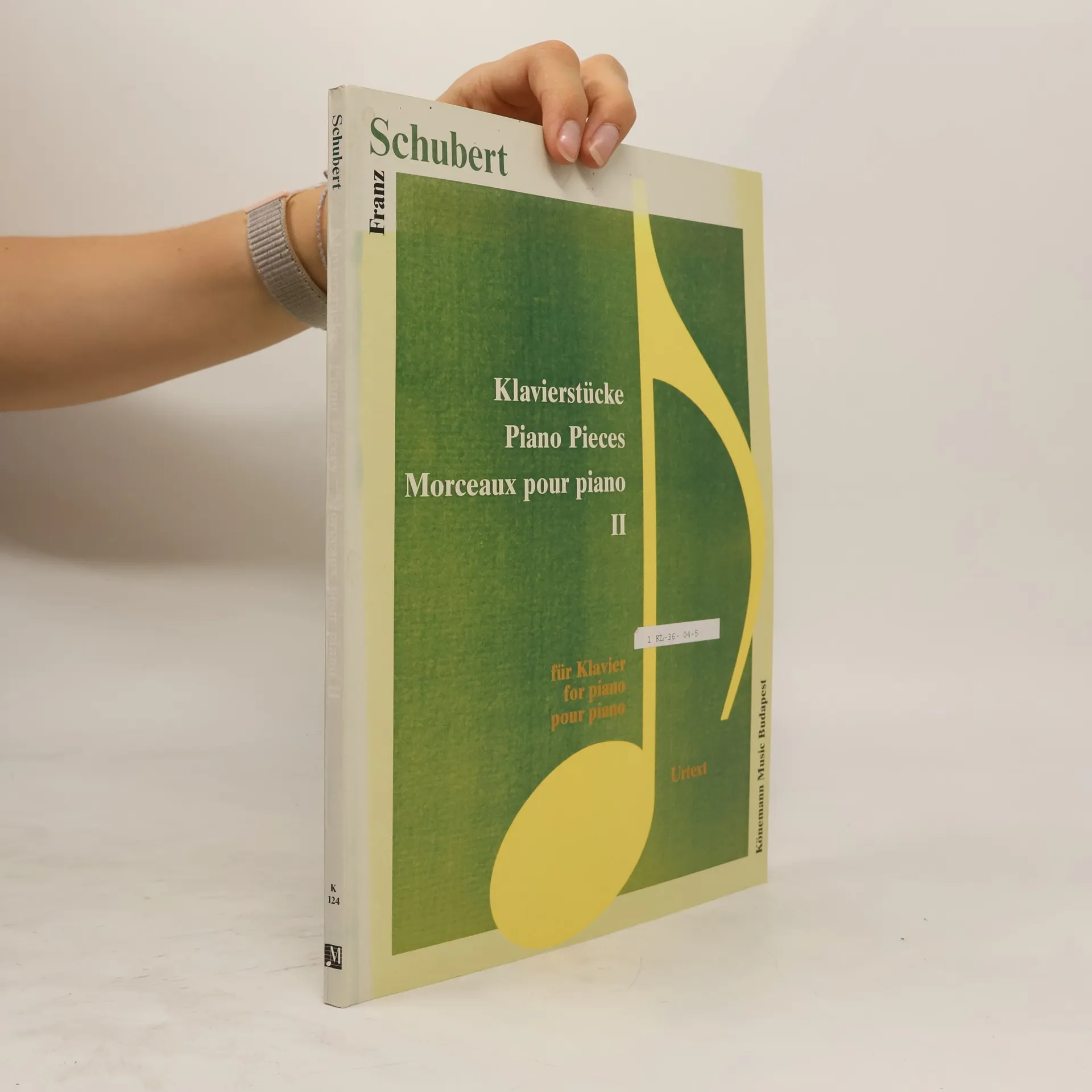
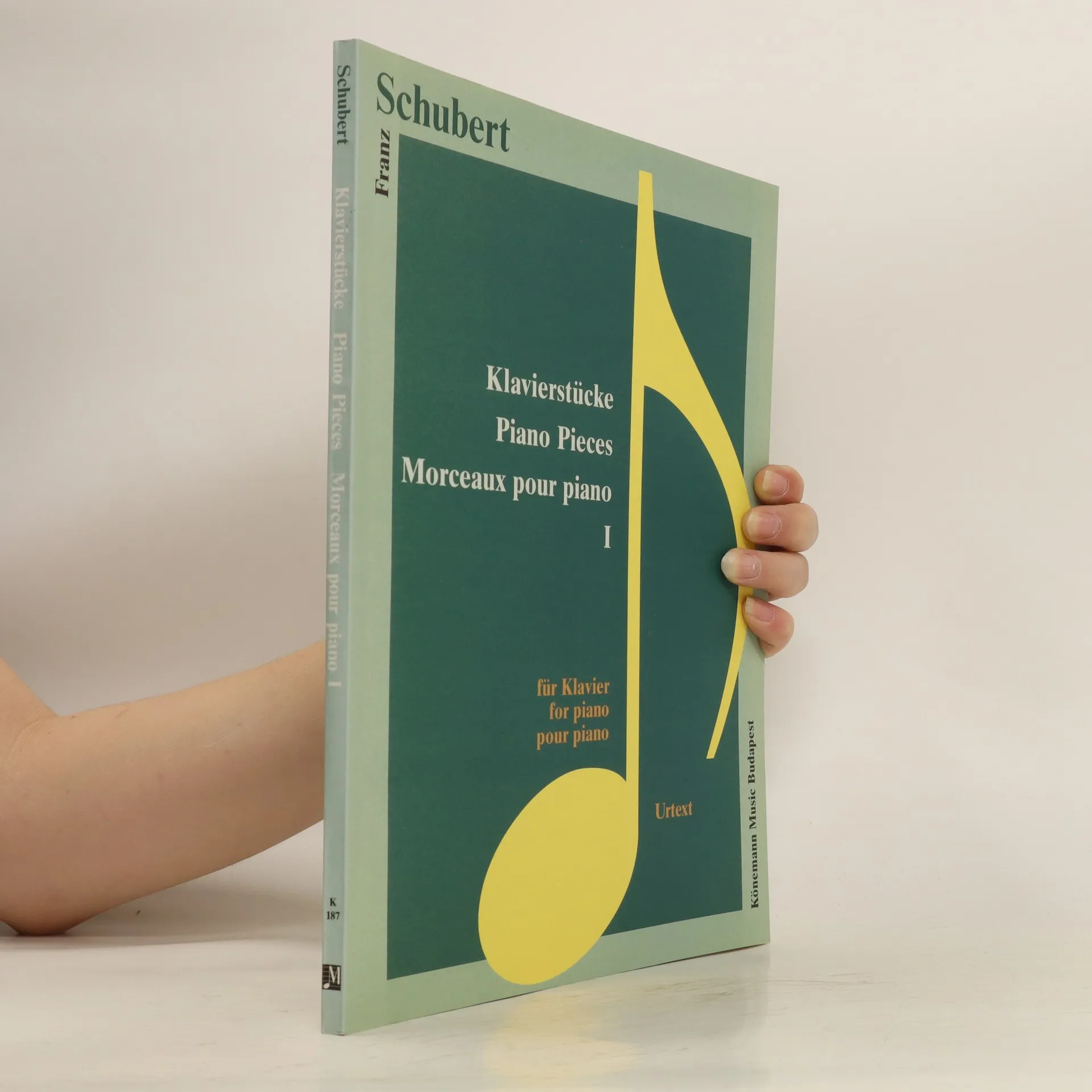
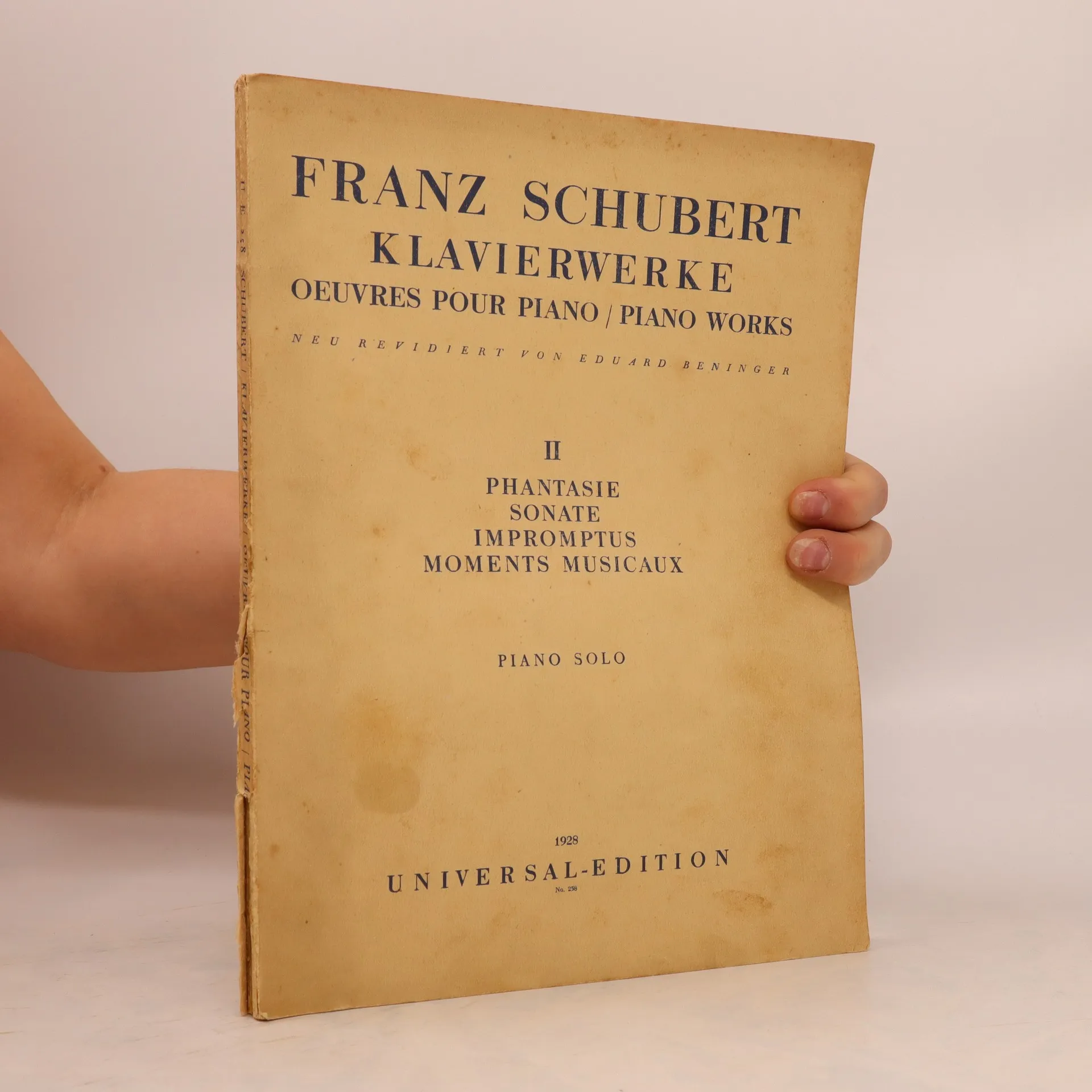
This is the second of two volumes which contain all of Schubert's piano pieces for piano two hands which fall outside the genres of sonata and dance. The majority of the music in this volume is in three impromptus, moments musicaux, and the 3 Klavierstucke. Also included are two independent small character pieces not forming part of a cycle. Notes on the sources are included.
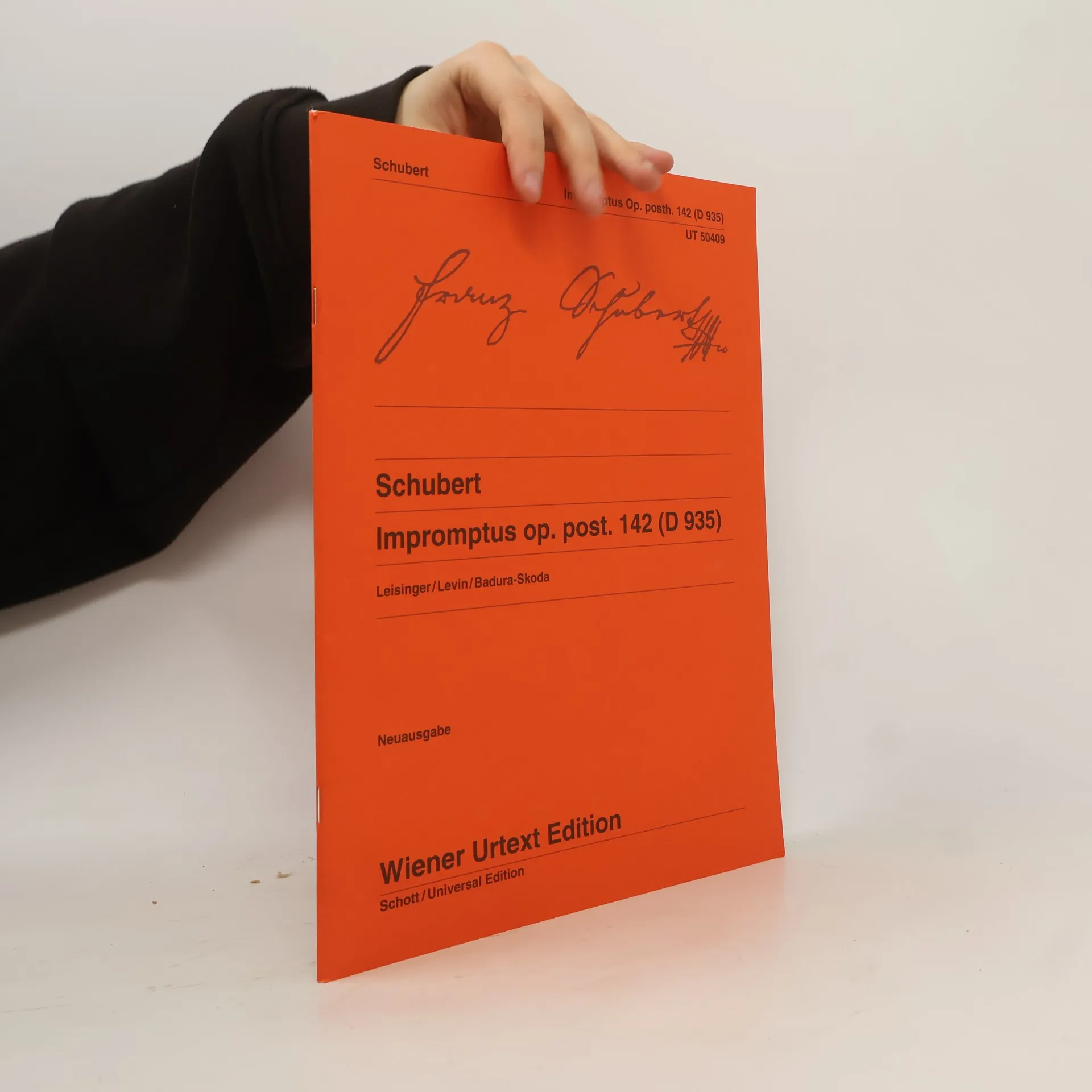
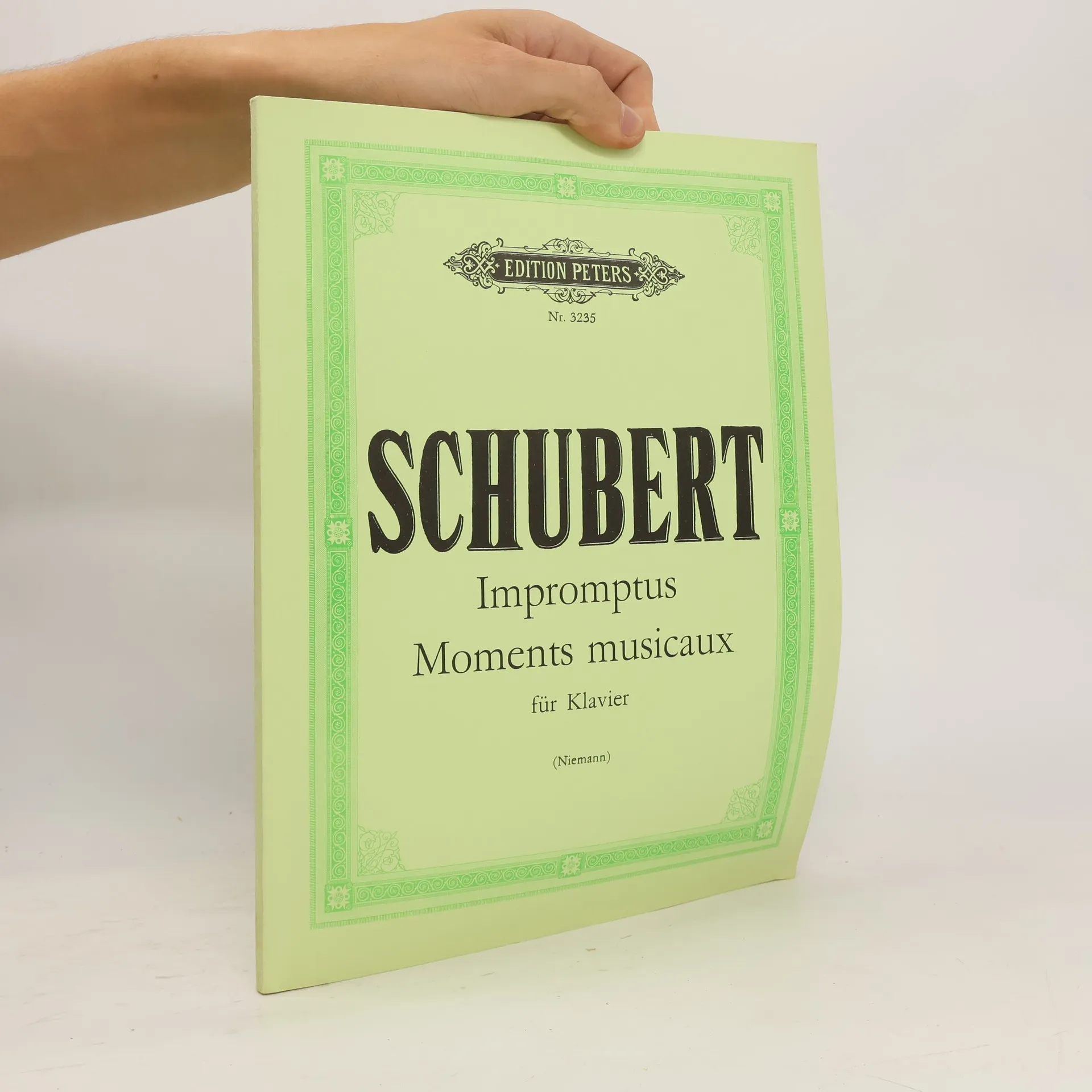
Schubert's piano music in a clear urtext edition. Includes all 8 Impromptus, 6 Moments Musicaux, 3 Piano Pieces, Unfinished Melody, and Allegretto.
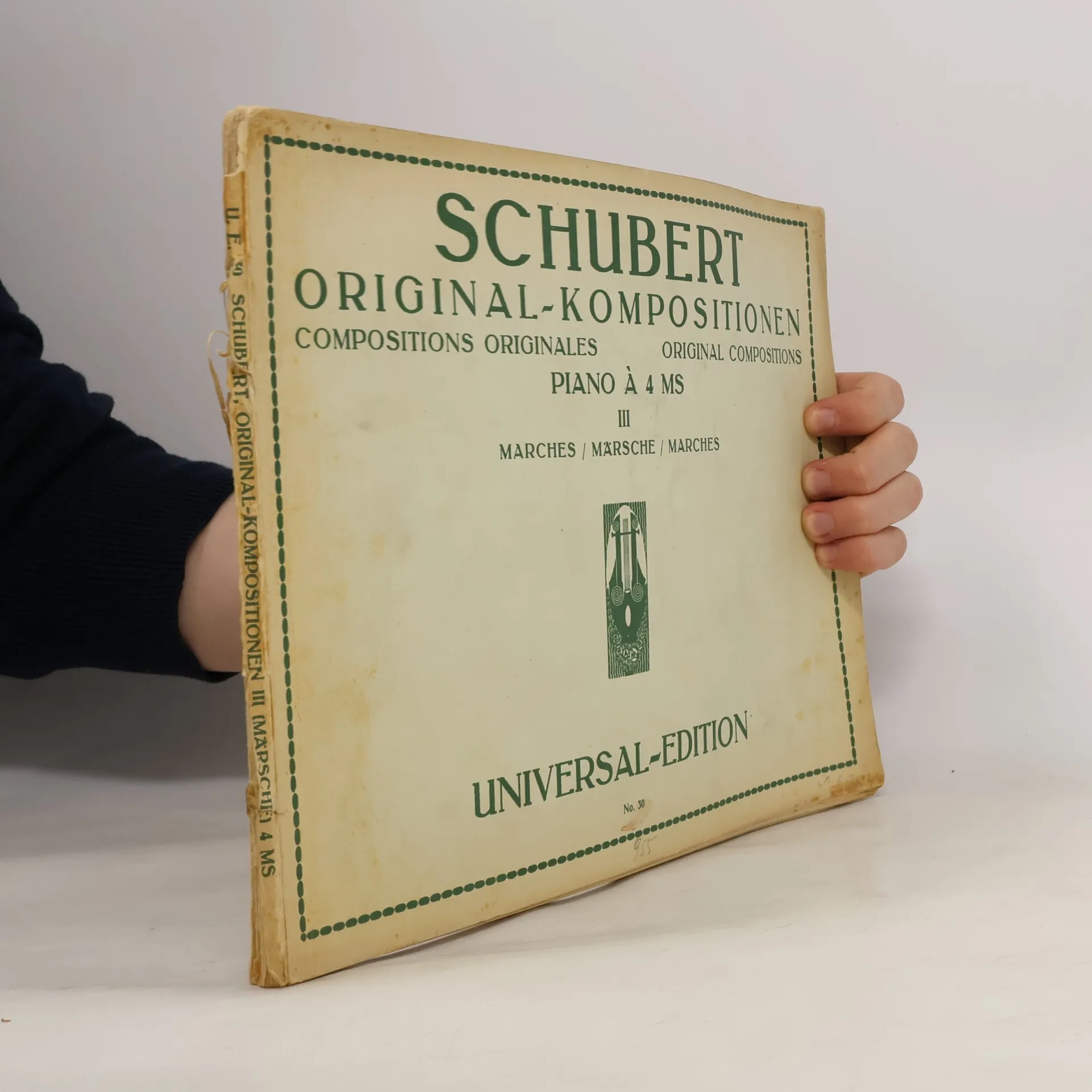
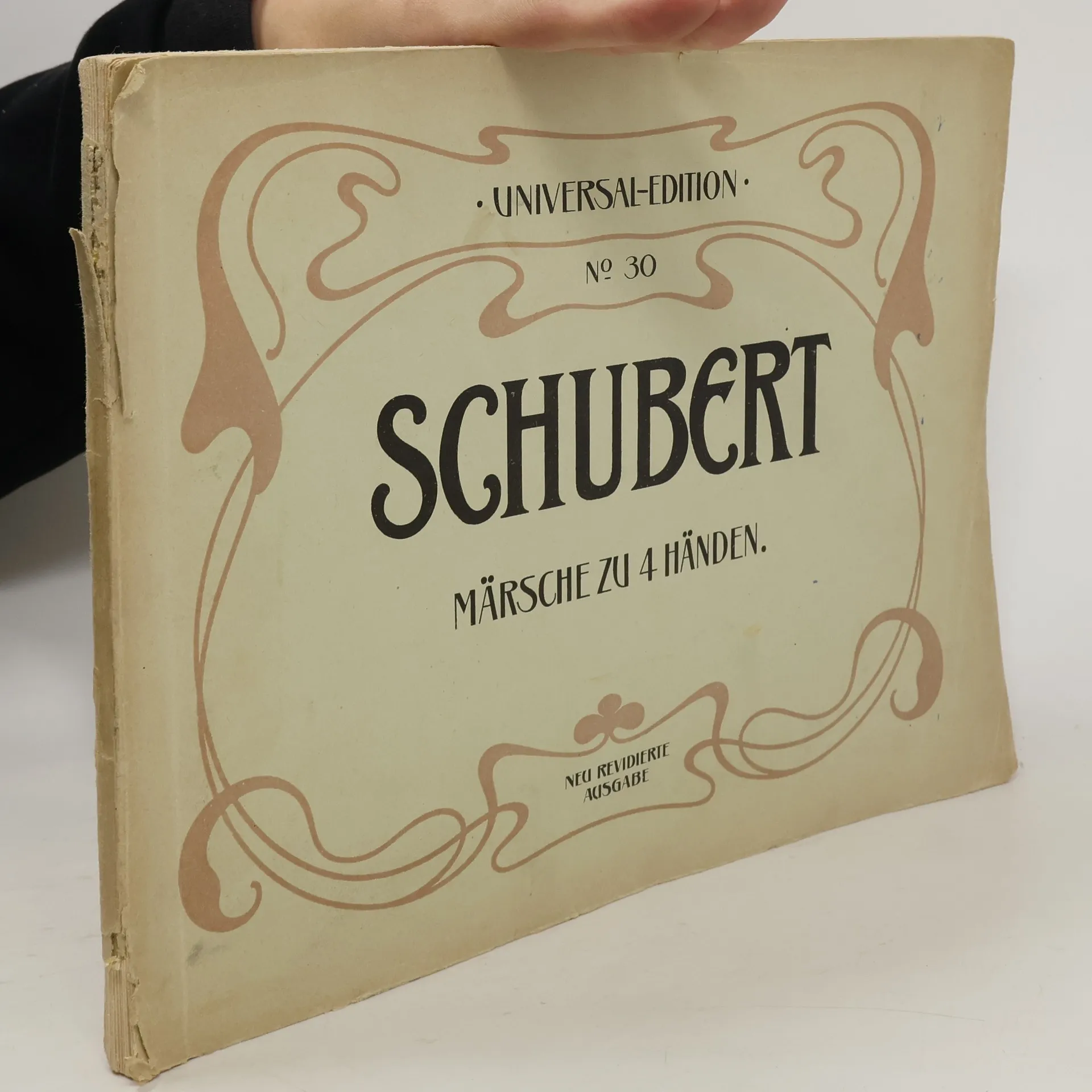
Piano à 4 MS III. Marches. Märsche. Marches
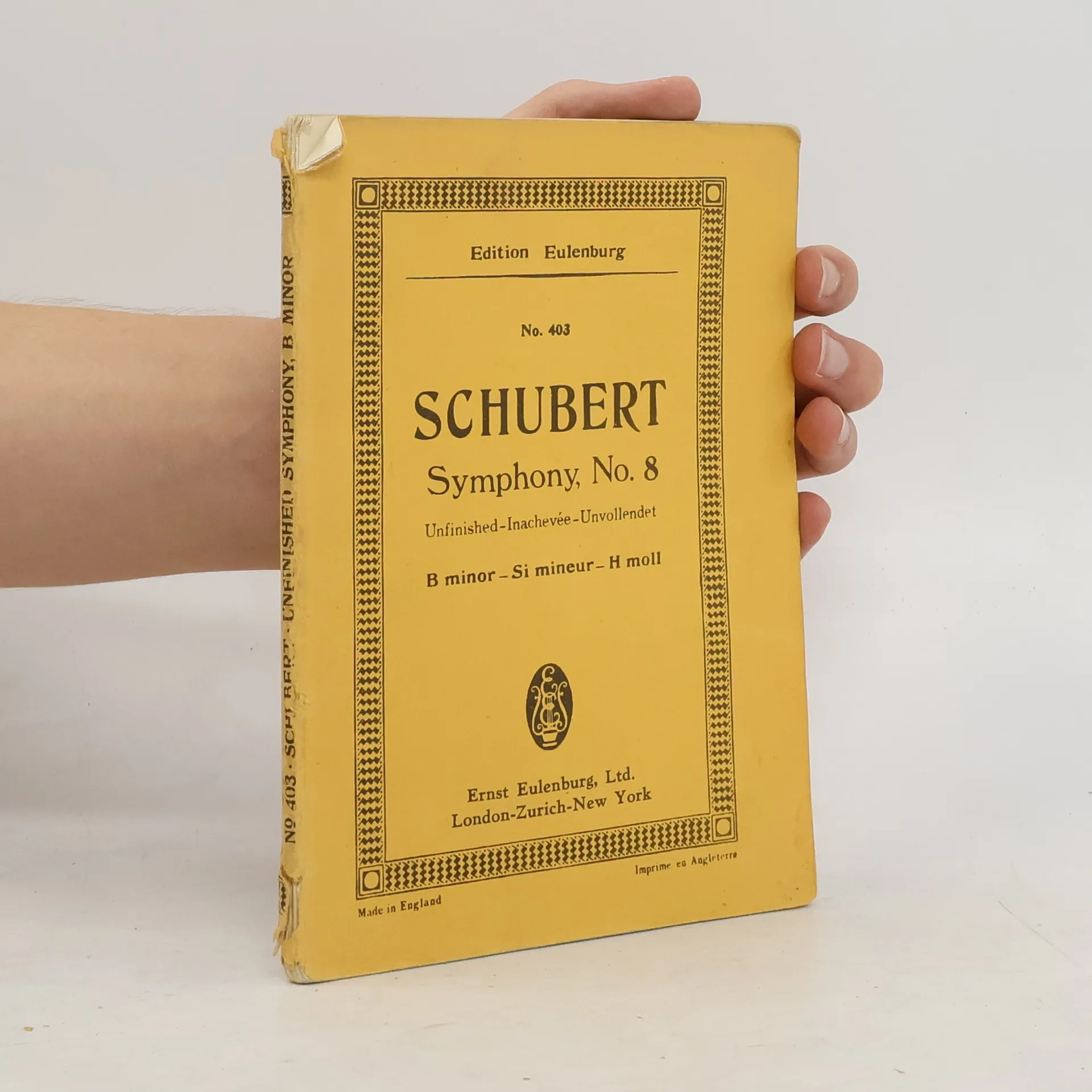
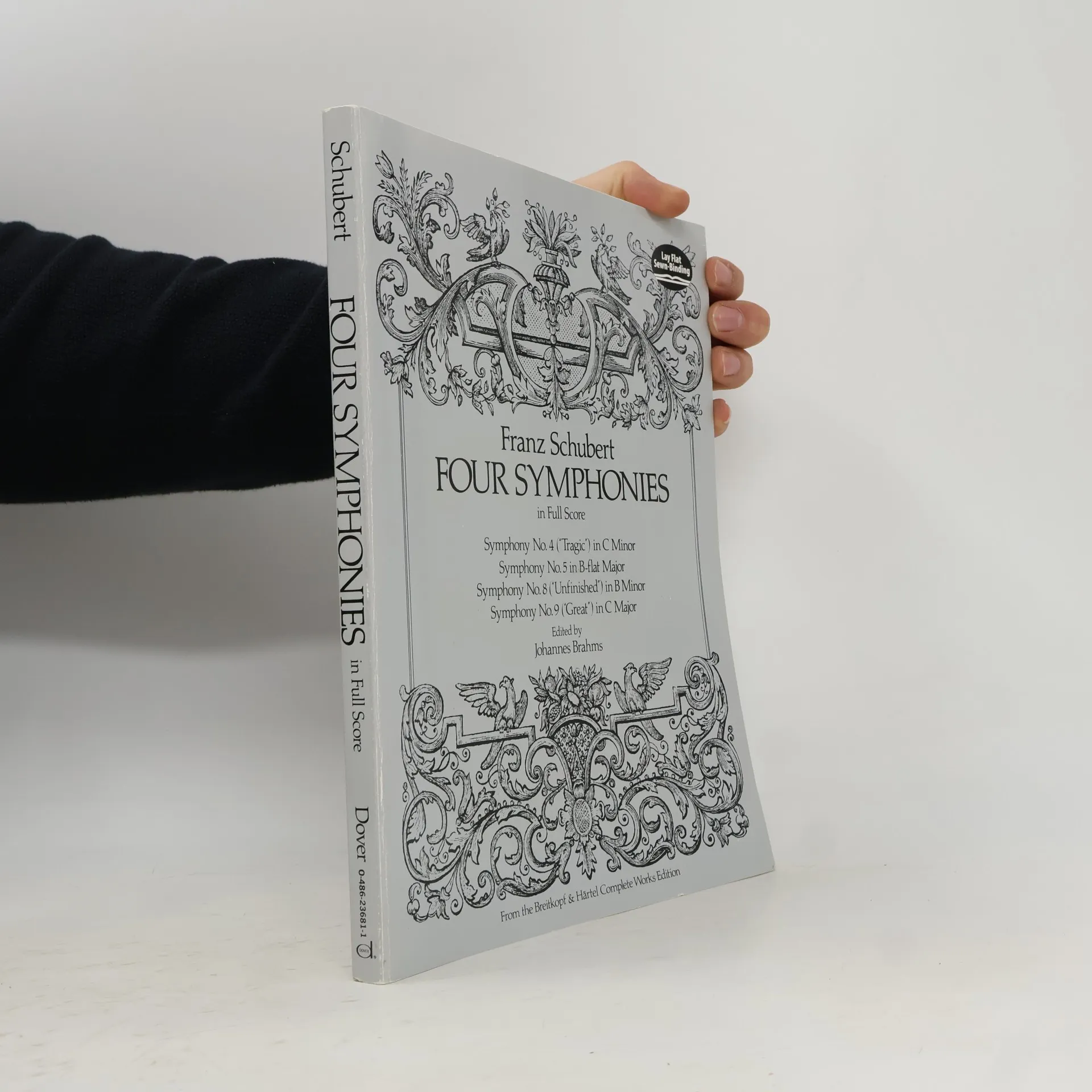
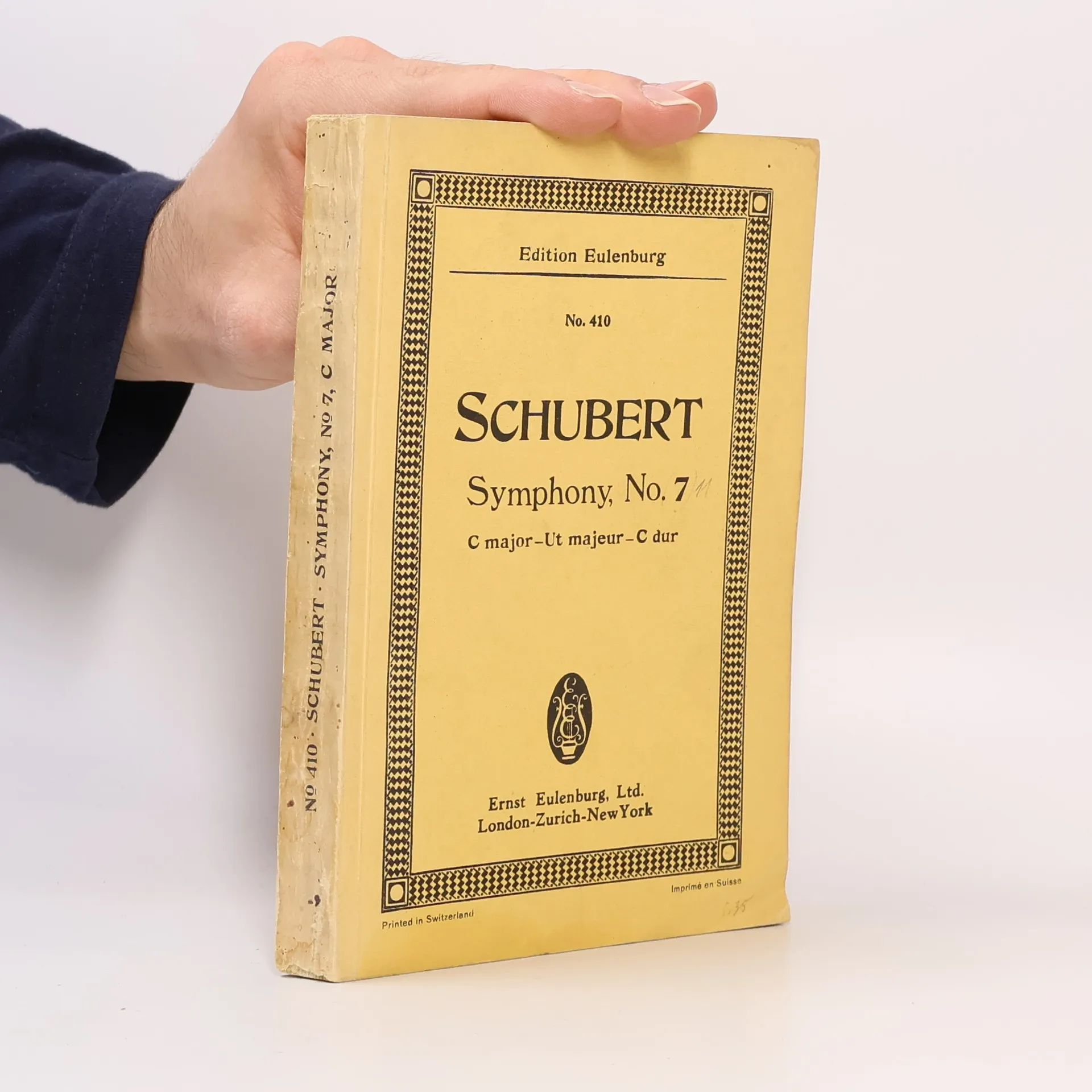
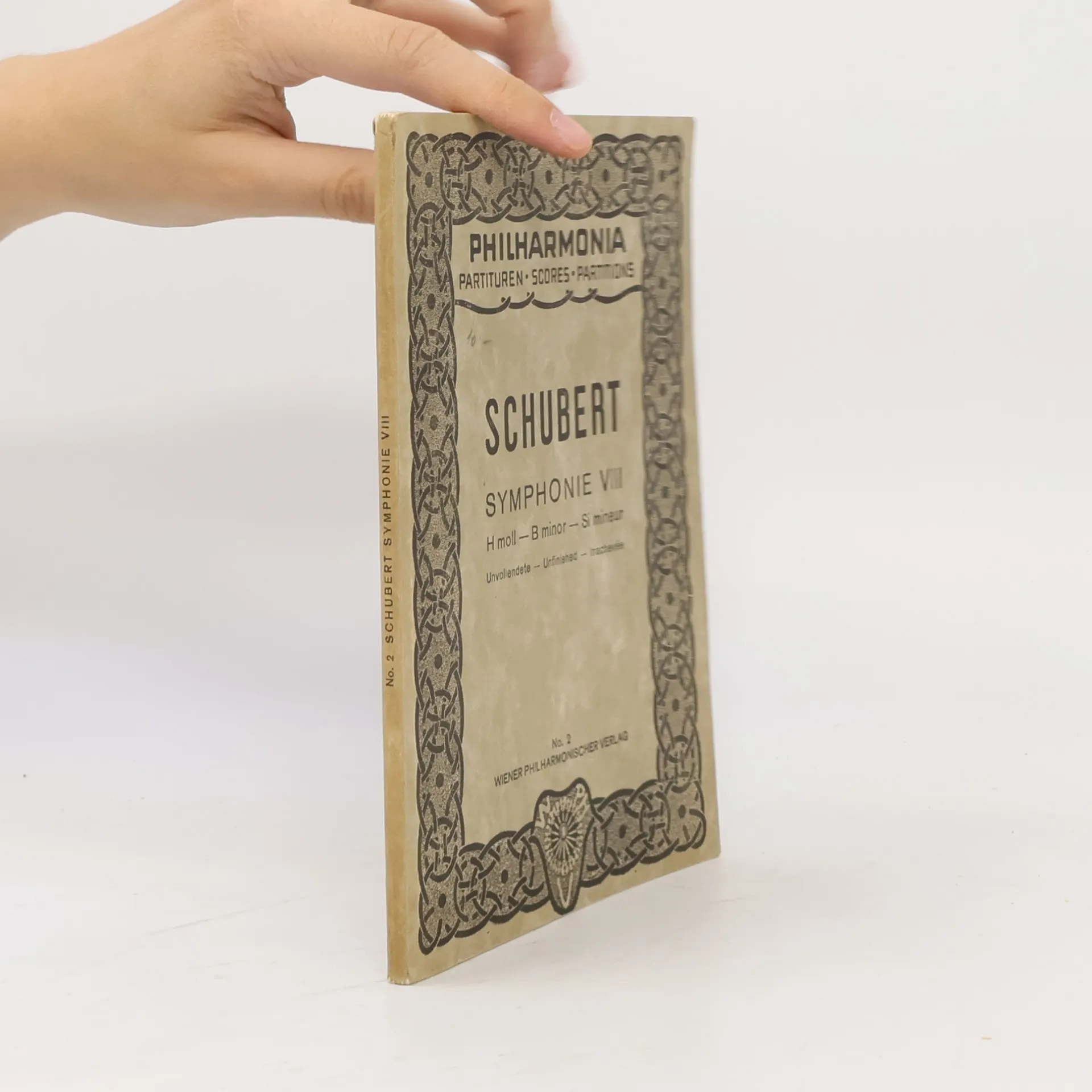
In 1978 the music world commemorated the 150th anniversary of Schubert's death, and his great symphonies were widely played and recorded. In this one volume are Schubert's four most popular and most often played symphonies in full score, including the Symphony No. 9, which, according to Grove's Dictionary, is "universally admitted to be his greatest masterpiece." The symphonies are reproduced complete and unabridged from the famous and scholarly Breitkopf & Härtel series, a large and eminently readable edition, and are edited by Brahms. No other single-volume edition of these works is currently available.Included in this book Symphony No. 4 ("Tragic") in C MinorSymphony No. 5 in B-flat Major (also known as "Symphony without Trumpets and Drums")Symphony No. 8 ("Unfinished) in B MinorSymphony No. 9 ("Great) in C MajorThe music has been reproduced in a size large enough to be read easily, with large noteheads, wide margins (for notes, annotations, etc.), and on opaque paper with sturdy, sewn bindings. Pages lie flat and will not fall out. The edition is practical for almost any use, whether as a study guide, a reference, or simply a companion for your greater musical enjoyment.
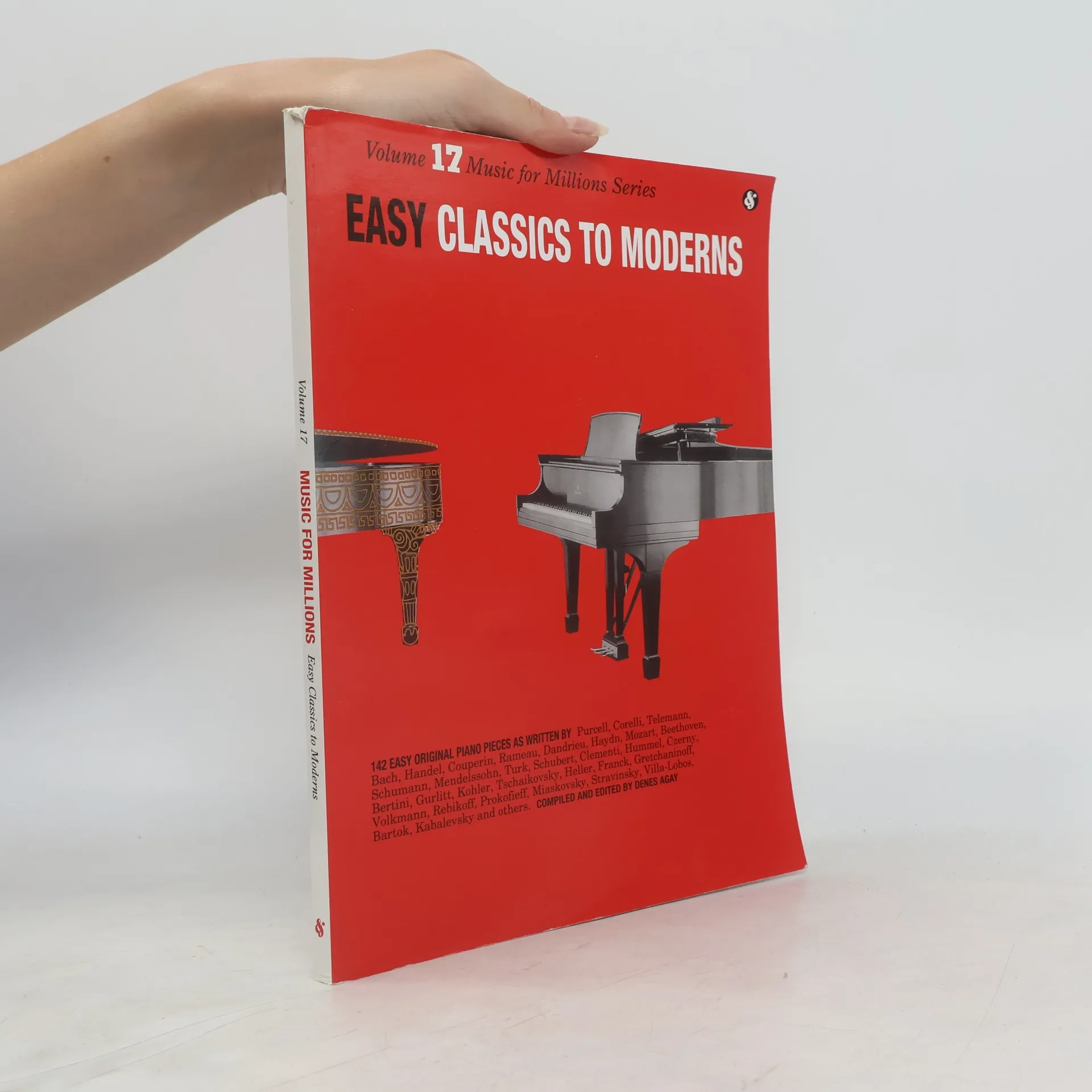
142 Easy Original Piano Pieces
(Music Sales America). These 142 pieces by the masters of piano literature date from the second half of the 17th century to the present day.
Numerous contemporaries remember how Schubert, in the company of his friends, spent hours in the evening improvising dances. A good portion of these have been lost forever, but what he did subsequently write down evokes a lively impression of the atmosphere in 19th-century Vienna. His Waltzes, Deutsche, Ecossaises follow the style of the age's fashionable dances, but the composer imbues them with characteristics of his own uniquely individual world of song and harmony. In Schubert's hands these traditional dance forms are gradually transformed into character pieces of an inward emotional world. This volume presents the full Urtext manuscripts of Schubert's dances which published during his lifetime. Extensive notes provide further information about Schubert's dances and a detailed description of the sources used for this edition.
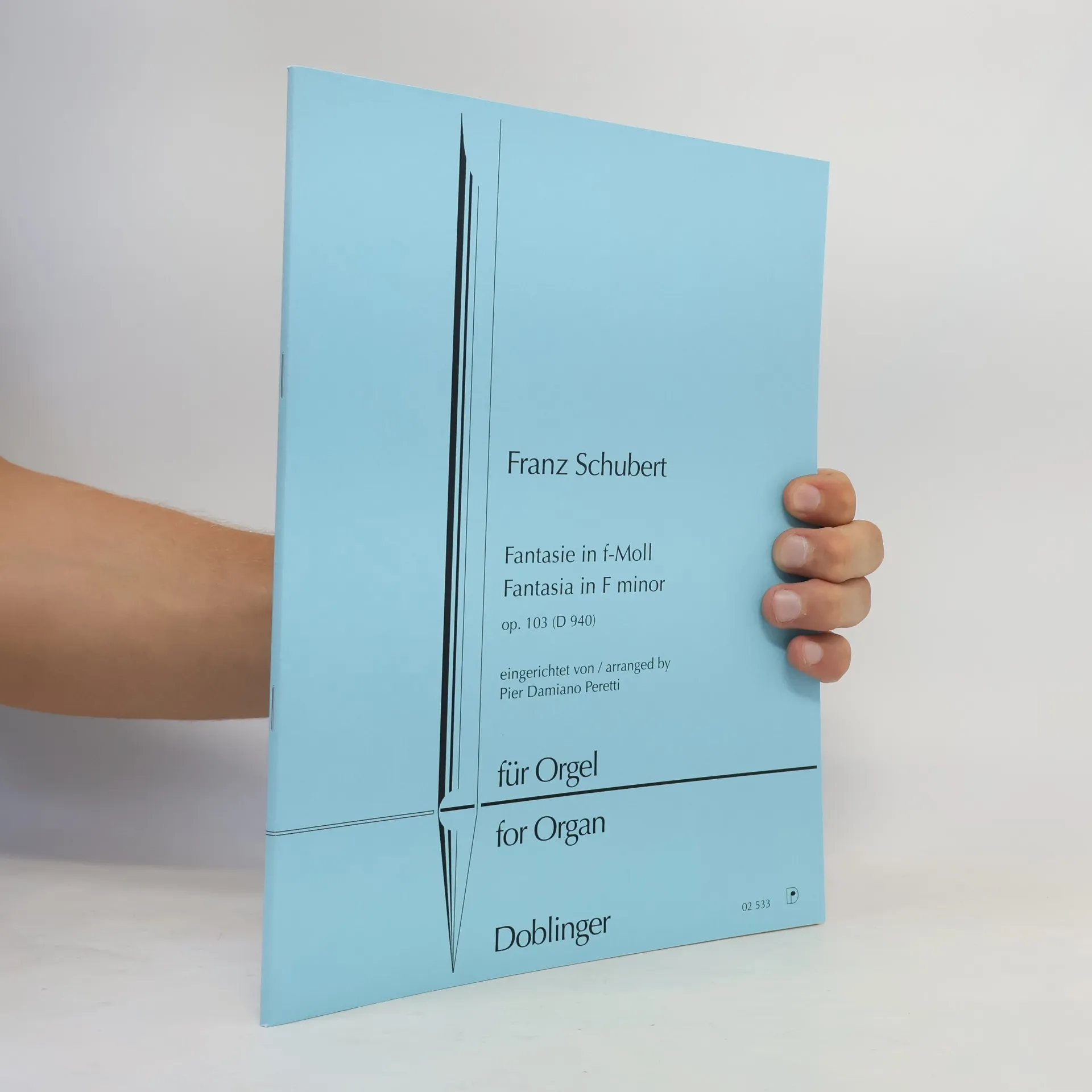
Op. 103 (D 940) - Für Orgel / For Organ
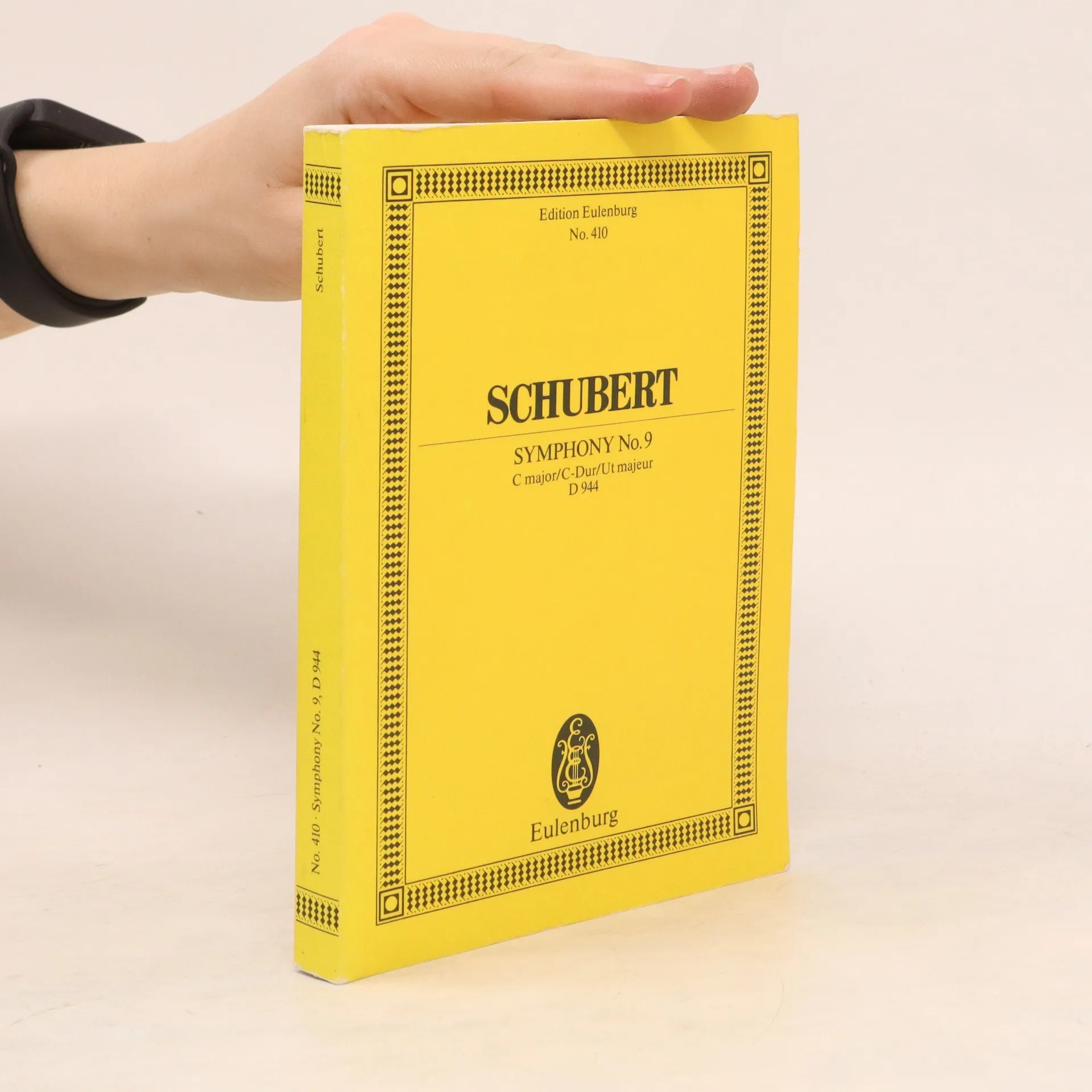
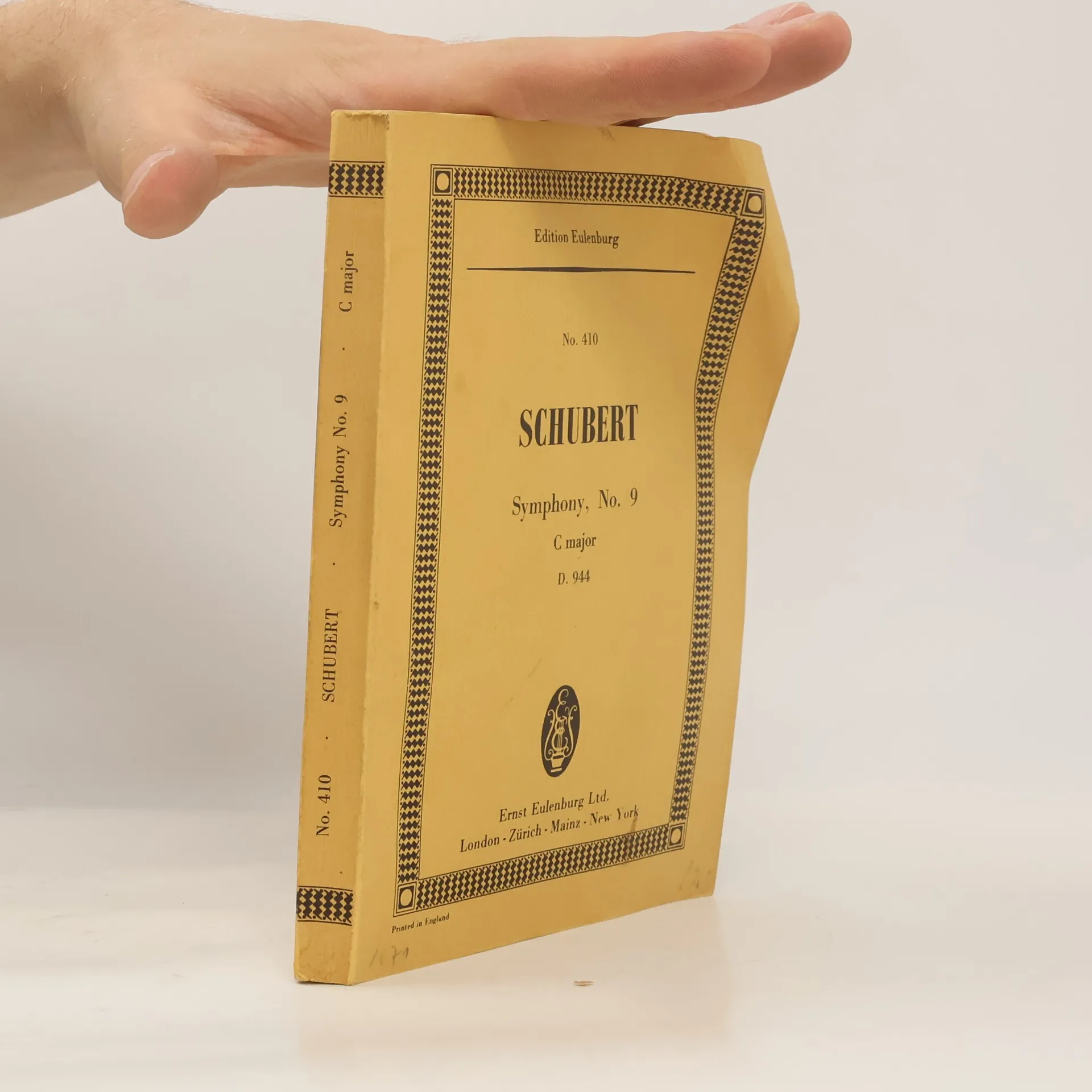
No. 410
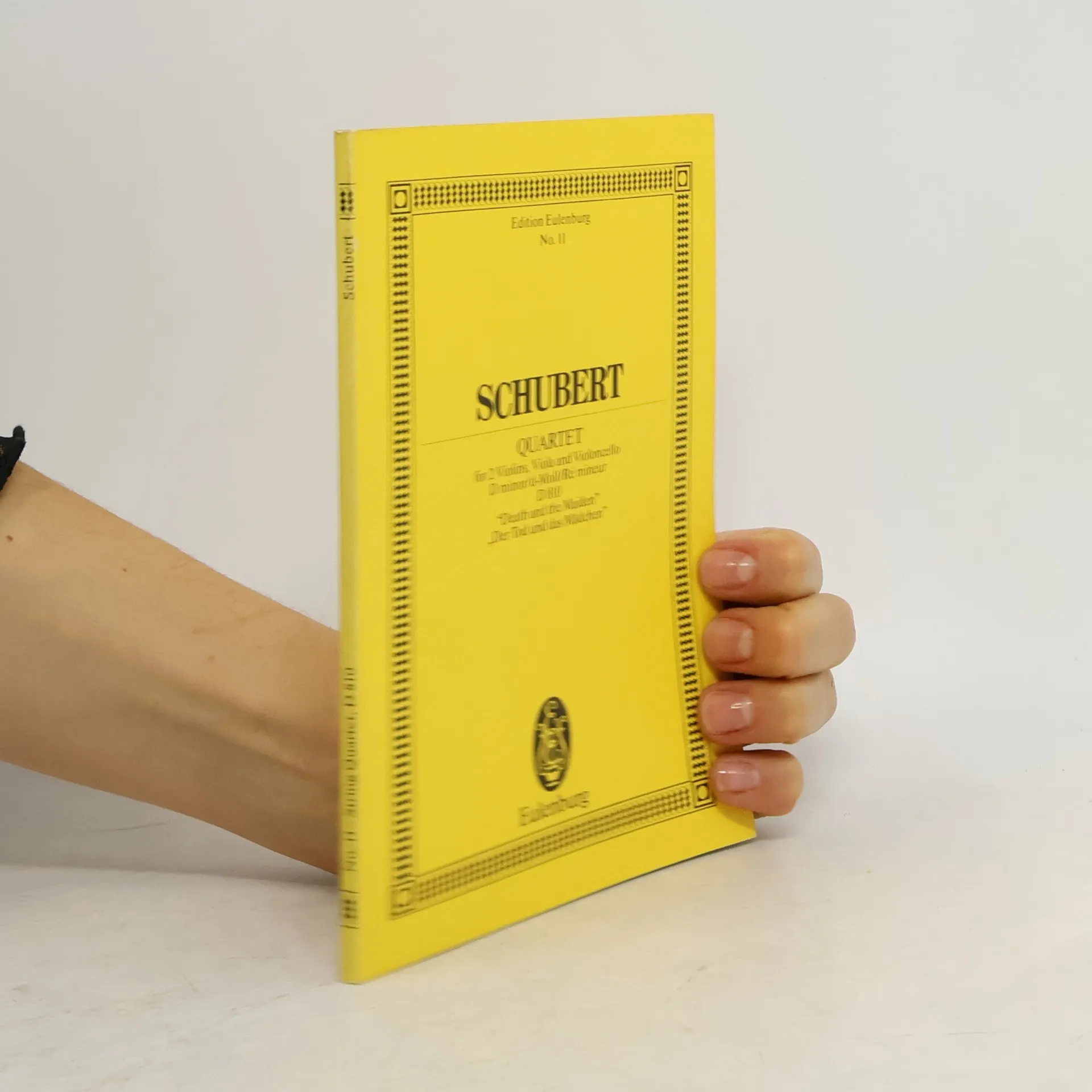
Death and the Maiden. Der Tod und das Mädchen
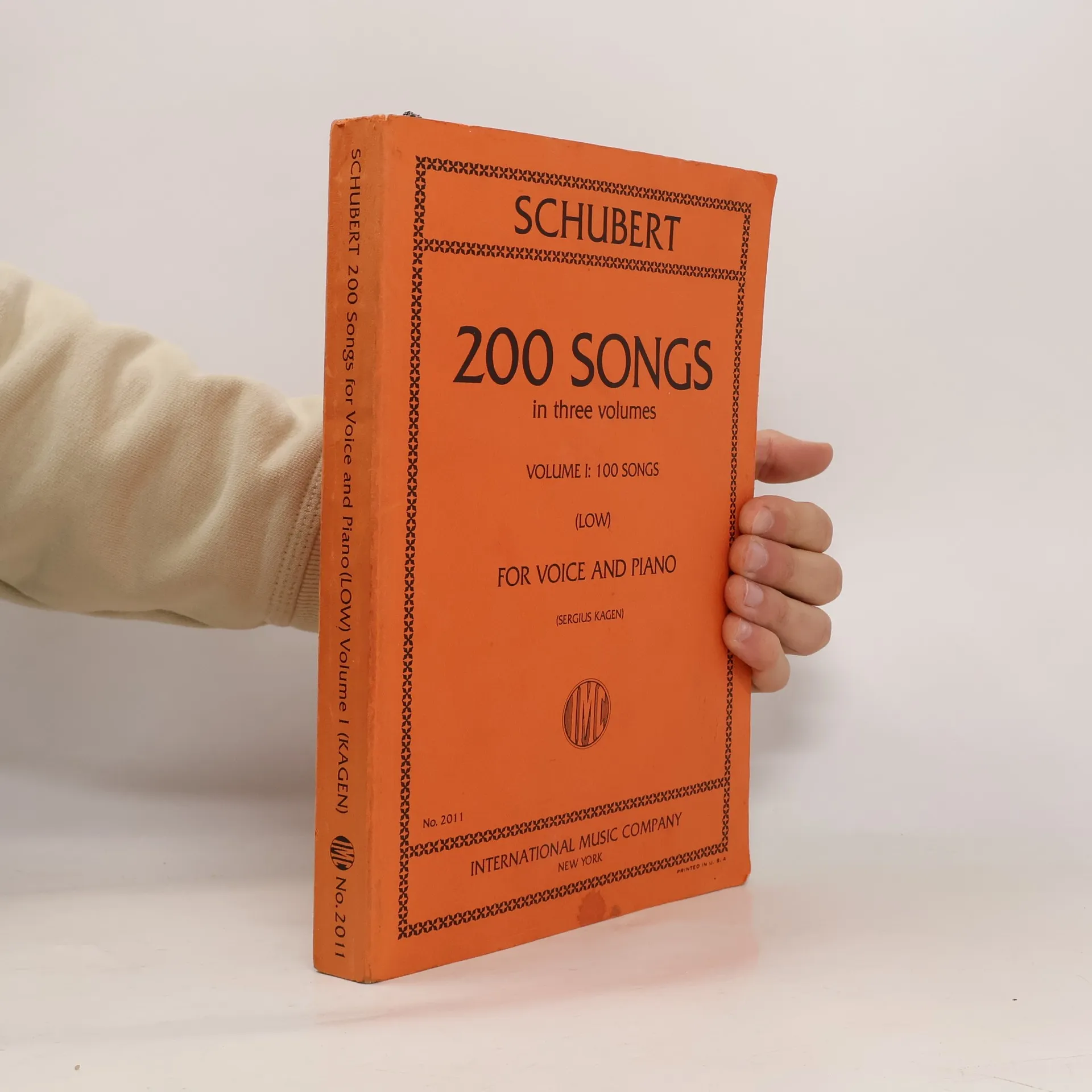
In three volumes
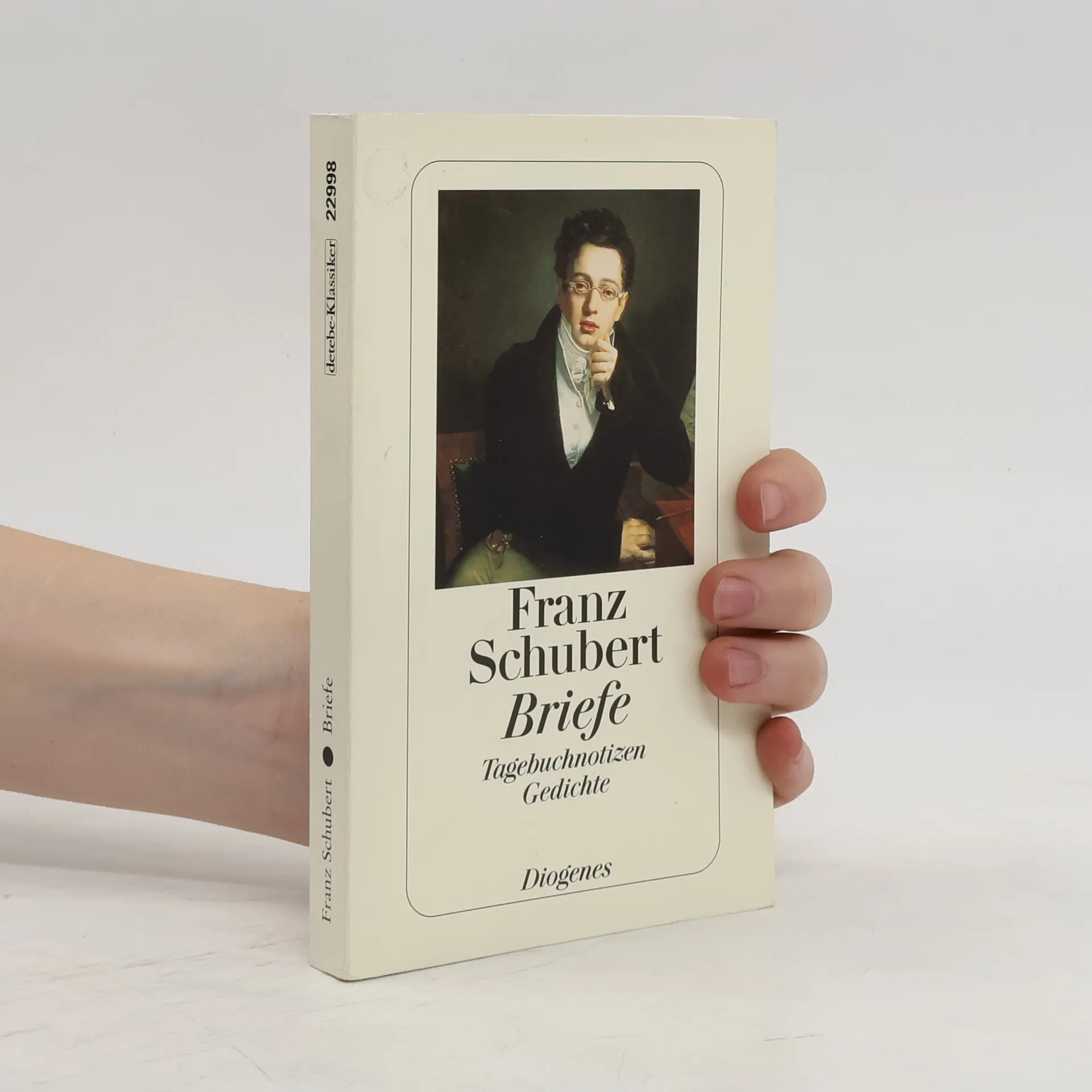
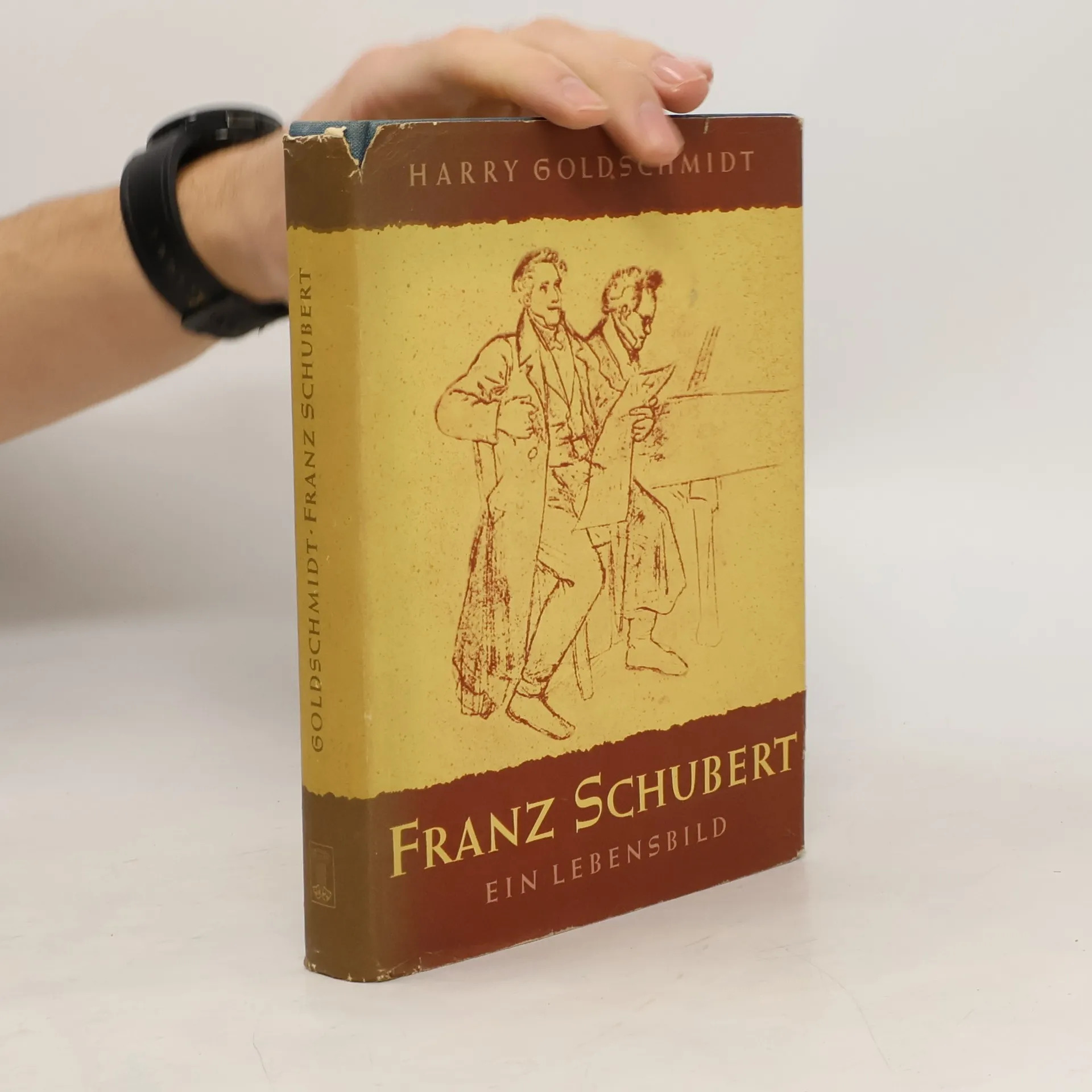
Der von seinen Freunden als ›wortkarg‹ beschriebene Schubert, der nur lebhaft und mitteilsam wurde, wenn es um die Musik ging oder aber um die Bekundung seiner freundschaftlichen Gefühle, äußerte sich gegenüber seiner Umwelt in nur wenigen Briefen. Um so mehr sprach er mit sich selbst, wenn er seine Gedanken, Empfindungen und Beobachtungen in Tagebuchnotizen und Gedichten niederschrieb. Brief, Gedicht und Tagebuch ergeben ein Ganzes, das überraschende und imponierende Einblicke in die Mentalität dieses Künstlers gibt.
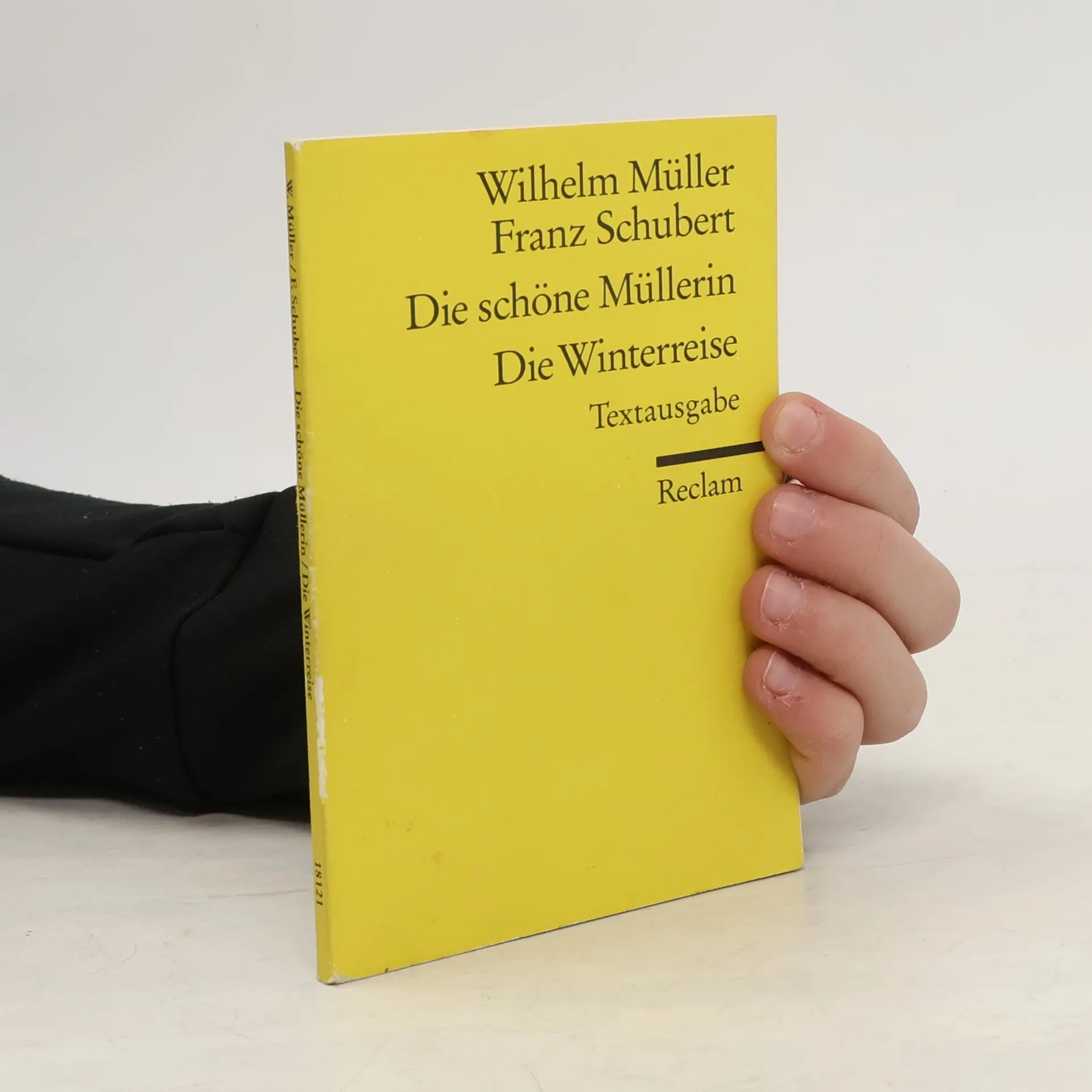
Der Dichter Wilhelm Müller (1794–1827) und der Komponist Franz Schubert (1797–1828): Nur durch Zufall nahm der Komponist Notiz vom Dichter – und war hingerissen. So entstanden zwei der wichtigsten Gesangszyklen der Musikgeschichte: »Die schöne Müllerin« (deren Text hier vollständig mit den von Schubert nicht verwendeten Stücken abgedruckt ist) und »Die Winterreise«.
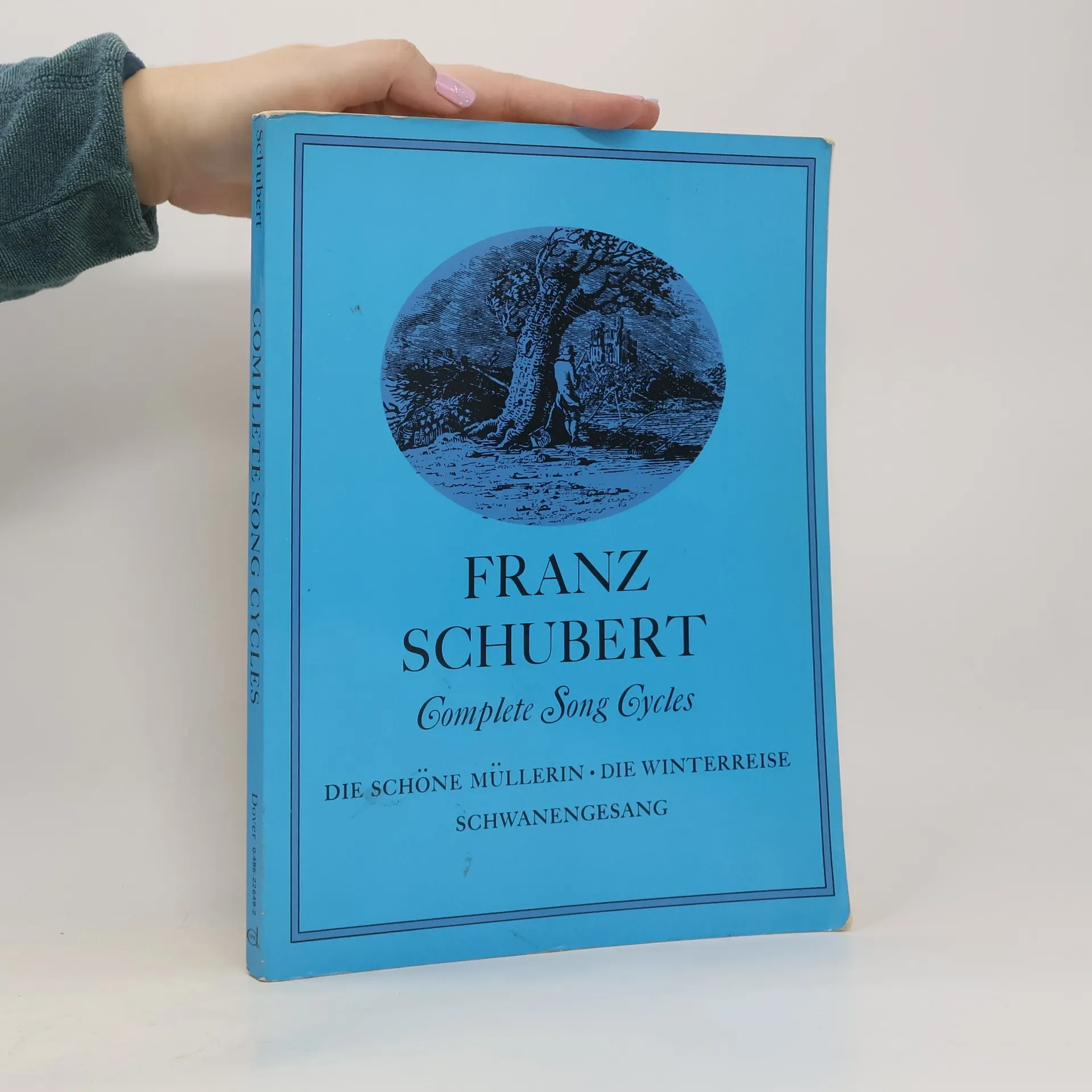
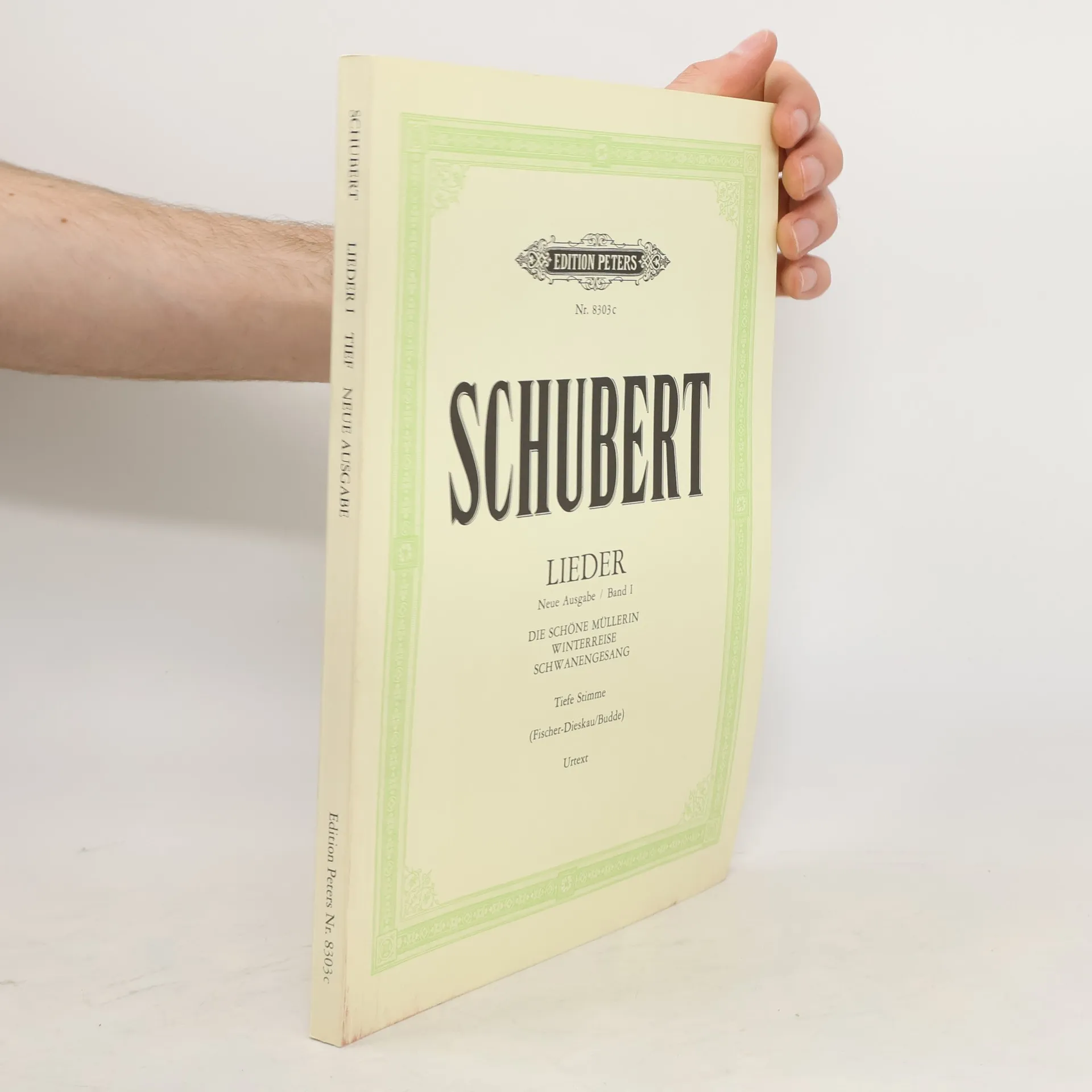
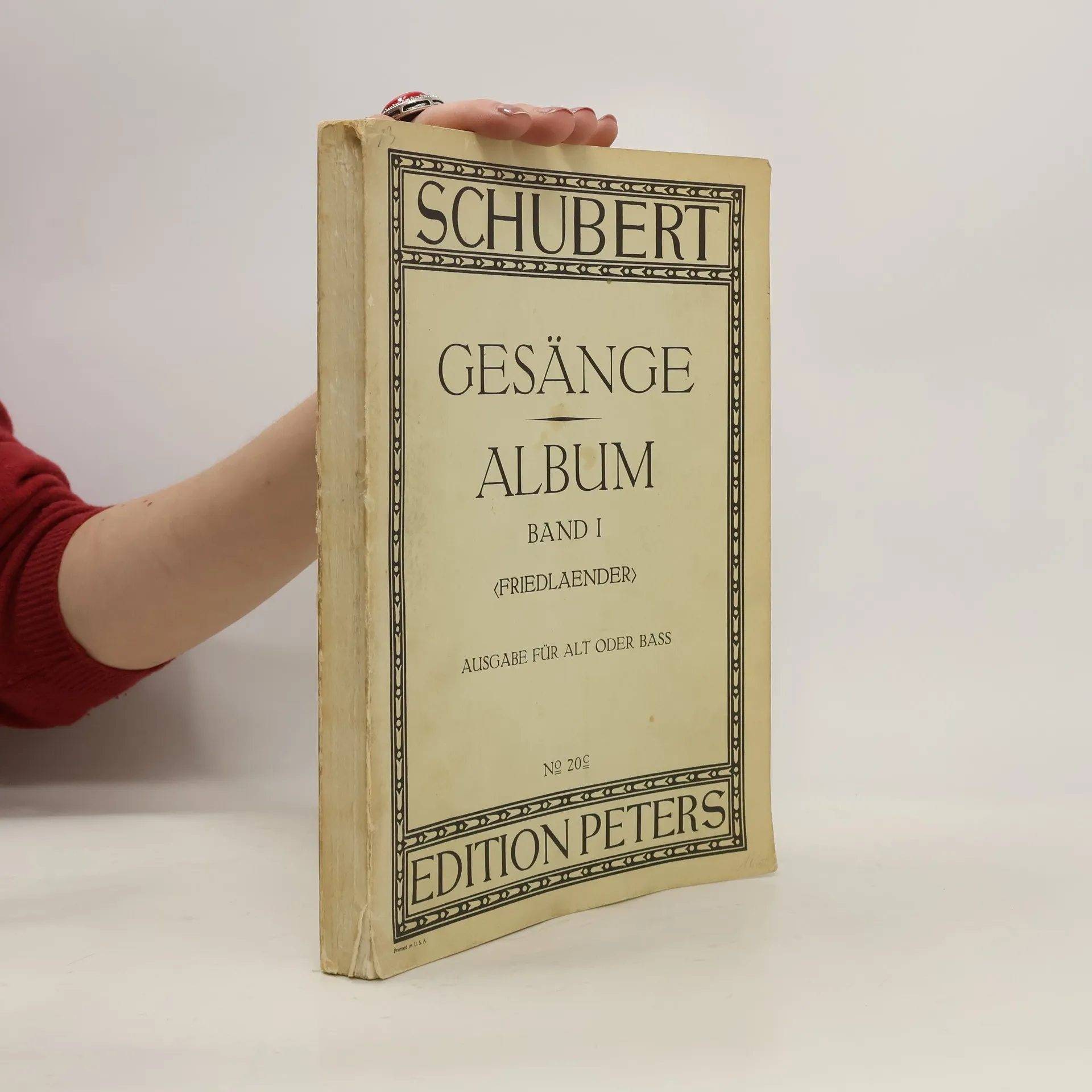
Die schöne Müllerin, Winterreise, Schwanengesang und 30 ausgewählte Lieder
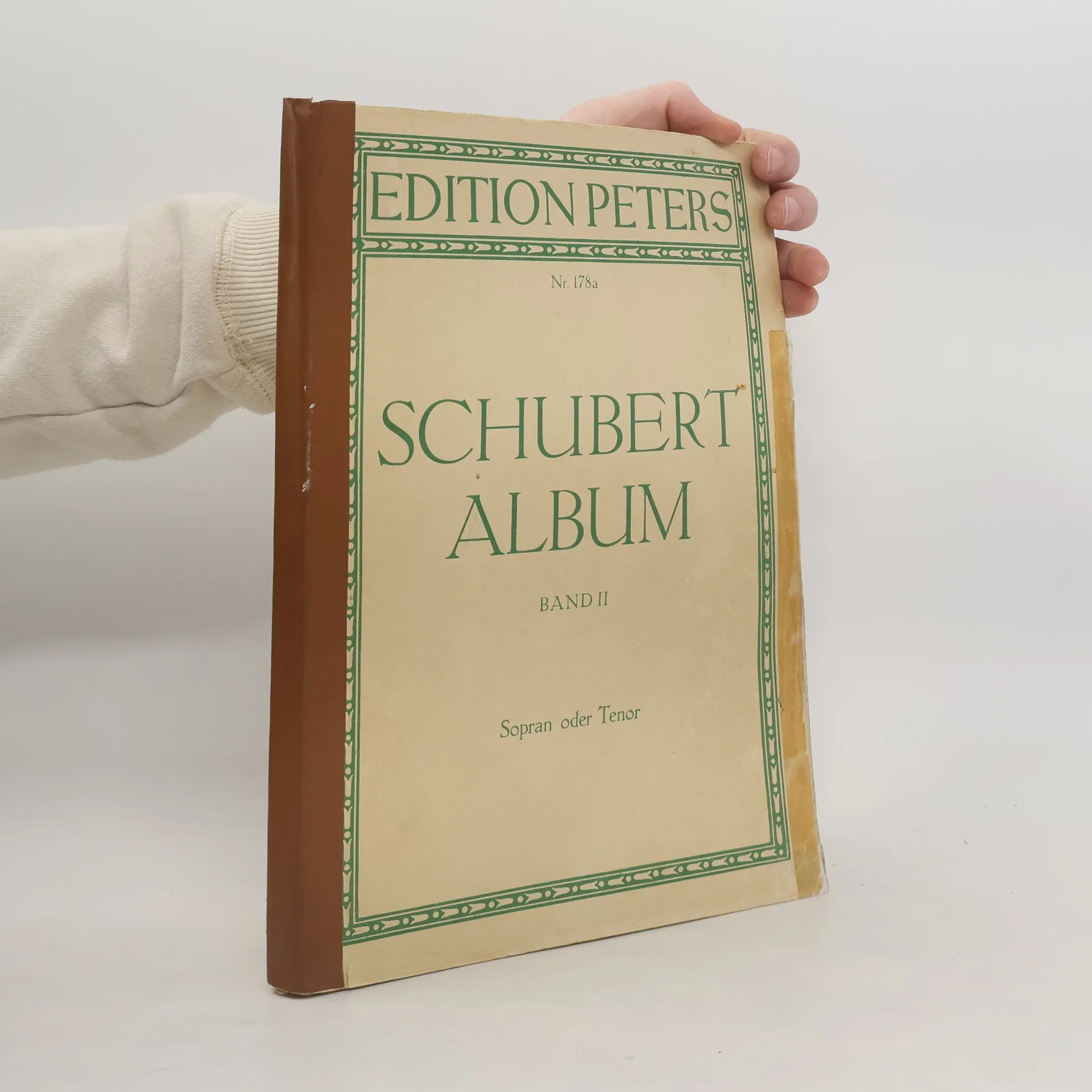
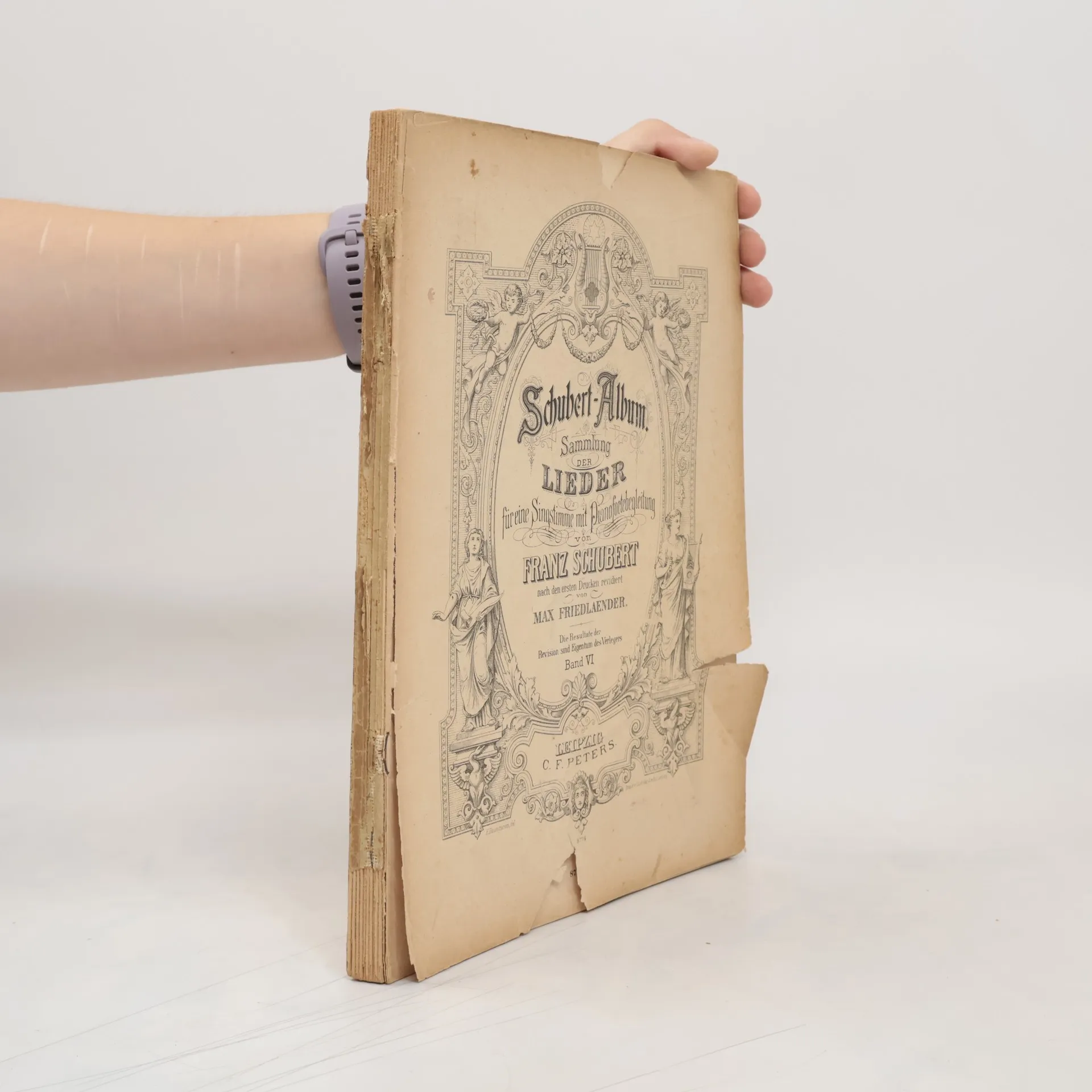
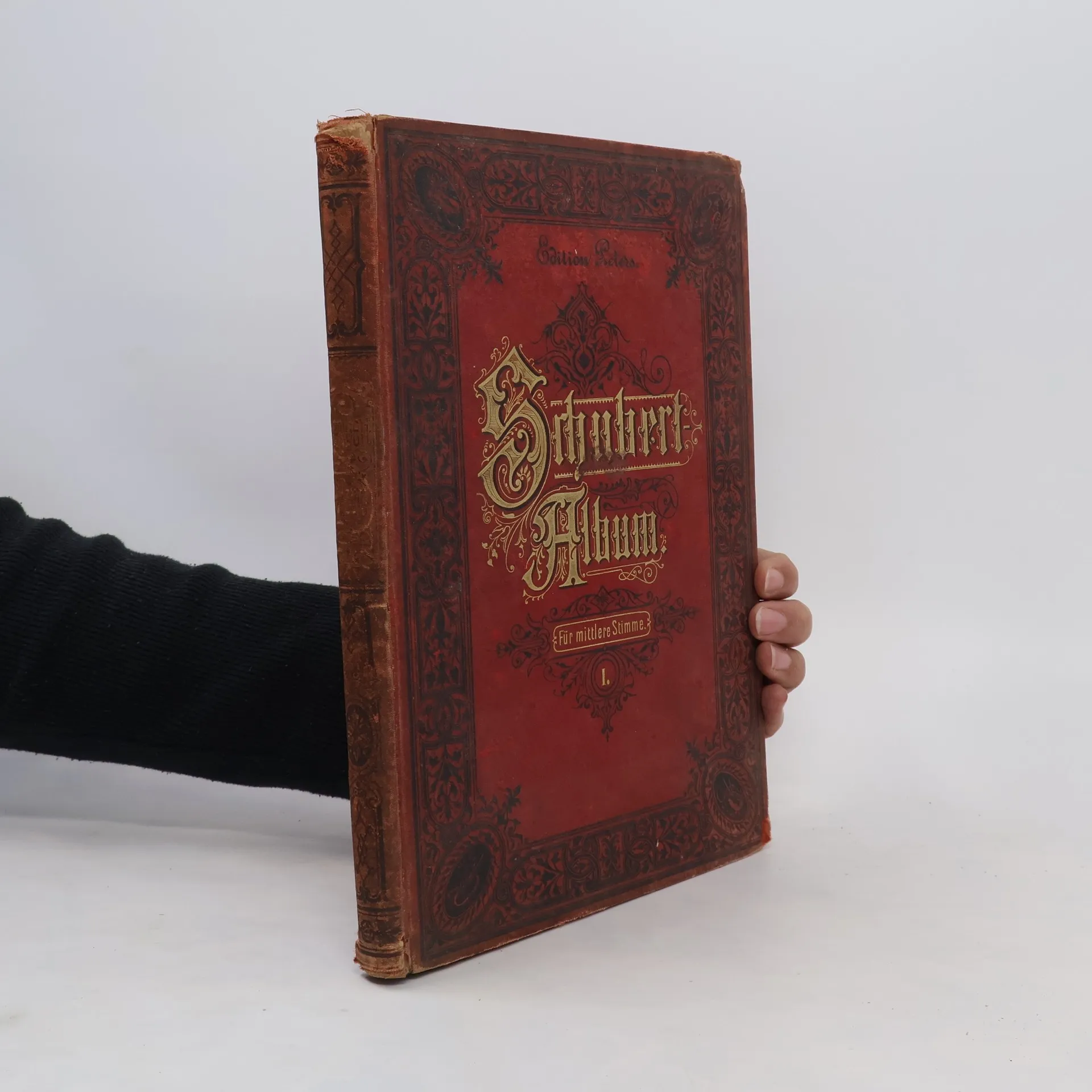
Sammlung der Lieder für eine Singstimme mit Pianofortebegleitung von Franz Schubert
2 Violinen, Viola und Violoncell
2 Violinen, Viola und Violoncell
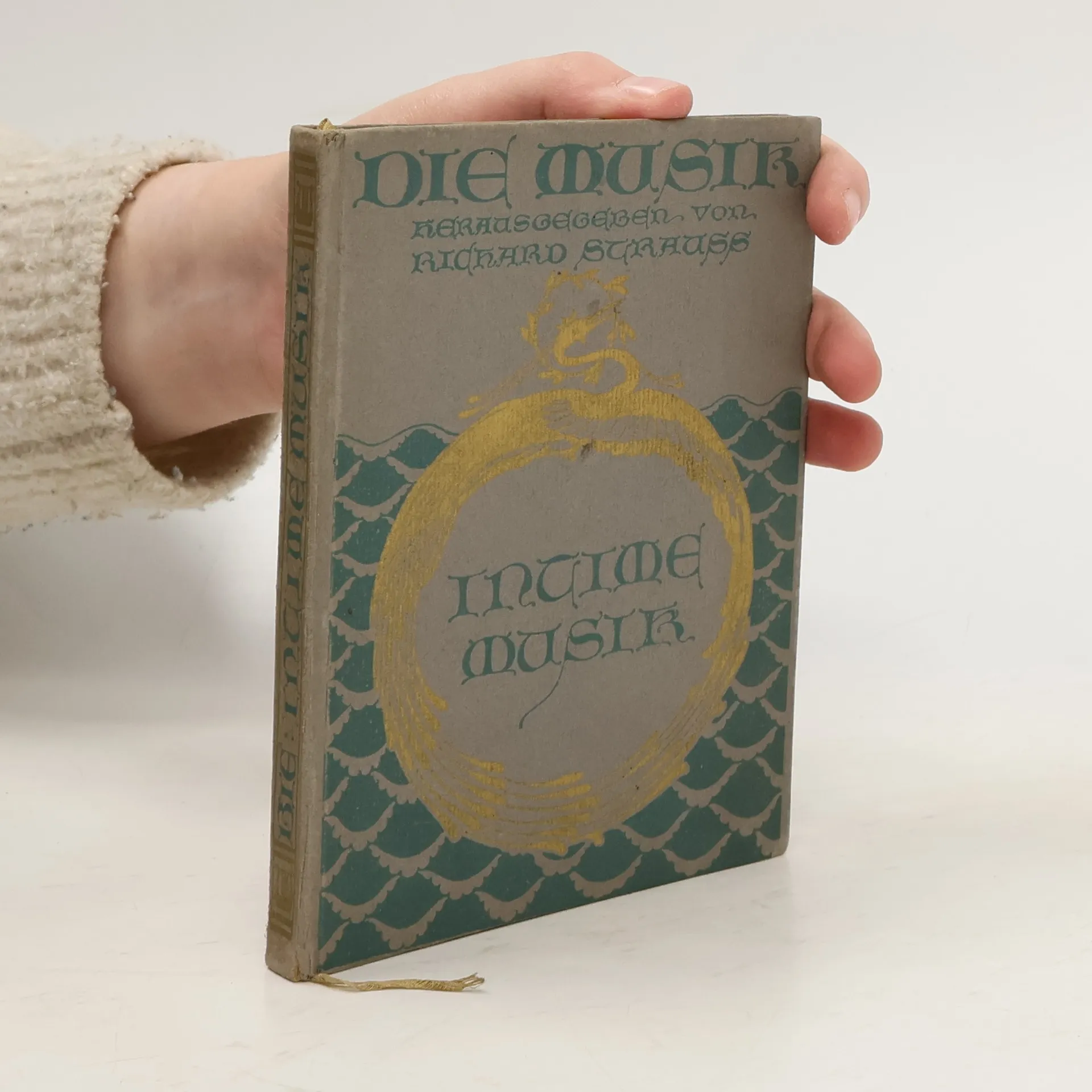
Herausgegeben Von Richard Strauss
Lieder I.
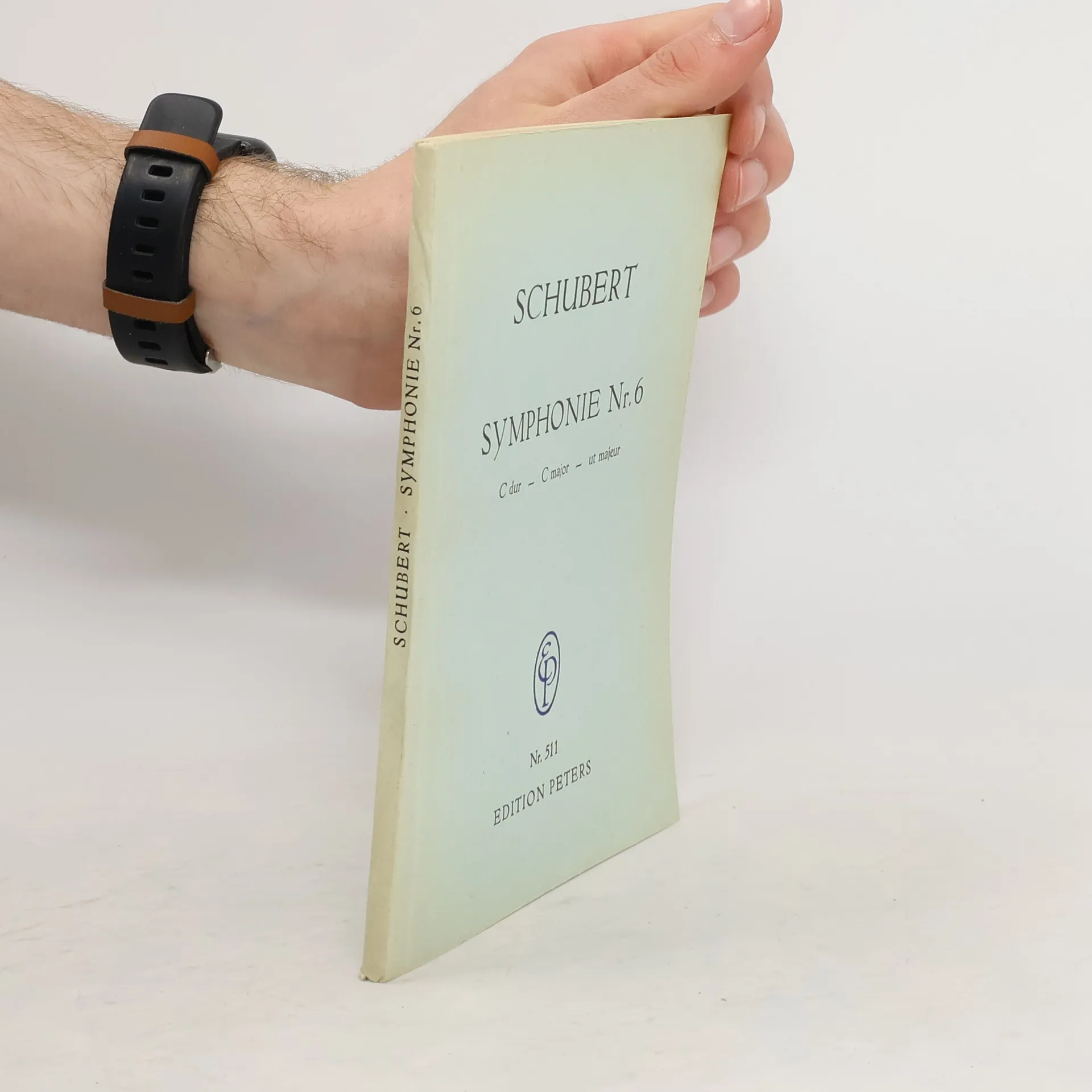
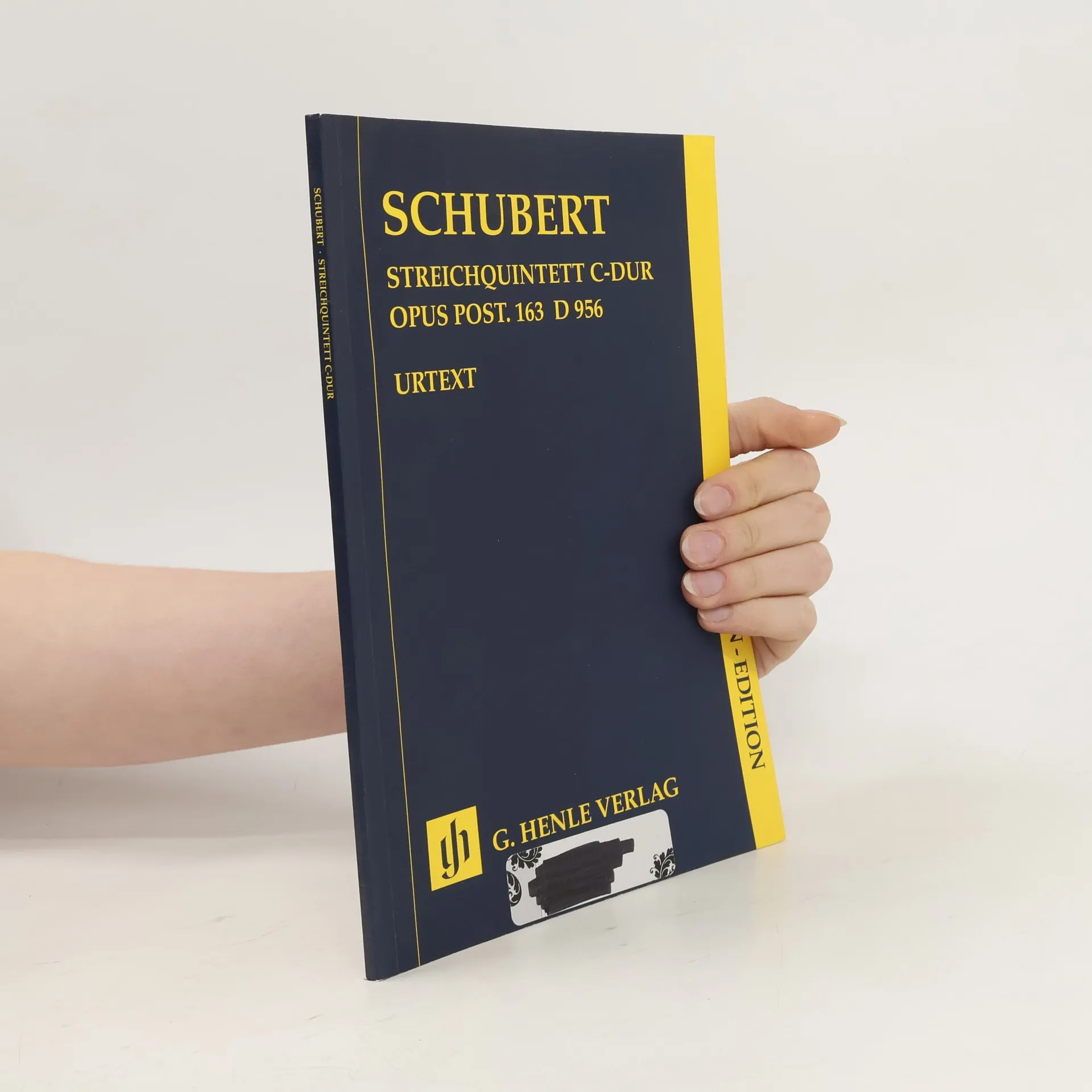
C dur, C major, ut majeur