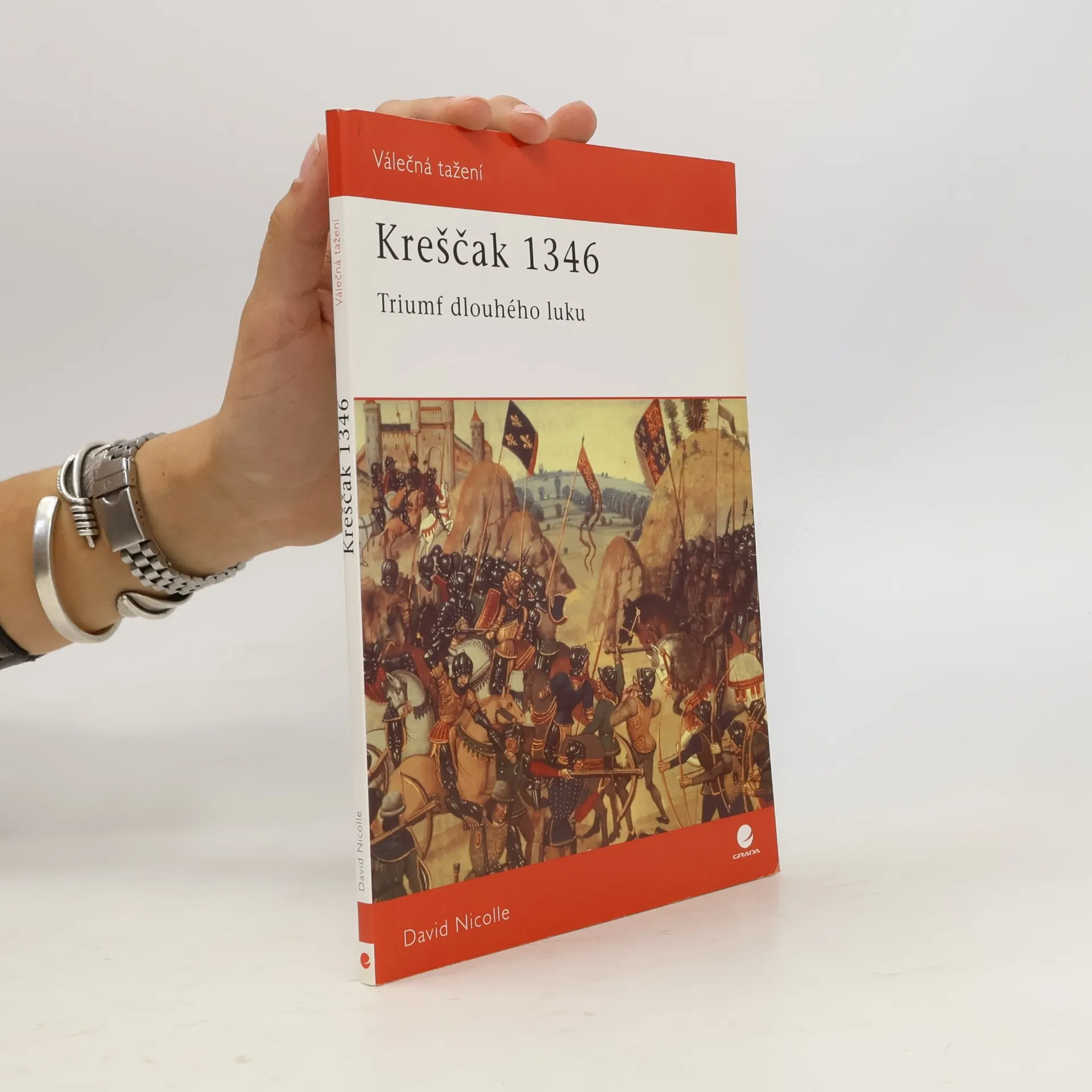
Podrobný popis průběhu a důsledků největší bitvy první fáze stoleté války mezi Francií a Anglií. Politické pozadí konfliktu a mocenské cíle obou znepřátelených států. Stoletá válka jako vyvrcholení bojů mezi francouzským a anglickým panovníkem o dominantní postavení v evropské politice. Popis stavu, organizace, struktury i výzbroje obou armád. Strategické schopnosti jejich velitelů. Podrobný plán anglické invaze a strategie francouzské obrany. Bitva u Kresčaku (plány, mapky, trojrozměrné mapky, ilustrace). Historické bojiště v dnešní době.
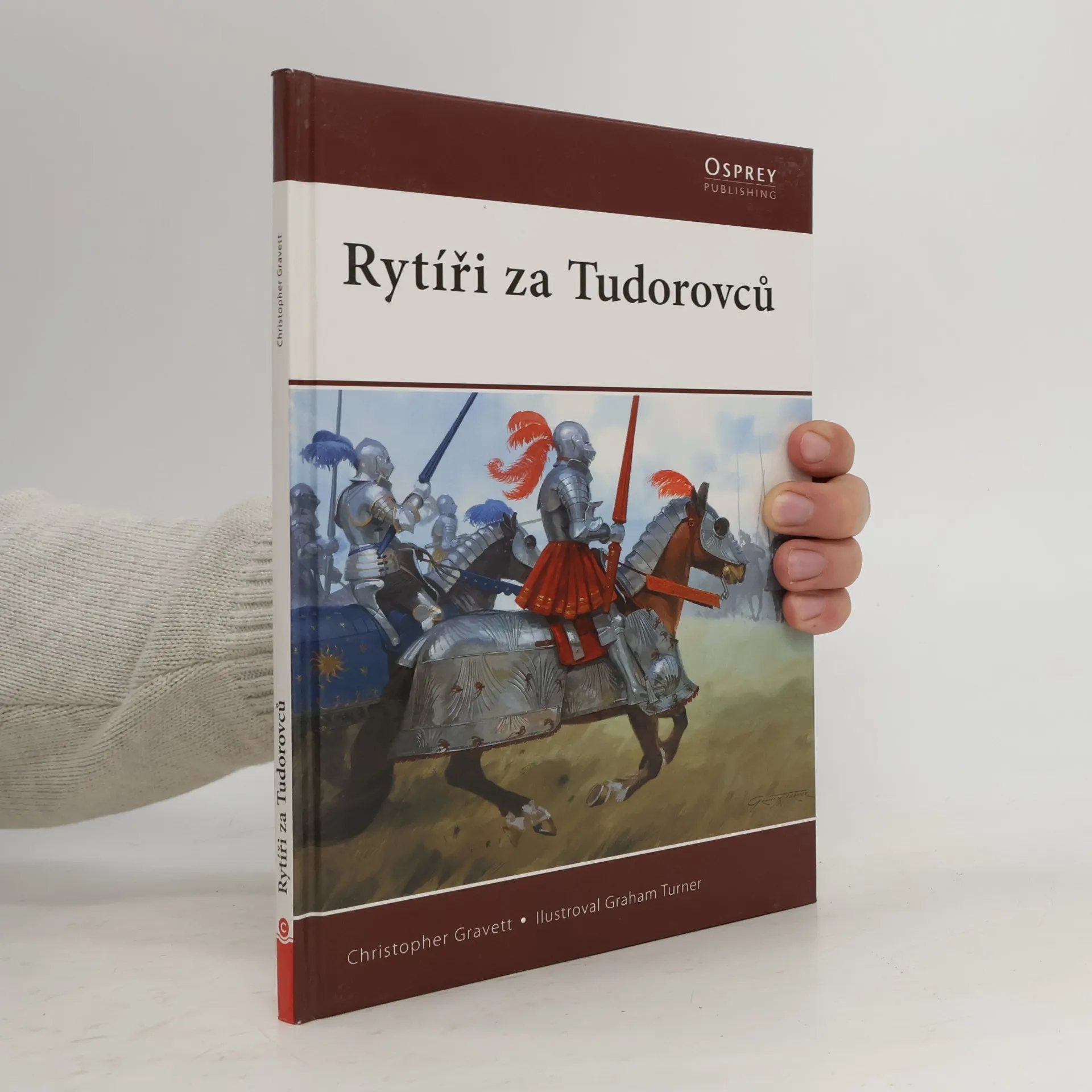
Tudorovský rytíř byl první obrannou linií, využívanou panovníky od Jindřicha VIII. až po Alžbětu I., a zároveň také posledním představitelem rytířských tradic majících původ v 11. století. Rytířstvo prošlo v období vlády Tudorovců značnými proměnami, co se týče náboru vojáků, vzhledu, a především výcviku a vybavení.
Kromě tohoto kniha detailně přibližuje i rytířův vzhled, život na válečné výpravě a zkušenosti z bojů ve Francii, Skotsku a Irsku. Jsou zde také popsány rytířské ideály, jejichž nejnázornějším vyjádřením se stalo ceremoniálně pojaté setkání Jindřicha VIII. s francouzským králem Františkem I. nazývané „bitva chvastounů“, ke kterému došlo v roce 1520 nedaleko Calais.
A highly illustrated history of the Wars of the Roses based on the medieval art of Graham Turner.The period of civil strife in the second half of the 15th century known as the Wars of the Roses is one of the most dramatic in English history. It is rich with political events, outstanding protagonists, battles and campaigns, and culminates in the defeat of Richard III, brutally killed at the battle of Bosworth in 1485, and the rise to the throne of the House of Tudor.Since first being inspired by a visit to Bosworth battlefield over 25 years ago, renowned historical illustrator Graham Turner has built a worldwide reputation for his renderings of this colourful and intense era. This new study contains a unique and comprehensive collection of his paintings and drawings, which provide meticulously researched details of arms, armour and settings, while at the same time bringing to life the human stories behind the turbulent events.Fully illustrated with artwork and prints prized by historians and collectors for their dramatic and atmospheric compositions, The Wars of the Roses is an unmissable visual tour which showcases the technical, contextual and human facets of one of England's most dramatic historical periods.
Graham Turner challenges common assumptions about the Old and New Testament by focusing on two central themes: personal spirituality and social justice. Through his exploration, he aims to reveal deeper insights into the scriptures, encouraging readers to reconsider their understanding of these religious texts and their relevance to contemporary issues.
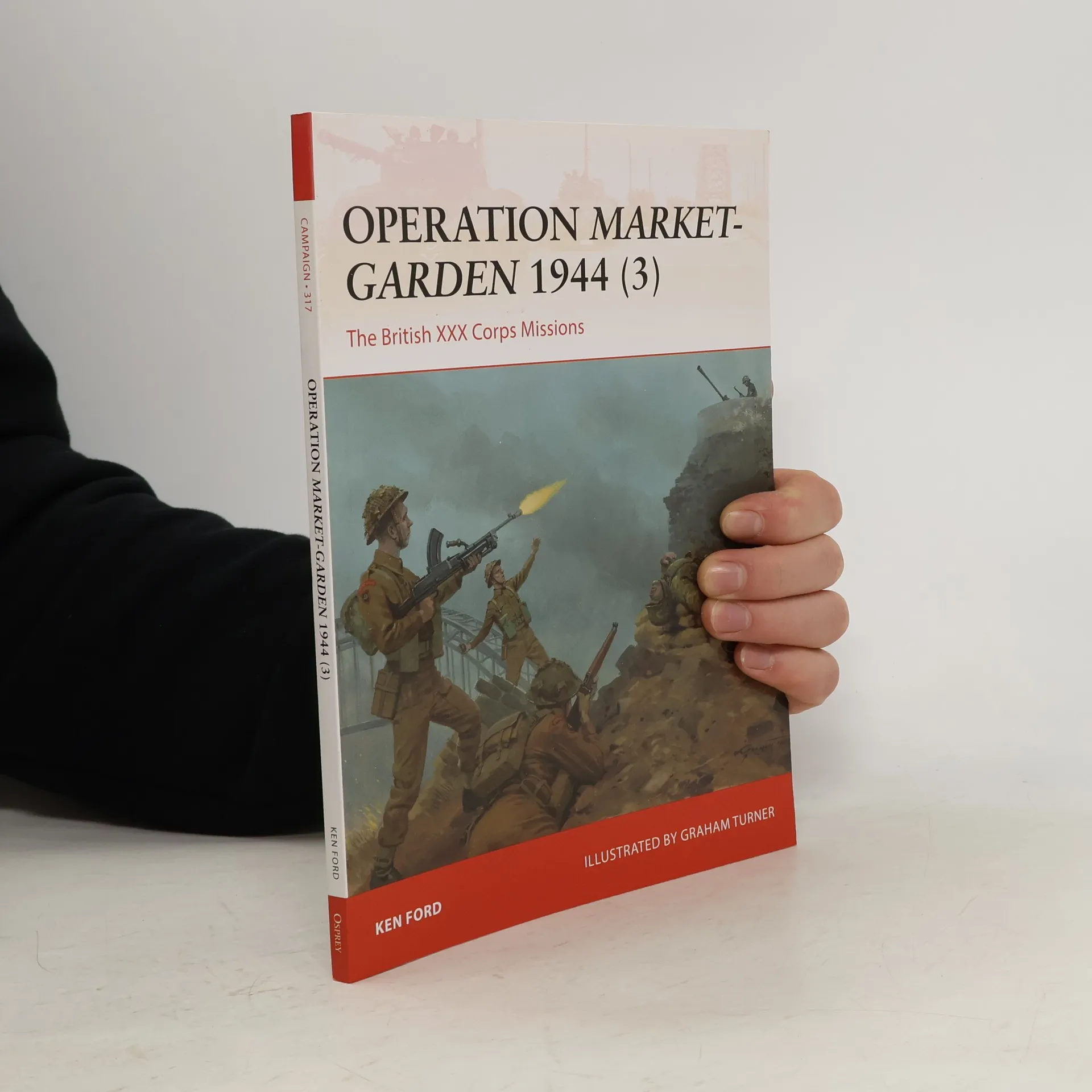
In the final instalment in Osprey's trilogy on Operation Market-Garden, this is a fascinating account of the British XXX Corps assault towards the Rhine at Arnhem.
Radical prayers challenge conventional "collect" prayers, offering a refreshing alternative to the often bland and predictable language found in traditional church practices. Born from the author's personal struggle, these prayers aim to invigorate both individual and communal worship, providing nourishment and inspiration for deeper spiritual engagement.
Graham Turner critiques the slow and inadequate responses to the financial crisis, emphasizing that timely and radical measures like quantitative easing were necessary but not implemented effectively. He analyzes policy errors, including the flawed market-led approach of the Obama administration and central banks' misfocus on inflation. Turner warns of impending political instability in post-Soviet states due to economic collapse and argues that understanding past mistakes is crucial to avoiding a depression worse than that of the 1930s.
Silence is a mysterious and unfathomable realm, perhaps the most under-used of all resources, and one our modern culture has all but obliterated by turning up the volume control. Graham Turner explores the power that can be found in silence through interviewing monastics, religious leaders, composers, actors, psychotherapists, prisoners and peace workers about their experiences of practising silence. Ranging from Christian contemplation in the Egyptian desert to Vipassana meditation in India, from the shared silence of Quaker meetings in Oxford to the profound stillness of the Alps, this is a powerful book about a great gap in modern human awareness.
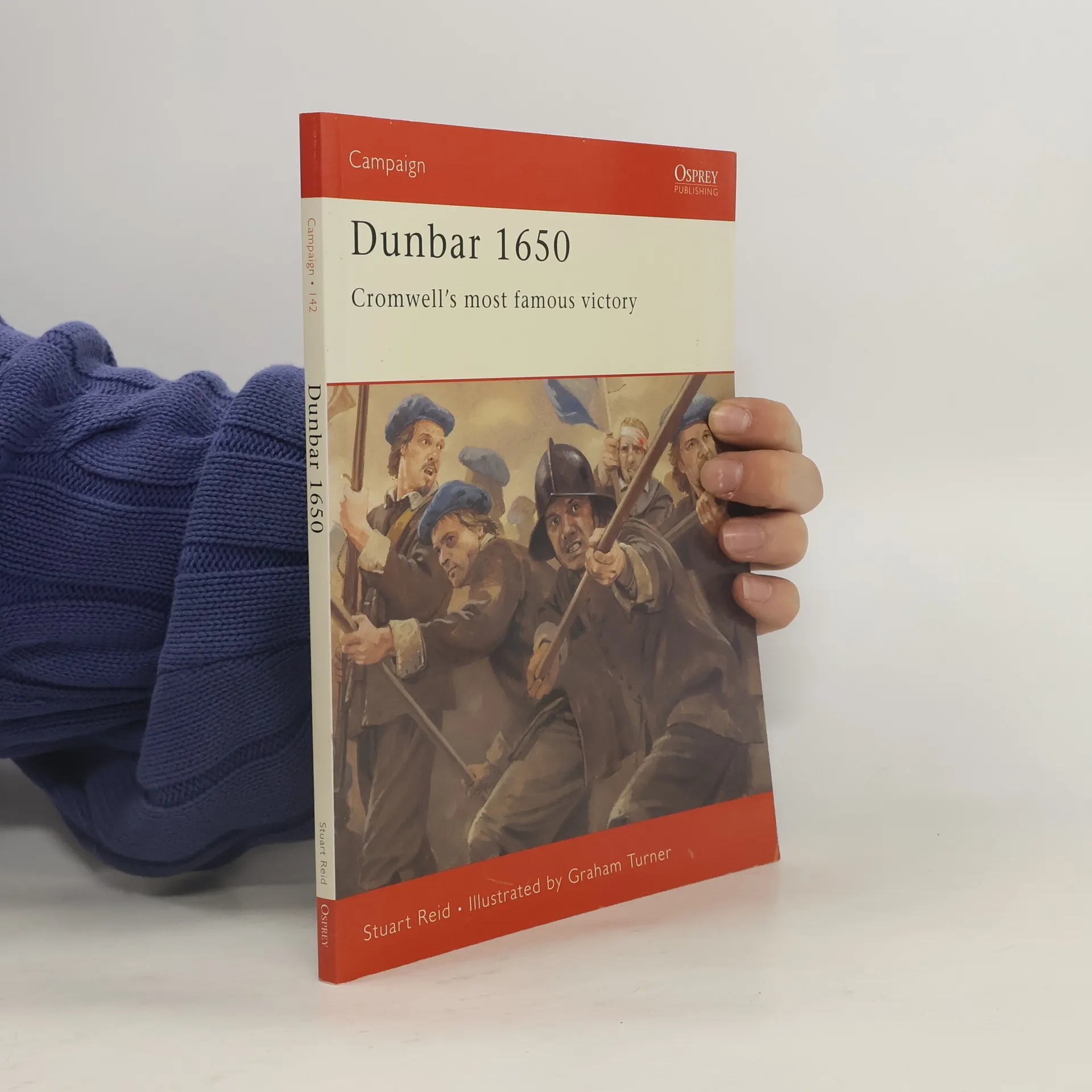
Osprey's study of the most famous battle of the Third English Civil War (1649-1651). Having already allied with his father, the Scots' acceptance of Charles II as king in 1649 caused deep suspicion in England. In July 1650, Oliver Cromwell led a powerful force across the Scottish border to remove the problem. For six weeks Cromwell waged a frustrating campaign against a Scots enemy that refused to meet him in battle. By the beginning of September Cromwell's army, poorly supplied, exhausted and ravaged by sickness, was apparently trapped at Dunbar by a powerful Scots army. On 3 September he won his greatest military victory just outside the town, but in this book Stuart Reid suggests that his triumph may in fact have begun as a breakout attempt.
That Other Voice tells the story of a journey, by Graham Turner - a senior
journalist for nearly fifty years - in search of an answer to the ultimate
spiritual mystery: whether God, or a higher power of some kind, can
communicate with us directly.
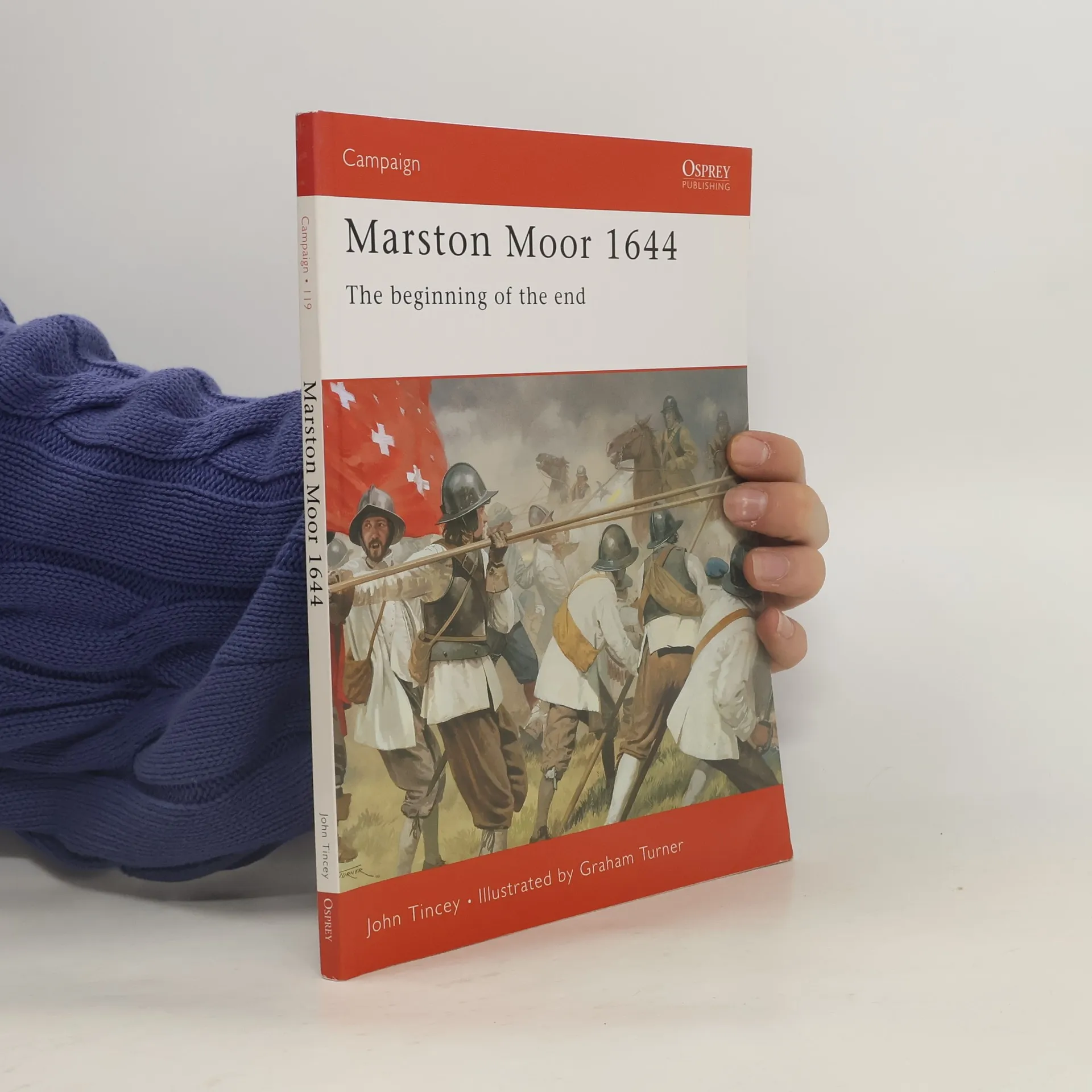
The entry of the Scots into the English Civil War (1642–1651) on 19 January 1644 on the side of Parliament radically changed the balance of power in the North of England. The Royalists in the North were forced onto the defensive and besieged in York. In a bold march Prince Rupert outmanoeuvred his enemies and relieved York without a shot being fired. However, when Rupert met the allied army in battle on Marston Moor on 2 July his cavalry was defeated by Cromwell's Ironsides who then turned on the Royalist infantry. The result was a hard-fought but catastrophic defeat; the Royalist army was crushed and their forces driven from the north of England.
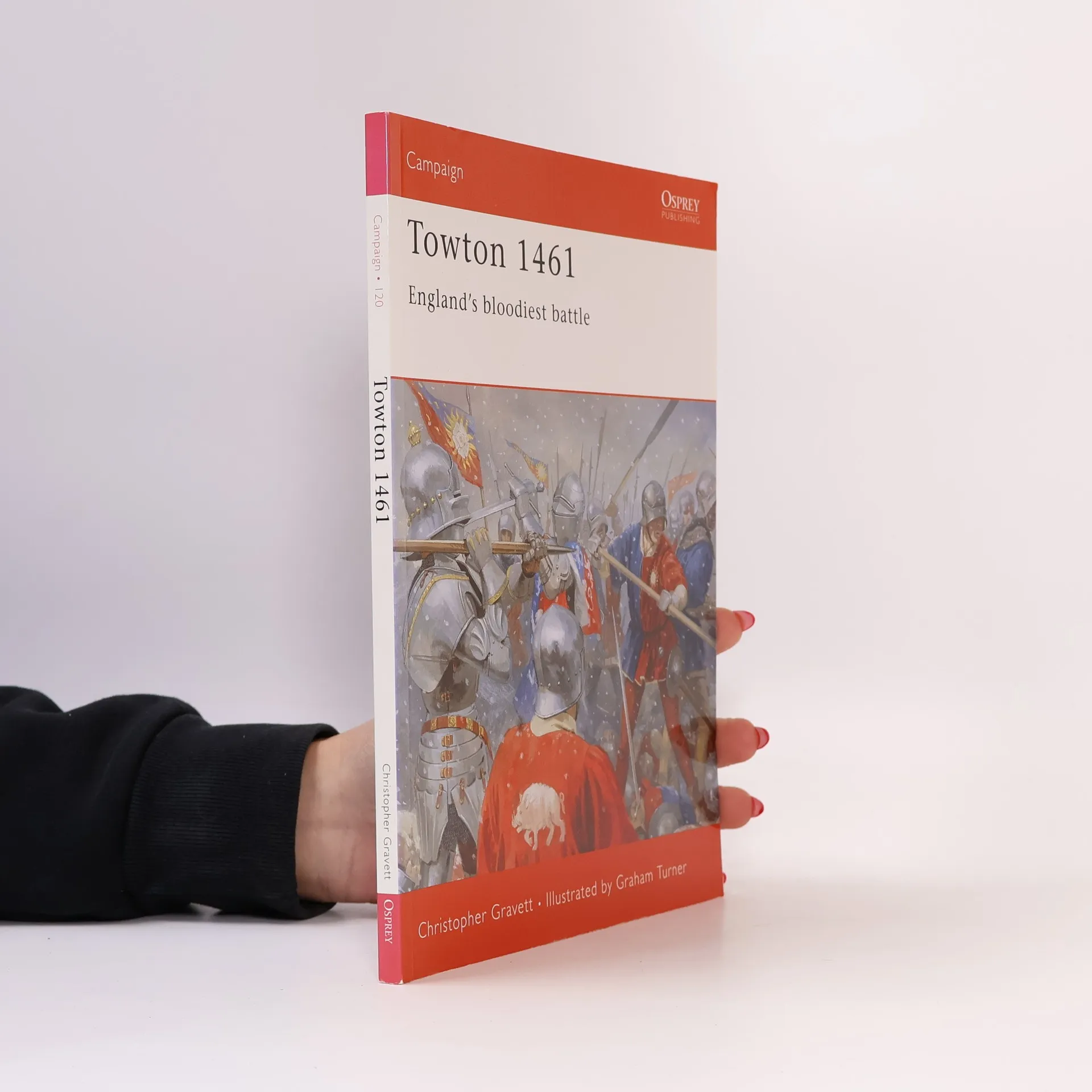
The Battle of Towton, a battle in the Wars of the Roses, was probably the bloodiest battle ever fought in England. This title reveals how Towton marked the resurgence of the Yorkist cause and established Edward IV as king. schovat popis
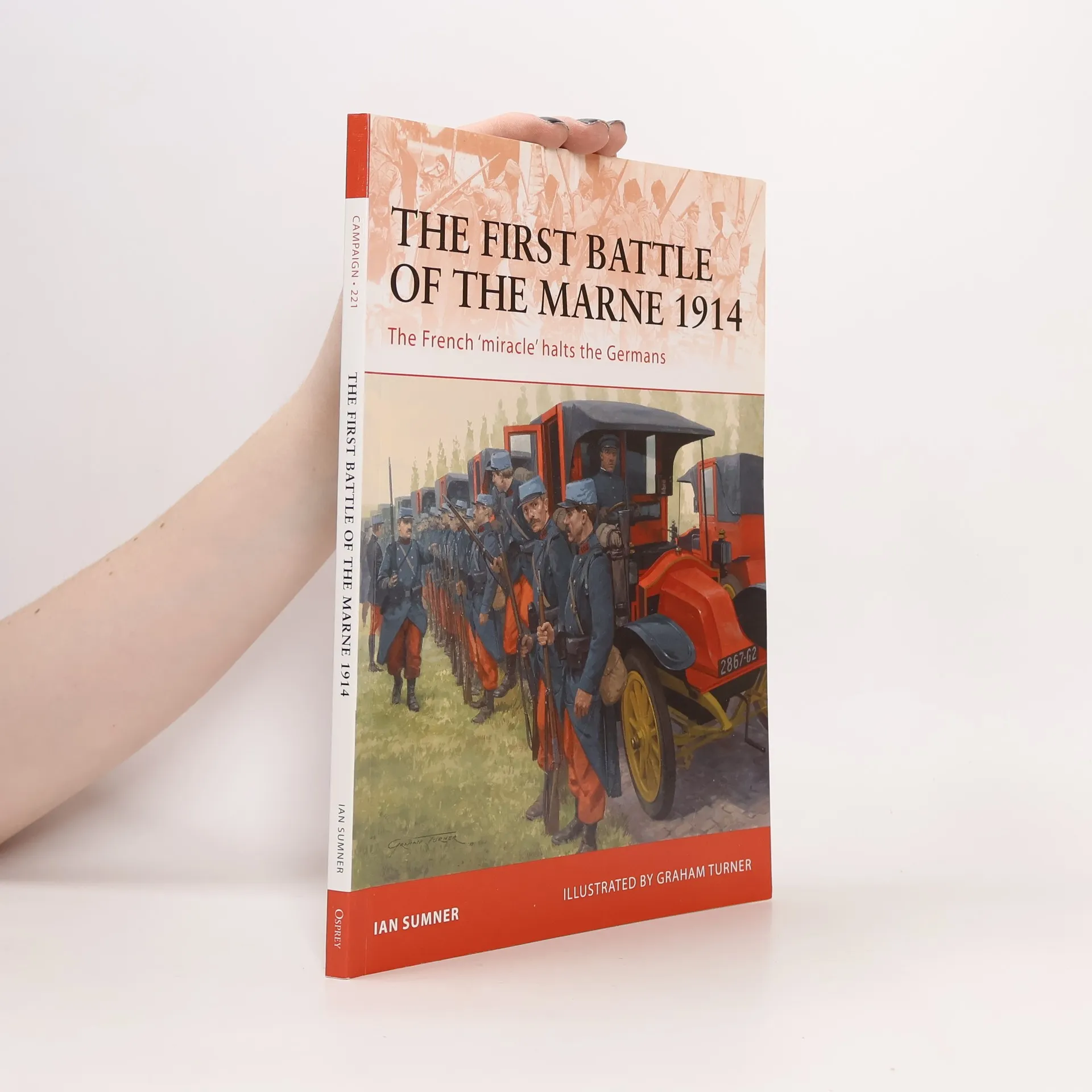
Osprey's study of the Battle of the Marne, which was one of the decisive encounters of World War I (1914-1918), saving France from a catastrophic defeat that would almost certainly have knocked her out of the war. Germany's failure to defeat the French committed her to a war on two fronts, which would lead to trench warfare and the war of attrition that the General Staff had hoped to avoid. The conduct of the battle served to make and break the reputation of commanders and subordinates alike. Although not an decisive defeat, the battle was a strategic Allied victory. Further attempts by each side to outflank the other led to the formation of a continuous front from the North Sea to Switzerland, which set the pattern for the rest of the war.This title presents the origins of the campaign, followed by a brief chronology, before detailing the opposing commanders and armies. It then breaks out the French orders of battle and the German's opposing plans, the outcome of the fighting and the aftermath of the battle. The book concludes with a look at the battlefield today and suggestions for further reading.
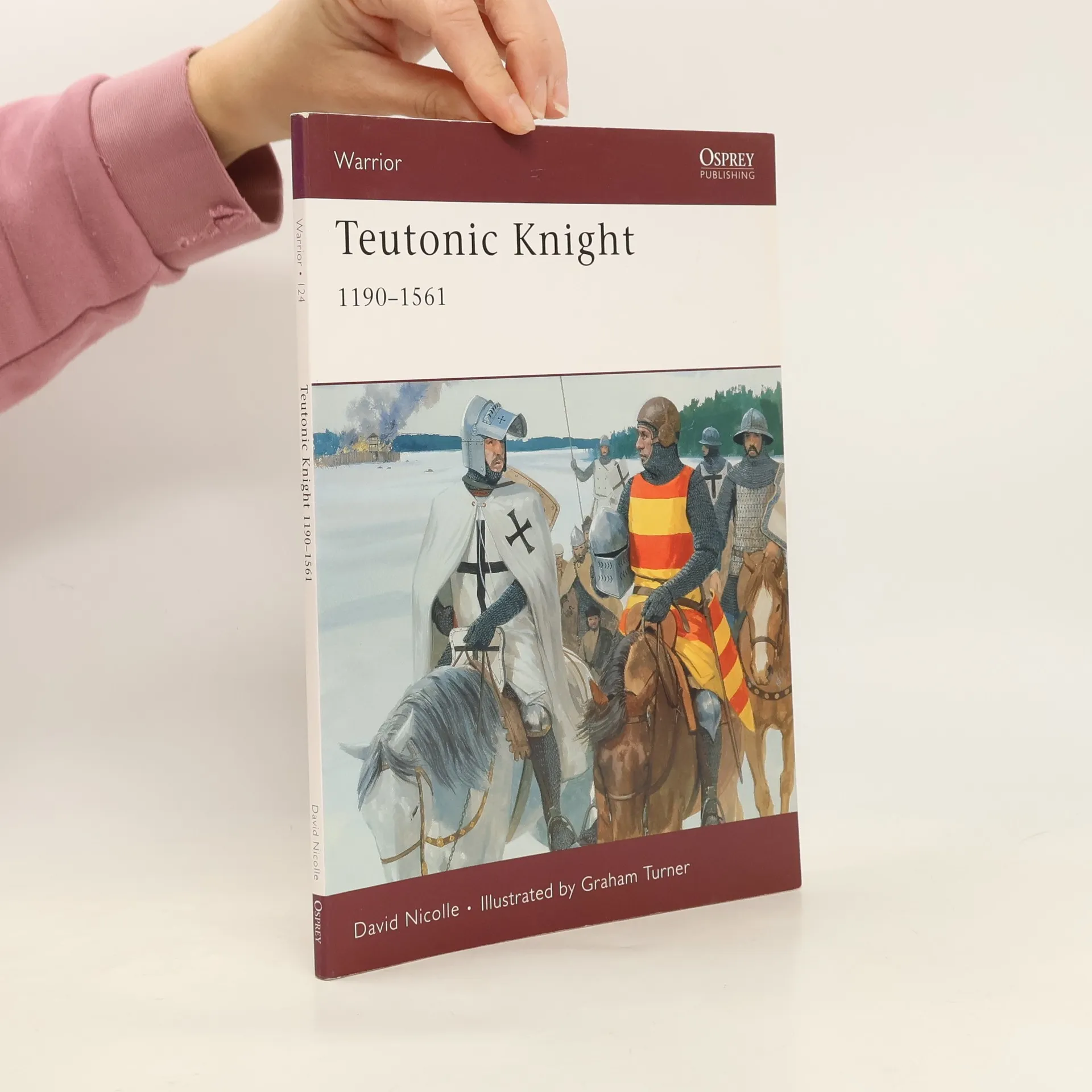
This study explores the Teutonic Knights from 1190 to 1561, one of the three prominent Crusading Orders alongside the Templars and Hospitallers. Initially focused on preserving the Crusader States in the Middle East, the knights aimed to reclaim Jerusalem in the name of their faith. Unlike the Templars, who struggled with identity after losing their mainland enclaves in the late thirteenth century, the Teutonic Knights adapted by shifting their focus to the Baltic region. They engaged in the Northern Crusades against pagan Prussians and Lithuanians, and to a lesser extent, Orthodox Christian Russia, thus establishing themselves as a formidable power in north-central Europe. Ironically, their most significant adversaries became their Catholic Polish neighbors, who ultimately undermined the Order's influence in the mid-fifteenth century. Although the Teutonic Knights persisted in present-day Estonia and Latvia for another century, it was merely a shadow of their former strength. This title delves into the rich history of this military and religious order, highlighting the transformative impact of the crusades within Europe and their lasting effects on the continent's future.
Housing Bubbles, Globalisation And The Worldwide Economic Crisis
256 stránek
9 hodin čtení
The book presents a compelling argument that the ongoing financial turmoil reflects a significant crisis in globalization, posing a direct challenge to the established free market economic model. It explores the implications of this crisis, analyzing how it may reshape economic policies and practices worldwide. Through critical examination, the author highlights the vulnerabilities of the current system and suggests potential pathways for reform in response to these unprecedented challenges.
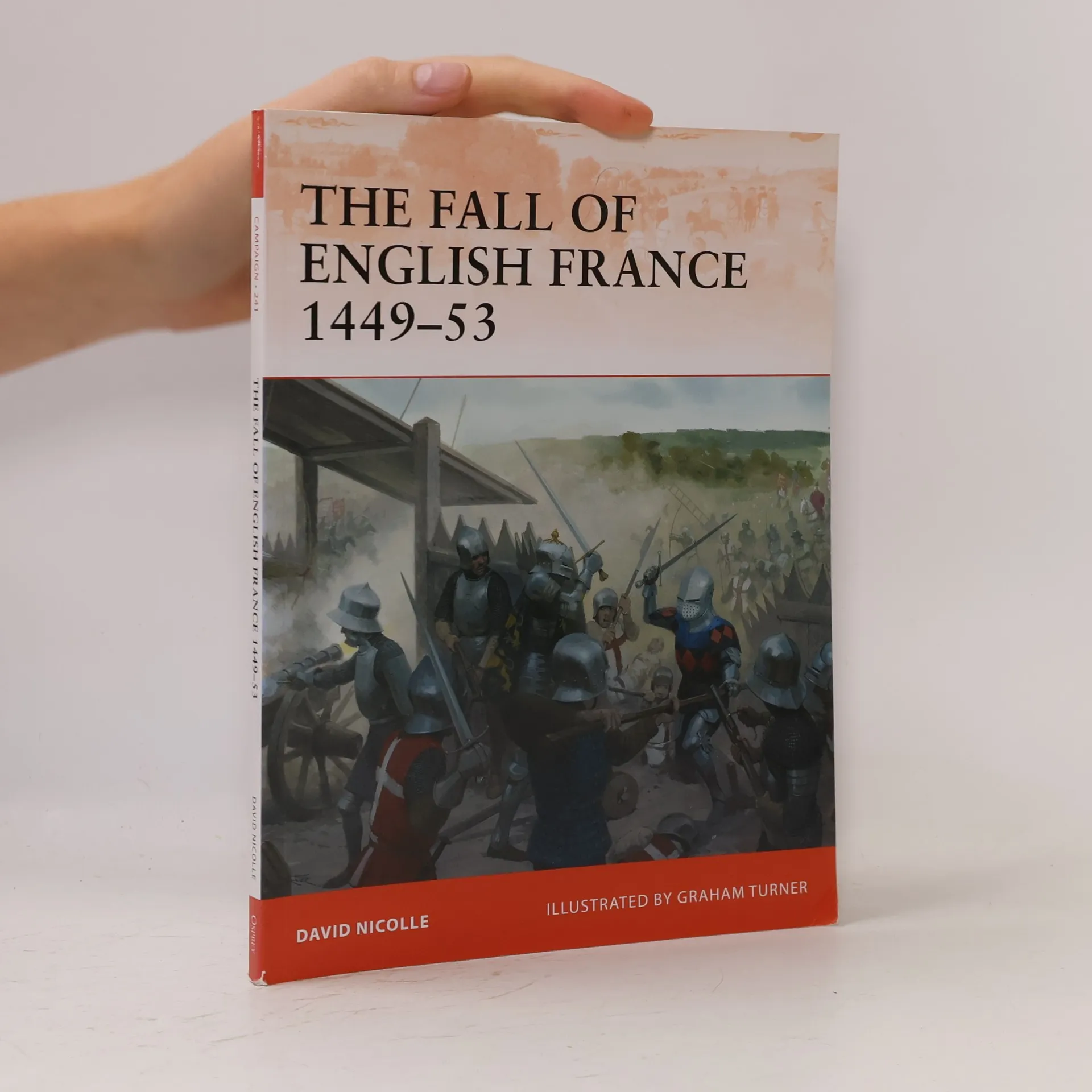
For the overwhelming majority of people outside the French-speaking world the Hundred Years War consisted of a sequence of major English victories, above all Crécy, Poitiers and Agincourt. The only significant victor or 'hero' on the French side was Joan of Arc, and she ended up being burned at the stake. Yet somehow the war ended in a French victory and with England's martial energies being turned against itself in the Wars of the Roses. This book is intended to provide some balance. It will describe the campaign that brought the Hundred Years War to a close, with English possessions being confined to Calais and the Channel Islands. It will also explain how the somewhat unprepossessing and unmartial King Charles VII of France succeeded where his predecessors had failed. The campaign consisted of more than battles, of course, but it was marked by two major victories - at Formigny in 1450 and at Castillon in 1453. Formigny is of special interest because it saw French cavalry defeat English archers, in effect a reversal of Crécy, Poitiers and Agincourt, and could be interpreted as one of the last 'medieval' battles. Castillon is of interest because it was a victory of gunpowder artillery in fixed positions over a traditional medieval assault by mixed infantry and cavalry, and thus could be interpreted as one of the first 'modern' battles.
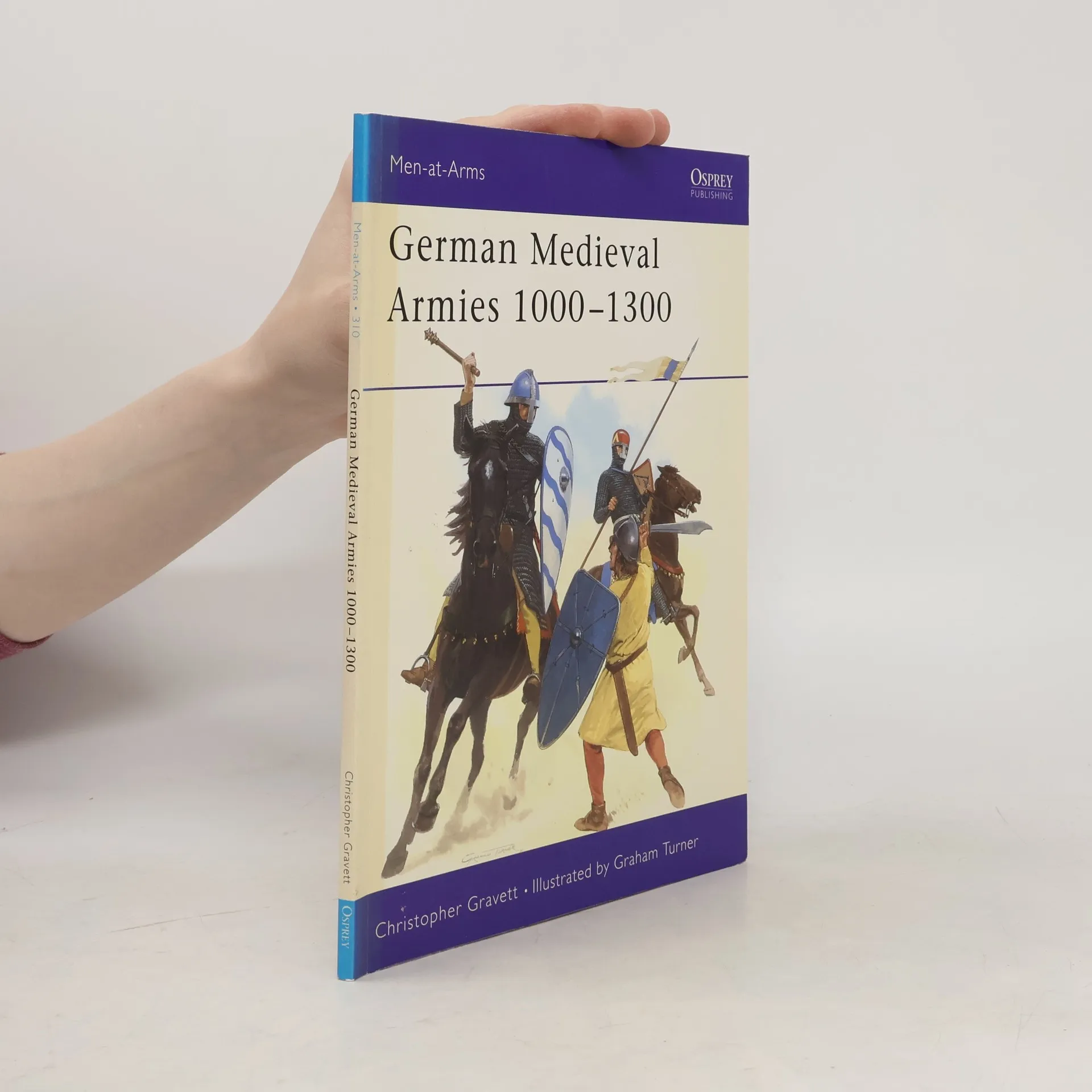
A history of the early medieval German Armies from the fragmentation of Charlemagne's Frankish Empire to the rise of the German, or Holy Roman Empire. This text looks in detail at the period of the Saxon wars and the Crusades including the rise of the Teutonic Knights.
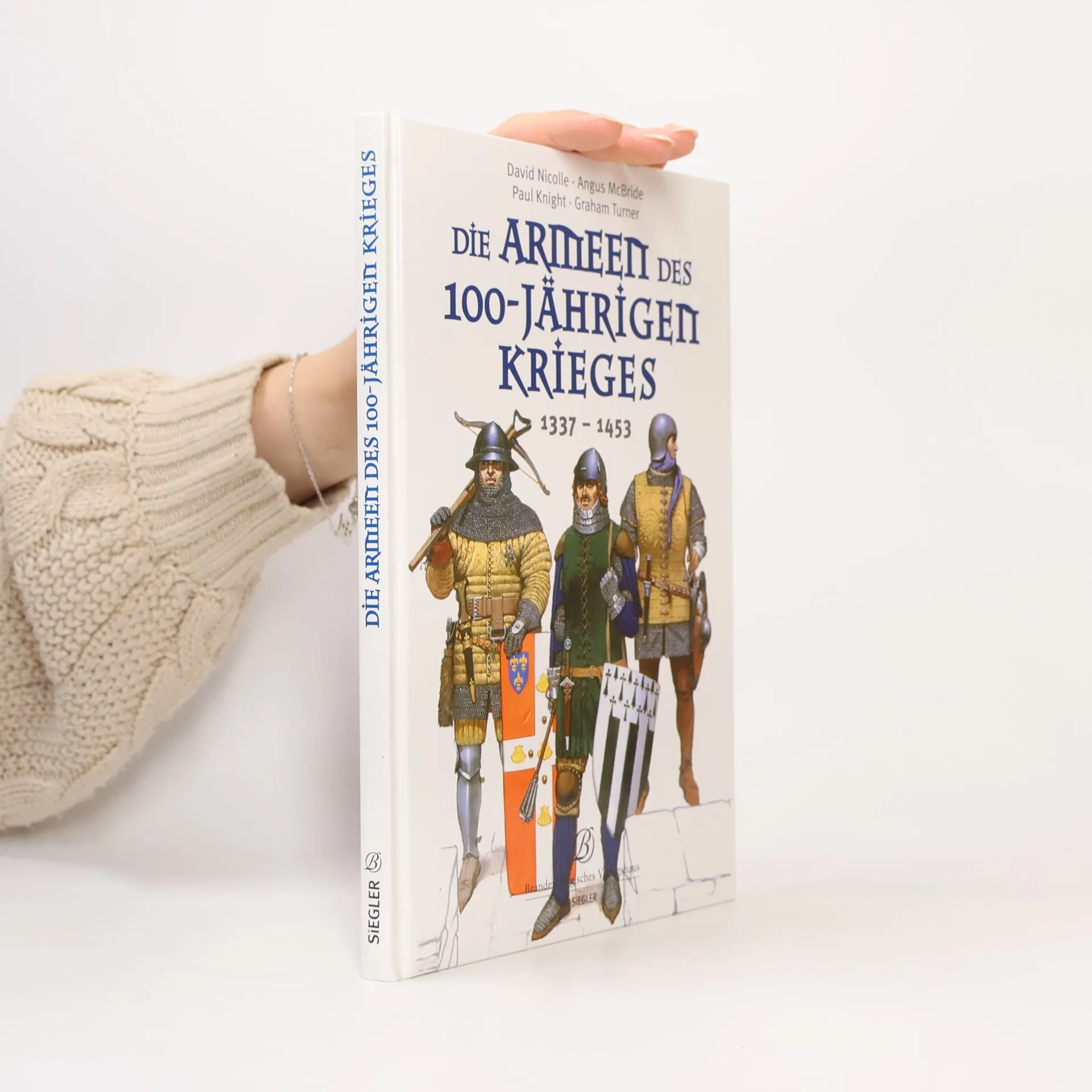
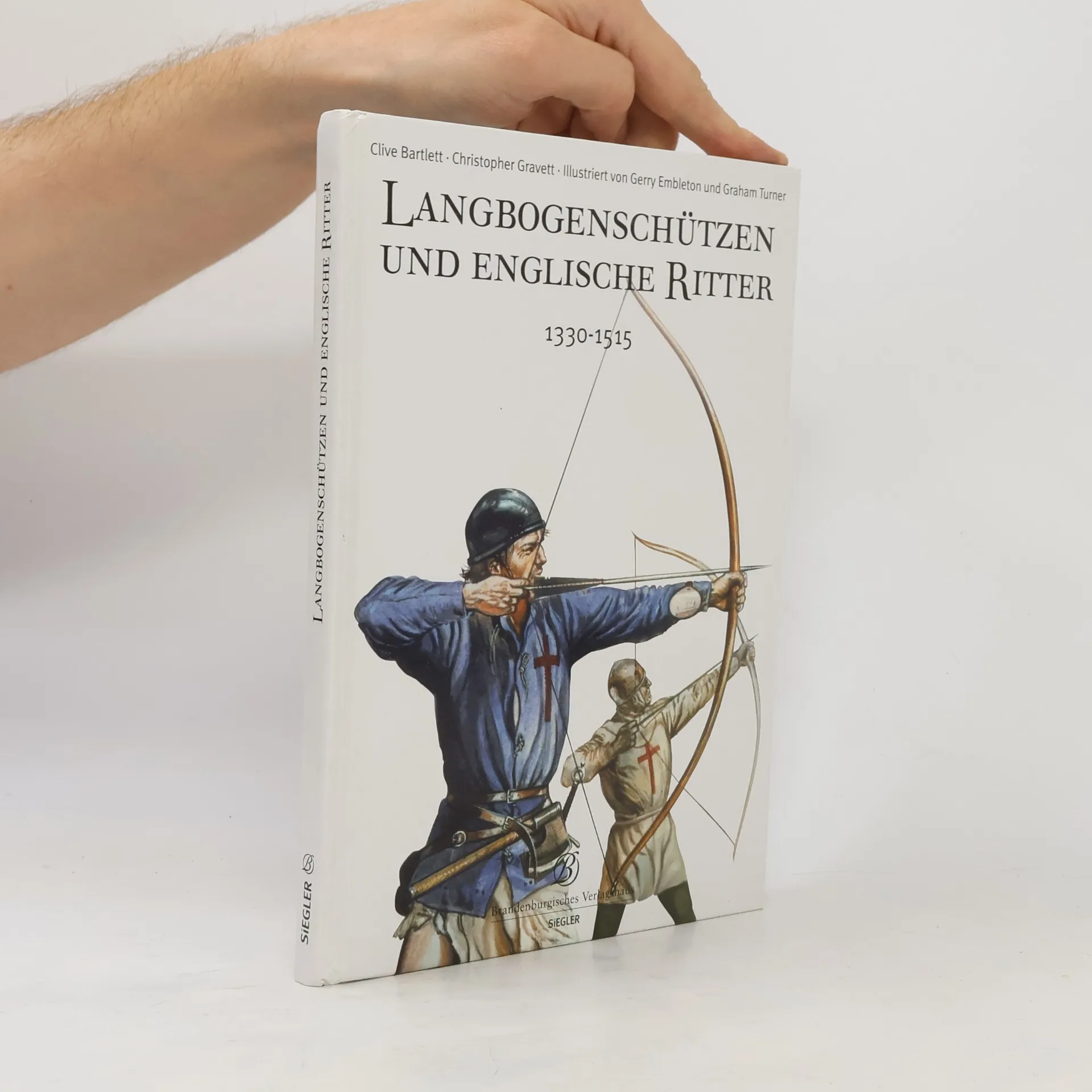
Seine militärische Vorherrschaft, die von der Mitte des 14. Jahrhunderts bis zum frühen 15. Jahrhundert andauerte, verdankte England den Abwehrtaktiken durch den Langbogen. Diese Waffe, die allein von den englischen Truppen verwendet wurde, war wohl die effektivste Wurfgeschoss-Waffe des späten Mittelalters: Der Bogen hatte die gleiche Kraft wie eine moderne Gewehrkugel, und die Frequenz, in der geschossen werden konnte, blieb lange unerreicht von anderen Waffen der englischen Truppen. Darüber hinaus beschreibt dieses Buch alle Aspekte des Lebens der englischen Ritter des 15. Jahrhunderts, einschließlich des Trainings im Burghof und der harten Herausforderungen der Turniere. Der Alltag der Ritter wird ebenso geschildert wie die Rolle von Söldnern, das Geschehen auf dem Schlachtfeld und der Einfluss von ritterlicher Tugend.