
Knihobot

Thomas L. James

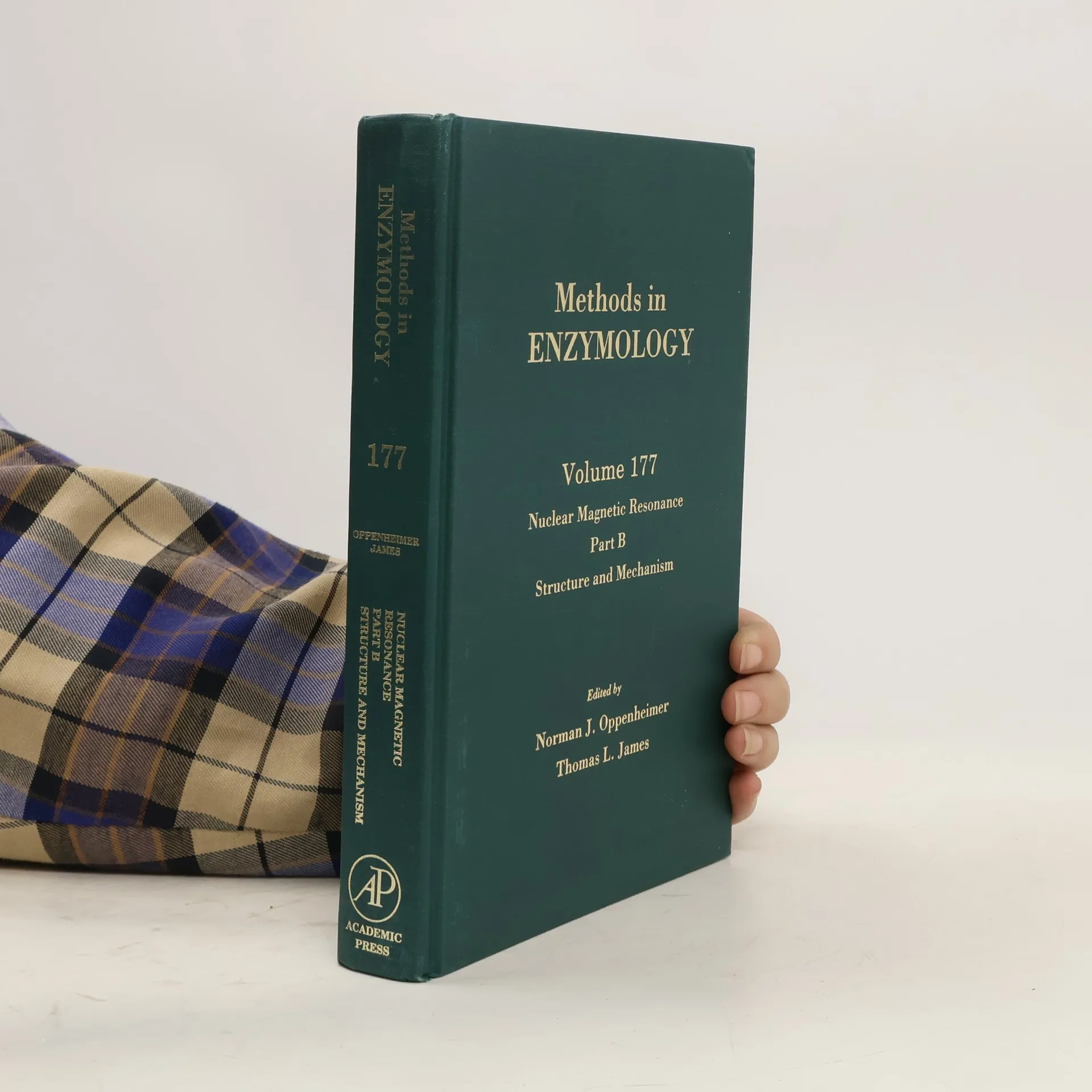
    Methods in Enzymology 177. Nuclear Magnetic Resonance. Part B. Structure und Mechanism
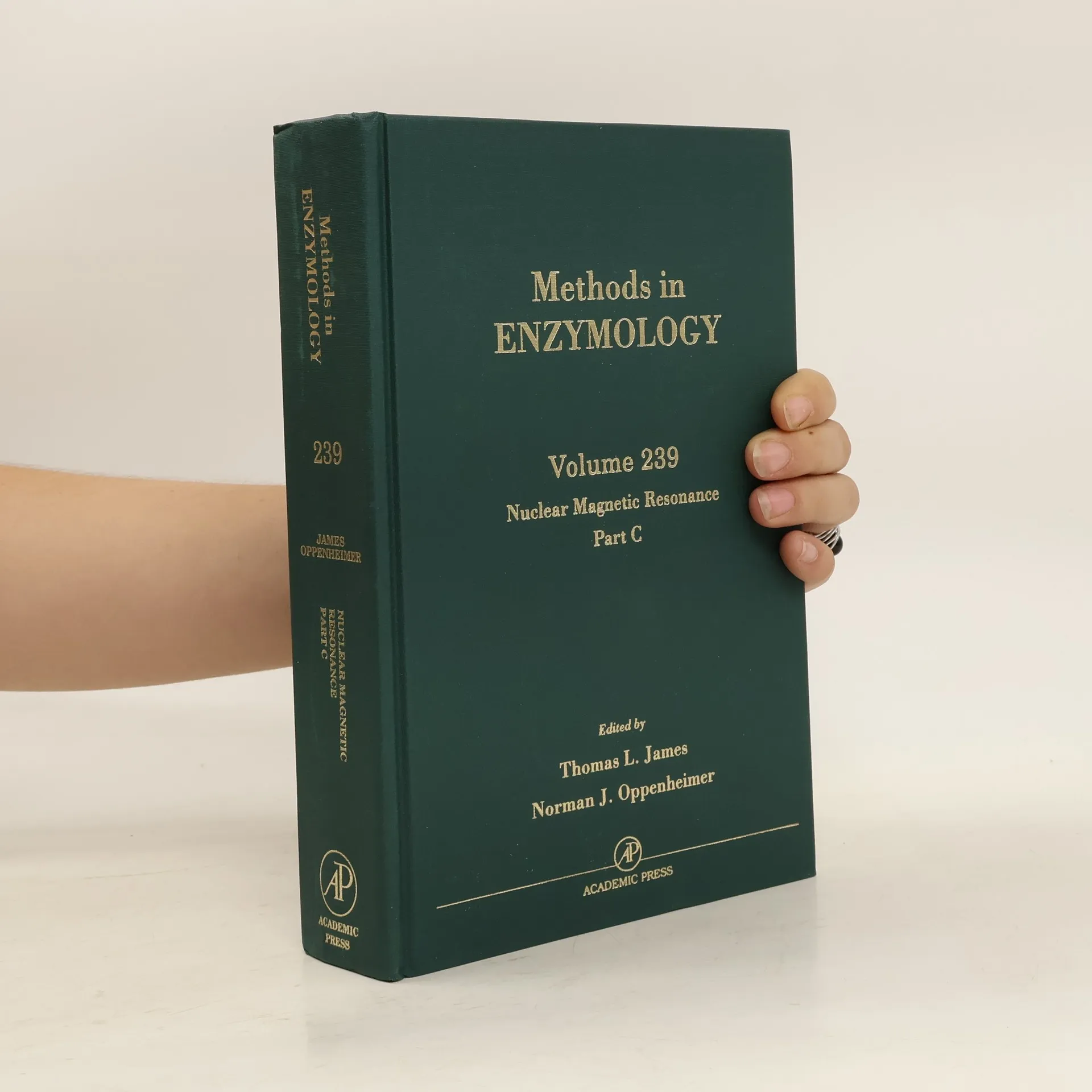
    Methods in Enzymology 239. Nuclear Magnetic Resonance. Part C
    Methods in Enzymology. 338. Nuclear Magnetic Resonance of Biological Macromolecules. Part A
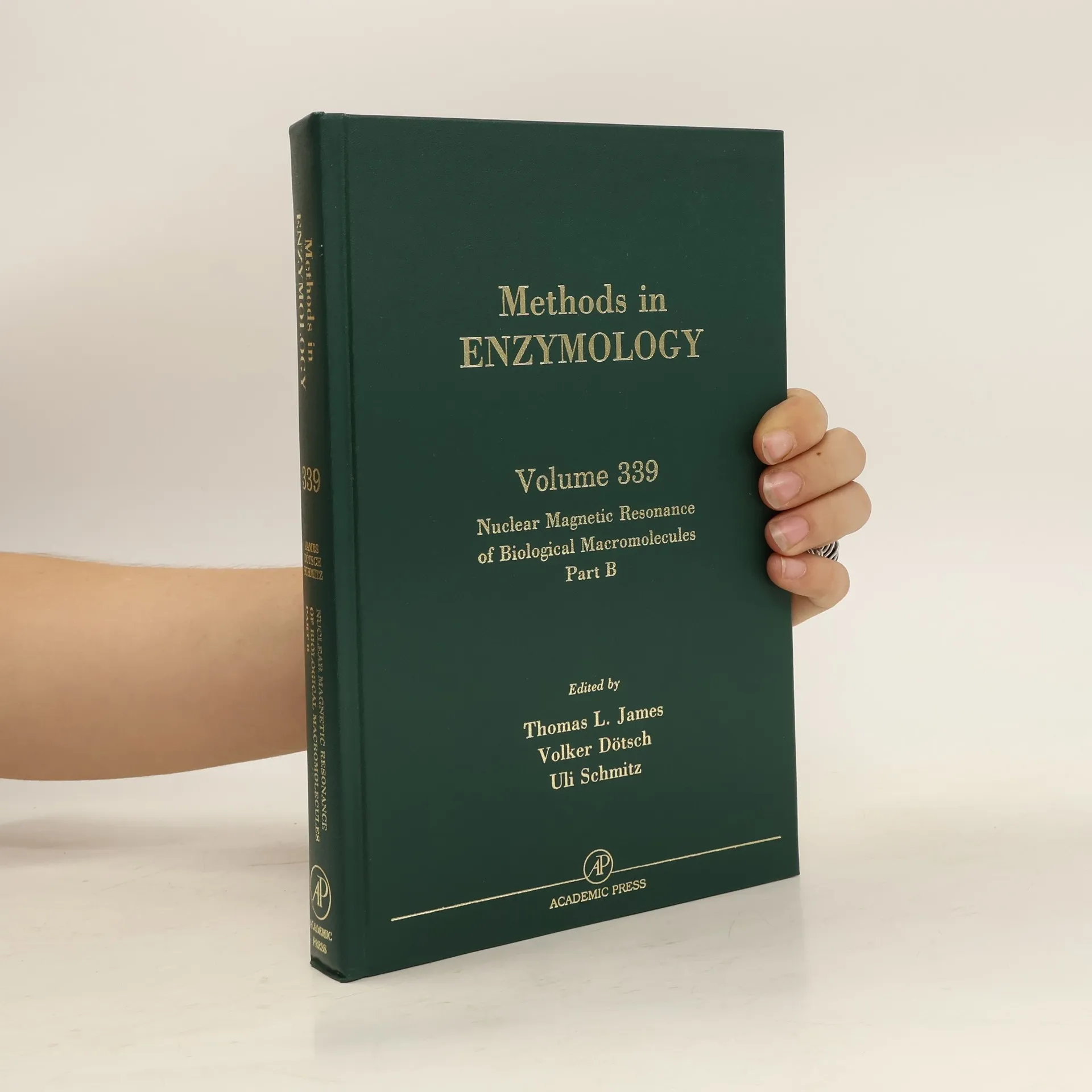
    Methods in Enzymology 339. Nuclear Magnetic Resonance of Biological Macromolecules
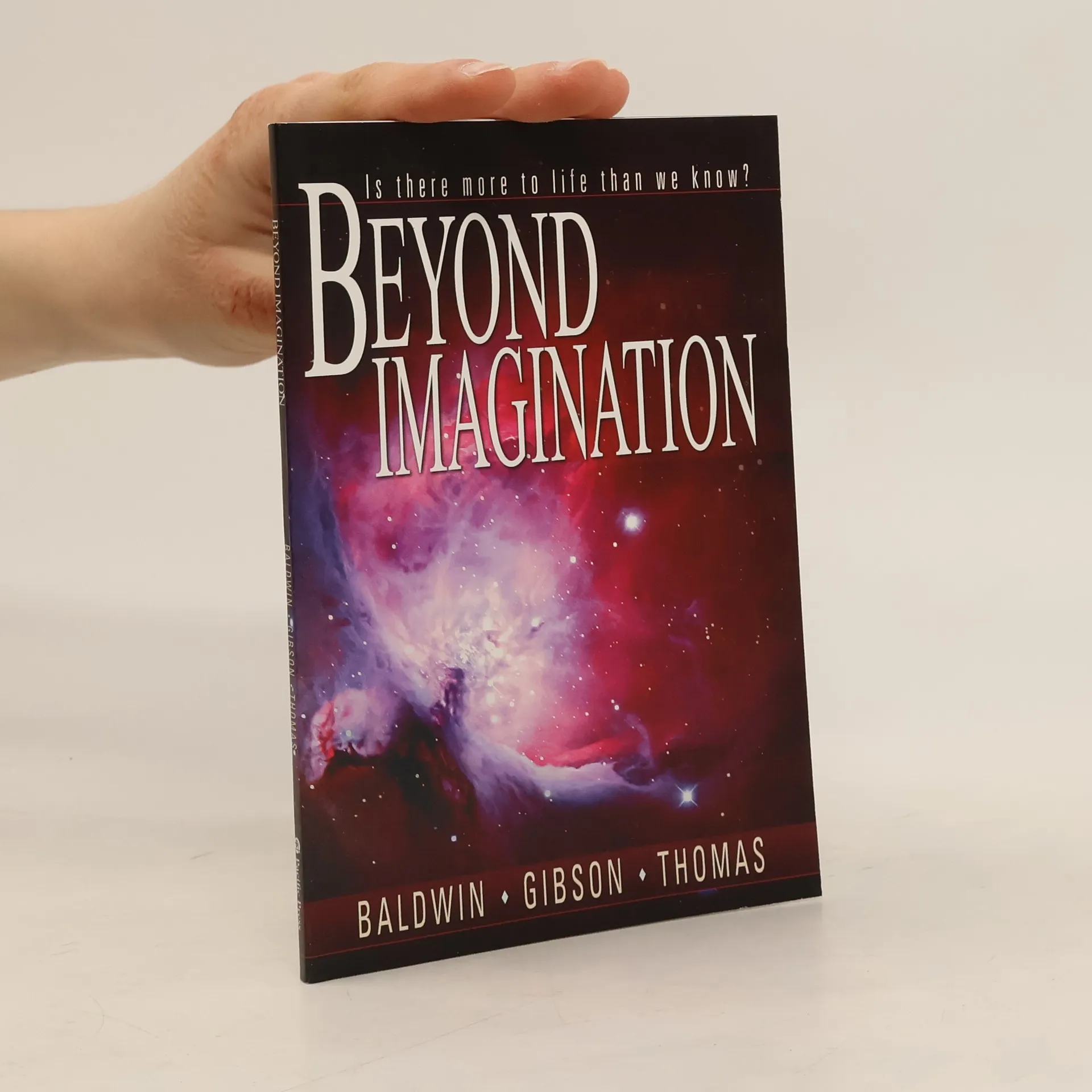
    Beyond Imagination
    • Beyond Imagination

      • 127 stránek
      • 5 hodin čtení

      It is hard to believe that all the incredible beings inhabiting our planet are the result of chance. Among all the creatures on Earth, the most impressive are humans, who are endowed with unique qualities – the ability to listen, to speak, to think, to solve problems, to have free will, and creativity. The idea that God has gifted us with all of this is new for most people. However, it fundamentally changes the way we view the world and provides us with new avenues for contemplating the great questions that science still cannot answer: Who are we and why are we here? What is the future of humanity and the world? Where are we headed? Why has God created such unique beings as humans? What happens when we die? Why is there so much suffering in the world?

      Beyond Imagination2013
      4,0
    • This volume and its companion, Volume 338, supplement Volumes 176, 177, 239, and 261. Chapters are written with a "hands-on" perspective. That is, practical applications with critical evaluations of methodologies and experimental considerations needed to design, execute, and interpret NMR experiments pertinent to biological molecules.

      Methods in Enzymology 339. Nuclear Magnetic Resonance of Biological Macromolecules2001
    • This volume and its companion, Volume 339, supplement Volumes 176, 177, 239, and 261. Chapters are written with a "hands-on" perspective. That is, practical applications with critical evaluations of methodologies and experimental considerations needed to design, execute, and interpret NMR experiments pertinent to biological molecules.

      Methods in Enzymology. 338. Nuclear Magnetic Resonance of Biological Macromolecules. Part A2001
    • Nuclear Magnetic Resonance Spectroscopy is the only "tool" available for the determination of high-resolution biological molecule structure in solution. This volume includes methods for expeditiously analyzing the vast amount of data produced by the new 3D and 4D NMR techniques and for generating structures from the data and for assessing the quality of those structures. Application to various classes of important proteins and protein-ligand complexes illustrate uses of the methodology presented. Examination of techniques to explore the dynamic nature of proteins complete the volume.

      Methods in Enzymology 239. Nuclear Magnetic Resonance. Part C1994