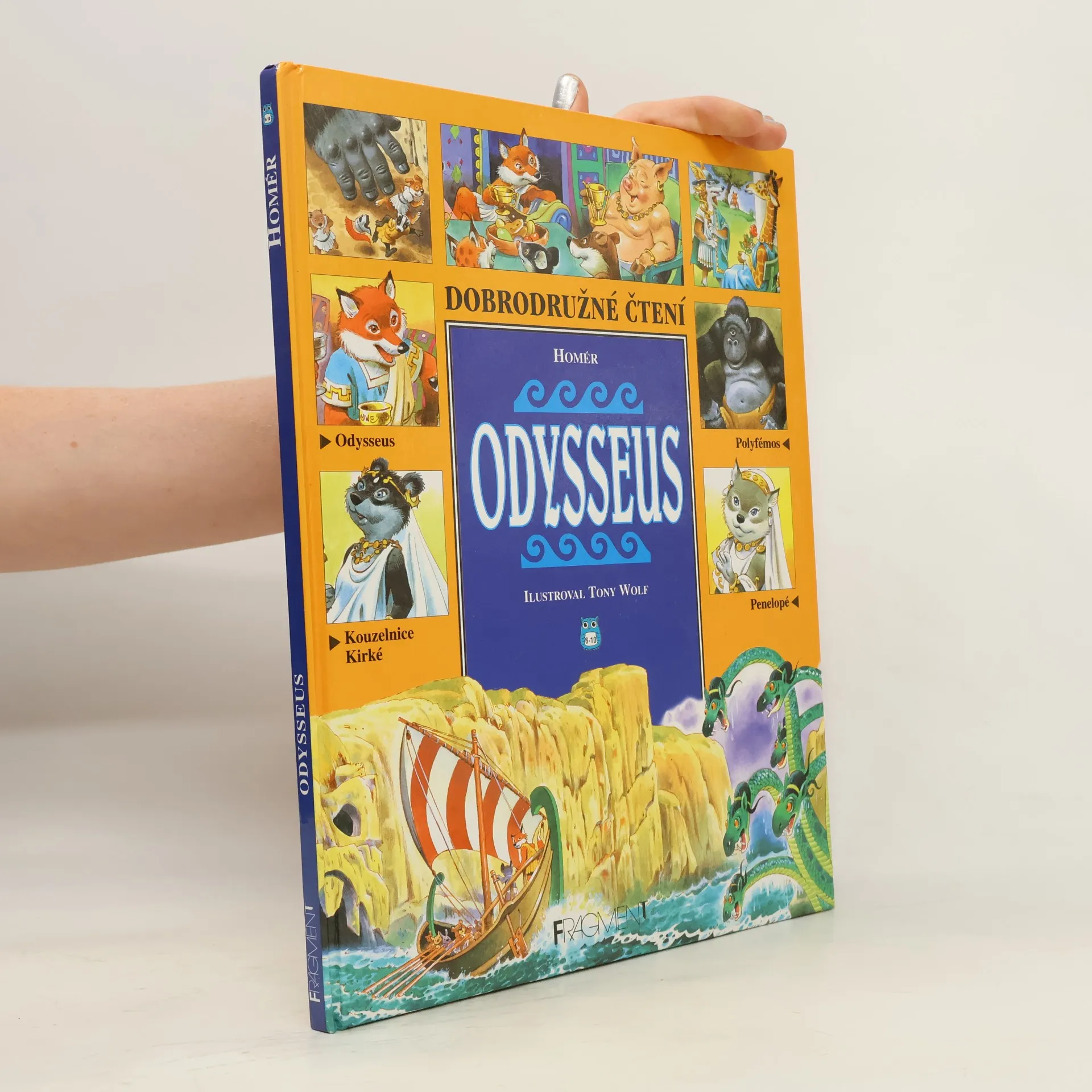
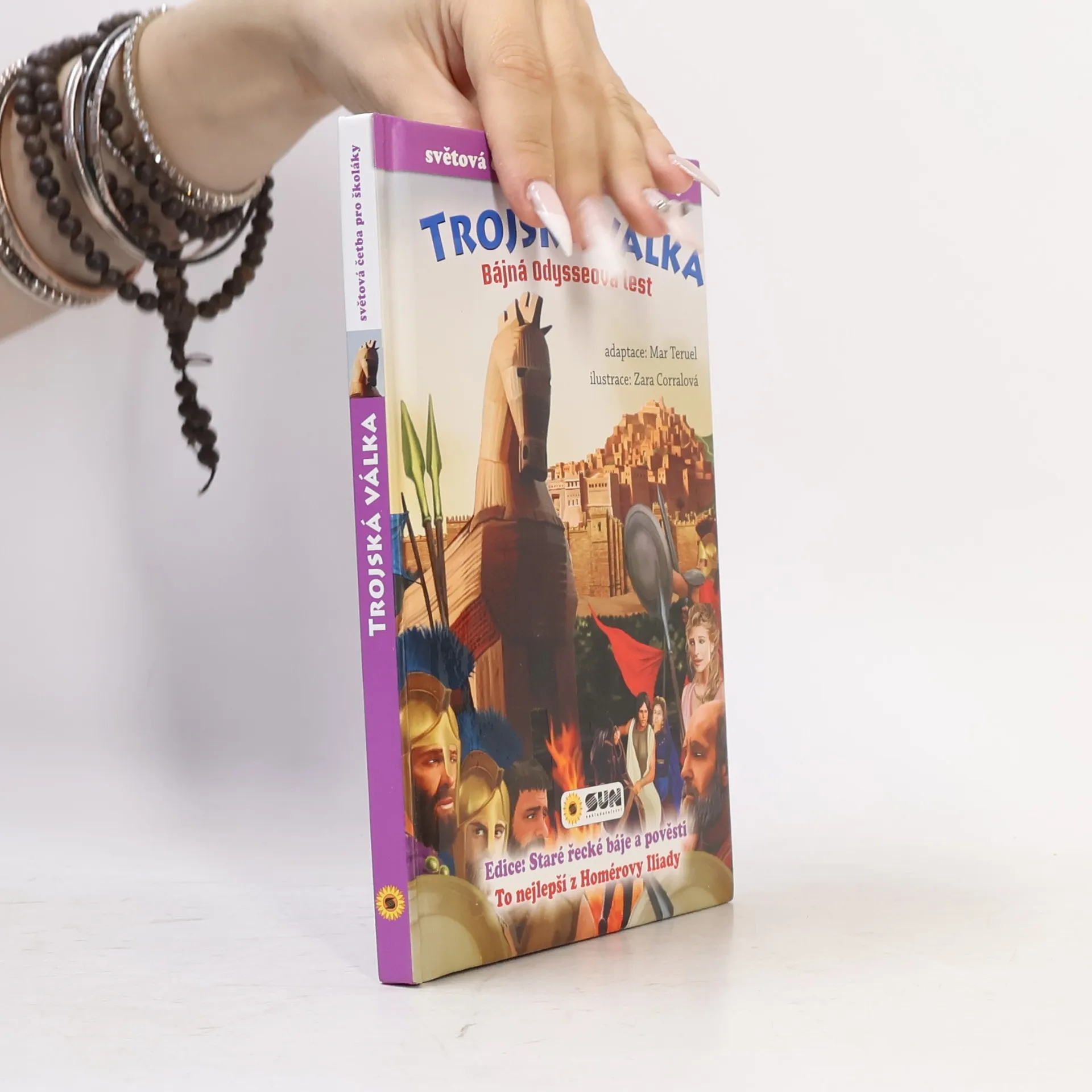
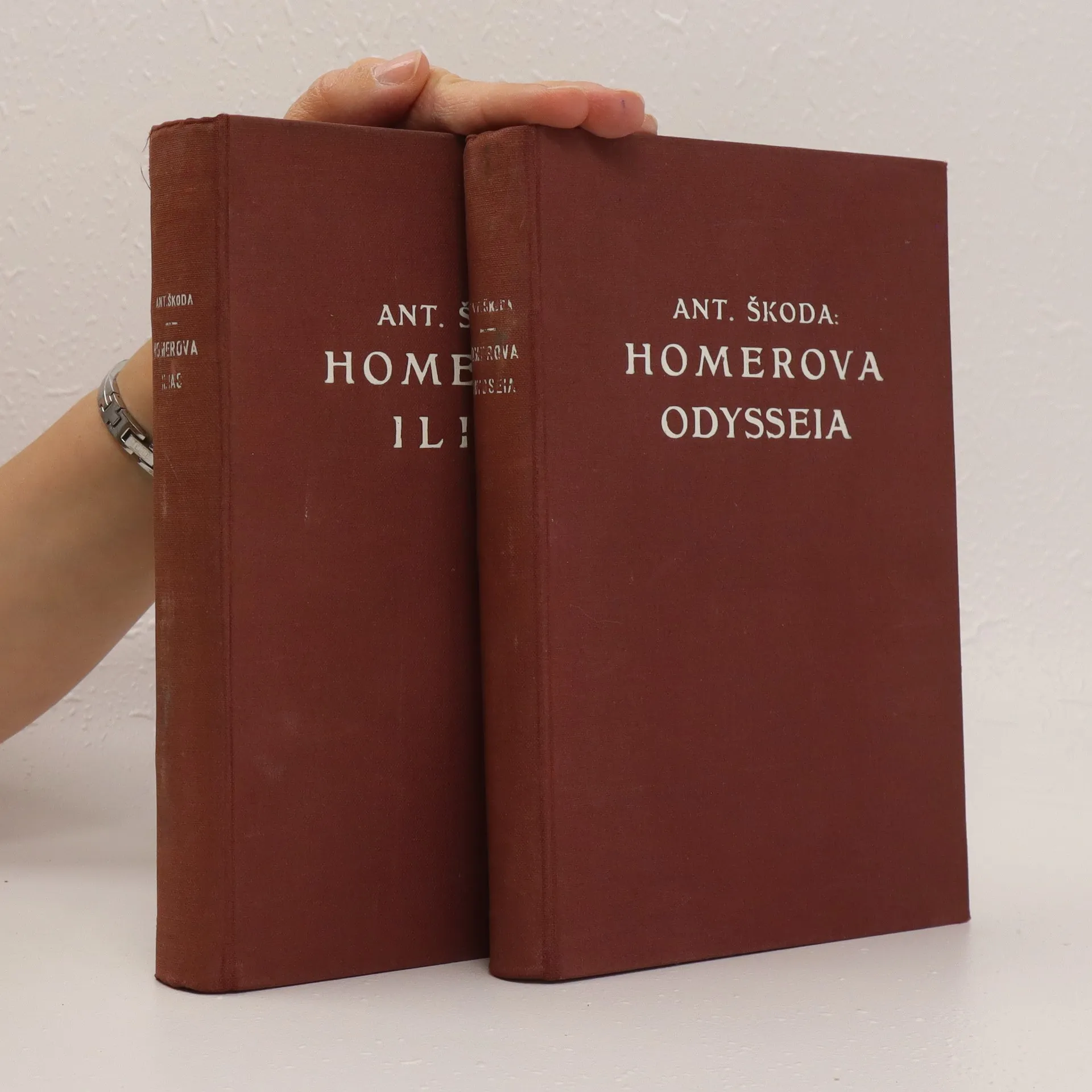
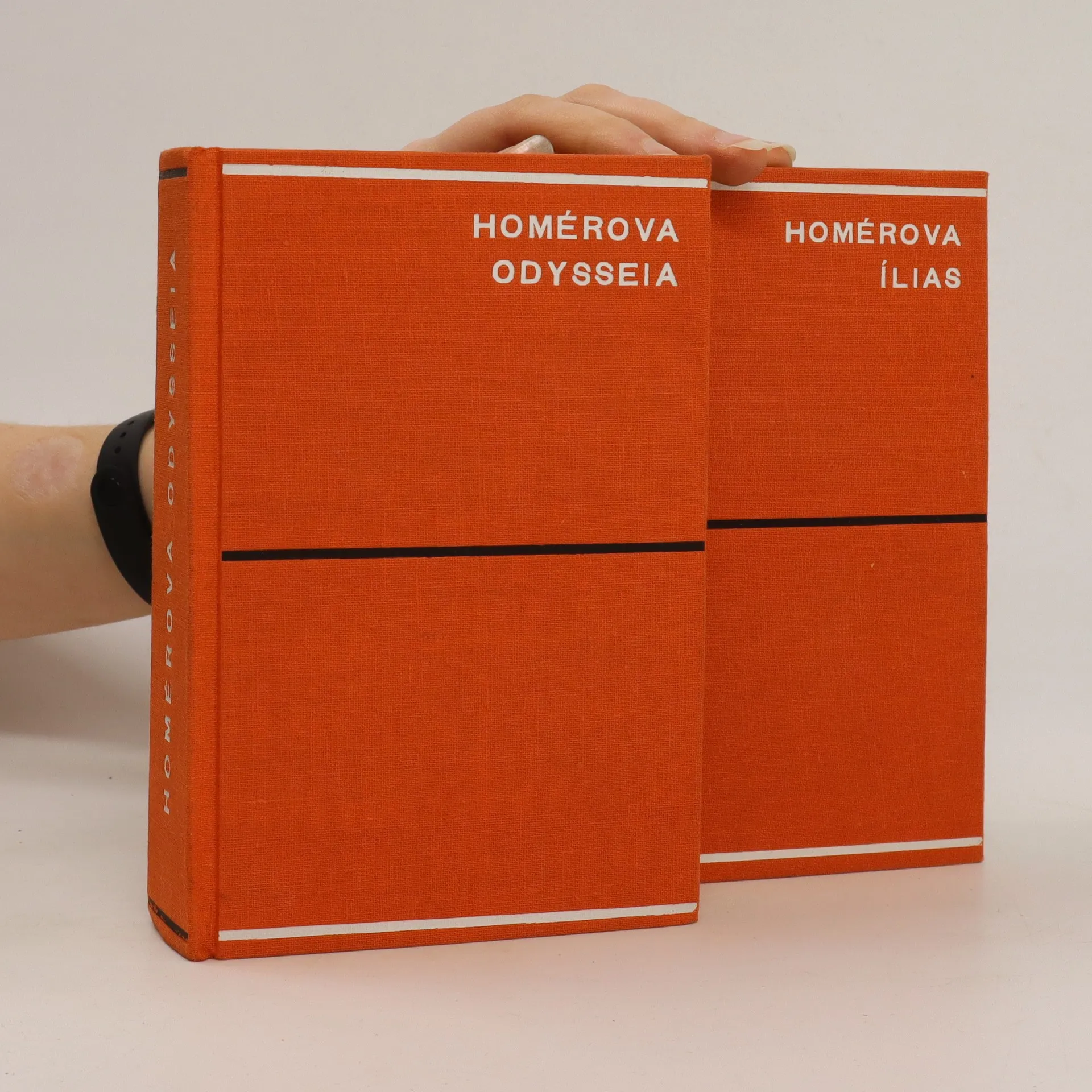
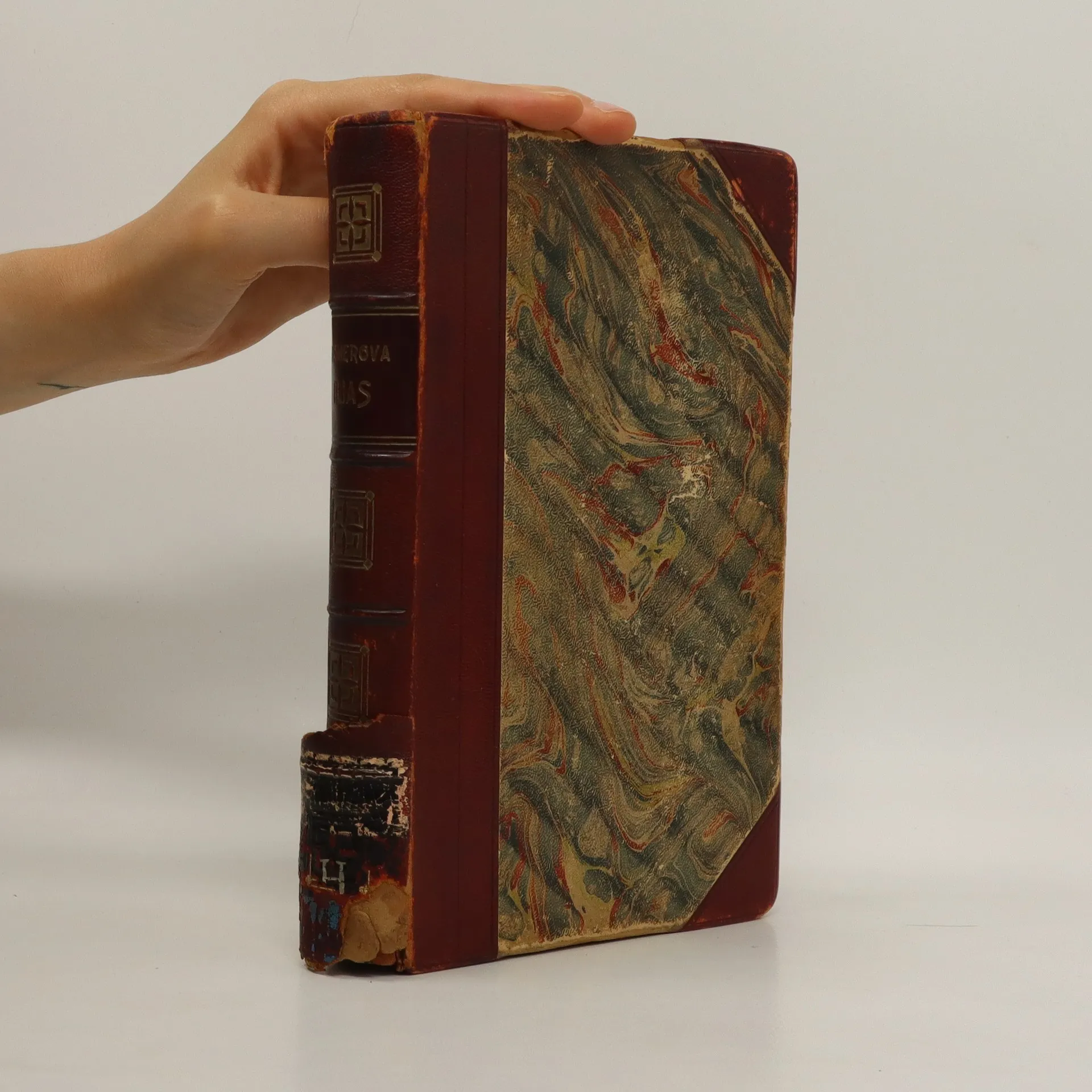
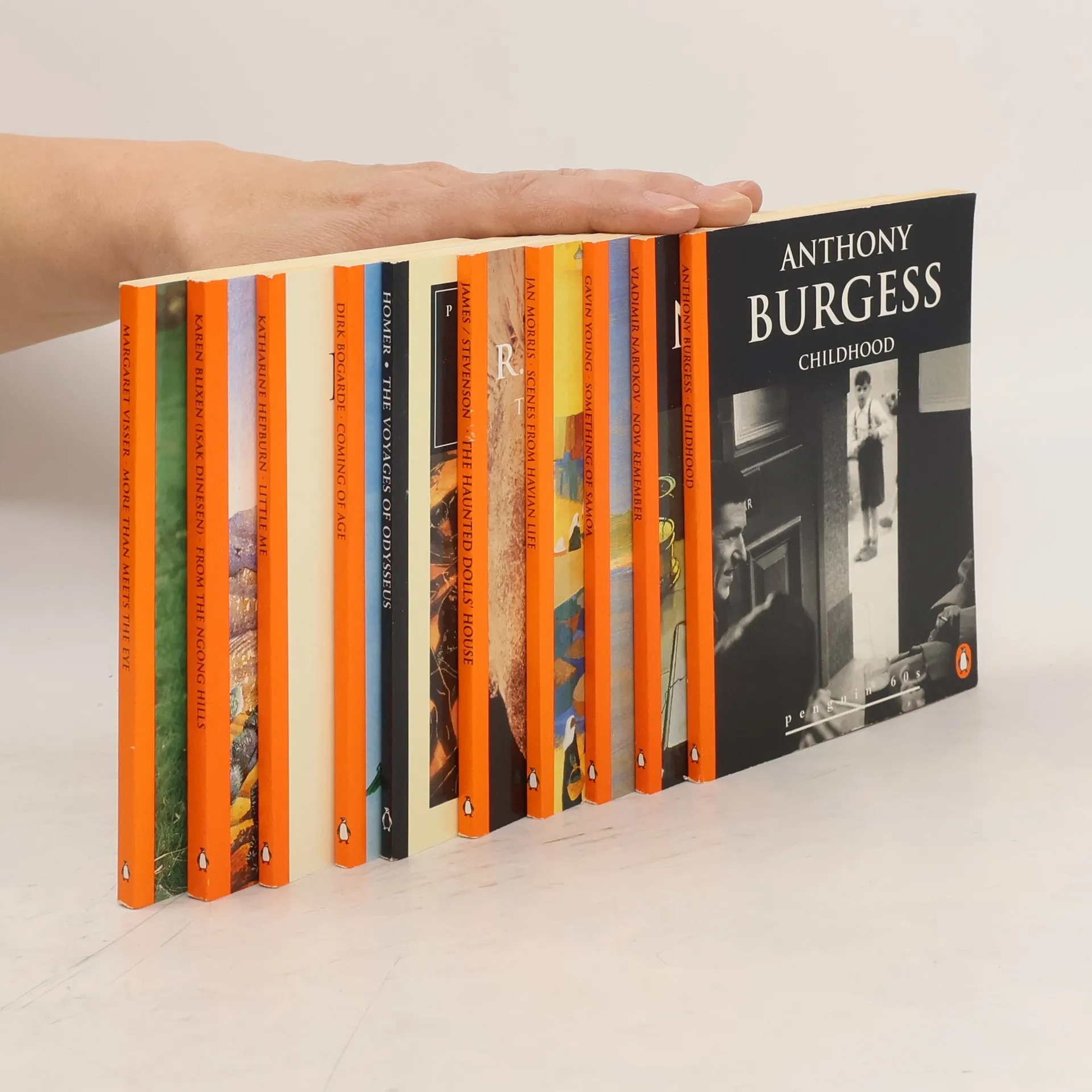
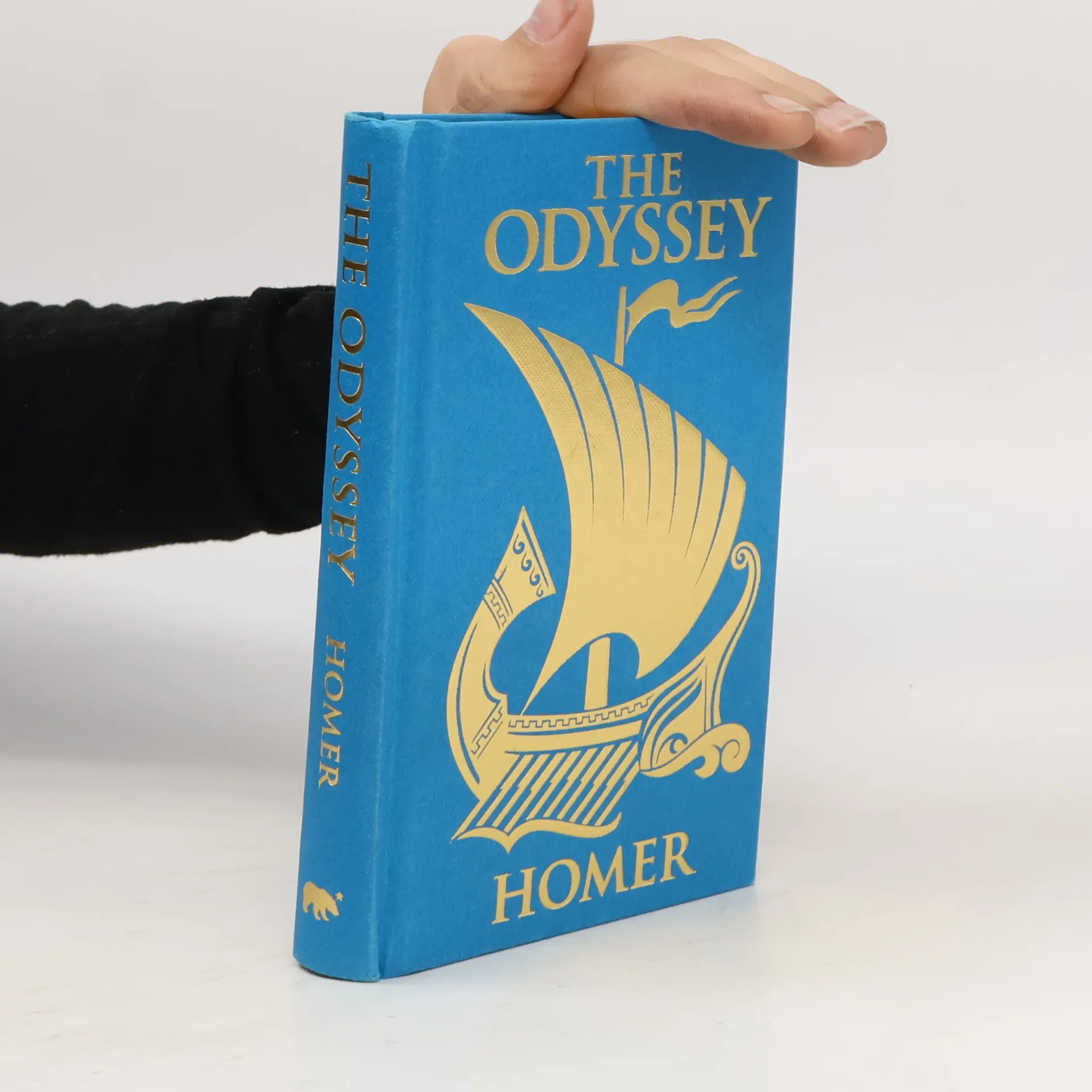
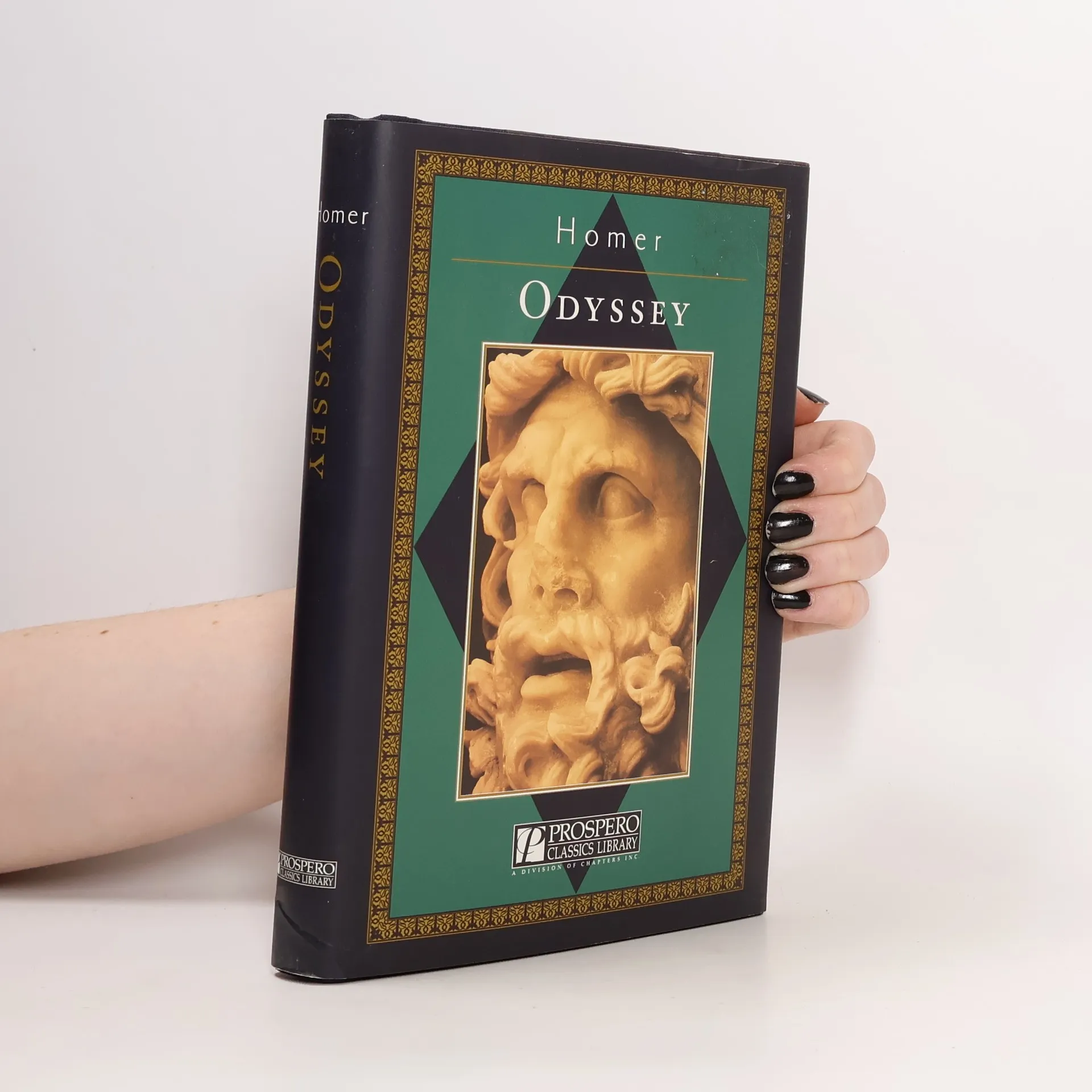
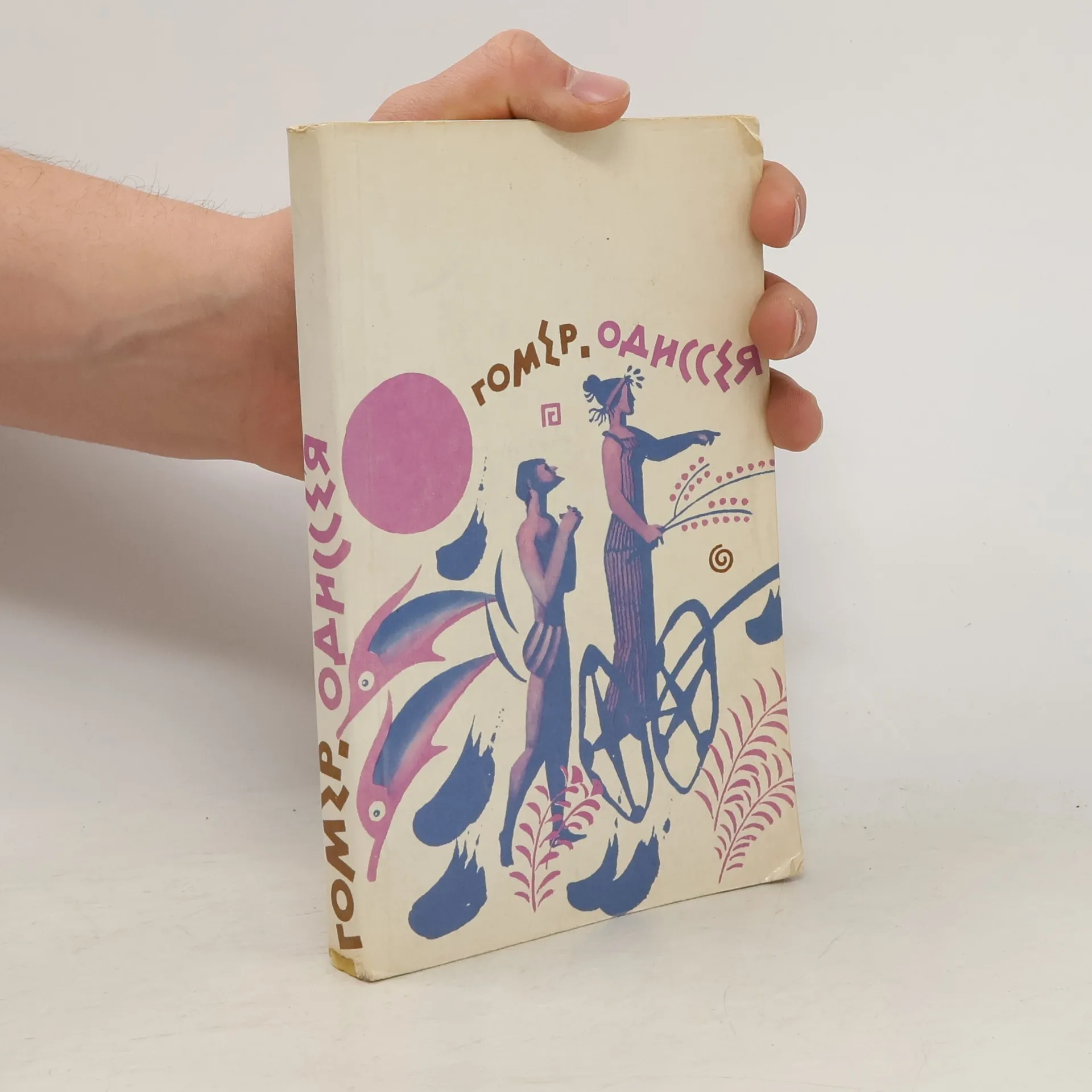
Po vítězství v trojské válce díky lsti s dřevěným koněm se Odysseus a jeho přátelé vracejí domů. Bohové je však na zpáteční plavbě těžce zkoušejí, takže zestárlý a utrmácený Odysseus se dostane ke břehům rodné Ithaky až o dalších deset let později. Znovu musí čelit nebezpečí... Klasické příběhy v této edici, plné napětí a nečekaných zvratů, jsou napsány svěžím a srozumitelným jazykem a doplněny nevšedními ilustracemi, které dětské čtenáře jistě potěší.
Slepý Melésigenés hľadal prostriedky na živobytie, no získaval obdiv a sympatie od ľudí, ktorí ho podporovali. V Kýme ho presvedčili, aby požiadal mestskú radu o pomoc a stal sa básnikom mesta na útraty obce. Rada však návrh odmietla s tým, že „homérov“ (slepcov) živiť nebude, a tak Melésigenovi ostalo meno Homéros. Odtiaľ odišiel do Fókaie a neskôr na ostrov Chios, kde sa živil ako učiteľ a básnik. Na Chiu prežil šťastné obdobie, zložil množstvo básní a stal sa známym v celej Hellade. Neskôr cestoval po Grécku a zložil eposy Ílias a Odysseia, pričom svoj život zakončil na ostrove Ios.
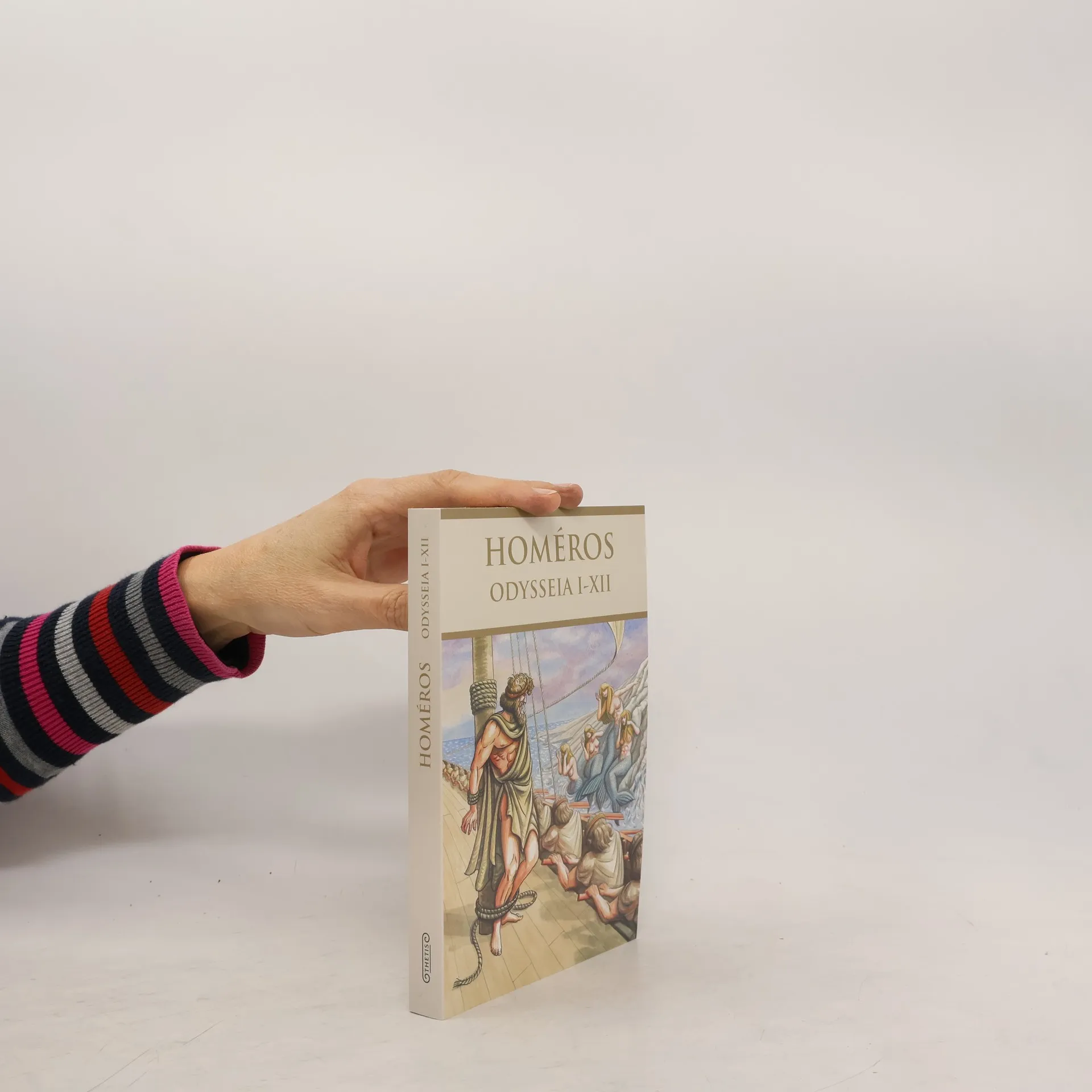
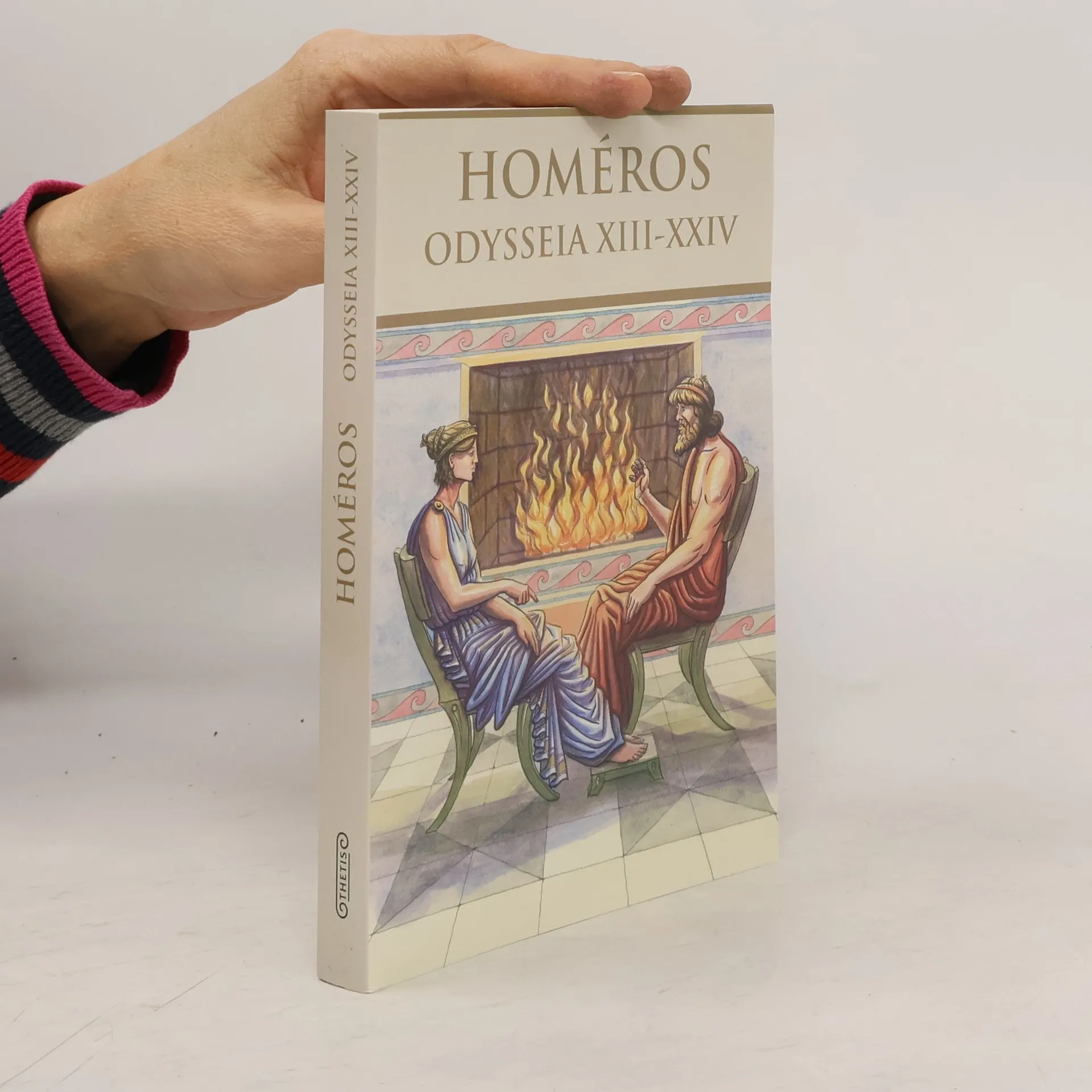
V druhej polovici Odysseie, ktorá je súčasťou tejto publikácie, Faiáci doplavia Odyssea do vlasti. Po príchode na Ithaku sa stretáva s bohyňou Athénou, ktorá mu radí, aby sa najprv ako žobrák oboznámil so situáciou vo svojom kráľovstve a pripravila mu plán pomsty voči spupným ženíchom. Odysseus sa pustí do príprav na boj o svoje postavenie a rodinu. Medzitým sa domov vracia jeho syn Télemachos a manželka Pénelopé odoláva ponukám ženíchov na vydaj.
Publikácia obsahuje aj Hérodotov životopis Homéra a druhú časť štúdie Ivana Janeka, ktorá približuje jednotlivé časti eposu.
Podľa životopisu, ktorý je pripisovaný Hérodotovi, sa Homéros narodil v Smyrne. Jeho matka Krétheis ho pomenovala Melésigenés, pretože sa narodil pri rieke Melés. Po vyrastení sa stal učiteľom a neskôr sa vydal na plavby do cudziny. Po chorobe na očnú chorobu sa liečil na Ithake, kde sa oboznámil s príbehmi o Odysseovi. Po vyliečení sa opäť plavil, no po príchode do Kolofónu oslepol. Odvtedy sa venoval iba skladaniu básní, ktoré prednášal na oslavách. Možno práve jeho nešťastie a pobyt na Ithake viedli k vytvoreniu jedného z jeho výnimočných diel, eposu Odysseia.
V ňom rozpráva o strastiach Odyssea počas jeho návratu z trójskej vojny. Jeho syn Télemachos a manželka Pénelopé čakajú na jeho návrat, no ich život komplikuje množstvo ženíškov, ktorí sa uchádzajú o Pénelopu. Télemachos sa rozhodne odísť a zistiť niečo o otcovi, pričom ho podporuje Athéna. Odysseus sa snaží vrátiť domov k Pénelope a Télemachovi, no musí prekonať množstvo prekážok, než sa dostane na Ithaku.
Kniha obsahuje štúdiu Miloslava Okála, ktorá sa zaoberá problémami homérskych básní a ich ohlasmi, a prvú časť štúdie Ivana Janeka, ktorá skúma otázky Homérových eposov a obdobie po trójskej vojne.
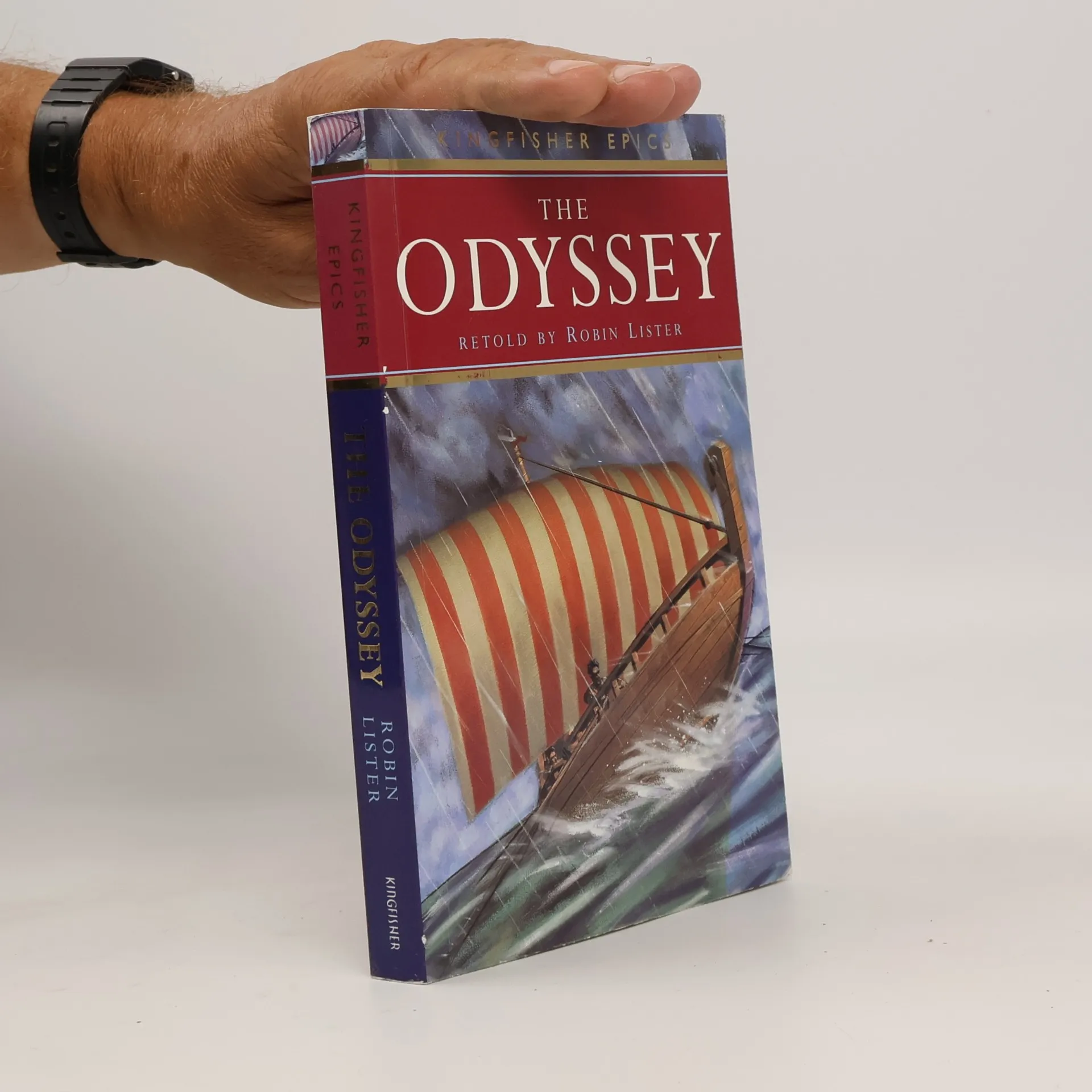
Klasický příběh o Odysseovi zpracován pro děti prvního stupně. Velká písmena a obrázky jsou motivací, aby si malí školáčci dobrodružný příběh sami přečetli.
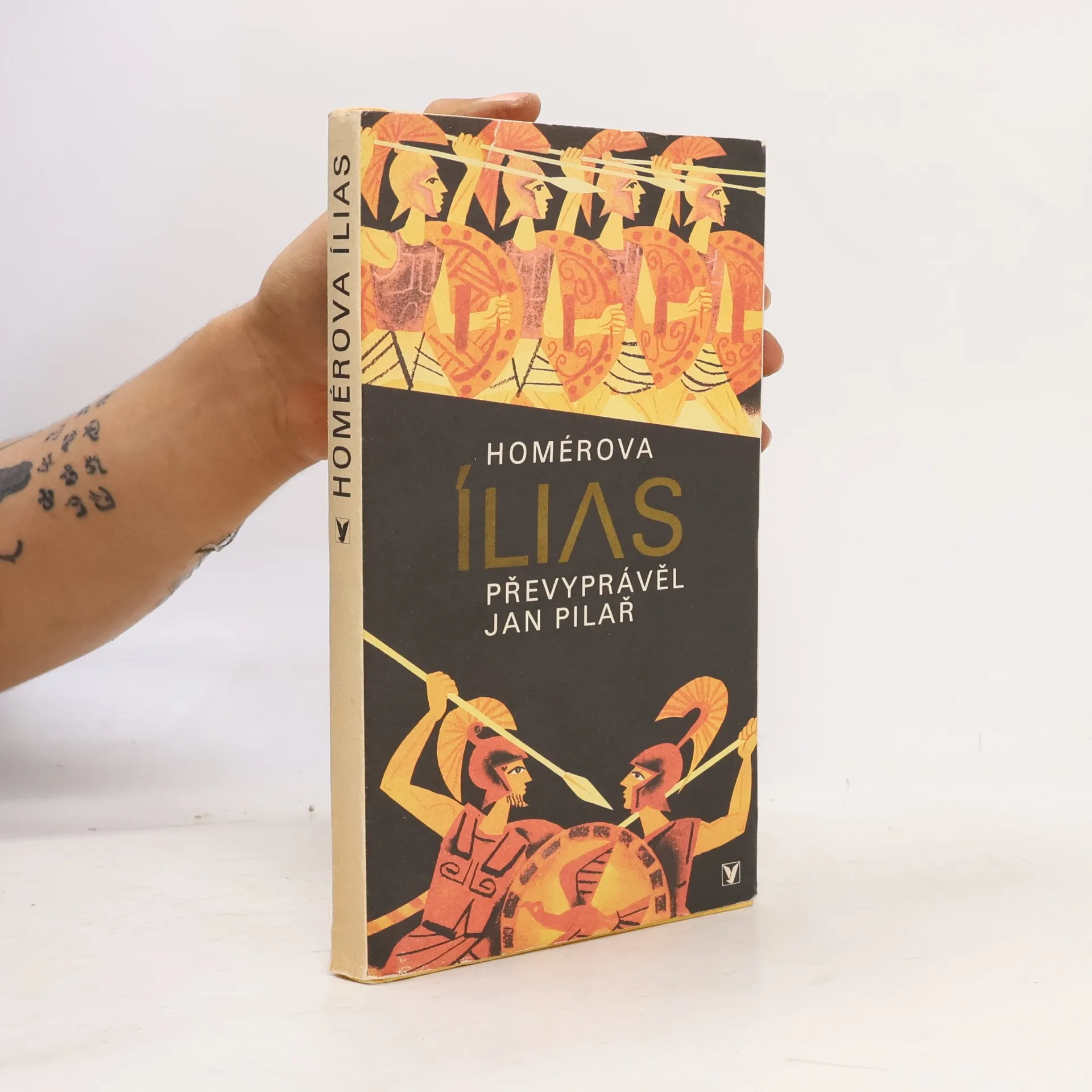
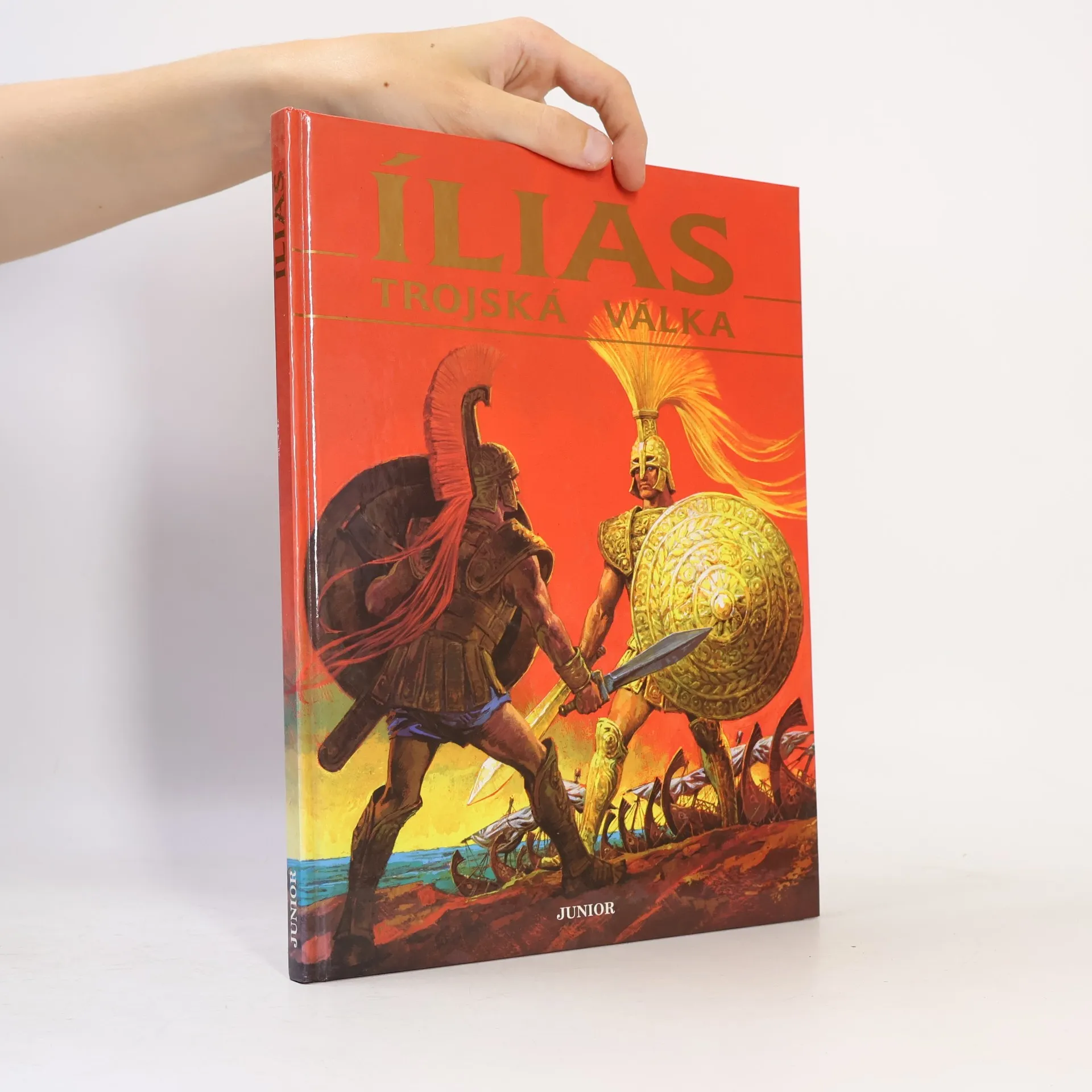
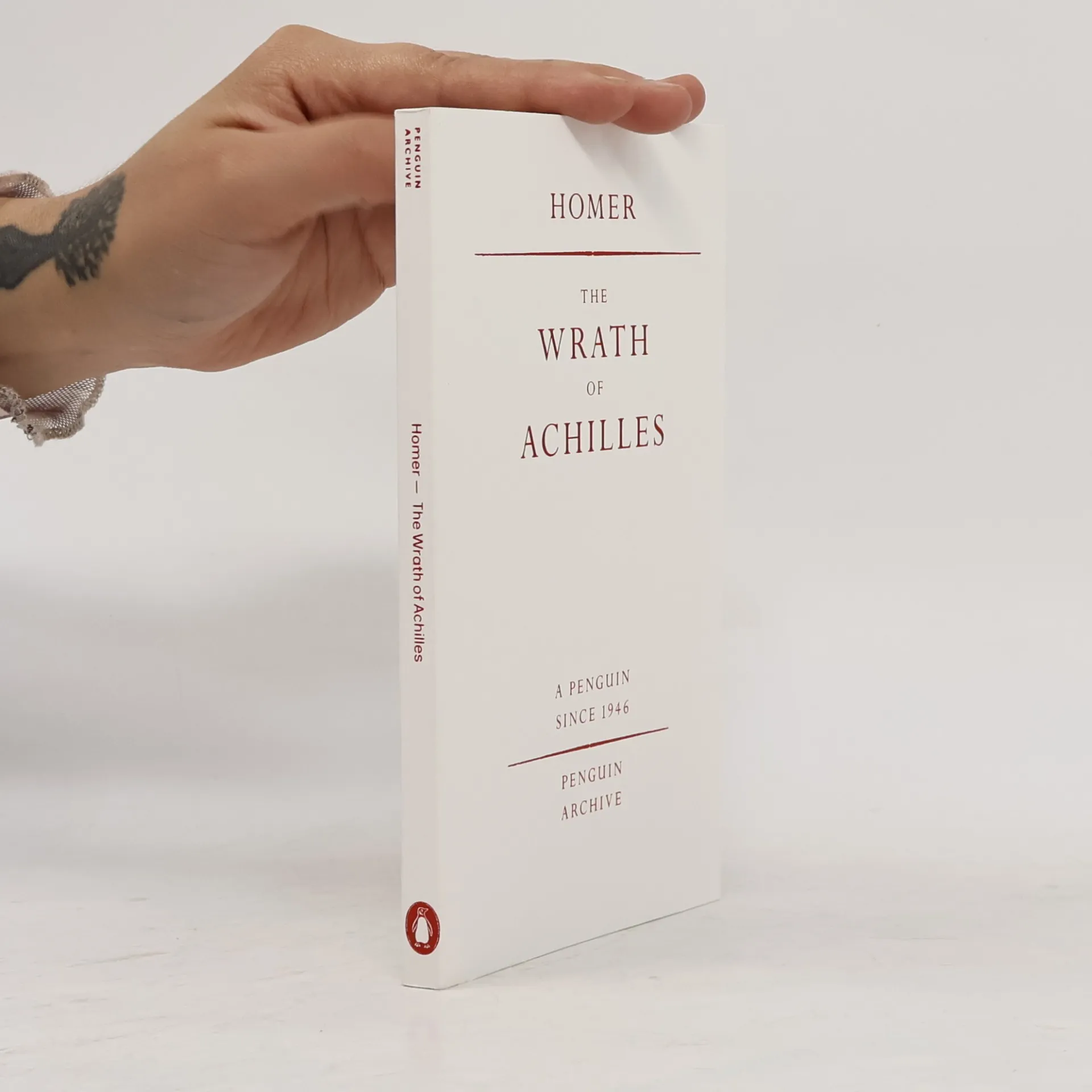
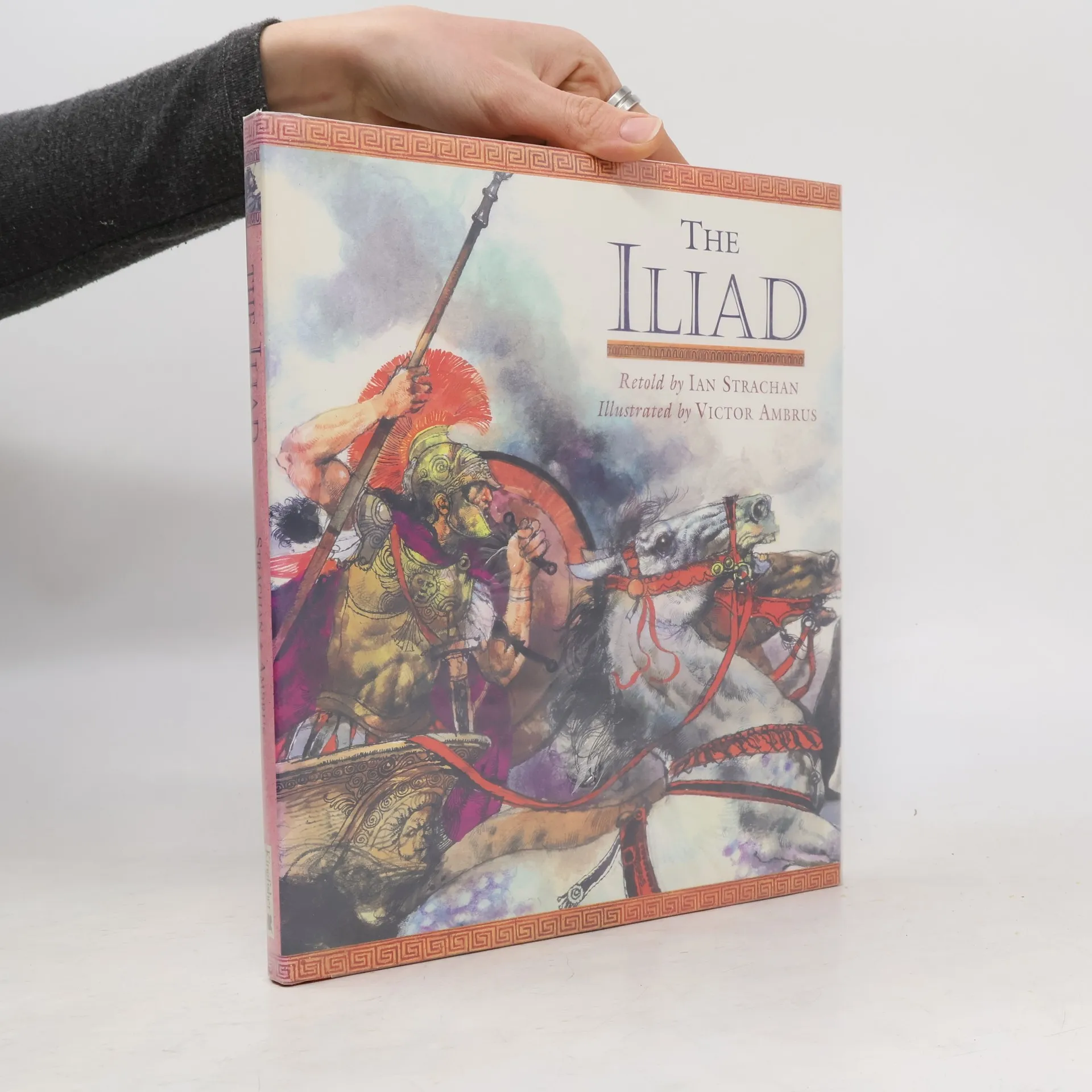
Tato kniha je převyprávěním Ilias od Homéra. Nejdříve je v ní stručně popsána doba před válkou a její začátky, zbytek knihy se podrobně zabývá rokem desátým.
Volný překlad částí Homérovy Iliády, pojednávajících o Achillovi, doplňují kulturně-historická analýza významu antického hrdiny a psychoanalytický výklad řecké mytologie. Interdisciplinární text se pokouší vřadit antický příběh do širších ideových a kulturních souvislostí.
Český filozof interpretuje klasický příběh řecké mytologie o Achillovi.
Kniha vychází za podpory honorárního konzula ČR v Hamburku pana Roberta Vogela, zvláštní poděkování patří panu Karlu Trinkewitzovi.
Pravopisná podoba cizích slov (zejména antických jmen) je ponechána v autorově znění.
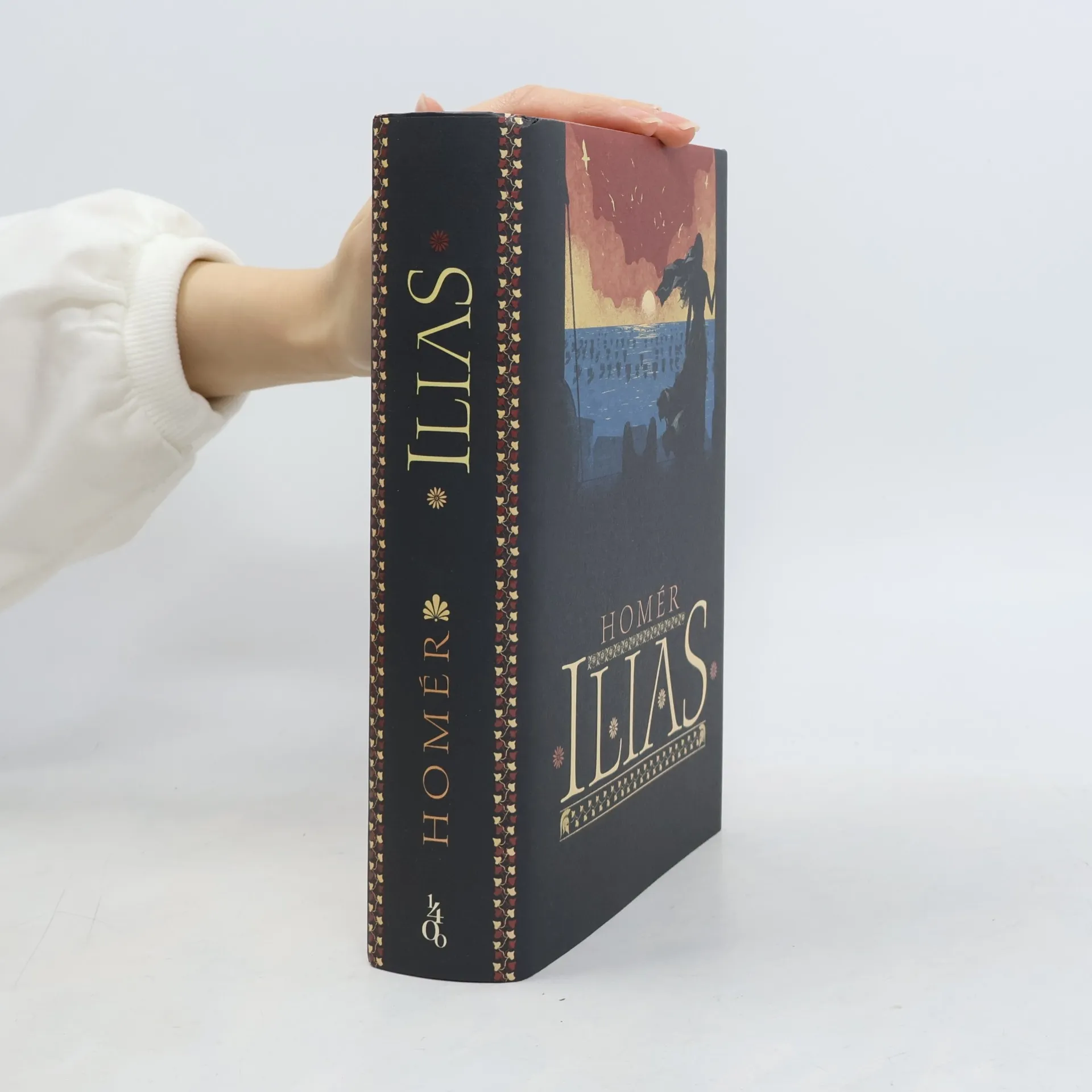
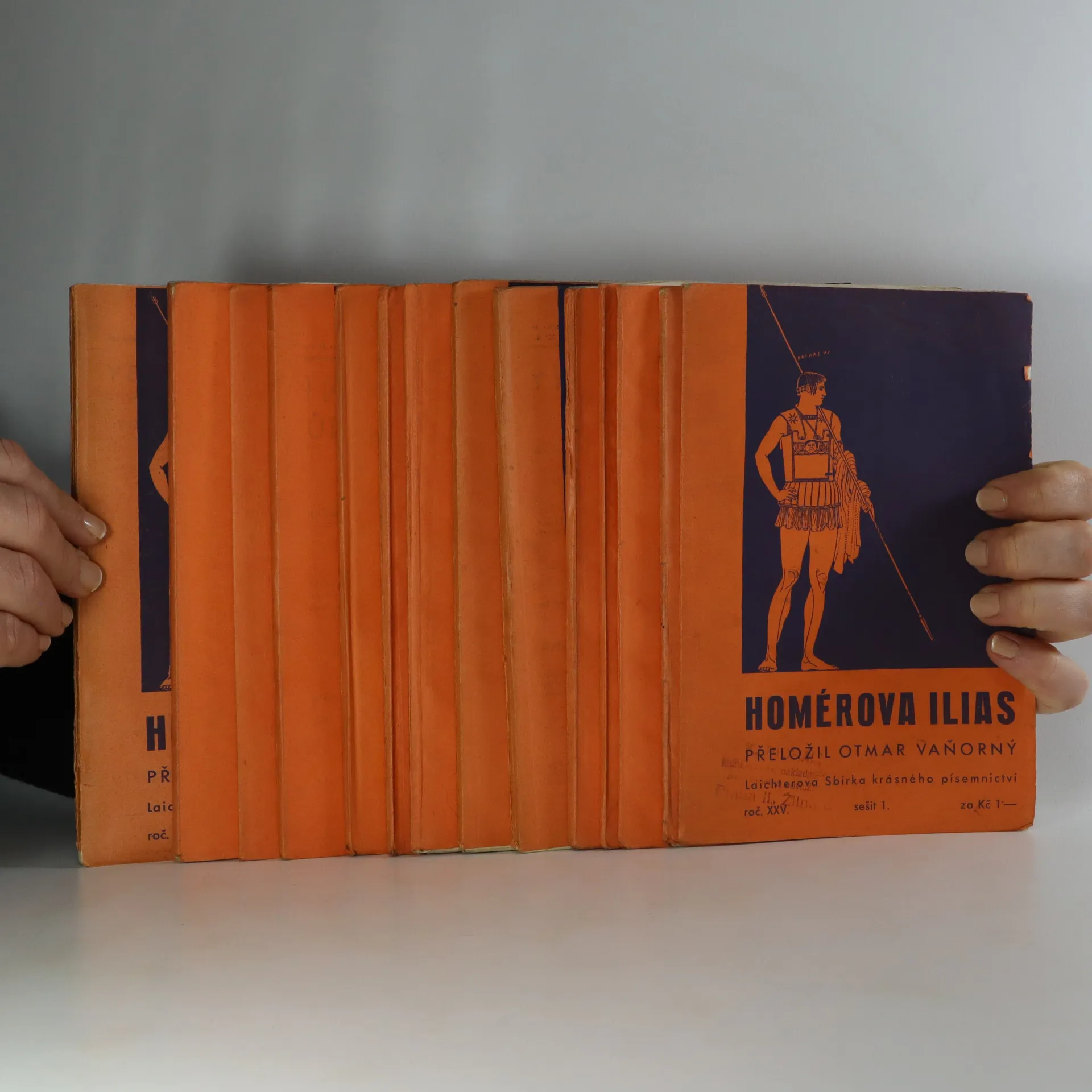
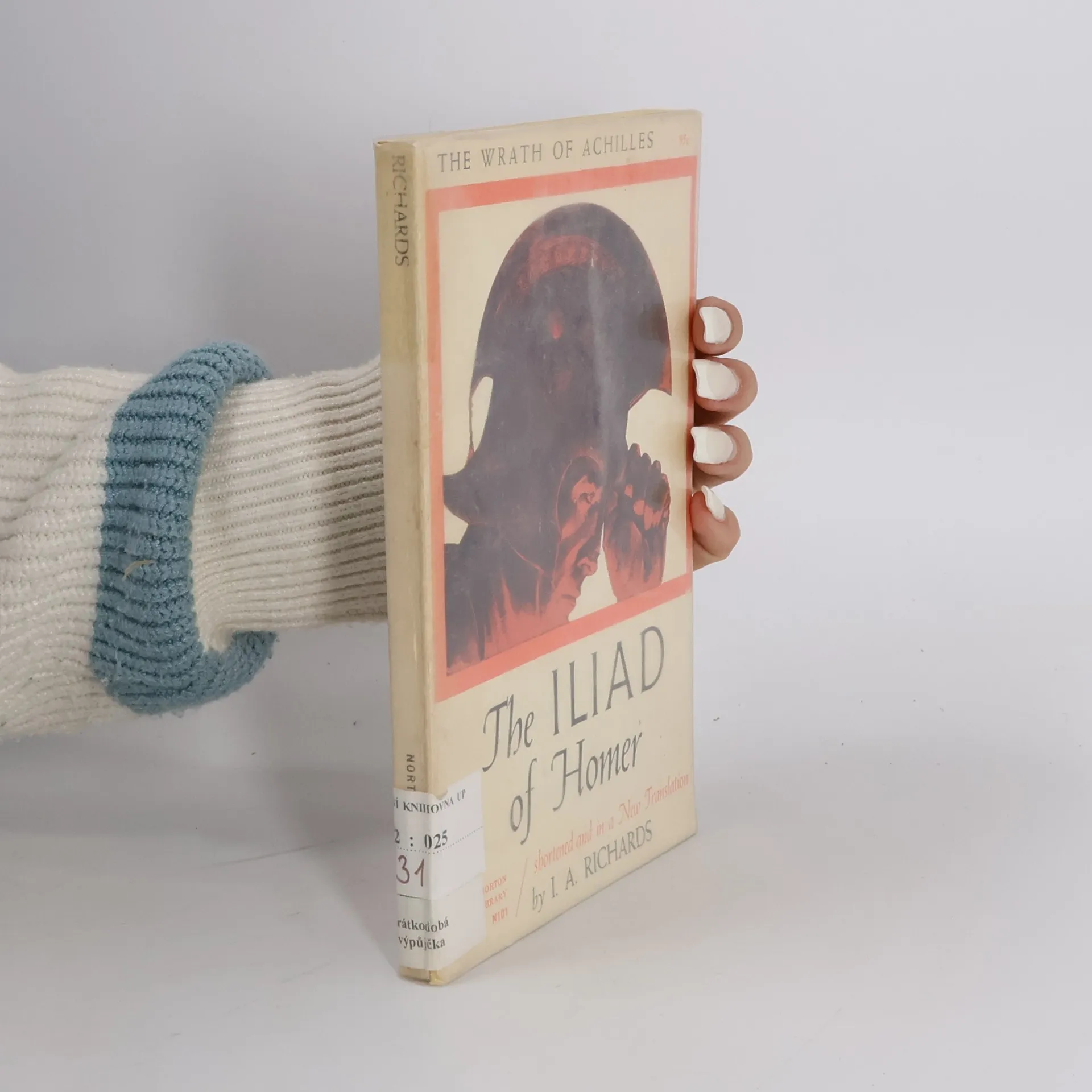
Epos o trojské válce, zobrazující ve 24 zpěvech dobrodružství, válečné i milostné příběhy Agamemmona, Achillea, Odyssea, Parida, Heleny, Hektora aj. i svět olympských bohů, vychází v novém, moderním překladu. Na obálce barevná reprodukce řeckého talíře zdobeného malířem Epiktétem.Obsah: Příčinou války byl únos krásné Heleny, manželky spartského krále Meneláa, synem trojského krále Priama, kralevicem Paridem. Meneláos se svým bratrem Agamemnonem zorganizoval odvetné tažení řeckých kmenů proti Tróji. Epos líčí události posledního, desátého roku války, které vyjadřují hněv Achilleův. Řek Achilleus, jemuž je předurčena velká sláva a blízká smrt, se odmítá zúčastnit dalších bojů, neboť Agamemnon mu odňal ukořistěnou otrokyni Bríseovnu. Uražený Achilles půjčí svou zbroj příteli Patroklovi, ten je však zabit trojským hrdinou Hektorem. V souboji Meneláa s únoscem Paridem Paris sice umírá, nakonec je však zachráněn bohyní Afroditou. Vyvrcholením eposu je vylíčení souboje Achillea, mstícího smrt přítele Patrokla, s Hektorem, který končí Achilleovým vítězstvím a potupou zabitého Hektora, vláčeného kolem trojských hradeb a nakonec vydaného králi Priamovi. 01-083-80
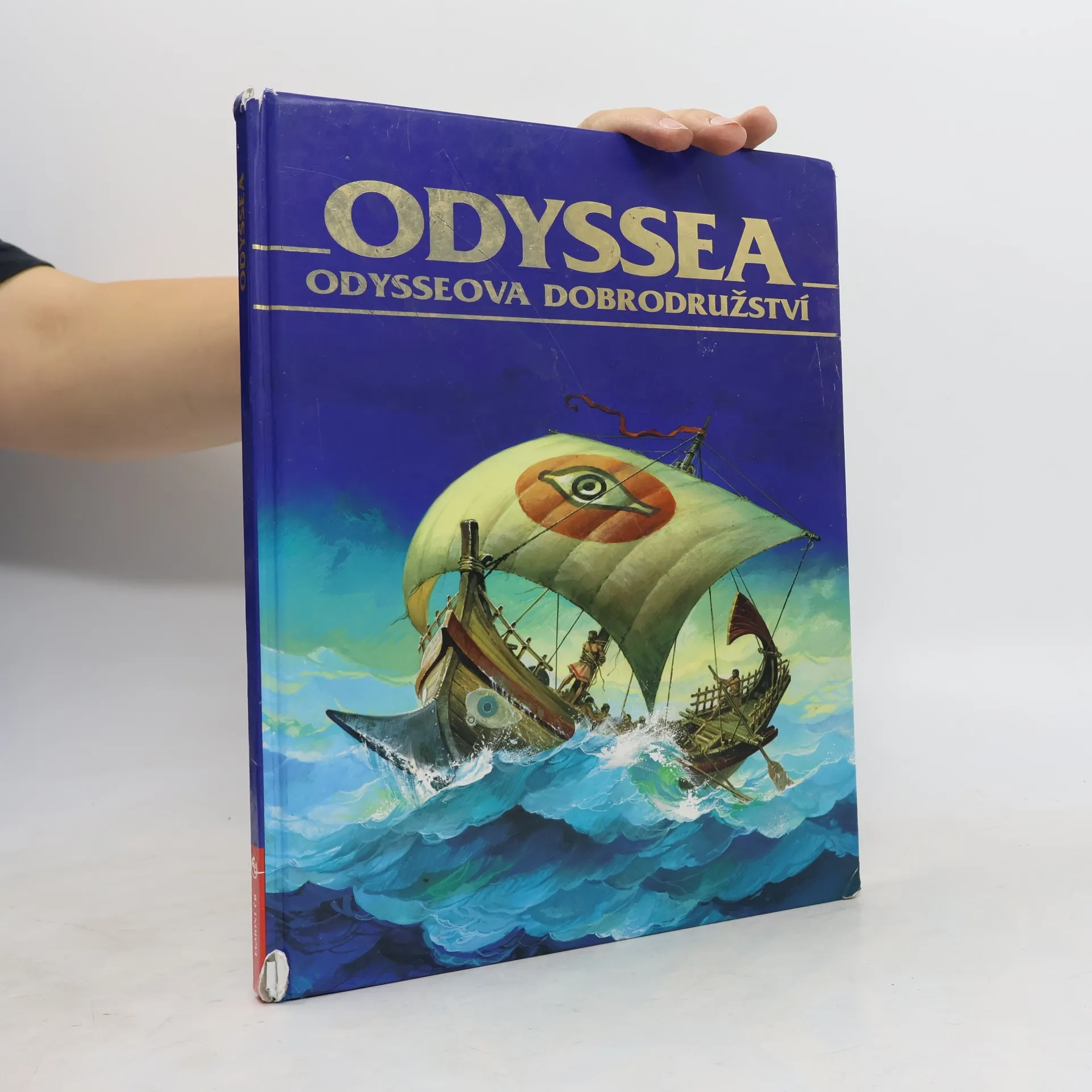
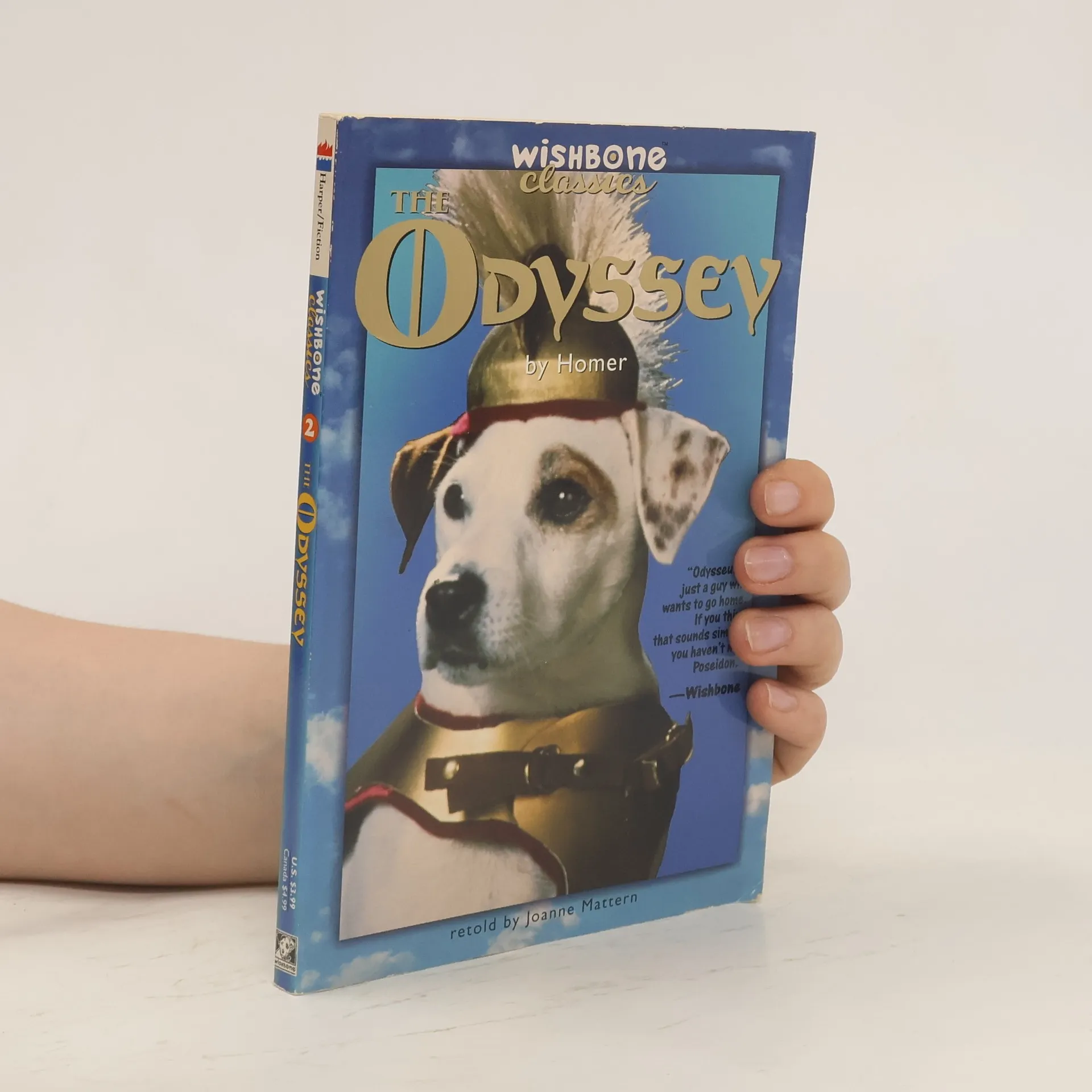
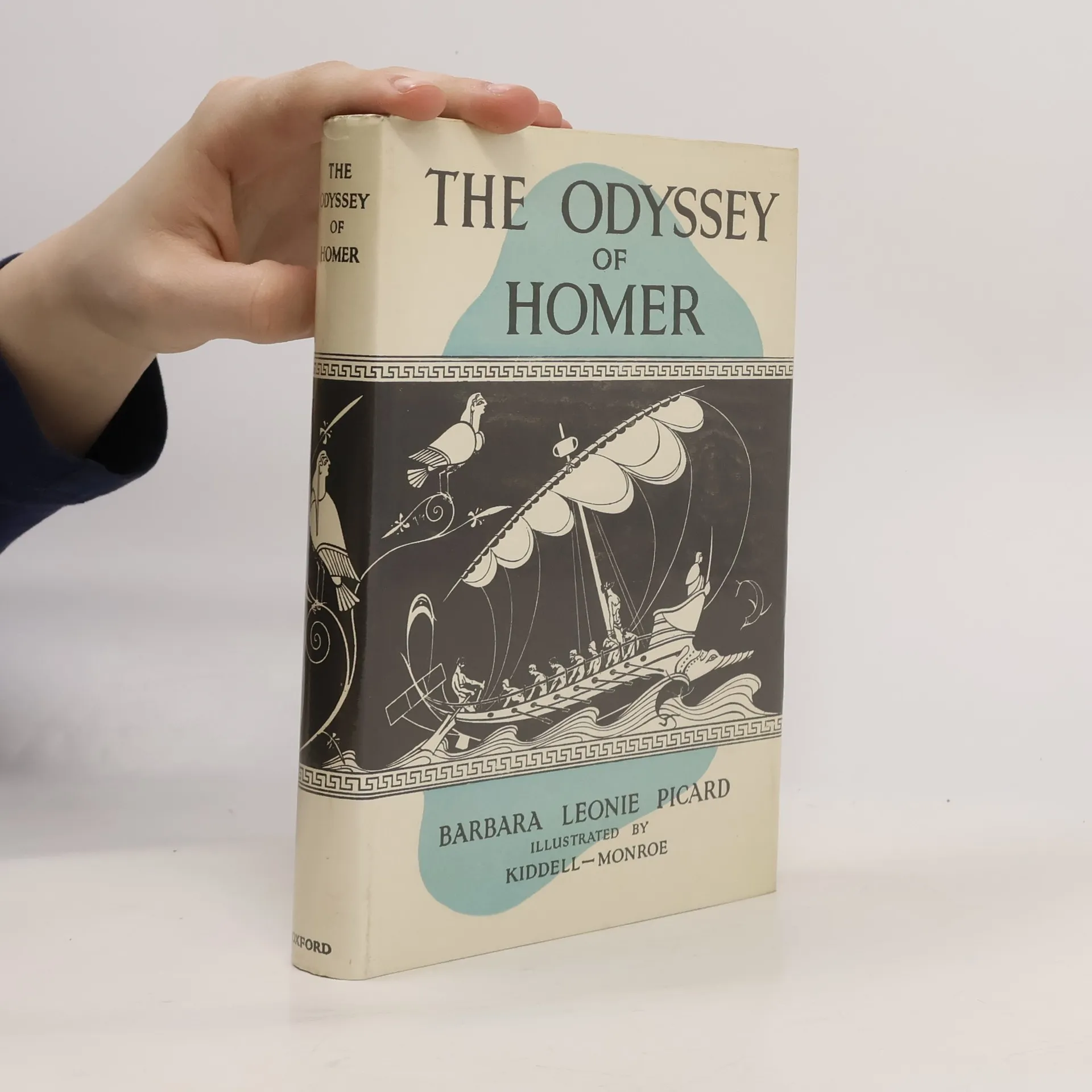
Homérova velká epická báseň je dramaticky oživena v tomto moderním,bohatě ilustrovaném vydání Odysseie,napsaném pro děti ve věku 6-11 let.Dětští čtenáři budou očarováni Odysseovými fantastickými cestami a jeho boji s bájnými bohy a nestvůrami,které musel podstoupit na své cestě domů z trojské války ke své věrné ženě Pénelopé.V této knize jsou obsažena všechna slavná Odysseova dobrodružství: s jednookým Kyklopem,na ostrově kouzelnice Kirké o Odysseův útěk před postrachy moře obludou Skyllou a vírem Charybdou.
Převyprávěné vydání slavné Homérovy epické básně, která líčí dobrodružství řeckého hrdiny Odyssea a jeho osudy po návratu na ostrov Ithaku, kde jako vládce zanechal svou ženu Penelopu.
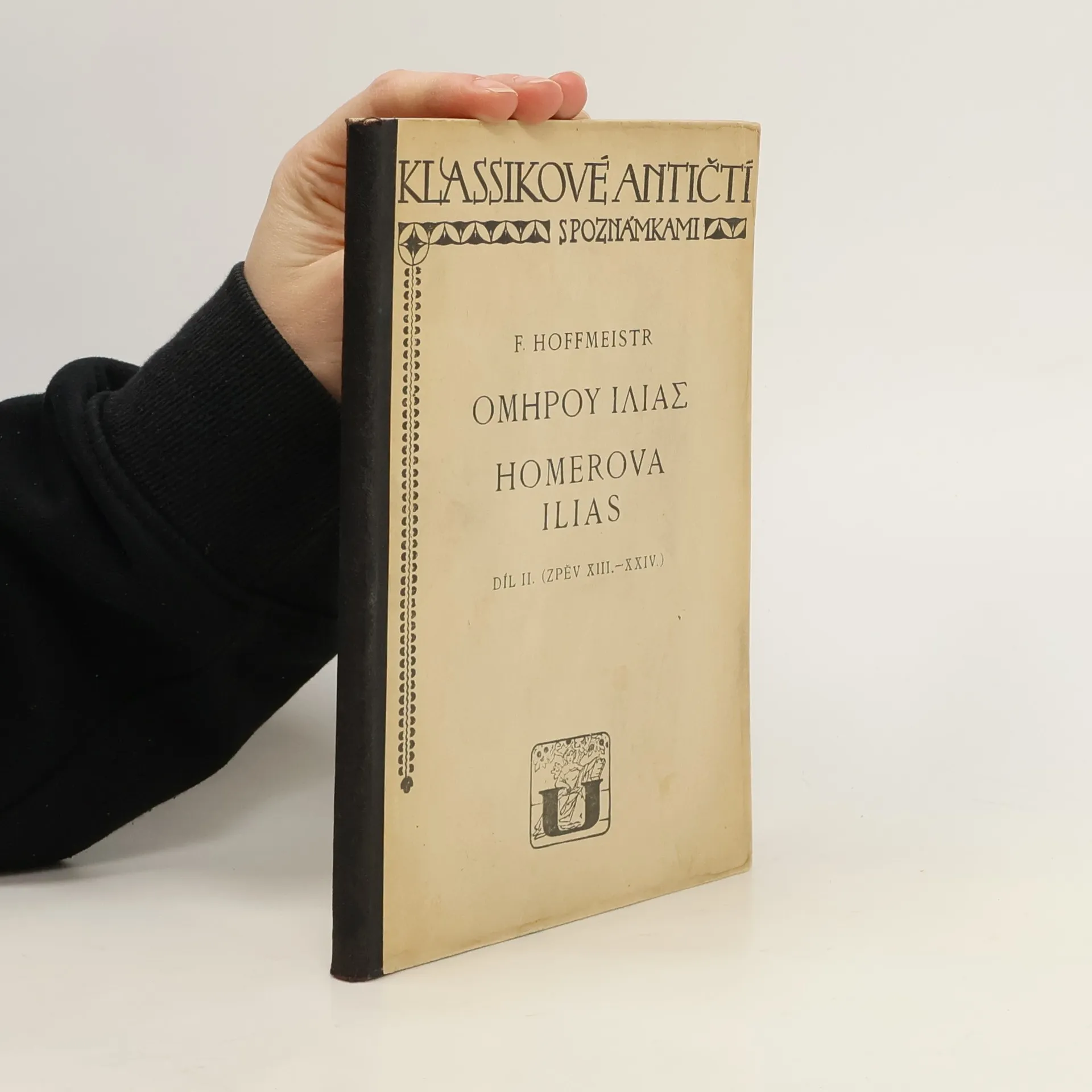
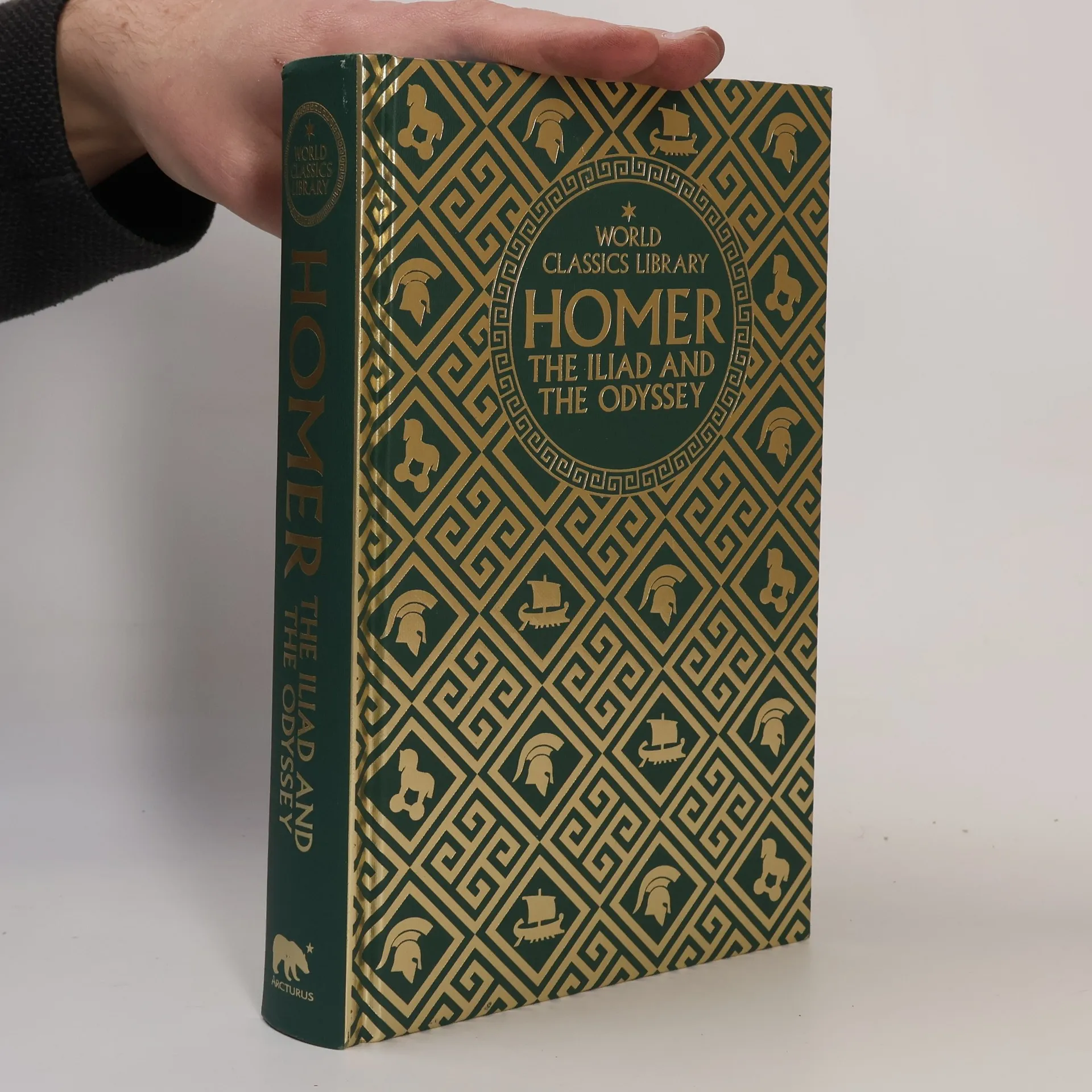
Ilias je starořecký hrdinský epos, jehož autorství je tradičně připisováno básníku Homérovi.
Byl napsán časoměrným daktylským hexametrem, má 24 zpěvů a téměř 16 tisíc veršů. Vznikl asi někdy v polovině 8. století př. n. l. a zpracovává epizodu z okruhu pověstí o Trójské válce.
Epos Ilias časově předchází eposu Odysseia. Sepsat, respektive uspořádat jeho písemné verze nechal v 6. století př. n. l. athénský tyran Peisistratos, do té doby se oba eposy tradovaly pouze ústně.
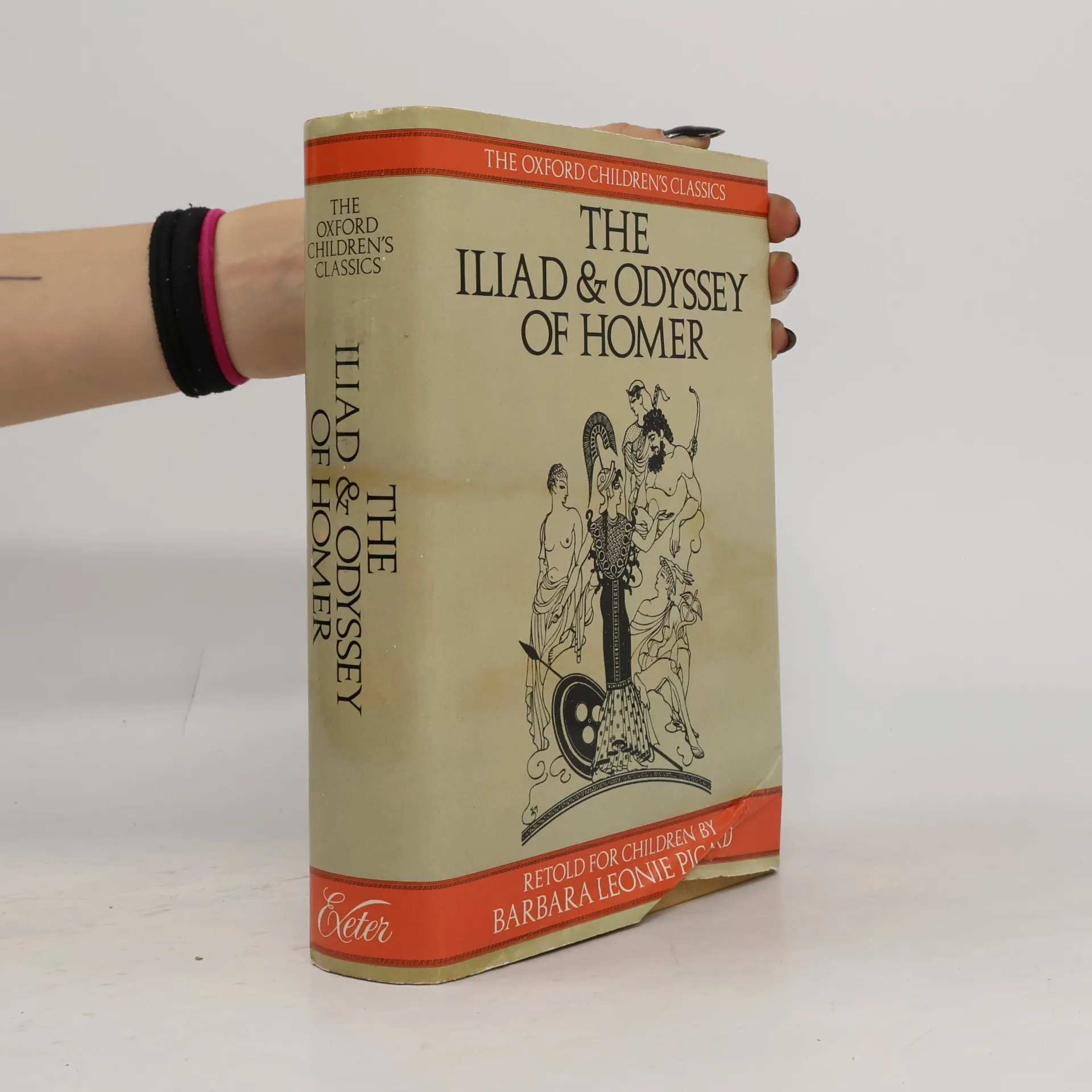
Význam tohoto díla je obrovský, neboť ovlivnilo řecké náboženství, mytologii a část řecké literatury. Zároveň se stalo nejstarším zachovaným dílem evropské literatury a v dějinách ovlivňovalo evropské myšlení.
Trojská válka trvala dlouhých deset let. Nikdo nevěděl, jestli skončí. Všichni už chtěli domů. Nakonec Odysseus vymyslel lest. Historici i archeologové dodnes řeší, zda je Homérův příběh pravdivý. Existoval skutečně trojský kůň?
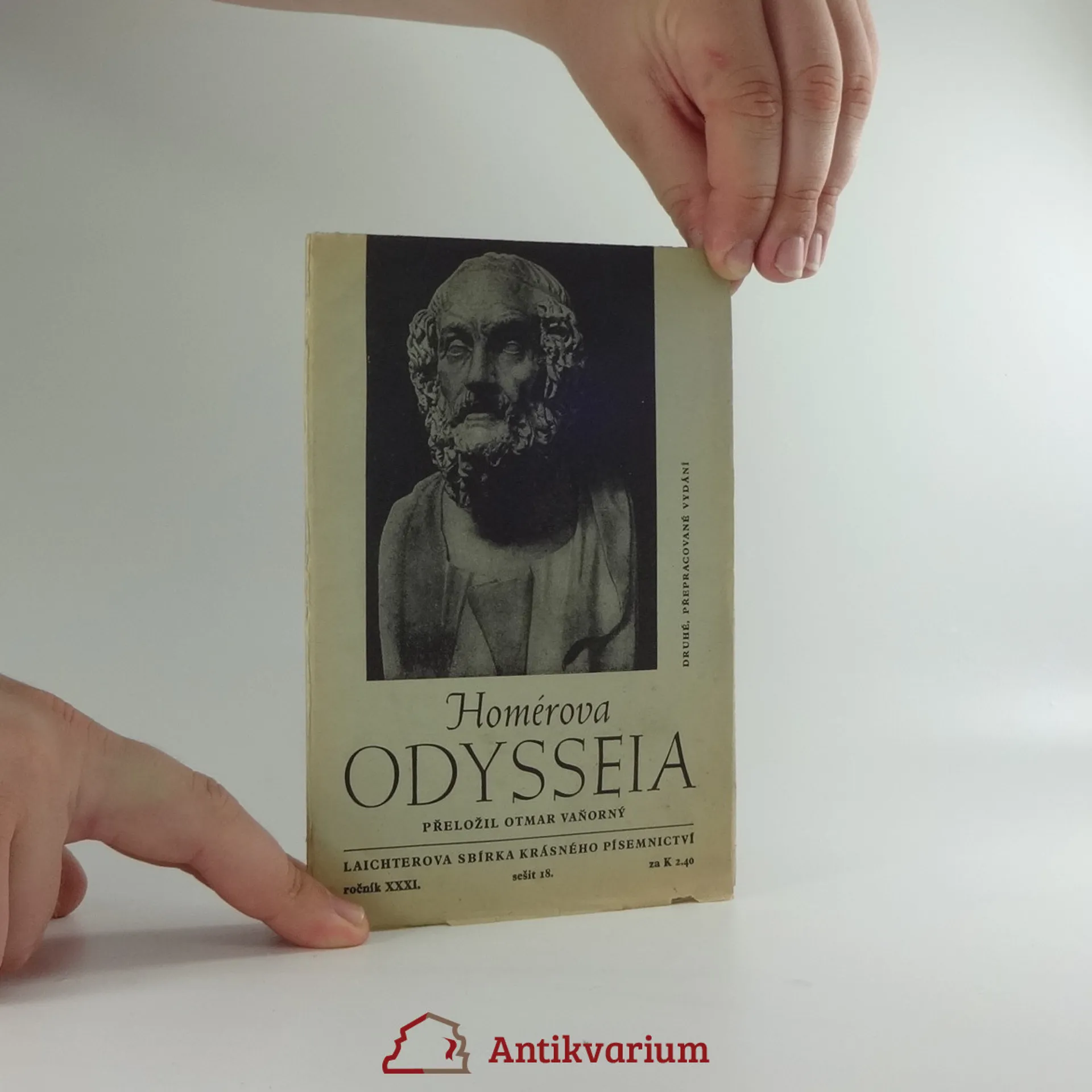
Druhý epos, který je připisován Homérovi. Jde o rozsáhlou epickou báseň psanou v daktylském hexametru, která navazuje na události vylíčené v eposu Ilias
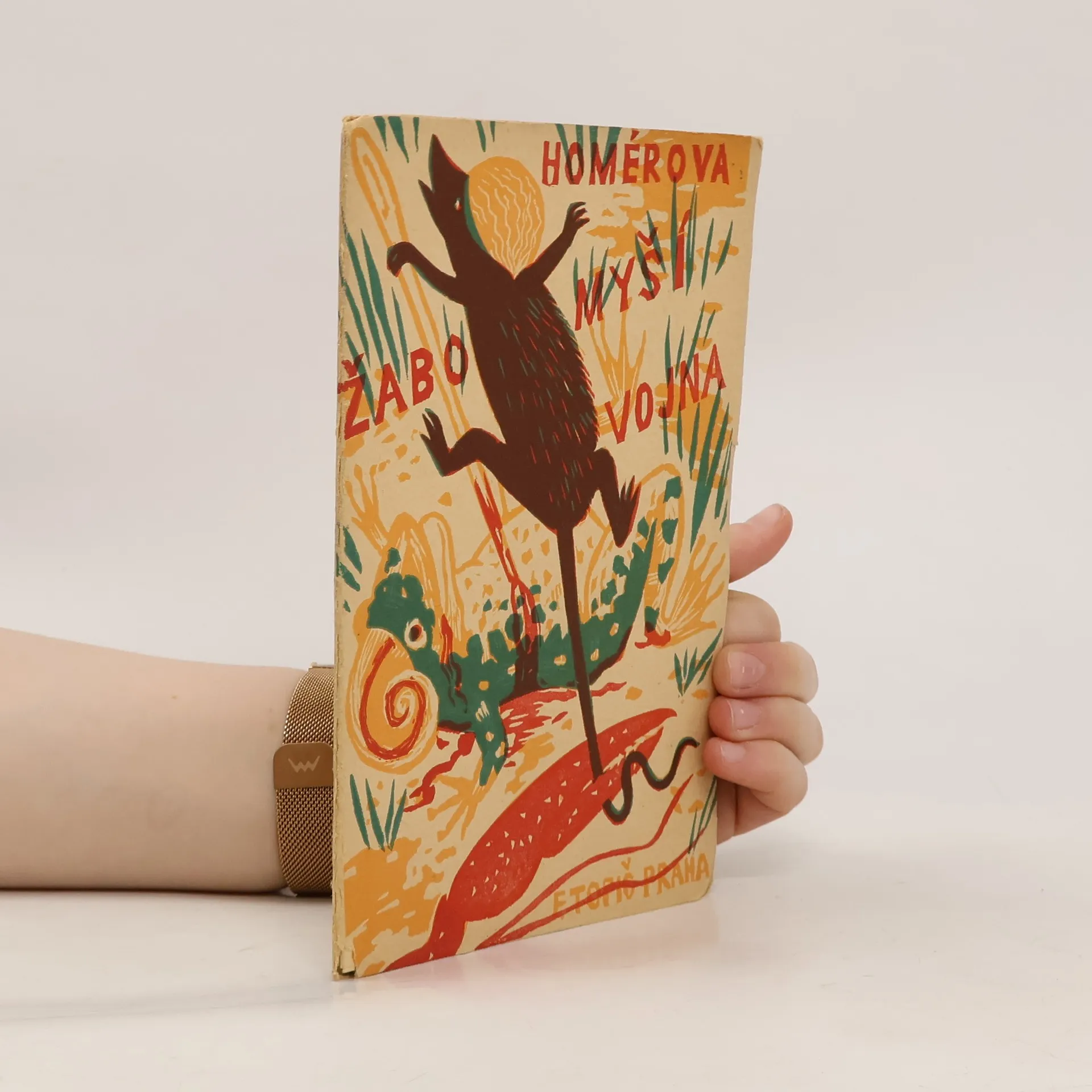
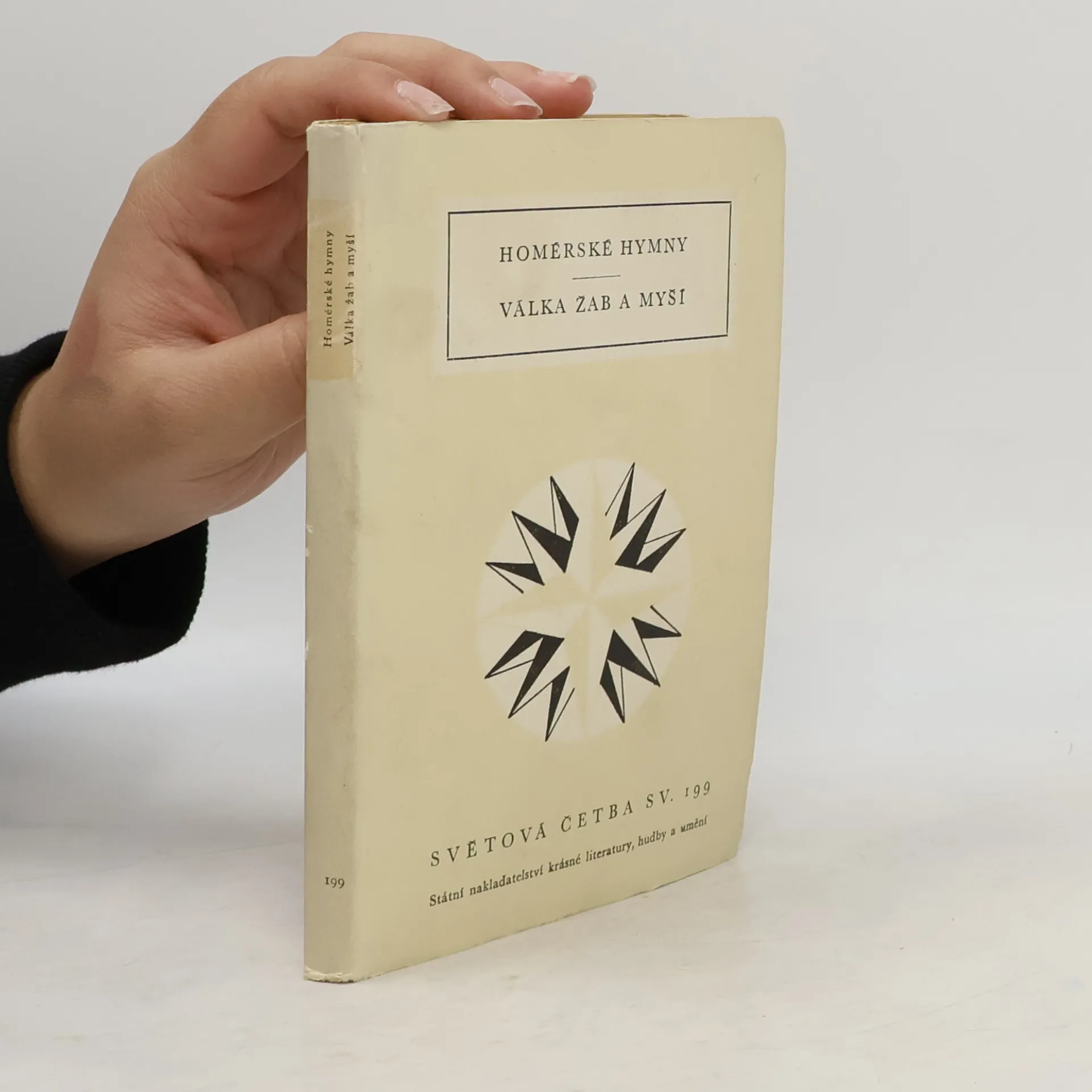
Homérské hymny je sbírka 33 hymnů (oslavných písní na olympské bohy a polobohy) psaných daktylským hexametrem dochována pod jménem Homérovým. Hymny však pochází z různých dob (nejstarší ze 7. století př. n. l., nejmladší z doby helénistické ze 3. století př. n. l.) a jsou od různýchautorů. Používají sice homérského verše a stylu, ale slovní zásoba je mladší. Homérské hymny mají rozdílný rozsah (od 3 do 582 veršů) i charakter, některé z nich jsou orfické (nábožensko-mystické). Byly nejspíše určené k přednesu na různých kultovních místech (Délos, Delfy, Eleusis) a přednášeli je rapsódové jako úvod k recitacím z Homéra. Podle rozsahu se homérské hymny rozdělují na dvě části, na tzv. velké a malé, přičemž ve velkých je silně rozvinut epický prvek.
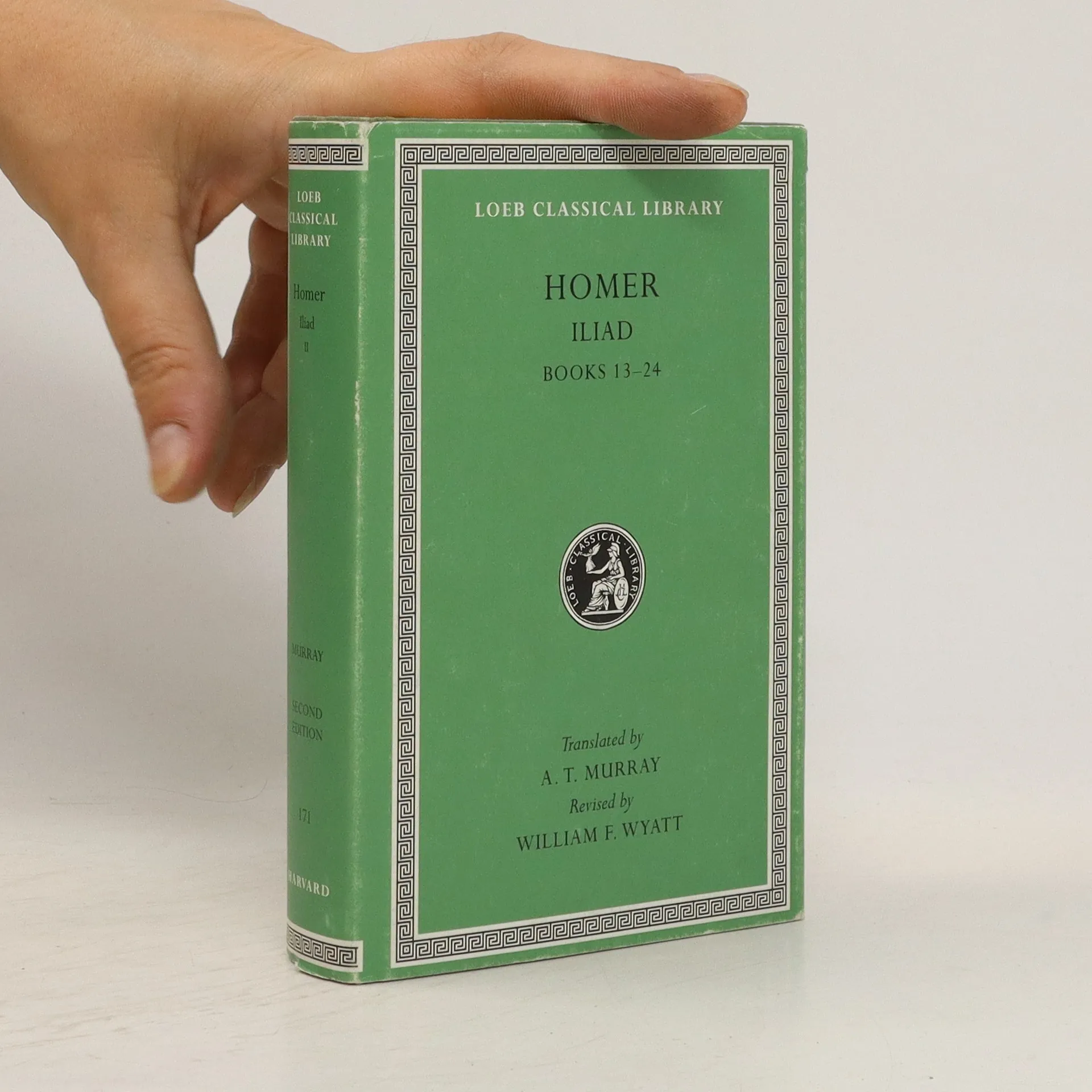
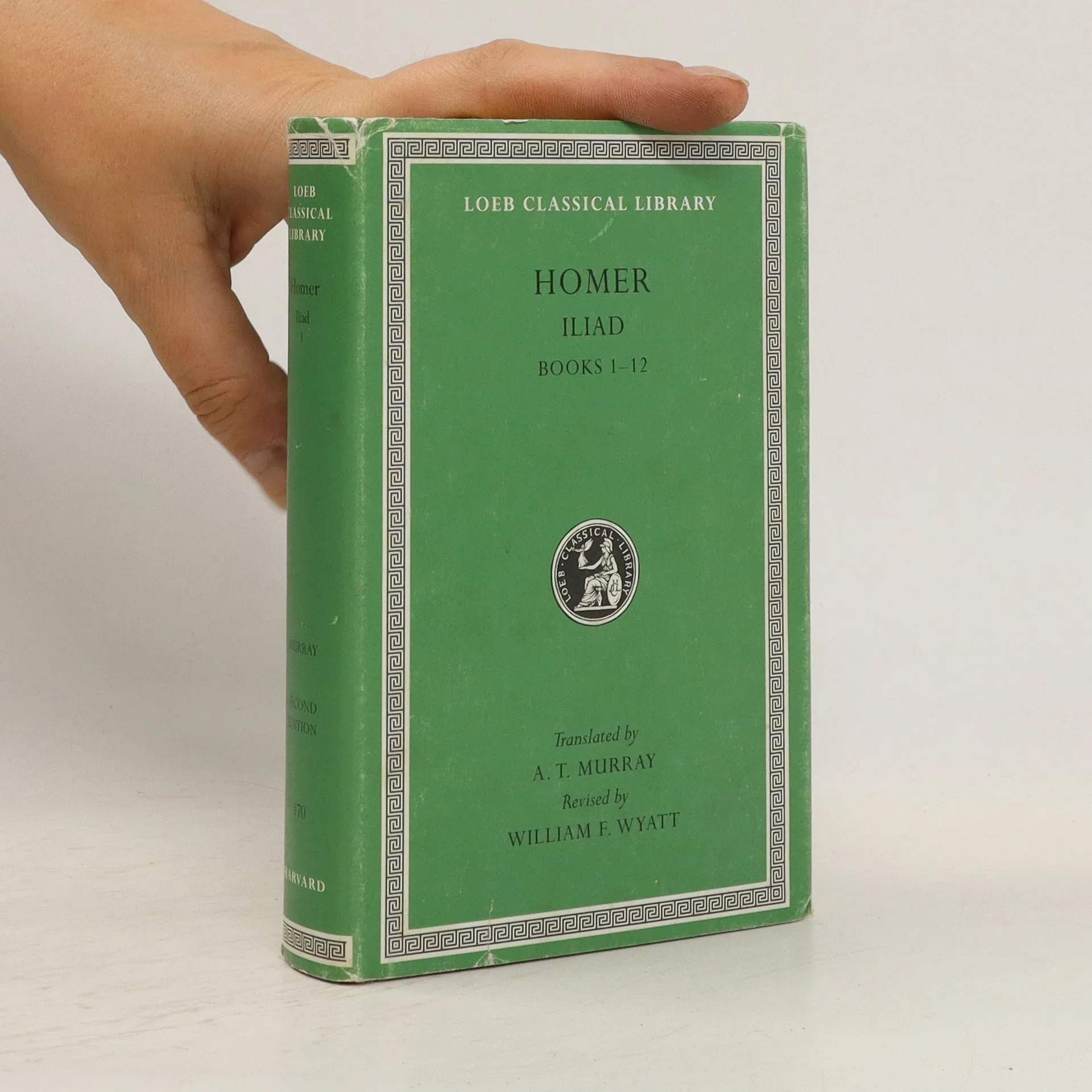
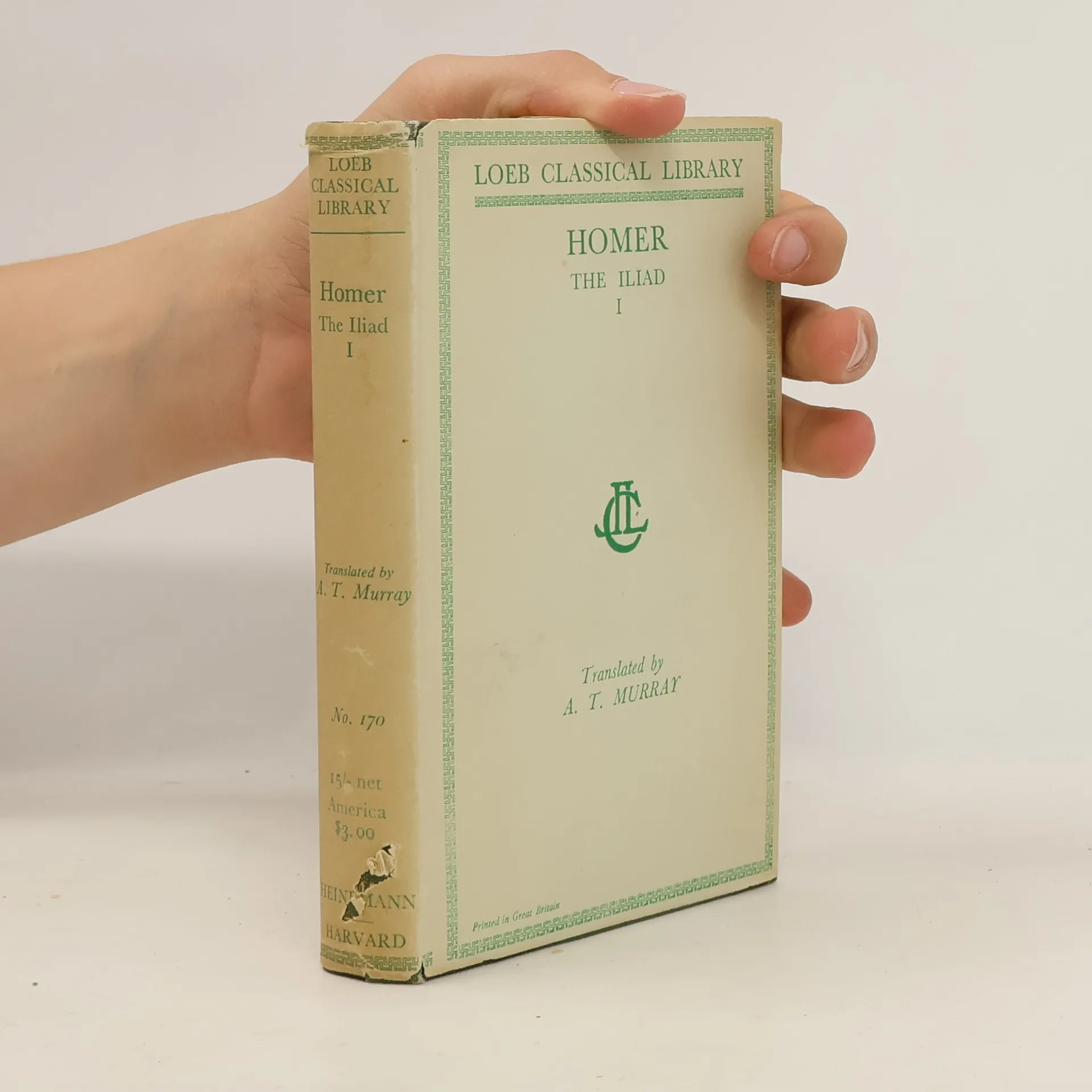
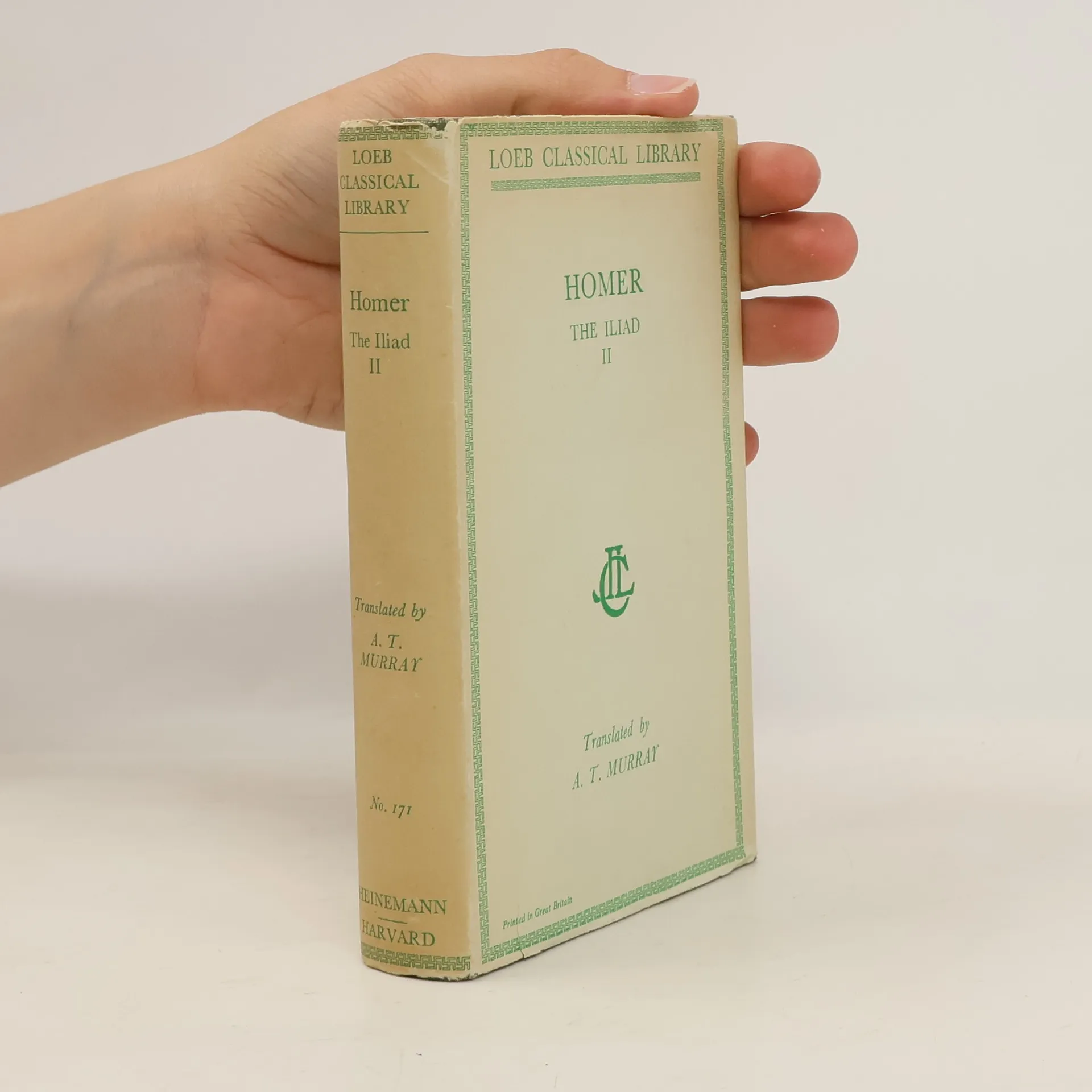
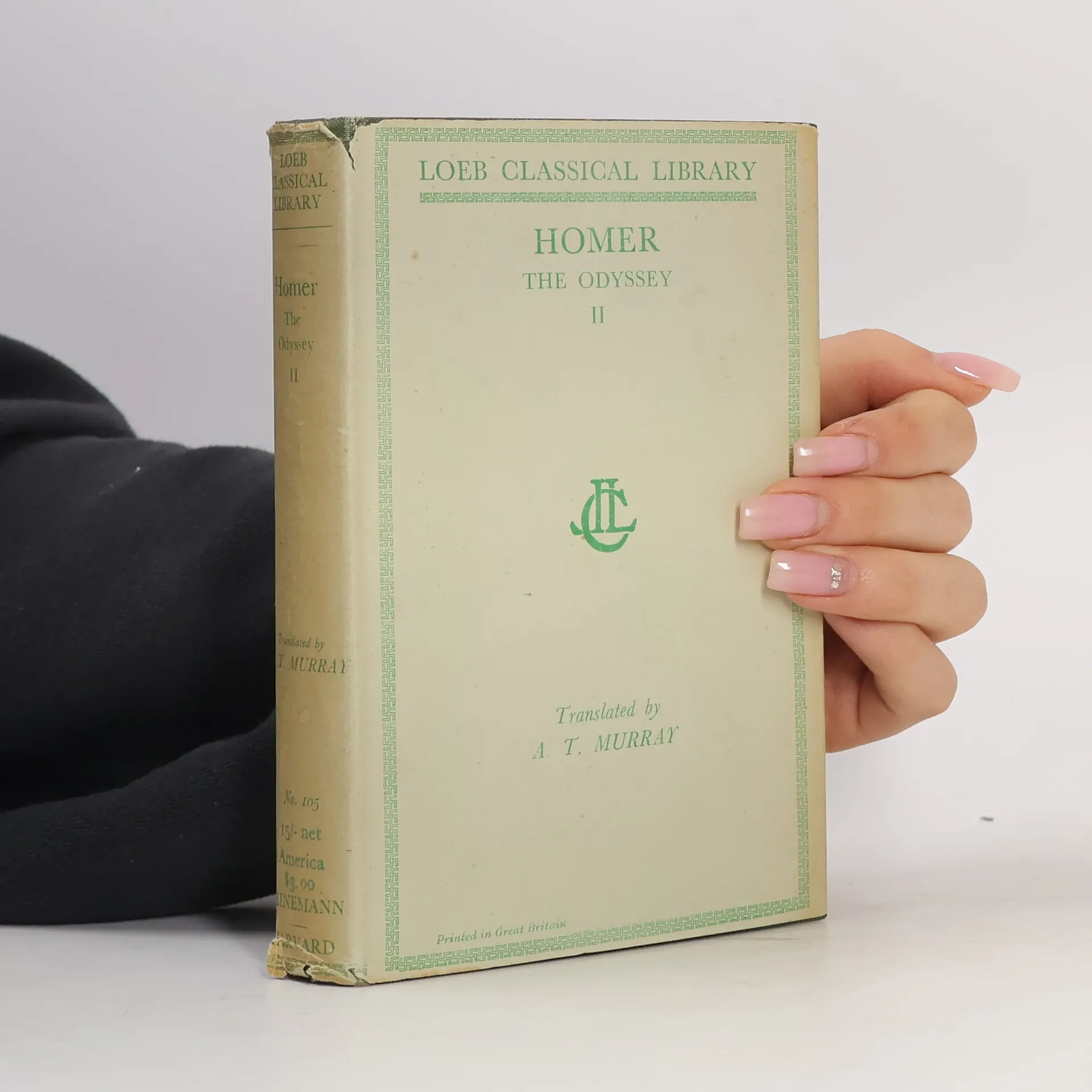
Here is a new Loeb Classical Library edition of Homer's stirring heroic account of the Trojan war and its passions. The eloquent and dramatic epic poem captures the terrible anger of Achilles, "the best of the Achaeans," over a grave insult to his personal honor and relates its tragic result: a chain of consequences that prove devastating for the Greek forces besieging Troy, for noble Trojans, and for Achilles himself. The poet gives us compelling characterizations of his protagonists as well as a remarkable study of the heroic code in antiquity.The works attributed to Homer include the two oldest and greatest European epic poems, the Odyssey and the Iliad. These have been published in the Loeb Classical Library for three quarters of a century, the Greek text facing a faithful and literate prose translation by A. T. Murray. William F. Wyatt now brings the Loeb's Iliad up to date, with a rendering that retains Murray's admirable style but is written for today's readers.The Loeb Classical Library is the only existing series of books which, through original text and English translation, gives access to all that is important in Greek and Latin literature. A complete list of titles is available from Harvard University Press.
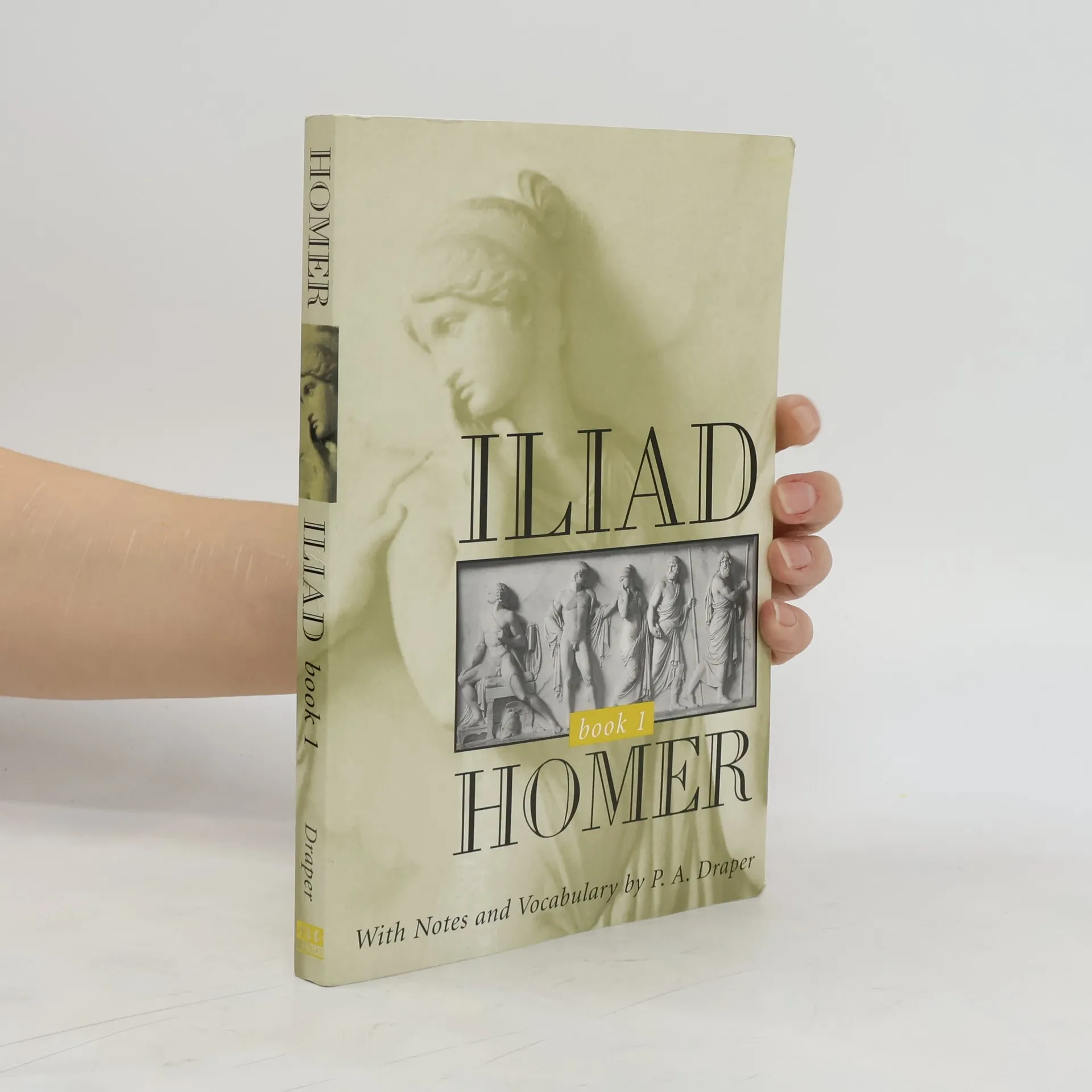
For anyone who has completed studies in elementary Greek, this edition
provides the assistance necessary to read, understand, and appreciate the
first book of the Iliad in its original language. Structured to maximize
reading ease, P.A. Draper's volume stands out among introductions to the Greek
Iliad.
Homer bidding farewell to his wife, Odysseus bound to the mast, Penelope at
the loom, Achilles dragging Hector's body round the walls of Troy - scenes
from Homer have been portrayed in every generation. Chapman's translations are
argued to be two of the liveliest and readable.
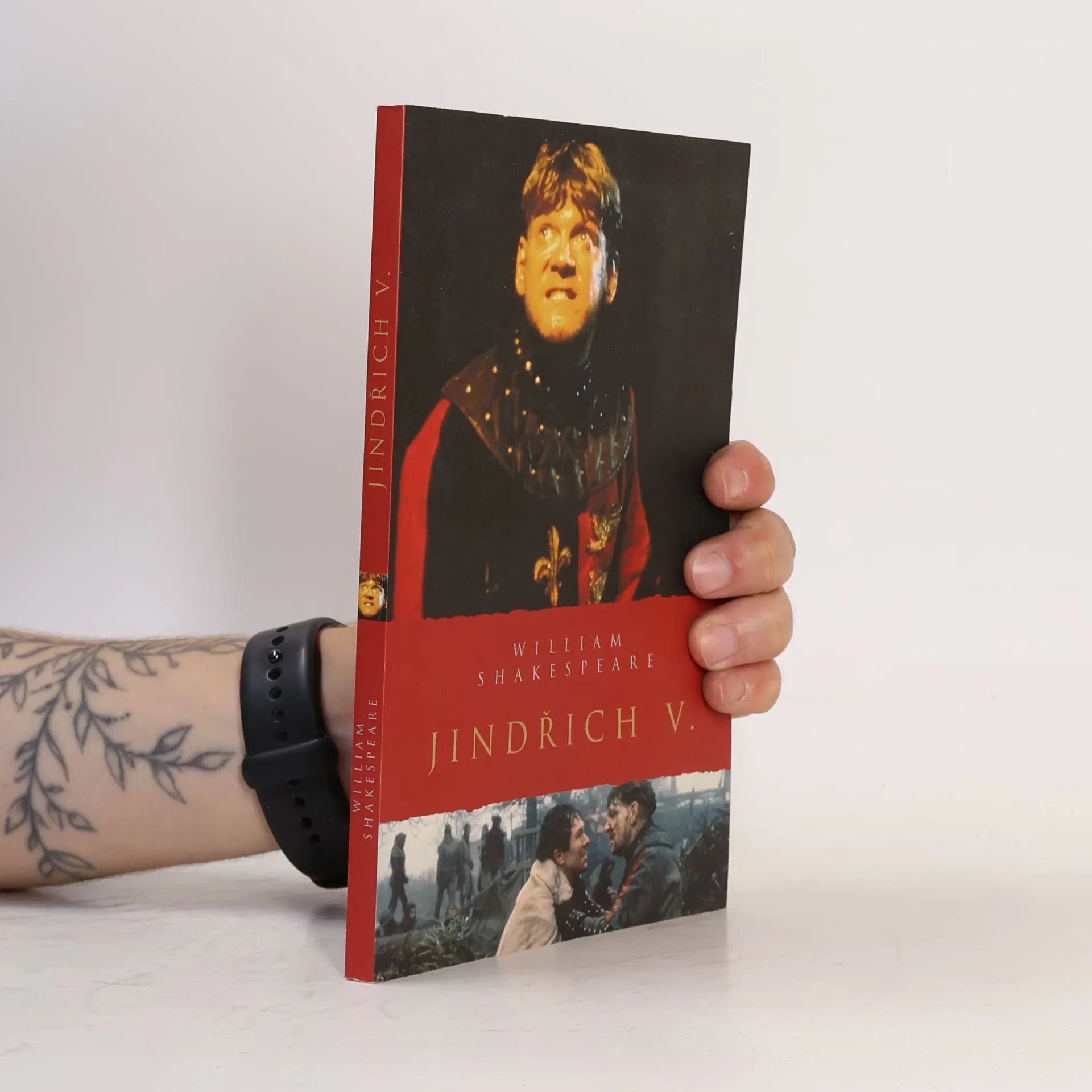
Shakespeare everyone can understand—now in new DELUXE editions! Why fear Shakespeare? By placing the words of the original play next to line-by-line translations in plain English, these popular guides make Shakespeare accessible to everyone. They introduce Shakespeare’s world, significant plot points, and the key players. And now they feature expanded literature guide sections that help students study smarter, along with links to bonus content on the Sparknotes.com website. A Q&A, guided analysis of significant literary devices, and review of the play give students all the tools necessary for understanding, discussing, and writing about King Lear . The expanded content includes : Five Key Five frequently asked questions about major moments and characters in the play. What Does the Ending Mean?: Is the ending sad, celebratory, ironic . . . or ambivalent? Plot What is the play about? How is the story told, and what are the main themes? Why do the characters behave as they do? Study Questions that guide students as they study for a test or write a paper. Quotes by Quotes organized by Shakespeare’s main themes, such as love, death, tyranny, honor, and fate. Quotes by Quotes organized by the play’s main characters, along with interpretations of their meaning.
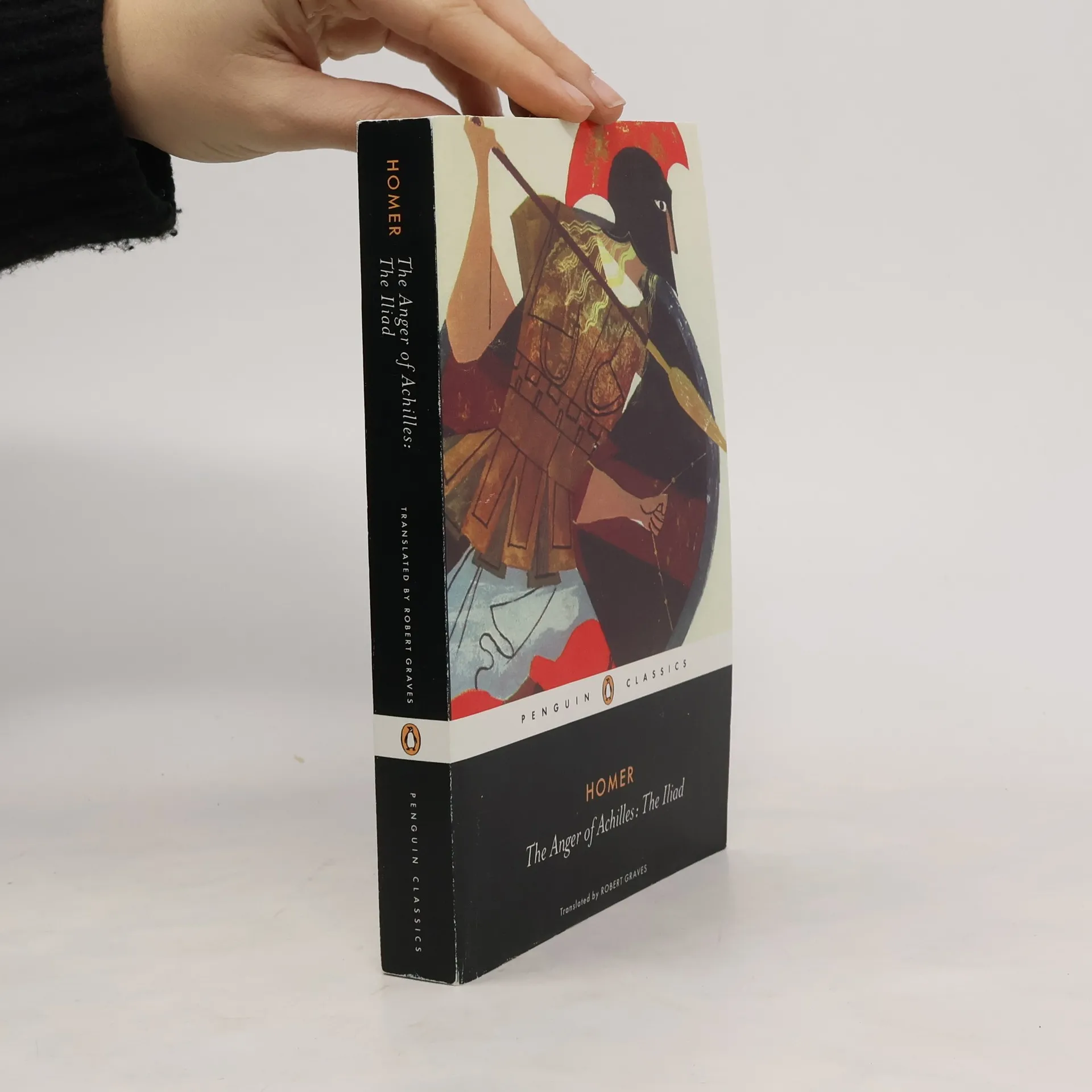
Robert Graves's dynamic retelling of Homer's powerful epic poem This edition of Homer 's Iliad , retold with authority and grace by the incomparable Robert Graves, takes a revered classic back to its roots as popular entertainment. War is raging between the Greeks and the Trojans. Achilles, the great warrior champion of the Greek army, is angrily sulking in his tent and refusing to fight, after an argument with his leader, Agamemnon. But when the Trojan warrior Hector kills Achilles' beloved friend Patroclus, Achilles plunges back into battle to seek his bloody revenge-even though it will bring about his own doom. For more than seventy years, Penguin has been the leading publisher of classic literature in the English-speaking world. With more than 1,700 titles, Penguin Classics represents a global bookshelf of the best works throughout history and across genres and disciplines. Readers trust the series to provide authoritative texts enhanced by introductions and notes by distinguished scholars and contemporary authors, as well as up-to-date translations by award-winning translators.
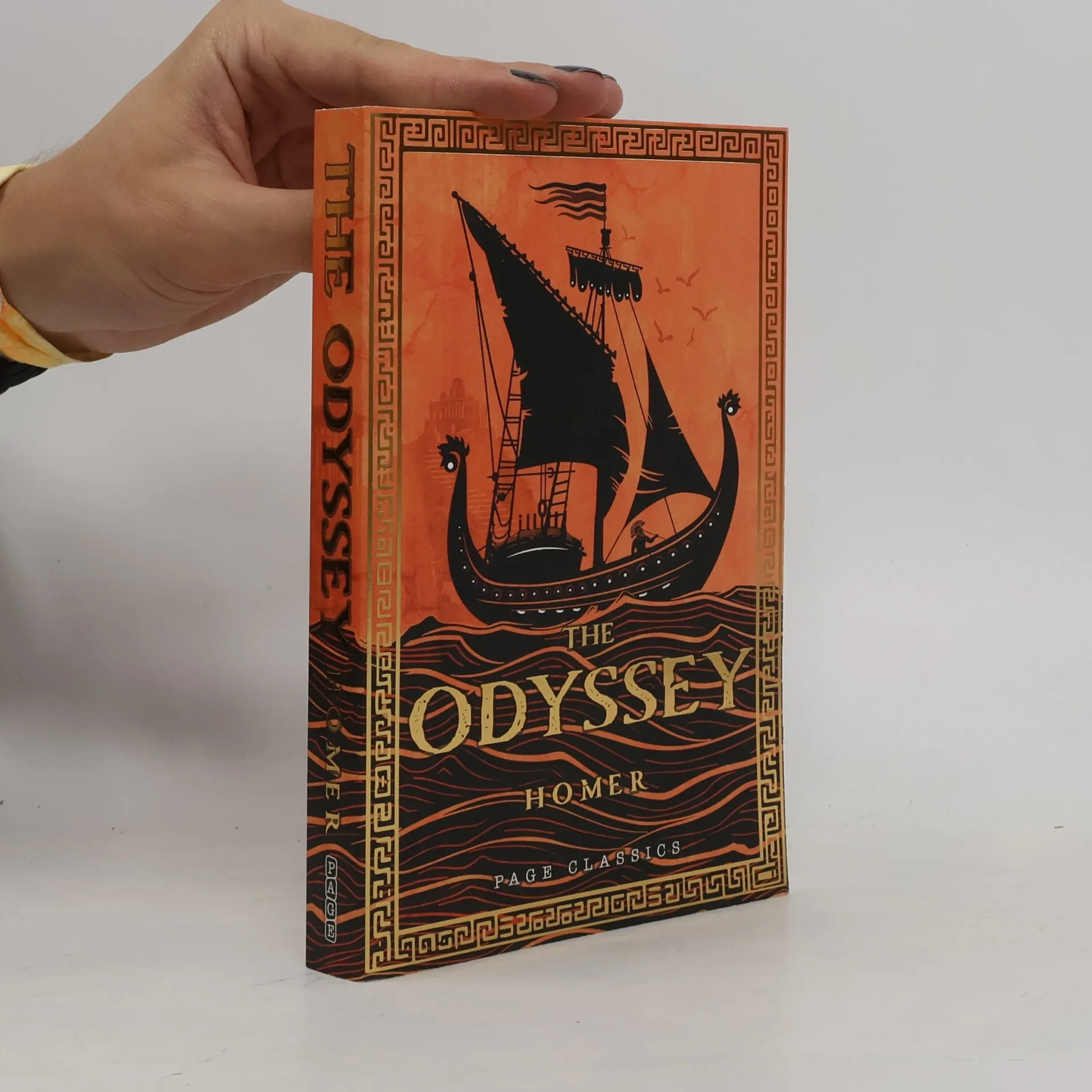
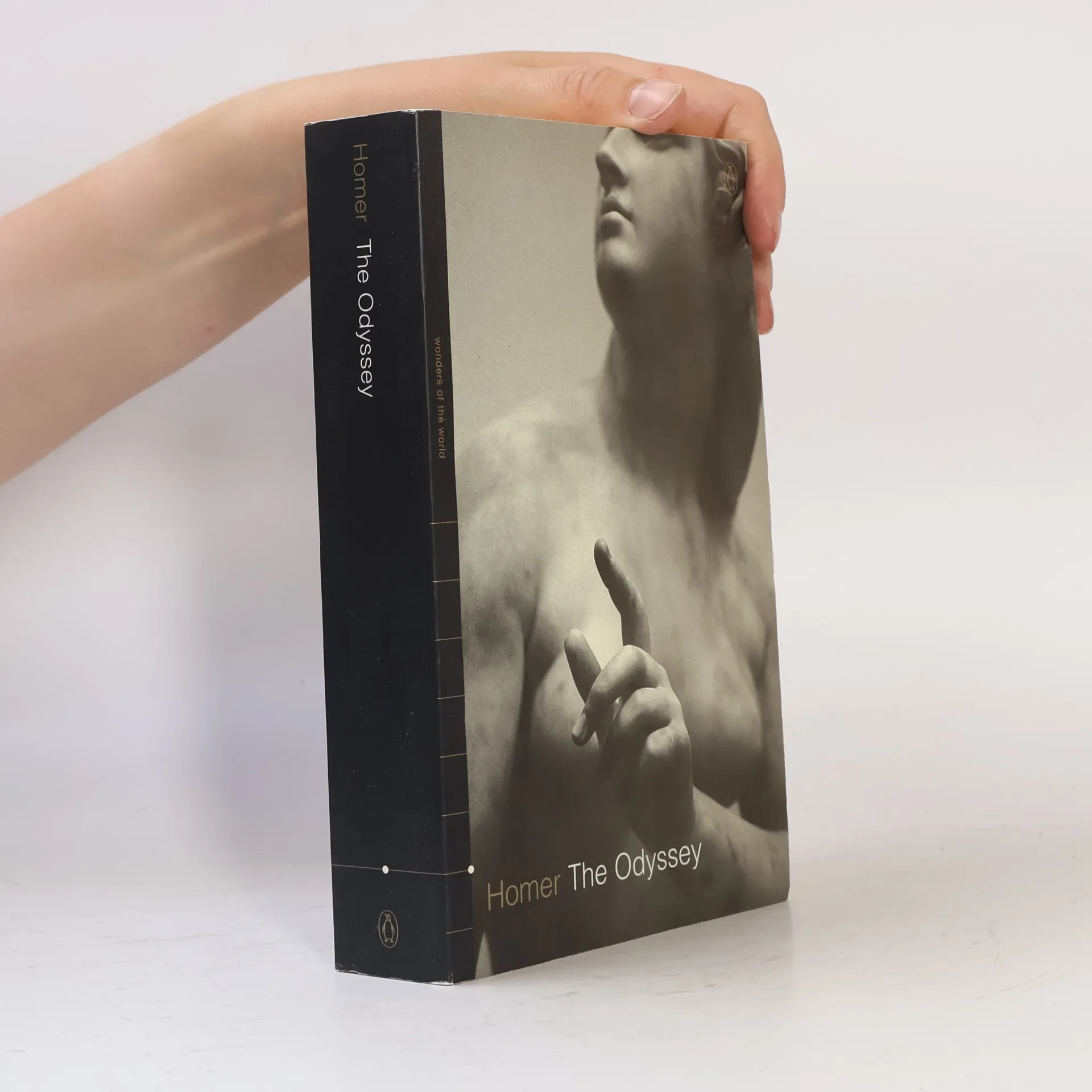
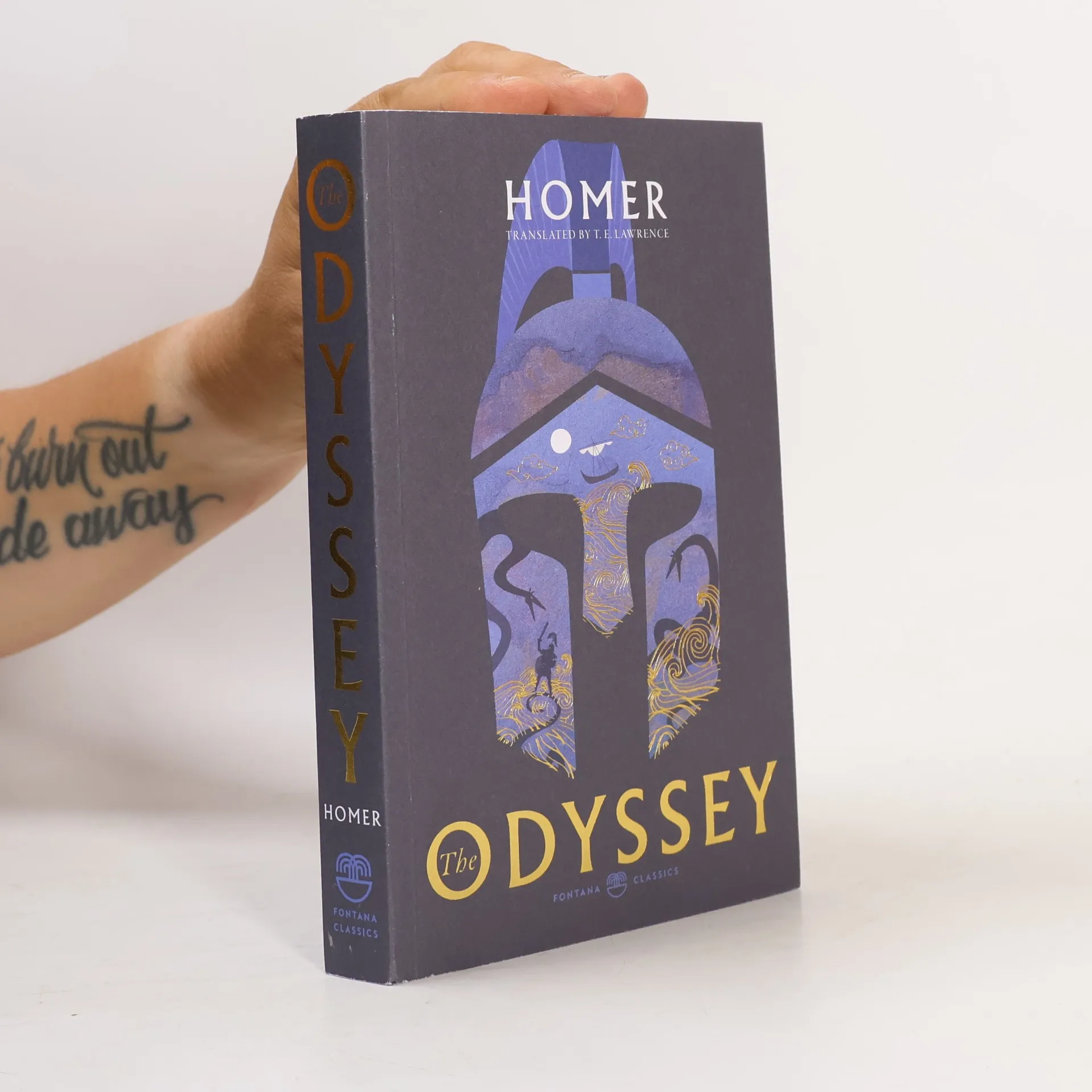
This poem mainly centers on the Greek hero Odysseus (or Ulysses, as he was known in Roman myths) and his long journey home following the fall of Troy. It takes Odysseus ten years to reach Ithaca after the ten-year Trojan War.[2] In his absence, it is assumed he has died, and his wife Penelope and son Telemachus must deal with a group of unruly suitors, called Proci, competing for Penelope's hand in marriage.
This retelling of Homer's "Odyssey" offers a concise and accessible version of the ancient epic, making it suitable for readers of all ages. By capturing the essence of the original poem, the narrative preserves its foundational themes and characters while simplifying the language and structure, allowing a broader audience to engage with this classic work of Greek literature.
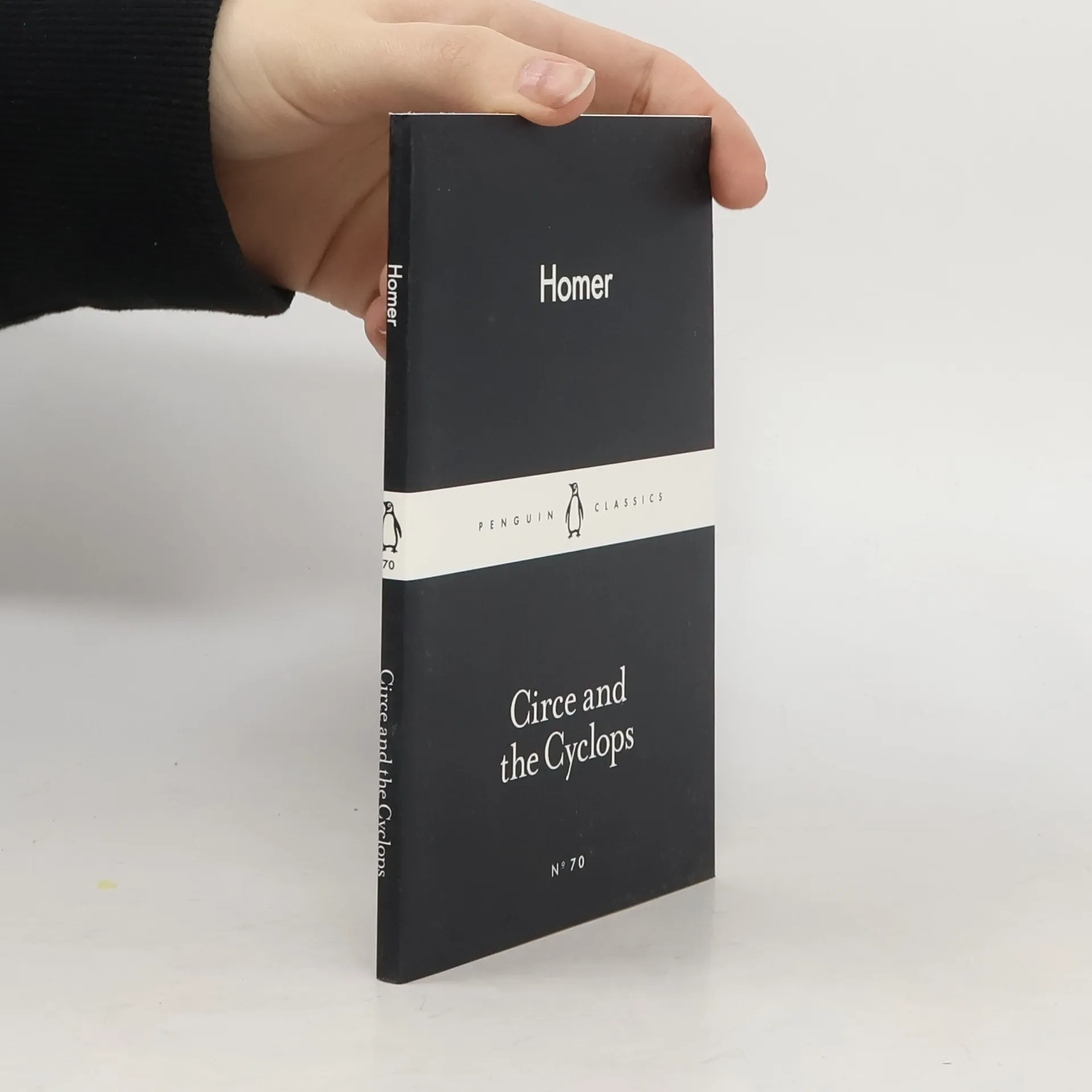
Homer's Odyssey is a founding tale of Western civilization: an epic story of one man's struggle to return home from the Trojan war. It became the first Penguin Classic when E.V. Rieu's translation was published in 1946. In this extract, Odysseus describes some of the horrors and wonders of his journey, including imprisonment by the fearsome Cyclops and his travels to the land of the dead.
Takes us from a balloon ride over Victorian London to a garden of blossom in Japan, from Tierra del Fuego to 16th-century California and the Russian steppe. This title features stories lyrical and savage; poems epic and intimate; essays satirical and inspirational; and ideas that have shaped the lives of millions.
Why fear Shakespeare? By placing the words of the original play next to line-
by-line translations in plain English, this popular guide makes Shakespeare
accessible to everyone. And now it features expanded literature guide sections
that help students study smarter.
Presents the original text of Shakespeare's play side by side with a modern version, with marginal notes and explanations and full descriptions of each character.
Why fear Shakespeare? By placing the words of the original play next to line-
by-line translations in plain English, this popular guide makes Shakespeare
accessible to everyone. And now it features expanded literature guide sections
that help students study smarter.
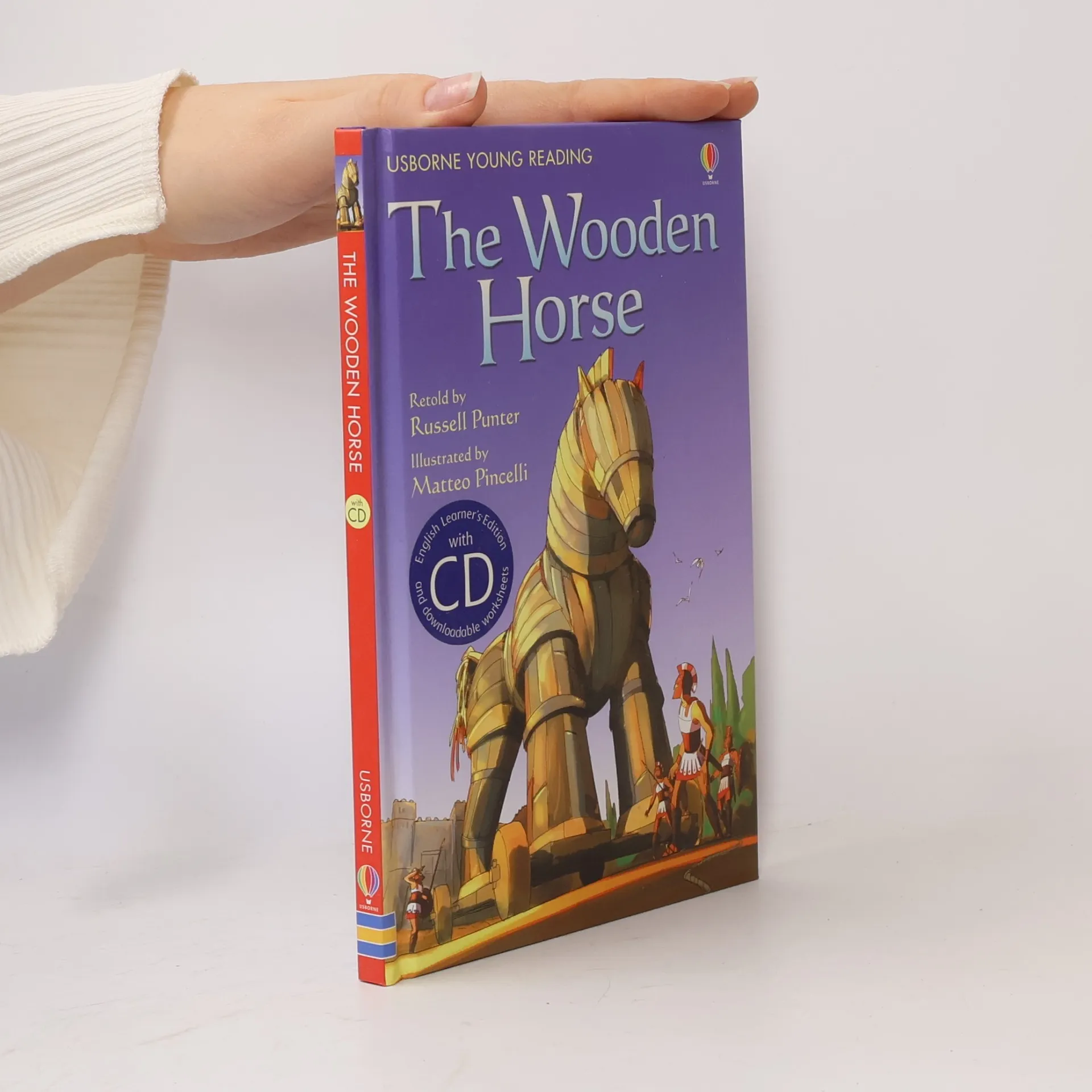
The Greek army has been sent to Troy to recapture Helen, the most beautiful woman in the world. But how can they get inside the heavily defended city? The Greek commander, Odysseus, comes up with an extraordinary solution - but will his daring plan really work?
Shakespeare everyone can understand--now in new DELUXE editions! Why fear Shakespeare? By placing the words of the original play next to line-by-line translations in plain English, these popular guides make Shakespeare accessible to everyone. They introduce Shakespeare's world, significant plot points, and the key players. And now they feature expanded literature guide sections that help students study smarter, along with links to bonus content on the Sparknotes.com website. A Q&A, guided analysis of significant literary devices, and review of the play give students all the tools necessary for understanding, discussing, and writing about Tempest. The expanded content includes: Five Key Questions: Five frequently asked questions about major moments and characters in the play. What Does the Ending Mean?: Is the ending sad, celebratory, ironic . . . or ambivalent? Plot Analysis: What is the play about? How is the story told, and what are the main themes? Why do the characters behave as they do? Study Questions: Questions that guide students as they study for a test or write a paper. Quotes by Theme: Quotes organized by Shakespeare's main themes, such as love, death, tyranny, honor, and fate. Quotes by Character: Quotes organized by the play's main characters, along with interpretations of their meaning.
George Chapman's translations of Homer are among the most famous in the English language. Keats immortalized the work of the Renaissance dramatist and poet in the sonnet "On First Looking into Chapman's Homer." Swinburne praised the translations for their "romantic and sometimes barbaric grandeur," their "freshness, strength, and inextinguishable fire." The great critic George Saintsbury (1845-1933) wrote: "For more than two centuries they were the resort of all who, unable to read Greek, wished to know what Greek was. Chapman is far nearer Homer than any modern translator in any modern language." This volume presents the original text of Chapman's translation of the Odyssey (1614-15), making only a small number of modifications to punctuation and wording where they might confuse the modern reader. The editor, Allardyce Nicoll, provides an introduction, textual notes, a glossary, and a commentary. Garry Wills's preface to the Odyssey explores how Chapman's less strained meter lets him achieve more delicate poetic effects as compared to the Iliad. Wills also examines Chapman's "fine touch" in translating "the warm and human sense of comedy" in the Odyssey. Oft of one wide expanse had I been told That deep-browed Homer ruled as his demesne; Yet did I never breathe its pure serene Till I heard Chapman speak out loud and bold. --John Keats
Homer's epic tells of the adventures of Odysseus, the mythological King of Ithaca and leader of the Trojan war, recounting the hero's wanderings and his eventual regaining of his kingdom.
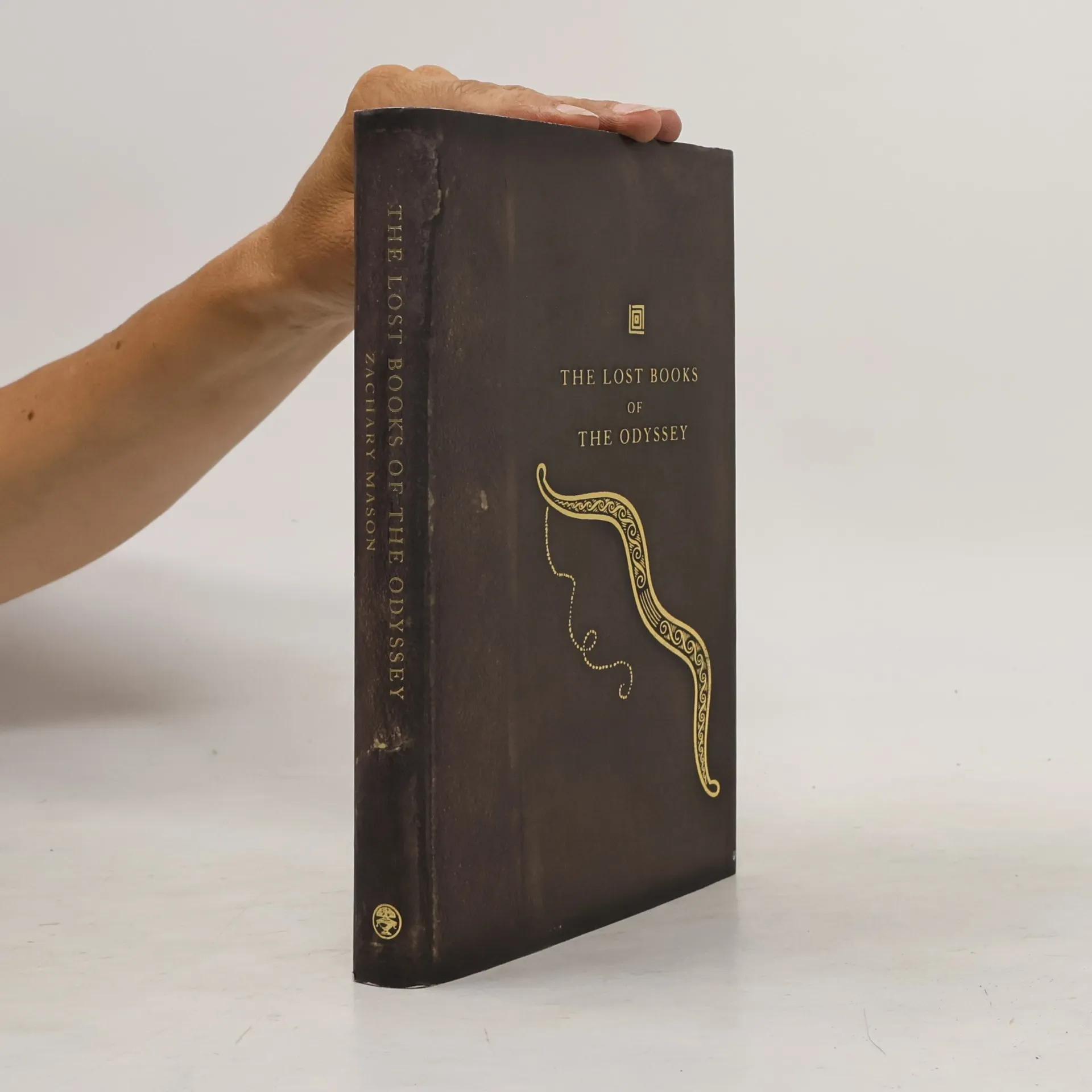
In the plain outside Troy, Agamemnon demands a fortress. With only a few trees and unlimited sand, the Greeks dig an inverted palace into the earth. After ten years, Odysseus returns to Ithaca, discovering his wife Penelope has betrayed him and married; each return reveals a different reality—his family ages and dies, he finds an empty, ruined house, and ultimately, he sets sail again out of boredom, only to return to find Penelope dead. Comprising forty-four retellings of passages from Homer's *Odyssey*, this work serves as a fictional apocrypha, radically reimagining Classical legend. The author takes Homer's linear narrative and disrupts it, presenting fragments of alternative and contradictory versions of familiar tales—the Trojan Horse, the Cyclops, Circe, and the Sirens—reassembling them into new forms. These inverted stories act as glosses, mirrors, and mazes that delve into Odysseus's journey, offering fresh insights into its ambition, sadness, and futility. Echoing Borges and Calvino's *Invisible Cities*, this elegant, allusive, and provocative exploration is destined to become a modern classic.
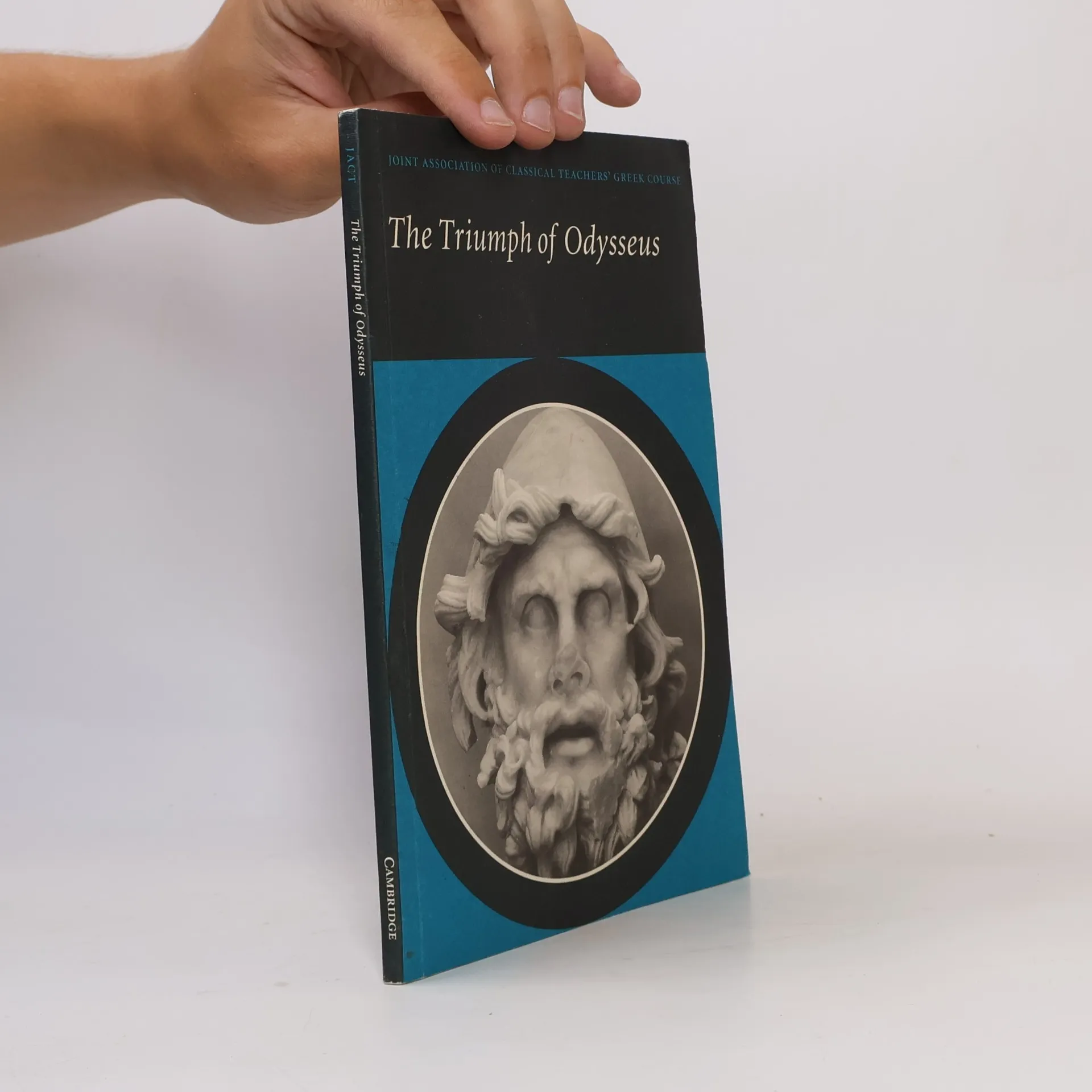
This book is part of the Reading Greek course. It is modeled on the already published A World of Heroes (CUP, 1979) and The Intellectual Revolution (CUP, 1980) and provides an unabridged text of Books 21 and 22 of Homer's Odyssey. The Greek text is faced with a running vocabulary and notes, and followed by a learning vocabulary, and the book is illustrated throughout. It can be used by anyone who has completed Reading Greek or is at an intermediate or advanced stage of ancient Greek.
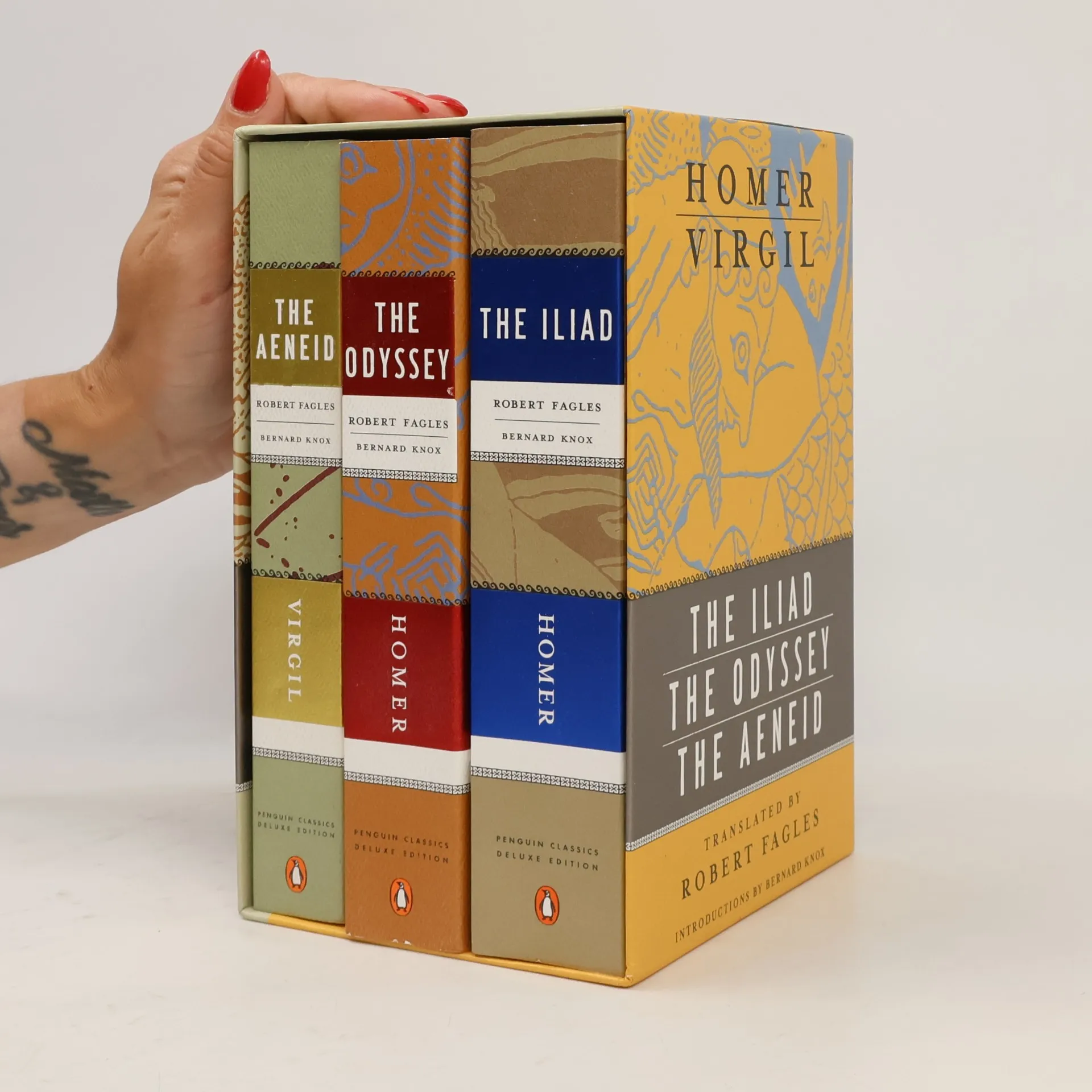
A glorious boxed set featuring Robert Fagles's award-winning translations of the three great epics of Western literature ONE OF THE PREEMINENT translators of our time, Robert Fagles's interpretations of these epic poems give new life to three seminal works in the Western canon. The Penguin Classic Deluxe Editions of The Iliad, The Odyssey, and The Aeneid are collected here for the first time in a specially designed gift box. Each volume contains a superb introduction by renowned classicist Bernard Knox.
Die Erzählungen des Odysseus bilden innerhalb der 'Odyssee' eine eigenständige Gattung von abgeschlossenen Geschichten. Es geht um unglaubliche Abenteuer mit fremdartigen Menschen und Zauberwesen, um eine unerfüllbare Liebe, um einäugige Riesen und manches mehr – von Michael Schroeder in Prosa neu übertragen. Durch alle Jahrhunderte blieben sie ungemein populär. Im Nachwort wird dem Ursprung dieser Geschichten nachgespürt und die Irrfahrt des Odysseus als Bild der Lebensreise eines jeden Menschen schlechthin beleuchtet.
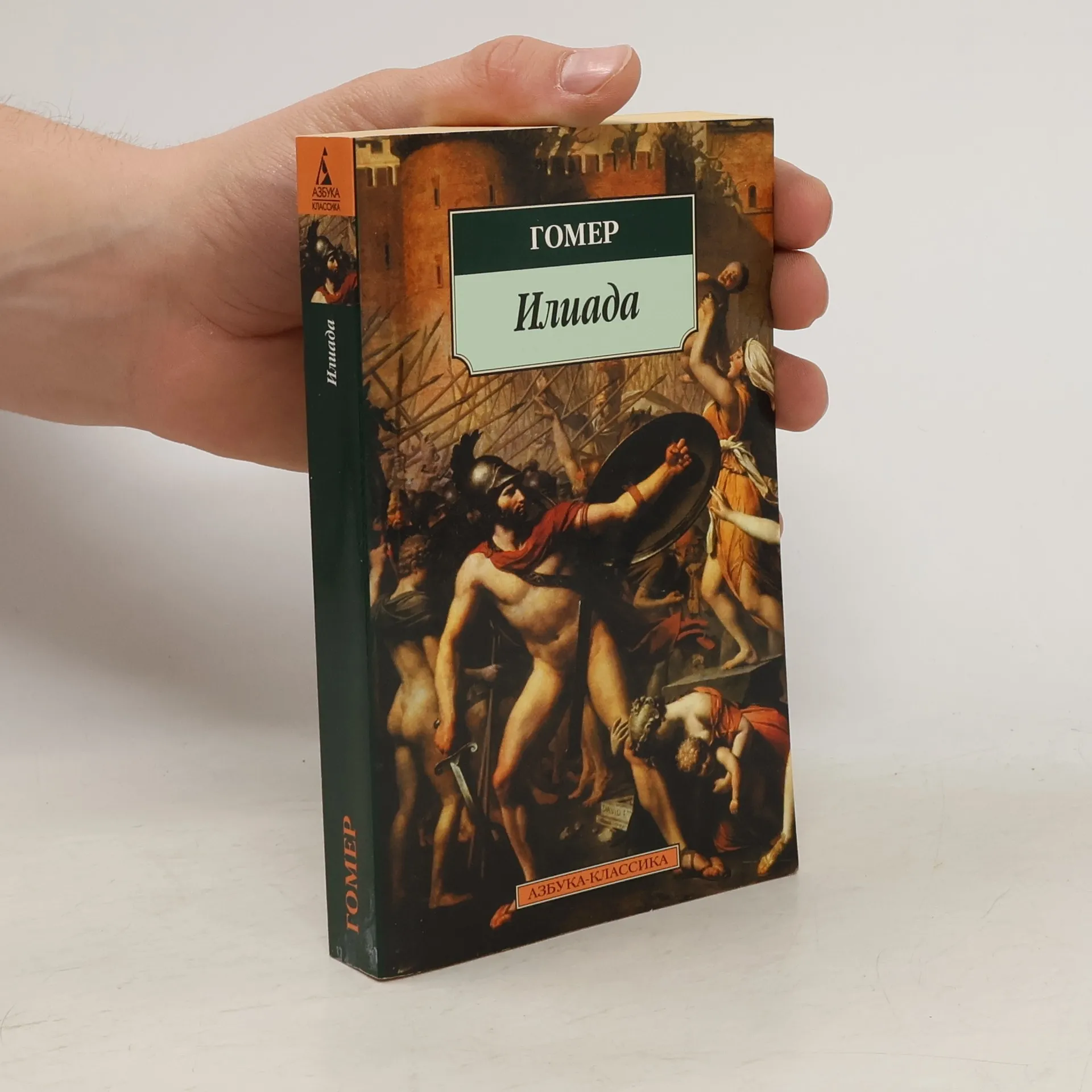
Ни одно из многочисленных литературных произведений древности не оказало такого сильного влияния на дальнейшее развитие мировой культуры, как бессмертные поэмы Гомера "Илиада" и "Одиссея". Минули века, однако притягательная сила поэм легендарного эпического поэта Древней Греции неумолима. Привлекательность гомерических поэм не только в том, что их автор вводит нас в мир, отделенный от современности десятками столетий и все же необычайно реальный благодаря гению поэта, сохранившего в своих поэмах биение современной ему жизни. Бессмертие Гомера в том, что в его гениальных творениях заключены неисчерпаемые запасы общечеловеческих непреходящих ценностей - разума, добра и красоты.
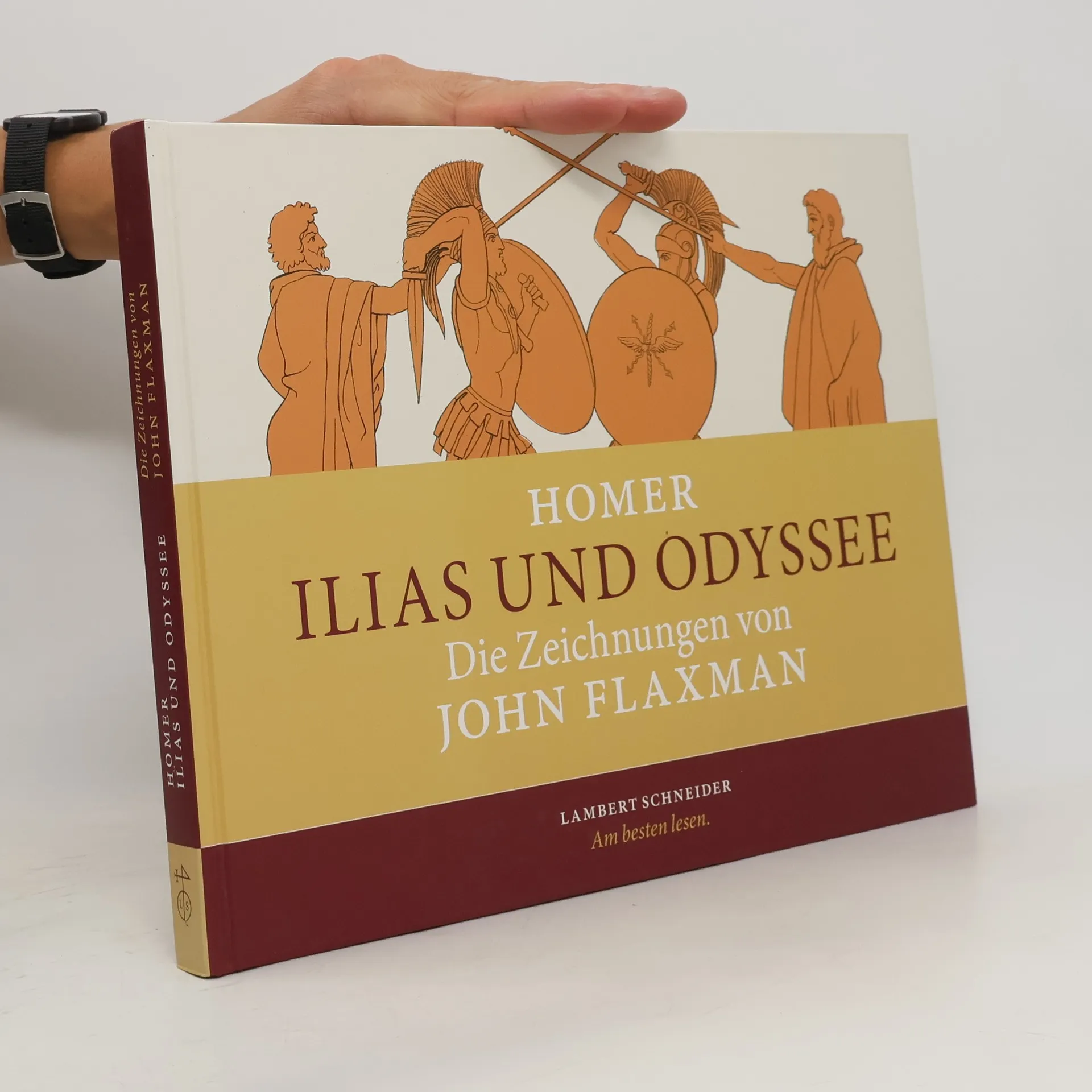
'Man kann sich beim Durchblättern nicht des Gefühls erwehren, man befände sich
in einem Museum und staune über die Gemälde, die an Detailgenauigkeit und
Lebendigkeit kaum zu überbieten sind. Flaxman ist eben ein Meister seines
Fachs!' literaturmarkt.info§'Eine großartige Möglichkeit, sich Homer zu
nähern. Das ansprechend gemachte Buch ist eine empfehlenswerte Hinführung zur
'Ilias' und zur 'Odyssee'.' literaturkritik.de§'Wunderschöne bibliophile
Ausgabe.' Südkurier§'Der dünne, leichthändige Strich, die feinen Konturen, die
betonte Einfachheit verleihen diesen Zeichnungen eine seltsame Intensität - es
ist als zitterten diese Figuren, als könnten sie nur mit Mühe die Fassung
wahren, als wollten sie aus den Bildern hinausstürzen. Man sieht sie - und
sieht sich an ihnen fest.' Frankfurter Rundschau