Wie Demokratien sterben + Die Tyrannei der Minderheit + 1 exklusives Postkartenset
- 669 stránek
- 24 hodin čtení


Steven Levitsky je uznávaný profesor vládních studií na Harvardově univerzitě, jehož práce se hluboce noří do problematiky politických stran, autoritářství a demokratizace. Se zvláštním zaměřením na Latinskou Ameriku analyzuje slabé a neformální instituce a zkoumá jejich vliv na politické systémy. Jeho výzkum se zabývá trvanlivostí revolučních režimů, vztahem mezi populismem a konkurenčním autoritářstvím a problémy budování stran v současné Latinské Americe. Levitskyho práce osvětlují složité mechanismy, které formují politické režimy a jejich odolnost.



In this incisive and razor-sharp analysis of one of the most important issues facing us today, leading Harvard professors Steven Levitsky and Daniel Ziblatt draw on their combined expertise of over 40 years to examine how dictators come to power, and how they help to foster a poisonous culture of polarisation, fear and suspicion that persists even after their time in power is over.Using contemporary examples including the Capitol riots and voter suppression in the US, as well as global examples from history including post-1945 Germany and Brazil and Chile during the '60s and '70s, the authors dissect conservative resistance to pluralism and modern threats to multiracial democracy (including the unwillingness of political parties to adapt to modern times, and a growing disregard for constitutional norms and free and fair elections) while imploring readers to stand up in its defence.Focusing on the forthcoming American election as an essential case study, Saving Democracy offers us imperative tools for implementing urgent democratic reform, brilliantly illuminating how we can respond to the political battles ahead.
Když Donald Trump vyhrál volby, mnozí si položili otázku, o níž si nikdo nemyslel, že si ji budeme klást: Je demokracie v USA v ohrožení? Steven Levitsky a Daniel Ziblatt, profesoři Harvardovy univerzity, se rozpadem demokracií v Evropě a Latinské Americe zabývají již více než dvacet let. Oba si myslí, že odpověď na výše položenou otázku je ano. Demokracie už dnes neumírá s výstřely – během revolucí nebo vojenských pučů –, ale pomalu, neustálým ochabováním „hlídacích psů demokracie“, tedy justice a tisku, a rostoucí erozí základních politických norem. Ještě stále však máme možnost cestu k autoritářskému režimu opustit. Levitsky a Ziblatt staví na desítkách let výzkumů a široké řadě historických a globálních příkladů sahajících od Evropy třicátých let k dnešnímu Maďarsku, od Turecka a Venezuely až po americký Jih během platnosti zákonů Jima Crowa. Ukazují na nich, jak demokracie umírá – a jak může být ještě zachráněna.
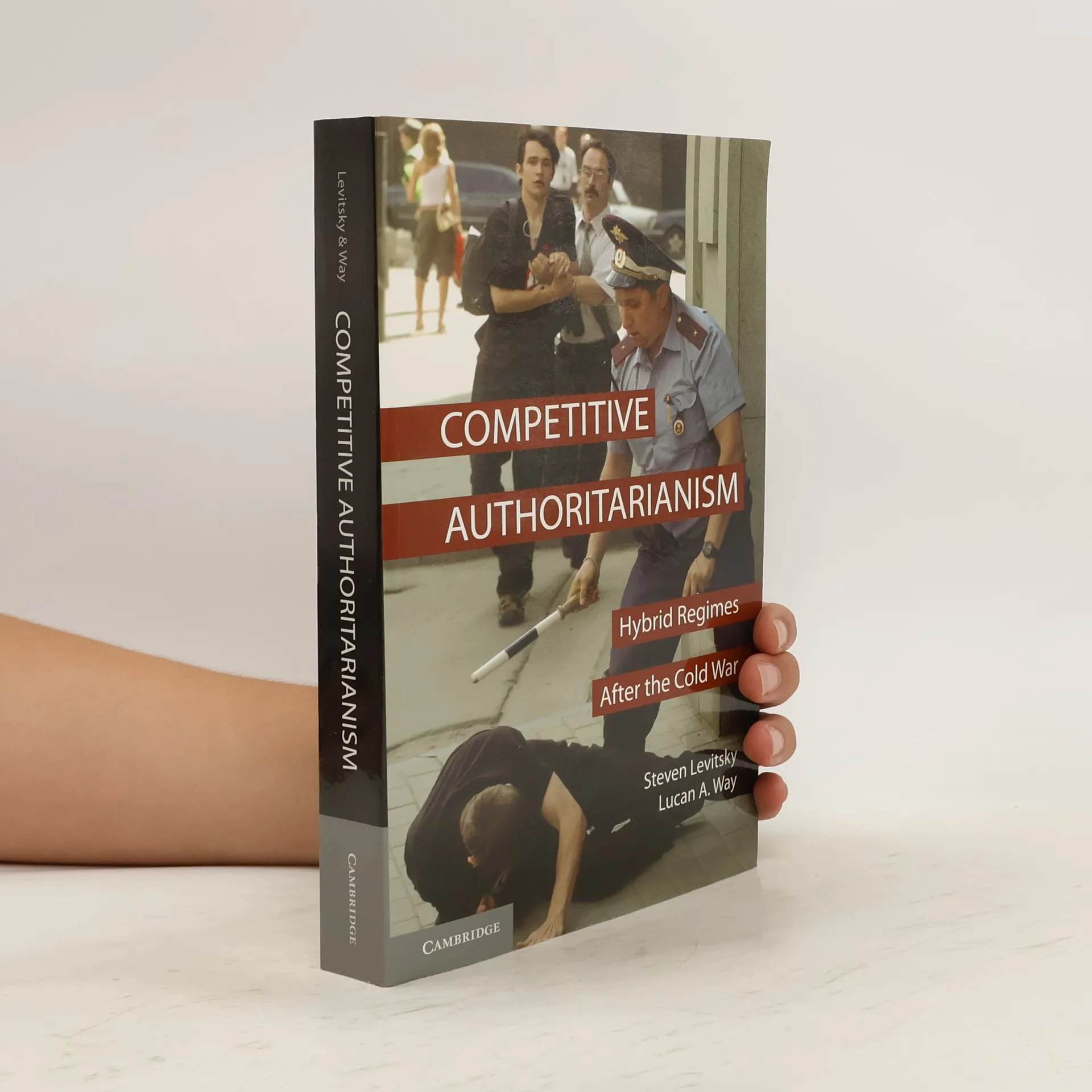
Competitive authoritarian regimes – in which autocrats submit to meaningful multiparty elections but engage in serious democratic abuse – proliferated in the post–Cold War era. Based on a detailed study of 35 cases in Africa, Asia, Latin America, and post-communist Eurasia, this book explores the fate of competitive authoritarian regimes between 1990 and 2008. It finds that where social, economic, and technocratic ties to the West were extensive, as in Eastern Europe and the Americas, the external cost of abuse led incumbents to cede power rather than crack down, which led to democratization. Where ties to the West were limited, external democratizing pressure was weaker and countries rarely democratized. In these cases, regime outcomes hinged on the character of state and ruling party organizations. Where incumbents possessed developed and cohesive coercive party structures, they could thwart opposition challenges, and competitive authoritarian regimes survived; where incumbents lacked such organizational tools, regimes were unstable but rarely democratized.