David Barsamian je zakladatelem a ředitelem Alternative Radio, týdenního syndikovaného rozhlasového pořadu. Jeho rozhovory, které se často zaměřují na zahraniční politiku USA, kontrolu korporací, média a propagandu, se objevují v předních publikacích. Je známý především svou sérií rozhovorů s Noamem Chomským, které byly vydány knižně a přeloženy do mnoha jazyků po celém světě.
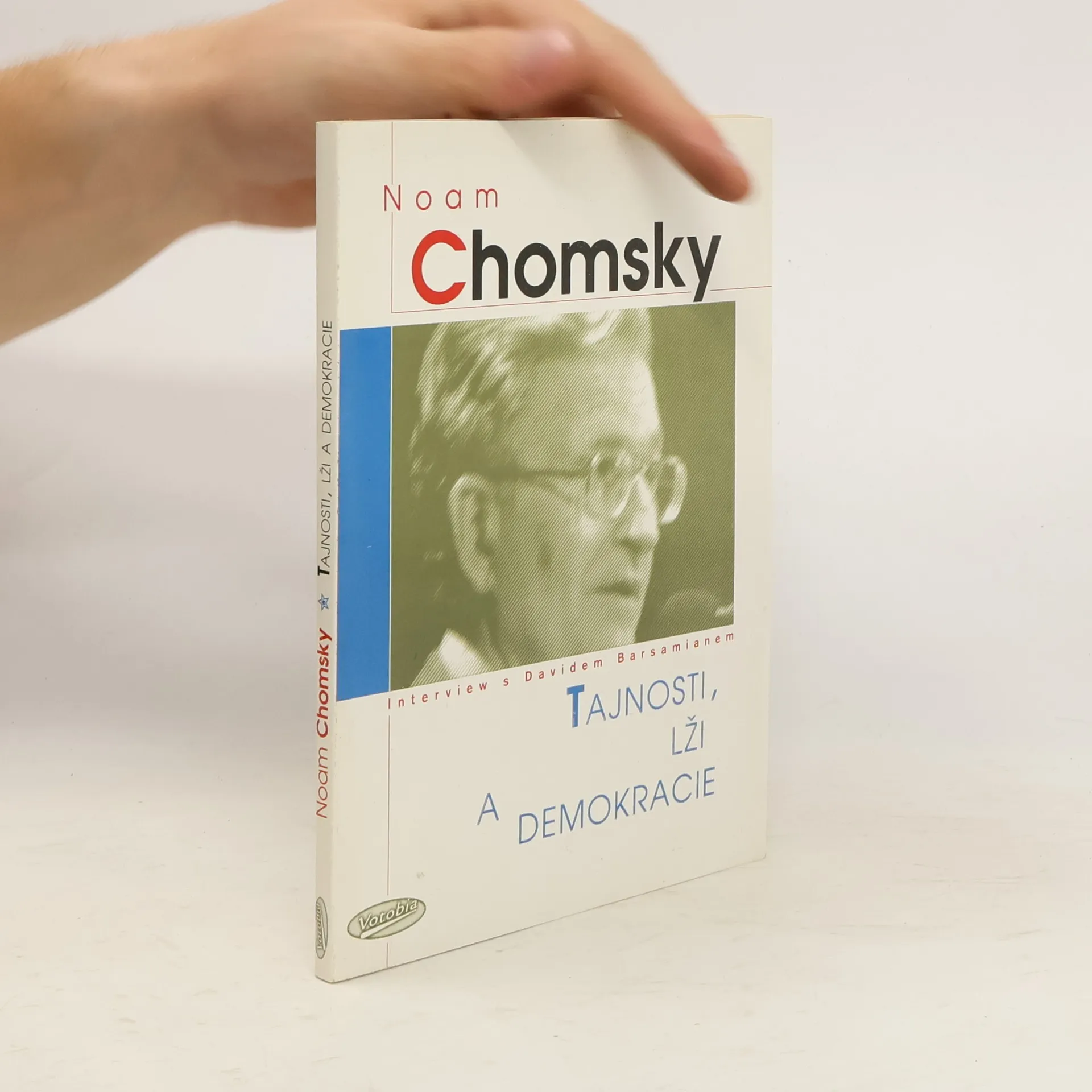
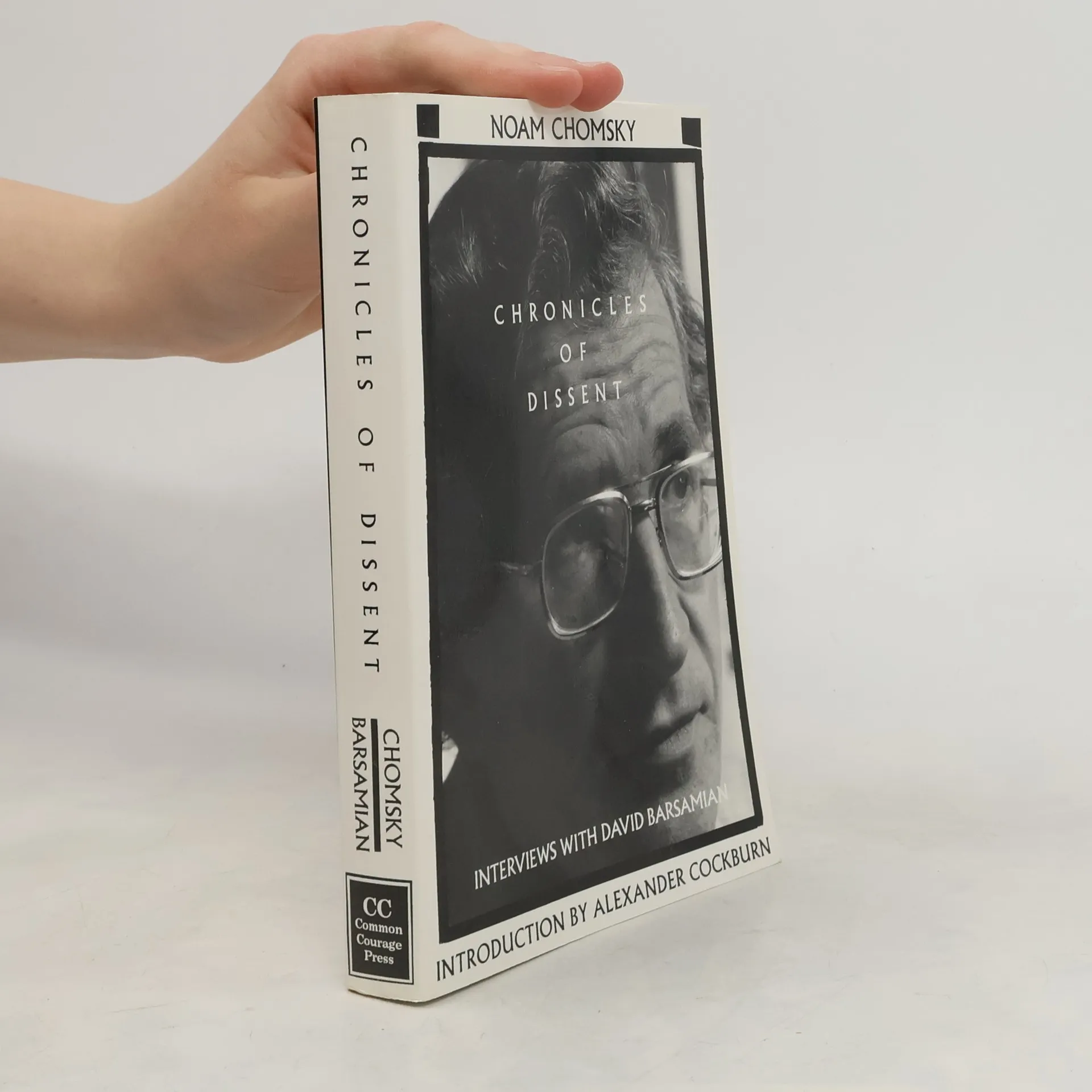
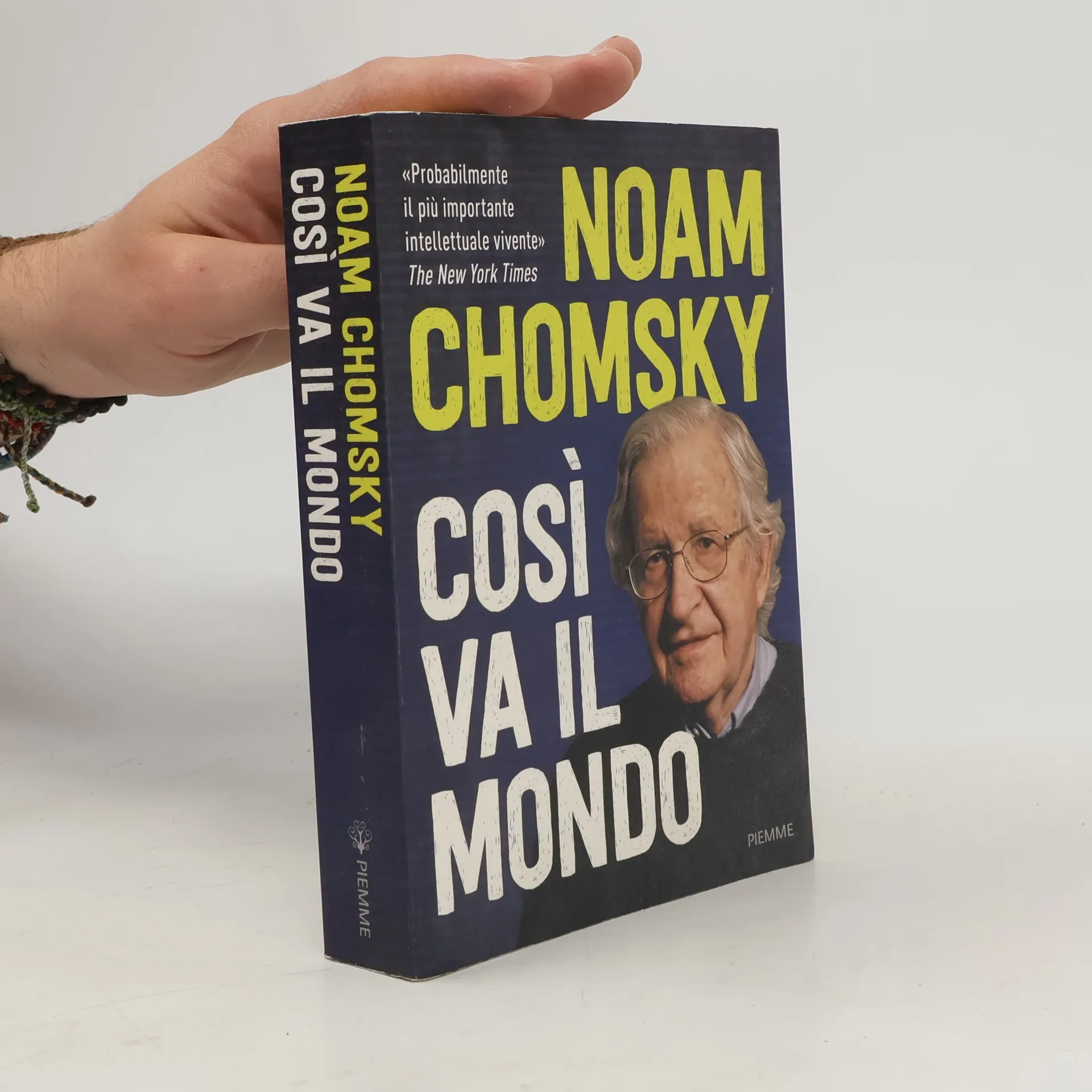
Kniha sestavená z rozhovorů s autorem, vedených v r. 1994, představuje Chomského názory na politické problémy západní demokratické společnosti.
Významný odborník na lingvistiku vyvrací mýty, které prostým občanům předestírají politici a média, o zdrojích moci, prosperitě, zdravotní péči a zahraniční politice USA. Kniha obsahuje seznam 144 veřejně prospěšných organizací, v nichž se může aktivní čtenář angažovat.
The book, originally published in 2003, explores themes of social justice and activism, presenting a critical analysis of contemporary issues. It delves into the historical context of movements for change, offering insights into the struggles and triumphs of marginalized communities. Through a blend of personal narratives and scholarly research, it aims to inspire readers to engage with and challenge societal norms. The work serves as both a call to action and a resource for understanding the complexities of activism today.
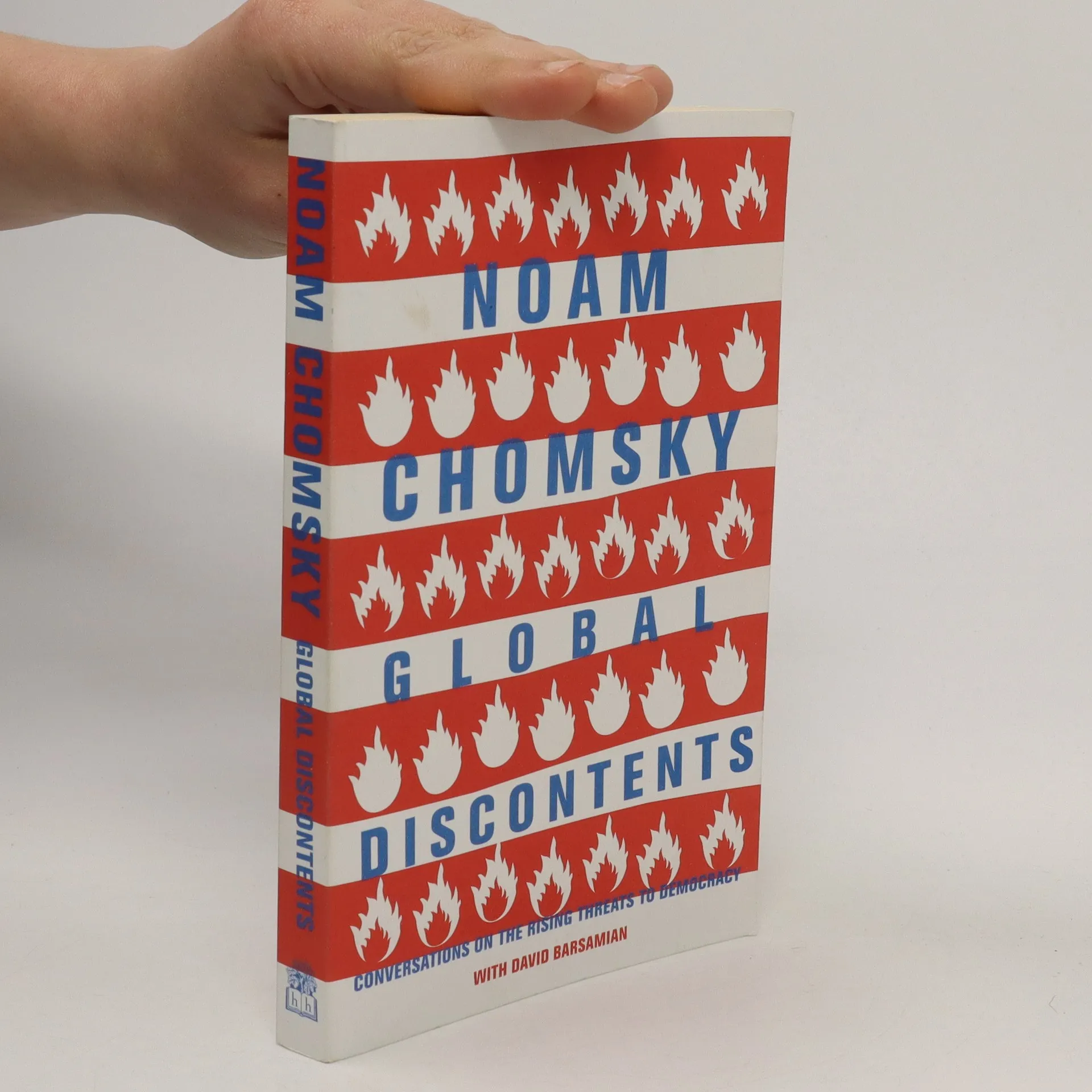
An essential guide to geopolitics in 2017 -- and how we should be fighting back -- from the world's leading public intellectual What kind of world are we leaving to our grandchildren? How are the discontents kindled today likely to blaze and explode tomorrow? From escalating climate change to the devastation in Syria, pandemic state surveillance to looming nuclear war, Noam Chomsky takes stock of the world today. Over the course of ten conversations with long-time collaborator David Barsamian, spanning 2013-2016, Chomsky argues in favour of radical changes to a system that cannot possibly cope with what awaits tomorrow. Interwoven with personal reflections spanning from childhood to his eighth decade of life, Global Discontents also marks out Chomsky's own intellectual journey, mapping his progress to revolutionary ideas and global prominence.
THE ESSENTIAL INTRODUCTION TO CHOMSKY'S POLITICAL IDEAS With exceptional clarity and power of argument, Noam Chomsky lays bare as no one else can the realities of contemporary geopolitics. Divided into four sections, originally published in the US only as individual short books, collectively selling over half a million copies, How the World Works covers: WHAT UNCLE SAM REALLY WANTS: the main goals of US foreign policy; the devastation caused abroad; the brainwashing at home. THE PROSPEROUS FEW AND THE RESTLESS MANY: The Prosperous Few and the Restless Many: the new global economy; food and Third World 'economic miracles'; the roots of racism. SECRETS, LIES AND DEMOCRACY: the US, the CIA, religious fundamentalism; global inequality; the coming eco-catastrophe. THE COMMON GOOD: equality, freedom, the media; the myth of Third World debt; manufacturing dissent. This is the perfect way in to the political thought and ideas of the world's most important and frequently-cited authority in the field.
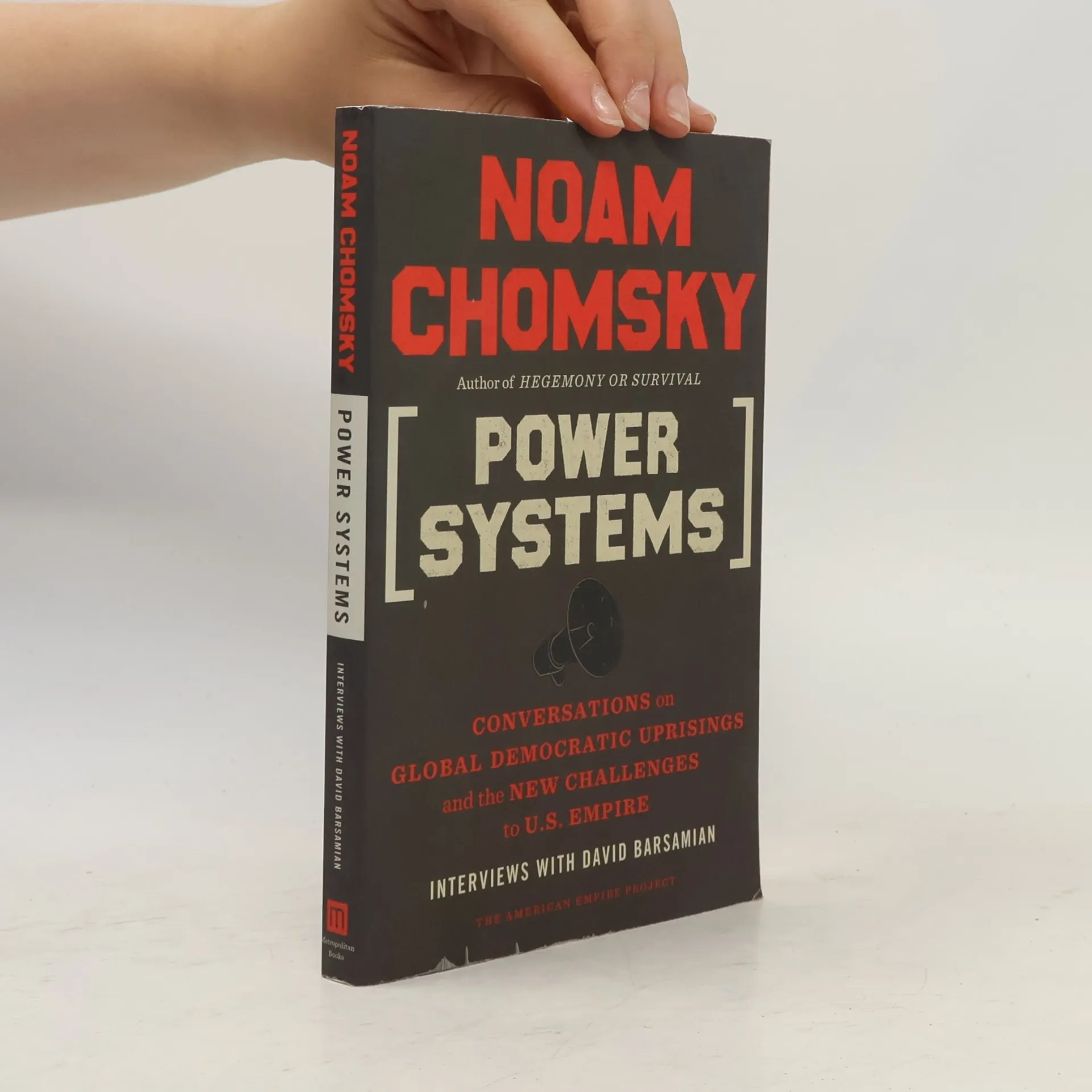
Conversations on Global Democratic Uprisings and the New Challenges to U.S. Empire
224 stránek
8 hodin čtení
A compelling new set of interviews on our changing and turbulent times with Noam Chomsky, one of the world's foremost thinkers In this new collection of conversations, conducted from 2010 to 2012, Noam Chomsky explores the most immediate and urgent concerns: the future of democracy in the Arab world, the implications of the Fukushima nuclear disaster, the European financial crisis, the breakdown of American mainstream political institutions, and the rise of the Occupy movement. As always, Chomsky presents his ideas vividly and accessibly, with uncompromising principle and clarifying insight. The latest volume from a long-established, trusted partnership, Power Systems shows once again that no interlocutor engages with Chomsky more effectively than David Barsamian. These interviews will inspire a new generation of readers, as well as longtime Chomsky fans eager for his latest thinking on the many crises we now confront, both at home and abroad. They confirm that Chomsky is an unparalleled resource for anyone seeking to understand our world today.
"How adroitly he cuts through the crap and really says something, " describes The Village Voice of world-famous political writer and lecturer Noam Chomsky. In his latest report on the state of the world, Chomsky discusses a breathtaking variety of topics, ranging from Japan's trade policies to the "war" on drugs, corporate welfare, and much more.
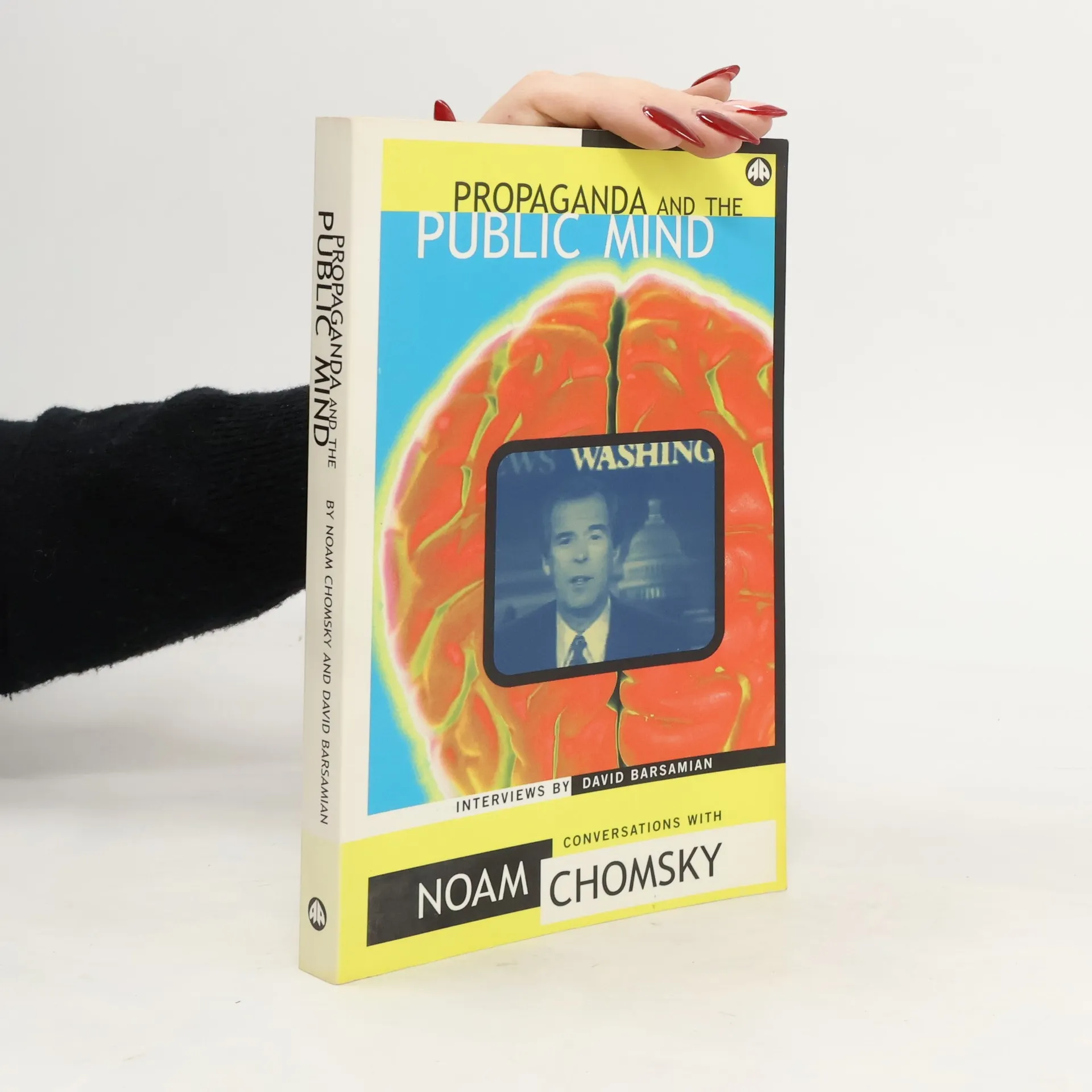
An invitation to take part in a conversation with one of the great minds of our time. First published in 2001, this book collects a series of discussions with the journalist David Barsamian. It is the perfect complement to Chomsky's major works of media study such as Manufacturing Consent and Necessary Illusions. Events discussed in detail are the so-called 'Battle of Seattle' protests against the World Trade Organisation, US involvement in East Timor, and the beginning of the movement towards a second Iraq War.
These wide-ranging interviews, from 1992 and 1993, cover everything from Bosnia and Somalia to biotechnology and nonviolence, with particular attention to the "Third Worldization" of the United States.
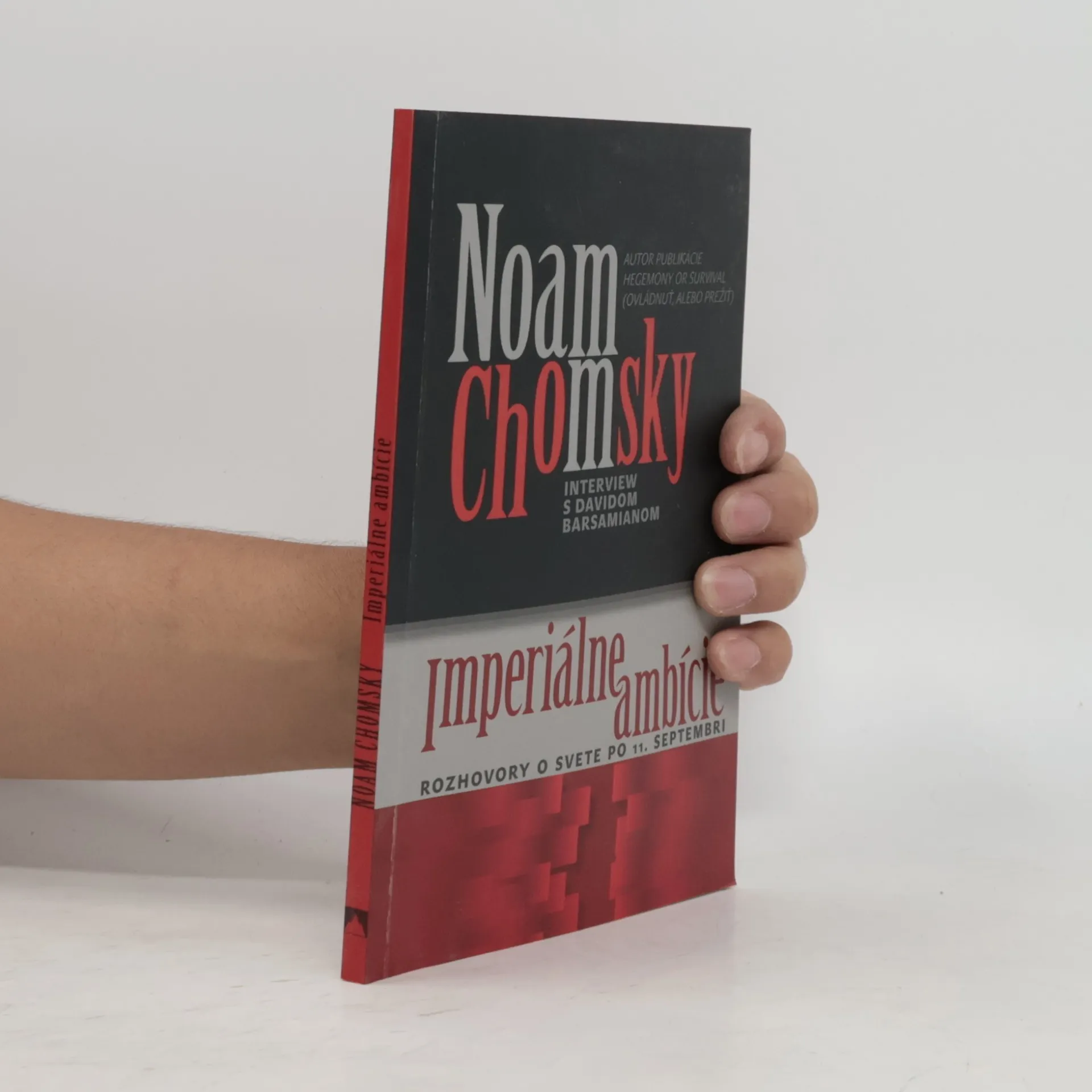
A collection of previously unpublished interviews presents the critical thoughts of the noted scholar and activist on American foreign policy in the increasingly unstable global community following September 11th.
s/t: Conversations on US Power in a changing world An indispensable set of interviews on foreign and domestic issues with the bestselling author of Hegemony or Survival, “America’s most useful citizen.” (The Boston Globe) In this new collection of conversations, conducted in 2006 and 2007, Noam Chomsky explores the most immediate and urgent concerns: Iran’s challenge to the United States, the deterioration of the Israel-Palestine conflict, the ongoing occupations of Iraq and Afghanistan, the rise of China, and the growing power of the left in Latin America, as well as the Democratic victory in the 2006 U.S. midterm elections and the upcoming presidential race. As always, Chomsky presents his ideas vividly and accessibly, with uncompromising principle and clarifying insight. The latest volume from a long-established, trusted partnership, What We Say Goes shows once again that no interlocutor engages with Chomsky more effectively than David Barsamian. These interviews will inspire a new generation of readers, as well as longtime Chomsky fans eager for his latest thinking on the many crises we now confront, both at home and abroad. They confirm that Chomsky is an unparalleled resource for anyone seeking to understand our world today.
Continuing his bestselling interviews with David Barsamian, CHomsky provides a road map to the concentration of corporate power. Amidst a devastating sketch of the ongoning destruction of civil society, Class Warfare unearths a cause for optimism in the ongoing struggle for human freedom. National ads/media.
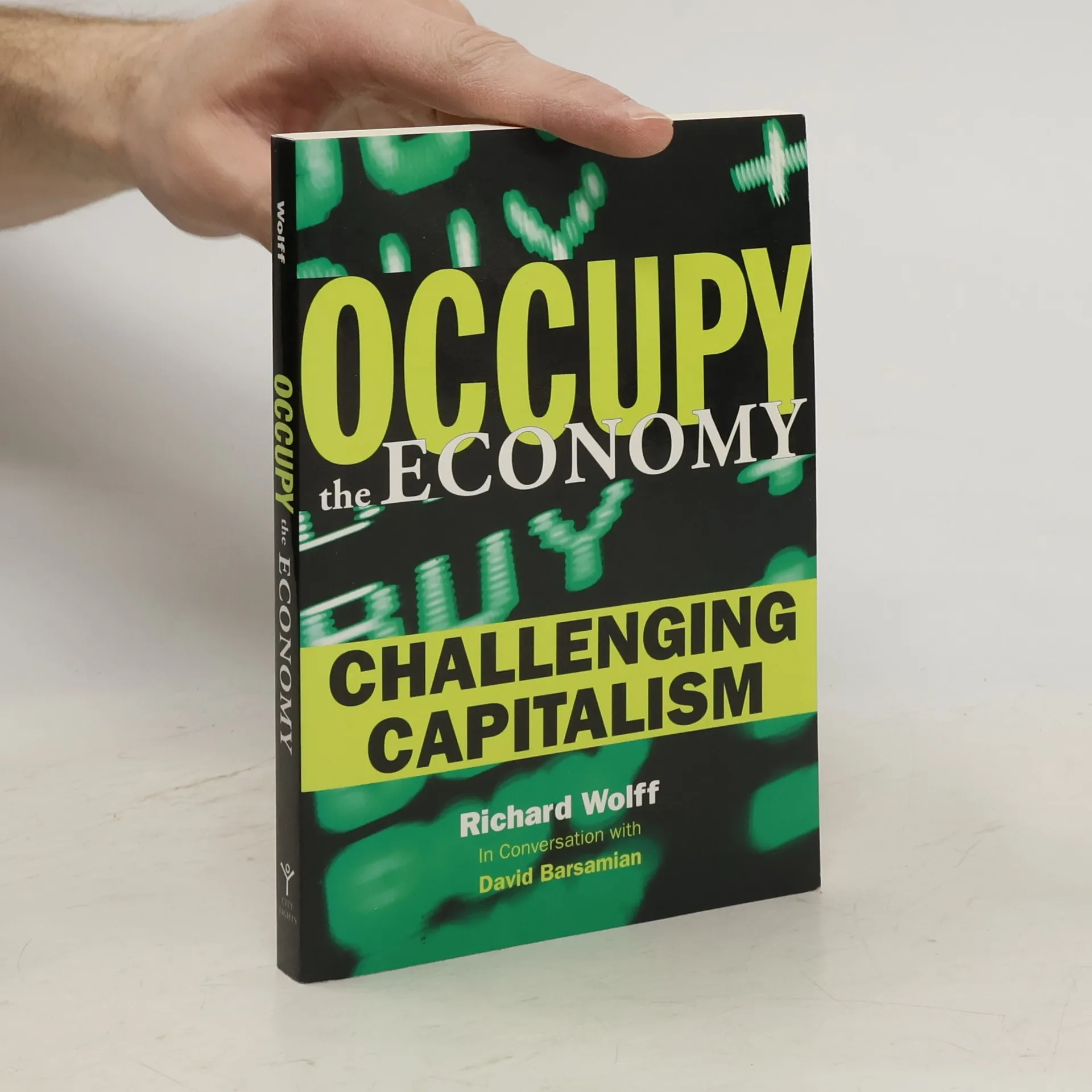
From prominent economist Richard Wolff and David Barsamian, a hot-button primer on the taboo subject impacting most Americans today: the failure of capitalism to deliver public good.
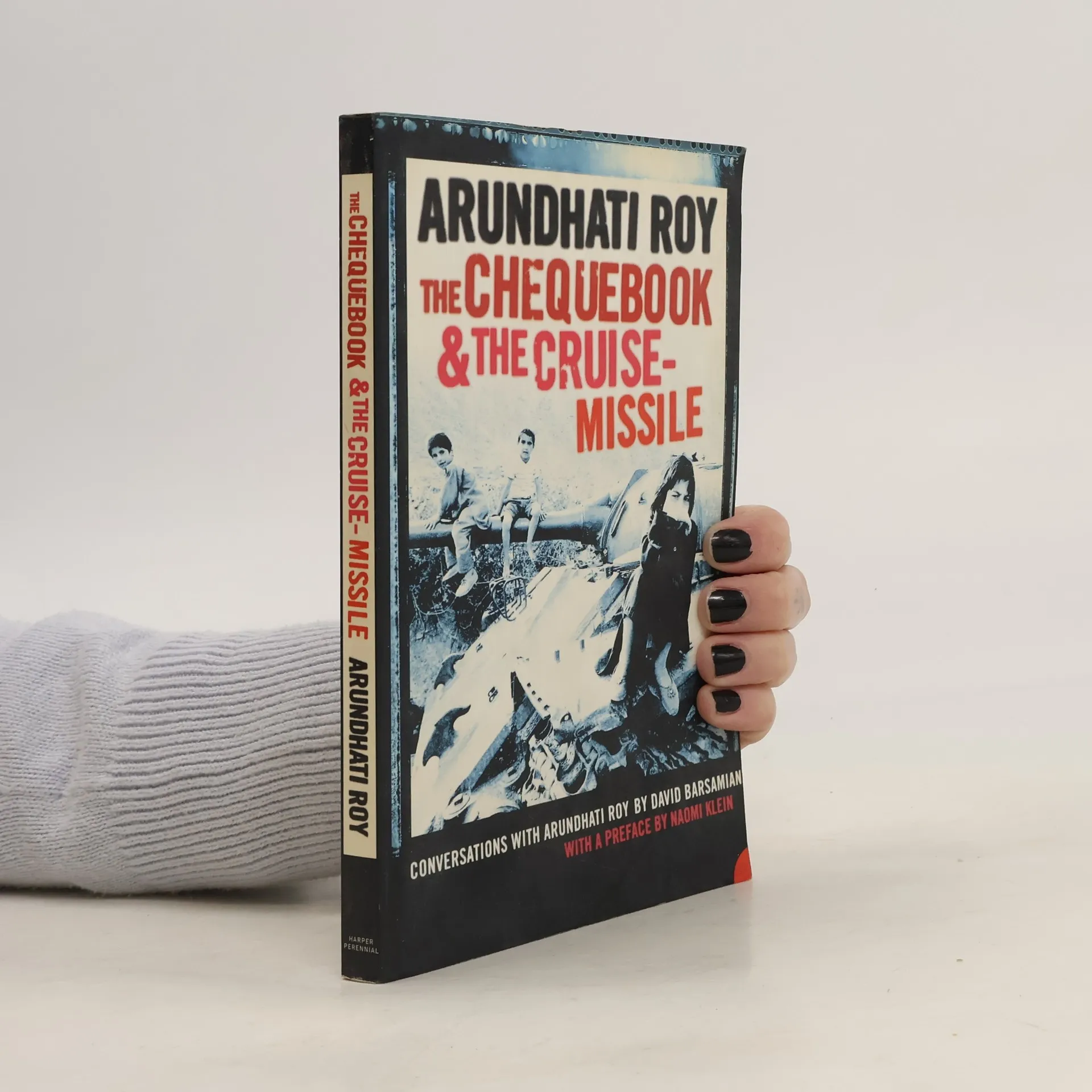
In these interviews, collected by David Barsamian between 2001 and 2003, Arundhati Roy speaks frankly and compellingly on subjects ranging from her unconventional childhood in India to the state of the world following September 11 and the US-led invasion of Iraq. This collection assures Arundhati Roy's prominence as a vital political essayist. In language that is at once lively and humorous, searching and fierce, she discusses her political activism, from her participation in demonstrations against the Indian dam programme to her ongoing legal battle against a charge for corrupting
Chomského kniha zásadných rozhovorov prináša čitateľovi najnovšie veľmi provokatívne, ale aj imaginatívne názory na najaktuálnejšie politické problémy doby. A tak, čitateľ môže sledovať vodopád jeho logicky vystavaných argumentov, postrehov, názorov a myšlienok.
S Chomským možno nesúhlasiť, polemizovať, prieť sa, ale ignorovať jeho briskný intelekt, nepočúvať ho, neprieť sa s ním, znamená rezignáciu na kritické myslenie, zakrpatenie intelektuálneho diskurzu a nakoniec duchovnú stagnáciu. Je veľký predpoklad, že táto kniha by mohla oživiť jednostranný a upadajúci spoločenskovedný diskurz na Slovensku. O jeho pozitívnom dopade na kvalitu verejných rozpráv niet pochýb.