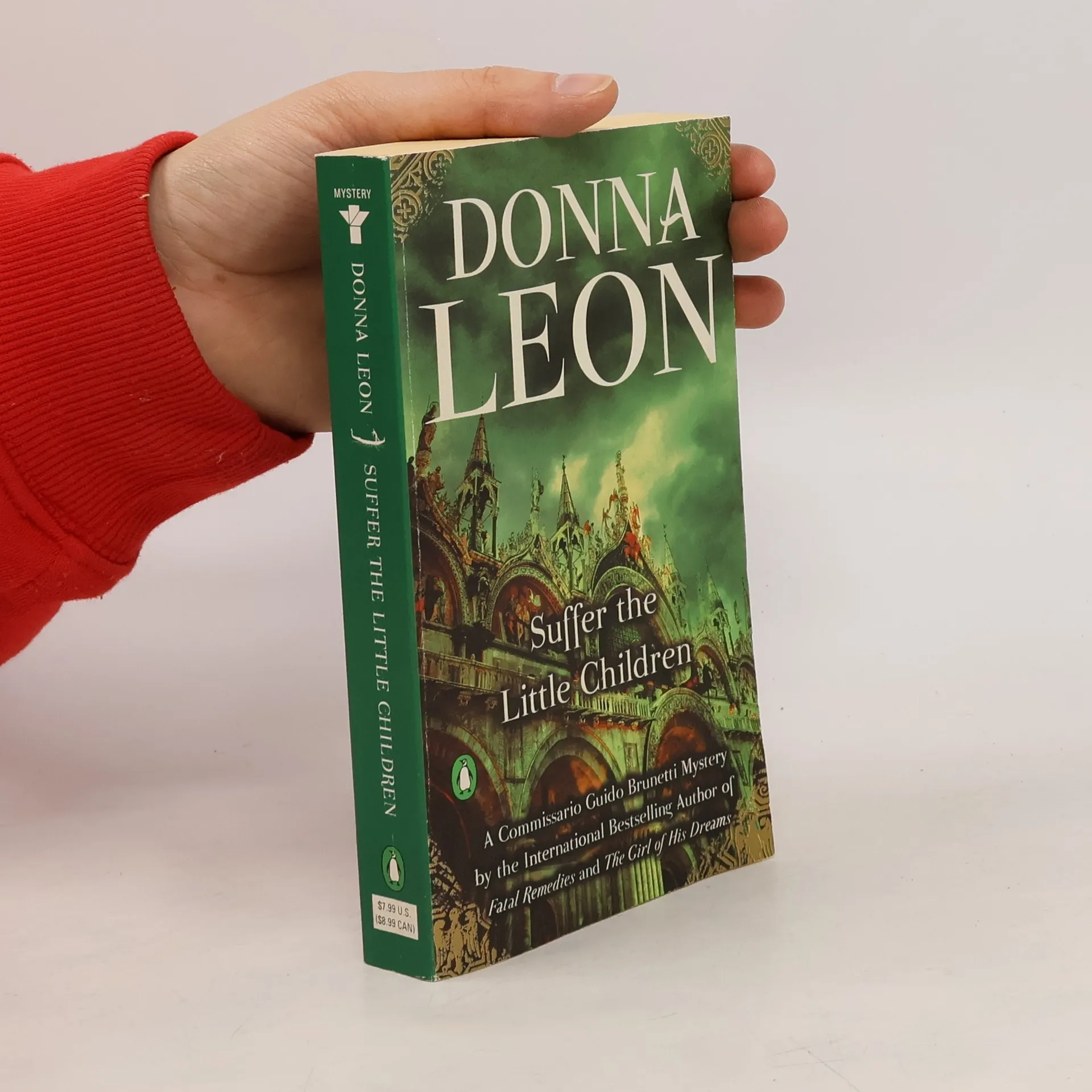
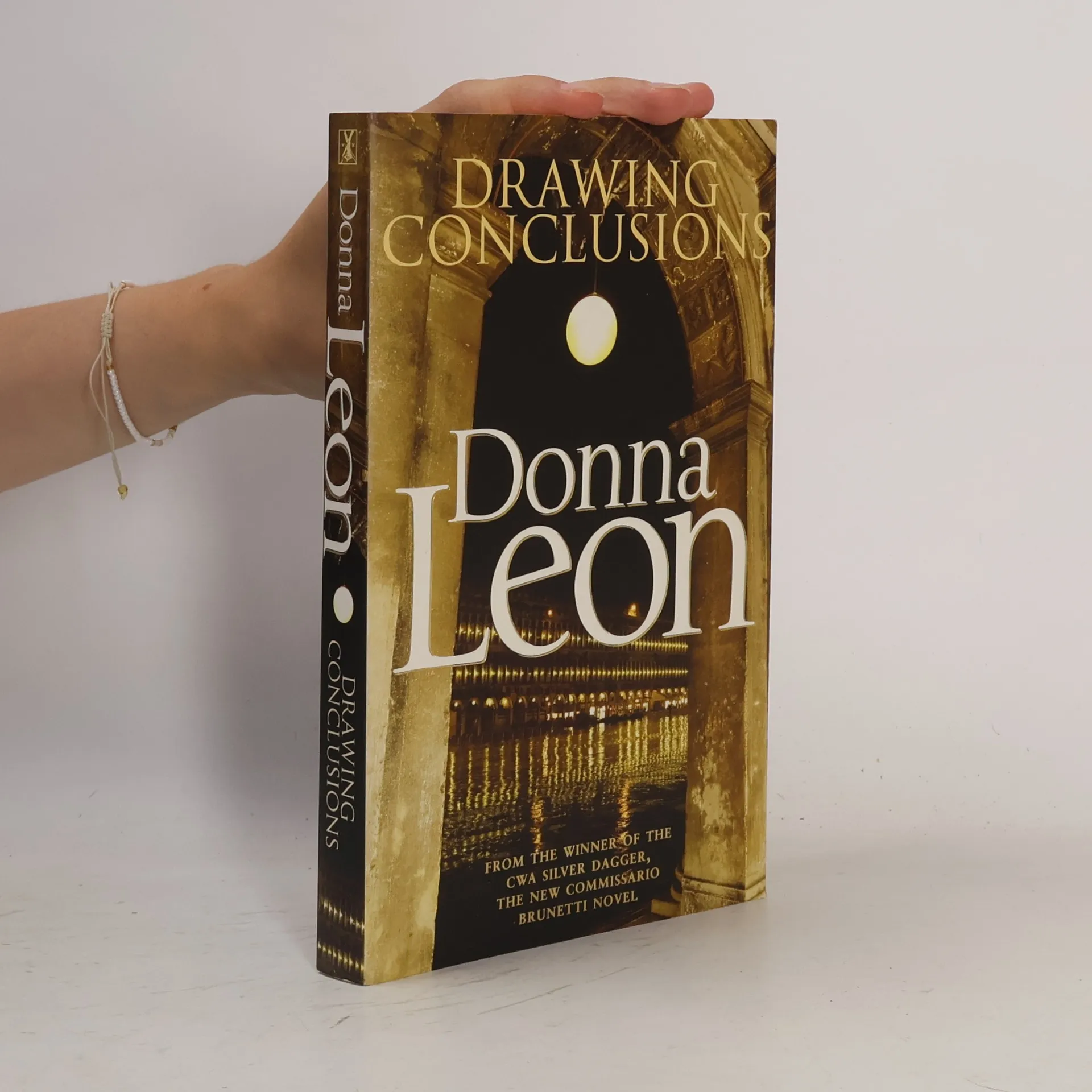
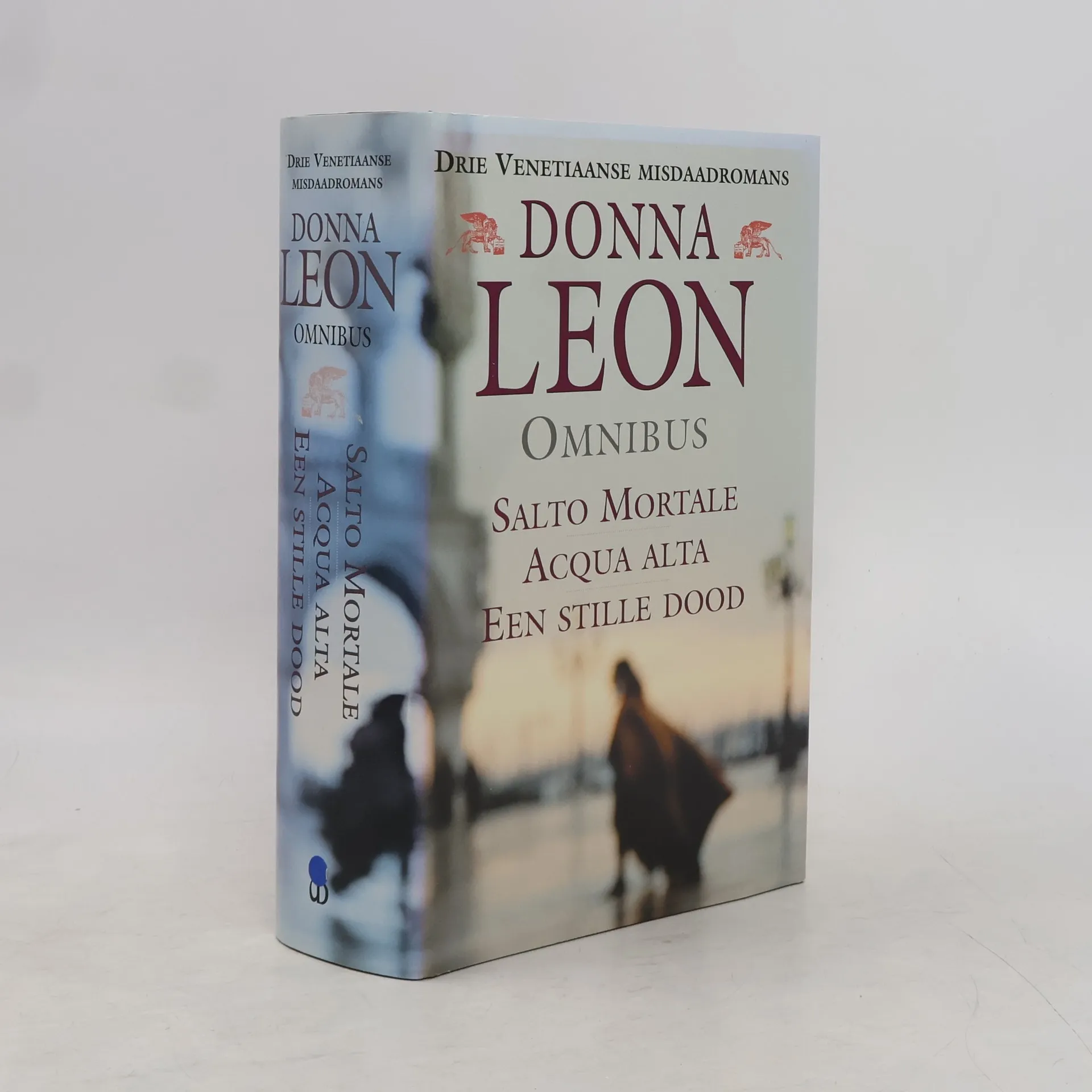
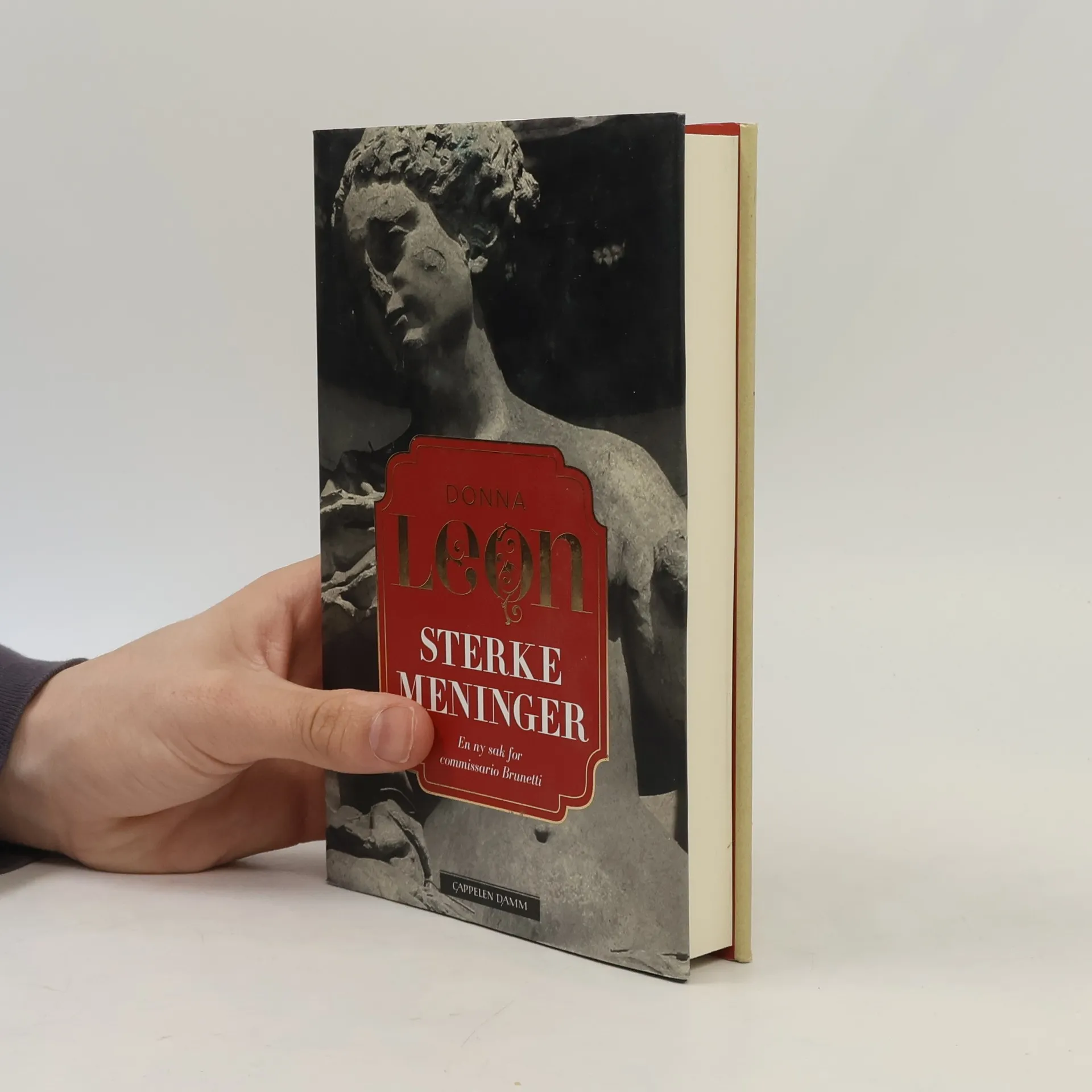
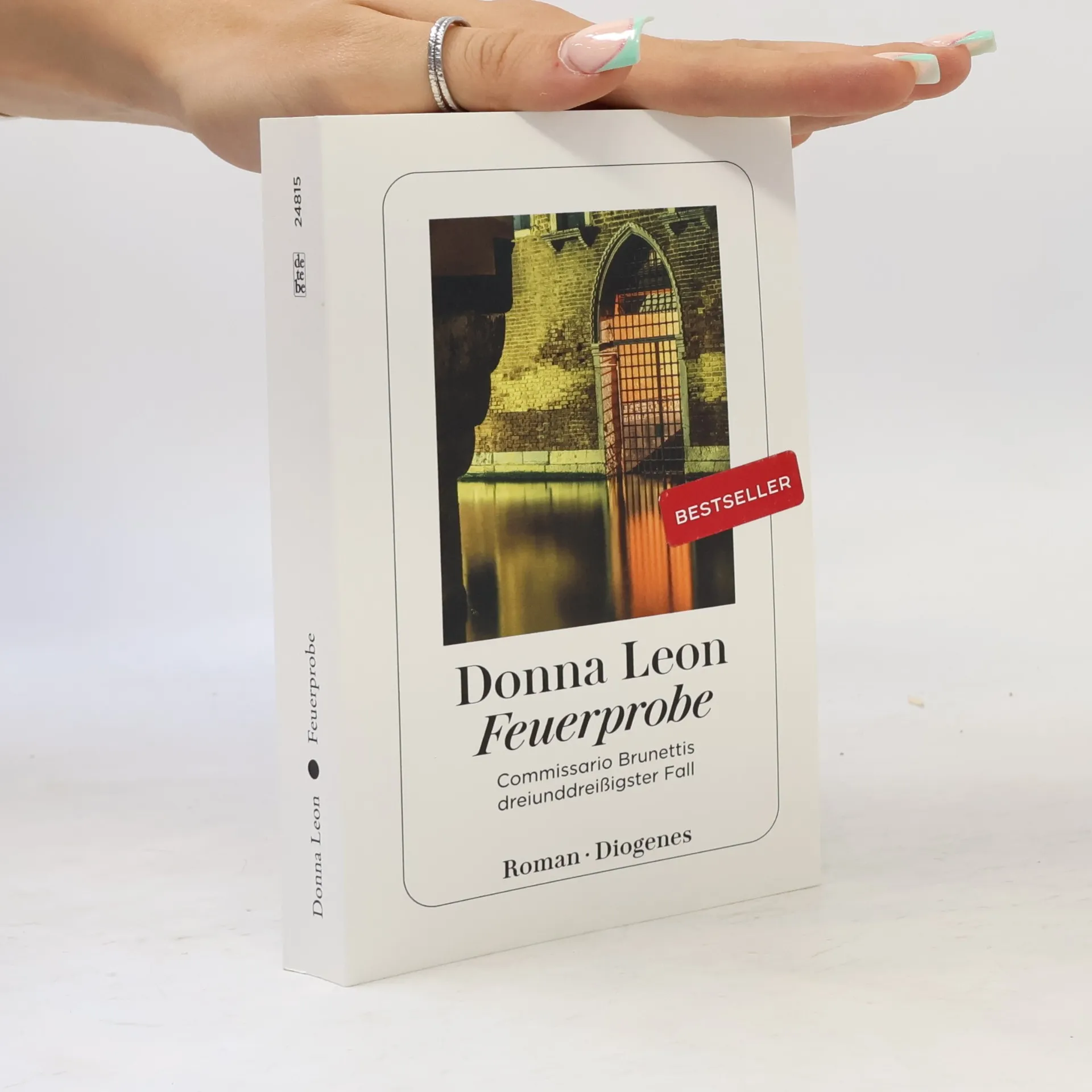
Tato autorka je známá svými detektivními romány zasazenými do malebného prostředí Benátek. Jejich prostřednictvím zkoumá složité lidské vztahy a často se dotýká etických dilemat. Její styl je vytříbený a plný atmosféry, která čtenáře vtáhne do děje.
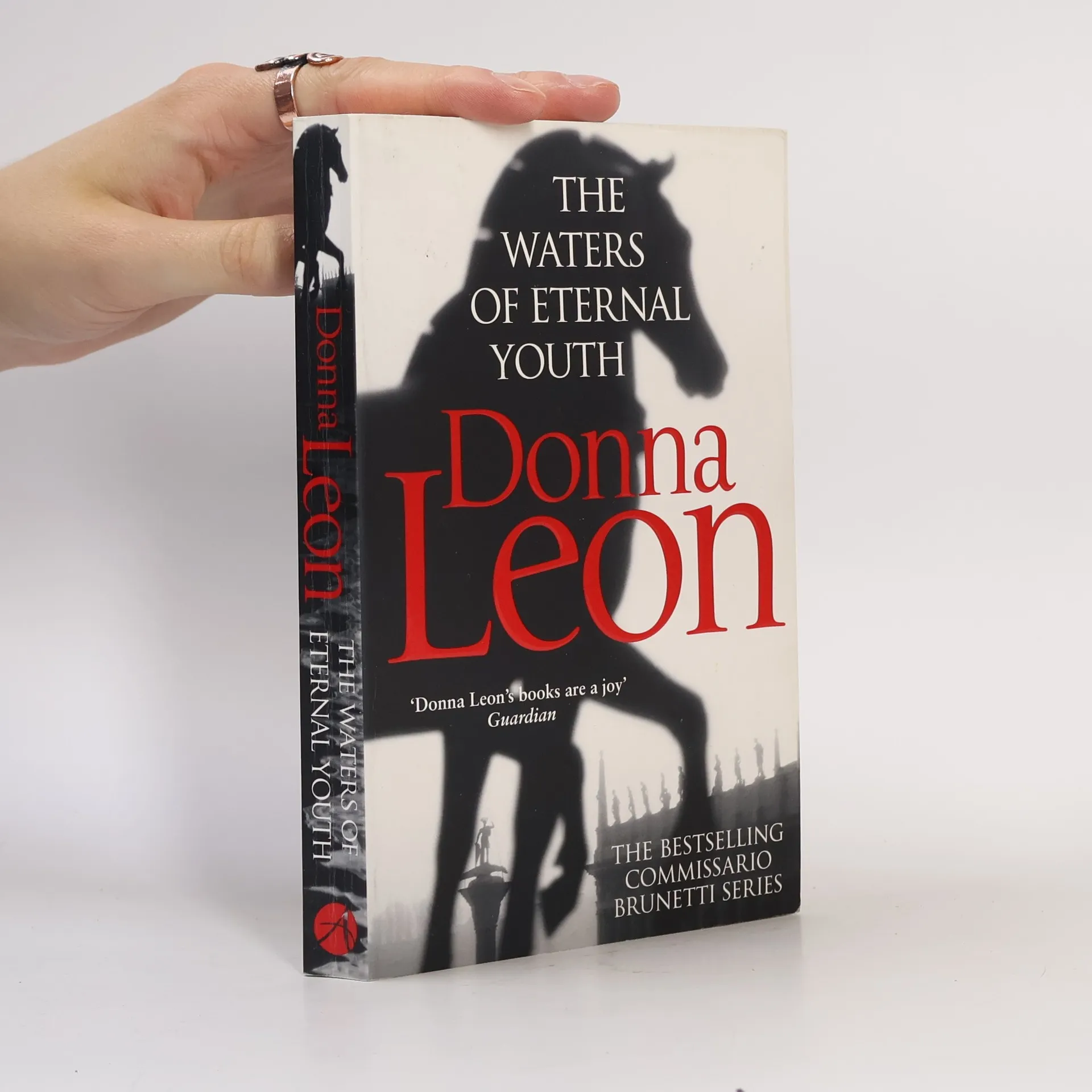
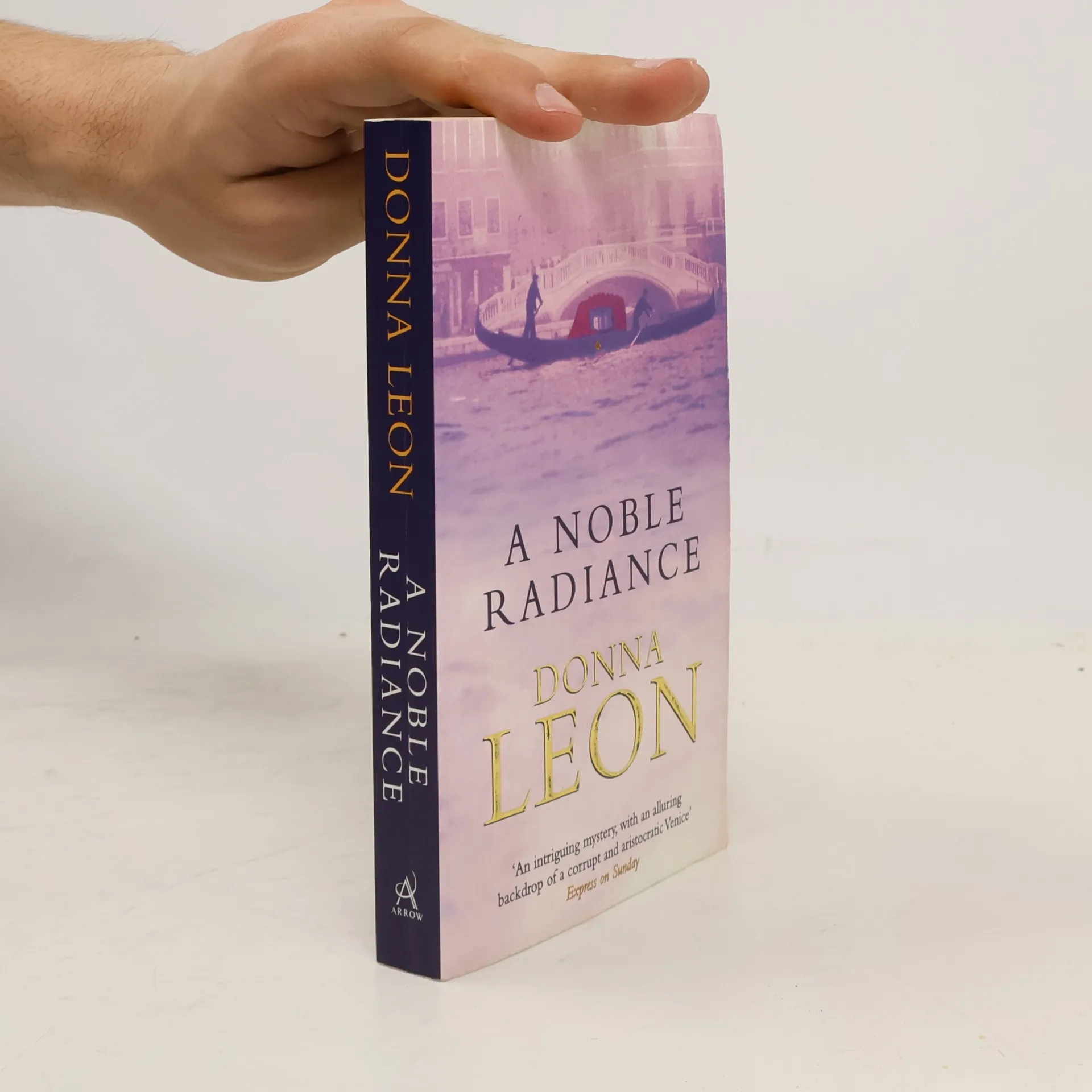
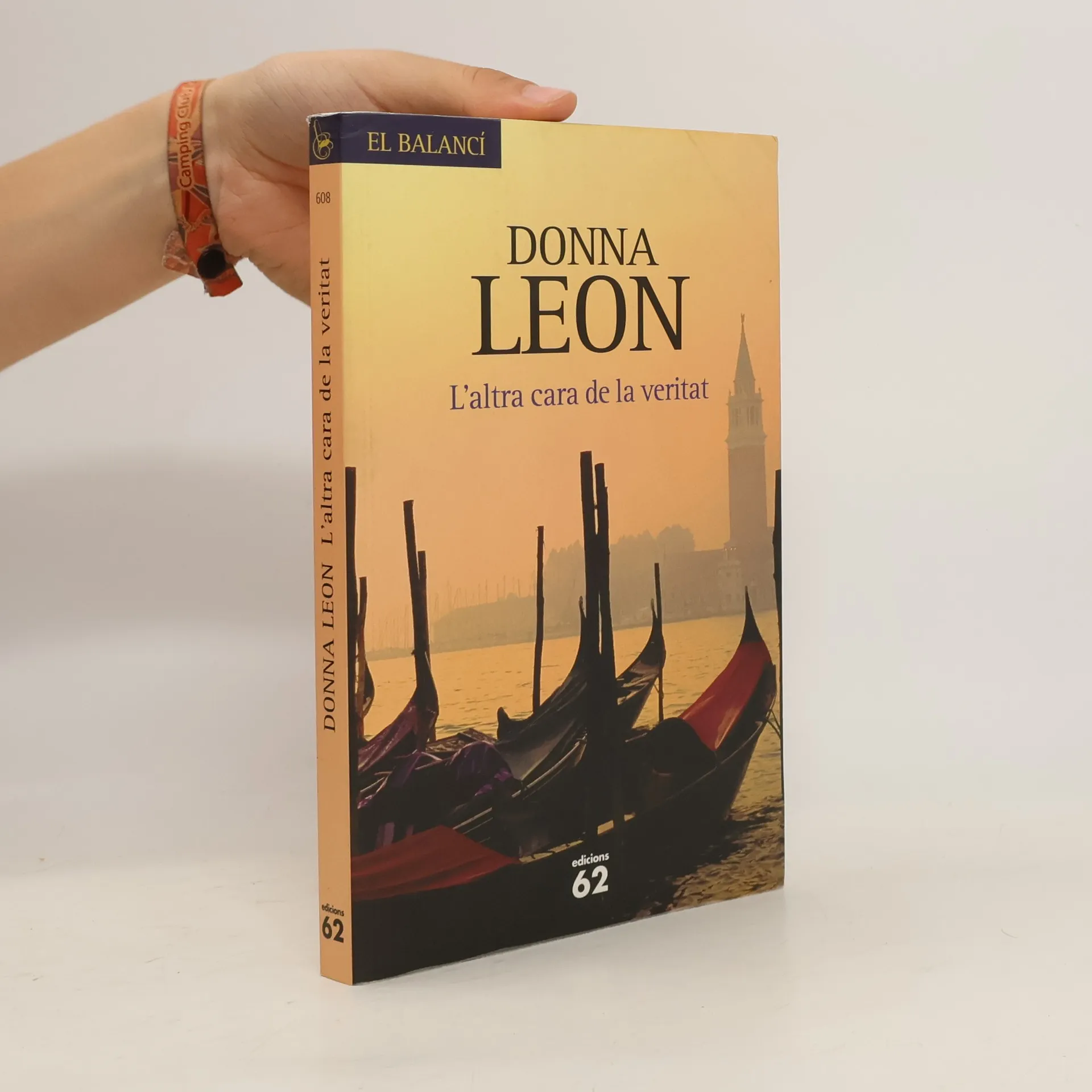
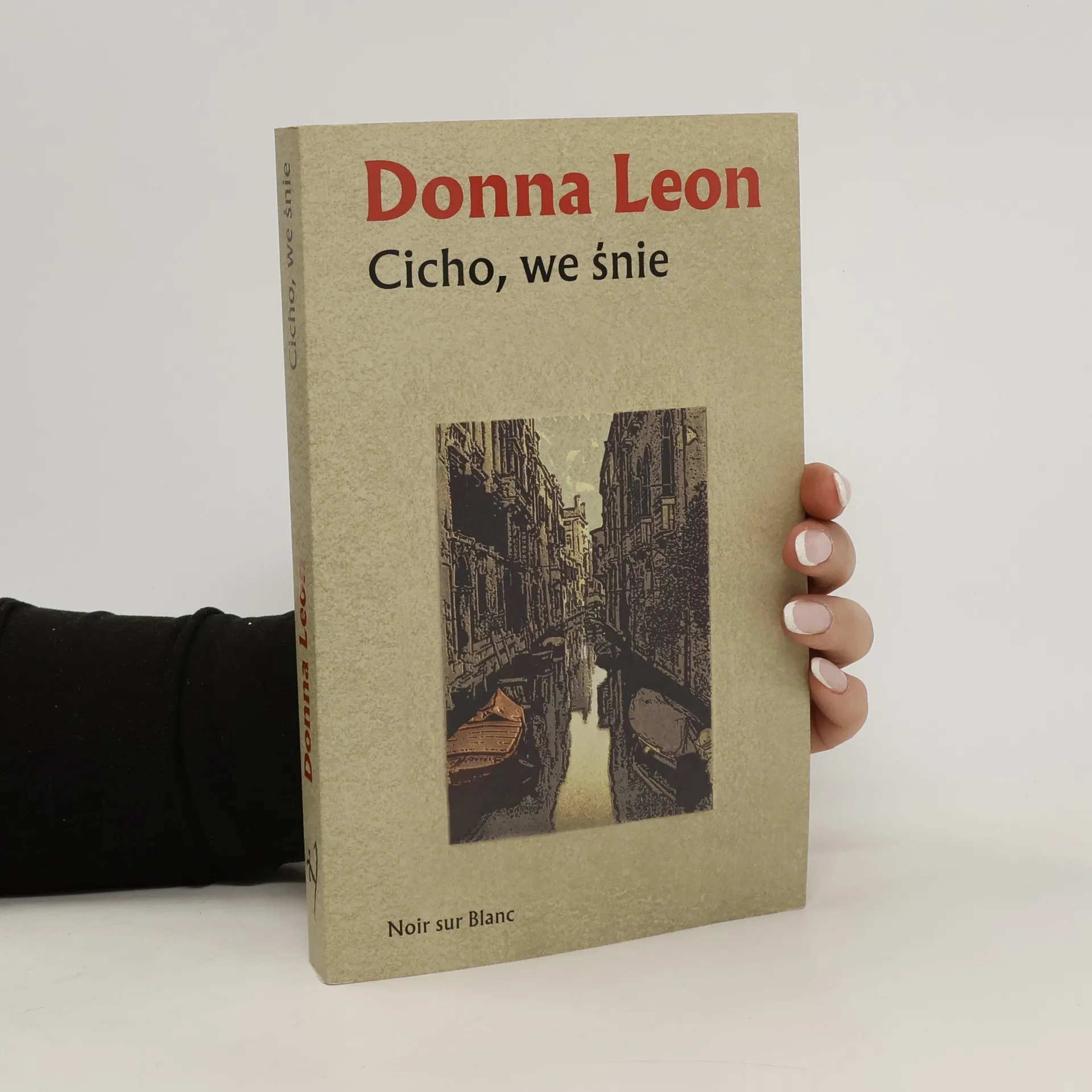
Brunetti is investigating a cold case by request of the grand Contessa Lando-
Continui. Fifteen years ago the Contessa's teenage granddaughter, Manuela, was
found drowning in a canal. Manuela, now aged thirty, cannot remember the
accident. The Contessa, unconvinced that this was an accident, implores
Brunetti to find the culprit.
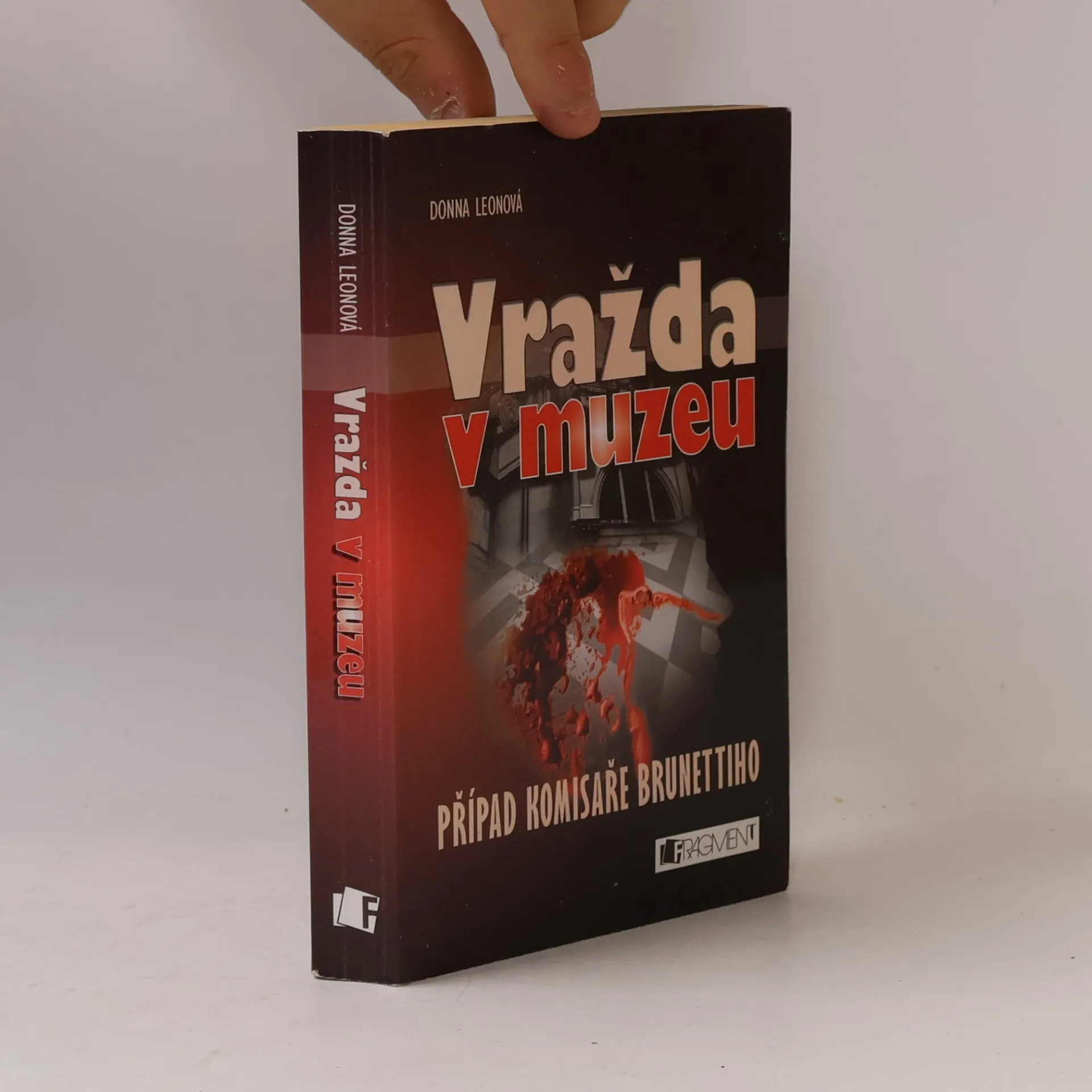
Případ pro komisaře Brunettiho! Oblíbenému hrdinovi, známému z televizního zpracování, tentokrát zamotá hlavu záhadná vražda v muzeu. Postupným odhalením pavučiny motivů je vtažen do nebezpečného světa mafie a obchodu se starožitnostmi či jejich padělky. Podaří se Brunettimu usvědčit všechny zločince?
Případ pro komisaře Brunettiho! Oblíbenému hrdinovi, známému z televizního zpracování, tentokrát zamotá hlavu série záhadných vražd úspěšných podnikatelů. Postupným odhalením pavučiny motivů je vtažen do děsivého světa organizovaného zločinu. Dokáže odkrýt masky benátských vrahů?
Komisař Brunetti vyšetřuje v letních Benátkách složitý případ vraždy, který ho dovede až do podsvětí.
Nedaleko jatek je nalezena mrtvola v dámských šatech a nápadných rudých lodičkách, ze které se vyklube muž, identifikovaný jako dosud vážený a bezúhonný bankovní ředitel. Policisté v čele s komisařem Brunettim pátrají nejdříve v blízkosti transvestitů a prostitutů, ukáže se však, že problém bude složitější a souvisí s penězi, černými nájmy a zneužitím úřední moci. Pachatel je nakonec nalezen v kruzích, kde by to opravdu nikdo nečekal. Příjemná detektivka, v níž se již po třetí setkáváme se sympatickým komisařem i jeho rodinou, tentokrát v Benátkách rozpálených horkým srpnovým sluncem.
Detektivní příběh z italských Benátek, ve kterém se místní komisař snaží vyřešit záhadnou vraždu amerického vojáka. Komisaře Brunettiho jednoho časného rána vzbudí telefon oznamující nález mrtvoly ve vodě benátského kanálu. Ukáže se, že se jedná o vojáka z americké základny ve Vicenze. Brunetti je tlačen svým nadřízeným, aby případ co nejrychleji uzavřel. Následují však další záhadná úmrtí a komisař se snaží polapit pravého viníka toho všeho, i kdyby se mělo jednat o vysoce postavenou osobu....
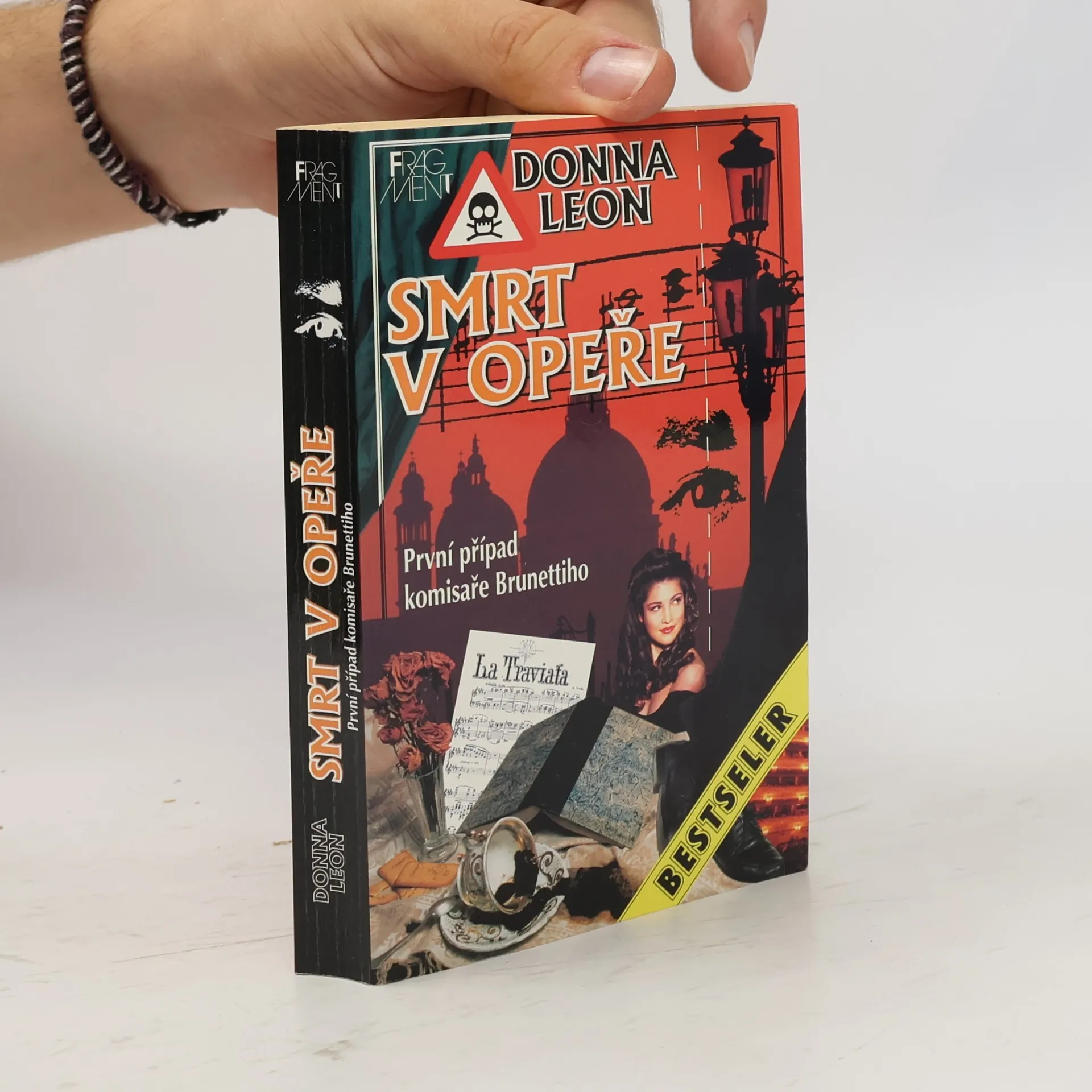
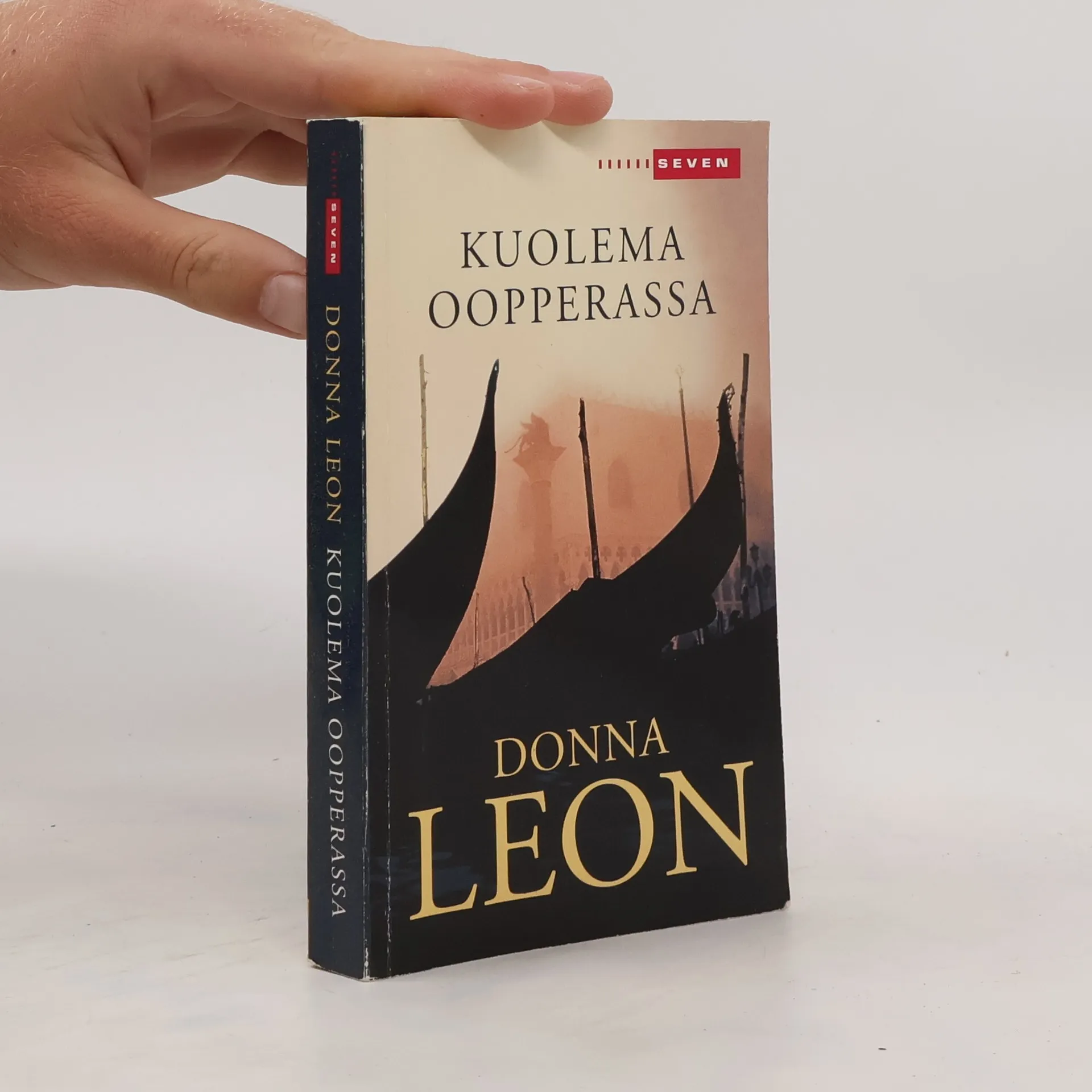
Napínavý detektivní román světově proslulé autorky Donny Leon je jejím prvním dílem, přeloženým do češtiny. Komisař městské policie Guido Brunetti řeší případ vraždy světově proslulého dirigenta, ke které došlo v průběhu operního představení v Benátské opeře.
This engaging collection of stories and essays by the celebrated author of the internationally bestselling Guido Brunetti series showcases her delightful humor and irony. In her memoir, she previously offered a colorful tour of her life, from childhood in New Jersey to adventures in China and Iran, and her love of Venice and opera, but did not delve into her writing life. In this work, she reveals her admiration for great crime novelists like Ruth Rendell and Ross Macdonald, examining their storytelling techniques while dissecting her favorite books. She expresses her love for Dickens' *Great Expectations* and appreciates Sir Walter Scott's generosity of spirit. The author chronicles her extensive research efforts to authentically portray places and characters through Guido Brunetti and his colleagues, including interviewing a diamond dealer in Venice about blood diamonds and connecting with a courageous sex worker to accurately depict women's trafficking in Italy. Venice remains central in her memories, from the irritation of a noisy neighbor to the origins of Carnevale. Her teaching career yields memorable tales, such as helping a young Black boy in Newark and instructing Iranian pilots just before the 1979 Revolution. Throughout, she proves to be as compelling a storyteller about her own life as she is in chronicling Brunetti's adventures. Readers will find themselves captivated by her world.
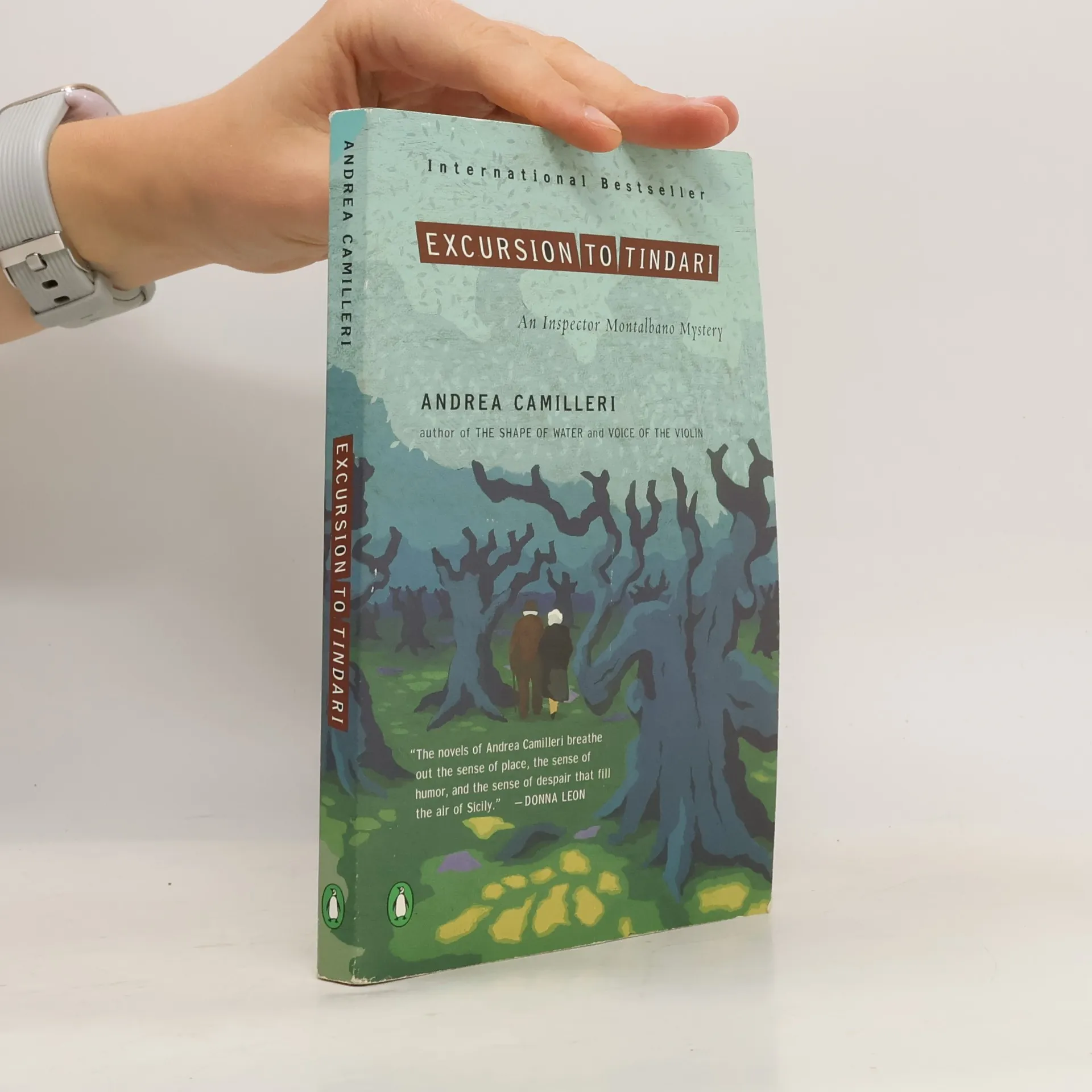
Set against the backdrop of Sicily, the novels capture the region's rich atmosphere, blending humor with a poignant sense of despair. Andrea Camilleri's storytelling vividly evokes the unique culture and landscape of the island, immersing readers in its sights and sounds. The narratives reflect the complexities of life in Sicily, making them both relatable and deeply engaging.
In a small village at the foot of the Italian Dolomites the gardens of a deserted farmhouse have lain untouched for decades. But the new owner, keen for renovations to start, disturbs a macabre grave, and Commissario Brunetti is called in.
During the interrogation of an entitled, arrogant man suspected of giving drugs to a young girl who then died, Commissario Guido Brunetti acts rashly, doing something he will quickly come to regret. In the aftermath, he begins to doubt his career choices and realises that he needs a break from the stifling problems of his work. Granted leave from the Questura, Brunetti is shipped off by his wife, Paola, to a villa owned by a wealthy relative on Sant'Erasmo, one of the largest islands in the Venetian laguna. There, he intends to pass his days rowing, and his nights reading Pliny's Natural History. The recuperative stay goes according to plan and Brunetti is finally able to relax, until Davide Casati, the caretaker of the house, goes missing following a sudden storm. Nobody can find him - not his daughter, not his friends, and not the woman he'd been secretly visiting. Now, Brunetti feels compelled to investigate, to set aside his holiday and discover what happened to the man who had recently become his friend. In Earthly Remains, Donna Leon shows Venice through an insider's eyes. From family meals and vaporetti rides to the never-ending influx of tourists and suffocating political corruption, the details and rhythms of everyday Venetian life are at the core of this thrilling novel, and of the terrible crime at its heart.
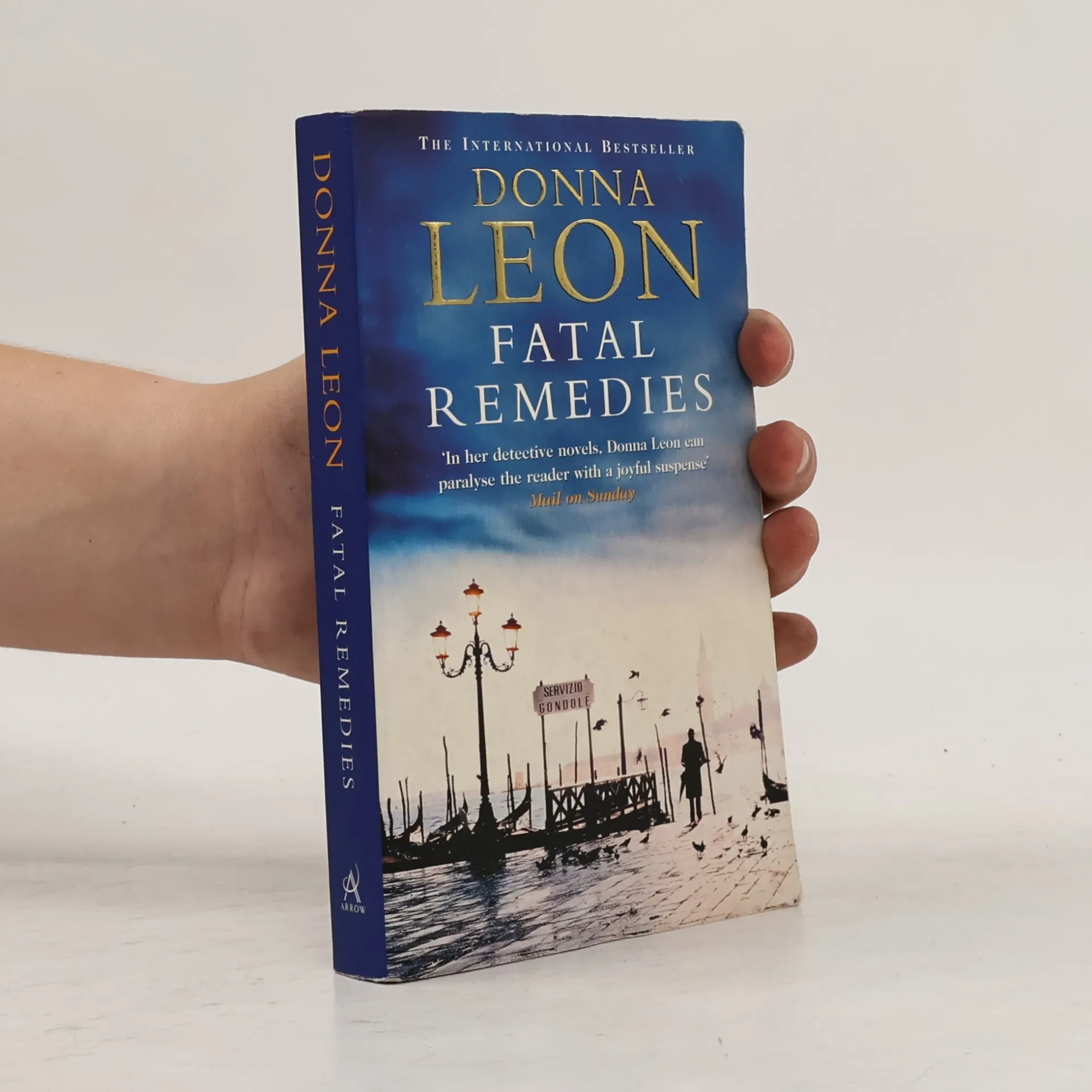
Maria Testa, better known to Brunetti as the nun who once cared for his mother, turns up at the Commissario's door. Maria has left her nursing convent after the suspicious deaths of five patients. Is she creating fears to justify abandoning her vocation, or is there a more sinister scenario?
From the acclaimed author of The Waters of Eternal Youth, Commissario Guido Brunetti dredges up dark secrets from Italy's anti-Semitic past in his captivating eleventh case. Mystery lovers everywhere are addicted to Donna Leon's ever-honorable Commissario Guido Brunetti and her portrayal of Venice's beautiful but sinister byways and canals. In Willful Behavior, Brunetti is approached for a favor by one of his wife's students. Intelligent and serious , Claudia Leonardo asks for his help in obtaining a pardon for a crime once committed by her now-dead grandfather. Brunetti thinks little of it-until Claudia is found dead. Soon, another corpse and an extraordinary art collection lead Brunetti to long-buried secrets of Nazi collaboration and the exploitation of Italian Jews-secrets few in Italy want revealed.
In his many years as a commissario, Guido Brunetti has seen all manner of crime and known intuitively how to navigate the various pathways in his native Venice to discover the person responsible. Now, in the thirtieth novel in Donna Leon's masterful series, he faces a heinous crime committed outside his jurisdiction. He is drawn in innocently enough- two young American women have been badly injured in a boating accident, joy riding in the Laguna with two young Italians. However, Brunetti's curiosity is aroused by the behaviour of the young men, who abandoned the victims after taking them to the hospital. If the injuries were the result of an accident, why did they want to avoid association with it? As Brunetti and his colleague, Claudia Griffoni, investigate the incident, they discover that one of the young men works for a man rumoured to be involved in more sinister night-time activities in the Laguna. To get to the bottom of what proves to be a gut-wrenching case, Brunetti needs to enlist the help of both the Carabinieri and the Guardia di Costiera. Determining how much trust he and Griffoni can put in these unfamiliar colleagues adds to the difficulty of solving a peculiarly horrible crime whose perpetrators are technologically brilliant and ruthlessly organised. Donna Leon's thirtieth Brunetti novel is as powerful as any she has written, testing Brunetti to his limits, forcing him to listen very carefully for the truth.
Venetian cop, Commissario Guido Brunetti, wonders whom he knows to bring pressure on a local government department, to investigate the lack of official building approval on his apartment. But when that same official phones him at work, clearly scared by some information he plans to give Brunetti, and is later found dead after a fall from scaffolding, something is clearly wrong, something with far greater implications than the fate of Guido's own apartment. Brunetti's investigations take him into the unfamiliar areas of Venetian life - drug abuse and loan sharking - while the deaths of two young drug addicts, and the arrest and release of a suspected drug dealer, reveal, once again, what a difference it makes in Venice to have 'Friends in High Places'.
In a sweltering Venice, Commissario Brunetti takes a family break while Ispettore Vianello grapples with his aunt's strange obsession with horoscopes and money withdrawals. As Brunetti investigates a murder linked to courthouse discrepancies, he uncovers dark connections that threaten to unravel the truth.
When the body of a wealthy elderly woman is found brutally murdered in her Venetian flat, it is soon clear to the police that the prime suspect is her Rumanian maid, who has disappeared and is heading for Rumania. When the woman is approached by the border police as her train is leaving Italy, she makes a run for it and is killed as she crosses the tracks in front of an oncoming train. She has a considerable sum of money on her and her papers are obvious forgeries. Case closed. But when the old woman's neighbour returns from a business trip to London, it becomes clear the maid could not have had time to kill the old woman before catching her train, and that the money on her was not stolen. Commissario Brunetti decides - unofficially - to take the case on himself. As Brunetti learns more of the old woman's family, he sees that this is probably not a crime motivated by Greed, rather that the probable motive connects with the temptations of Lust. But perhaps Brunetti is following a faalse trail and thinking of the wrong Deadly Sin altogether...
The murder of two of the clam fishermen of the island of Pellestrina, south of the Lido on the Venetian lagoon draws Commissario Brunetti into the close-knit community of the island, bound together by a code of loyalty and a suspicion of outsiders worthy of the Mafia. When the Questore's secretary Signorina Elettra volunteers to visit the island, where she has relatives, Brunetti finds himself torn between his duty to solve the murders, concerns for Elettra's safety, and his not entirely straightforward feelings for her
Commissario Brunetti is called in to investigate when a young army cadet is found hanged, a presumed suicide. However, he is met by a wall of silence, as the military protects its own and civilians are unwilling to talk.
A sudden act of vandalism had just been committed in the chill Venetian dawn. But Commissario Guido Brunetti soon finds out that the perpetrator is no petty criminal. For the culprit waiting to be apprehended at the scene of the crime is none other than Paola Brunetti, his wife.As Paola's actions provoke a crisis in the Brunetti household, Brunetti himself is under increasing pressure at work: a daring robbery with Mafia connections is linked to a suspicious death and his superiors need quick results. As his professional and personal lives clash, Brunetti's own career is under threat - and the conspiracy which Paola had risked everything to expose draws him inexorably to the brink ...
On a cold Venetian night shortly before Christmas, a street vendor is killed in a scuffle. Commissario Guido Brunetti's response is that of everybody involved: Why would anyone kill an illegal immigrant? How far will Brunetti be able to penetrate the murky subculture in this illegal community?
In the thirty-second installment of Donna Leon’s bestselling series, a connection to Guido Brunetti’s own youthful past helps solve a mysterious murder On a cold November evening, Guido Brunetti and Paola are up late when a call from his colleague Ispettore Vianello arrives, alerting the Commissario that a hand has been seen in one of Venice’s canals. The body is soon found, and Brunetti is assigned to investigate the murder of an undocumented Sri Lankan immigrant. Because no official record of the man’s presence in Venice exists, Brunetti is forced to use the city’s far richer sources of information: gossip and the memories of people who knew the victim. Curiously, he had been living in a small house on the grounds of a palazzo owned by a university professor, in which Brunetti discovers books revealing the victim’s interest in Buddhism, the revolutionary Tamil Tigers, and the last crop of Italian political terrorists, active in the 1980s.As the investigation expands, Brunetti, Vianello, Commissario Griffoni, and Signora Elettra each assemble pieces of a puzzle—random information about real estate and land use, books, university friendships—that appear to have little in common, until Brunetti stumbles over something that transports him back to his own student days, causing him to reflect on lost ideals and the errors of youth, on Italian politics and history, and on the accidents that sometimes lead to revelation.
In the 28th novel in Donna Leon's bestselling Commissario Brunetti series, Brunetti's father-in-law, the Count Falier, urges Brunetti to investigate and intervene in the seemingly innocent plan of the Count's best friend, the elderly Gonzalo Rodriguez de Tejeda, to adopt a much younger man as his son. Under Italian inheritance laws this man would become heir to Gonzalo's entire fortune, a prospect Gonzalo's friends find appalling. For his part, Brunetti wonders why the old man can't be allowed his pleasure in peace. Not long after Gonzalo unexpectedly passes away, one of Gonzalo's oldest friends, just arrived in Venice for the memorial service, is strangled in her hotel room. Now with an urgent case to solve, Brunetti is drawn reluctantly into the long-hidden mystery in Gonzalo's life that ultimately led to murder. Once again, Donna Leon brilliantly follows the twists and turns of the human condition, reuniting us with some of crime fiction's most memorable and enduring characters.[Bokinfo]
Commissario Brunetti and his assistant Vianello secure the release of an environmental protester, only to be faced by the fury of the man's father-in-law, a cantankerous glass factory owner, in this fascinating novel that combines politics and culture.
When two teenage gangs are arrested after clashing violently in one of Venice's campi, the son of a local hero is implicated. But when Commissario Guido Brunetti is asked by a wealthy foreigner to vet this man, Monforte, for a job, he discovers that Monforte might not be such a hero after all. This seeming contradiction, and a brutal attack on one of Brunetti's colleagues by a possible gang member, concentrate Brunetti's attentions. Soon, he discovers the sordid hypocrisy surrounding Monforte's past, culminating in a fiery meeting of two gangs and a final opportunity for redemption. A Refiner's Fireis Donna Leon at her very best- an elegant, sophisticated storyteller whose indelible characters become richer with each book, and who constantly interrogates the ambiguity between moral and legal justice.
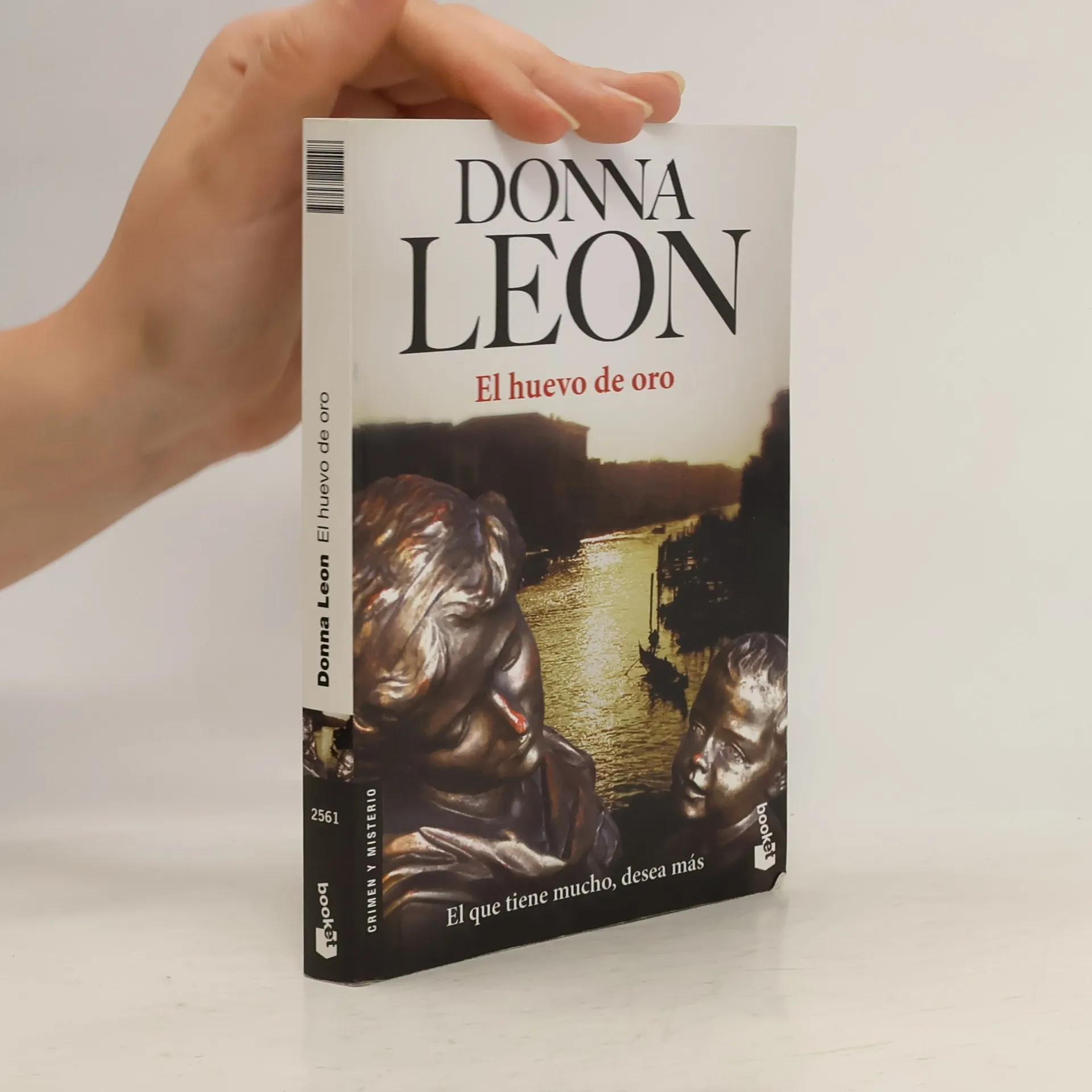
"In The Golden Egg, as the first leaves of autumn begin to fall, Vice Questore Patta asks Brunetti to look into a minor shop-keeping violation committed by the mayor's future daughter-in-law. Brunetti has no interest in helping his boss amass political favors, but he has little choice but to comply. Then Brunetti's wife, Paola, comes to him with a request of her own. The mentally handicapped man who worked at their dry cleaner has just died of a sleeping pill overdose, and Paola loathes the idea that he lived and died without anyone noticing him, or helping him.Brunetti begins to investigate the death and is surprised when he finds nothing on the man: no birth certificate, no passport, no driver's license, no credit cards. As far as the Italian government is concerned, he never existed. Stranger still, the dead man's mother refuses to speak to the police, and assures Brunetti that her son's identification papers were stolen in a burglary. As secrets unravel, Brunetti suspects that the Lembos, an aristocratic family, might be somehow connected to the death. But why would anyone want this sweet, simple-minded man dead?"
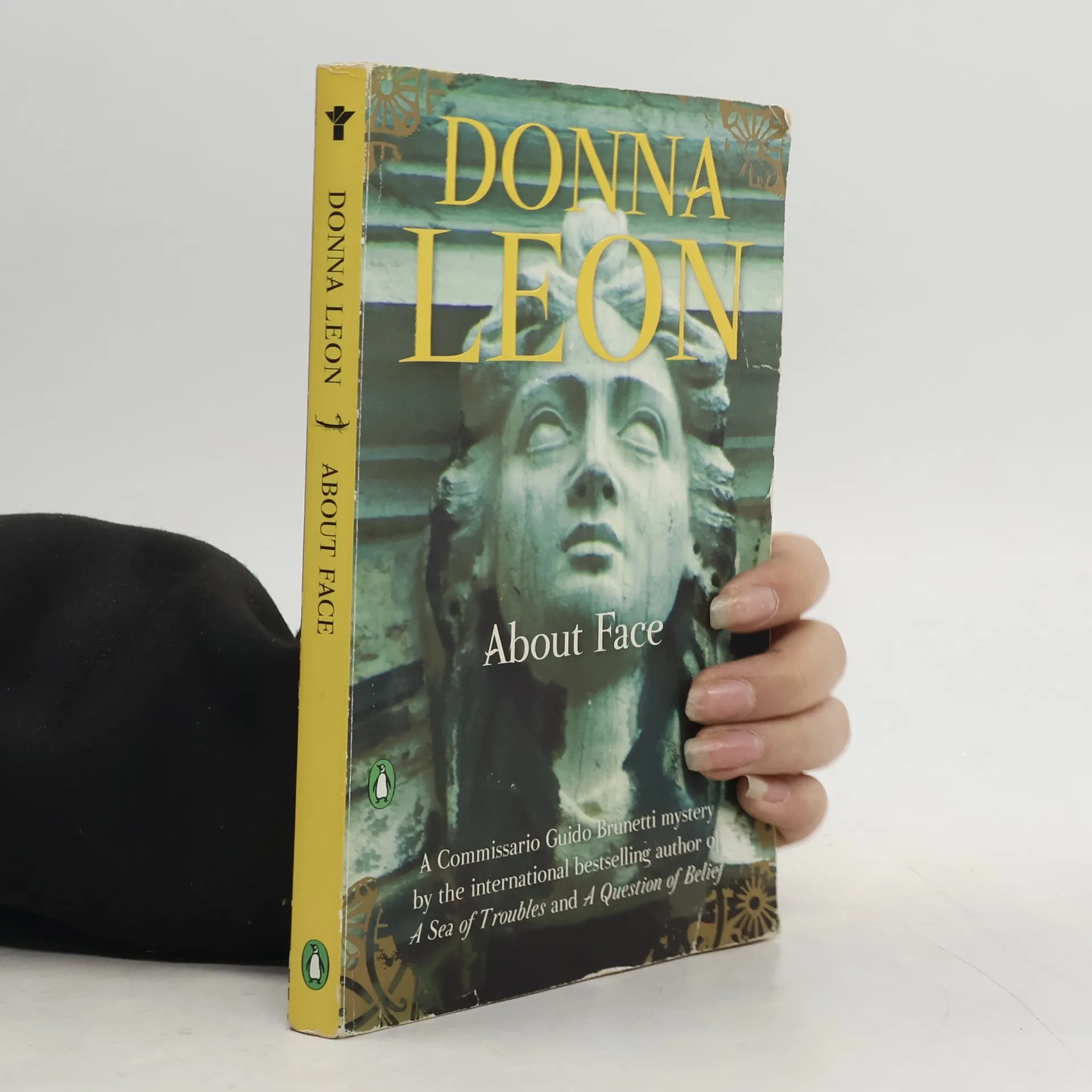
From the acclaimed author of The Waters of Eternal Youth, the eighteenth enthralling installment of "one of the most exquisite and subtle detective series ever" (The Washington Post) The Publication of each Commissario Brunetti mystery is an event anticipated by Donna Leon's many readers. In About Face, she returns with a dazzling mystery that puts Brunetti's own family at risk. Soon after meeting Franca Marinello, the wife of a wealthy Venetian businessman, Brunetti comes across her name in his investigation of a trucking company owner found murdered in his offices. Though charmed by Franca's love of Virgil and Cicero, he must now unravel her connection to the Carabinieri's prime suspect. As Brunetti delves into the murder, he comes face to face with violence and corruption as dangerous as he's ever seen. About Face is Donna Leon at her finest.
One rainy morning Commissario Brunetti and Ispettore Vianello respond to a 911 call reporting a body floating near some steps on the Grand Canal. Reaching down to pull it out, Brunetti's wrist is caught by the silkiness of golden hair, and he sees a small foot - together he and Vianello lift a dead girl from the water. But, inconceivably, no one has reported a missing child, nor the theft of the gold jewellery that she carries. Brunetti is drawn into a search not only for the cause of her death but also for her identity, her family, and for the secrets that people will keep in order to protect their children - be they innocent or guilty. From the canals and palazzos of Venice to a Gypsy encampment on the mainland, Brunetti struggles with institutional prejudice and entrenched criminality to try to unravel the fate of the dead child.
A suspicious accident draws Brunetti into Venice's underworld - with unintended, disturbing consequences... A few weeks later, Tullio Gasparini, the woman's husband, is found unconscious with a serious head injury at the foot of a bridge, and Brunetti is drawn to pursue a possible connection to the boy's behaviour.
A woman's cryptic dying words in a Venetian hospice lead Guido Brunetti to uncover a threat to the entire region in Donna Leon's haunting twenty-ninth Brunetti novel
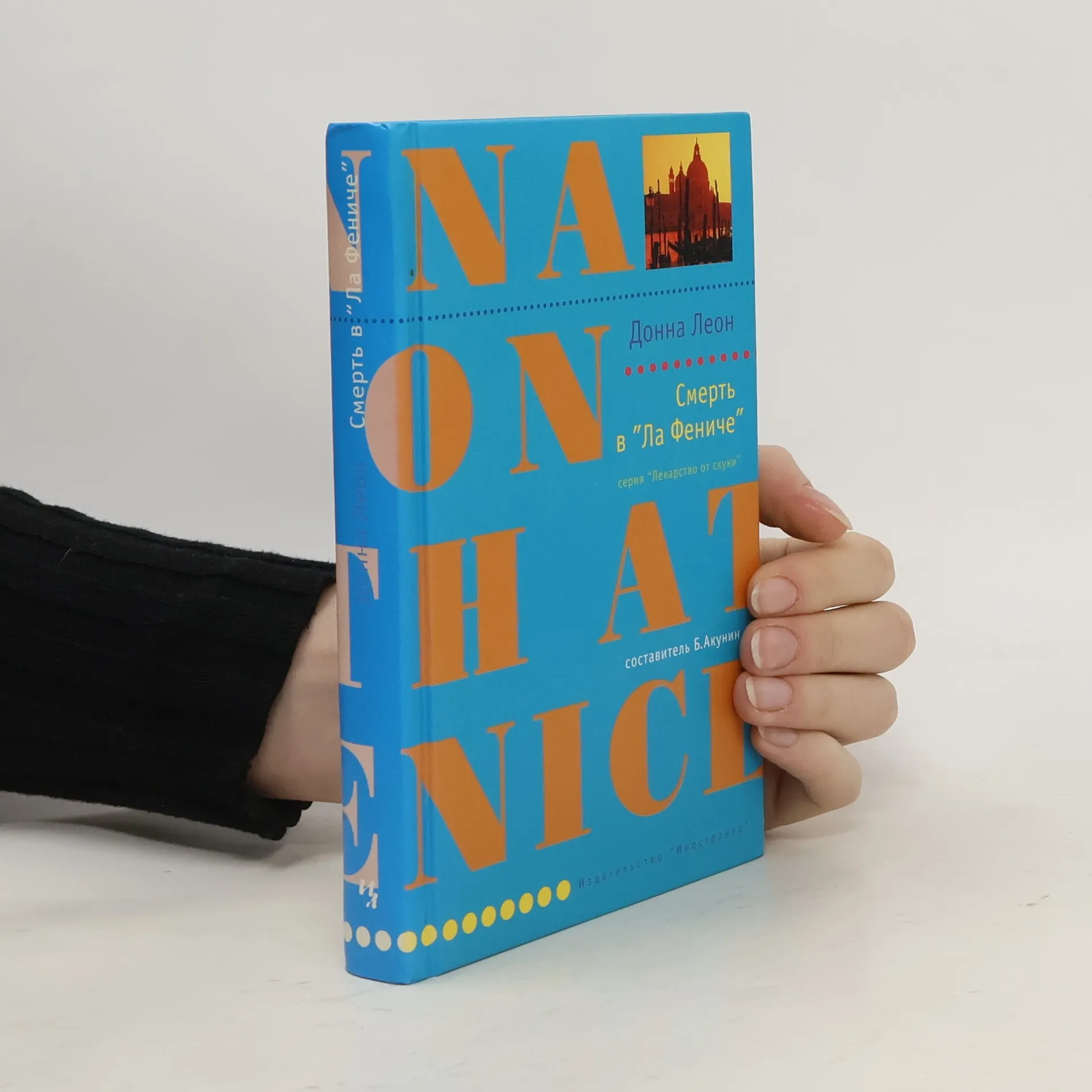
In Death at La Fenice, Donna Leonâe(tm)s first novel in the Commissario Brunetti series, readers were introduced to the glamorous and cut-throat world of opera and to one of Italyâe(tm)s finest living sopranos, Flavia Petrelli âe" then a suspect in the poisoning of a renowned German conductor. Now, many years after Brunetti cleared her name, Flavia has returned to the illustrious La Fenice to sing the lead in Tosca. As an opera superstar, Flavia is well acquainted with attention from adoring fans and aspiring singers. But when one anonymous admirer inundates her with bouquets of yellow roses âe" on stage, in her dressing room and even inside her locked apartment âe" it becomes clear that this fan has become a potentially dangerous stalker. Distraught, Flavia turns to an old friend for help. Familiar with Flaviaâe(tm)s melodramatic temperament, Commissario Brunetti is at first unperturbed by her story, but when another young opera singer is attacked he begins to think Flaviaâe(tm)s fears may be justified. In order to keep his friend out of danger, Brunetti must enter the psyche of an obsessive fan and find the culprit before anyone comes to harm.
By Its Cover is the much anticipated twenty-third instalment in Donna Leon's bestselling crime series, where Commissario Brunetti is better than ever as he addresses questions of worth and value alongside his ever-faithful team of Ispettore Vianello and Signorina Elettra.
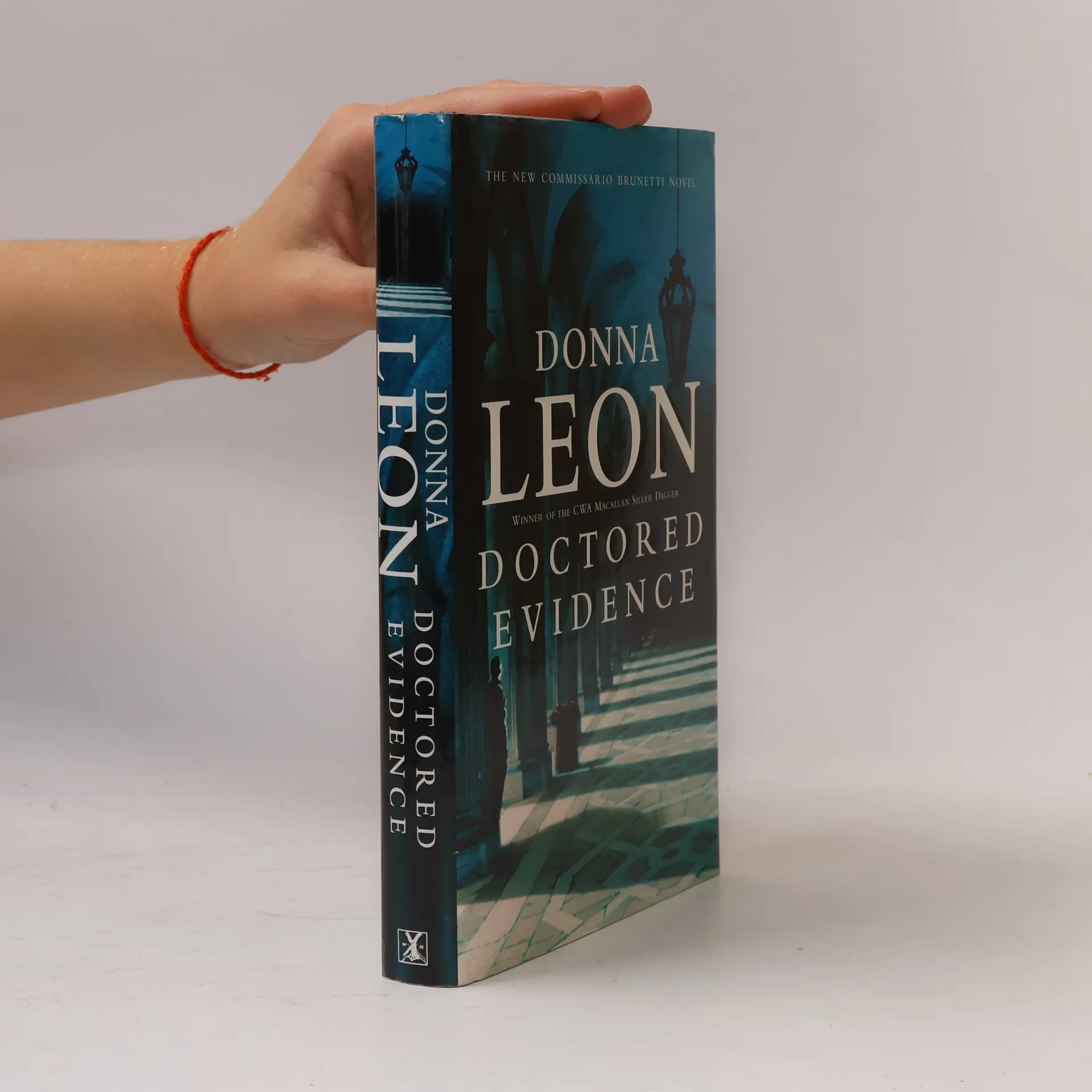
When several valuable antiquarian books go missing from a prestigious…
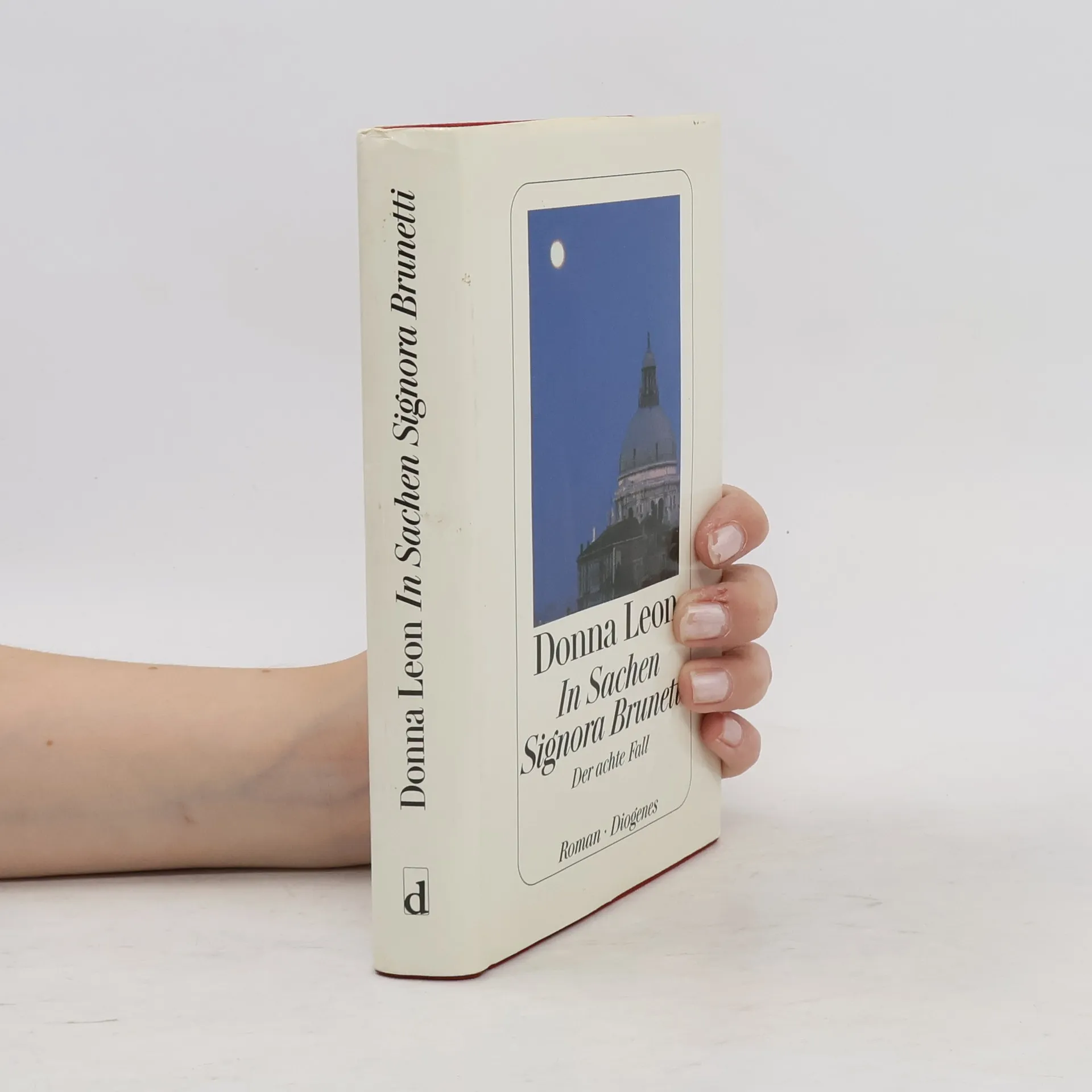
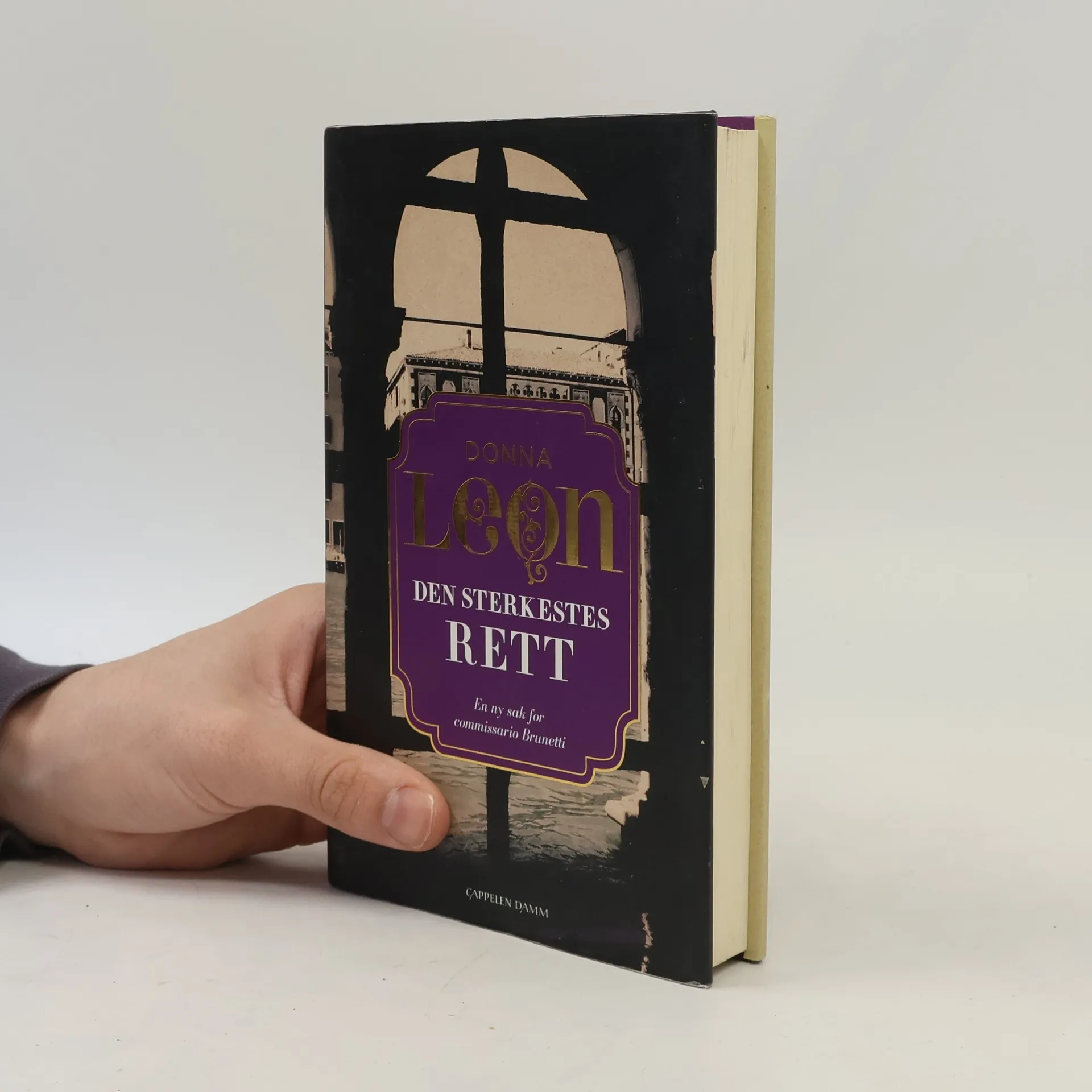
Once again, Commissario Guido Brunetti is willing to bend police rules for an acquaintance, even though Elisabetta Foscarini, the woman who asks the favour, is not really a friend. But her mother was good to Brunetti's, so he feels he has no choice but to repay the debt and agrees to look into the matter 'privately', rather than as a police official. Her son-in-law has alarmed his wife by telling her they might be in danger because of something he's involved with. Because Enrico Fenzo is an accountant, Brunetti suspects that the likely reason must be the finances of one of his clients. Brunetti takes a look and finds little- one client is an optician, another Fenzo`s father-in-law, whom he helped establish a charity, another the owner of a restaurant. He is about to tell his friend that he can find no reason for preoccupation when her daughter's place of work is vandalised, forcing Brunetti to turn his attention - still 'private' - to Elisabetta's own family. What he discovers shows the Janus-faced nature of yet another Italian institution as well as the wobbly line that attempts to differentiate between the criminal and the non-criminal.
A riveting new mystery from international bestseller Donna Leon Donna Leon's Commissario Brunetti series has made Venice'a city that's beautiful and sophisticated, but also secretive and corrupt'one of mystery fans? most beloved locales. In this brilliant new book, Brunetti is summoned to the hospital bed of a respected pediatrician, where he is confronted with more questions than answers. Three men had burst into the doctor's apartment, attacked him, and kidnapped his eighteen-month-old son. What could have motivated an assault so violent that it has left the doctor mute? And could this crime be related to the moneymaking scam run by pharmacists that Brunetti's colleague has recently uncovered? As Brunetti delves deeper into the case, a story of infertility, desperation, and illegal dealings begins to unfold.
When a body is found floating in a canal, strangely disfigured and with multiple stab wounds, Commissario Brunetti is called to investigate and is convinced he recognises the man from somewhere. However, with no identification except for the distinctive shoes the man was wearing, and no reports of people missing from the Venice area, the case cannot progress. Brunetti soon realises why he remembers the dead man, and asks Signorina Elettra if she can help him find footage of a farmers' protest the previous autumn. But what was his involvement with the protest, and what does it have to do with his murder? Acting on the fragile lead, Brunetti and Inspector Vianello set out to uncover the man's identity. Their investigation eventually takes them to a slaughterhouse on the mainland, where they discover the origin of the crime, and the world of blackmail and corruption that surrounds it. Both a gripping case and a harrowing exploration of the dark side of Italy's meat industry, Donna Leon's latest novel is a compelling addition to the Brunetti series.
A woman's cryptic dying words in a Venetian hospice lead Guido Brunetti to uncover a regional threat in this haunting tale. When Dottoressa Donato informs the Questura about a dying patient wishing to speak to the police, Commissario Brunetti and his colleague, Claudia Griffoni, respond promptly. Benedetta Toso gasps about her deceased husband, Vittorio Fadalto, claiming, "They killed him. It was bad money. I told him no." Despite uncertainty about her awareness, Brunetti assures her they will investigate what seems to be a private tragedy. They learn Fadalto collected contamination samples for a company monitoring Venice's water quality and died in a mysterious motorcycle accident. While briefly distracted by Vice Questore Patta's focus on youth crime, Brunetti benefits from the research skills of Patta's secretary, Signora Elettra Zorzi. As he untangles the threads of the case, Brunetti realizes the gravity of the woman's accusation and the broader implications for the region's health. However, justice remains ambiguous, echoing the complexities of guilt and responsibility, themes that resonate throughout the narrative, as Brunetti seeks solace in Aeschylus's The Eumenides.
In a series of vignettes full of affection, irony, and good humour, Donna Leon narrates a remarkable life she feels has rather more happened to her than been planned.
When a young woman returns from holiday to find her elderly neighbour dead, she immediately alerts the police. Commissario Brunetti is called to the scene.
Caterina Pellegrini is a young Venetian musicologist hired by two competing cousins to find the truthful heir to an alleged treasure concealed by a once-famous, but now almost forgotten, baroque composer. Sworn to secrecy, Caterina can solve the mystery only by searching through the papers contained in the composer's two chests that have not been opened for centuries. As she delves into all quarters of his life, from professional to personal, she is drawn into one of the most scandalous affairs of the baroque era. When her research takes her in unexpected directions, she begins to wonder what dark secrets these chests hold and just whom can she trust?
Commissario Brunetti and his assistant Vianello secure the release of Marco Ribetti, arrested during an environmental protest, only to face the fury of the man’s father-in-law, Giovanni De Cal, a cantankerous glass factory owner who has been heard in the bars of Murano making violent threats against Ribetti. Brunetti’s curiosity is piqued, and he beings to investigate: Is De Cal the type of man to carry out his threats? By all accounts he is constantly angry, bullying suppliers and fuming against environmentalists. Then one morning the body of De Cal’s bookish night watchman is found in front of the blazing furnace. Could the old man have done it? And who is posioning the waters of Venice's lagoon? Fighting against time, Brunetti must find the murderer before he strikes again.
›Kurioses aus Venedig‹ – das erzählt Donna Leon. Untermalt werden die besonderen Begebenheiten mit Musik auf historischen Instrumenten: Virtuoses von Antonio Vivaldi, extra aufgenommen für dieses Buch von ›Il Complesso Barocco‹.
Novela que los investigadores consideran la respuesta en lengua española a "Manhattan" de John Dos Passos. Libro que equilibra entre el realismo y el surrealismo, absorbiendo en igual medida motivos psicológicos y puramente modernistas, "lúdicos". Cada uno de los personajes de esta obra irónica y despiadada, que transcurre en el Madrid franquista de posguerra, es a la vez una personalidad concreta y única, y parte de un todo. Un valor adicional de "El huevo de oro" son las innovadoras soluciones lingüísticas que se convirtieron en una especie de "tarjeta de presentación" de Sela.
Quan el commissario Brunetti coneix durant un sopar Franca Marinello, la dona d'un pròsper empresari venecià, queda completament fascinat per la seva passió per Virgili i Ciceró, i una mica sorprès per la seva aparença: una dona rossa i superficial que vesteix roba cara i exhibeix un vistós lífting facial.Pocs dies després, el responsable local dels carabinieri fa una visita a Brunetti. Vol obtenir informació sobre la mort del propietari d'una companyia de camions que, pel que sembla, pot estar relacionada amb el transport il·legal de residus i amb l'ecomàfia. Les descobertes del commissario demostren que l'enlluernadora Franca Marinello ha mantingut contactes amb el principal sospitós, un home sinistre amb un passat. Però la veritat sempre té un costat obscur.La nova novel·la de Donna Leon és un treball subtil, apassionant i d'una absoluta actualitat. I com sempre, ens transporta als carrers, els sons, les olors d'una Venècia inundada de vida."El commissario Brunetti ha captivat milions de lectors arreu del món". Avui "Brunetti crea addicció". News
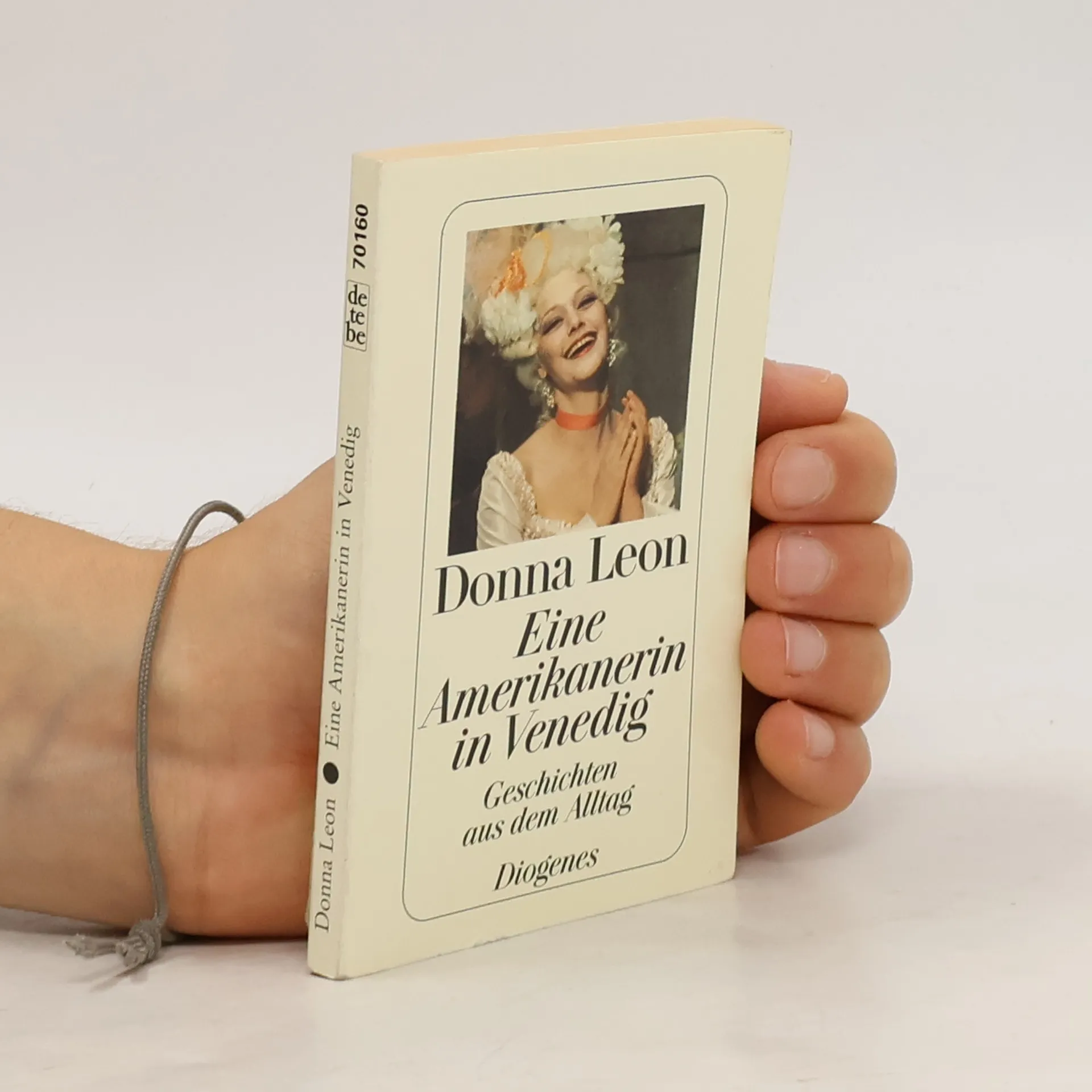
Schon in ihren Brunetti-Romanen interessiert sich Donna Leon nicht nur fur kriminelle Mifi-stiinde, sondern auch fur die Gemisse des Le-bens. Die hier versammelten Geschichten han-deln nicht nur von guten Speisen, sondern auch von ihrer Leidenschaft fur Bucher und die Oper und von der Erholung in den Bergen. Und als Amerikanerin in Venedig schreibt Donna Leon nicht blofi liber Bella Italia, sondern auch iiber die Mafia und Machos. Von Venedig blickt sie hiniiber nach Amerika, dem Iran oder Saudi-Arabien.In ihrer direkten Art nimmt Donna Leon Un-vermutetes aufs Warum ist es nicht er-strebenswert, aufierordentlicher amerikanischer Konsul zu werden? Und wie findet man fur die beste Freundin in New York einen Mann? Woriiber reden Crime Ladies wie Barbara Vine und Donna Leon, wenn sie gemeinsam dinie-ren? Und warum weint man beim Lesen von Romanen leichter als in der Wirklichkeit? Wie schreibt man einen Kriminalroman? Und was tun Maulwiirfe eigentlich sonntags morgens um halb neun?Vielseitig, wie sie ist, stellt sich Donna Leon unerschrocken manche Frage - und bleibt da-bei sich selber treu. Ihr Blick ist ebenso unbe-stechlich wie anteilnehmend, und eines fehlt der Humor.
Wir befinden uns in der Wohnung von Donna Leon. Nicht nur vom Fenster aus, auch durch die Wände hindurch nimmt sie ihre Nachbarn wahr; meistens jedoch tauscht sie sich direkt mit ihnen aus. Dabei wird sie nicht nur in die Geheimnisse der italienischen Küche und in das Familienleben eingeweiht, sondern sie wird auch Zeugin vieler italienischer Mißstände, gegen die sie ankämpft, als wäre sie Commissario Brunetti in Person.
In "Dood van een Maestro" wordt tijdens de pauze van de opera La Traviata de beroemde dirigent Helmut Wellauer dood aangetroffen. Hij blijkt te zijn vergiftigd. De eigenzinnige maestro had vele vijanden, maar zou één van hen ook een moord op zijn geweten kunnen hebben? Commissario Guido Brunetti duikt in Wellauers verleden en doet macabere ontdekkingen over zowel het slachtoffer als de dader.Studente Claudia Leonardo benadert commissario Brunetti in "Bedrieglijke zaken" met een bijzondere vraag: ze wil weten of haar grootvader postuum kan worden vijgespriken van een misdaad waarvoor hij in het verleden is veroordeeld. De zaak heeft voor Brunettti geen prioriteit, maar dat verandert onmiddellijk wanneer het meisje dood wordt gevonden.
Schon in ihren Brunetti-Romanen interessiert sich Donna Leon nicht nur für kriminelle Mißstände, sondern auch für die Genüsse des Lebens. In den hier versammelten Geschichten läßt uns die Amerikanerin in Venedig teilhaben an ihrem Blick hinter die Kulissen der an Genüssen so reichen Lagunenstadt.
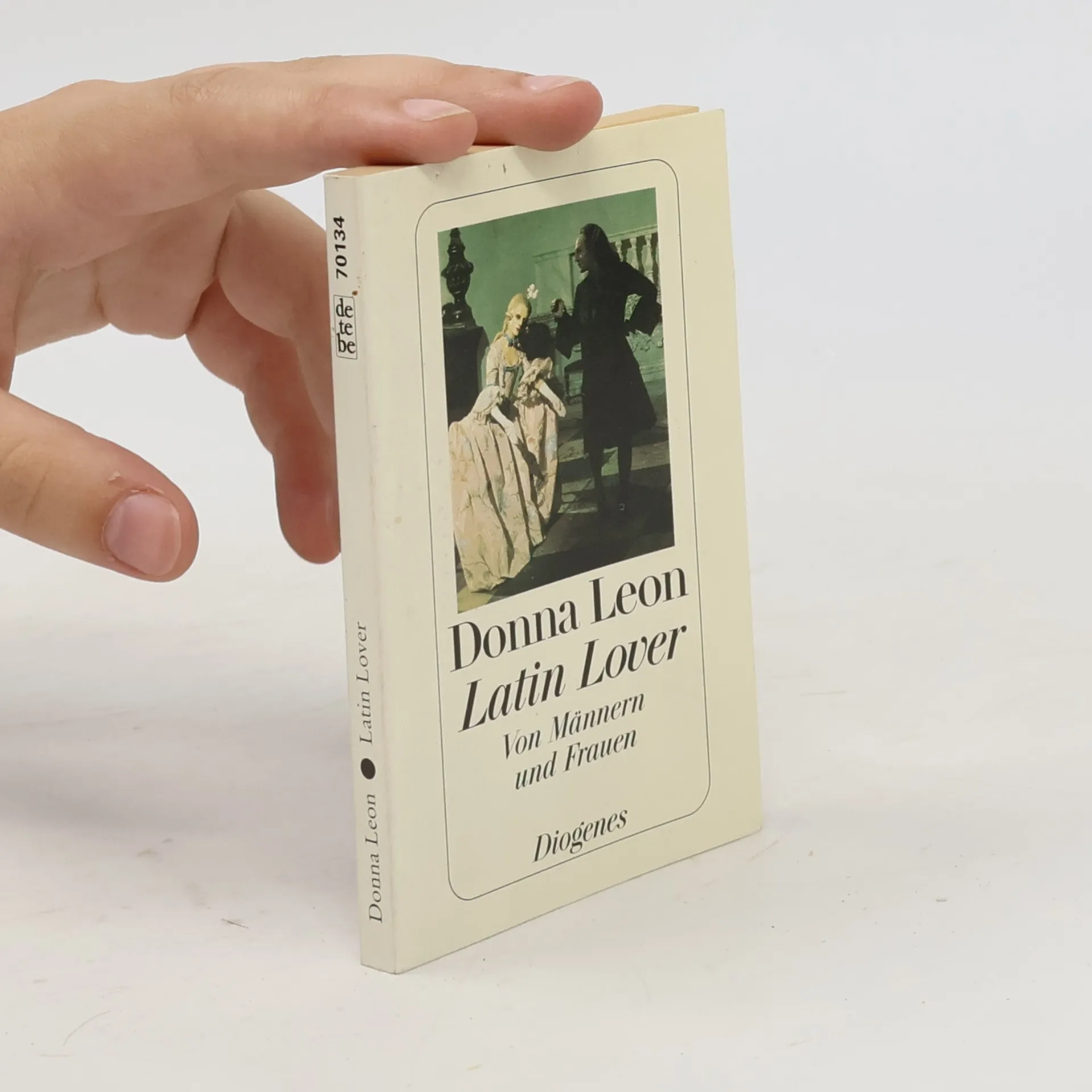
Wie kamen die italienischen Männer zu ihrem Ruf als Latin Lover? Was ist das Sinnliche an der klassischen Musik? Und wie findet man für die beste Freundin in New York einen Mann? In ihren Geschichten über Männer und Frauen geht Donna Leon Vorurteile und Idealbilder an, in der ihr eigenen direkten Art, amüsant, engagiert und ohne die Angst, als politically uncorrect zu gelten.
Erstaunliches und Erhieterndes über das berühmteste Boot der Welt, ergänzt durch die Bilder großer italienischer Meister und mit eienr CD Venezianischer Gondellieder gespielt vom ensemble "Il Pomo d'Oro"
Nichts gegen Netflix unter der Kuscheldecke – aber wirklich romantisch wird’s, wenn Verliebte einander im Bett Geschichten vorlesen. In diesem Buch sind Geschichten von zehn Frauen und zehn Männern versammelt. Mal süss und mal heiss, mal traurig oder lustig. Und nicht zu lang und nicht zu kurz. Der oder die Liebste soll ja nicht gleich einschlafen… Dieser bezaubernde Band enthält Klassiker der Weltliteratur von der Bibel über Gustave Flaubert bis zu Kurt Tucholsky, Peter Bichsel, Donna Leon und Doris Lessing, aber auch junge Autorinnen wie Rebekka Salm, Tasha Rumley und Fine Degen. Die Geschichten wurden von Alex Capus und vom Verleger Thomas Knapp gemeinsam ausgewählt. «Gutenachtgeschichten für Verliebte» ist ein wunderbares Geschenkbändchen für viele Gelegenheiten. In Leinen gebunden zudem auch ein haptischer Genuss.
Mit Rezepten von Roberta Pianaro und Fotografien von Nicoletta Fornaro
304 stránek
11 hodin čtení
Donna Leons langjährige Freundin Roberta Pianaro ist Köchin aus Leidenschaft. In ihrer Küche über den Dächern von Venedig kocht sie mit frischen Zutaten vom nahe gelegenen Rialto-Markt. Robertas einfache, schmackhafte Mahlzeiten waren vom ersten Roman an Vorbild für alles, was Donna Leon der Familie Brunetti auf den Tisch zauberte. Dieses Kochbuch versammelt 100 Rezepte, wie sie im Hause Brunetti täglich gekocht und gegessen werden.
Etterforskeren Guido Brunetti blir tilkalt når en ung militærkadett blir funnet død ved et antatt selvmord. Han blir møtt med en mur av stillhet, militæret beskytter sine egne og de sivile vil ikke snakke. Donna Leon har hatt stor suksess med bøkene om sympatiske, tørrvittige og vinglade italienske etterforskeren Brunetti. Handlingen i bøkene er lagt til Venezia og området rundt. Kriminalromanen ble utgitt på engelsk i 2003.
Commissario Brunetti er Venezias berømte mordetterforsker med store sanselige gleder. Han er gift med universitetslektoren Paola. Når studenten Claudia blir funnet knivstukket til døde, er hun ikke lenger bare Paolas student, men også Brunettis sak. Donna Leon har stor suksess med sine bøker om den italienske etterforskeren Brunetti.
Tijdens het onderzoek naar de dood van een ambtenaar voor bouwzaken komt een politieman uit Venetië in aanraking met corruptie, geldschieters en drugshandelaren.
Scherben auf der Piazza San Marco. Zwei Kinderbanden sind aneinandergeraten, mitten in der Nacht. Während Commissario Griffoni mit weiblichem Gespür herauszubekommen versucht, wie ein Teenager in den Sog eines Flashmobs geraten konnte, nutzt Brunetti seine eigenen Connections. Ja sogar Vice-Questore Patta ist zu allem bereit, um sich und seine Leute vor Vorkommnissen zu schützen, die zumal in einer Touristenstadt wie Venedig nicht willkommen sind.
Die Jubiläums-Edition: 12 erfolgreiche Diogenes Bücher in einmaliger Ausstattung zum einmaligen Preis zum Start des Jubiläums am 1. Juni 2002. Alfred Andersch: Der Vater eines Mörders. Paulo Coelho: Der Dämon und Fräulein Prym. Friedrich Dürrenmatt: Labyrinth / Turmbau. Stoffe I-IX. Patricia Highsmith: Der süße Wahn. John Irving: Gottes Werk und Teufels Beitrag. Donna Leon: Venezianisches Finale Ingrid Noll: Der Hahn ist tot. Bernhard Schlink: Der Vorleser Georges Simenon: Der Mann, der den Zügen nachsah. Patrick Süskind: Das Parfum. Andrzej Szczypiorski: Die schöne Frau Seidenman. Urs Widmer: Der Geliebte der Mutter.