Christopher Brooke byl britský medievalista, který se soustředil na církevní historii. Jeho práce se ponořila do složitostí středověkého náboženství a jeho dopadu na společnost. Brooke zkoumal duchovní a institucionální krajinu této doby s důkladností a vhledem. Jeho analýza osvětluje formování středověké Evropy.
Concentrating on arguments in moral psychology surrounding the foundations of
human sociability and self-love, this book details how the engagement with
Roman Stoicism shaped early modern political philosophy. It offers
interpretations of Lipsius and Rousseau.
This reissued edition serves as an essential research tool for scholars of medieval religious history, featuring significant corrections that enhance its academic value. It offers a comprehensive overview of the period's religious practices and beliefs, making it a vital resource for understanding the complexities of medieval spirituality and its historical context.
This book serves as a comprehensive continuation of its predecessor, exploring the evolution and impact of religious leadership in England and Wales from 1216 onwards. It delves into the lives and contributions of notable figures in the ecclesiastical hierarchy, examining their roles in shaping religious, social, and political landscapes during the medieval period. Rich in historical detail, it provides insights into the dynamics of power within the Church and its influence on society.
A practical handbook for retired investors and those approaching retirement explores the ways in which a shift from a "wealth accumulation" to a "wealth preservation" approach affects investment strategy, discussing a variety of retirement investment options, including real estate, health care, leisure, construction, entertainment, and the future of stocks, bonds, and dividends.
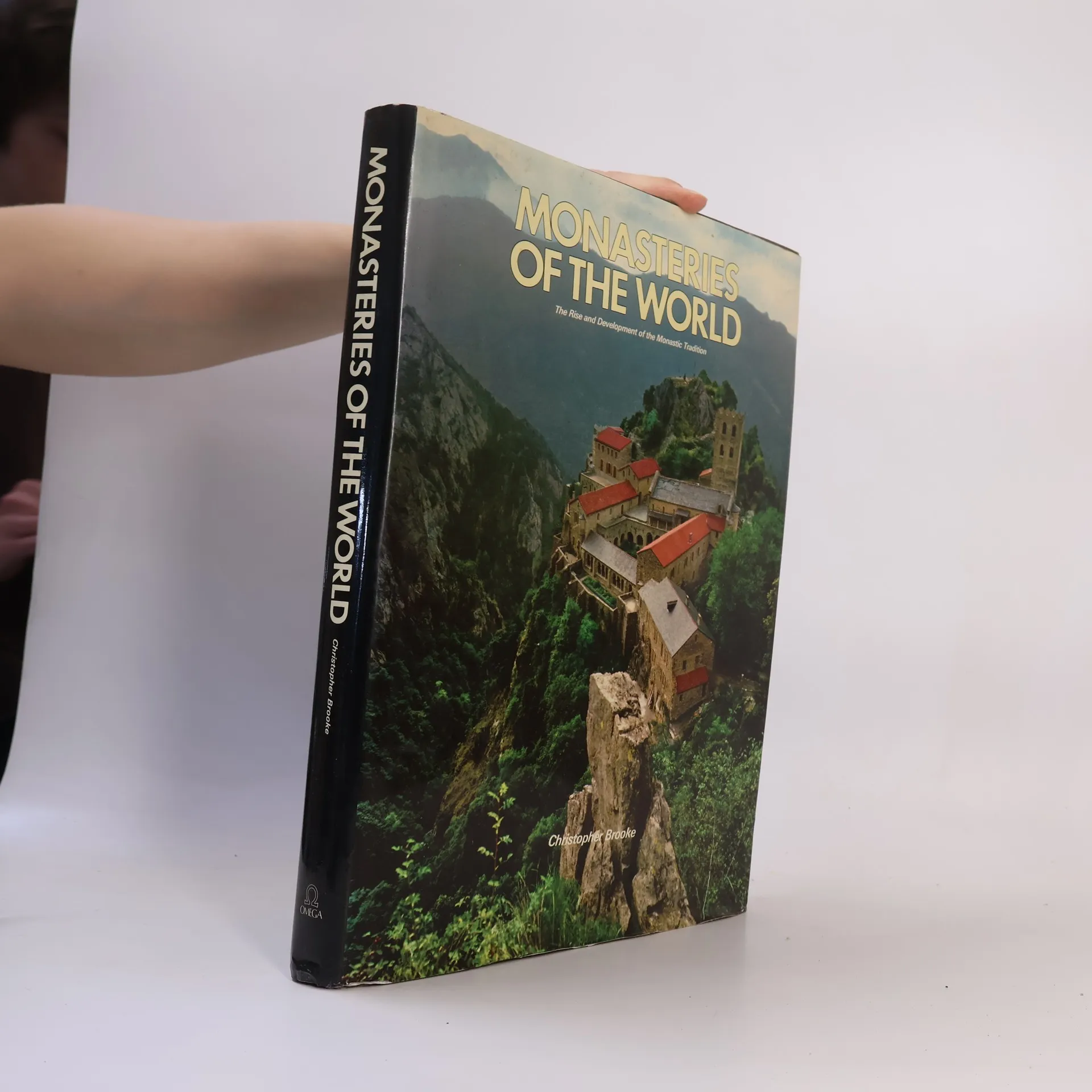
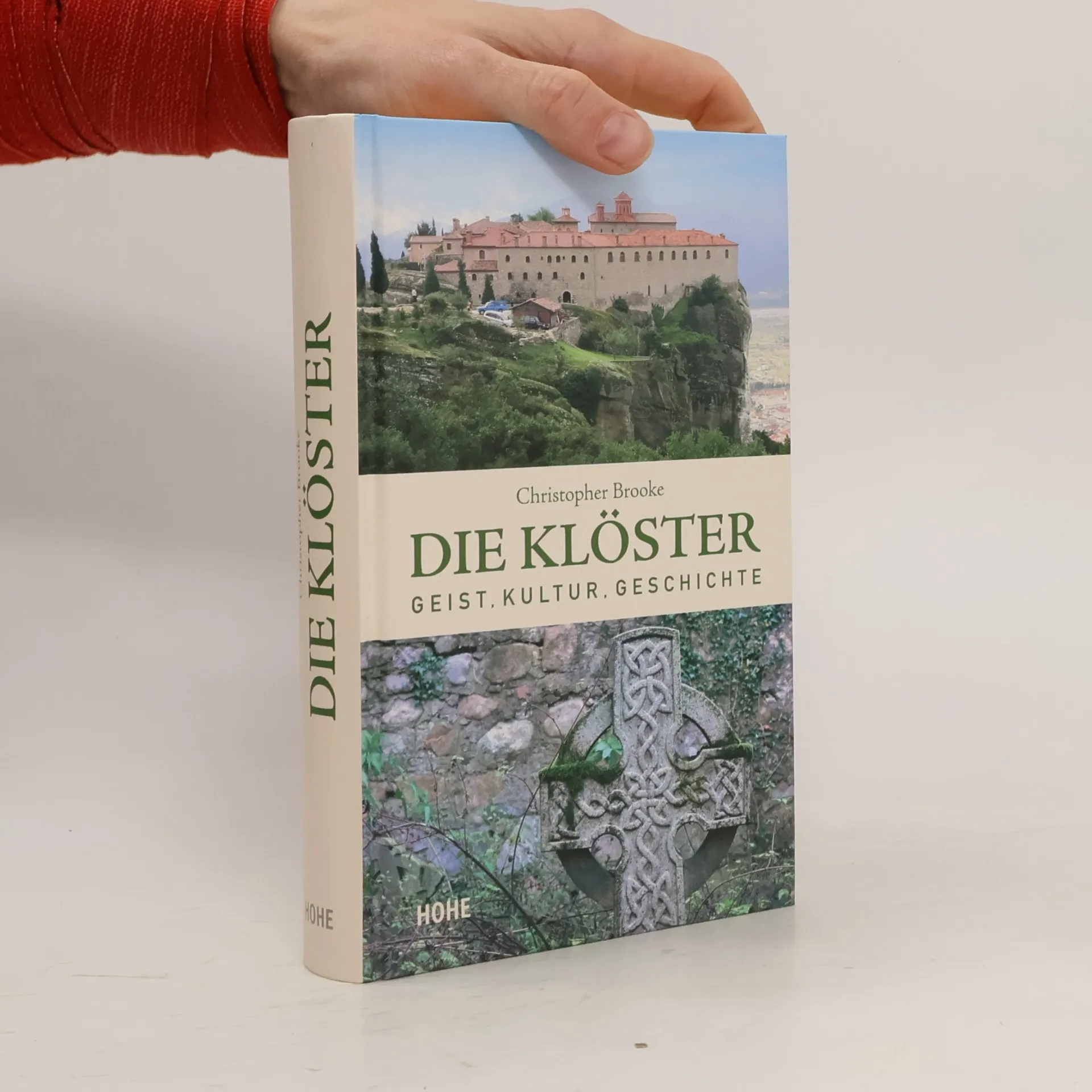
Exploring the origins and development of monastic life, this book delves into its historical significance and influence on modern spiritual seekers. Through thorough research, it highlights the practices and philosophies that have shaped monastic communities and their enduring relevance in contemporary spirituality. Readers will gain insights into how these ancient traditions continue to inspire and guide individuals on their personal journeys.
An extensively illustrated collection of essays by noted scholars which examine in depth six aspects of the medieval life and culture of Europe: the monastic world; the cathedrals, courts and castles; death and the afterlife; scholarships and universities; and industry, money and trade.
This classic exploration of the history of English kings and kingship from the sixth to the twelfth century has now been brought up-to-date for a new generation of readers.
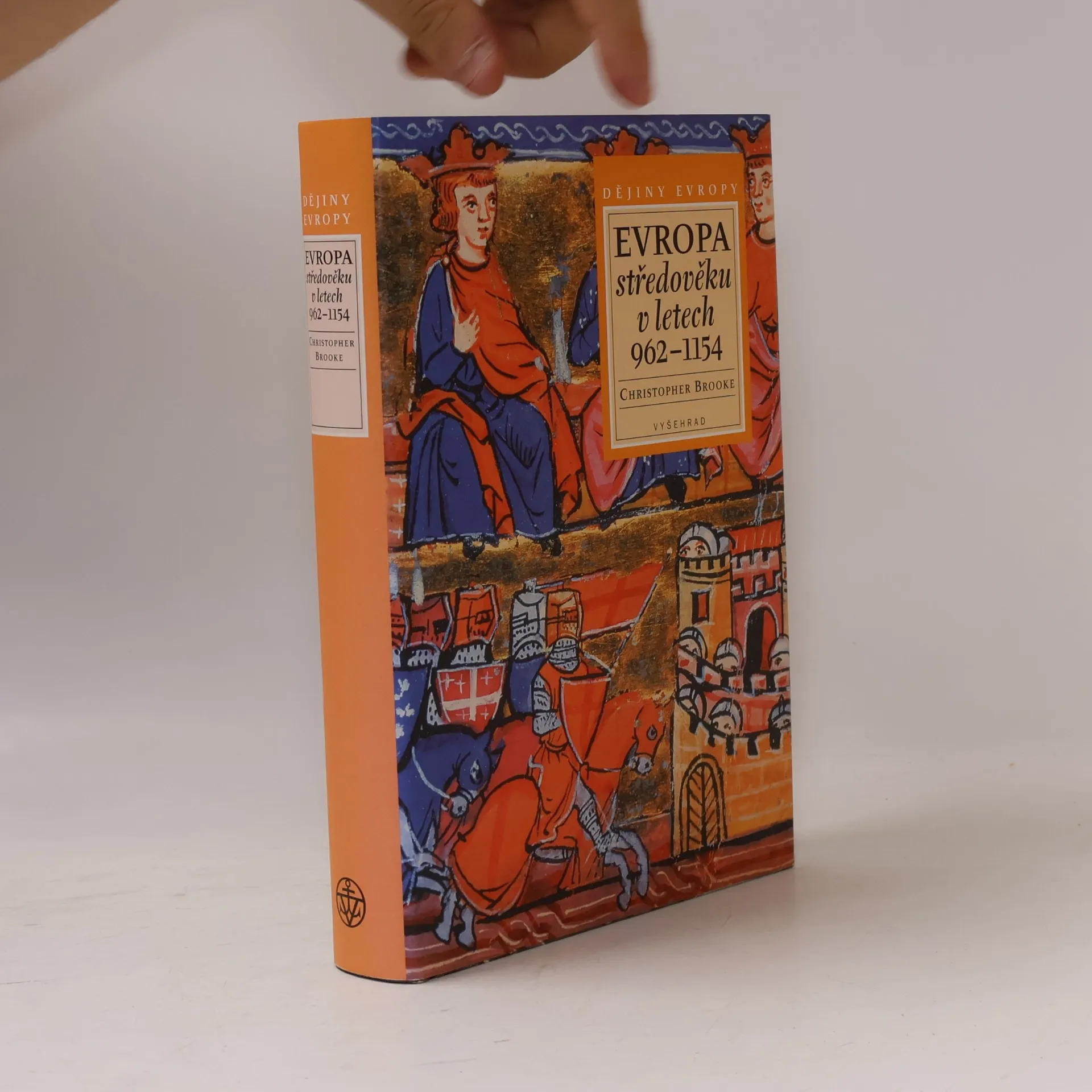
Další svazek z řady Dějiny Evropy navazuje na Evropu raného středověku Rogera Collinse, vydanou v loňském roce. Dvě staletí zahrnutá v předkládaném svazku přibližují Evropu v období velikých proměn. Veliké milénium, rok 1000, s sebou přineslo vlnu obav a očekávání, vzestup mysticky orientované zbožnosti i lidových kacířských hnutí. Evropa mezi 10. a 12. stoletím se otevírá geograficky – křížovými výpravami dosahuje Svaté země, aby zde uskutečnila jeden ze svých nejskvělejších snů, a dosáhla svého největšího nezdaru. Christopher Brooke se podrobně věnuje významným politickým dějům daného období – vzestupu a krizi svaté říše římské, reformě a vzrůstu moci papežství, normanským výbojům, boji mladé evropské společnosti s expanzivní mocí islámu a vztahu západní Evropy k Byzanci. Stranou autorova zájmu nezůstávají ani dějiny hospodářské a kulturní, pozornosti se dostane novým mnišským řádům, jako byli cisterciáci, i vůdčím postavám středověkého myšlení Anselmovi a Abélardovi. Kniha Christophera Brooka konečně neopomíjí ani dějiny všedního života, poutavě přibližuje mimo jiné postavení žen, role měst či pouti a cestování v Evropě „velkého milénia“.
The 400 years covered by this volume saw two Danish invasions and the Norman Conquest of England. Each conquest carried with it extensive political and social changes. Alfred began the work of creating a unified kingdom out of the shambles of the smaller kingdoms that had fallen under Viking raids. The ninth and tenth centuries saw the settlement of the Danes and the eleventh the emergence of a strong monarchy under the Danish King Cnut. "With the English kingdom grew up the first semblance of national institutions," writes Professor Brooks--institutions of central and local government which made the English monarchy among the most mature in the Europe of its time.... These established institutions were not destroyed by the Normans; they adapted and developed them. Although England had had close ties with the continent before the Conquest, after 1066 English cultural and social life was greatly enriched through the French influence. During this time the Church was finding new inspiration in monastic and papal reform and a great intellectual revival culminated in the creation of universities. Professor Brooke describes all the cultural and political developments of these years and shows how the reign of Henry III ushered in a "great age of art and architecture" and a "new attitude to government," which began to work by consent of the governed.