


Jessica Sternová se specializuje na mezinárodní bezpečnost a terorismus. Její práce se hluboce zabývá psychologií a ideologií teroristických skupin a motivací jednotlivců, kteří se k nim přidávají. Sternová zkoumá, jak politické a sociální faktory přispívají k šíření extremistických ideologií a jak lze těmto hrozbám čelit. Její analýzy nabízejí cenné poznatky pro pochopení složité povahy globálního terorismu a pro formulování účinných strategií jeho prevence a potlačování.
Exploring the deep impact of trauma and denial, this memoir delves into the author's journey to confront her unsolved adolescent sexual assault by a serial rapist. Through personal reflection and investigation, it reveals the complexities of memory, healing, and the long-lasting effects of violence, offering a poignant look at resilience and the quest for truth.
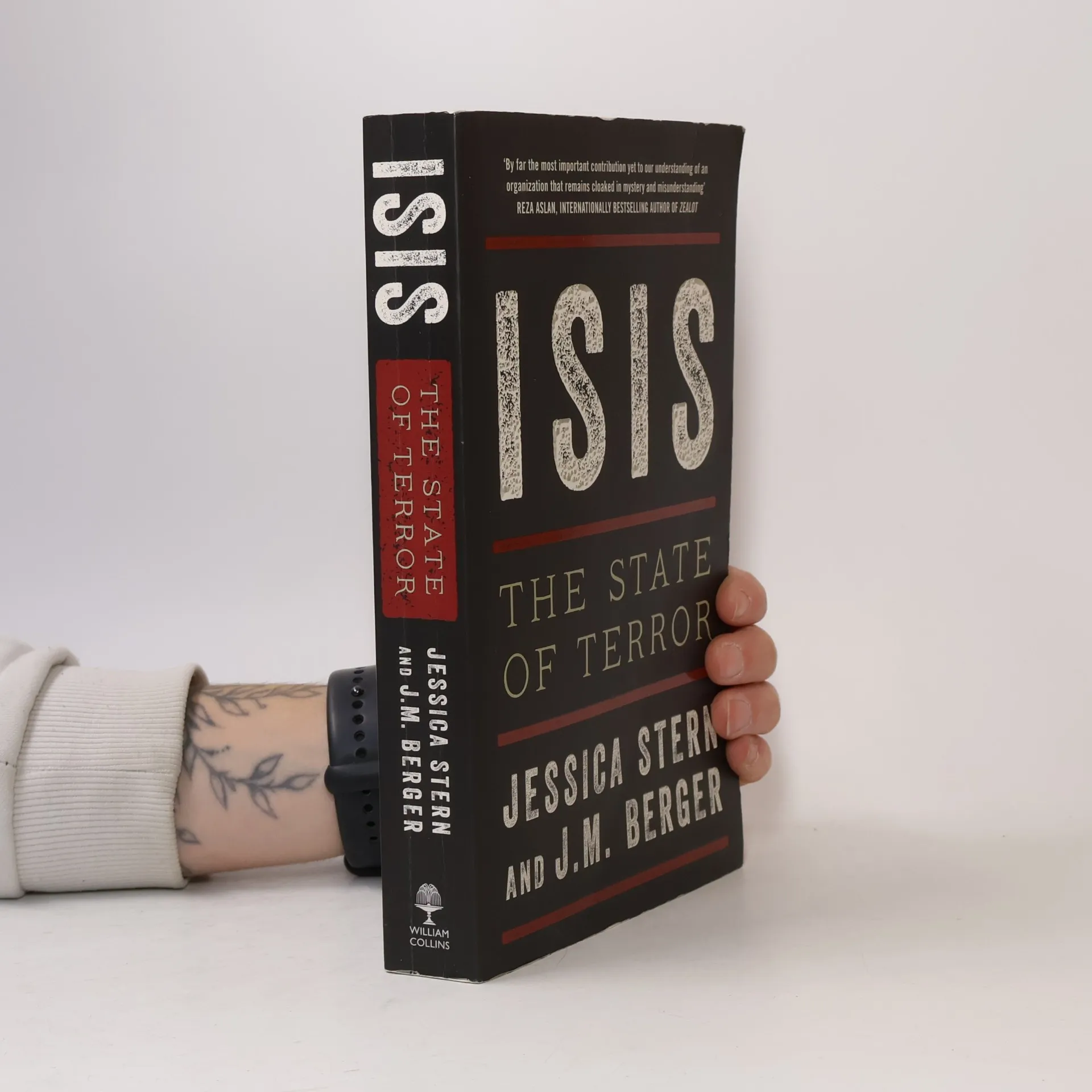
The Islamic State, known as ISIS, exploded into the public eye in 2014 with startling speed and shocking brutality. It has captured the imagination of the global jihadist movement, attracting recruits in unprecedented numbers and wreaking bloody destruction with a sadistic glee that has alienated even the hardcore terrorists of its parent organization, al Qaeda. Jessica Stern and J.M. Berger, two of America’s leading experts on terrorism, dissect the new model for violent extremism that ISIS has leveraged into an empire of death in Iraq and Syria, and an international network that is rapidly expanding in the Middle East, North Africa and around the world. ISIS: The State of Terror traces the ideological innovations that the group deploys to recruit unprecedented numbers of Westerners, the composition of its infamous snuff videos, and the technological tools it exploits on social media to broadcast its atrocities, and its recruiting pitch to the world, including its success at attracting thousands of Western adherents. The authors examine ISIS’s predatory abuse of women and children and its use of horror to manipulate world leaders and its own adherents as it builds its twisted society. The authors offer a much-needed perspective on how world leaders should prioritize and respond to ISIS’s deliberate and insidious provocations.
For four years, Jessica Stern interviewed extremist members of three religions around the world: Christians, Jews, and Muslims. Traveling extensively—to refugee camps in Lebanon, to religious schools in Pakistan, to prisons in Amman, Asqelon, and Pensacola—she discovered that the Islamic jihadi in the mountains of Pakistan and the Christian fundamentalist bomber in Oklahoma have much in common. Based on her vast research, Stern lucidly explains how terrorist organizations are formed by opportunistic leaders who—using religion as both motivation and justification—recruit the disenfranchised. She depicts how moral fervor is transformed into sophisticated organizations that strive for money, power, and attention. Jessica Stern's extensive interaction with the faces behind the terror provide unprecedented insight into acts of inexplicable horror, and enable her to suggest how terrorism can most effectively be countered. A crucial book on terrorism, Terror in the Name of God is a brilliant and thought-provoking work.
'Jessica Stern and J.M. Berger's new book, 'ISIS,' should be required reading
for every politician and policymaker...Their smart, granular analysis is a
bracing antidote to both facile dismissals and wild exaggerations....Stern and
Berger offer a nuanced and readable account of the ideological and
organizational origins of the group.' Washington Post
As bad as they are, why aren't terrorists worse? With biological, chemical and nuclear weapons at hand, they easily could be. Jessica Stern argues that the nuclear threat of the Cold War has been replaced by the more imminent threat of terrorist attacks with weapons of mass destruction.
"Between October 2014 and November 2016, global terrorism expert Jessica Stern held a series of conversations in a prison cell in The Hague with Radovan Karadžić, a Bosnian Serb former politician who had been indicted for genocide and other war crimes during the Bosnian War and who became an inspiration for white nationalists. Though Stern was used to interviewing terrorists in the field in an effort to understand their hidden motives, the conversations she had with Karadžić would profoundly alter her understanding of the mechanics of fear, the motivations of violence, and the psychology of those who perpetrate mass atrocities at a state level and who--like the terrorists she had previously studied--target noncombatants, in violation of ethical norms and international law." -- provided by publisher