

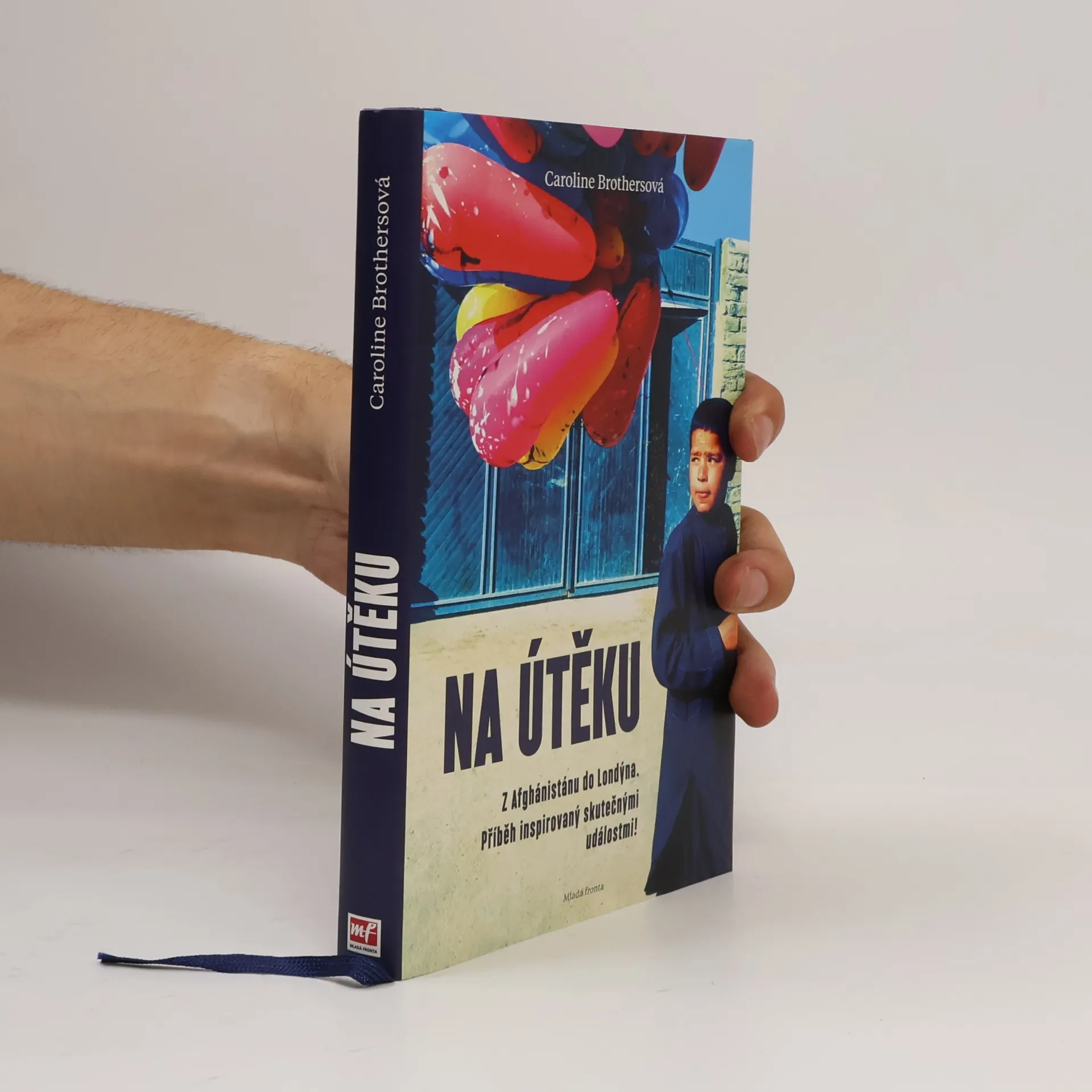
Dva chlapci na útěku před válkou. Nemají nic než oblečení v batohu na zádech a tenčící se hotovost po rodičích zašitou do výstelky pásku u kalhot. Aryan a jeho malý bratr Kabir se vydávají nákladním autem, lodí, vlakem, autobusem i pěšky napříč Evropou, která jim, jak zoufale doufají, nabídne budoucnost, s níž už se v Afghánistánu rozloučili. Kábul-Teherán-Istanbul-Athény-Řím-Paříž-Londýn: to je směr, kterého se drží, mantra, kterou opakují ve svých modlitbách, a jediná možnost, kterou před sebou vidí. Během cesty čelí hladu a vyčerpání, zimě a horku, násilí a zmatku, jsou nuceni pracovat v bezútěšných podmínkách a spoléhat se na lidi, kterým není radno věřit. Vždycky ale zbývá naděje a vzpomínky na domov. Je to příběh dvou chlapců, jejichž odvážné rozhodnutí poukazuje na ničivý dopad války na životy obyčejných lidí.
Caroline Brothers Knihy
Caroline Brothersová se narodila v Austrálii a má doktorát z historie. Po letech práce zahraniční korespondentky v Evropě a Latinské Americe se usadila v Paříži. Její psaní se zaměřuje na hluboké lidské zkušenosti a historické události, přičemž její styl je popisován jako pronikavý a citlivý. Ve svých dílech zkoumá složitost vztahů a dopad historie na jednotlivce.


The Memory Stones
- 480 stránek
- 17 hodin čtení
Buenos Aires, 1976. Osvaldo Ferrero, a distinguished doctor, and his wife Yolanda escape the city with their daughters, sensible Julieta and wilful Graciela, who is nineteen and madly in love. On their return, the Argentine military stages a coup. Friends disappear overnight, and Osvaldo is forced to flee to Europe. When her fiancé is abducted, Graciela goes into hiding, then she vanishes in turn. As Yolanda fights on the ground for some trace of their beloved daughter, she soon realises she may be fighting for an unknown grandchild as well...
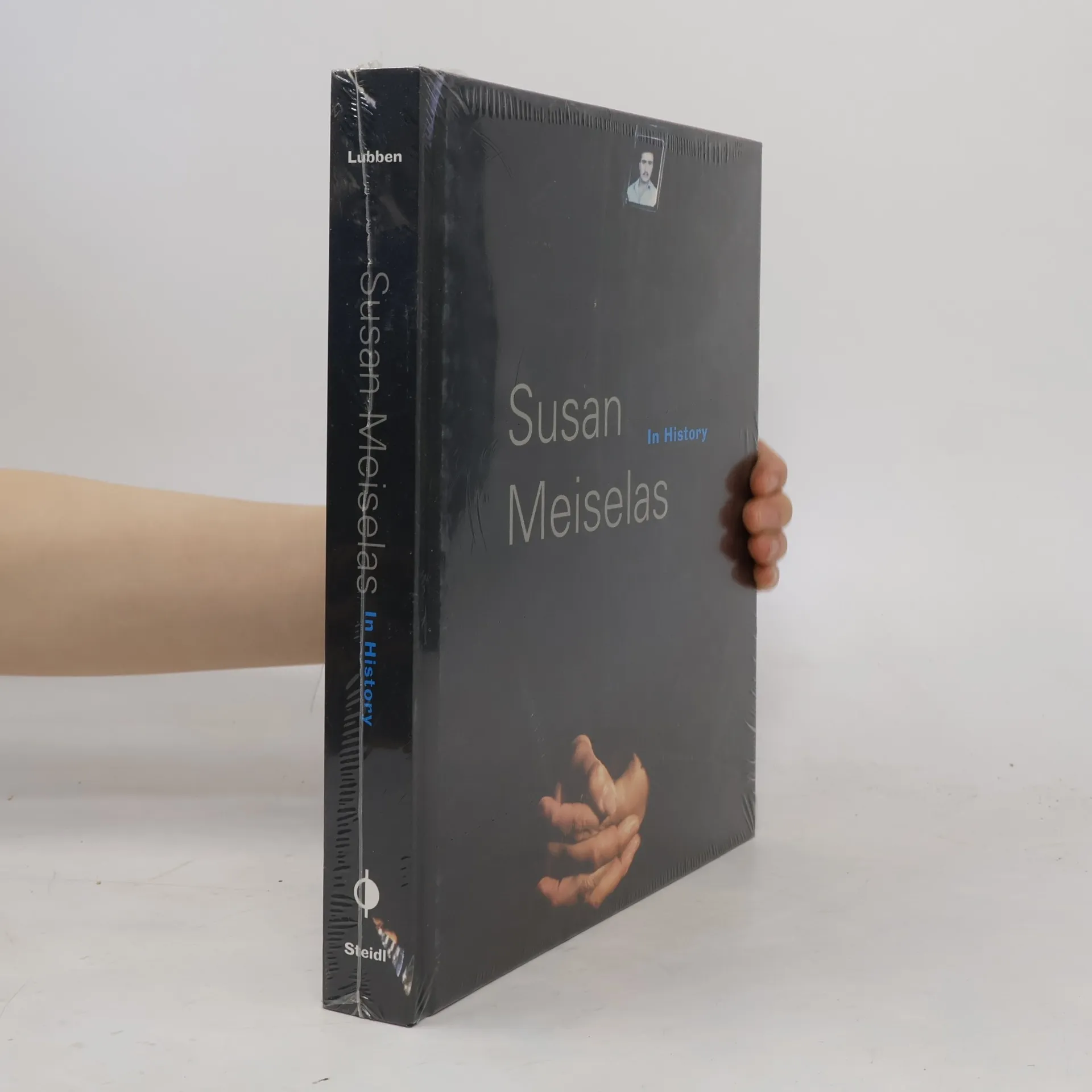
Susan Meiselas, In History
- 355 stránek
- 13 hodin čtení
Since the 1970s, questions of ethics raised by documentary practice have been central to debates in photography. Perhaps no other photographer has so closely and consistently represented and participated in these debates than Susan Meiselas. An American photographer best known for her work covering the political upheavals in Central America in the 1970s and 80s--including the El Mozote massacre in El Salvador--Meiselas' process has evolved in radical and challenging ways as she has grappled with essential questions about her relationship to her subjects, the use and circulation of her images in the media and the relationship of images to history and memory. Meiselas is under no illusions about the dual nature of the photographer's role as "The camera is an excuse to be someplace you otherwise don't belong. It gives me both a point of connection and a point of separation." Her tenacious engagement with these matters has made her a leading commentator in the debate on contemporary photojournalism. With 200 plates and contributions from some of photography's finest theorists--among them David Levi Strauss, Lucy Lippard, Kristen Lubben, Jan-Erik Lundstrom and Allan Sekula--this volume gives an overview of Meiselas' enormously varied and courageous work to date.