One of the world's leading specialists in Indo-European religion and society, Bruce Lincoln expresses his doubts about the existence of a prototypical Indo-European religion in these essays, written over fifteen years. The collection, with six previously unpublished essays, is divided into three parts. Part I explores haunting images of the Otherworld across cultures, presenting data that, while later rejected by Lincoln, remains valuable for the topics discussed. In Part II, Lincoln shifts focus from dying to killing, examining data from a single culture area. Notably, he connects sacrifice to physiology, revealing how ancient discourses linked the cosmos, human body, and society in an ideologically charged manner. Part III presents Lincoln's most controversial arguments against a hypothetical Indo-European protoculture, critiquing Georges Dumézil's work as influenced by political concerns associated with French fascism. This collection serves as an invaluable resource for students of myth, ritual, ancient societies, anthropology, and the history of religions. Bruce Lincoln is a professor of humanities and religious studies at the University of Minnesota.
Wendy Doniger Knihy


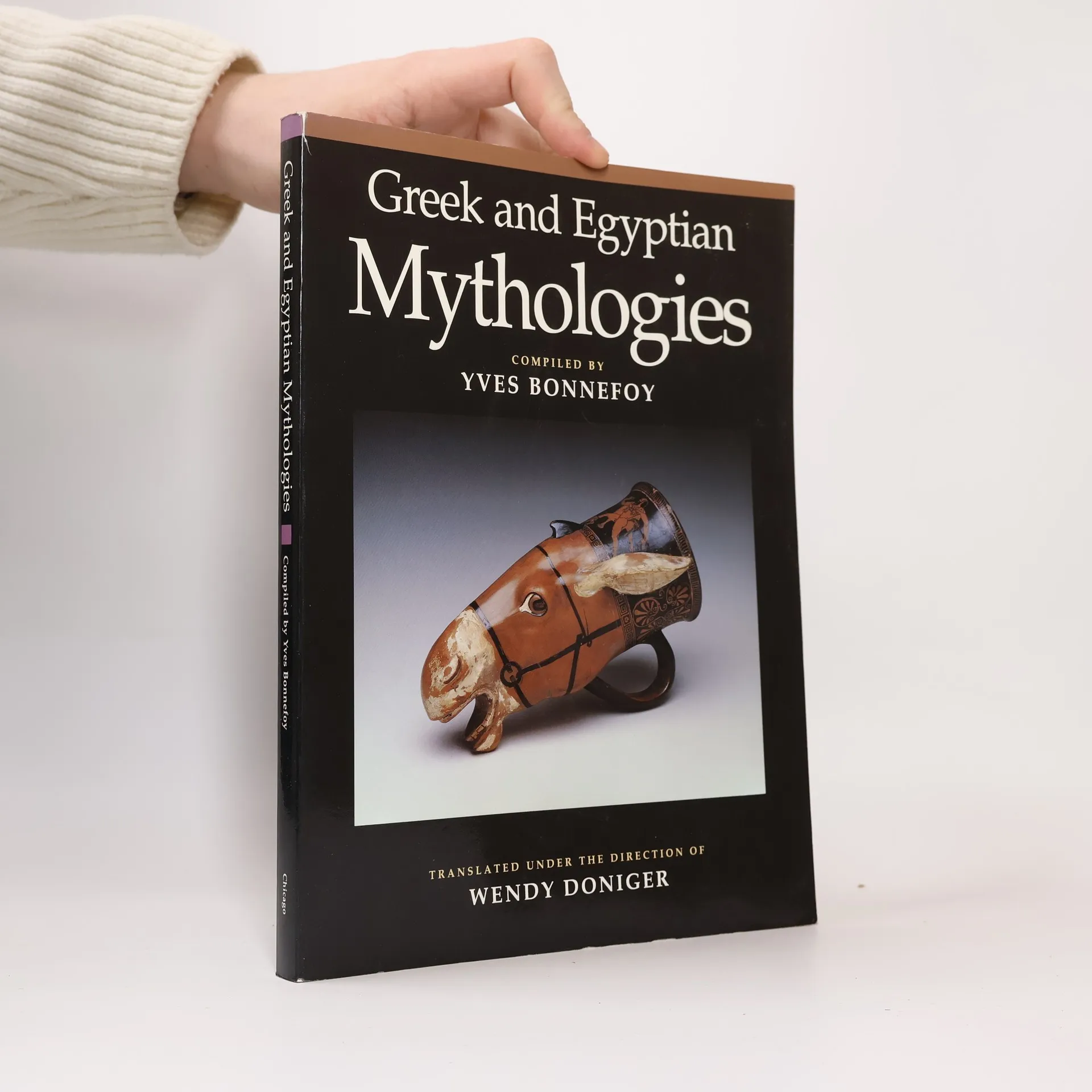

Greek and Egyptian Mythologies
- 294 stránek
- 11 hodin čtení
The seventy-two entries in this volume explore, among other topics, the history, geography, and religion of Greece, Plato's mythology and philosophy, the powers of marriage in Greece, heroes and gods of war in the Greek epic, and origins of mankind in Greek myths. Ancient Egyptian cosmology, anthropology, rituals, and religion—closely linked to Greek mythology—are also discussed."In a world that remains governed by powerful myths, we must deepen our understanding of ourselves and others by considering more carefully the ways in which the mythological systems to which we cling and social institutions and movements to which we are committed nourish each other. Yves Bonnefoy's Mythologies not only summarizes the progress that has already been made toward this end, but also lays the foundation for the difficult work that lies ahead."—Mark C. Taylor, New York Times Book Review"The almost 100 contributors combine, with characteristic precision and élan, the arts of science and poetry, of analysis and translation. The result is a treasury of information, brilliant guesswork, witty asides, and revealing digressions. This is a work of genuine and enduring excitement."—Thomas D'Evelyn, Christian cience Monitor
Šamanizmus je súčasne mystikou, mágiou a náboženstvom v širšom slova zmysle. Autor k nemu pristupuje z hľadiska histórie náboženstva. Snaží sa čitateľa zoznámiť s rôznymi historickými i kultúrnymi aspektami a v hlavných rysoch načrtáva stručné dejiny formovania šamanizmu v strednej a severnej Ázii. Analyzuje jeho ideológiu, zamýšľa sa nad jeho technikami, symbolikou a mytológiami. Z obsahu: Metody získávání šamanů, Iniciační nemoci a sny, Získání šamanských schopností, Šamanismus ve střední a severní Asii, v Severní a Jižní Americe, Šamanské techniky v Tibetu a Číně aj.
Śiva : the erotic ascetic
- 416 stránek
- 15 hodin čtení
Originally published under the title Asceticism and Eroticism in the Mythology of Siva, this book traces the development of an Indian approach to an enduring human dilemma: the conflict between spiritual aspirations and human desires. The work examines hundreds of related myths and a wide range of Indian texts--Vedic, Puranic, classical, modern, and tribal--centering on the stories of the great ascetic, Siva, and his erotic alter ego, Kama.
The Rig Veda
- 343 stránek
- 13 hodin čtení
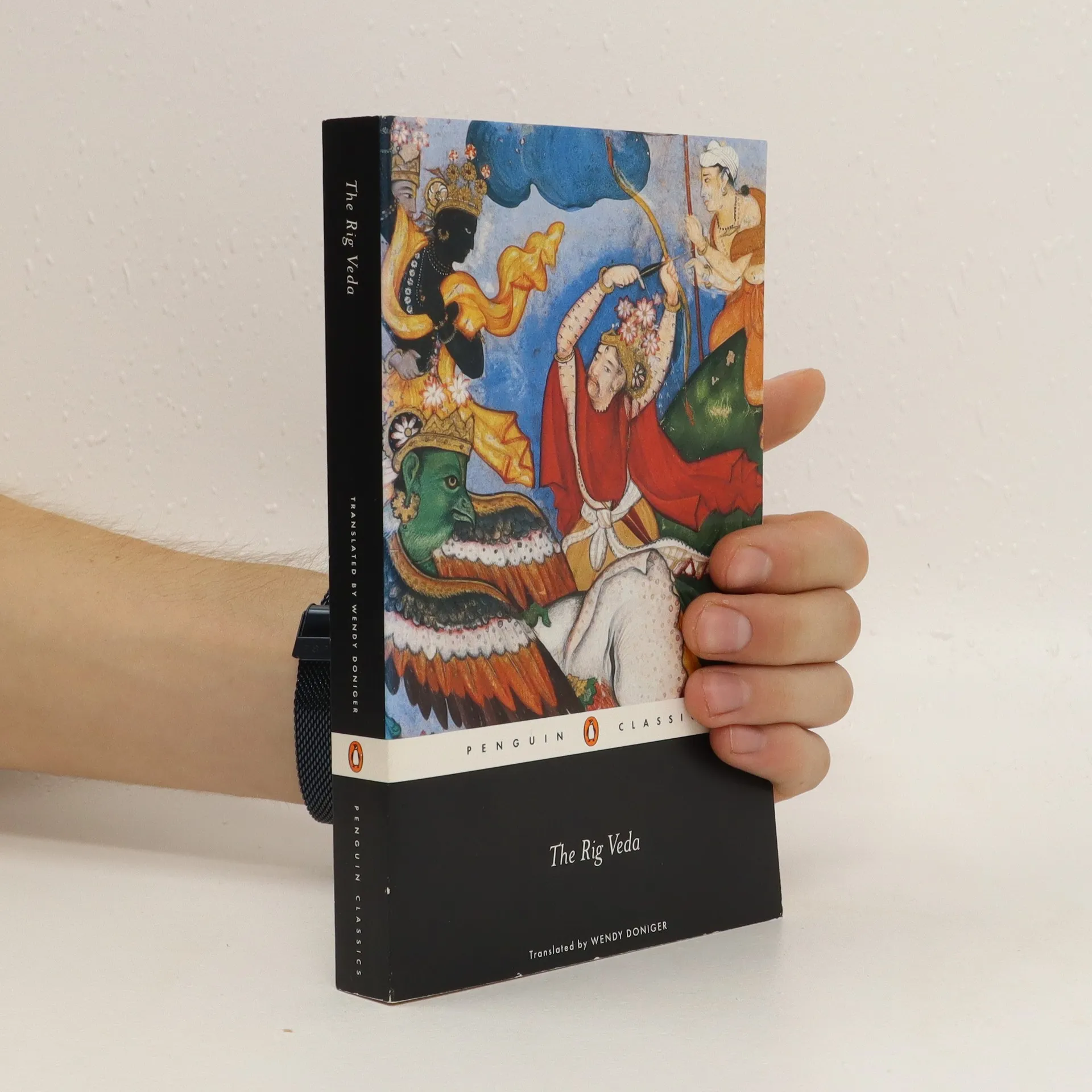
The earliest of the four Hindu religious scriptures known as the Vedas, and the first extensive composition to survive in any Indo-European language, the Rig Veda is a collection of over 1000 individual Sanskrit hymns. A work of intricate beauty, it provides a unique insight into early Indian mythology, religion and culture. This selection of 18 of the hymns, chosen for their eloquence and wisdom, focuses on the enduring themes of creation, sacrifice, death, women, the sacred plant soma and the gods. Inspirational and profound, it provides a fascinating introduction to one of the founding texts of Hindu scripture, an awesome and venerable ancient work of Vedic ritual, prayer, philosophy, legend and faith.
Asian Mythologies
- 400 stránek
- 14 hodin čtení
These 130 articles explore mythologies in societies from India to Japan. Among the many topics are Buddhist and Hindu symbolic systems, myth in pre-Islamic Iran, Indonesian rites of passage, Chinese cosmology and demons, and Japanese conceptions of the afterlife and the "vital spirit." The mythological traditions of Turkey, Korea, Tibet, and Mongolia are also included."The almost 100 contributors combine, with characteristic precision and élan, the arts of science and poetry, of analysis and translation. The result is a treasury of information, brilliant guesswork, witty asides, and revealing digressions. This is a work of genuine and enduring excitement."—Thomas D'Evelyn, Christian Science Monitor
An American Girl in India:
- 256 stránek
- 9 hodin čtení
Twenty-two-year-old Wendy Doniger arrived in Calcutta in August 1963, on a scholarship to study Sanskrit and Bengali. It was her first visit to the country. Over the coming year--a lot of it spent in Tagore's Shantiniketan--she would fall completely in love with the place she had till then known only through books.The India she describes in her letters back home to her parents is young, like her, still finding its feet, and learning to come to terms with the violence of Partition. But it is also a mature civilization which allows Vishnu to be depicted on the walls in a temple to Shiva; a culture of contradictions where extreme eroticism is tied to extreme chastity; and a land of the absurd where sociable station masters don't let train schedules come in the way of hospitality. The country comes alive though her vivid prose, introspective and yet playful, and her excitement is on full display whether she is telling of the paradoxes of Indian life.
The Lives of Animals
- 144 stránek
- 6 hodin čtení
In her later years, novelist Elizabeth Costello becomes consumed by the idea of human cruelty to animals, leading her to avoid eye contact with others. She perceives meat-eaters as conspirators in a vast crime occurring in farms, slaughterhouses, and laboratories worldwide. Her son, a physics professor, admires her literary accomplishments but dreads her animal rights lectures at his college, where her views are met with skepticism. Colleagues challenge her assertion that human reasoning is overrated and that life's value isn't diminished by the inability to reason. At a dinner following her lecture, guests express a range of reactions to animal rights, sparking discussions that touch on philosophical, anthropological, and religious themes. While her son finds her views offensive and eccentric, he also recognizes their unsettling validity. Nobel Prize-winning author J.M. Coetzee uses fiction to explore the complexities of animal rights through Costello's experiences of mortality, compassion for animals, and alienation from humanity, including her family. Presented as a Tanner Lecture at Princeton University, the narrative engages with literature, philosophy, and deep convictions, followed by responses from prominent thinkers. Coetzee's work, alongside essays from various scholars, delves into the social ramifications of moral conflict and confrontation.
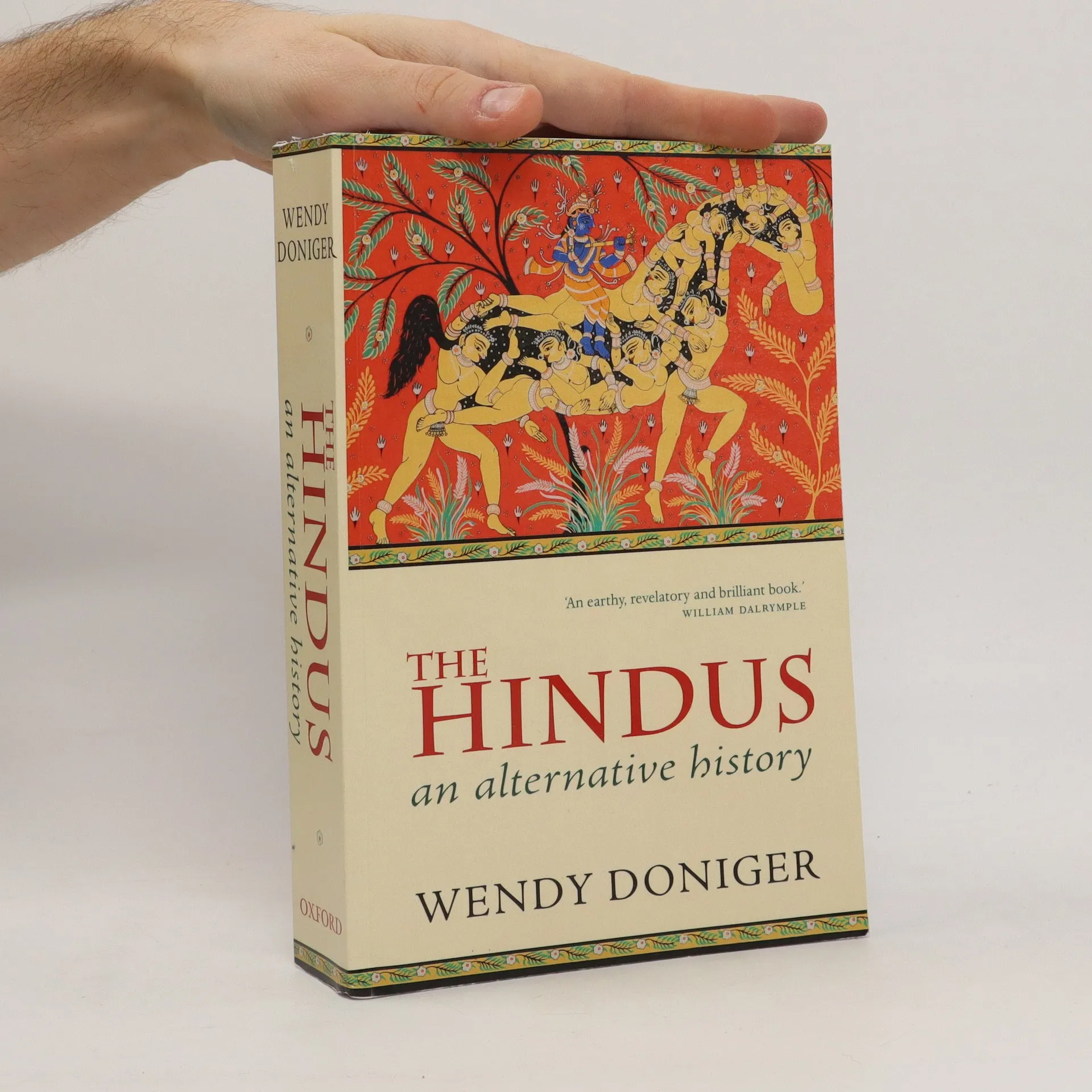
The Hindus : an alternative history
- 779 stránek
- 28 hodin čtení
An engrossing and definitive narrative account of history and myth that offers a new way of understanding one of the world's oldest major religions from one of the world's foremost scholars on Hinduism.
In confronting these tension, they provide an outline of the most troubling questions in the field and offer a variety of responses to them.
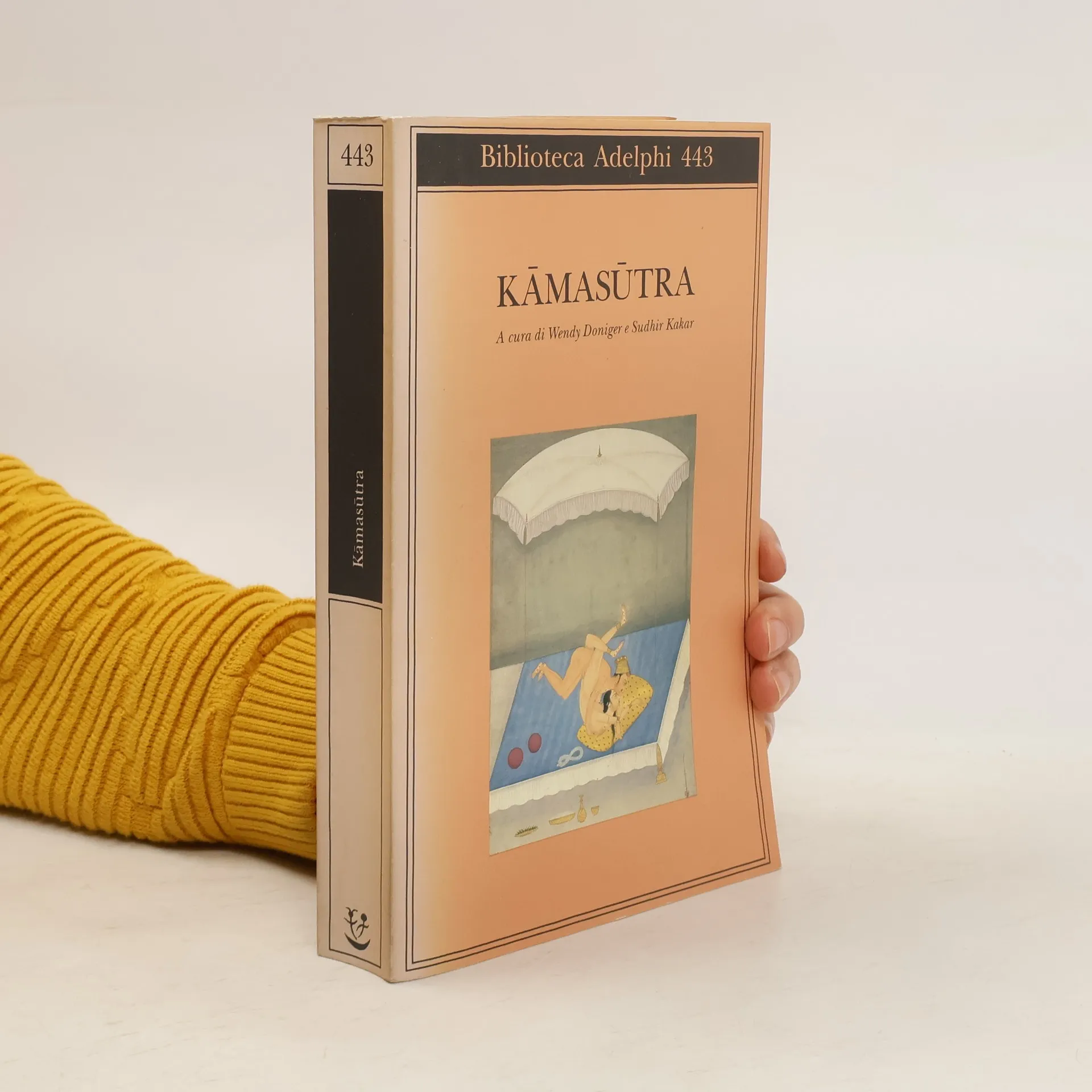
Biblioteca Adelphi - 443: Kāmasūtra
- 335 stránek
- 12 hodin čtení
Amori leciti e illeciti, tattiche di seduzione, cataloghi di carezze, gemiti e percosse, posizioni erotiche consigliate o da evitare, suggerimenti per mariti e mogli, e consigli per cortigiane su come gestire relazioni. Questo è solo un assaggio di un’India sconosciuta, ben diversa dalle immagini bigotte occidentali, che emerge nel trattato sull’arte erotica composto da Vātsyāyana Mallanāga nel III secolo d.C. Wendy Doniger, una delle più versatili indologhe contemporanee, offre una nuova interpretazione del testo, lontano dalle prime traduzioni europee edulcorate o censurate, ma anche dalla riduzione a mera pornografia. Attraverso un commento moderno in hindi e il più antico a noi pervenuto, la Doniger restituisce il testo nella sua saggezza fondamentale, rivolta a un pubblico colto e raffinato, composto da aristocratici, mercanti e giovani ambiziosi. Questo manuale è prezioso per comprendere la concezione della sessualità nell’India classica, presentando un'affascinante ironia nella sua gravità. Il Kāmasūtra delinea una società che ha esplorato il kāma, il "desiderio", condensando il suo sapere in un manuale simile al Cortegiano, che insegna come comportarsi fino a quando, come osserva Vātsyāyana, "la ruota dell’estasi sessuale gira a pieno ritmo", momento in cui "non vi è manuale che tenga".
edition suhrkamp - 2102: Der Mann, der mit seiner eigenen Frau Ehebruch beging
- 146 stránek
- 6 hodin čtení
1999 145 S. Softcover Frankfurt/M., Suhrkamp,
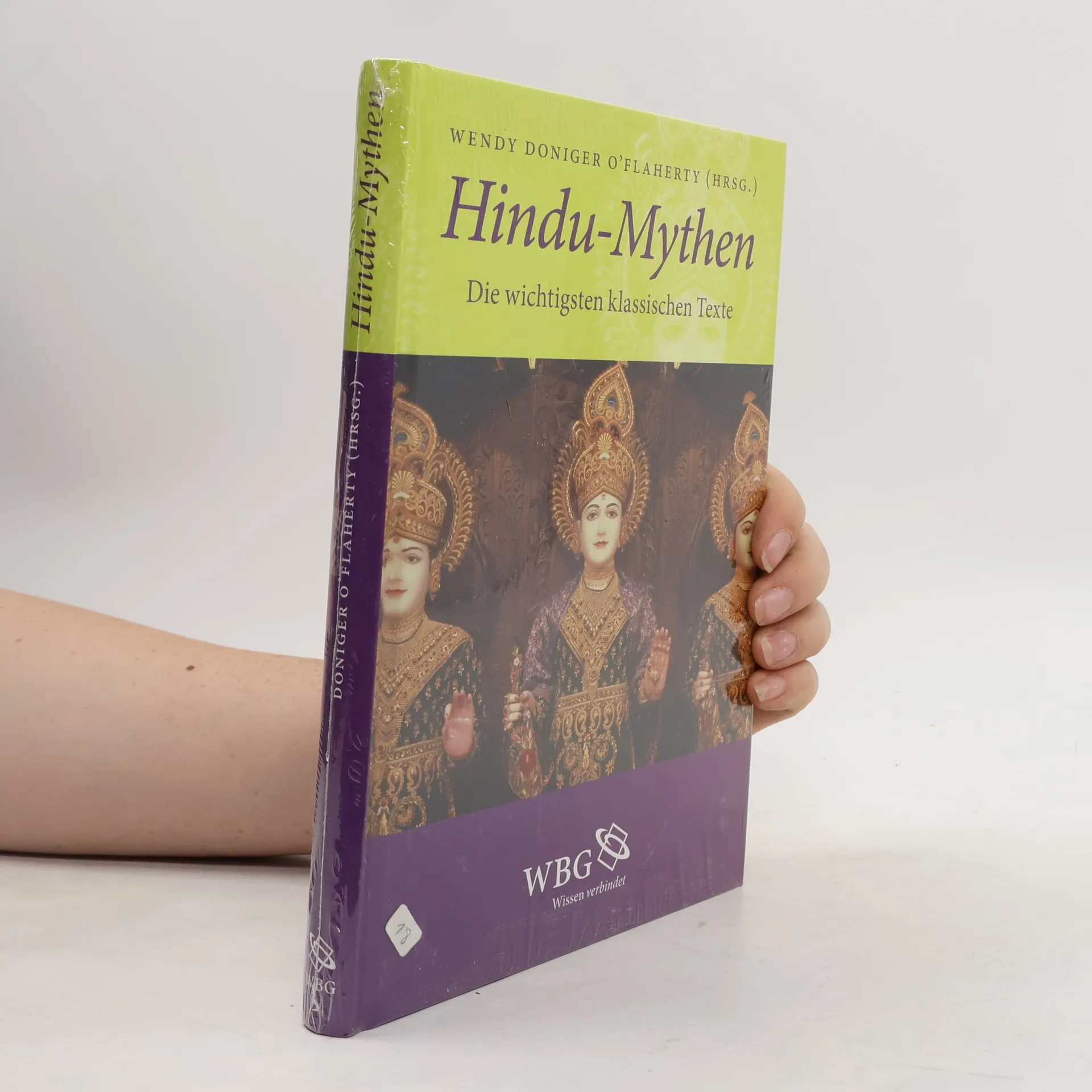
Erstmals wird hier eine kommentierte Zusammenstellung klassischer Texte des Hinduismus aus vielen Jahrhunderten in deutscher Übersetzung präsentiert. Die Übersetzung eines bekannten Klassikers des englischsprachigen Raums gibt dem Leser einen guten Überblick über das hinduistische Denken und seine Mythen. Die fachkundige Kommentierung und historische Einordnung erleichtern das Verständnis.