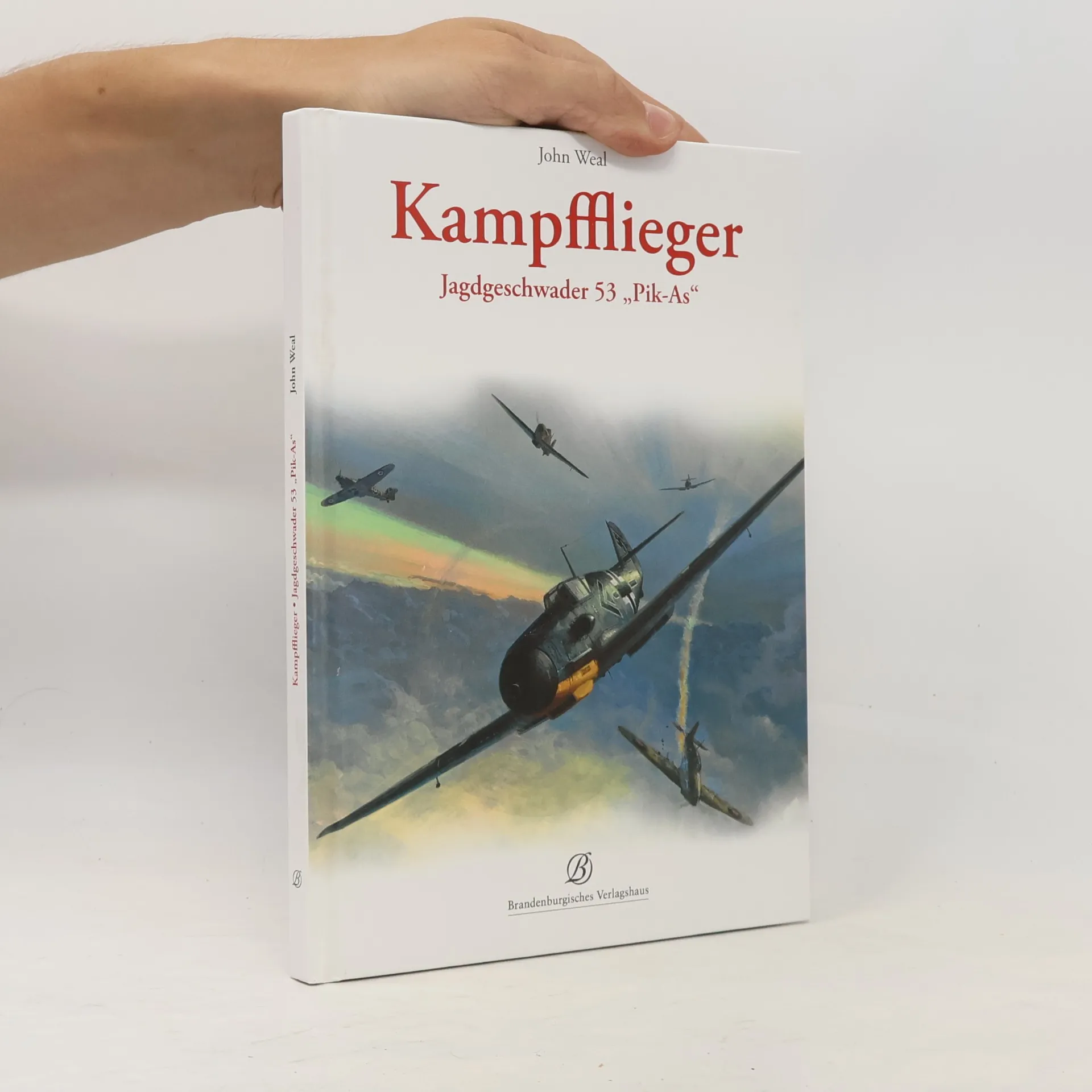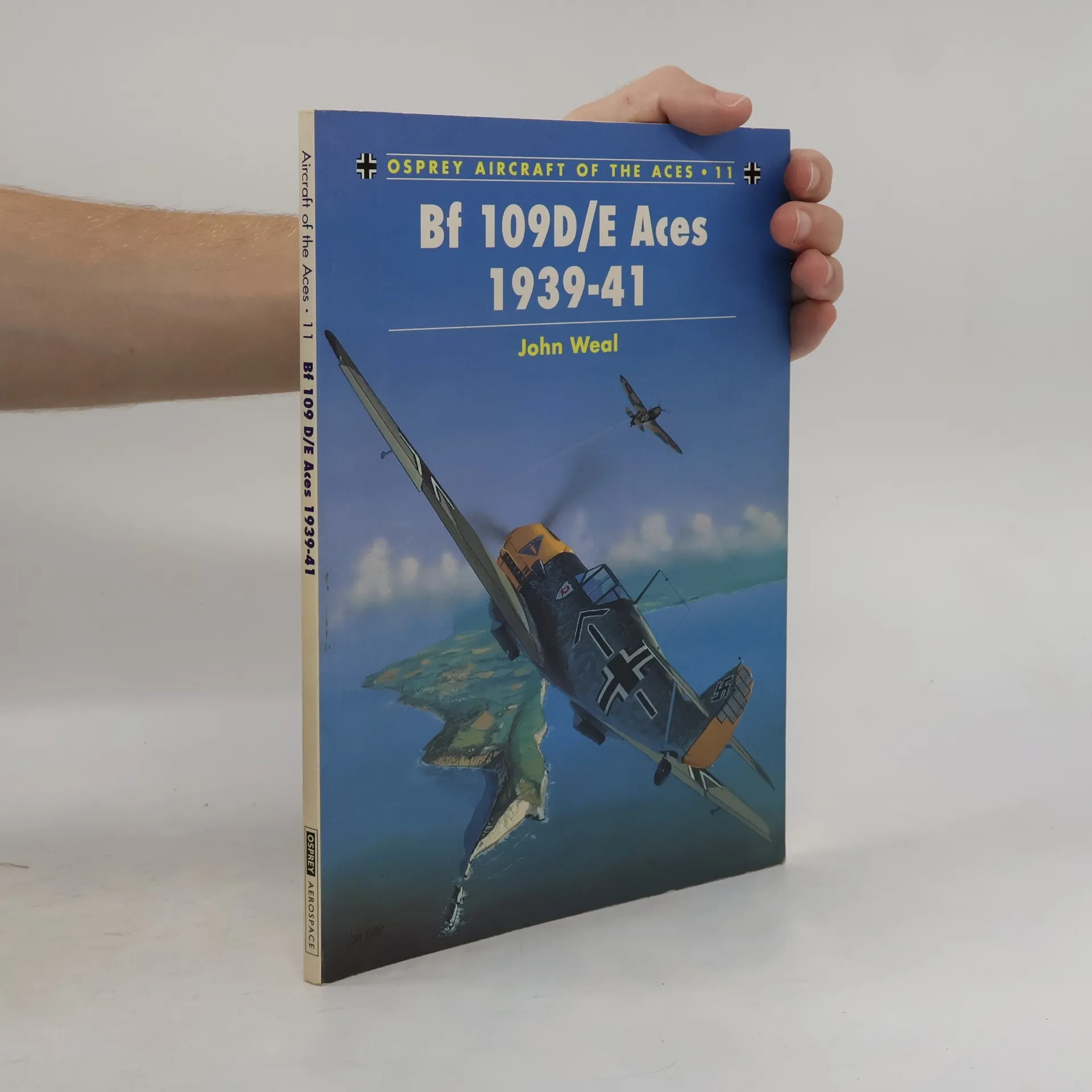
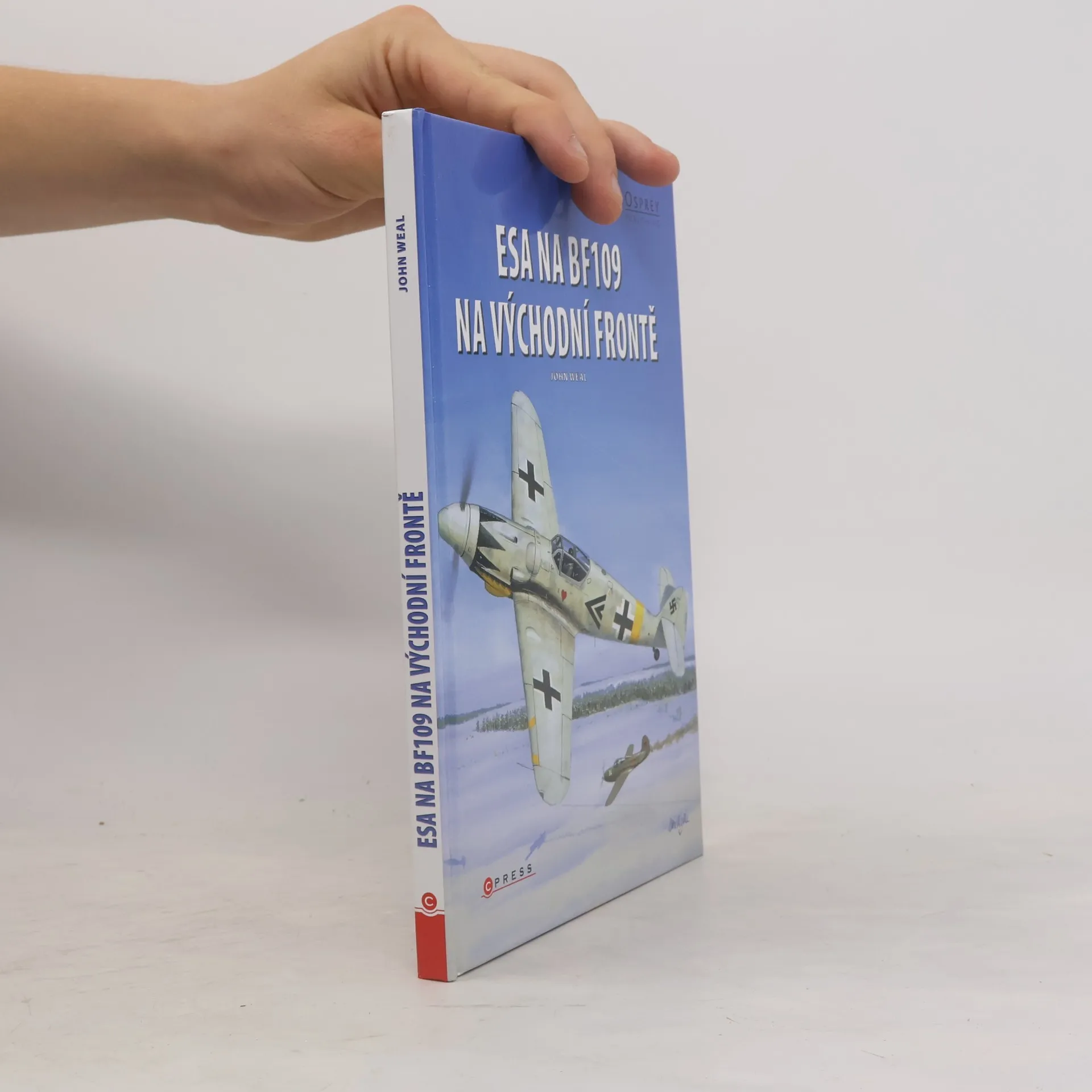
Poznejte historicky nejúspěšnější stíhací esa jagdwaffe, piloty, kteří se zůčastnili krvavých bojů na východní frontě v letech 1941 - 1945. Kniha detailně seznamuje s průběhem jednotlivých bojů, s životními osudy samotných pilotů i postupným vývojem letounu Bf 109, na kterém dosahovali svých úspěchů.
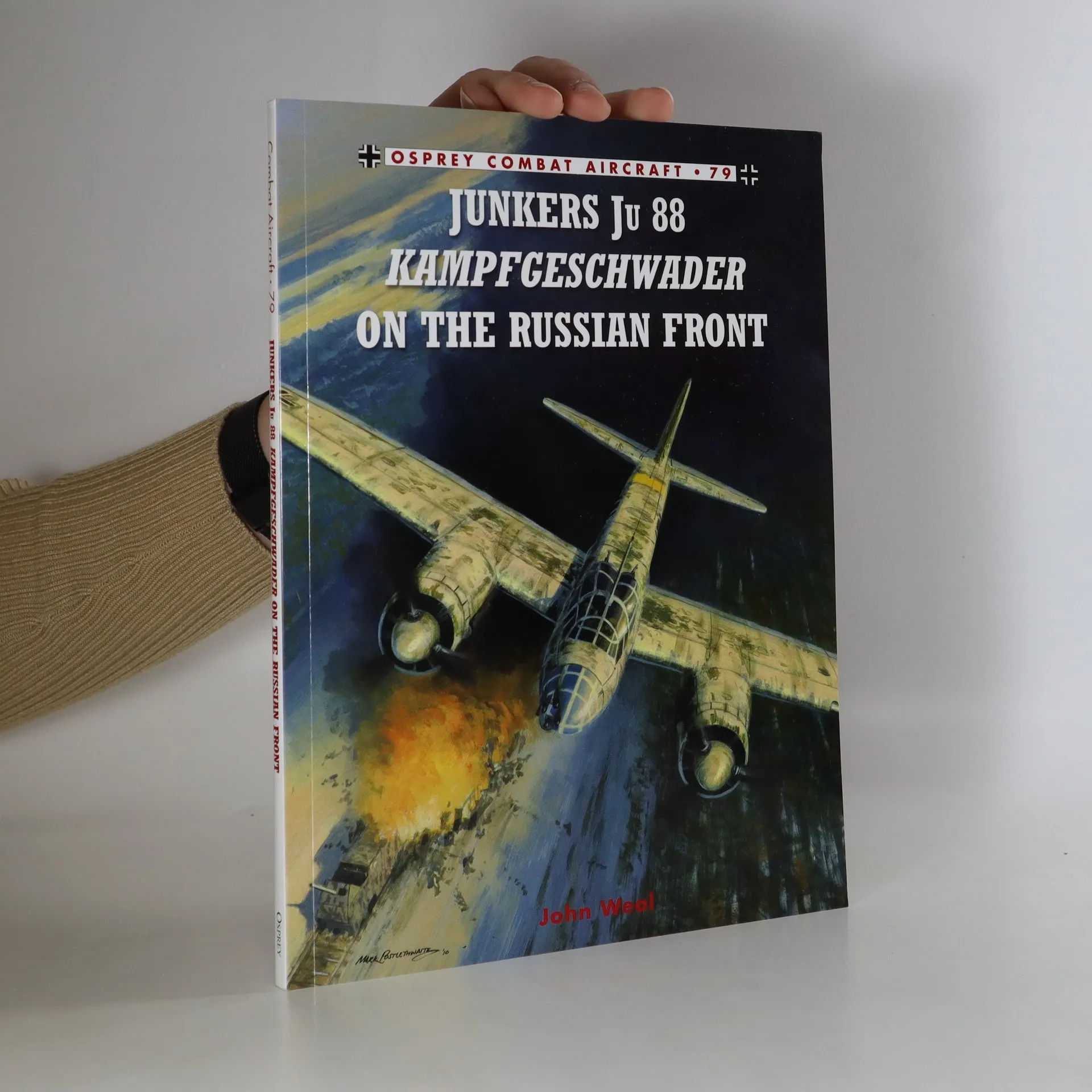
Completing Osprey's triliogy on the Ju 88 Kampfgeschwader this new volume focuses on activities on the Eastern Front during World War II (1939-1945). Comprising the main punch of the Luftwaffe's bomber arm during the initial invasion of the Soviet Union, the Ju 88 participated in a number of early strategic bomber raids on Moscow before assuming responsibility for supporting the Wehrmacht's ground forces in the field. In this role, the Ju 88s attacked bridges, road and rail communications, and troop concentrations and gave rise to many individual incidents that contribute to a varied and interesting narrative.Along with this main narrative, the book also covers the role the Ju 88s played in attacking the artic convoys that were shipping allied war supplies to Russia, and the several variant models that were employed. The strangest of these was a Ju 88 packed with explosives and guided by a fighter clipped onto its back that was used as a giant bomb against the Russians as they were approaching Berlin late in the war.
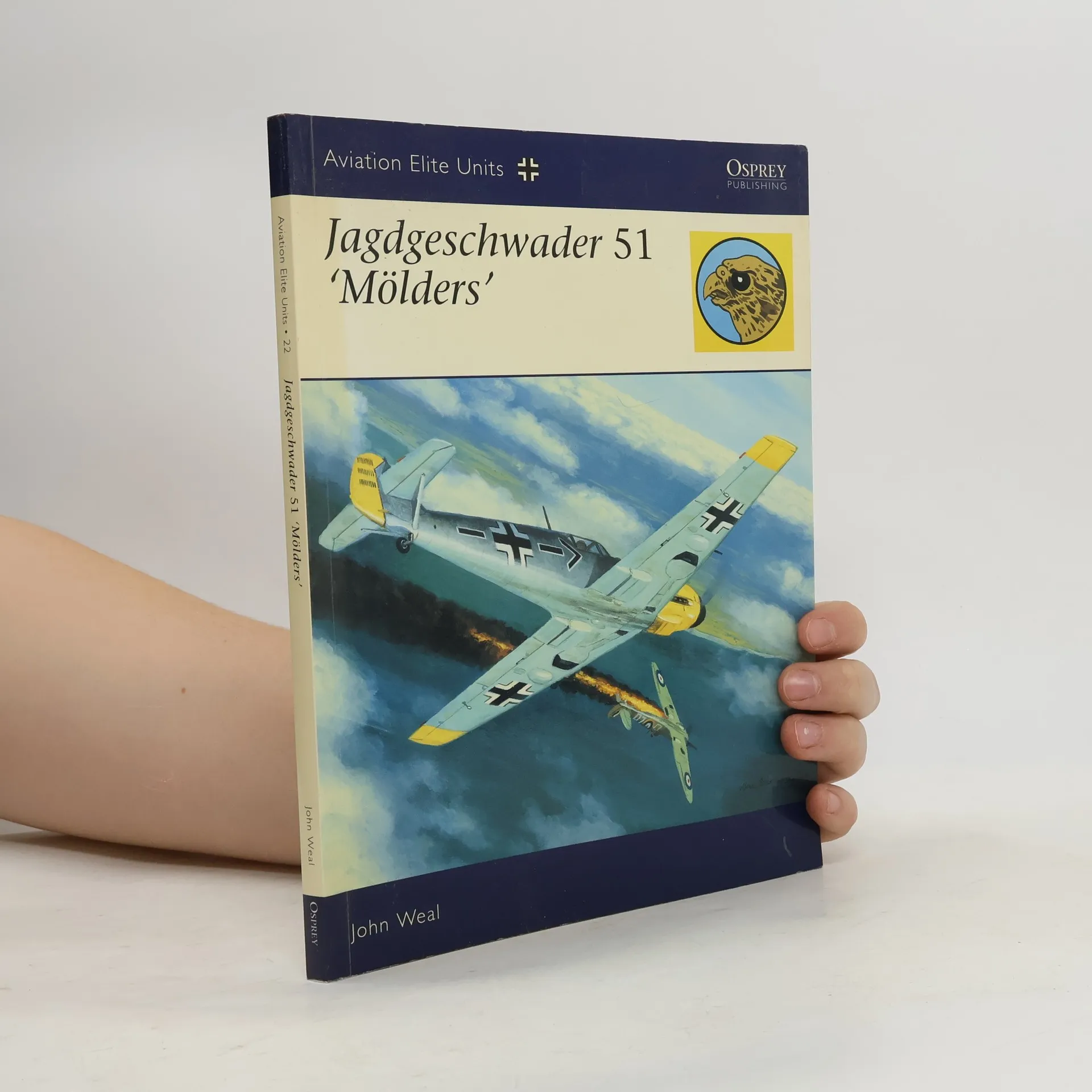
JG 51 is Luftwaffe's top wartime fighter units. The unit's history encapsulates the fortunes of the Luftwaffe's fighter arm as a whole - the heady successes of the early months, the steady attrition and the growing strength of the opposition during the mid-war years, and the final chaos and collapse of the last days.
The 'terror weapon' of the invasion of Poland at the start of World War II (1939-1945), the assault on Scandinavia and the Blitzkrieg through western Europe, the Ju 87 Stuka had had its reputation severely dented during the Battle of Britain, where its vulnerability to fighter aircraft in hostile skies was savagely exposed. Licking their wounds, the Stukageschwader were sent south-east from their bases in France to the warmer climes of the Balkans in early 1941. In mid-1941, again frustrated at the inability of the Italians to defeat numerically inferior Allied forces, the Germans arrived in North Africa. Included in the force were Ju 87s. However, like operations on the African continent, their efforts were doomed to failure, and from mid-1942 onwards the Stuka proved to be little more than cannon fodder for Allied fighters.
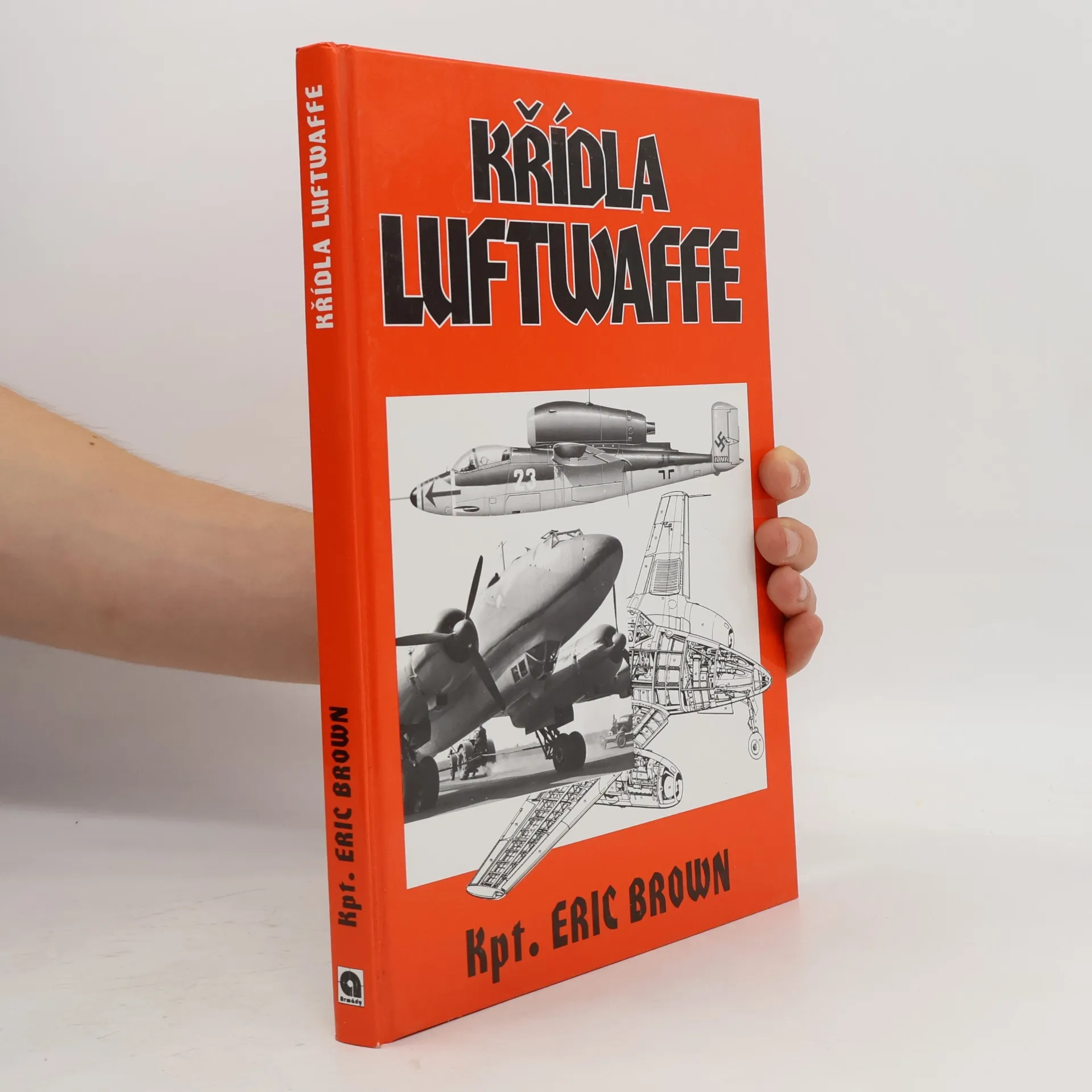
Kniha, je unikátní - zachycuje zážitky anglického pilota kapitána Erika Browna s pilotováním 18 typů letadel německé Luftwaffe, která osobně po skončení 2. světové války testoval. Jeho postřehy a příhody jsou bohatě doprovázeny unikátními fotografiemi a navíc u každého popisovaného letounu najdete podrobný perspektivní řez daným letounem a i nákres přesného uspořádání přístrojů v jeho kabině....