

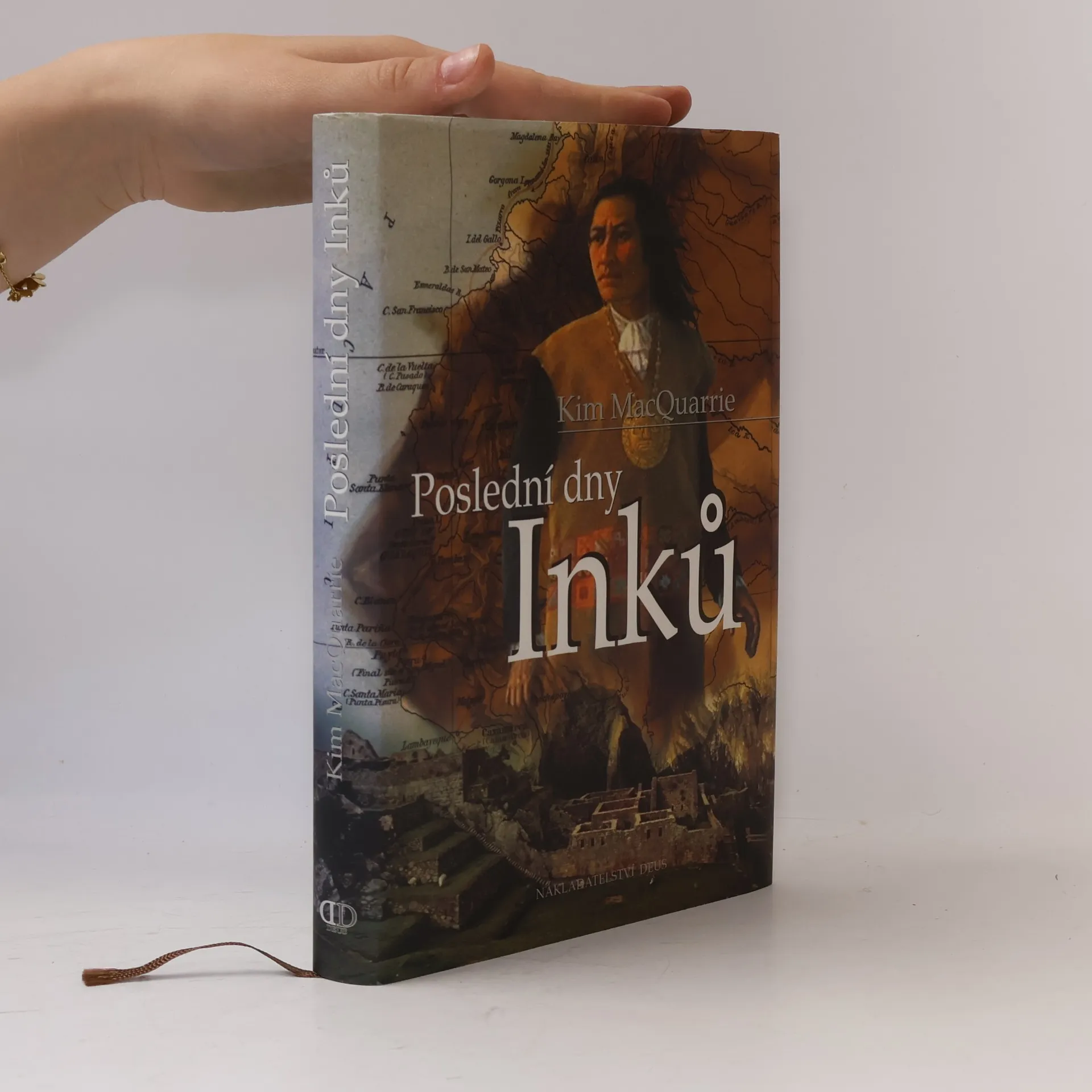
Příběh legendárního města Inků Vilcabamby byl stovky let ukrytý ve starých španělských kronikách. V džungli vybudované město se stalo obávanou baštou Inků do doby, než ho Španělé v roce 1572 úplně vyplenili a zajali a popravili posledního krále Inků Tupaca Amaru. O více než tři sta let později Hiram Bingham náhodou objevil ruiny Macchu Picchu a oznámil, že našel město Vilcabamba. Nepletl se? O dalších padesát let později bylo objeveno skutečné město Vilcabamba... Jsou v peruánských džunglích ještě nějaké další pozůstatky incké říše, které mají být teprve objeveny? A co se stalo s ohromným bohatstvím Inků z města Vilcabamba?
Kim MacQuarrie Knihy
Kim MacQuarrie je nositel ocenění, filmař a antropolog, jehož díla se noří do vzdálených kultur a historie. Jeho rozsáhlé terénní výzkumy v Jižní Americe, kde žil s domorodými kmeny a zkoumal skryté regiony, mu poskytly jedinečnou perspektivu. MacQuarrieho práce se zaměřuje na prozkoumávání dramatických střetů mezi civilizacemi, jako je dopad Incké říše na moderní společnost. Jeho literární styl je zakořeněn v antropologickém výzkumu a filmových technikách, což čtenářům přináší poutavé a hluboce informativní vyprávění.
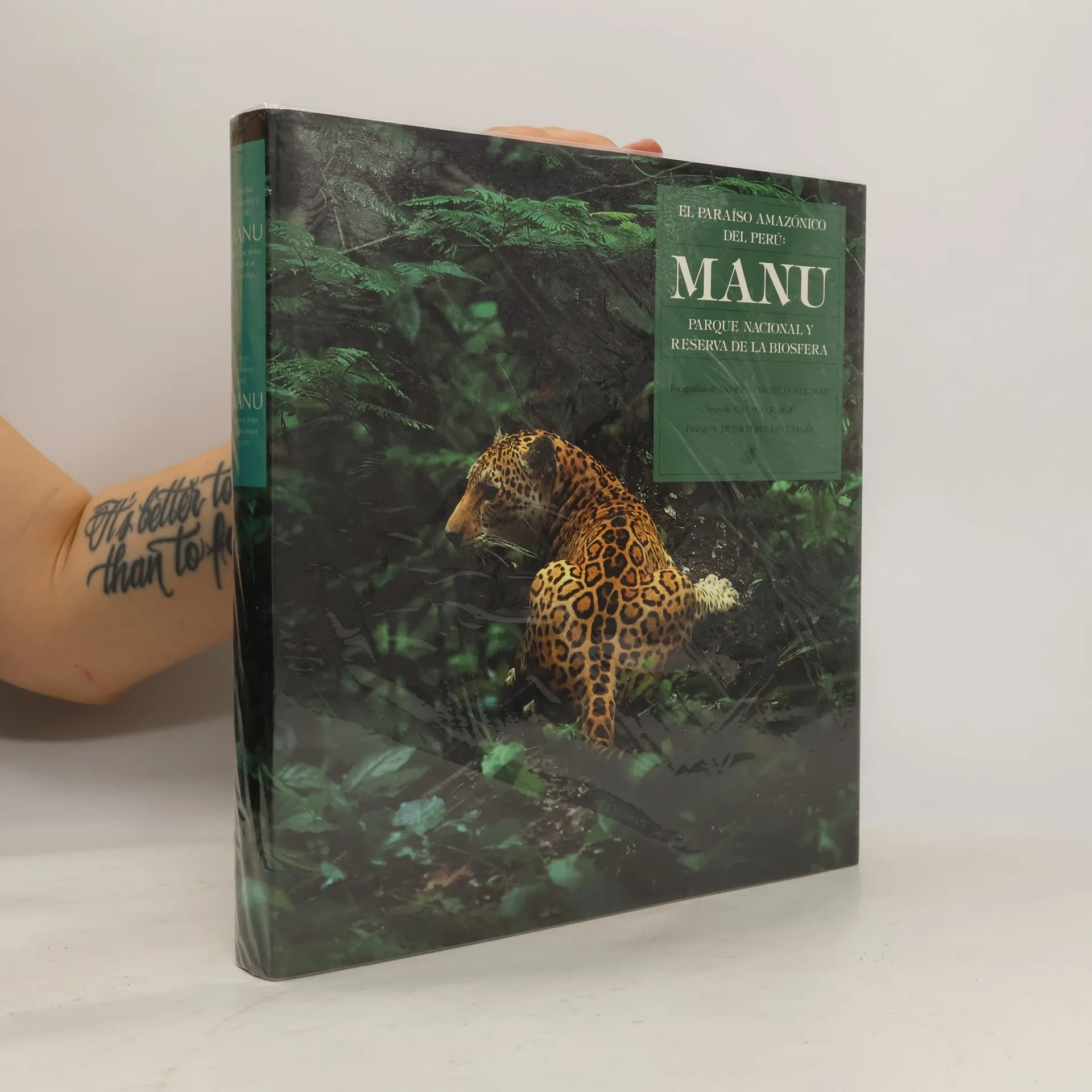
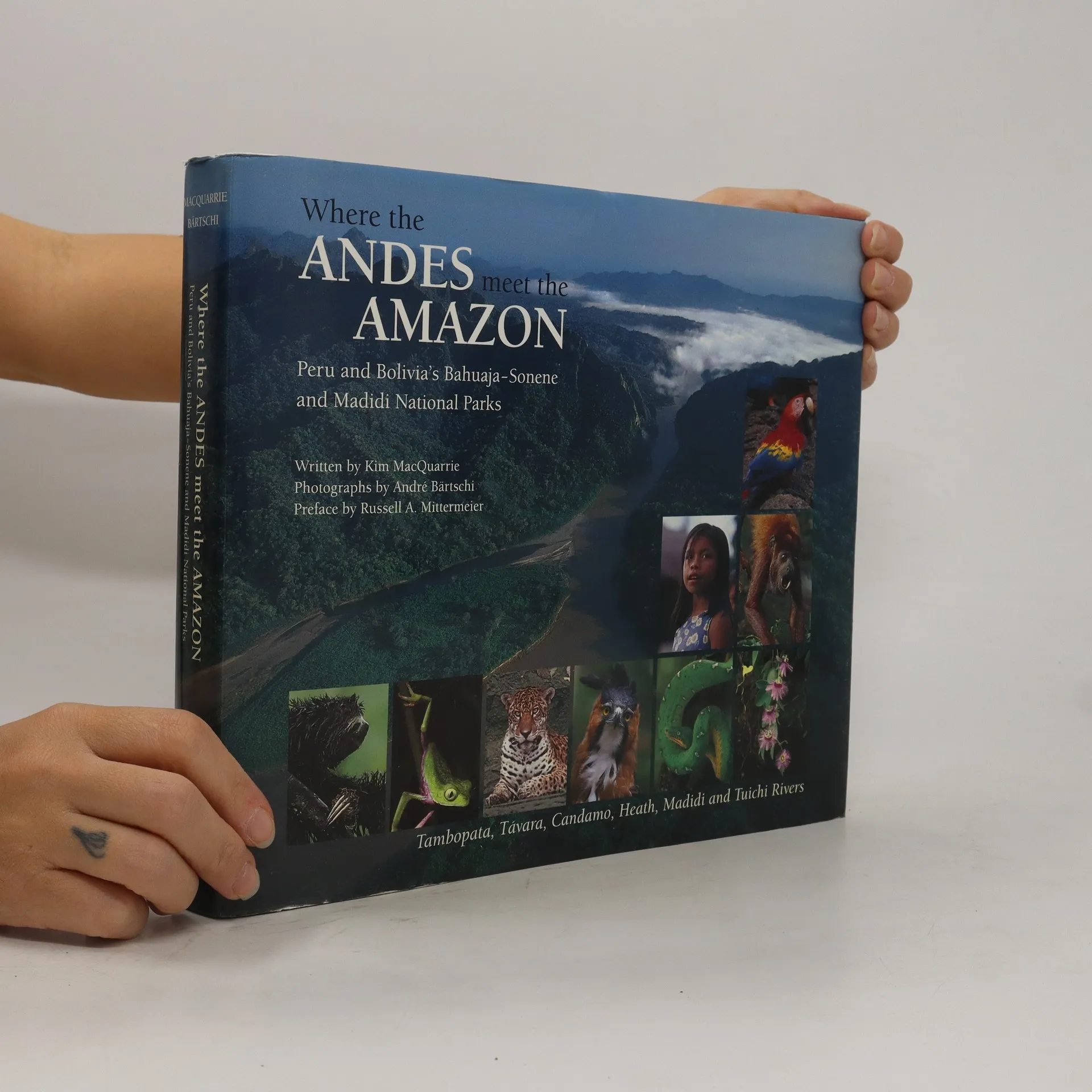
Beautiful and plentiful photographs similar to the two previous books by these authors, photograqphers and Manu & Gold of theAndes
El paraíso amazónico del Perú. Manu
Parque nacional y reserva de la biosfera
- 320 stránek
- 12 hodin čtení
The MANU BIOSPHERE RESERVE, the largest tropical rainforest biosphere reserve on earth, lies at the furthest tip of the upper Amazon River in the remote southeastern region of Peru. Only 100 miles (160 kilometers) from the spectacular Inca ruins of Machu Picchu, Manu is unique in that it protects three highly distinct areas: the Puna, a high-altitude tundra-like area characterized by pale yellow ichu grass, isolated blue lakes, and tassel-eared llamas; the cloud forest, a mysterious world bathed in constant mist and inhabited by brilliant red Cock of the Rocks, Spectacled Bears, and numerous dripping tree ferns; and the lowland rainforest, home to the giant Black Caiman, Giant Otter, 13 species of monkeys, and over 1,000 species of birds (10% of the world's total). Although invaded at different times by Inca Indians, Spanish Conquistadors, and Victorian rubber kings, Manu Biosphere Reserve has largely been protected through the centuries by its remote location and the presence of hostile native tribes. Manu currently supports four native ethnic groups, two of which are still uncontacted, and protects 4,646,564 acres (1,881,200 hectares) of land. Almost half the size of Switzerland, Manu is perhaps the most species-rich protected area to be found anywhere on Earth.