
Knihobot

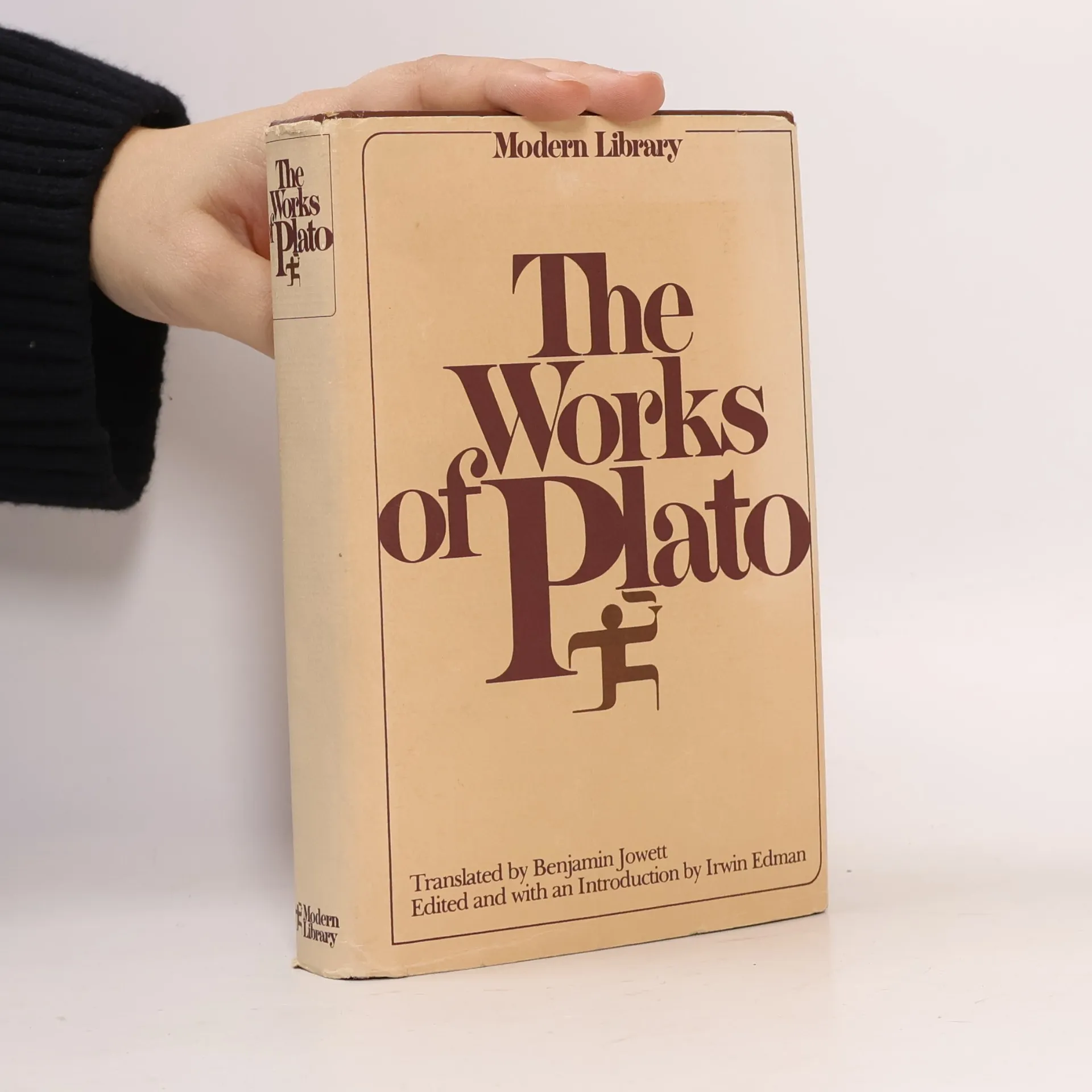
Benjamin Jowett

    Tento vlivný pedagog a správní reformátor Oxfordské univerzity byl také teologem a překladatelem Platóna a Thukydida. Jako mistr Balliol College v Oxfordu formoval generace studentů svým intelektuálním vlivem.

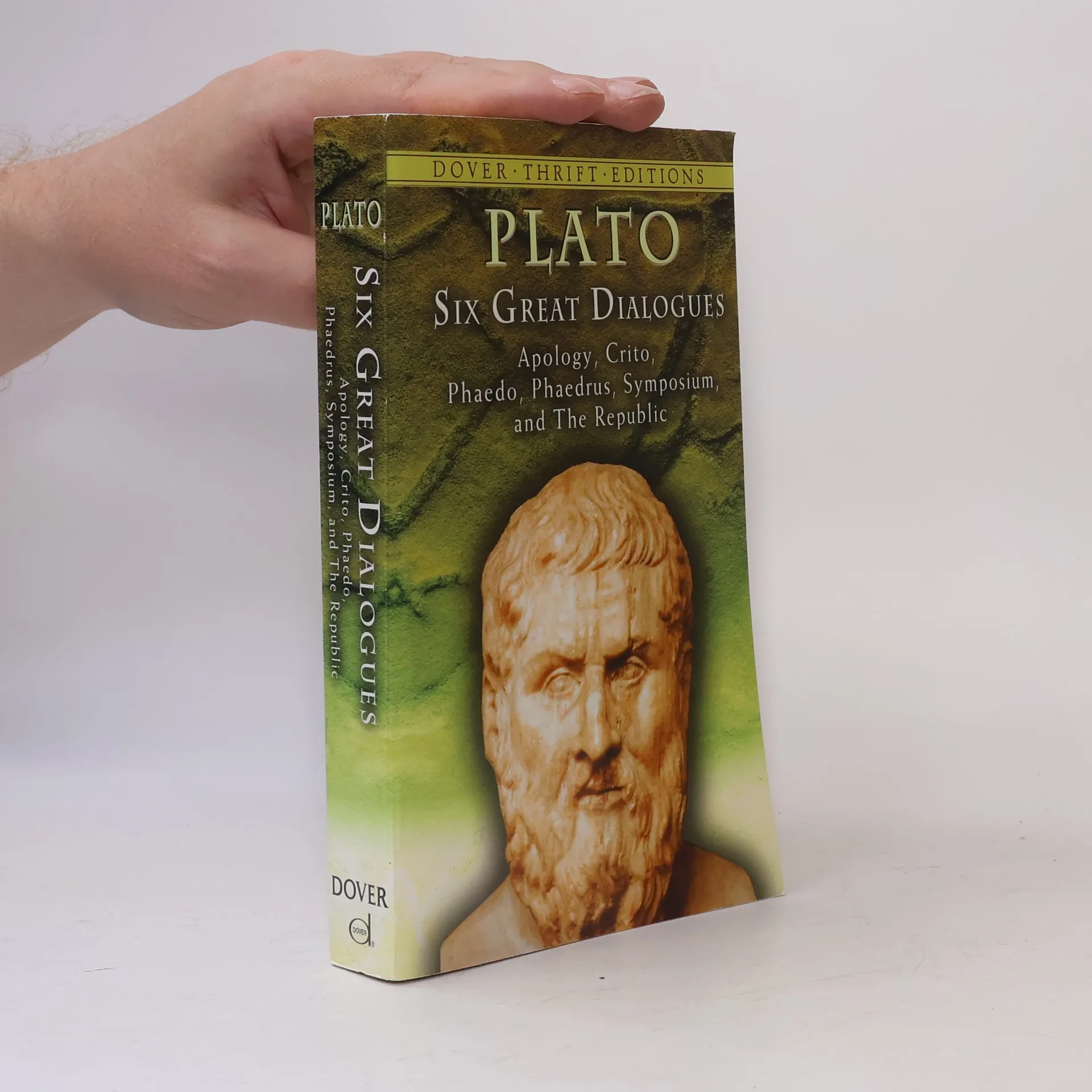
    The Republic: Dialogue on Justice & Political System
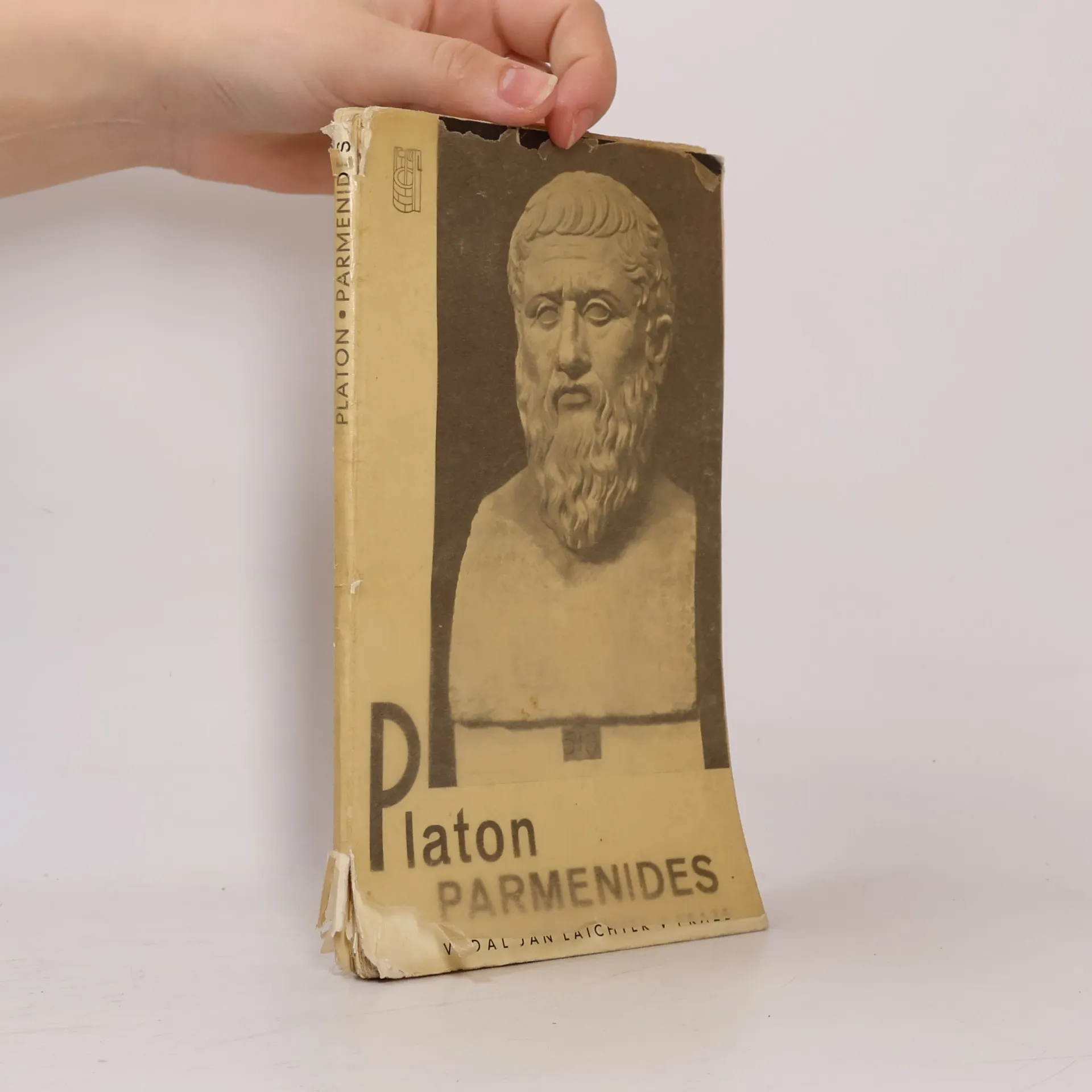
    Parmenides
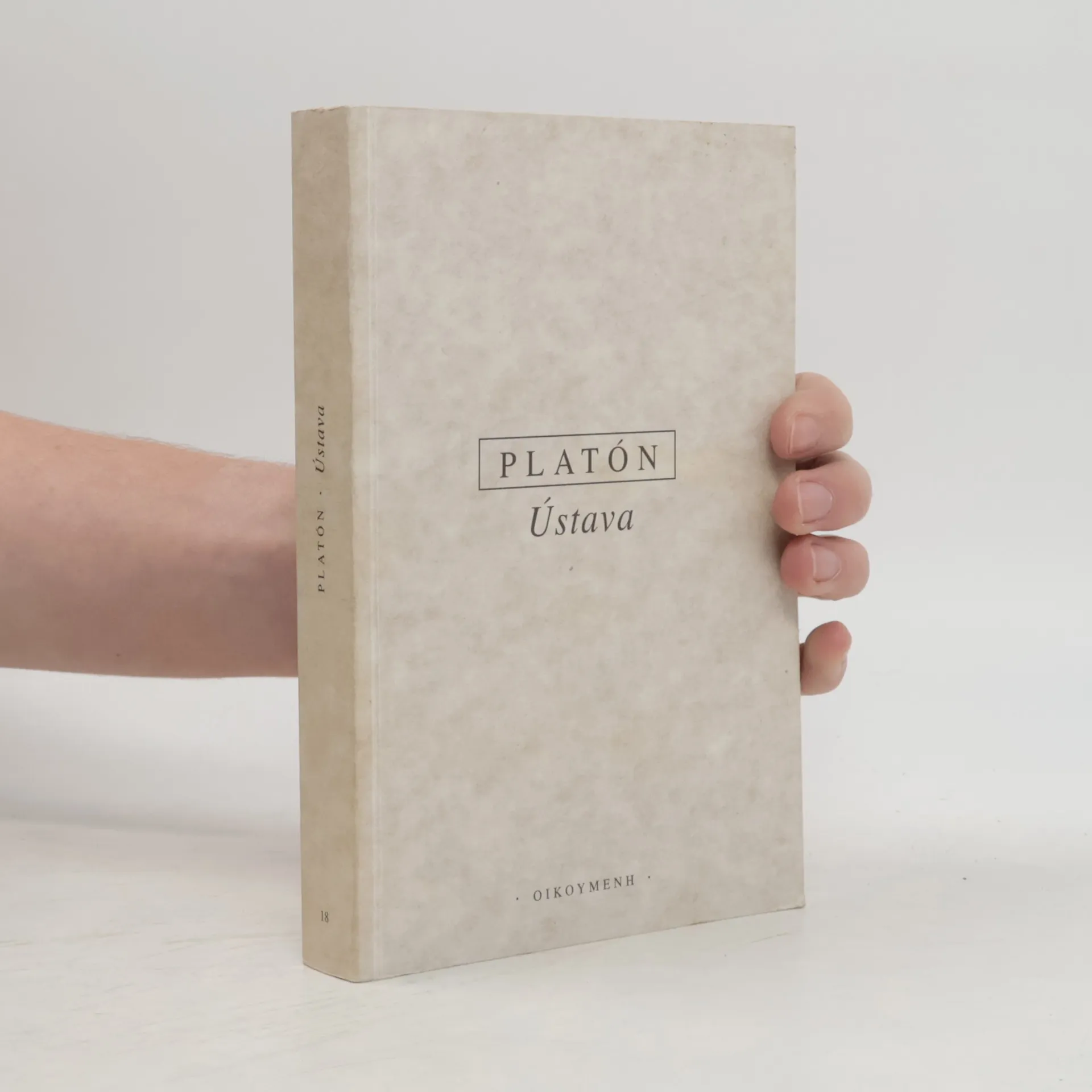
    Ústava
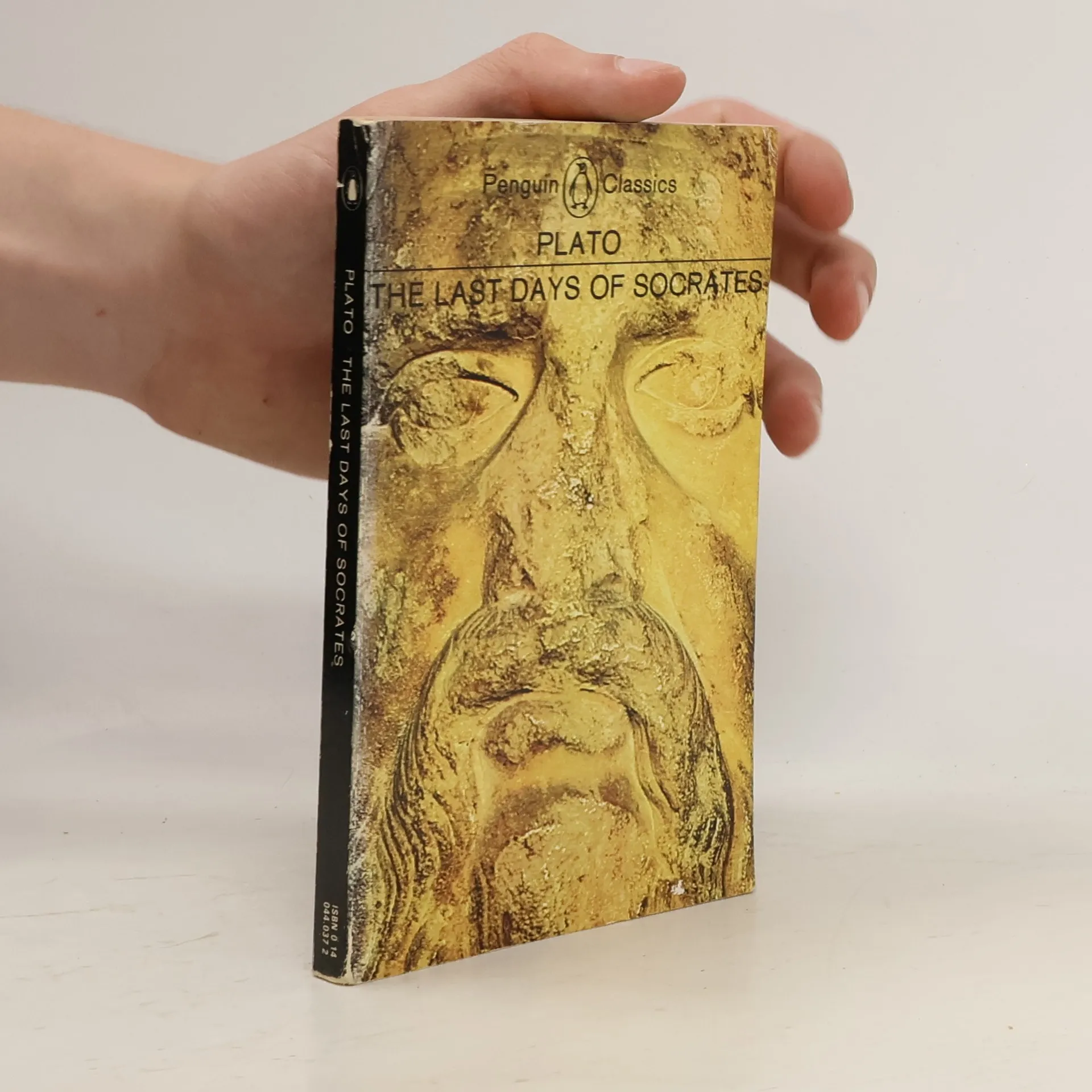
    The last days of Socrates
    • The last days of Socrates

      • 199 stránek
      • 7 hodin čtení

      Toward the end of The Apology, Socrates makes a statement that resonates even with those who have never read Plato: "I tell you that ... examining both myself and others is really the very best thing that a man can do, and that life without this sort of examination is not worth living" (p. 63). The Apology, Euthyphro, Crito, and Phaedo, which depict Socrates' activities just prior to his trial until his death, hold a central place among the works of Plato. They sum up the philosophical career of Socrates, protagonist of most of the Platonic dialogues. But this summing up does not imply the end of the examinations Socrates pursued. On the contrary, during his last days, Socrates rigorously continued the kind of inquiries he had pursued all his life, even at the risk of execution, and he enjoined his companions to continue them when he was gone. -- Publisher description

      The last days of Socrates
      4,2
    • Ústava má formu velice rozsáhlého dialogu, ovšem nepřímého: Sókratés zde vypráví o rozhovoru, jehož se účastnili také Glaukón, Polemarchos, Thrasymachos, Adeimantos, Kefalos a Kleitofón. Má deset knih a hlavním tématem díla je spravedlnost na úrovni jedince i státu, kniha se však dotýkái mnoha dalších oblastí, včetně umění, výchovy, práva, vědy atd. V sedmé knize, věnované hlavně vědám a vzdělávání, je jeden z nejslavnějších Platónových textů, Mýtus o jeskyni (514a-518a). Spolu s jedním z posledních Platónových děl, Zákony, zakládá Ústava zvláštní žánr utopie, myšlenkového experimentu s možnostmi spravedlivého uspořádání lidských společností.

      Ústava
      4,1
    • Veleslavný Platónův dialog věnovaný výkladu pojmu 'jedno' a překvapivým (aporetickým) důsledkům jeho filosofického používání.

      Parmenides
      4,1
    • The Republic is a Socratic dialogue, written by Plato around 380 BC, concerning justice, the order and character of the just city-state, and the just man. It is Plato's best-known work, and has proven to be one of the world's most influential works of philosophy and political theory, both intellectually and historically. In the book's dialogue, Socrates discusses with various Athenians and foreigners about the meaning of justice and whether the just man is happier than the unjust man. They consider the natures of existing regimes and then propose a series of different, hypothetical cities in comparison, culminating in Kallipolis, a hypothetical city-state ruled by a philosopher king. They also discuss the theory of forms, the immortality of the soul, and the role of the philosopher and of poetry in society.

      The Republic: Dialogue on Justice & Political System