Odborná publikace, v níž její autoři poskytují ucelený přehled vývoje psychoanalýzy a psychoanalytických teorií od Sigmunda Freuda až po současnost. Kniha představuje kritický přehled těchto teorií ve světle vývojové psychopatologie a současných neurověd. Vychází z klinické praxe a současných výzkumů a poukazuje na možný vývoj směrem k syntéze psychologických věd. Kniha Psychoanalytické teorie je na českém trhu ojedinělá svou současností (ve Velké Británii vyšla v roce 2003) a odbornou úrovní, přičemž poskytuje srozumitelný přehled psychoanalytických teorií.
Arguing for the importance of attachment and emotionality in the developing human consciousness, four analysts explore and refine the concepts of mentalization and affect regulation.
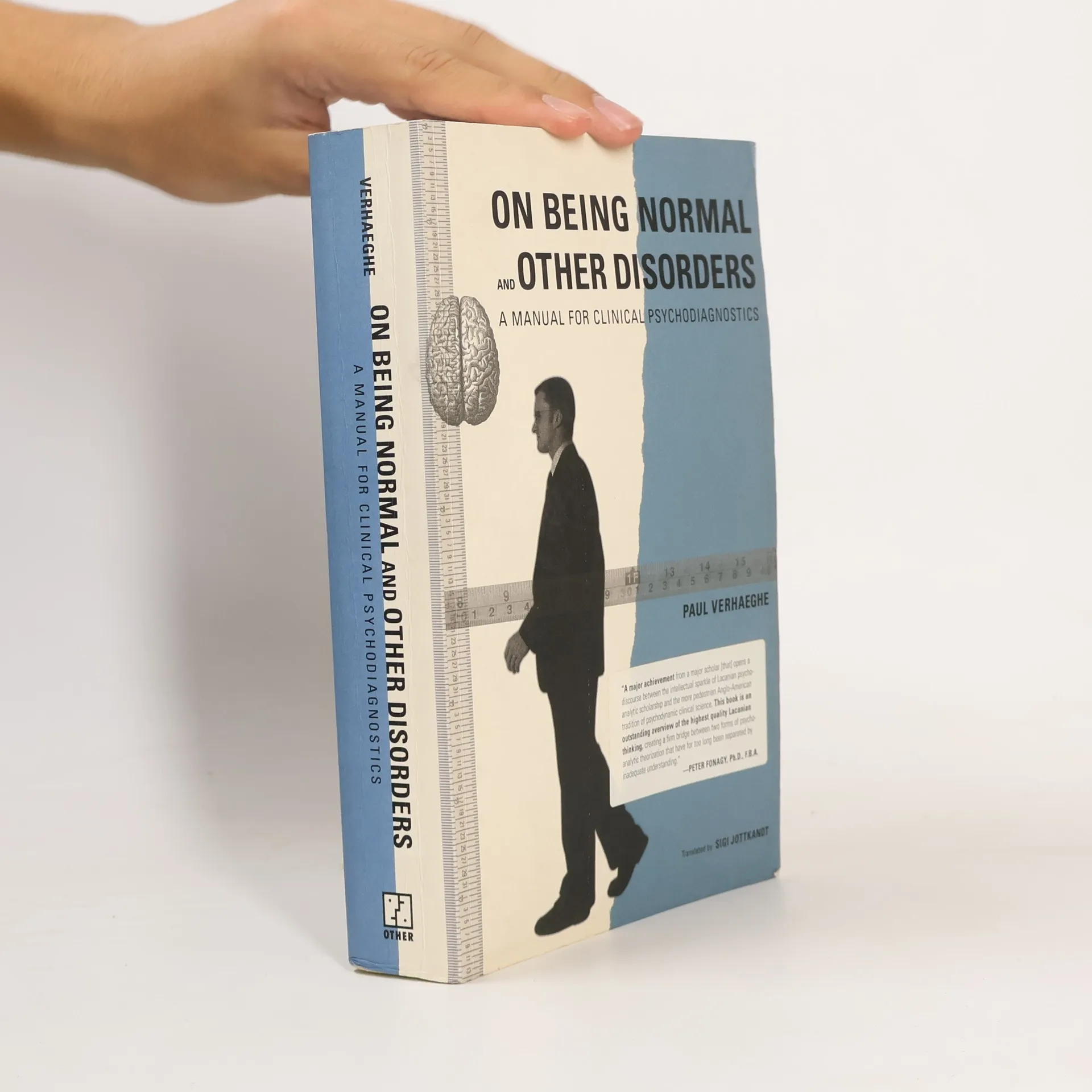
Winner of the 2005 Goethe Award in Psychoanalytic Scholarship, this work argues that psychic identity is shaped by primary intersubjective relationships, making the diagnosis of potential pathologies reliant on these connections. The effectiveness of treatment hinges on the therapeutic relationship, highlighting the significance of this diagnostic approach. Paul Verhaeghe critically assesses the contemporary DSM-diagnostic, noting that its lack of an updated metapsychology undermines its therapeutic value. He proposes a new metapsychology that integrates a Freudo-Lacanian perspective with contemporary empirical research, emphasizing the intertwined processes of identity acquisition. The self and the Other are not distinct entities; instead, subject formation emerges from the dynamic interplay between them. This theoretical framework engages in dialogue with modern research findings, offering practical insights for differential diagnostics. The book examines post-modern categories of anxiety, personality, and post-traumatic stress disorders through established neurotic, psychotic, and perverse structures, while also distinguishing between actual pathology and psychopathology. These perspectives illuminate the role of language and the subject's relationship with the Other, revealing their implications for treatment throughout the text.
Recognized in the Psychiatry category of the British Medical Association Book Awards 2017, this book delves into the complexities of mental health, exploring innovative approaches and insights in the field. It offers a comprehensive examination of psychiatric practices, emphasizing the importance of understanding patient experiences and integrating new research findings. Through a blend of clinical expertise and personal narratives, it aims to enhance the reader's knowledge and awareness of mental health issues.
This comprehensive book evaluates the evidence for the full range of widely used child and adolescent mental health treatments, providing vital knowledge to inform clinical decision making. Organized around major presenting problems, the book synthesizes findings from hundreds of carefully selected studies on both psychosocial and pharmacological approaches. Each chapter introduces the clinical problem at hand, systematically reviews the available outcome research, and spells out recommendations for evidence-based practice. Written by experienced researchers and practitioners, the volume emphasizes the importance of tailoring all interventions to the needs of the individual child.
The book features a gripping narrative that captivates readers with its compelling characters and intricate plot. It explores themes of resilience, love, and the pursuit of dreams, set against a richly detailed backdrop. The author's unique storytelling style combines humor and poignancy, drawing readers into an unforgettable journey. With its relatable struggles and triumphs, the story resonates deeply, making it a must-read for those seeking inspiration and connection through literature.
Traces the evolution of psychoanalytic theory, highlighting the developmental components that are at the core of various psychoanalytic theories and providing an extensive review of psychoanalytic theories including those of Sigmund Freud, Heinz Hartmann, Eric Erikson, René Spitz, Edith Jacobson, Hans Loewald, Anna Freud, Margaret Mahler, Joseph Sandler, André Green, Melanie Klein, Herbert Rosenfeld, Heinz Kohut, Otto Kernberg, Harry Stack Sullivan, Stephen Mitchell, John Bowlby, Mardi Horowitz, Daniel Stern, and Anthony Ryle.
This upper-level undergraduate textbook serves as a comprehensive introduction to Developmental Psychopathology, focusing on the interactions between biological, psychological, behavioral, and social factors in human development. Aimed at advanced undergraduates and early graduate students new to the subject, it integrates clinical knowledge with scientific practice to elucidate the emergence of mental health issues throughout the lifespan.
The text is organized into four parts. It begins with essential background on traditional psychopathology, developmental psychopathology (DP), normal development, and insecure attachment. The second section addresses childhood issues such as attention-deficit/hyperactivity disorder (ADHD) and autism spectrum disorder (ASD). The third part discusses adolescent and young adult problems, including depression, suicide, eating disorders, and schizophrenia. The final section explores special topics like the impact of divorce, separation, and loss on psychological issues.
Each chapter features visual demonstrations of the DP approach, clinical cases, further readings, and discussion questions. The book presents a coherent organization of material that illustrates the DP principle, covers common psychopathological problems, and offers integrative models based on recent research. It provides instructors with a consistent framework for teaching upper-level students encountering this discipline for
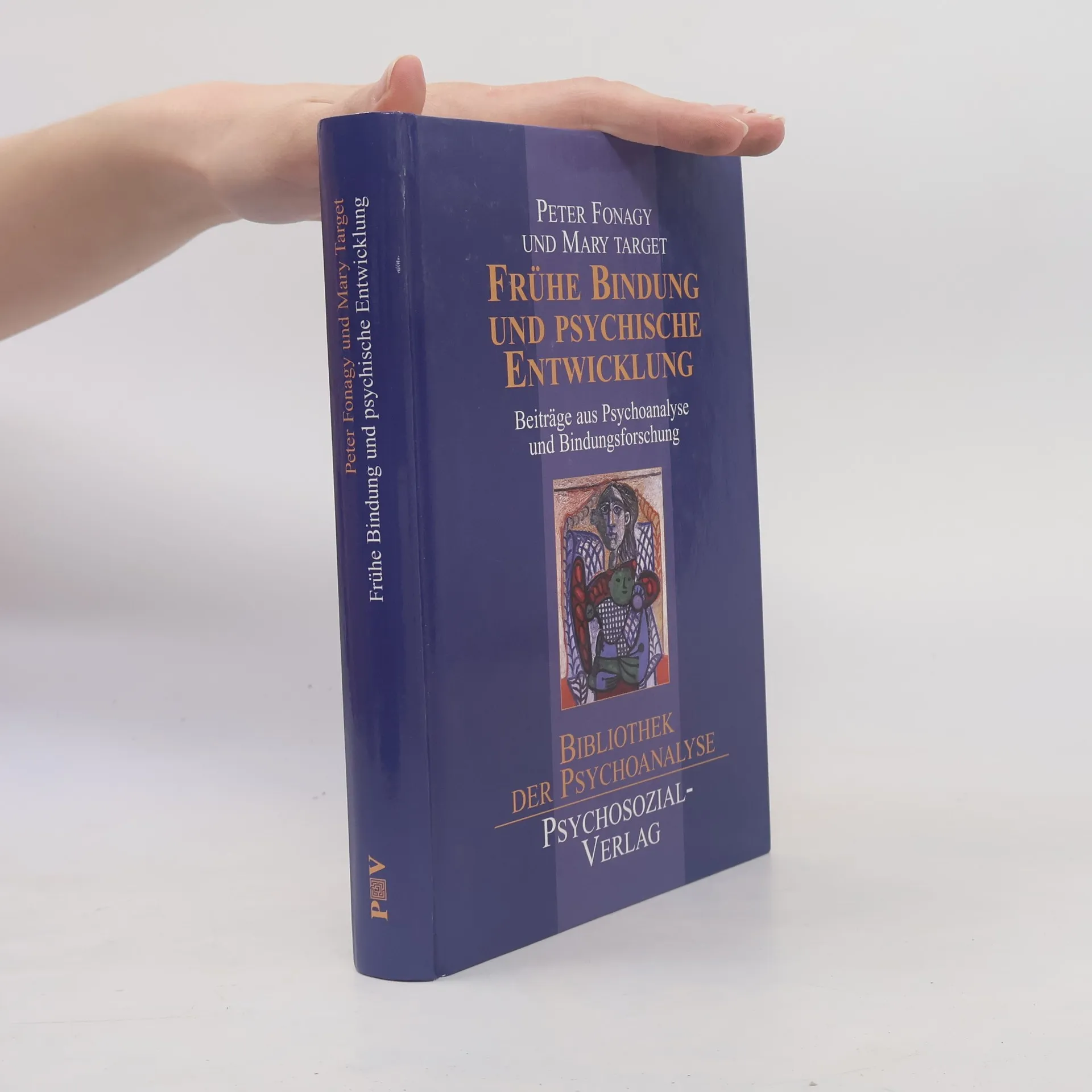
Vorwort 1. EInfuhrung in die Bindungstheorie 2. DIe wichtigsten Ergebnisse der Bindungsforschung 3. DIe psychoanalytischen Modelle Freuds und Bindungstheorie 4. STrukturelle Ansatze: der nordamerikanische strukturelle Ansatz 5. MOdifikationen des strukturellen Modells 6. DAs Klein-Bion-Modell 7. DIe unabhangige Schule der britischen Psychoanalyse und ihre Beziehung zur Bindungstheorie 8. NOrdamerikanische Objektbeziehungstheoretiker und Bindungstheorie 9. MOderne psychoanalytische Sauglingspsychiatrie: Das Werk von Daniel N. STern 10. DEr interpersonal-relationale Ansatz: Von Sullivan bis Mitchell 11. PSychoanalytische Bindungstheoretiker 12. ZUsammenfassung: Was haben psychoanalytische Theorien und Bindungstheorie gemeinsam? 13. WIe kann die Bindungstheorie von psychoanalytischen Erkenntnissen profitieren? 14. SChluSSfolgerung Literaturverzeichnis Register
Vom Konzept zur Anwendung in Psychotherapie und psychosozialen Arbeitsfeldern
304 stránek
11 hodin čtení
Epistemisches Vertrauen – Das Grundlagenwerk Erstes Werk zu Epistemischem Vertrauen im deutschsprachigen Raum Von den führenden Experten in diesem Themenbereich verfasst Schulenübergreifendes Konzept für die Psychotherapie und die psychosoziale Beratung Das Konzept des Epistemischen Vertrauens ist das zentrale Charakteristikum für die Beziehungsarbeit und Veränderungsprozesse in der Mentalisierungsbasierten Therapie, findet aber darüber hinaus auch schulenübergreifend Eingang in andere Therapieansätze. Das Buch führt praxisbezogen in das Konzept ein und gibt einen umfassenden Überblick über die entwicklungspsychologischen Grundlagen. Unter der Herausgeberschaft von Peter Fonagy und Tobias Nolte stellen führende deutsche und britische Expert: innen die therapeutische und psychosoziale Arbeit mit epistemischen Störungen u. a. in diesen Bereichen dar: - Therapie von Persönlichkeitsstörungen - frühe Interventionen - Kinder- und Jugendpsychotherapie - Gruppentherapie-Settings - Online-Therapie - pädagogische und soziale Arbeit
Die Einsatzmö- Intervention bei bestimmten Störungsbildern wie Trauma und Borderline-Persönlichkeitsstörung- Arbeit in Familien und mit Eltern- Im Feld der sozialen Arbeit und der Anwendung in gesellschaftlichen Kontexten, etwa im Rahmen der Gewaltprävention oder in der Auseinandersetzung mit globalen Konflikten- PsychotherapeutInnen aller Schulen- PsychoanalytikerInnen- Kognitive VerhaltenstherapeutInnenMentalisieren bezeichnet- die Fähigkeit, das Verhalten anderer Menschen mit Bezugnahme auf ihre Grundhaltungen, Emotionen und Absichten zu verstehen und angemessen darauf zu reagieren,- das Wissen um die psychischen Beweggründe des eigenen Verhaltens.Mentalisierungsfähigkeit kann trainiert werden. Sie ist ausschlaggebend für die Organisation des eigenen Selbst und die Regulierung der Affekte.
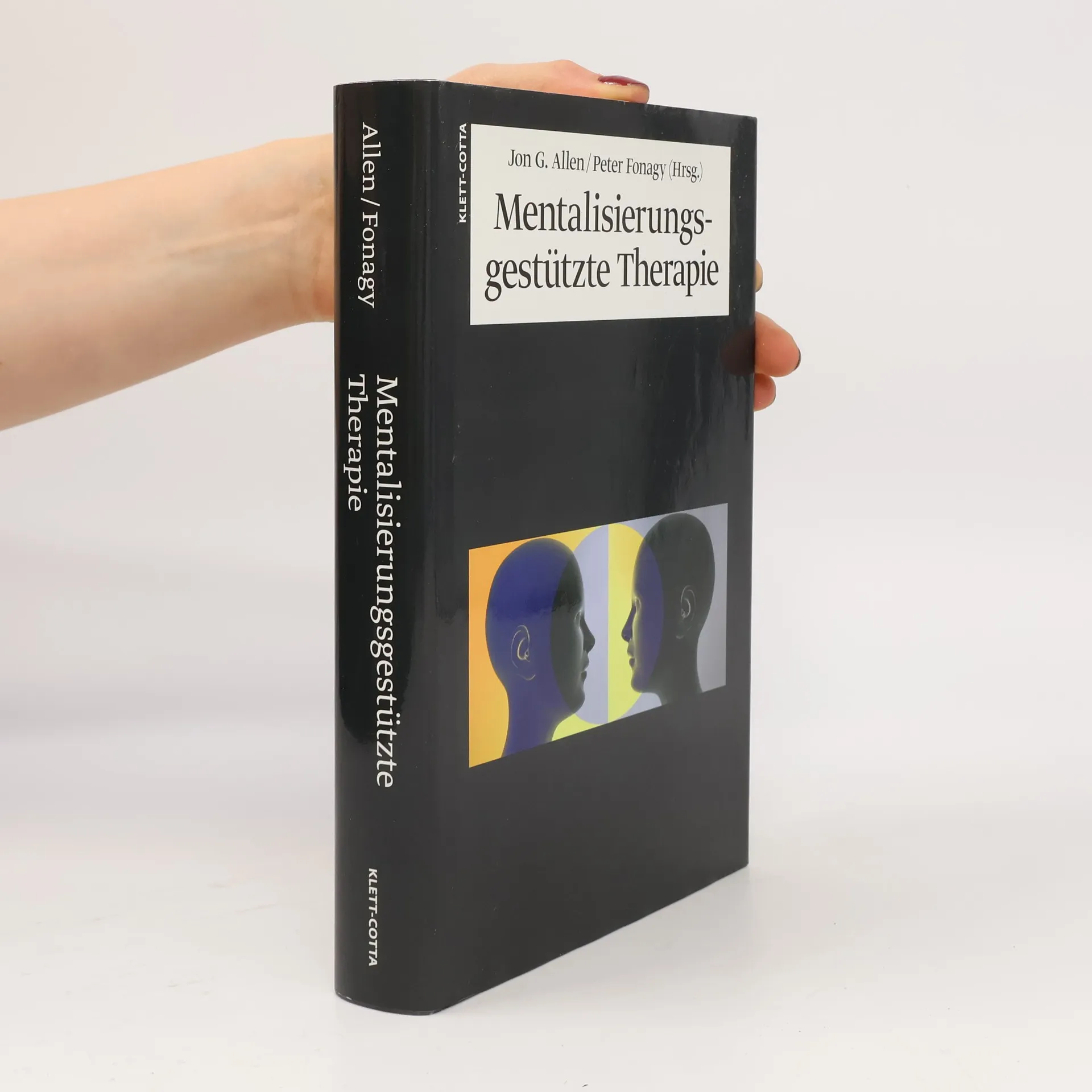
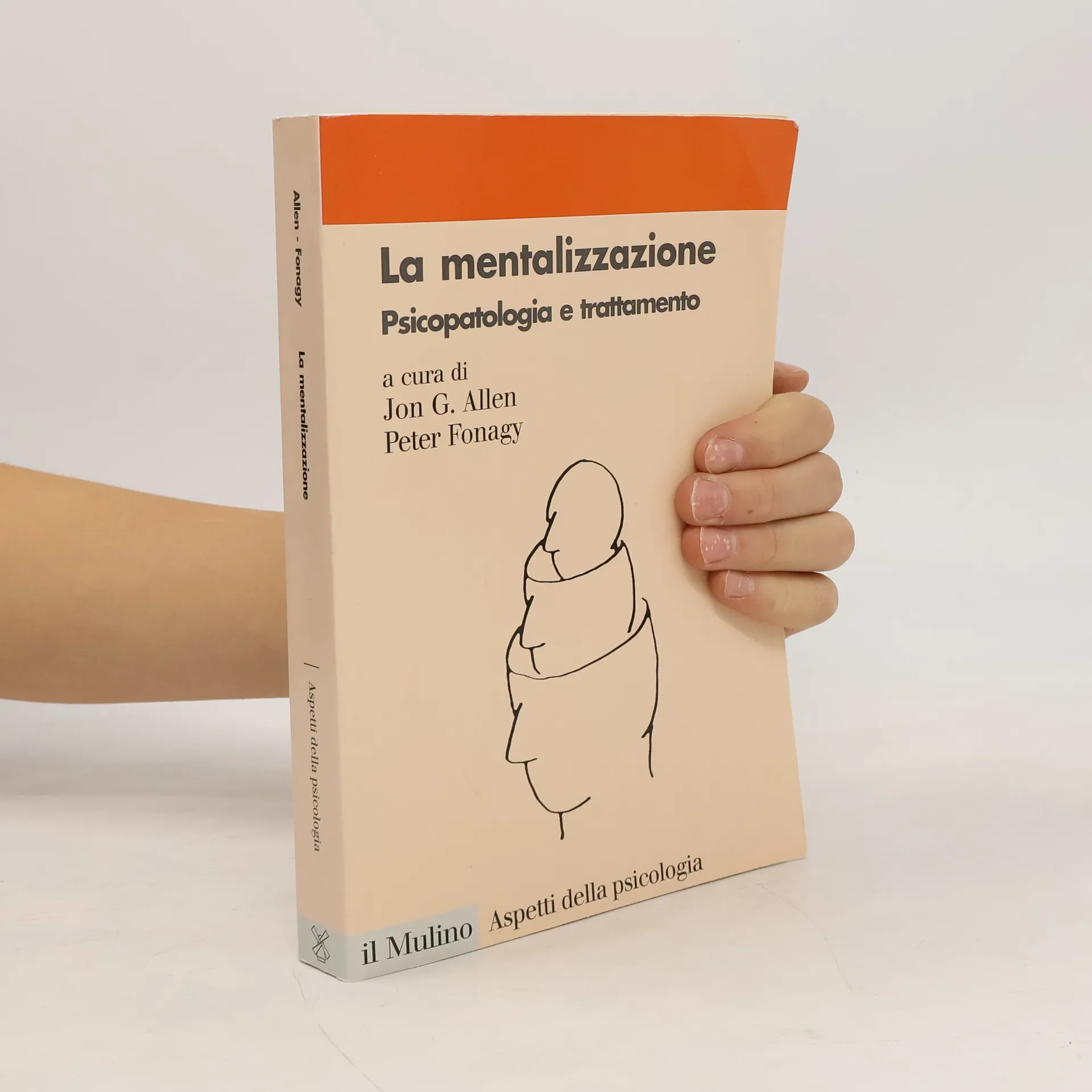
Mentalisieren ist ein innovatives Konzept der Psychotherapie, das in diesem Band von renommierten Forschern und Praktikern vorgestellt wird. Sie erläutern die Anwendungsmöglichkeiten für etablierte Behandlungsmethoden und verschiedene klinische Einsatzbereiche. Eine Gruppe international führender Experten gibt einen Überblick über das bisherige Wissen und die laufende Forschung zum Mentalisieren. Sie zeigen die Möglichkeiten und Grenzen der mentalisierungsgestützten Therapie auf und erläutern, wie traditionelle Methoden wie Psychoanalyse, kognitive und klassische Verhaltenstherapie durch die Dimension des Mentalisierens bereichert werden können. Im praktischen Teil beschreiben die Autoren die Mentalisierungsfokussierung in spezifischen Konstellationen, darunter Familientherapie mit Kindern und Jugendlichen, auffälliges Verhalten bei Schülern (wie Bullying), Unterstützung für Eltern von Hochrisiko-Kleinkindern, sowie Einsatzmöglichkeiten im stationären Bereich und in psychoedukativen Gruppen für Patienten und deren Angehörige. Auch die mangelhafte Mentalisierungsfähigkeit bei Störungen in der Kindheit und bei Borderline-Patienten wird behandelt. Das Handbuch richtet sich an Interessierte der Theorie und Grundlagen der Mentalisierung sowie an Praktiker in Psychotherapie, Beratung und Betreuung.
Die psychoanalytische Theorie befindet sich in permanenter Evolution. Der Bestand an neuen Strömungen und Theoriefragmenten ist unübersichtlich geworden, obwohl alle denselben Ausgangspunkt genommen haben: Freuds Überlegungen zur Rolle der Triebe für die weitere Entwicklung und die Entstehung von psychischen Störungen. „Einer der wohl renommiertesten Psychoanalytiker unserer Zeit und seine kaum minder arrivierte Kollegin“ (Psyche, 1, 2004) überprüfen in diesem Werk den Gehalt der wichtigsten psychoanalytischen Denkmodelle vor dem Hintergrund der neuesten Erkenntnisse der Entwicklungspsychologie und der psychiatrischen Störungsmodelle. Sie schlagen eine Brücke zwischen klassischen und modernen psychoanalytischen Sichtweisen und den Erkenntnissen der modernen Psychiatrie und der Entwicklungspsychologie. Dabei analysieren sie neben den Arbeiten Freuds die der nordamerikanischen und europäischen Strukturtheoretiker, das Klein-Bion-Modell, die britischen Objektbeziehungstheoretiker, die Bindungstheorie, die Ansätze Kernbergs und Kohuts und die moderne relationale Psychoanalyse und Intersubjektivitätstheorie.
Ausgehend von der Relevanz frühkindlicher Bindungs- und Beziehungserfahrungen widmet sich Peter Fonagy und Mary Target der Entstehung schwerer Persönlichkeitsstörungen. Ihre Arbeiten integrieren in brillianter Manier empirische Ergebnisse mit theoretischen Annahmen aus Psychoanalyse, Bindungstheorie und Neurowissenschaften.
Freud was the first to describe and try to explain »transference love.» Based on Freud‹s ‹Bemerkungen‹ (Observations), the authors discuss their view of love, female sexuality and conventional morality. They shed light on the role of the analyst and psychotherapist in the development of »transference love,» explore the differences between remembering, re-experiencing, acting and staging and study Freud‹s theory in light of current developments in psychoanalytic thinking.