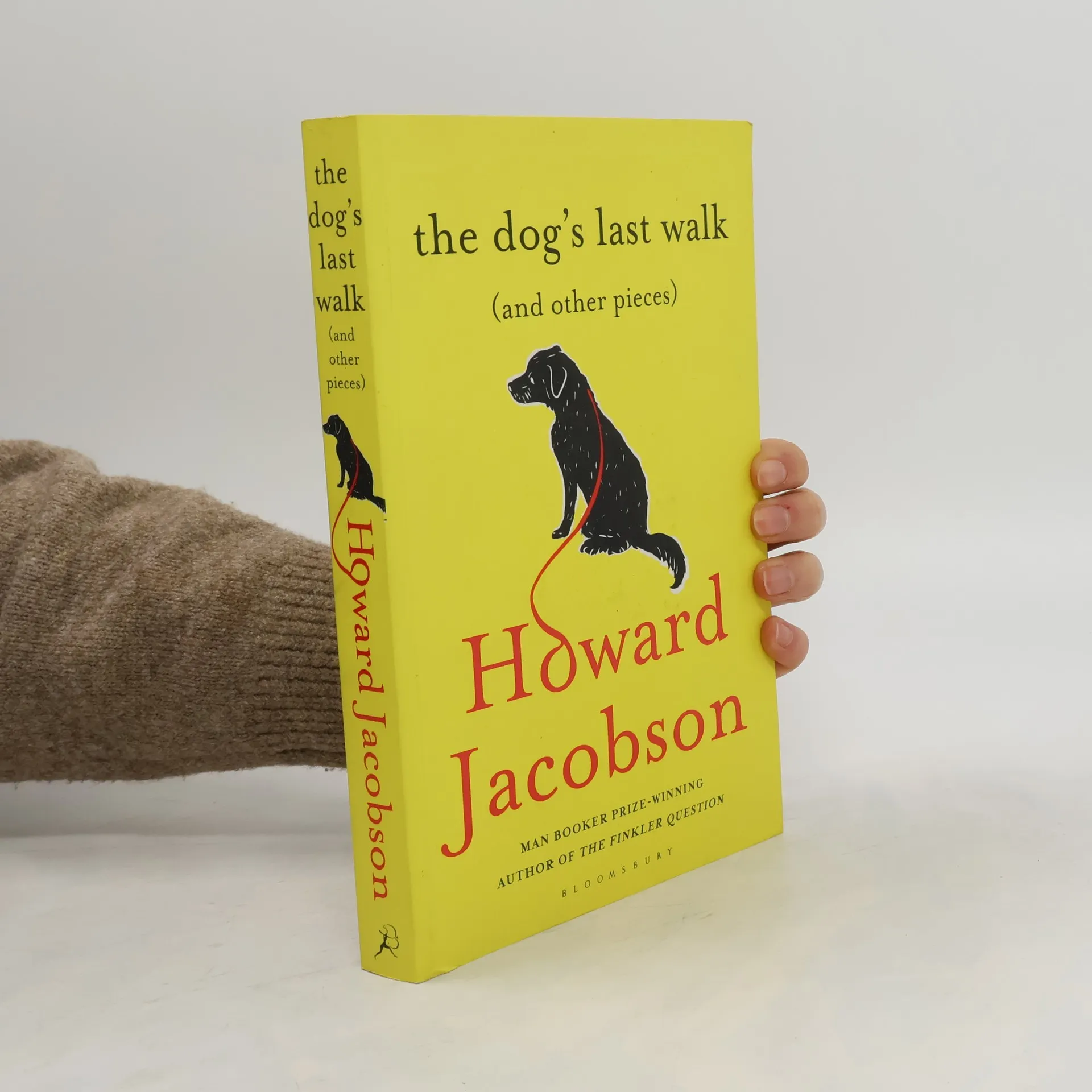
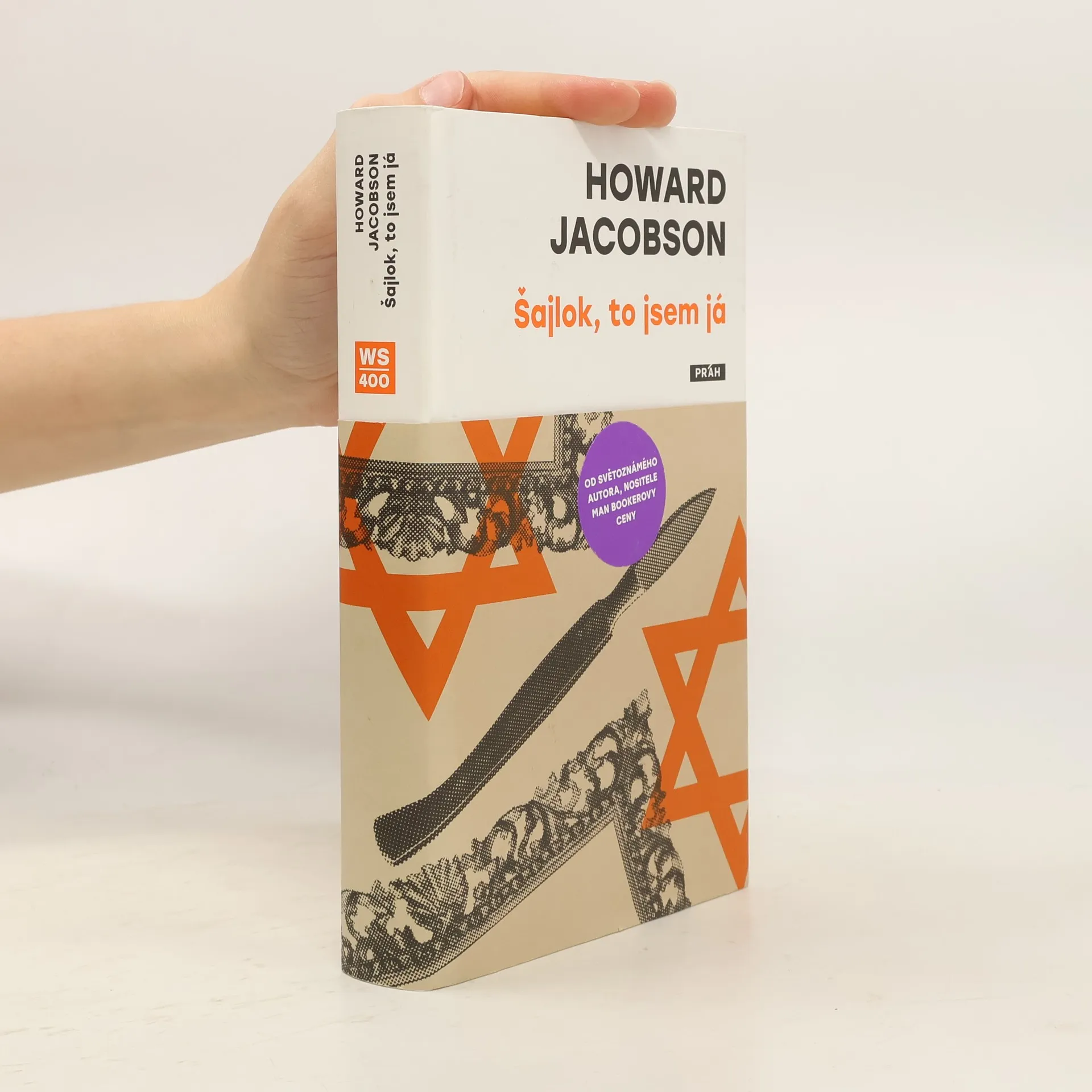
Magnát Strulovič, zhrzený otec, manžel i žid, narazí při návštěvě manchesterského hřbitova na nečekaného, zato vítaného dvojníka: na souvěrce Šajloka ze Shakespearova dramatu Kupec benátský (1600). Prokletá literární postava má s podobnými lapáliemi bolestné zkušenosti, a tak se s boháčem odebere domů, jelikož mají co prodiskutovat. Románová hříčka nejvýraznějšího angložidovského prozaika současnosti klame tělem jako každá skvostná komedie. V atmosféře dnešní relativizace hodnot, při níž se hlas krve znovu nezapře a blbost jakbysmet, dialog obou pánů kouzelně otestuje meze pojmů „čest“, „otcovství“, „víra“ – a rovněž význam obřízky, která přichází na scénu coby pověstná „libra masa“ ze Šajlokovy soudní pře.
Howard Jacobson Knihy
25. srpen 1942
Howard Jacobson se ve svých dílech zabývá složitostí identity a lidské zkušenosti, často s využitím židovského kontextu k univerzálním tématům. Jeho styl se vyznačuje pronikavým vhledem do psychologie postav a bystrým pozorováním společnosti. Prostřednictvím humoru a ironie zkoumá základní otázky existence, které rezonují napříč různými kulturními prostředími. Jacobsonova tvorba představuje originální a podnětné zamyšlení nad tím, co znamená být člověkem.
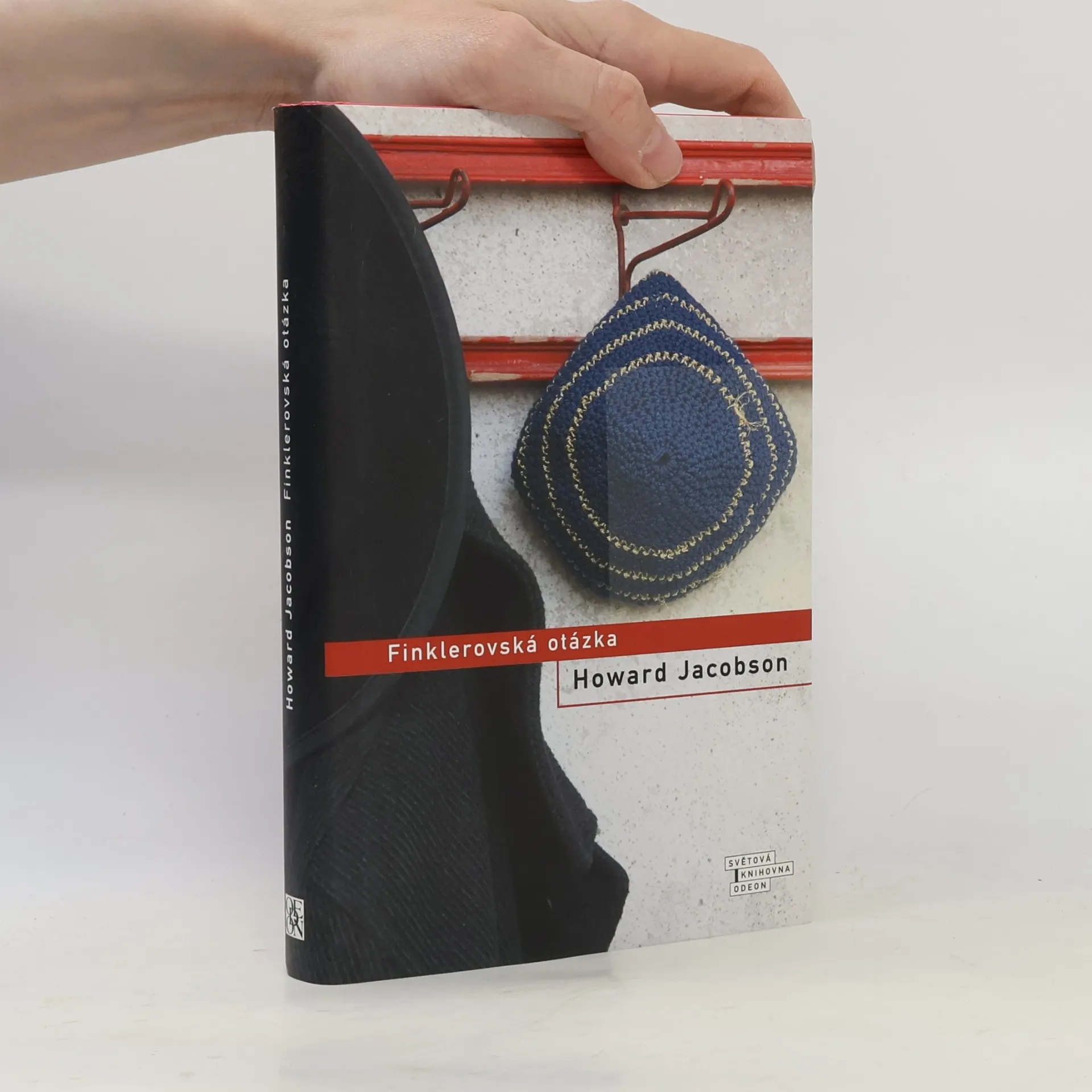
Humoristický román ze současné Británie se dotýká ožehavé problematiky antisemitismu a antisionismu i záležitostí obecně lidských – přátelství, partnerství, kariéry, víry a konečně i života a smrti. Autor za něj získal r. 2010 Bookerovu cenu.
Proteinaholic
- 400 stránek
- 14 hodin čtení
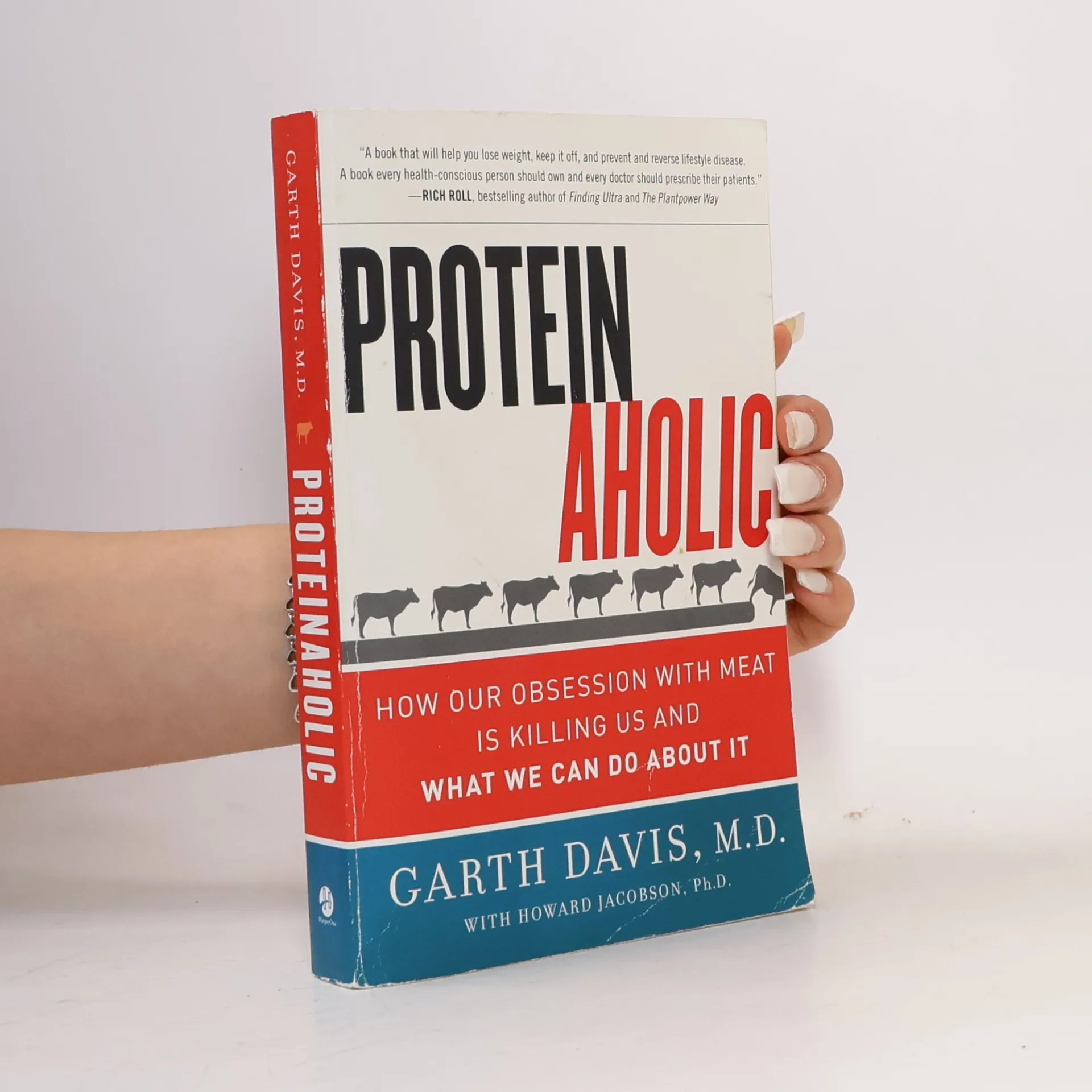
An acclaimed surgeon specializing in weight loss presents a paradigm-shifting examination of the diet and health industry’s emphasis on protein, arguing that it is detrimental to our health and can hinder weight loss. Many professionals recommend increased protein intake, and numerous foods, drinks, and supplements are packed with it. While some individuals turn to protein for weight control or energy, Dr. Garth Davis questions its health benefits, asserting that excessive protein consumption is actually making us sick, fat, and tired. He emphasizes that if you are consuming adequate calories, protein deficiency is not an issue. In fact, the healthiest countries consume significantly less protein than we do, yet our nation continues to indulge in a protein-heavy diet, resulting in worsening health outcomes. Frustrated by the rising number of sick and overweight patients, Dr. Davis's own health scare prompted him to take action. By combining cutting-edge research with his clinical experience and analysis of the world’s longest-lived populations, this groundbreaking work reveals the risks associated with high protein intake and offers a proven approach to achieving weight loss, improved health, and longevity.
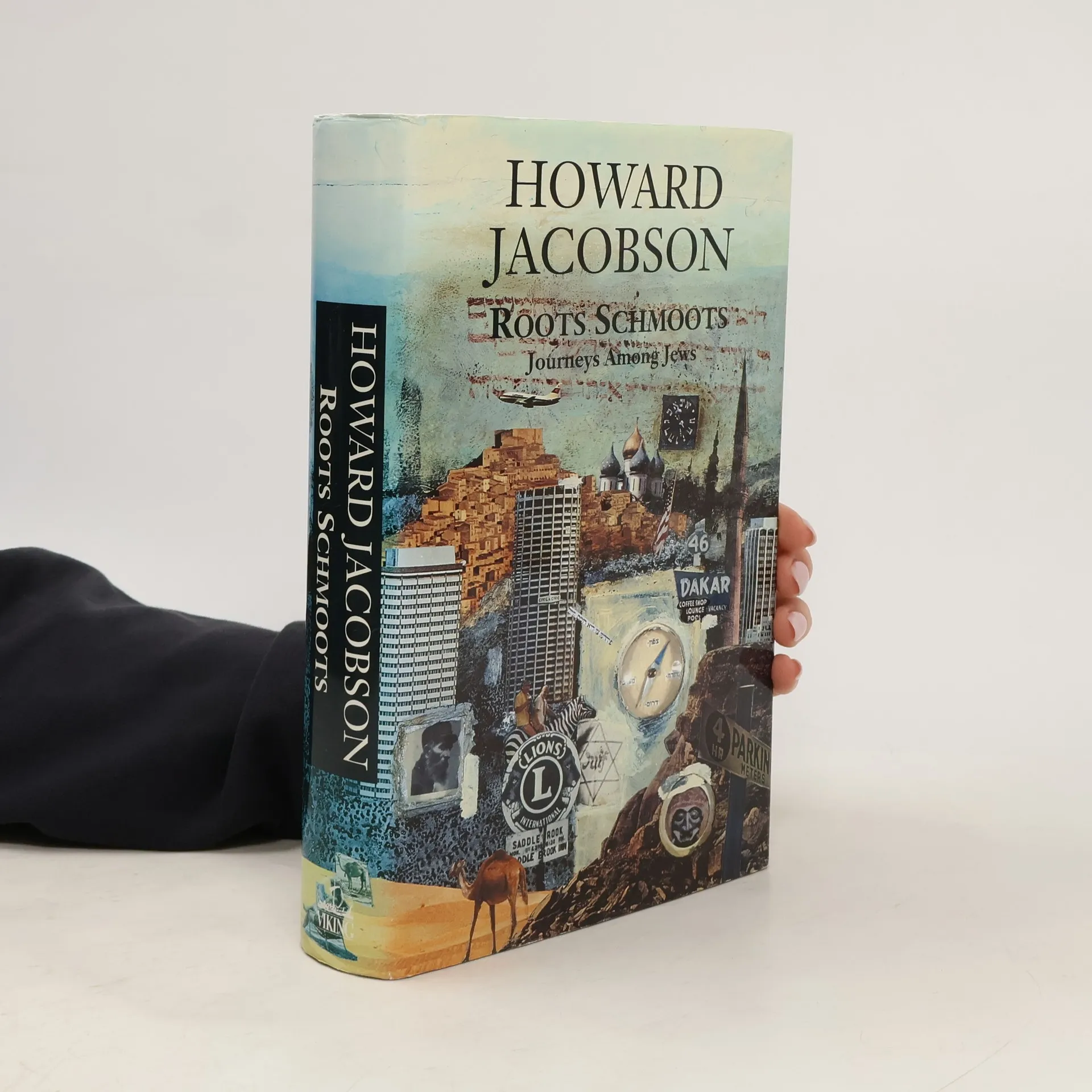
Whether one understands it as flight or restlessness, as ancient punishment or promise, the compulsion to travel is at the heart of historical Jewishness. Wherever there is a Jew, there is a journey, and for a Jew to go in search of his roots is doubly Jewish. As Howard Jacobson sets off in search of his Eastern European roots, he does so not with the sentimental hope of repossessing the sensation of belonging, but fully expecting to repossess nothing. As the journey takes him via the Catskills, Manhattan, Tucson, L.A., Eilat, Jerusalem, Tiberias and Haifa, to say nothing of Stamford Hill and Llandudno - although there are shorter routes to Lithuania - he finds there is more to being Jewish than schmaltz and self-ridicule. Roots Schmoots is as fast, funny and furious as Howard Jacobson's fans would expect, but beneath its surface there is a profound and moving exploration of what it is to be a Jew in the late twentieth century.
Twenty years after his first collection of tales about that Don Quixote of adult education, Leo Rosten brought Hyman Kaplan back for a second term on the bottom rung in the beginner's grade at the American Night Preparatory School for Adults.
Mother's Boy
- 288 stránek
- 11 hodin čtení
'One of the all-time great memoirs' Daily Telegraph'Wonderful...candid, shrewd and moving' William Boyd'Laugh-out-loud glorious and uproarious' Simon Schama Howard Jacobson's funny, revealing and tender memoir of his path to becoming a writer. Howard Jacobson was forty when his first novel was published. In Mother's Boy, he traces the life that brought him there. Born into a working-class Jewish family in 1940s Manchester, he did not lack encouragement or subject matter. Jacobson takes us from childhood and studying at Cambridge, through landing in Sydney as a maverick young professor, and on to his first marriage and the birth of his son. Later, he begins new - and often surprising - ventures in places as disparate as London, Wolverhampton, Boscastle and Melbourne. Infused with bittersweet memories of Jacobson's parents and friends, this is the story of a writer's beginnings, and of learning to understand who you are before you can become the writer you were meant to be.'Hilariously brilliant' David Baddiel'Howard Jacobson brilliantly transforms calamity into rip-roaring comedy' Craig Brown, Mail on Sunday
Jacobson is one of the great sentence-builders of our time. I feel I have to raise my game, even just to praise ... In short, he is one of the great guardians of language and culture - all of it. Long may he flourish Nicholas Lezard Guardian
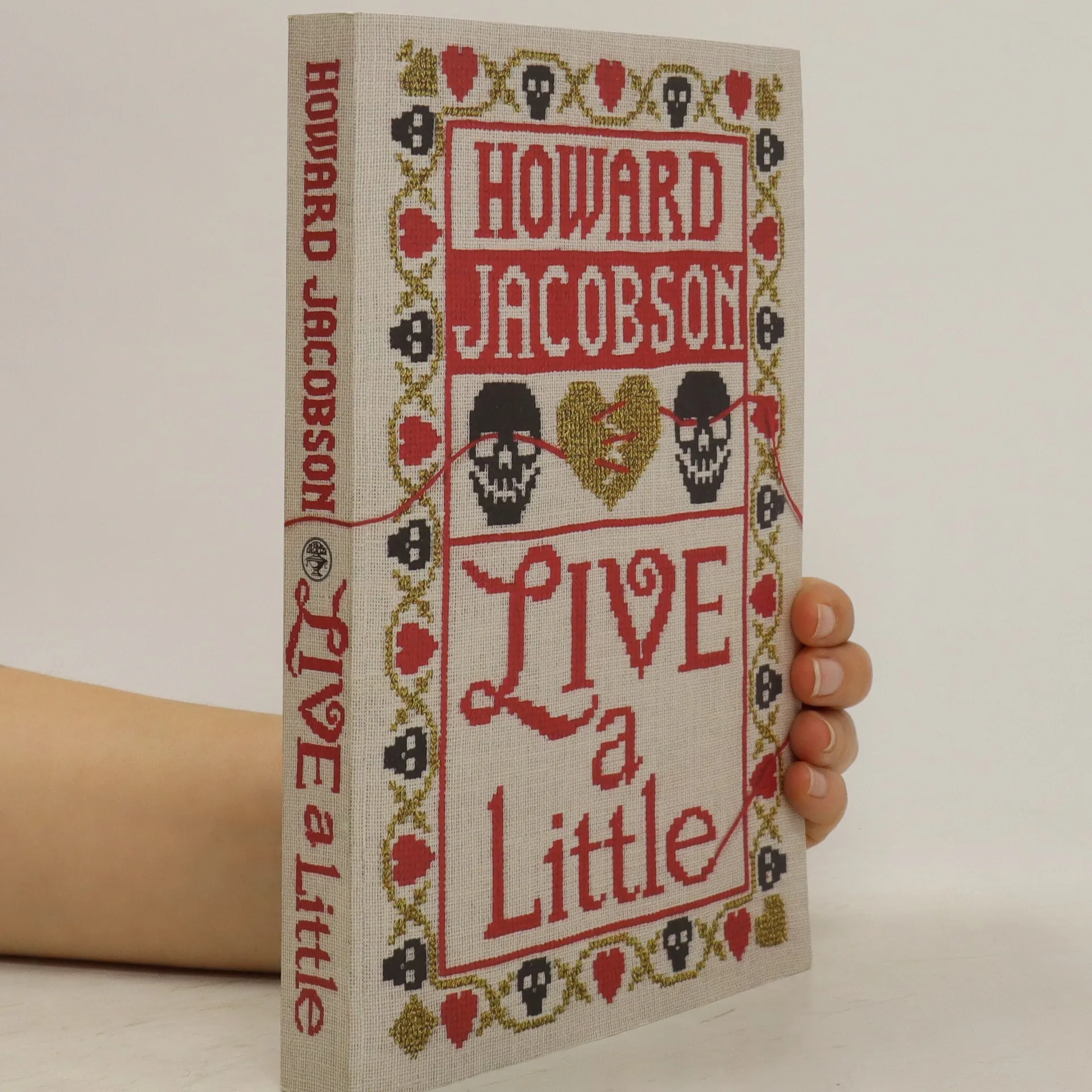
Live a Little
- 352 stránek
- 13 hodin čtení
A wickedly observed novel about falling in love at the end of your life, by the Man Booker Prize-winning author of The Finkler Question. *NOMINATED FOR THE WINGATE LITERARY PRIZE 2019* At the age of ninety-something, Beryl Dusinbery is forgetting everything - including her own children. She spends her days stitching morbid samplers and tormenting her two long-suffering carers, Nastya and Euphoria, with tangled stories of her husbands and love affairs. Shimi Carmelli can do up his own buttons, walks without the aid of a frame and speaks without spitting. Among the widows of North London, he's whispered about as the last of the eligible bachelors. Unlike Beryl, he forgets nothing - especially not the shame of a childhood incident that has hung over him like an oppressive cloud ever since. There's very little life remaining for either of them, but perhaps just enough to heal some of the hurt inflicted along the way, and find new meaning in what's left. Told with Jacobson's trademark wit and style, Live a Littleis in equal parts funny, irreverent and tender - a novel to make you consider all the paths not taken, and whether you could still change course.
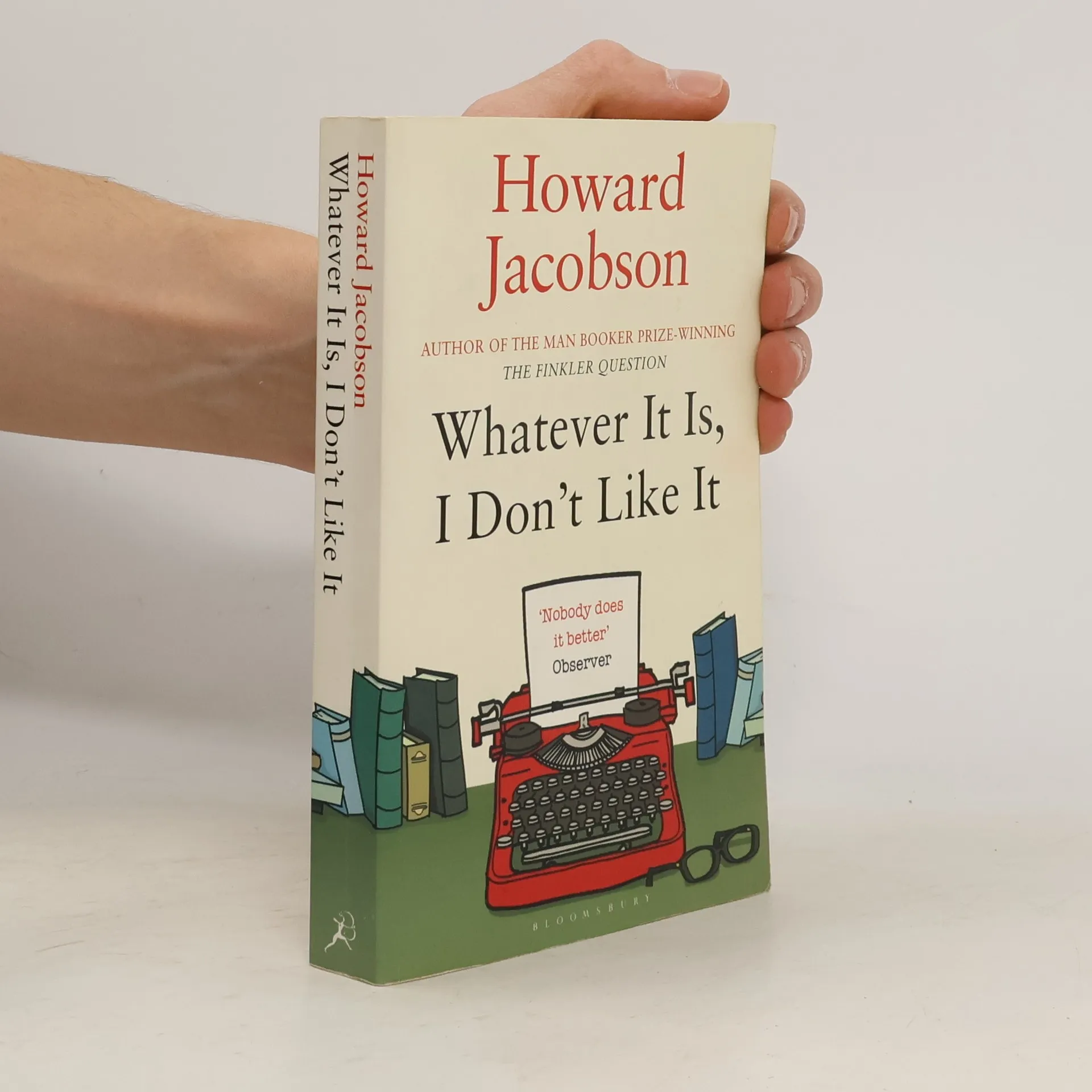
Whatever It Is, I Don't Like It
- 368 stránek
- 13 hodin čtení
A collection of 2010 Man Booker winner Howard Jacobson's most acclaimed journalism
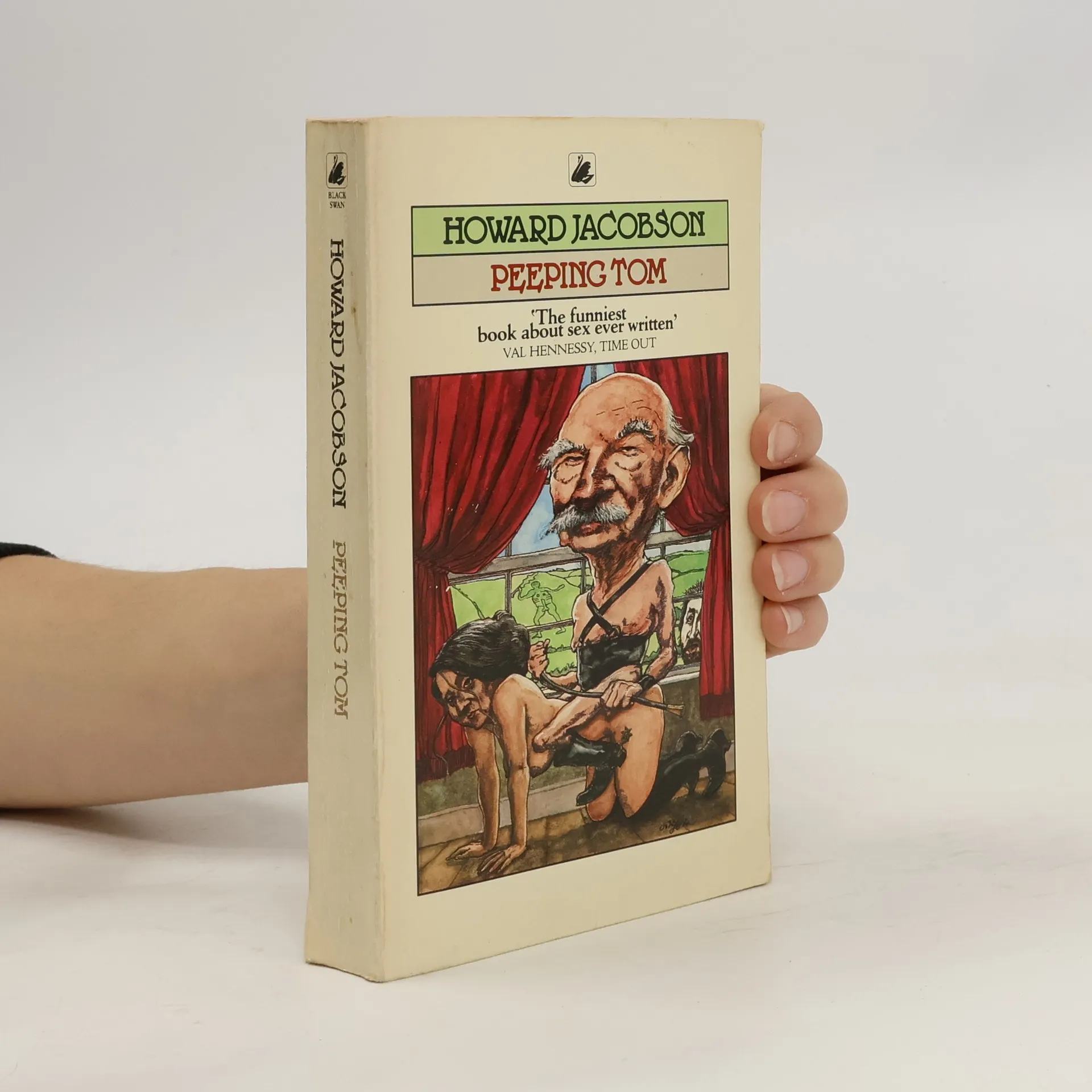
Peeping Tom
- 266 stránek
- 10 hodin čtení
Barney Fugleman has two major preoccupations in life: sex and literature. He is obsessed by the life and work of a man hailed by many as a genius of the nineteenth century - and by Barney as a 'prurient little Victorian ratbag'. This curious propulsion drives him out of Finchley, and out of the life he shares with Sharon and her 'rampant marvellings', to Cornwall. There he offends serious ramblers with his slip-on snakeskin shoes, fur coat and antagonism to all things green and growing as he stomps the wild Atlantic cliffs on long, morbid walks, tampering with the truth, tangling with the imperious Camilla - and telling a riotous tale. By the winner of the Man Booker Prize and author of The Finkler Question.
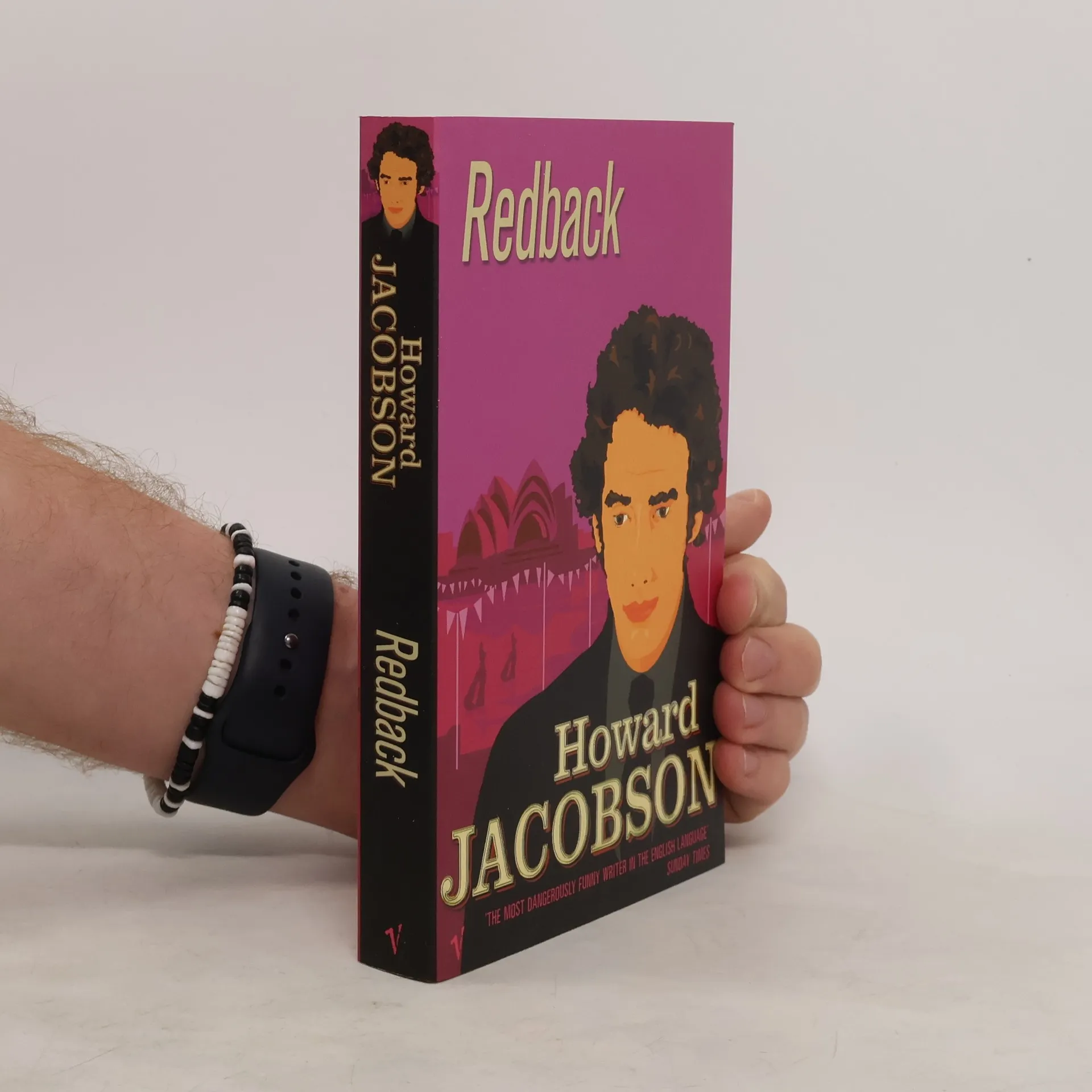
Redback
- 367 stránek
- 13 hodin čtení
Sent to Sydney on a CIA bursary on a mission to teach the Australians how to live, Leon quickly discovers that there are some natives who believe that they have an education to pass on in return.
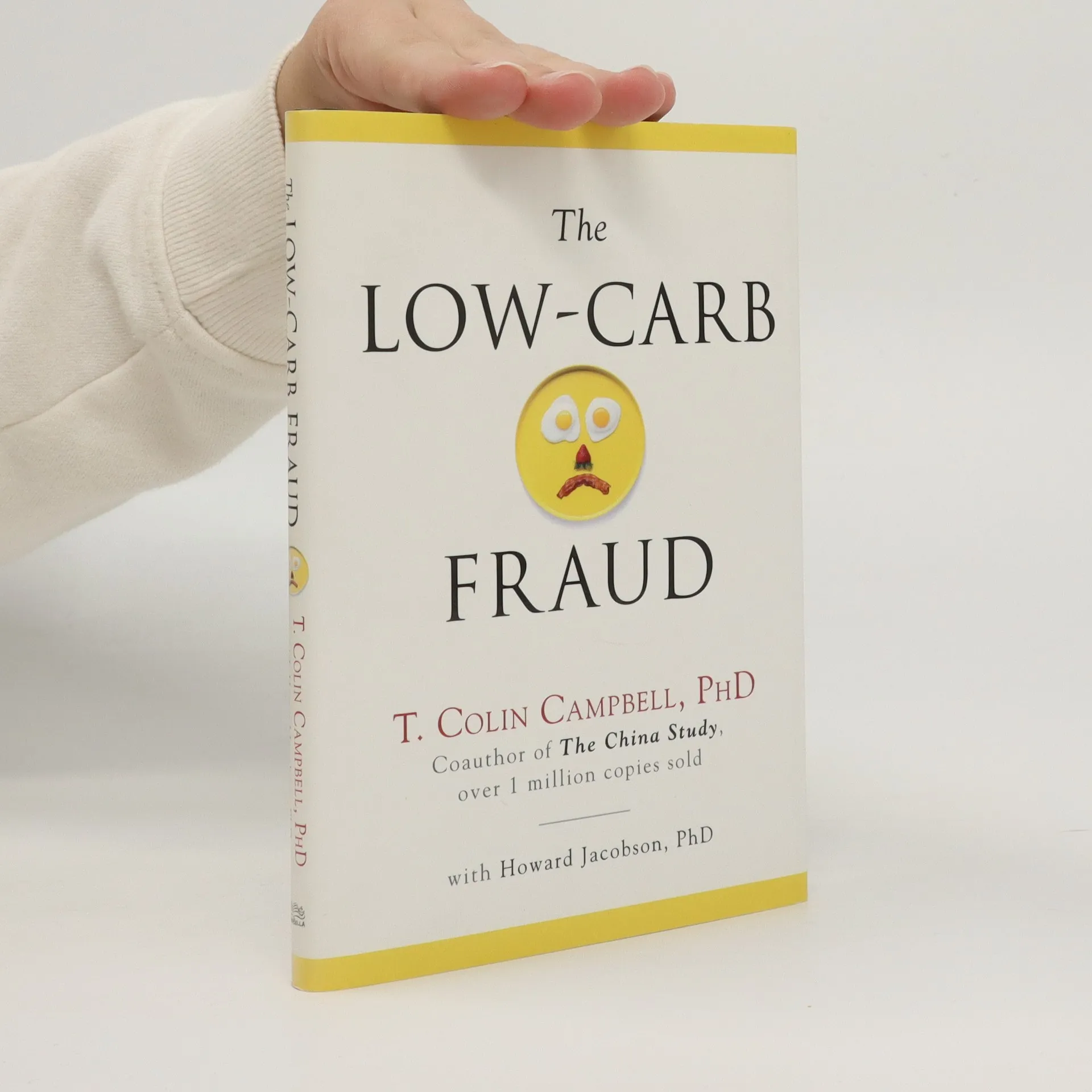
By now, the low-carb diet's refrain is a familiar one: Bread is bad for you. Fat doesn't matter. Carbs are the real reason you can't lose weight. The low-carb universe Dr. Atkins brought into being continues to expand. Low-carb diets, from South Beach to the Zone and beyond, are still the go-to method for weight-loss for millions. These diets' marketing may differ, but they all share two crucial components: the condemnation of “carbs" and an emphasis on meat and fat for calories. Even the latest diet trend, the Paleo diet, is—despite its increased focus on (some) whole foods—just another variation on the same carbohydrate fears. In The Low-Carb Fraud, longtime leader in the nutritional science field T. Colin Campbell (author of The China Study and Whole) outlines where (and how) the low-carb proponents get it wrong: where the belief that carbohydrates are bad came from, and why it persists despite all the evidence to the contrary. The foods we misleadingly refer to as “carbs" aren't all created equal—and treating them that way has major consequences for our nutritional well-being. If you're considering a low-carb diet, read this e-book first. It will change the way you think about what you eat—and how you should be eating, to lose weight and optimize your health, now and for the long term.
The fall of man from Cain's point of view. He calls God a spiteful tyrant and has nasty things to say about such biblical personages as Abel, Adam and Eve, and his girlfriend, Zilpah. By the author of Coming from Behind
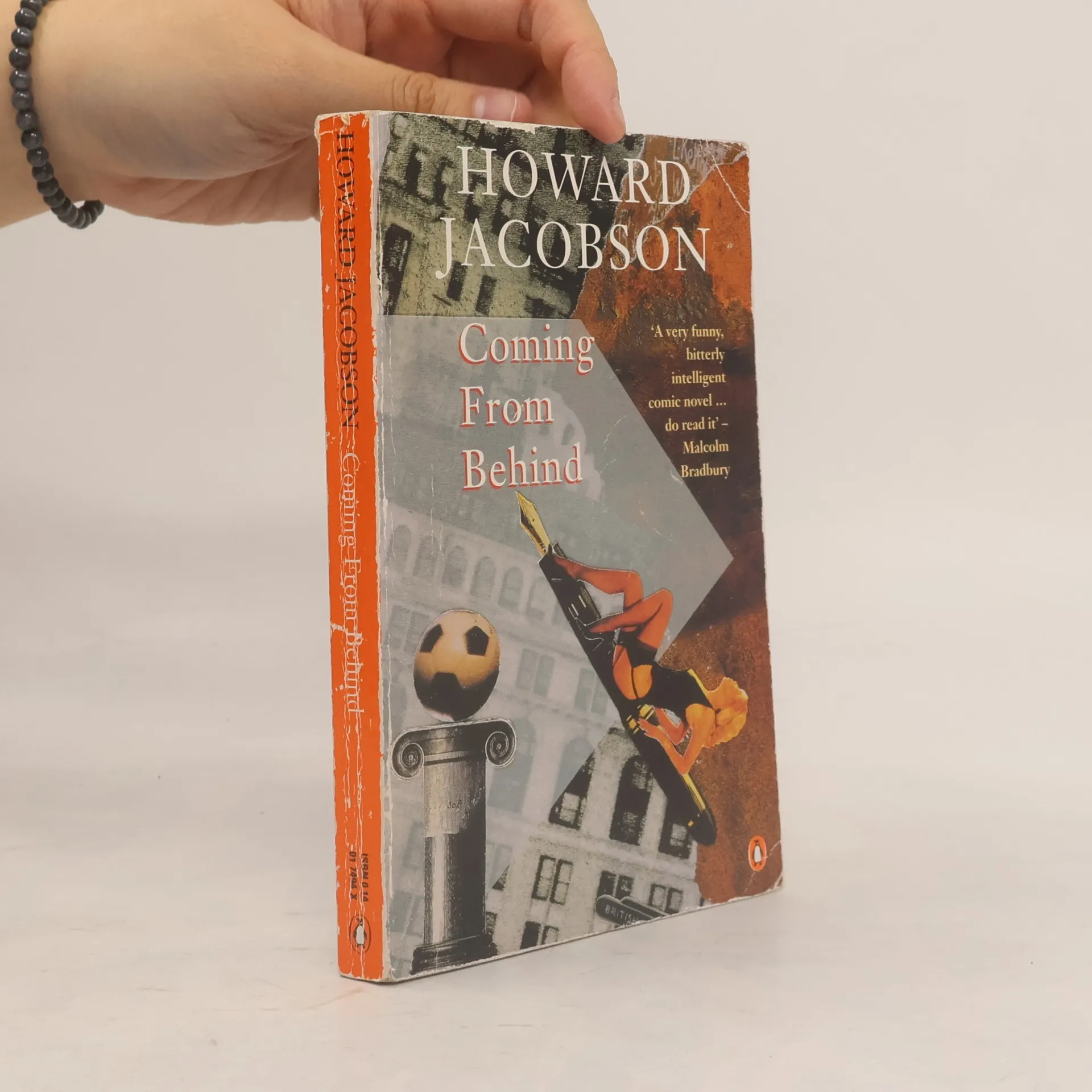
Sefton Goldberg, in his thirties, is trapped teaching English at Wrottesley Polytechnic College; he desperately wants the Disraeli Fellowship at Holy Christ Hall, Cambridge, but is also aware of his drawbacks as an urban Jew in a sea of Anglo-Saxons -- his dislike of beer, nature and sports.
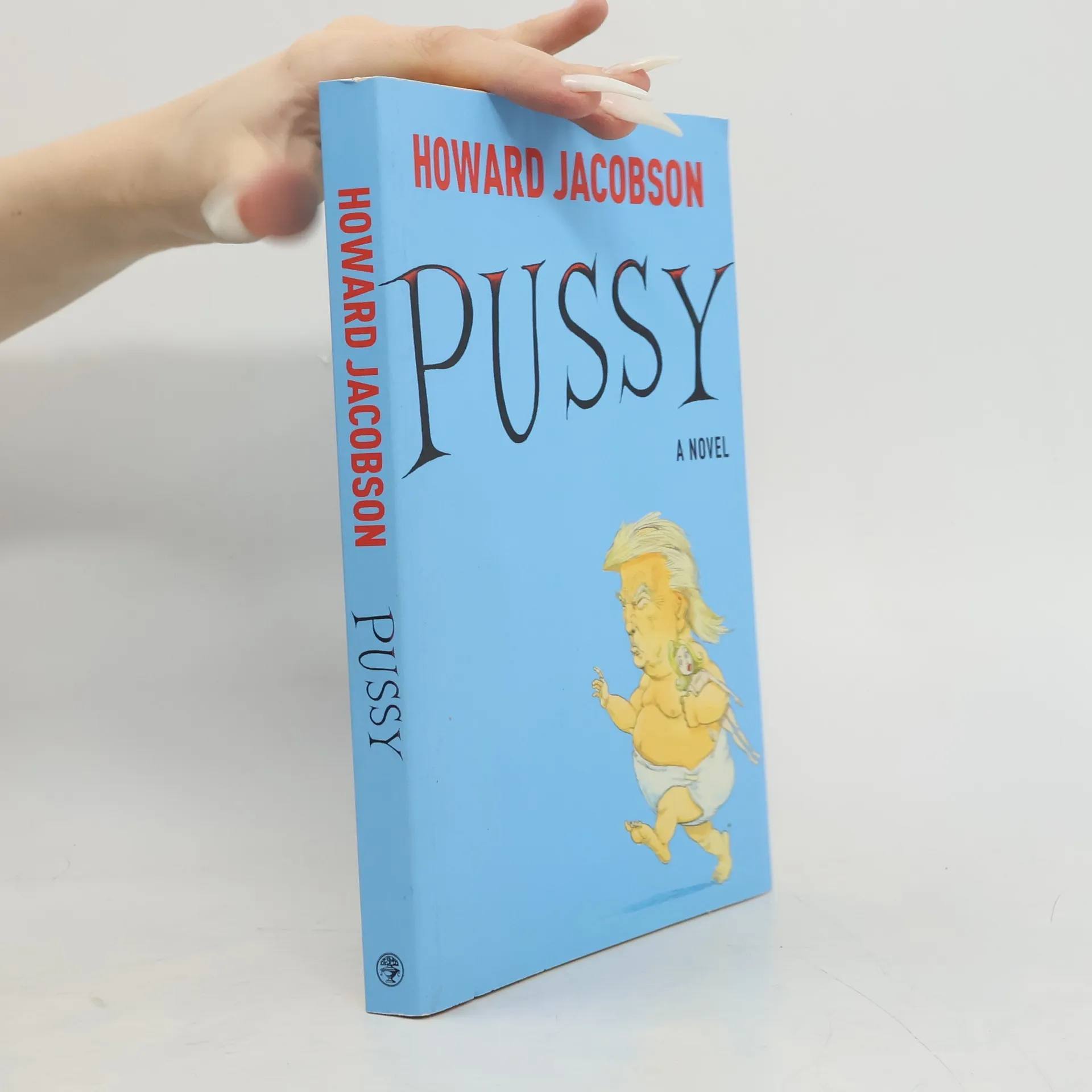
Pussy
- 189 stránek
- 7 hodin čtení
A provocatively entertaining, savagely funny satire on Donald Trump by Britain’s greatest comic novelist. Pussy is the story of Prince Fracassus, heir presumptive to the Duchy of Origen, famed for its golden-gated skyscrapers and casinos, who passes his boyhood watching reality shows on TV, imagining himself to be the Roman Emperor Nero, and fantasizing about hookers. He is idle, boastful, thin-skinned and egotistic; has no manners, no curiosity, no knowledge, no idea and no words in which to express them. Could he, in that case, be the very leader to make the country great again?
In the Land of Oz
- 400 stránek
- 14 hodin čtení
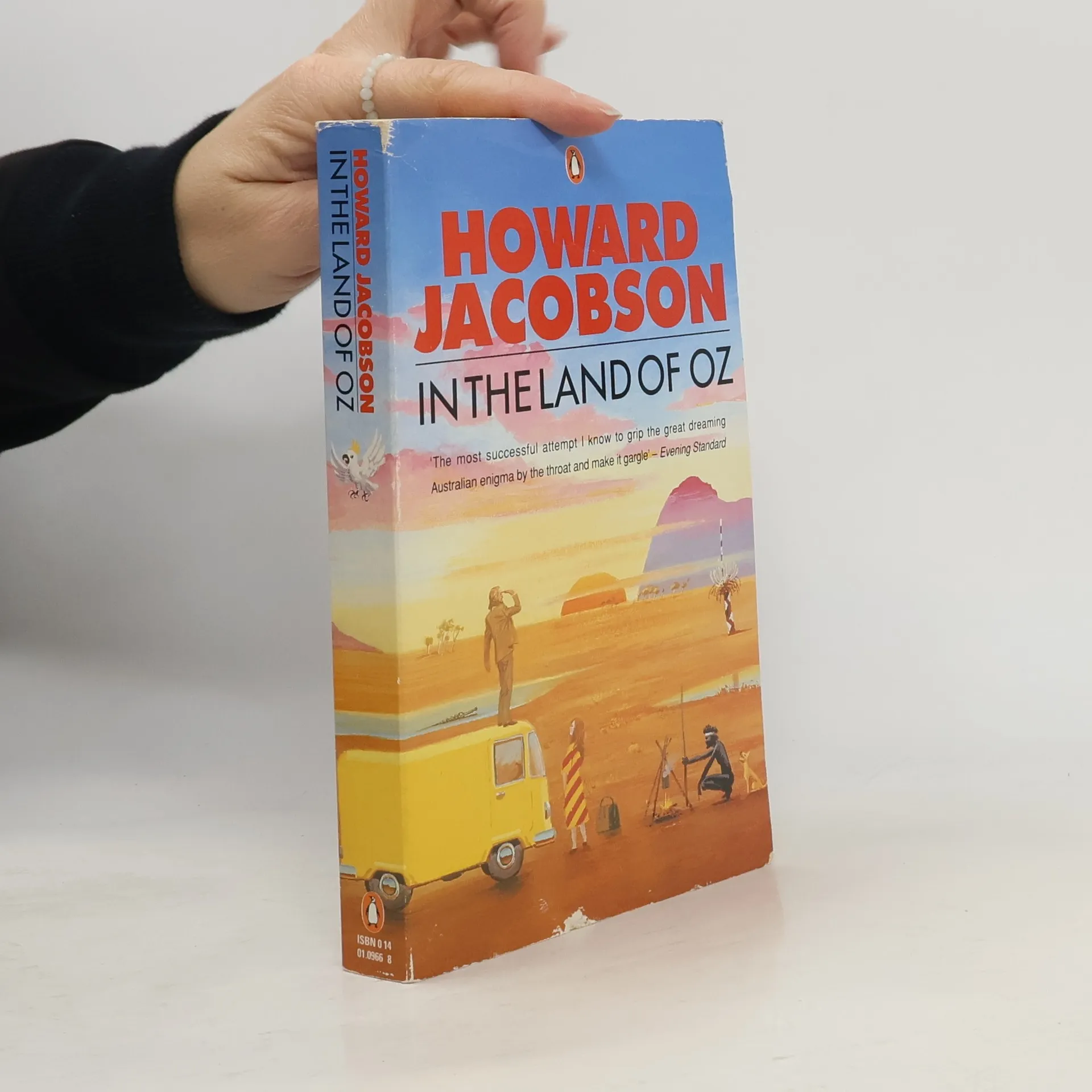
On what he calls ‘the adventure of his life', Howard Jacobson travels around Australia, never entirely sure where he is heading next or whether he has the courage to tackle the wild life of the bush, the wild men of the outback, or the even wilder women of the seaboard cities.In pursuit of the best of Australian good times, he joins revelers at Uluru, argues with racists in the Kimberleys, parties with wine-growers in the Barossa and falls for ballet dancers in Perth. And even as vexed questions of national identity and Aboriginal land rights present themselves, his love for Australia and Australians never falters.
The Act of Love
- 320 stránek
- 12 hodin čtení
No man has ever loved a woman and not imagined her in the arms of someone else. Felix Quinn calls himself a happy man. He owns one of London's oldest antiquarian bookshops. He is married to and adores the beautiful Marisa. But a childhood experience has taught him that loss is intrinsic to love, and Felix realises that he can only be truly happy if his wife is sleeping with another man. Enter Marius into Marisa's affections. And now Felix must ask himself, is he really happy? By the winner of the 2010 Man Booker Prize.
The Making Of Henry
- 340 stránek
- 12 hodin čtení
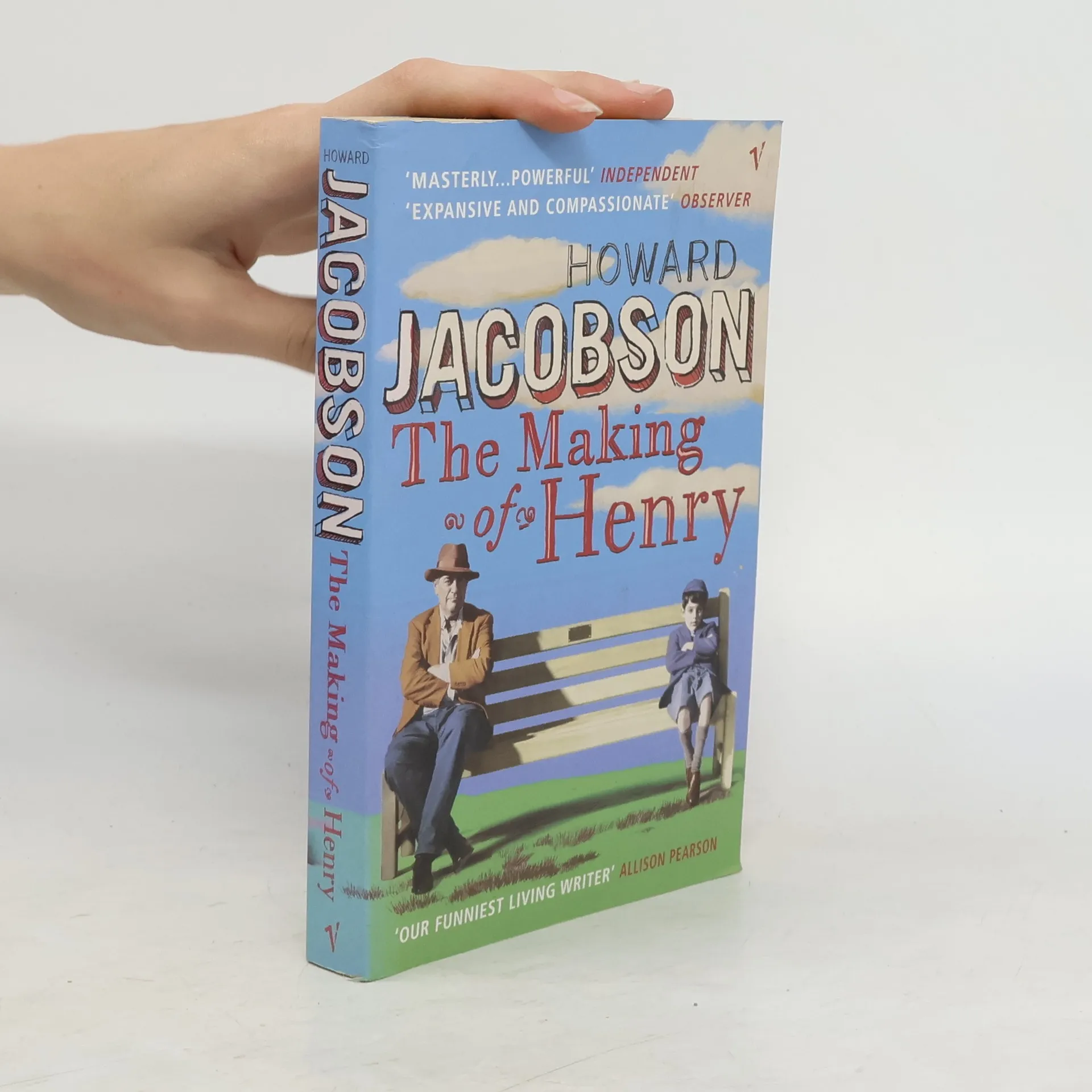
One day, out of the blue, Henry Nagel inherits a sumptuous apartment in St John's Wood. and his father Izzi, upholsterer turned illusionist, fire-eater and origamist, whose shade Henry interrogates relentlessly. Kicking and screaming every inch of the way, Henry realises he might finally be falling in love.
Kalooki Nights
- 480 stránek
- 17 hodin čtení
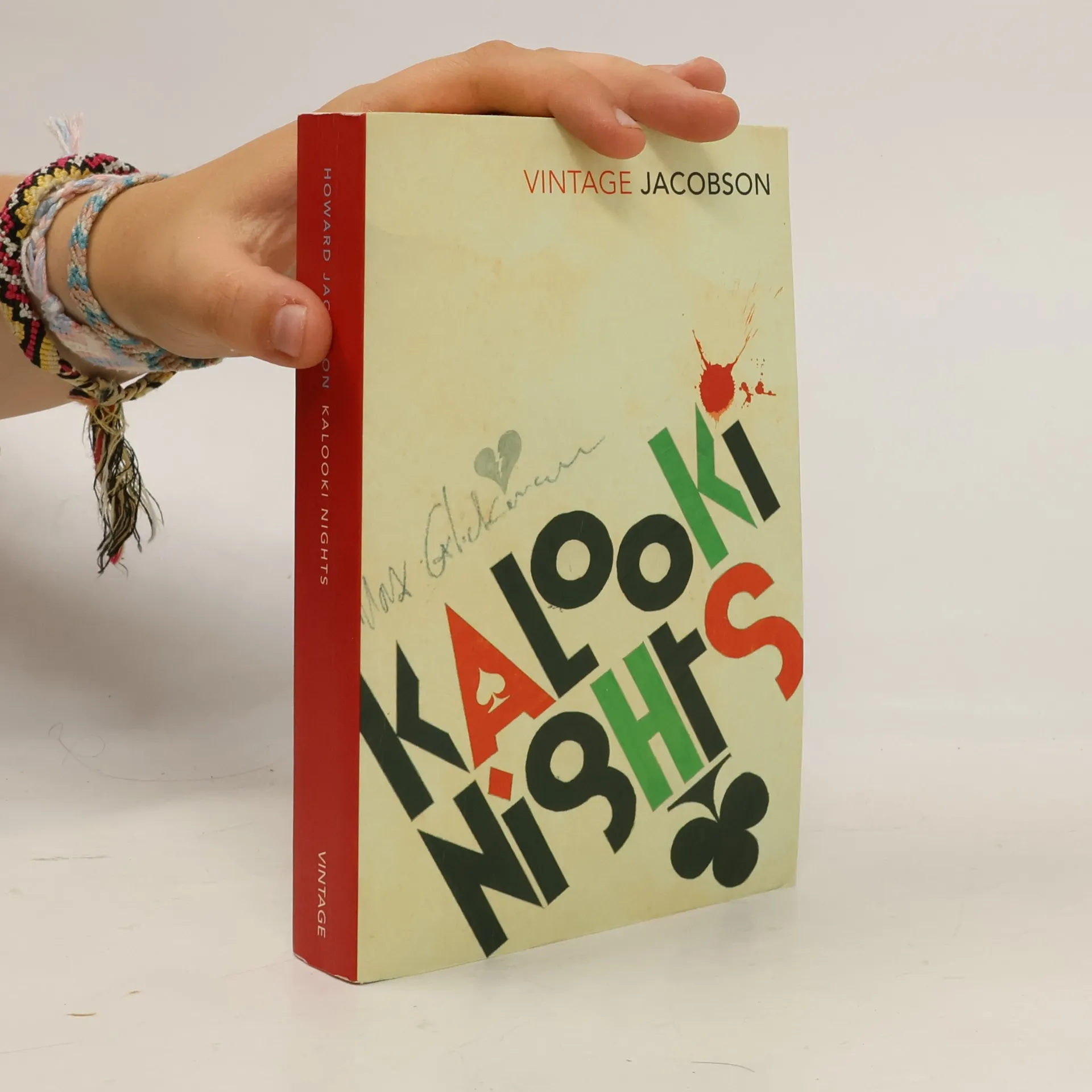
Life should have been sunny for Max Glickman, growing up in Crumpsall Park in peacetime, with his mother's glamorous card evenings to look forward to, and photographs of his father's favourite boxers on the walls. But other voices whisper seductively to him of Buchenwald, extermination, and the impossibility of forgetting. Fixated on the crimes which have been committed against his people, but unable to live among them, Max moves away, marries out, and draws cartoon histories of Jewish suffering in which no one, least of all the Jews, is much interested. But it's a life. Or it seems a life until Max's long-disregarded childhood friend, Manny Washinsky, is released from prison. Little by little, as he picks up his old connection with Manny, trying to understand the circumstances in which he made a Buchenwald of his own home, Max is drawn into Manny's family history - above all his brother's tragic love affair with a girl who is half German. But more than that, he is drawn back into the Holocaust obsessions from which he realises there can be, and should be, no release. There is wild, angry, even uproarious laughter in this novel, but it is laughter on the edge. It is the comedy of cataclysm.
No More Mr. Nice Guy
- 260 stránek
- 10 hodin čtení
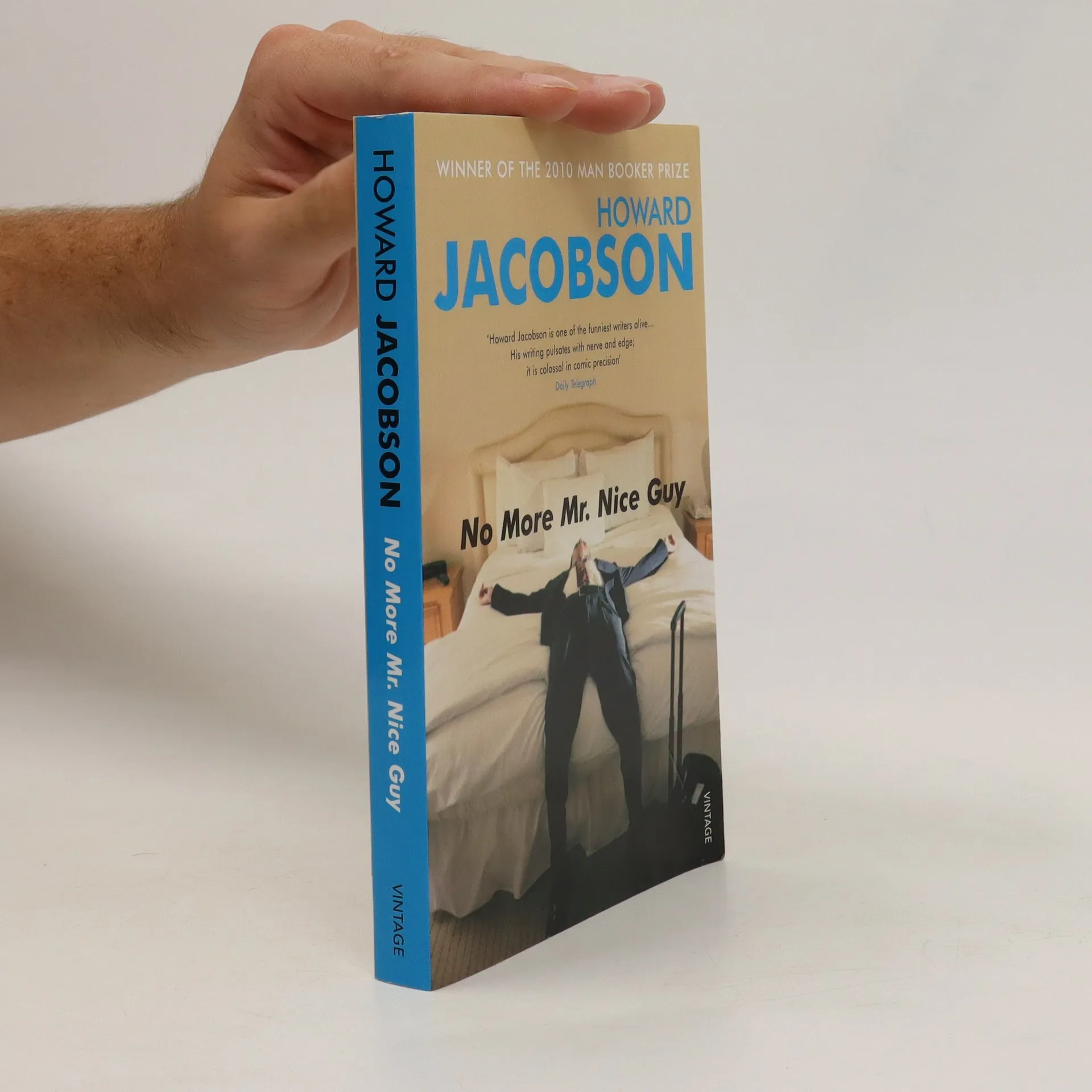
Frank Ritz is a television critic. His partner, Melissa Paul, is the author of pornographic novels for liberated women. He watches crap all day; she writes crap all day. It's a life. Or it was a life. But now they're fighting, locked in oral combat. He won't shut up and she is putting her finger down her throat again. So there's only one thing for it - Frank has to go. But go where? And do what? Frank Ritz has been on heat more or less continuously since he could speak his own name. Let him out of the house and his first instinct is to go looking for sex. Deviant sex, treacherous sex, even straight sex, so long as it's immoderate - he's never been choosy. But what happens when sex is all you know but no longer what you want? (19990115)
Zoo time
- 469 stránek
- 17 hodin čtení
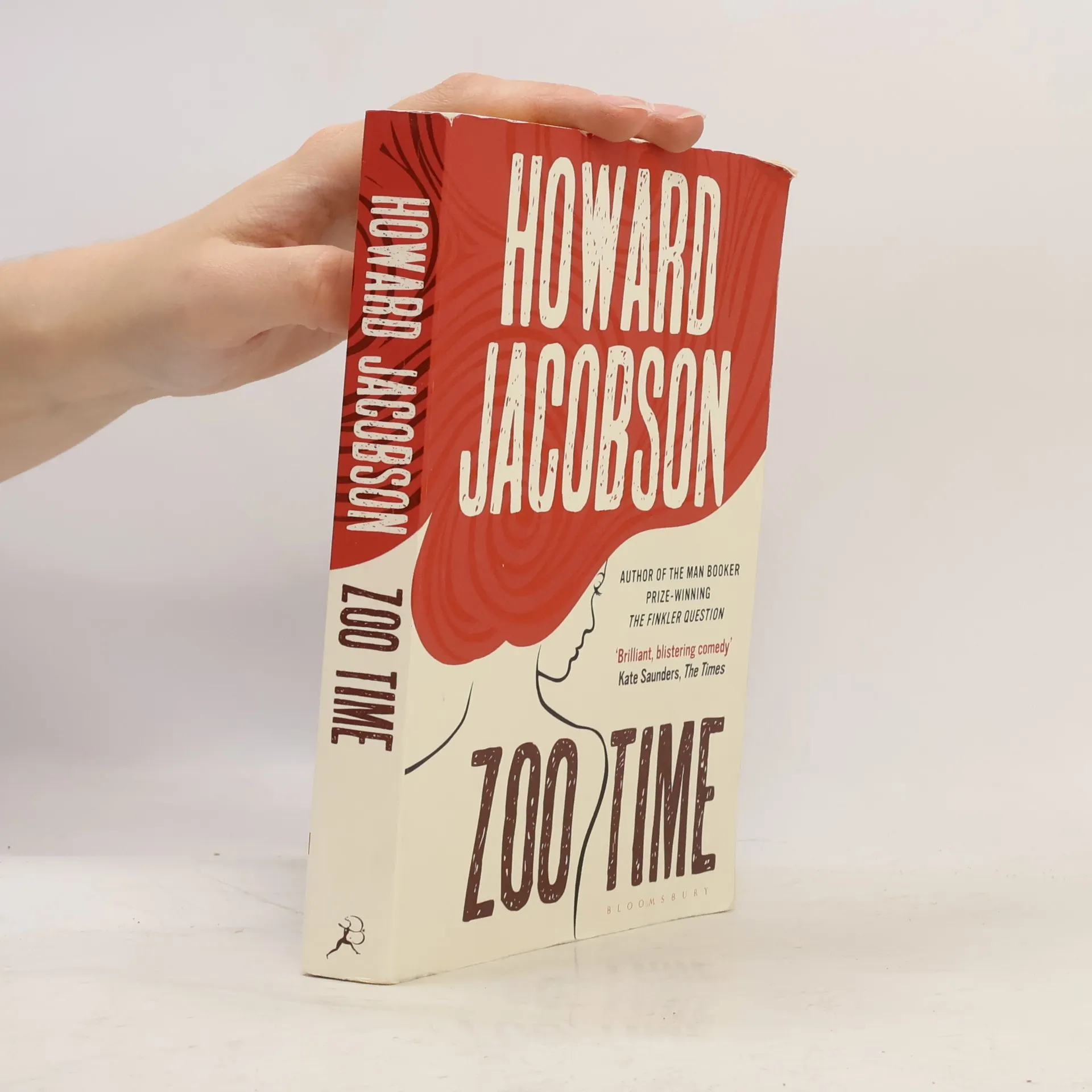
Novelist Guy Ableman is in thrall to his vivacious wife Vanessa, a strikingly beautiful red-head, contrary, highly strung and blazingly angry. The trouble is, he is no less in thrall to her alluring mother, Poppy. More like sisters than mother and daughter, they come as a pair, a blistering presence that destroys Guy's peace of mind, suggesting the wildest stories but making it impossible for him to concentrate long enough to write any of them.Not that anyone reads Guy, anyway. Not that anyone is reading anything. Reading, Guy fears, is finished. His publisher, fearing the same, has committed suicide. His agent, like all agents, is in hiding. Vanessa, in the meantime, is writing a novel of her own. Guy doesn't expect her to finish it, or even start it, but he dreads the consequences if she does.In flight from personal disappointment and universal despair, Guy wonders if it's time to take his love for Poppy to another level. Fiction might be dead, but desire isn't. And out of that desire he imagines squeezing one more great book.By turns angry, elegiac and rude, Zoo Time is a novel about love - love of women, love of literature, love of laughter. It shows our funniest writer at his brilliant best.
What Will Survive of Us
- 290 stránek
- 11 hodin čtení
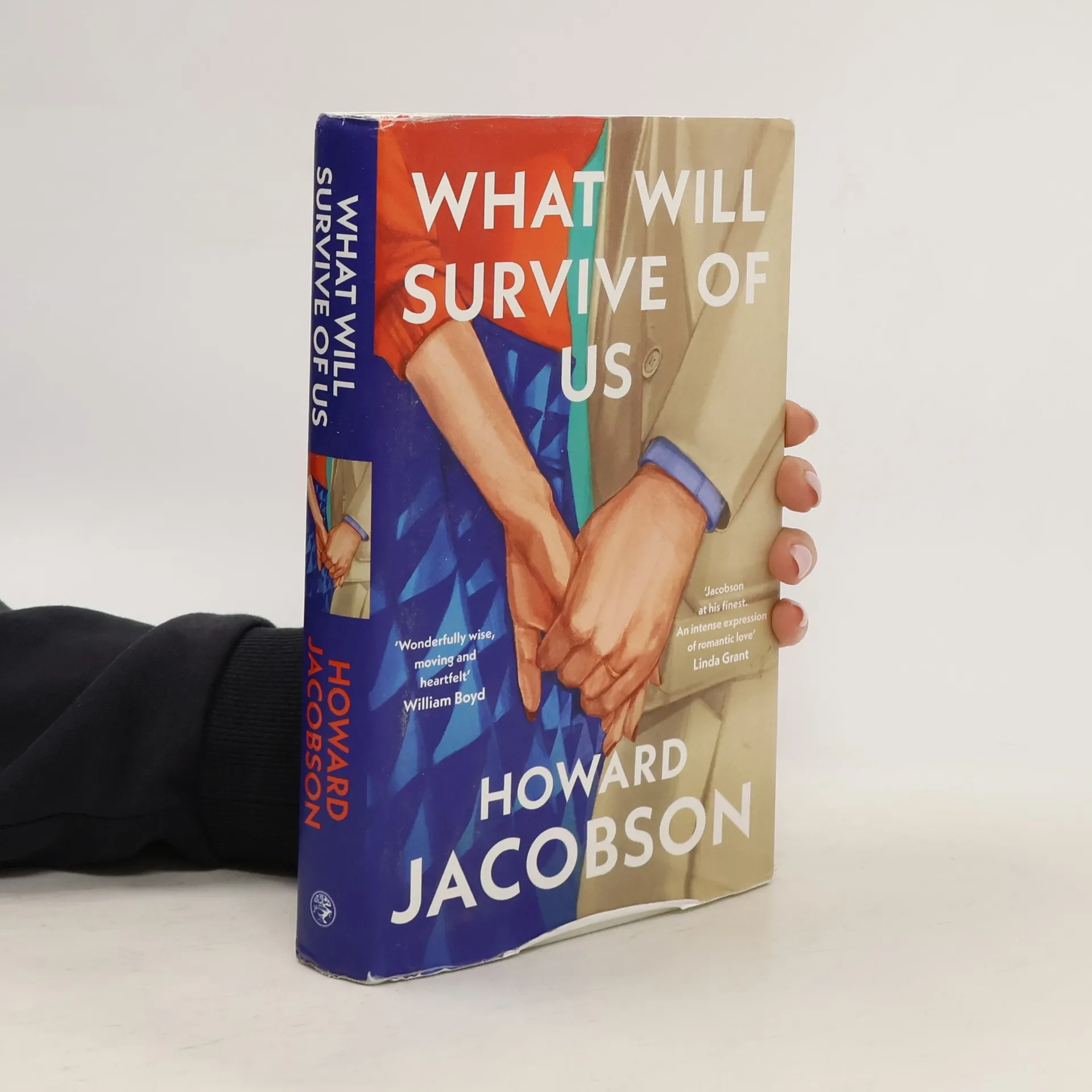
Love can change your life. Can it survive it? Lily falls in love with Sam the minute she sets eyes on him. It takes Sam a day or two longer. Curious, because Lily - independent, headstrong, rational - has never quite believed in love; while Sam - confident, passionate, romantic - thought he understood it inside out. Lily is an award-winning television documentary maker. Sam is an award-winning playwright. Both are in relationships that have quietly expired, but their encounter makes Lily and Sam come alive again. As they begin to work together on the page and on screen, an affair takes hold that they are powerless to resist. Arriving in mid-life, their relationship opens unexpected new worlds and, for Lily, offers her a surprising form of liberation. But what will happen to them when familiarity, illness and age begin to take their toll? What will survive? Taking us to the edge of desire, love and betrayal across a lifetime, What Will Survive of Us reveals what is left of us when we strip away every layer.
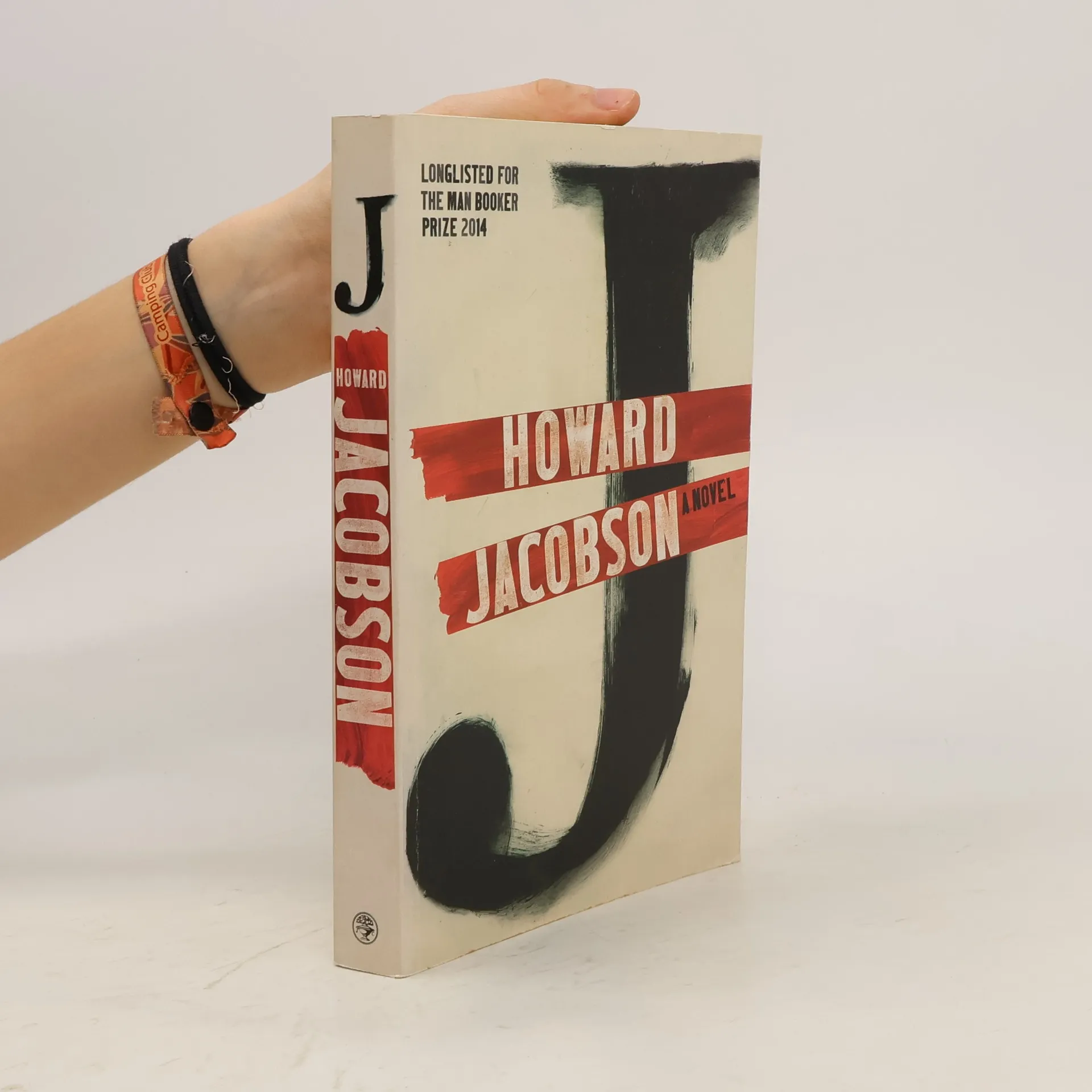
Shortlisted for the 2014 Man Booker PrizeSet in the future - a world where the past is a dangerous country, not to be talked about or visited - J is a love story of incomparable strangeness, both tender and terrifying.Two people fall in love, not yet knowing where they have come from or where they are going. Kevern doesn't know why his father always drew two fingers across his lips when he said a world starting with a J. It wasn't then, and isn't now, the time or place to be asking questions. Ailinn too has grown up in the dark about who she was or where she came from. On their first date Kevern kisses the bruises under her eyes. He doesn't ask who hurt her. Brutality has grown commonplace. They aren't sure if they have fallen in love of their own accord, or whether they've been pushed into each other's arms. But who would have pushed them, and why?Hanging over the lives of all the characters in this novel is a momentous catastrophe – a past event shrouded in suspicion, denial and apology, now referred to as What Happened, If It Happened.J is a novel to be talked about in the same breath as Nineteen Eighty-Four and Brave New World, thought-provoking and life-changing. It is like no other novel that Howard Jacobson has written.
Howl: The powerful new novel from the Booker Prize winner
- 304 stránek
- 11 hodin čtení
The Mighty Walzer
- 400 stránek
- 14 hodin čtení
The story follows Oliver Walzer, a talented ping-pong player who struggles with his romantic life. With guidance from Sheeny Waxman, a fellow club member and coffee bar regular, Oliver works to enhance both his table tennis skills and his understanding of relationships. This blend of sports and personal growth captures the challenges and triumphs of navigating life and love. The novel's unique perspective and character development contributed to its recognition as the winner of the 2010 Man Booker Prize.
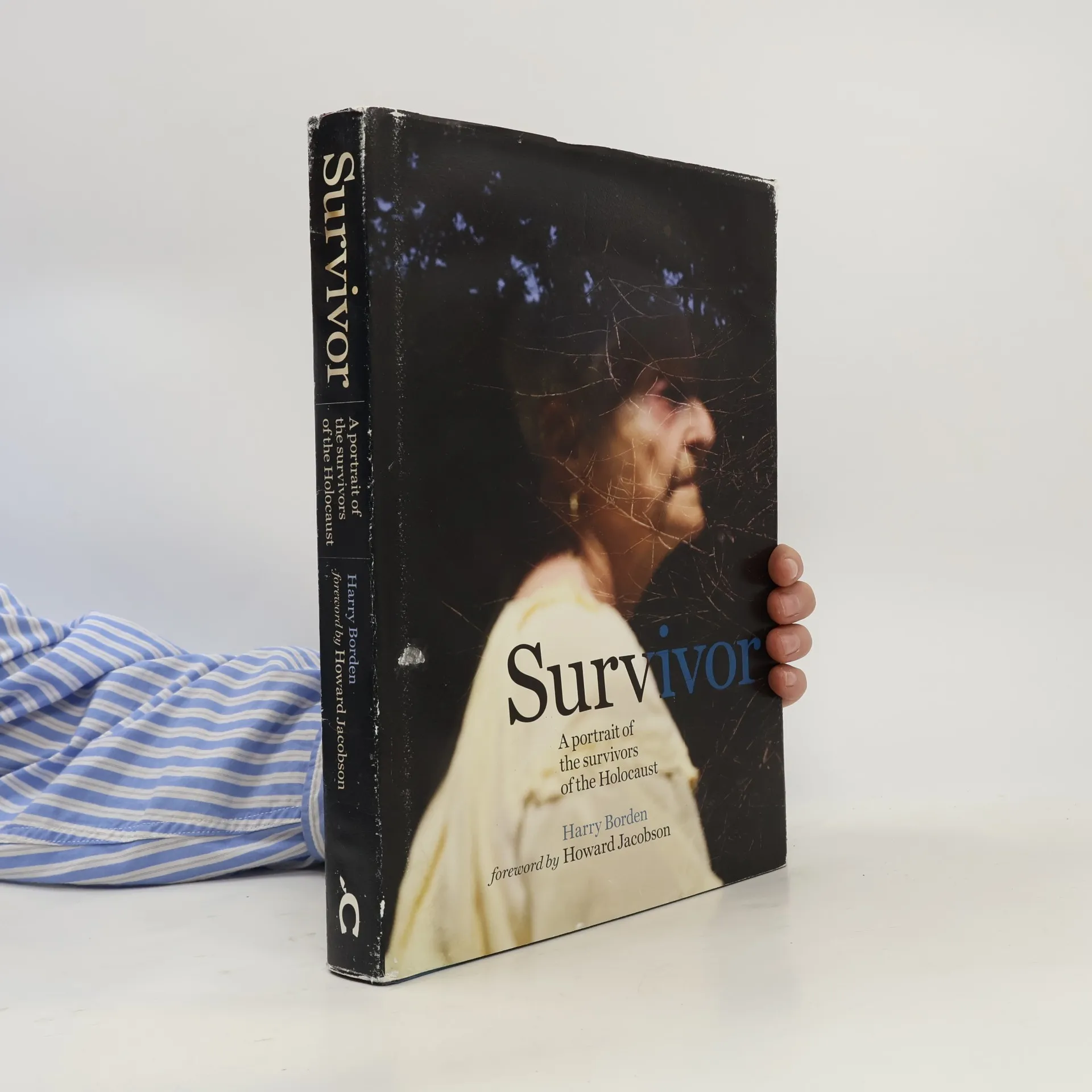
Over the course of five years, award-winning photographer Harry Borden has travelled the globe photographing survivors of the Holocaust. The people featured vary in age, gender and nationality, but are tied together by their experience and survival of one of the darkest moments in human history.Each memorable photograph is accompanied by a handwritten note from the sitter, ranging from poems, to memories, to hopes for the future, creating a strong sense of intimacy between sitter and reader. This intimacy is amplified by the home settings of many of the photographs, along with the photographer's use of available light at each scene. At the end of the book is a section providing additional information about each subject, detailing how and what they survived.Thought-provoking, moving and touching, with a foreword by Man Booker Prize-winning author Howard Jacobson, this book conveys the dignity and humanity of each subject's character. Survivor is a unique and powerful testimony of what it is to live with memories of the Holocaust.
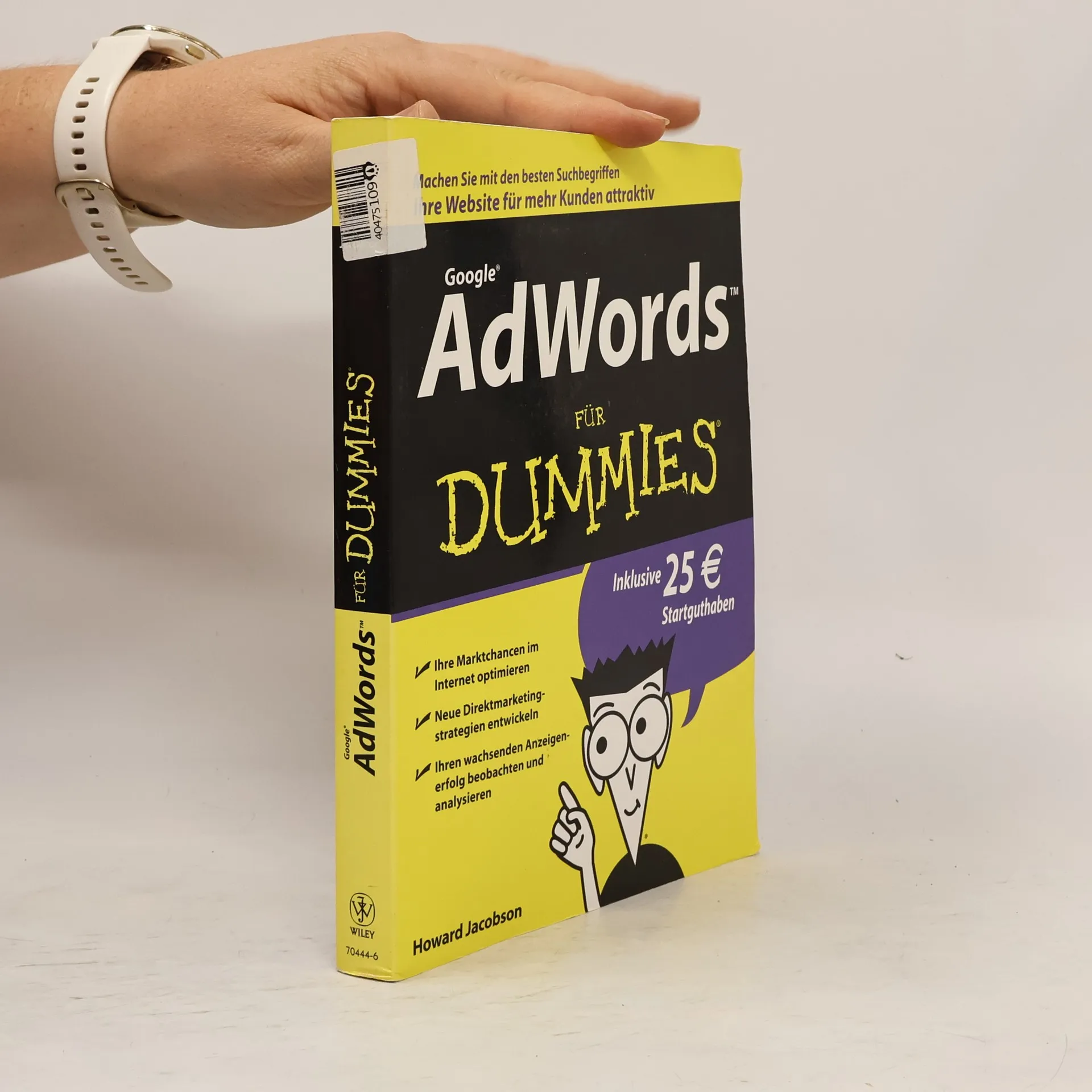
Das Internet bietet ungeahnte Werbemöglichkeiten für Unternehmen. Aber man muss sie auch zu nutzen wissen. Google AdWords ist ein cleveres Onlinemarketing-Tool, mit dem Sie Ihre Website für noch mehr Kunden attraktiv machen können. Der Onlinemarketing-Spezialist Howard Jacobson zeigt Ihnen von der Anmeldung über die Ausarbeitung einer Marketingstrategie bis hin zur ihrer Perfektionierung, wie Sie Google AdWords professionell nutzen und gewinnbringend einsetzen. Sie erfahren, wie Sie die richtigen Suchbegriffe auswählen, um Kunden anzulocken, wie Sie Ihren Markt erforschen, eine Direktmarketing-Strategie entwickeln und den Erfolg Ihrer Anzeigen analysieren und optimieren. Starten Sie durch mit 25 Euro Startguthaben - So wird Ihr Internetauftritt ein Erfolg! Zur Aktivierung des Gutscheincodes nach dem 30.12.2011 wenden Sie sich bitte an den Verlag Wiley-VCH.