
Knihobot

Condoleezza Rice

    14. listopad 1954

    Condoleezza Rice is a distinguished figure in international relations, known for her pioneering work in diplomacy. Her policy of Transformational Diplomacy aimed to foster democracy in the Middle East, though it encountered complex geopolitical realities. Her experience extends to high-level advisory roles in national security and as a former professor of political science, offering a unique blend of academic insight and practical statesmanship.

    Condoleezza Rice
    Documenting Communism
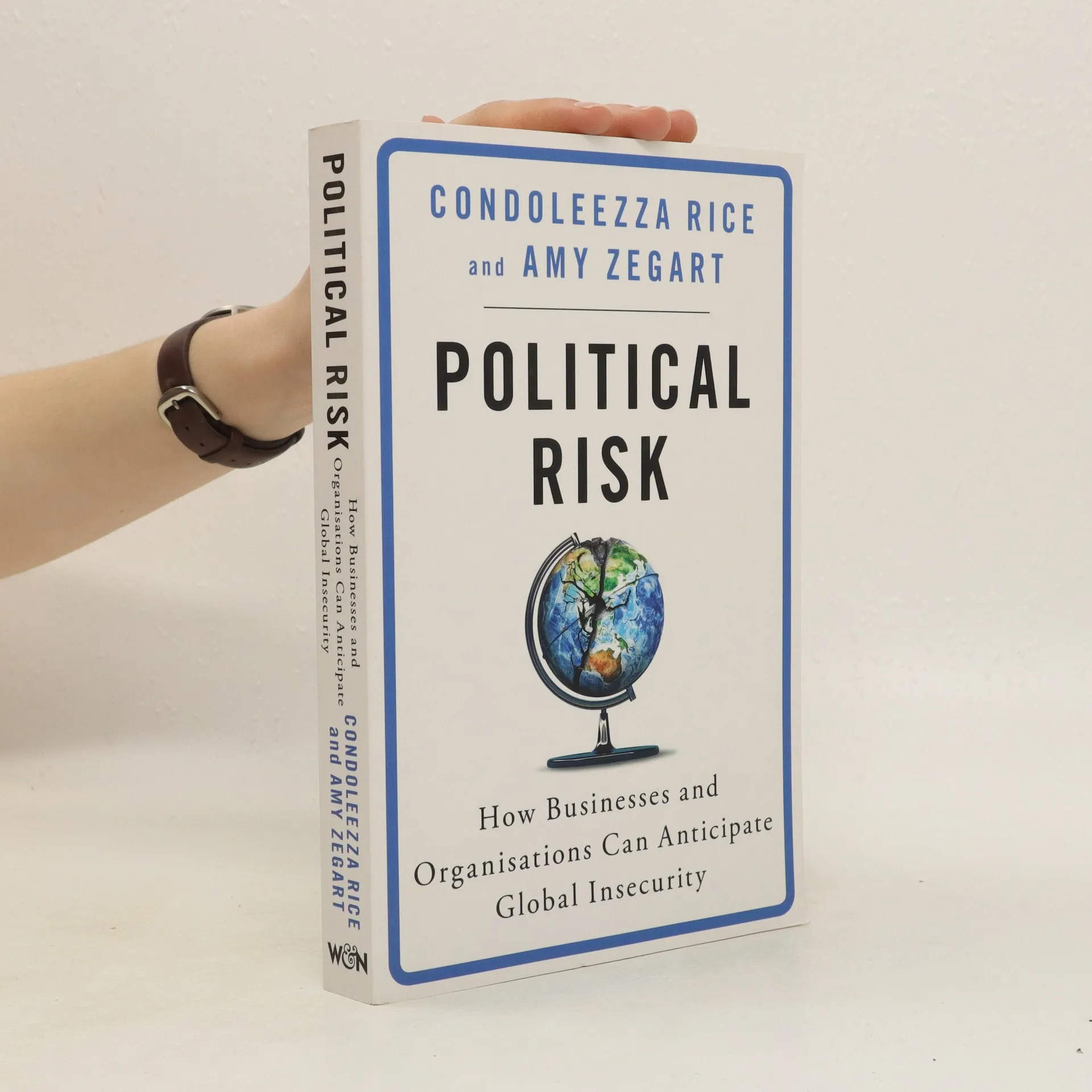
    Political risk
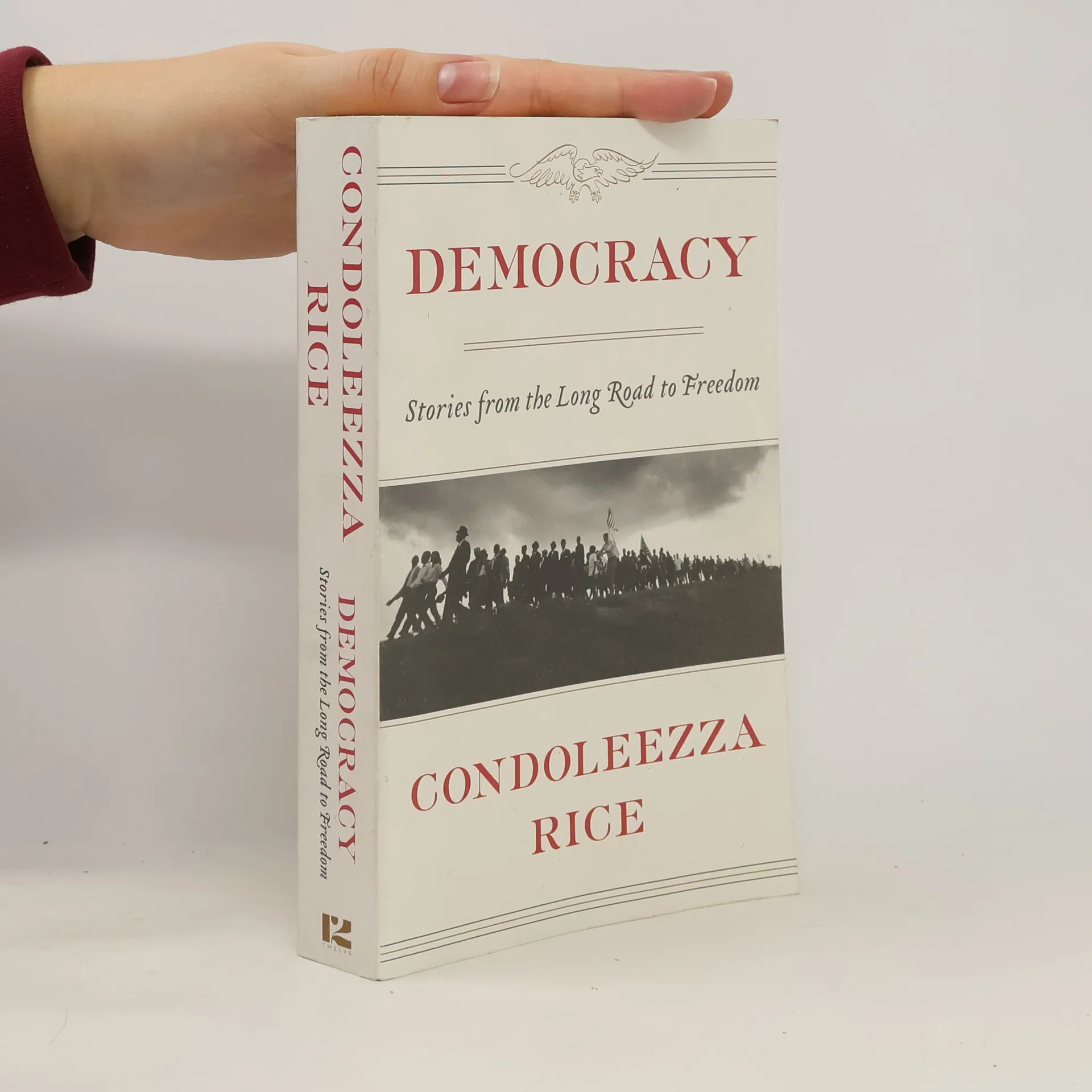
    Democracy
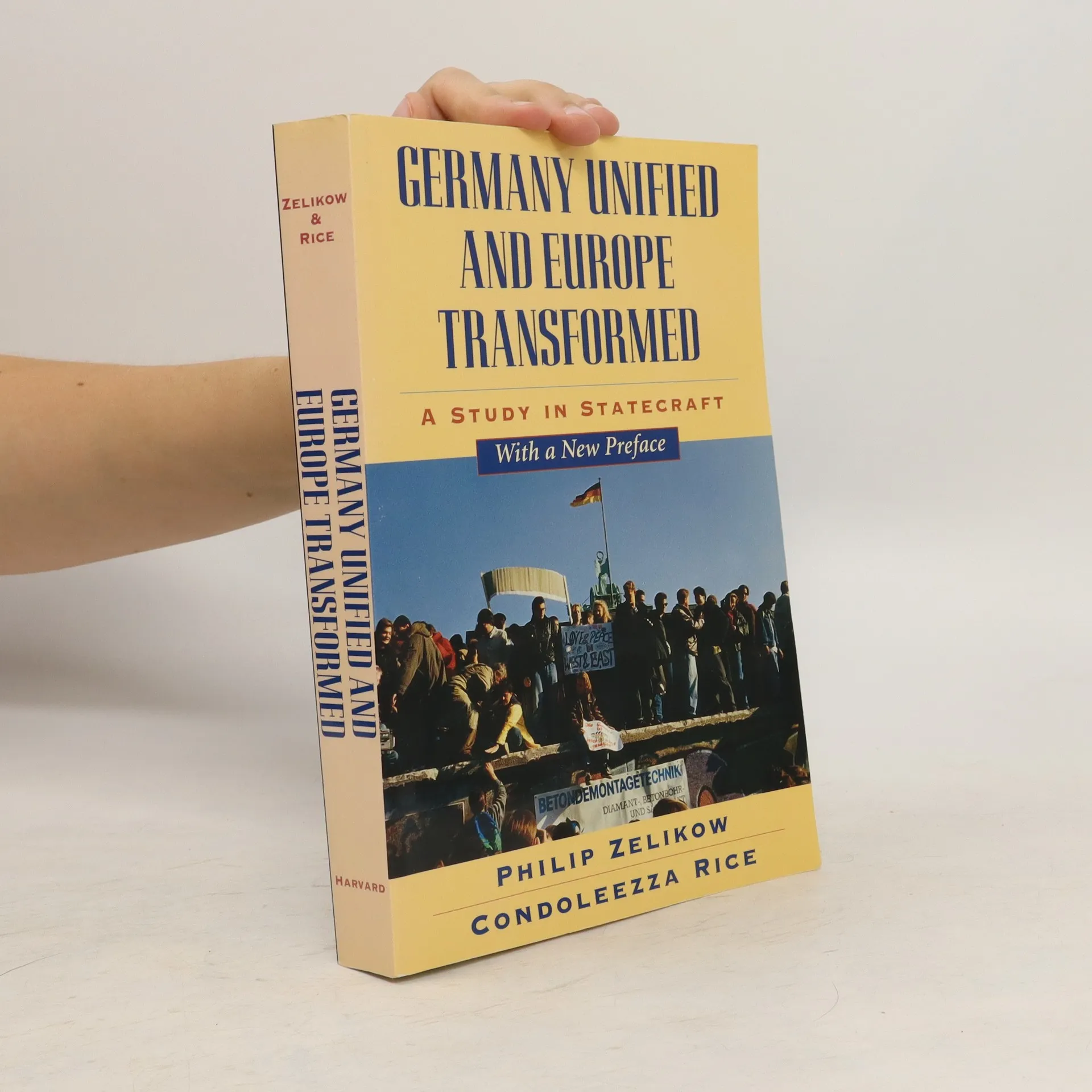
    Germany Unified and Europe Transformed
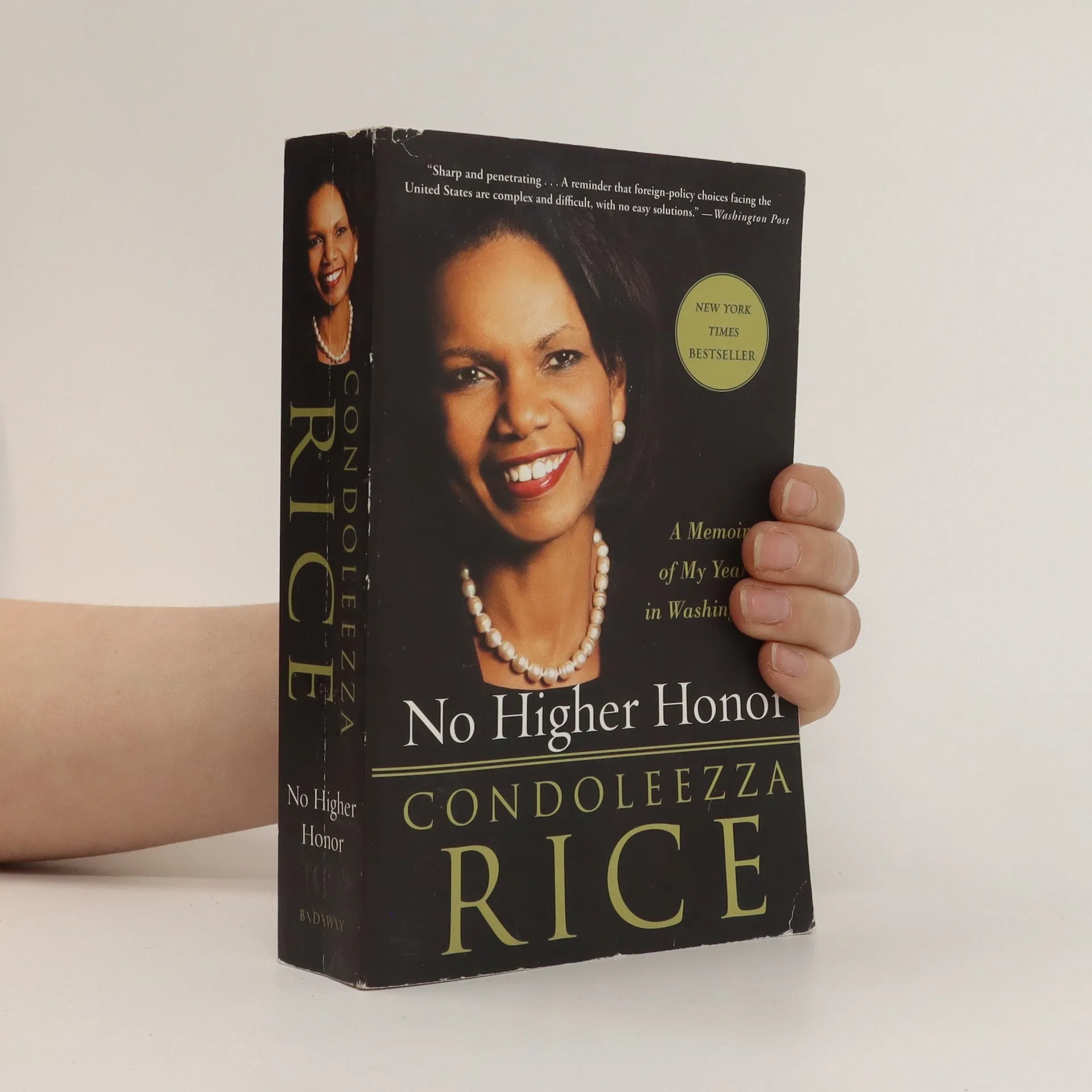
    No Higher Honor
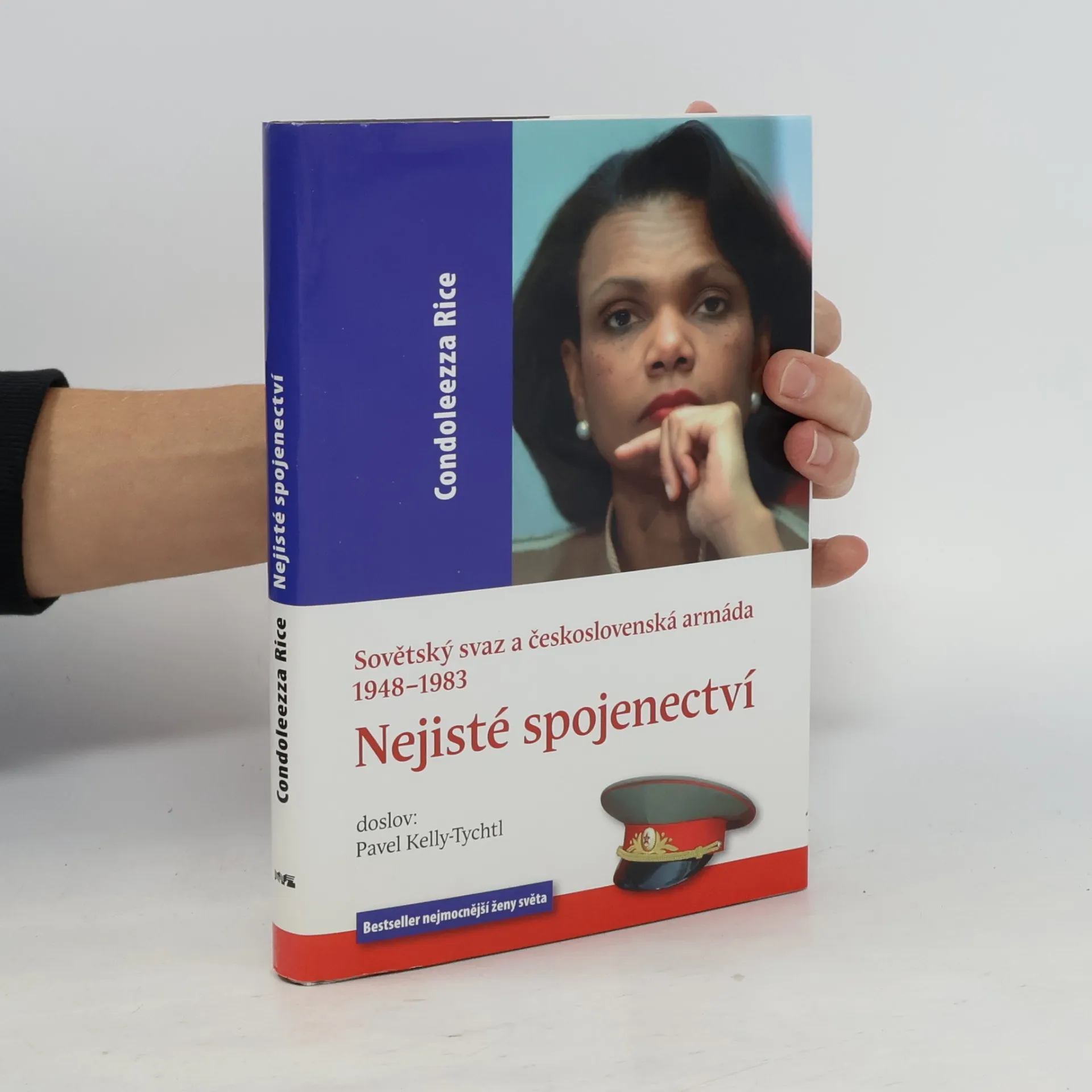
    Sovětský svaz a československá armáda 1948-1983. Nejisté spojenectví
    • Podtitul: nejisté spojenectví Studie vztahu mezi politickou mocí a armádou ilustruje přeměnu československé armády v armádu socialistického typu v letech 1948-1983. Češi jsou zbabělý národ a jejich armáda se nikdy nebránila proti cizím okupantům. To si myslí, nebo alespoň myslela, americká ministryně zahraničí Condoleezza Riceová. Riceová to napsala ve své knize, kterou jí v roce 1984 vydala slavná Princetonská univerzita pod názvem Sovětský svaz a Československá armáda 1948 - 1983. Tehdy se jejím pedagogem a jak často zmiňuje duchovním otcem stal profesor politologie na univerzitě v Coloradu Čech Josef Korbel - otec Madeleine Albrightové...
      Sovětský svaz a československá armáda 1948-1983. Nejisté spojenectví
    • No Higher Honor

      • 784 stránek
      • 28 hodin čtení
      4,1(48)Ohodnotit

      From one of the world's most admired women, this compelling story recounts eight years at the highest levels of government by former National Security Advisor and Secretary of State Condoleezza Rice. As America's chief diplomat, Rice traveled extensively, seeking common ground among adversaries and achieving significant diplomatic milestones. A Birmingham, Alabama native, she overcame the racism of the Civil Rights era to become a prominent academic and foreign affairs expert, advising George W. Bush during the 2000 presidential campaign. Following his election, she became his chief adviser on national-security issues, a role that strengthened her bond with the President and made her one of his closest confidantes. After the September 11, 2001, terrorist attacks, Rice was at the forefront of the Administration's efforts to safeguard the nation, detailing the harrowing events of that day and the tumultuous aftermath. She also reveals insights into the debates leading to the wars in Afghanistan and Iraq. In 2004, Rice faced intense scrutiny when she testified before the 9/11 Commission about the country's preparedness and response to the attacks. Her performance significantly influenced public perception of the Administration's competence during the crisis, and she reflects on the pressure of that moment and the unexpected praise she received afterward.

      No Higher Honor
    • This work provides an analysis of the moves and manoeuvres that brought an end to the Cold War division of Europe. Coverage includes discussion of the opening of the Berlin Wall and a study of the relationship between West German Chancellor Helmut Kohl and reform Communist leader, Hans Modrow.

      Germany Unified and Europe Transformed
    • From the former Secretary of State and bestselling author - a sweeping, definitive look at the birth, life and struggle of global democracy. From the end of the Cold War and the collapse of the Soviet Union to the ongoing struggle for human rights in the Middle East, Condoleezza Rice has been on the front lines of history. She was a child when her hometown of Birmingham, Alabama became the epicenter of the Civil Rights Movement. In DEMOCRACY, Rice explains what these epochal events teach us about democracy; how no two transitions to democracy are the same and, in the absence of perfect circumstances, how to move forward under difficult ones. At a time when people around the world are wondering whether democracy is in decline, Rice shares insights from her experiences as a policymaker, scholar, and citizen, in order to put democracy's challenges into perspective.

      Democracy
    • Political risk - the probability that a political action could significantly affect an organisation - is changing fast, and it's more widespread than ever before. In the past, the chief concern used to be whether a foreign dictator would nationalise the country's oil industry or impose onerous new regulations. Today, political risk stems from a widening array of political agents, from Twitter users and terrorists to local officials, transnational activists, hackers and insurgents. What's more, the very institutions and laws that are supposed to reduce uncertainty and risk often increase it instead. This means that in today's globalised world there are no 'safe' bets. Political risk affects companies and organisations of all sizes, operating everywhere from London to Lahore, even if they don't know it. Political Risk investigates and analyses this shifting landscape, suggests what businesses can do to navigate it, and explains how all of us can better understand and deal with these rapidly changing geopolitical dynamics.

      Political risk
    • In 1992, after the collapse of the Soviet Union, the Hoover Institution began a historic twelve-year effort to microfilm and publish the records of the Soviet Communist Party and State--ten million pages of newly opened archives documenting the history of Soviet communism.

      Documenting Communism