
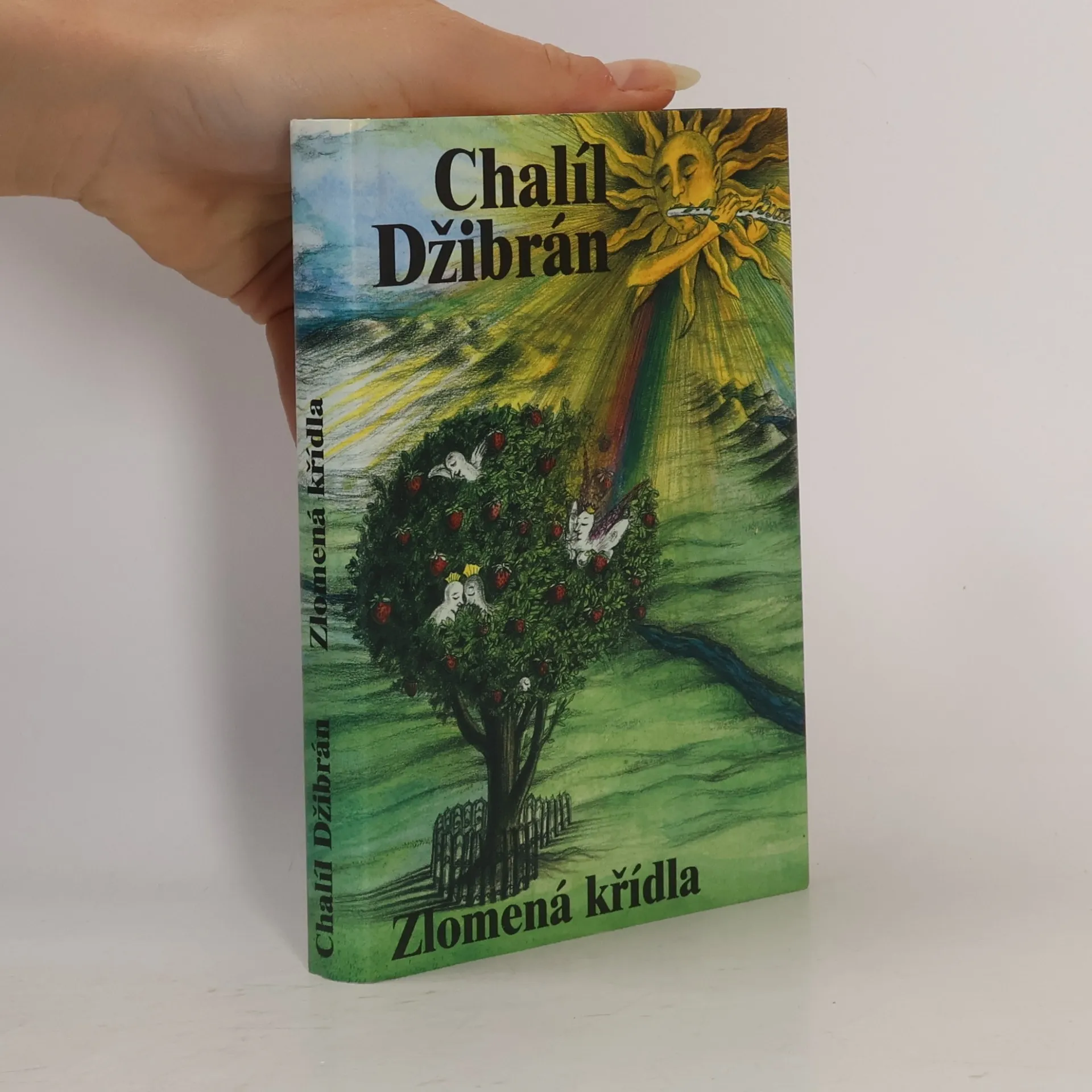
Čistá láska se v něm pojí s průhledy k Bohu a oslava hlubokého a upřímného citu je podtržena nelítostnou společenskou kritikou. Autor slavného Proroka vypráví zčásti autobiografický příběh zmařené lásky mladíka Chalíla a dívky jménem Salma Karame. Jen co si oba vyjeví své city, je Salmě souzeno stát se ženou jiného. S Chalílem se však nadále potajmu schází ve staré antické motlitebně. V těchto nadpozemských kulisách, kde jednu stranu zdobí bohyně Astarté se sedmi pannami, druhou byzanský obraz ukřižovaného Krista, Panny Marie a Máří Magdalény, rozjímají spolu Chalíl a Salma o nejhlubších otázkách života. Salma, rozhodnuta dostát své roli, kterou jí společnost připsala, nepřijímá Chalílův návrh na útěk. Po čase porodí svému muži syna, ten však záhy umírá. Spolu s ním odchází ze světa také Salma: „Tys, synáčku, přišel, abys mě odvedl! Přišel jsi, abys mně ukázal cestu na druhý břeh! Zde jsem mé dítě! Jdi přede mnou a opusťme společně tuto temnou jeskyni!“
Juan R.I. Cole Knihy


Sacred Space and Holy War
- 272 stránek
- 10 hodin čtení
How is it that Shi'i Muslims have set the agenda of political discourse in the Islamic world in recent years? Why have Shi'is been at the forefront of Islam s reassessment of the West? In the past three hundred years, Shi i Islam, already the state religion in Iran since the 16th century, has grown impressively in Iraq, northern India and what is now Pakistan. Its effervescence dominated Islamic world politics in the last quarter of the twentieth century. Juan Cole examines Shi'i Islam as a world religion that has faced modernity on its own terms. He explores the little known history of Shi i communities as far afield as Bahrain and India, giving attention as well to important centres such as Lebanon, Iraq and, of course, Iran. He demonstrates the way in which Shi is have sought to define space and time as sacred, and to defend those spaces from encroachments by the Other, whether that Other be Sunni Arab, Hindu or European Christian. Yet the Shi'i struggle for authentic identity in the modern world has not been only a matter of reactionary digging in. Cole shows that Shi i clerical institutions have been supple and imaginative in coming to terms with phenomena such as modern finance capital, imperialism and the modern bureaucratic state. This book will prove of enormous interest to those interested in the history of Islam and the Islamic world, and to all students of the Middle East."