Frederick C. Beiser je přední osobností v oblasti studia německého idealismu, který se ve svém díle zabývá především tématy rozumu a jeho osudem v německém myšlení od Kanta po Fichteho. Jeho práce si klade za cíl rekonstruovat pozadí a méně doceněné postavy tohoto období, čímž odhaluje složitost a bohatost filozofické tradice. Beiserův přístup spočívá v narativním zkoumání klíčových intelektuálních debat, které formovaly tento filozofický směr. Jeho vlivné práce tak zásadně přispívají k revizi a hlubšímu pochopení německého idealismu pro současné čtenáře.
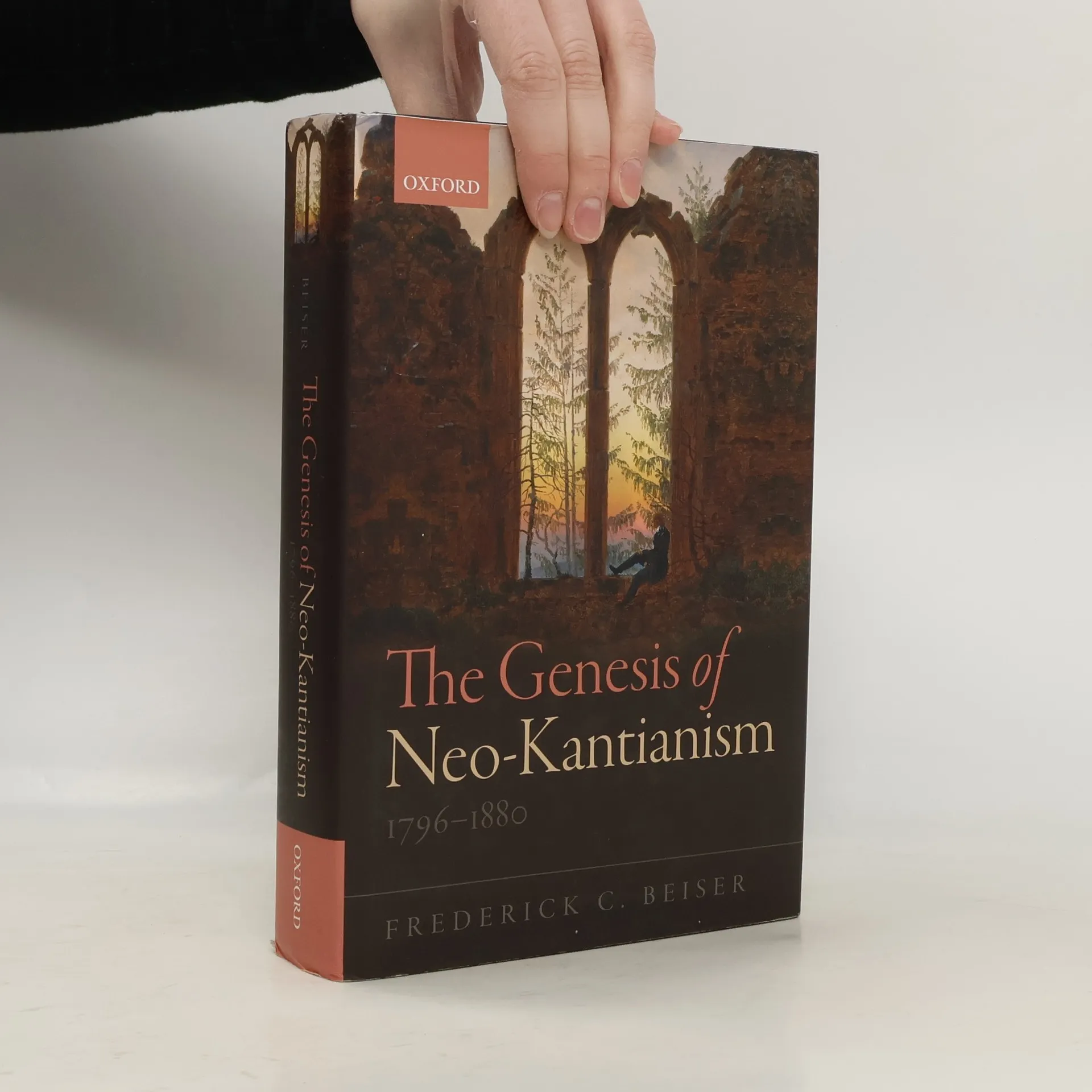
Neo-Kantianism was an important movement in German philosophy of the late 19th century: Frederick Beiser traces its development back to the late 18th century, and explains its rise as a response to three major developments in German culture: the collapse of speculative idealism; the materialism controversy; and the identity crisis of philosophy.
In this introduction, Beiser covers every major aspect of Hegel's thought.
Placing him in the historical context of nineteenth century Germany, the
author clarifies the insights and originality of Hegel's philosophy.
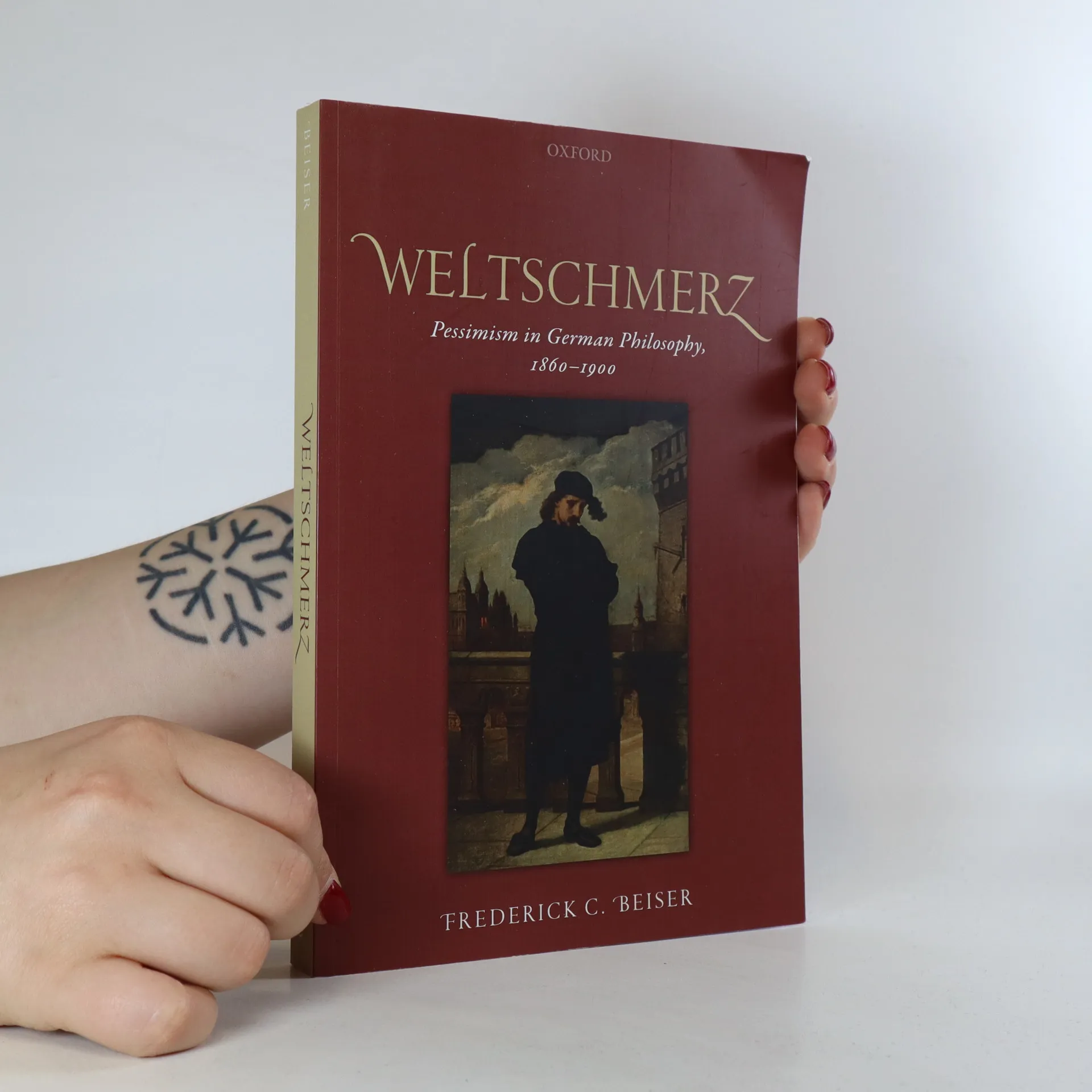
Weltschmerz is a study of the pessimism that dominated German philosophy in the second half of the nineteenth century. Pessimism was essentially the theory that life is not worth living. This theory was introduced into German philosophy by Schopenhauer, whose philosophy became very fashionable in the 1860s. Frederick C. Beiser examines the intense and long controversy that arose from Schopenhauer's pessimism, which changed the agenda of philosophy in Germany away from the logic of the sciences and toward an examination of the value of life. He examines the major defenders of pessimism (Philipp Mainlander, Eduard von Hartmann and Julius Bahnsen) and its chief critics, especially Eugen Duhring and the neo-Kantians. The pessimism dispute of the second half of the century has been largely ignored in secondary literature and this book is a first attempt since the 1880s to re-examine it and to analyze the important philosophical issues raised by it. The dispute concerned the most fundamental philosophical issue of them all: whether life is worth living.