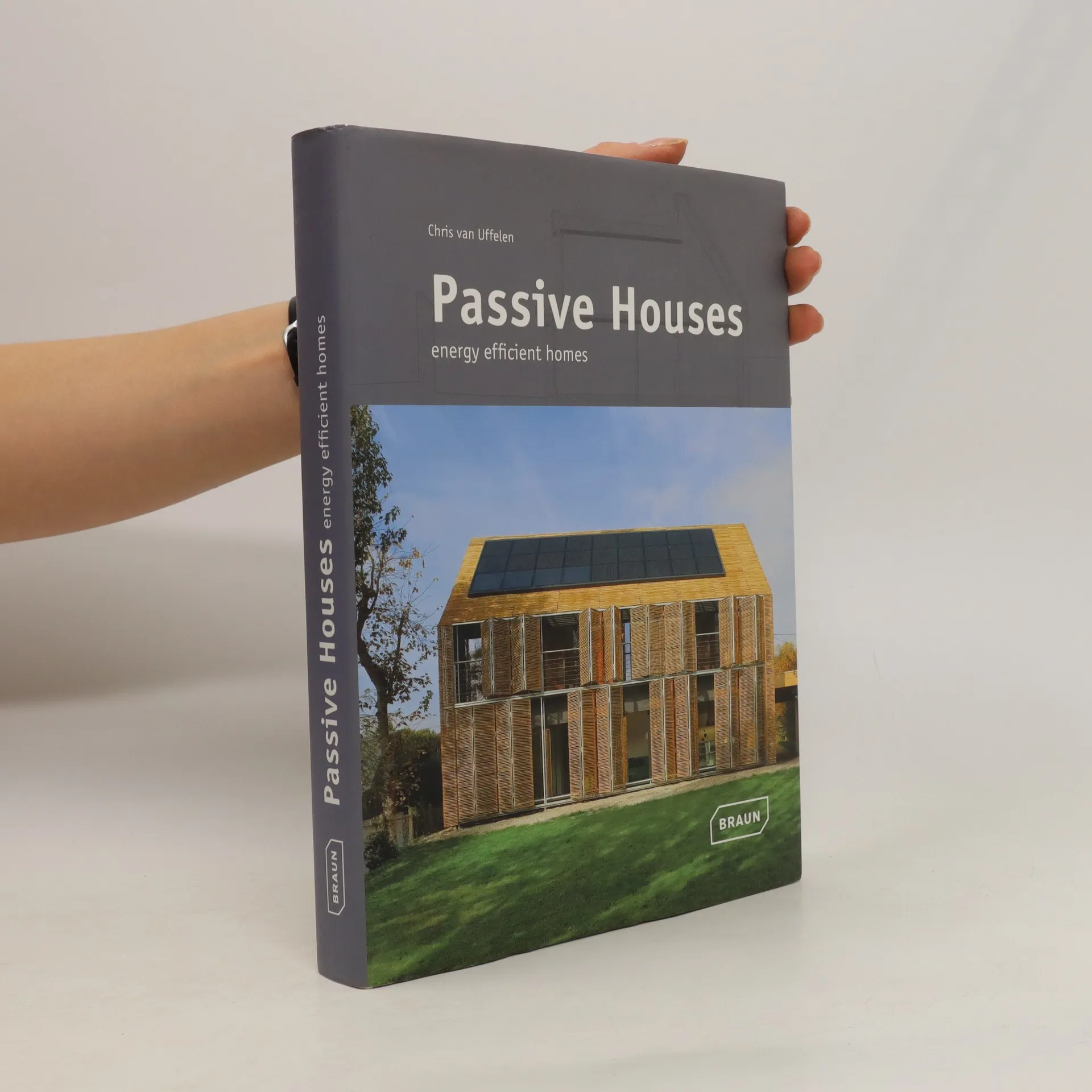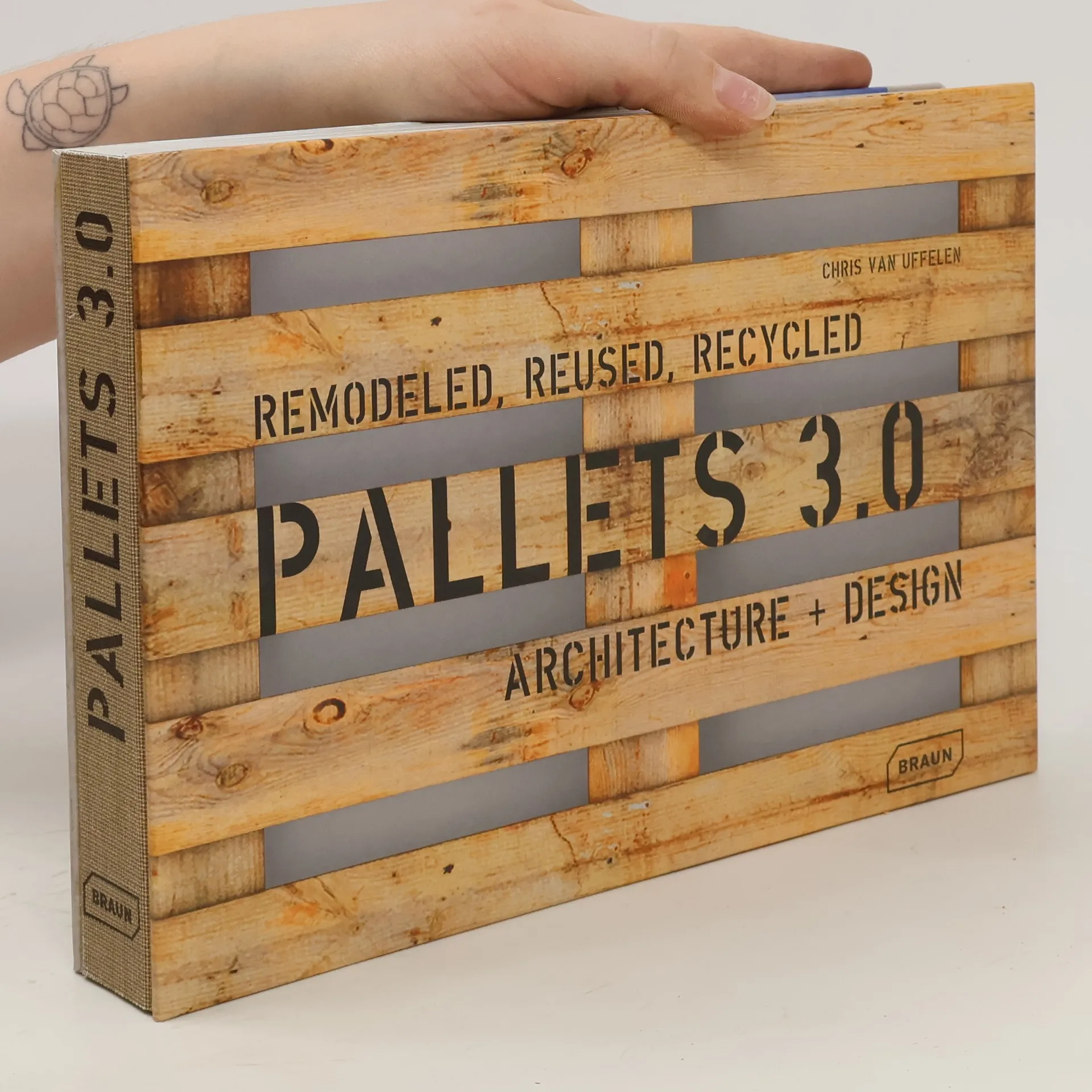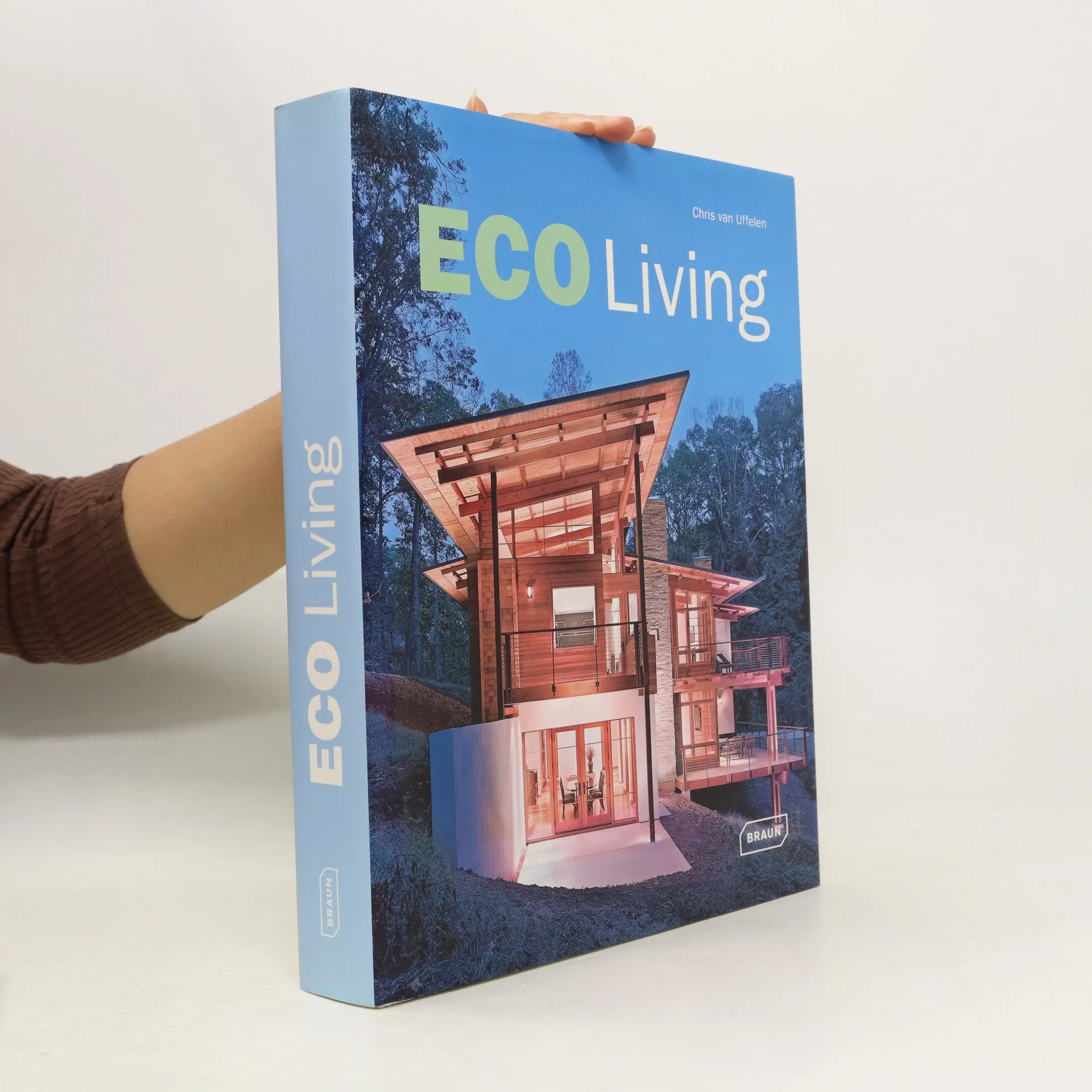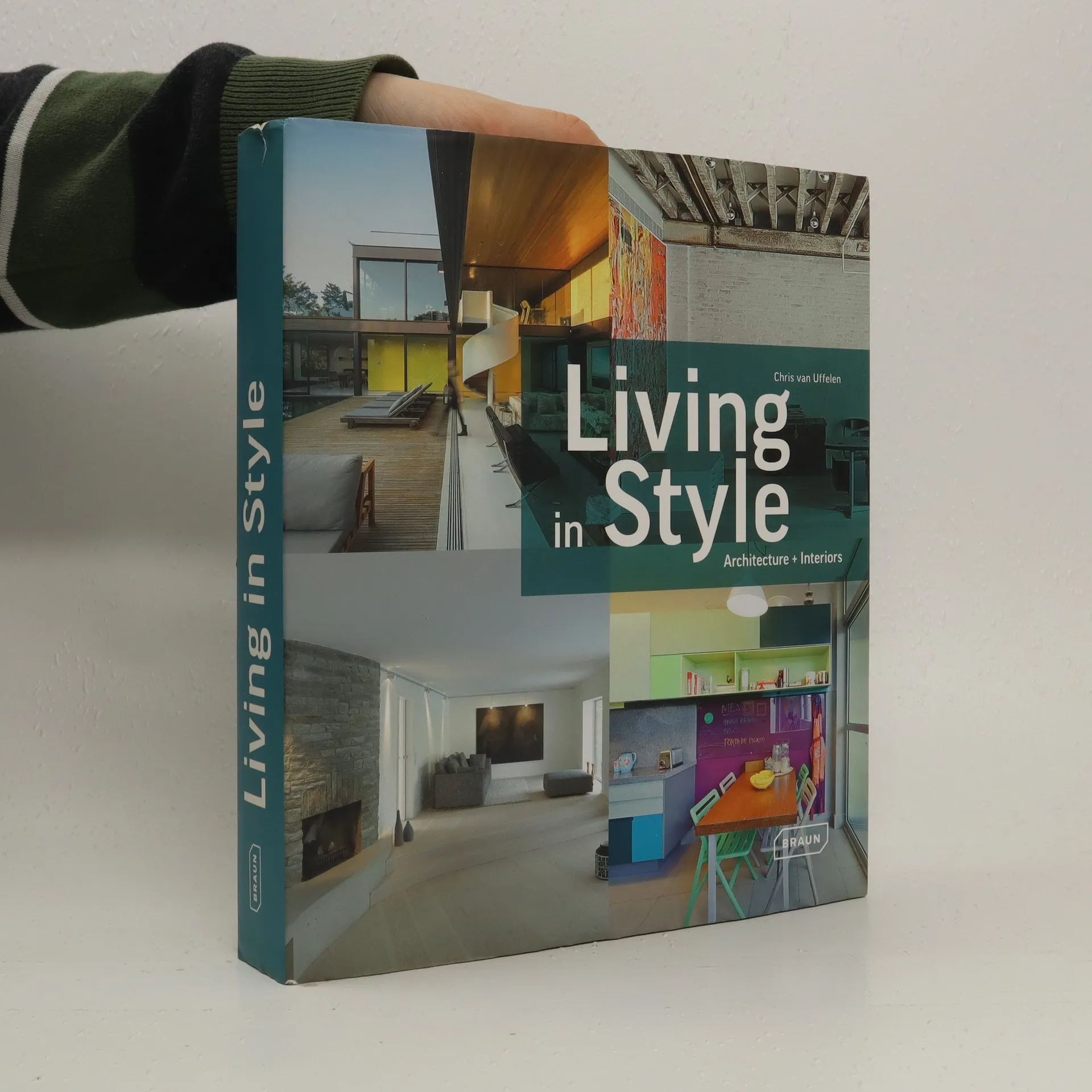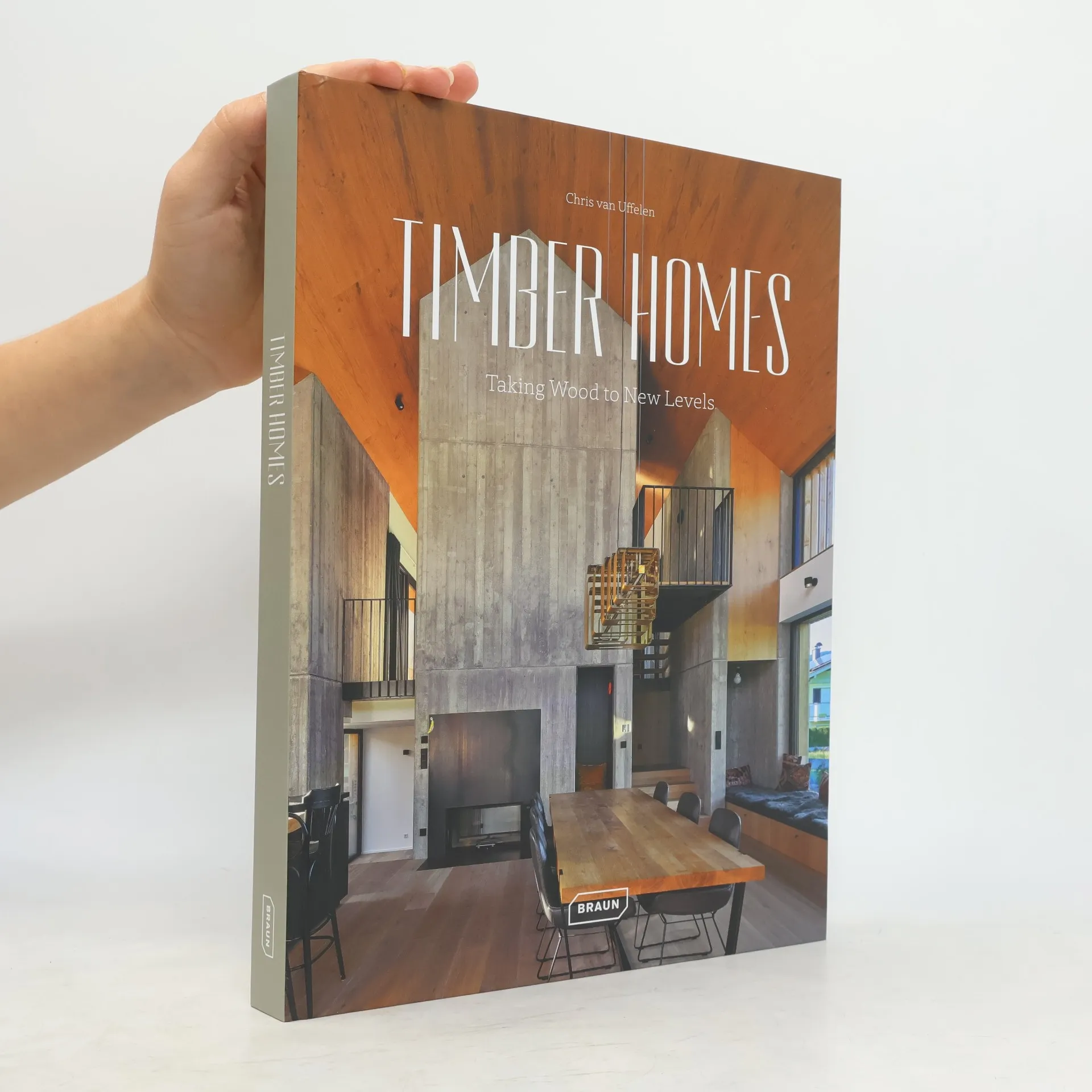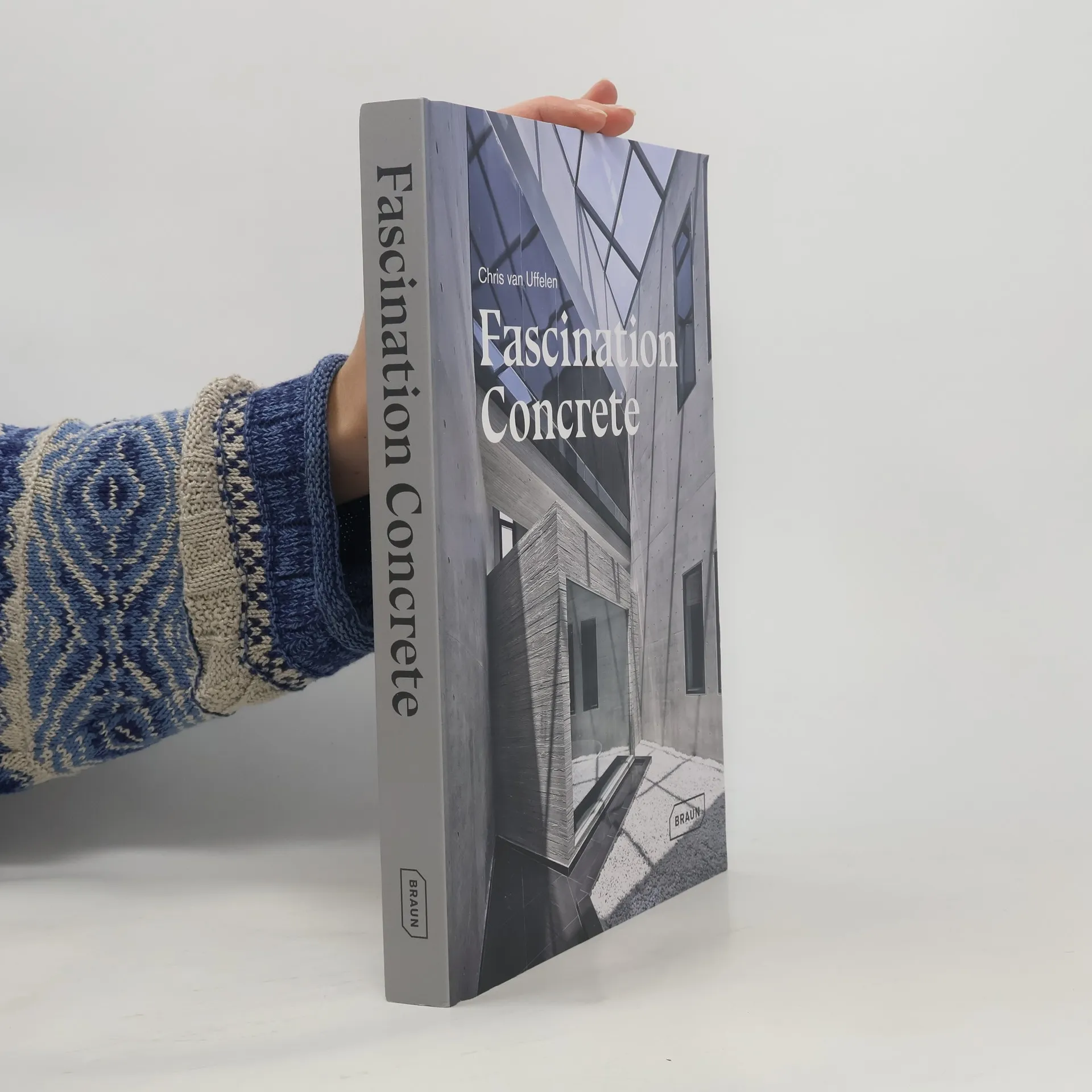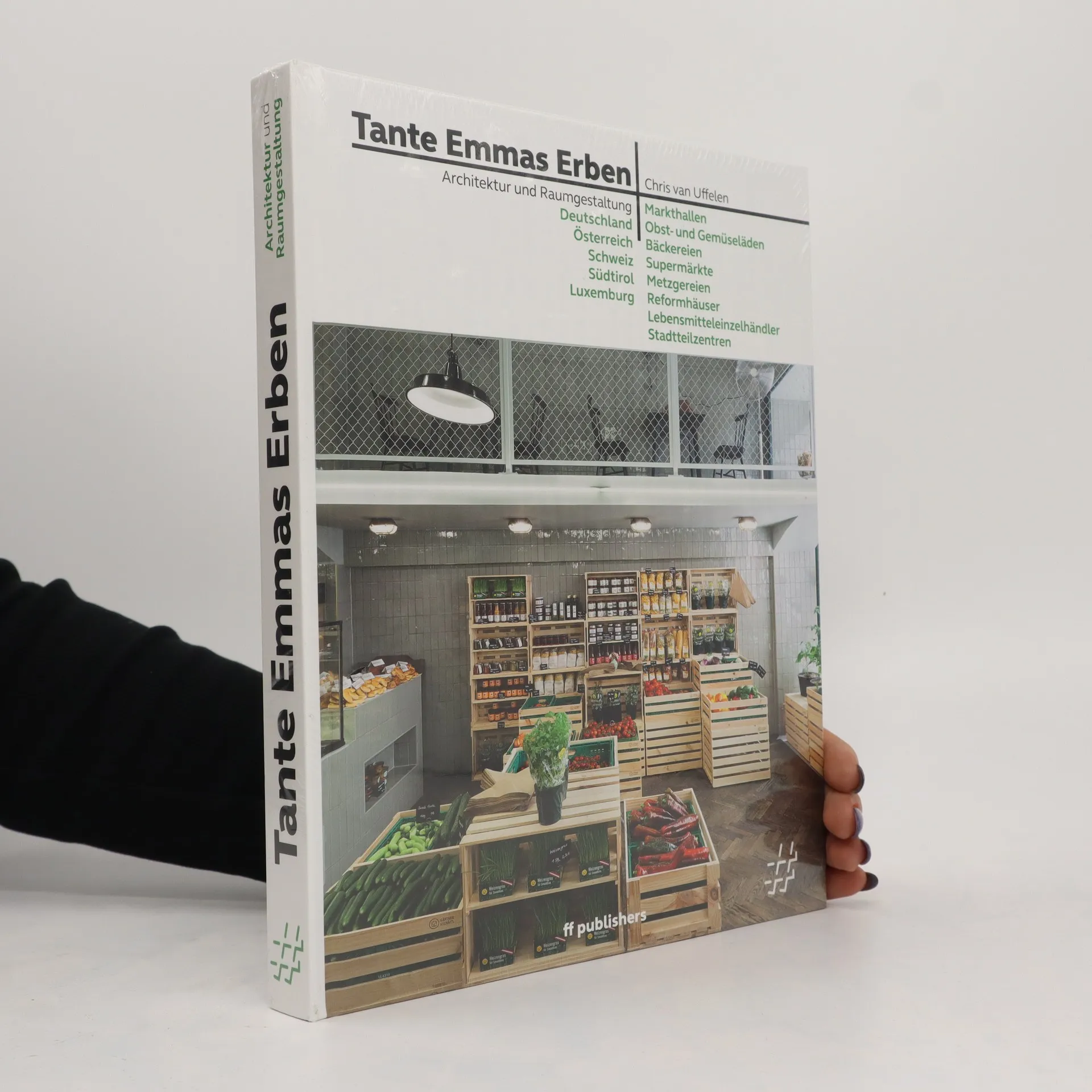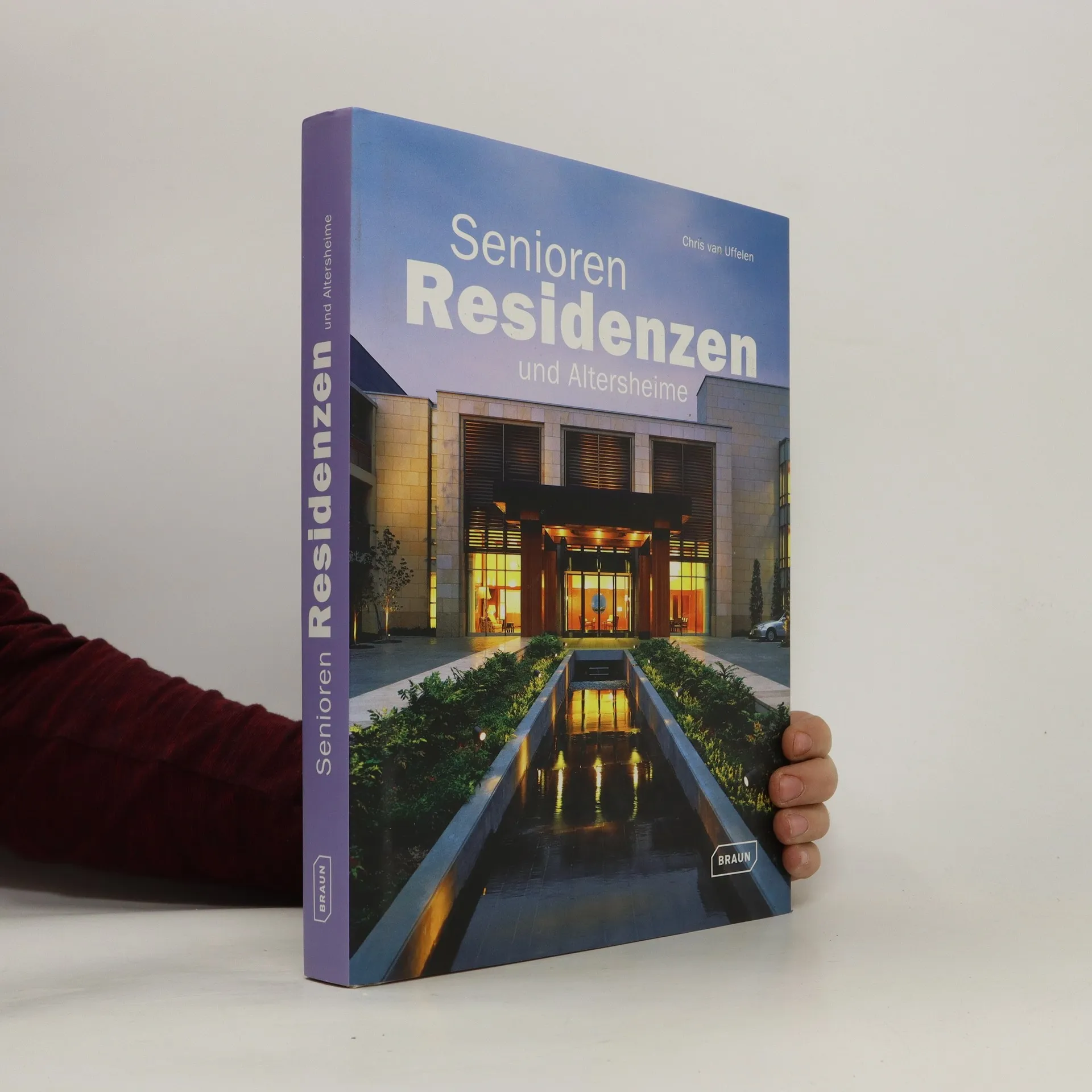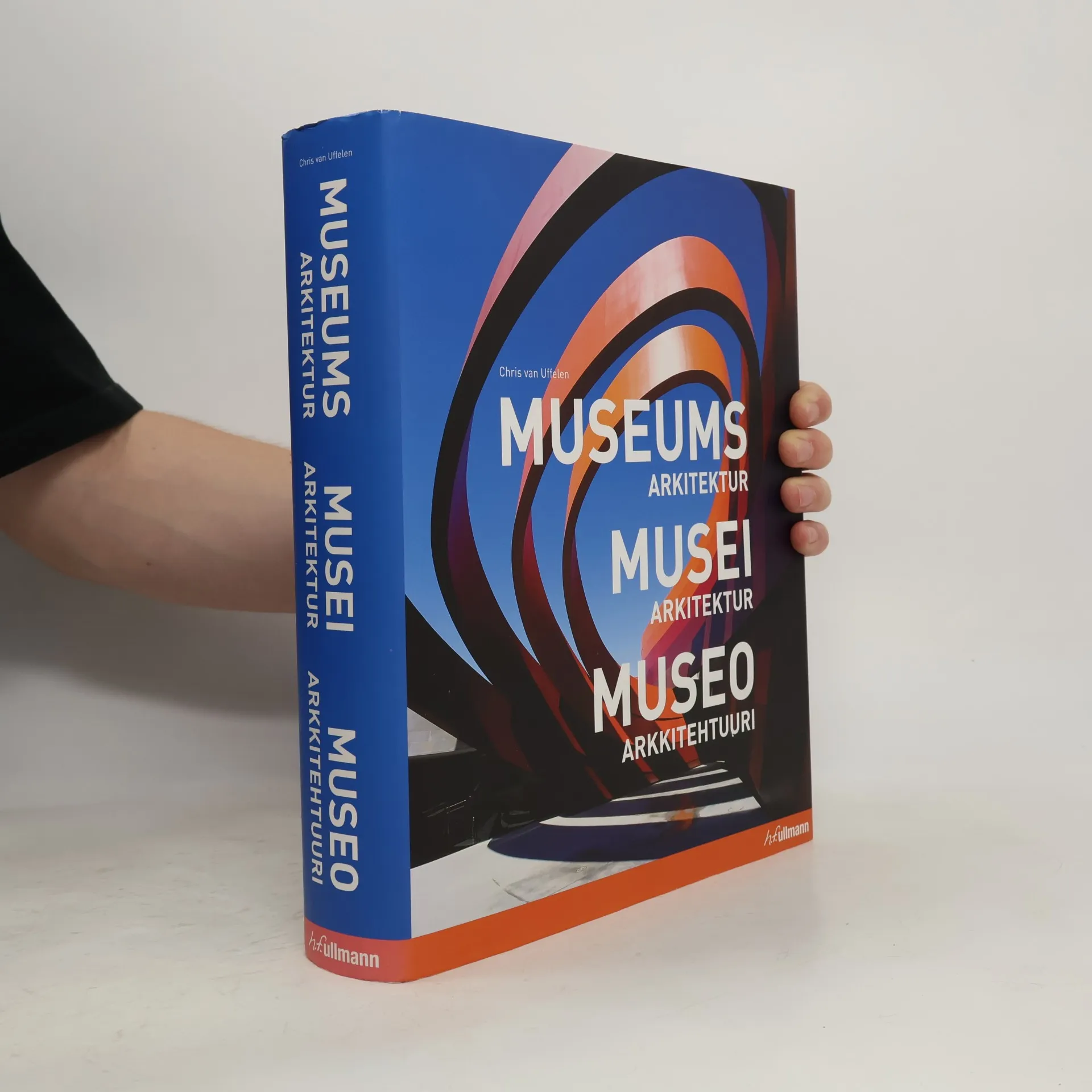
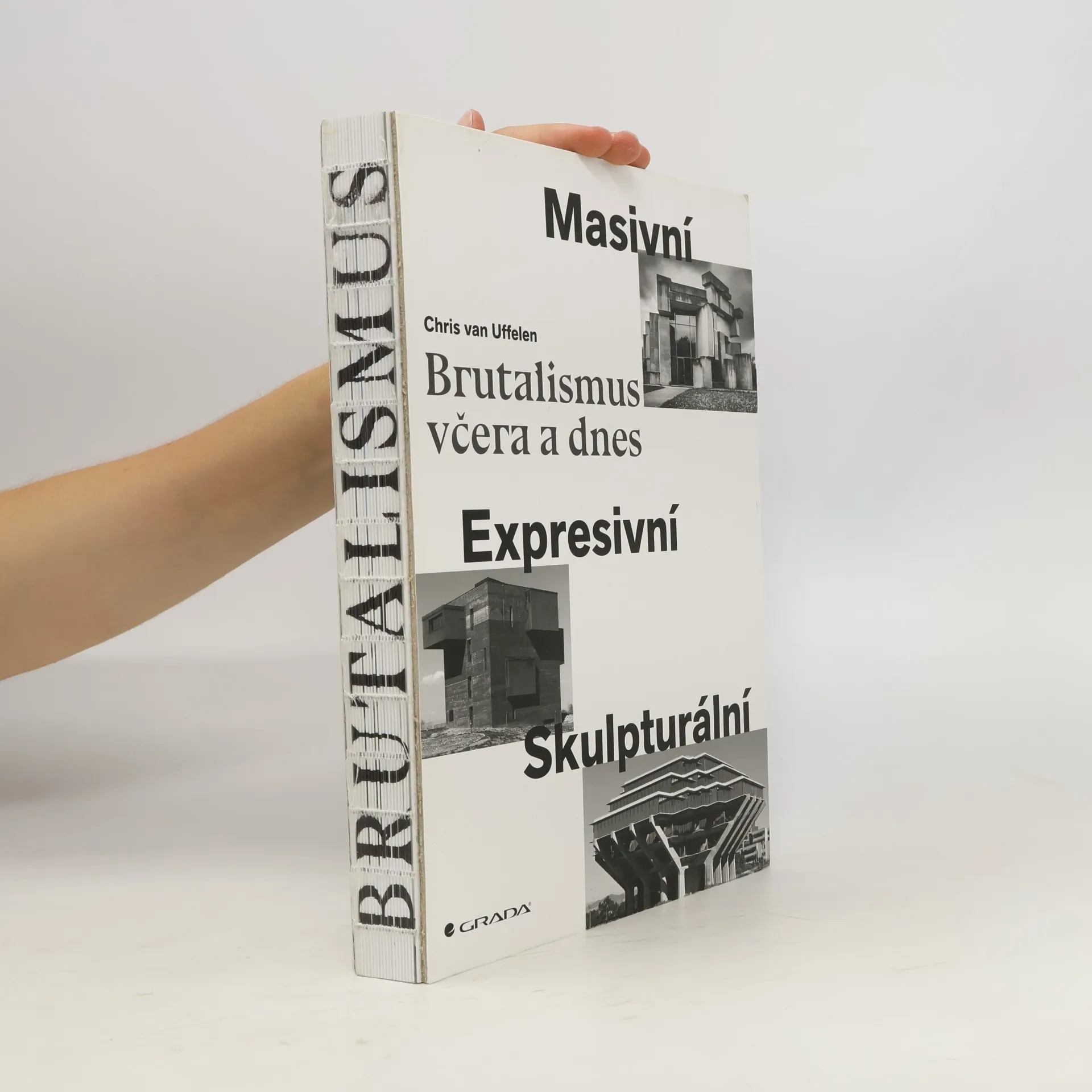
Budovy navržené v 60. a 70. letech ve stylu brutalismu vyzařují dodnes auru odvážného, nekompromisního designu. Francouzský termín "brut", který dal jméno tomuto architektonickému fenoménu, znamená surový nebo nerafinovaný. V posledních desetiletích zažívá brutalistní architektura comeback díky nejnovějším digitálním trendům. V naší knize naleznete vše, co o brutalistních stavbách potřebujete vědět.
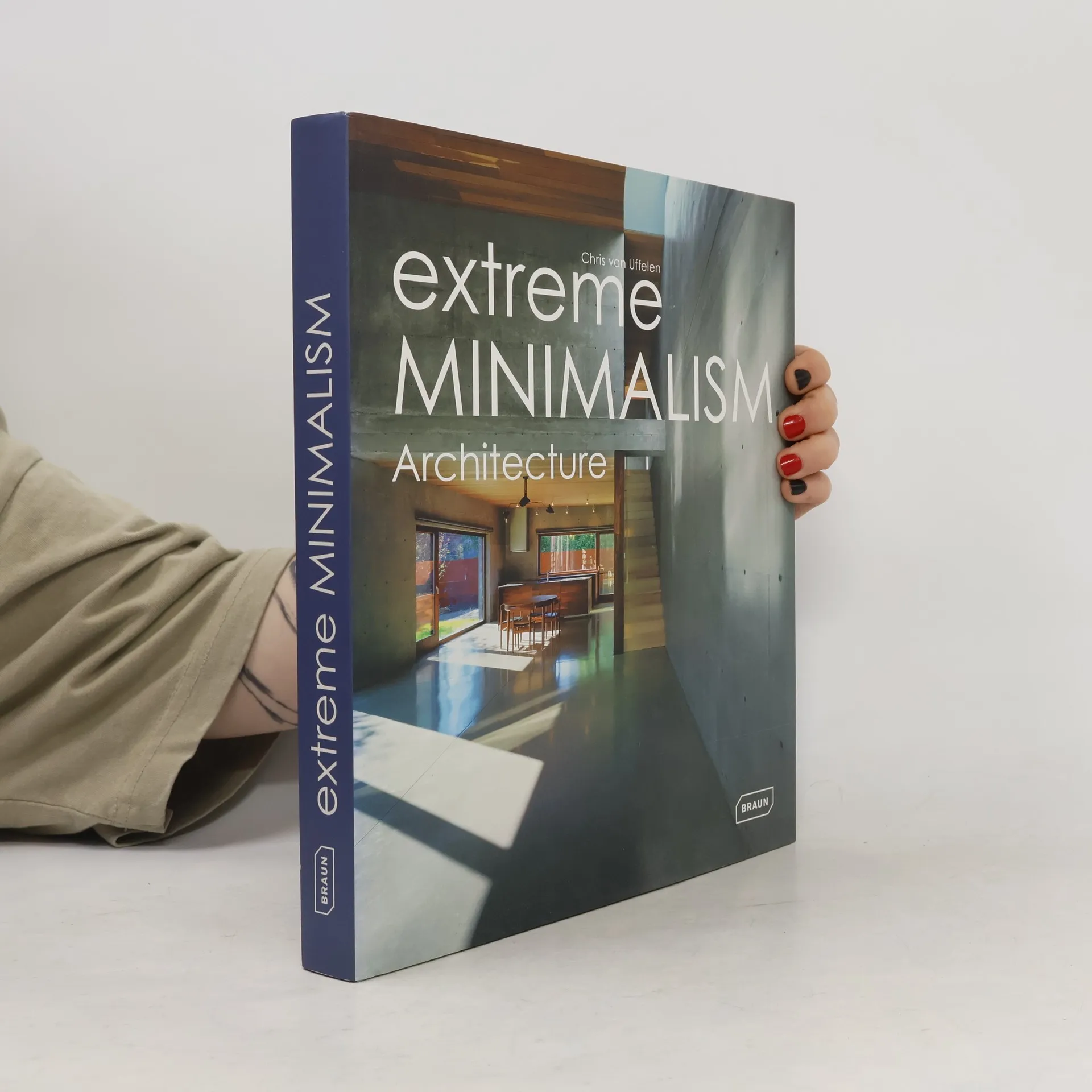
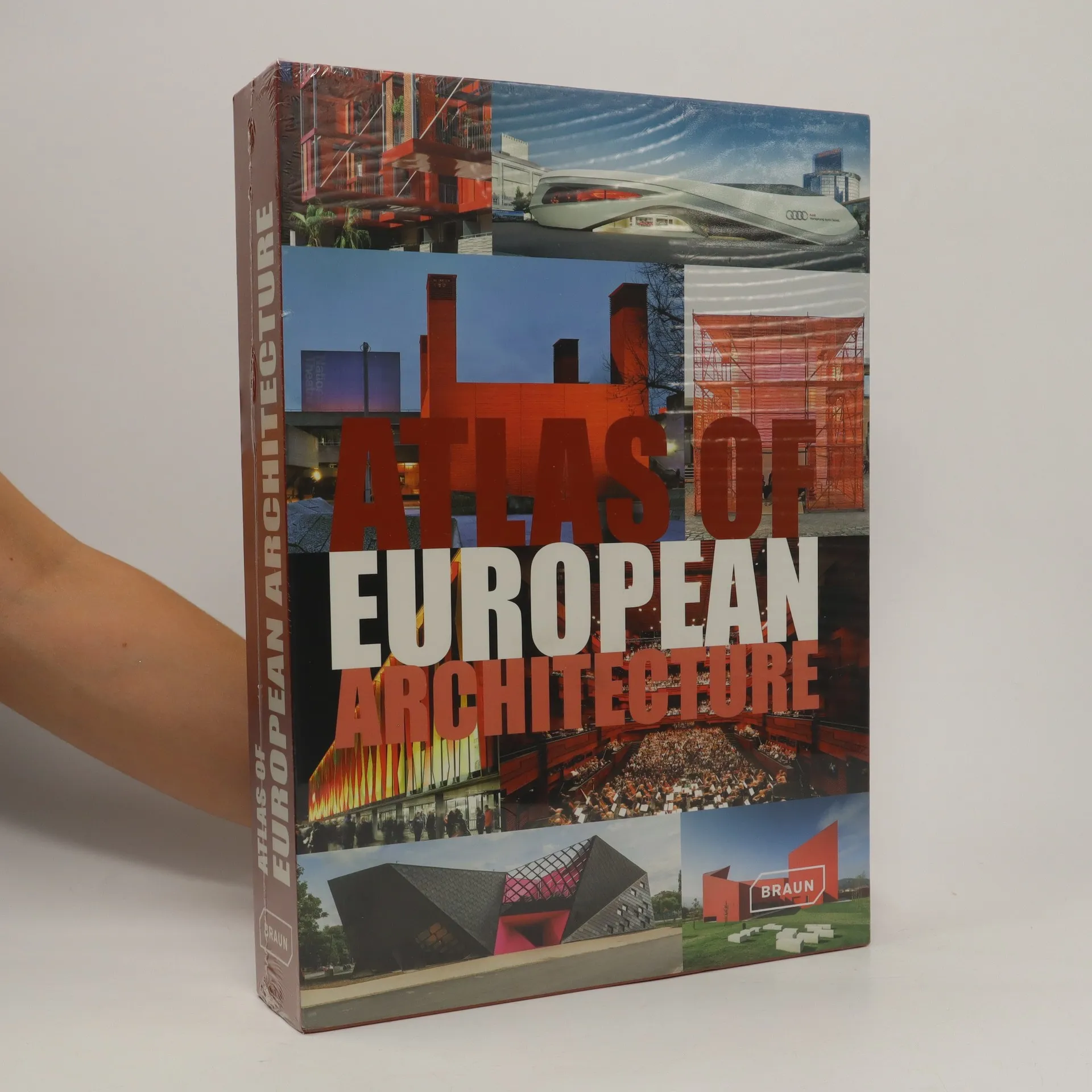
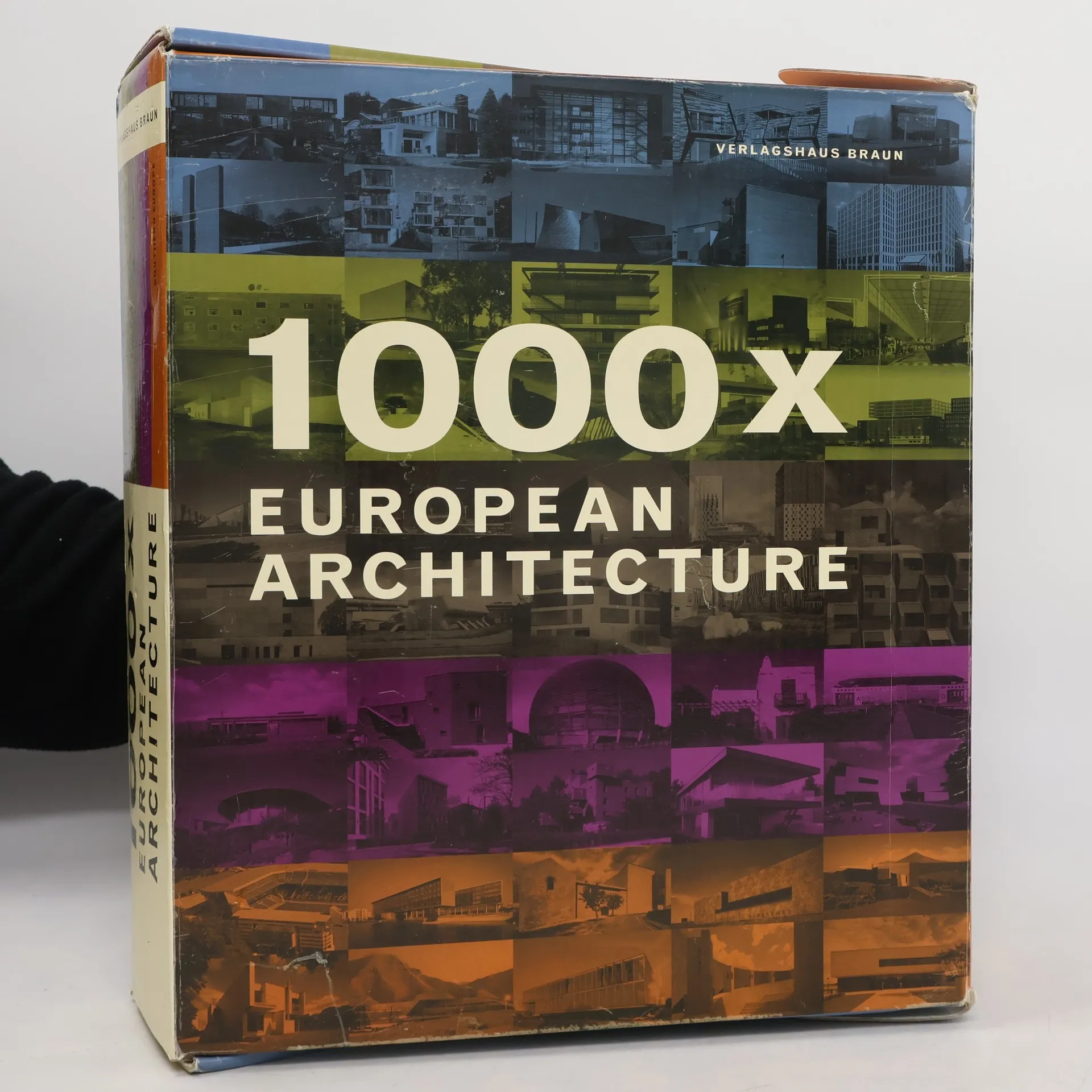
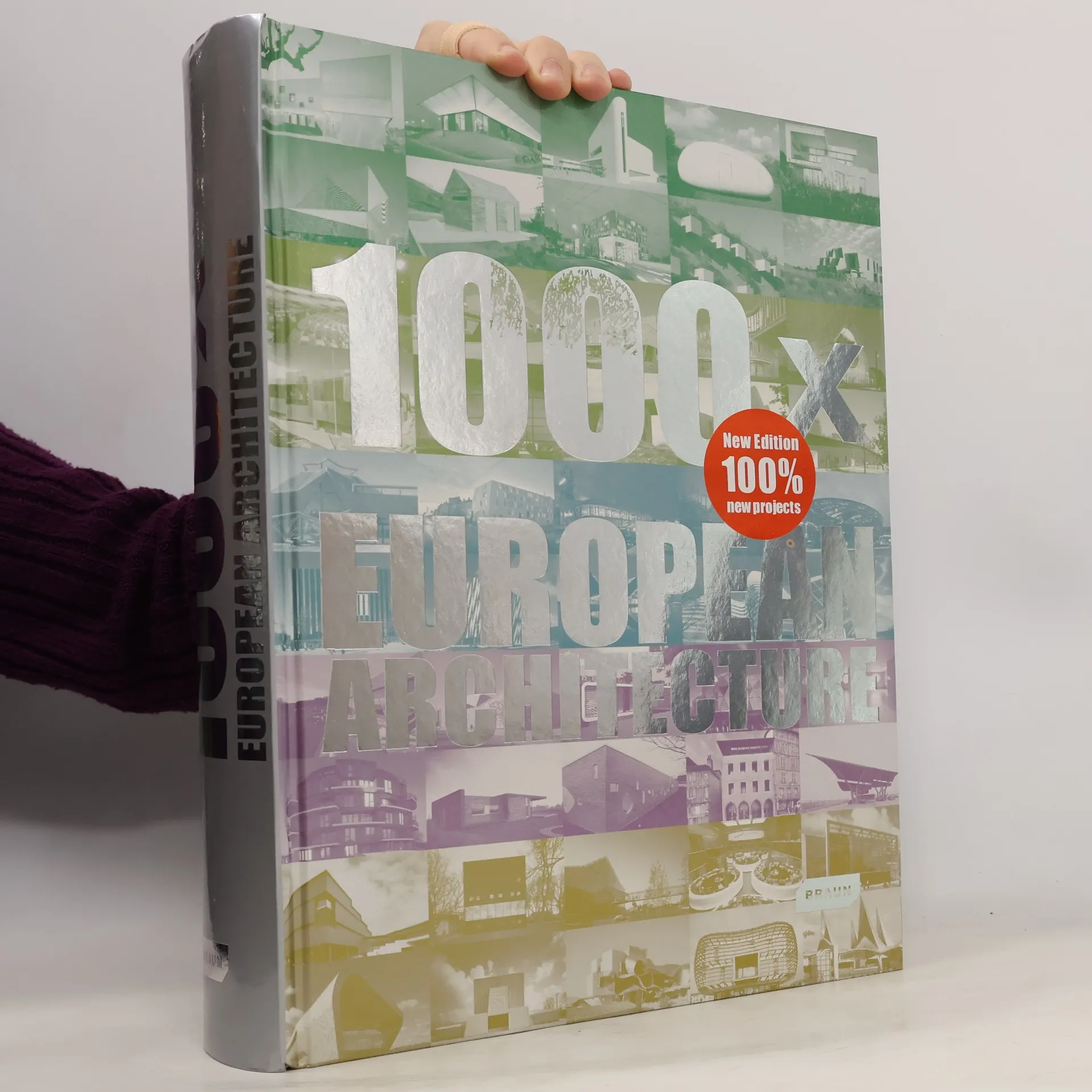
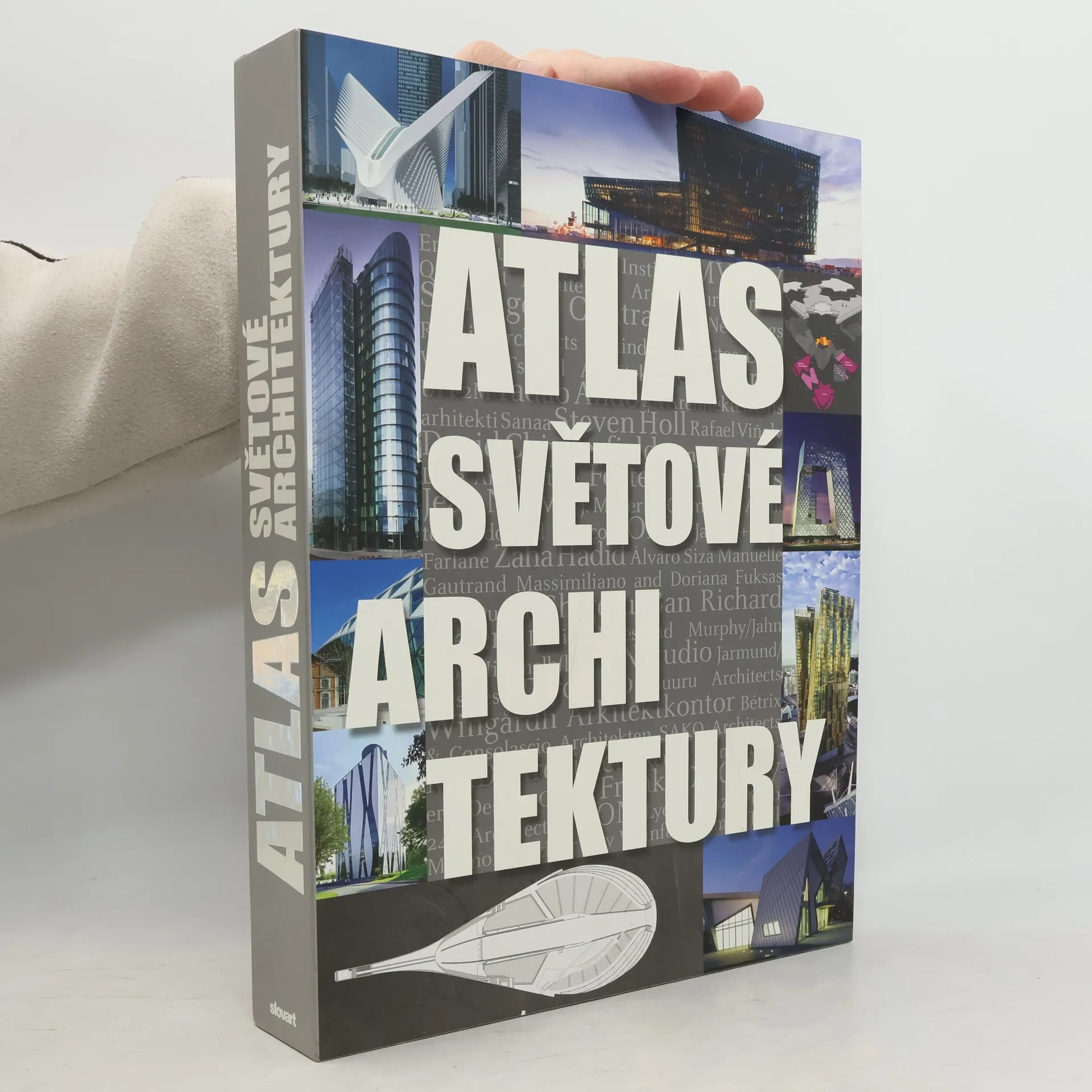
Atlas obsahuje 1000 projektů ze všech částí kontinentu, reprezentativní přehled nejnovější evropské architektury. Každému architektovi je přiřazen jen jeden projekt a představen vysoce kvalitními fotografiemi a plány. Zvláštní důraz byl kladen na to, aby kromě známých a hodně citovaných děl bylo v publikaci zařazeno mnoho malých kreativních budov.
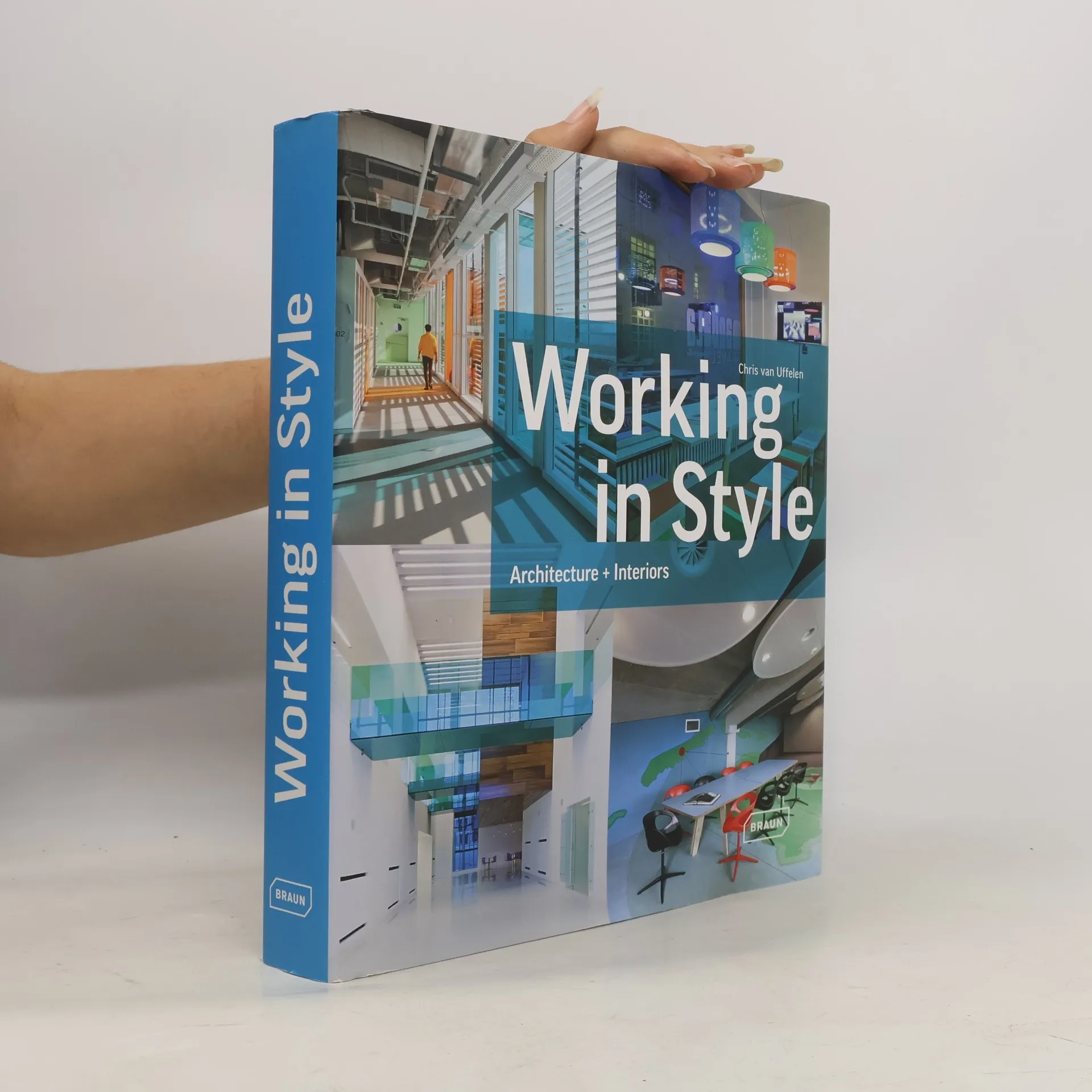
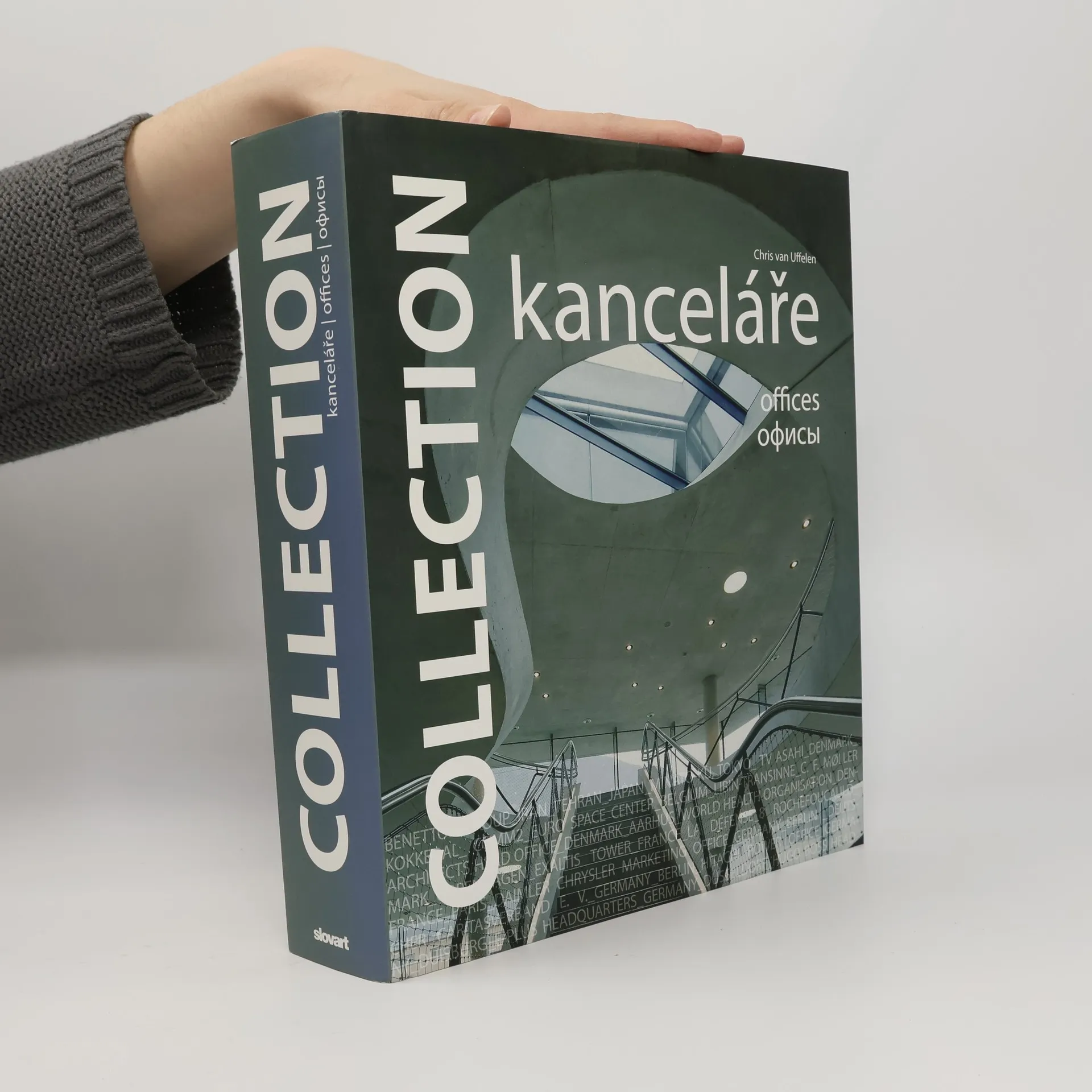
S digitální revolucí na počátku 21. století přišla i změna požadavků na kancelářské prostory. Projektanti tak dostali při konstrukci kancelářských budov a prostorů jedinečnou příležitost propojit funkčnost s čistým stylem. Ať už usilují o minimalistický, rafinovaný či rozmarnější účinek, mají možnost vytvořit inspirativní vnitřní prostředí. S těmito interiéry mnohdy ladí překvapivá vnější fasáda, jež podává dynamické a vzrušující sdělení o společnosti sídlící v budově. Kniha Collection: Kanceláře představuje nejinspirativnější architektonické novinky v této rozsrůstající se oblasti, od buňkových a open space kanceláří po kancelářské krajiny a byznys kluby, od stísněných úřadoven o dvou mísnostech po rozlehlé, více než 100patrové kancelářské budovy. Výškovou kancelářskou budovu v Dauhá od Jeana Nouvela vedle kanceláří společnosti GSC v New Yorku navržených ateliérem Skidmore, Ownings & Merrill a curyšskou centrálu společnosti Google od Camenzind Evolution společně s kaleidoskopem průkopnických projektů.
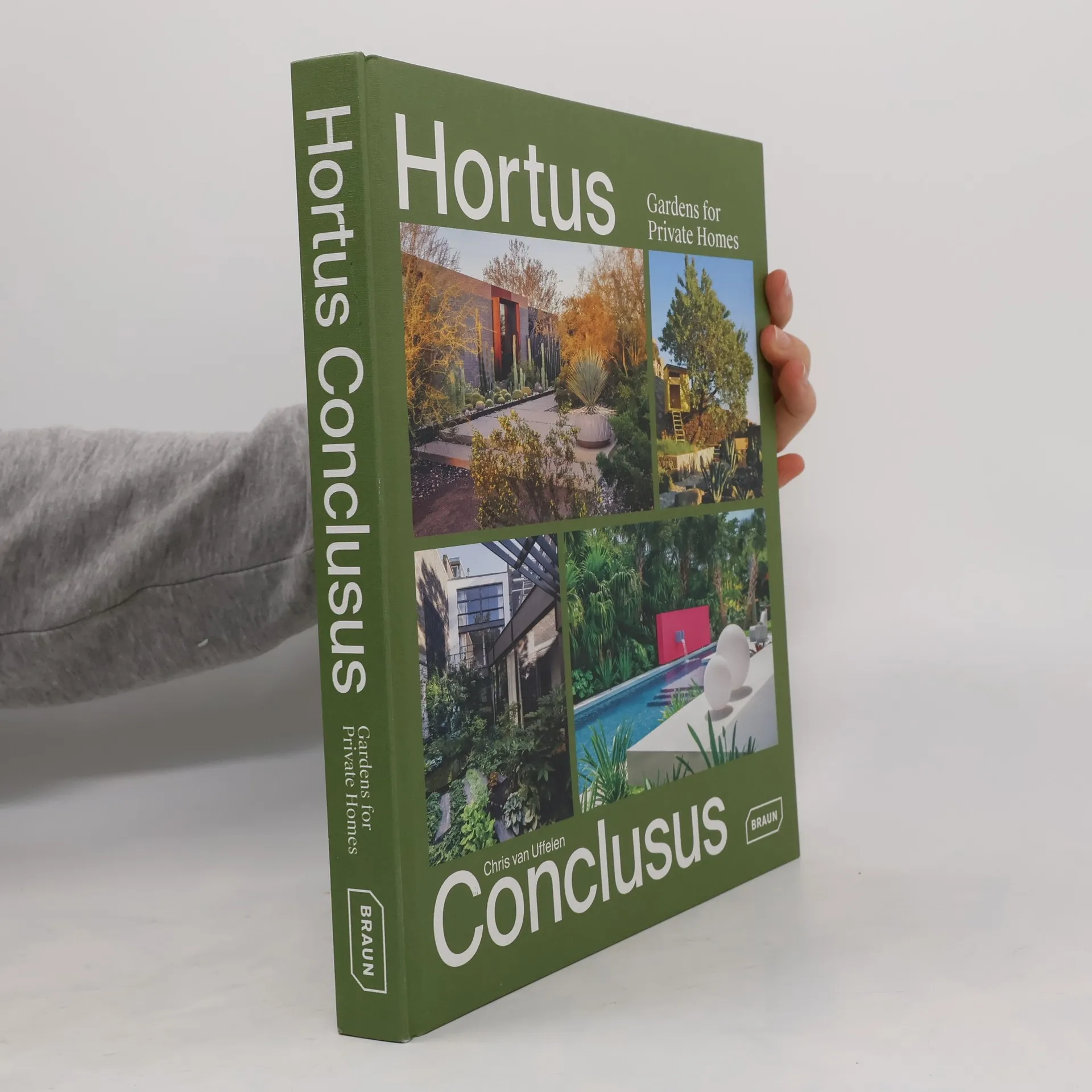
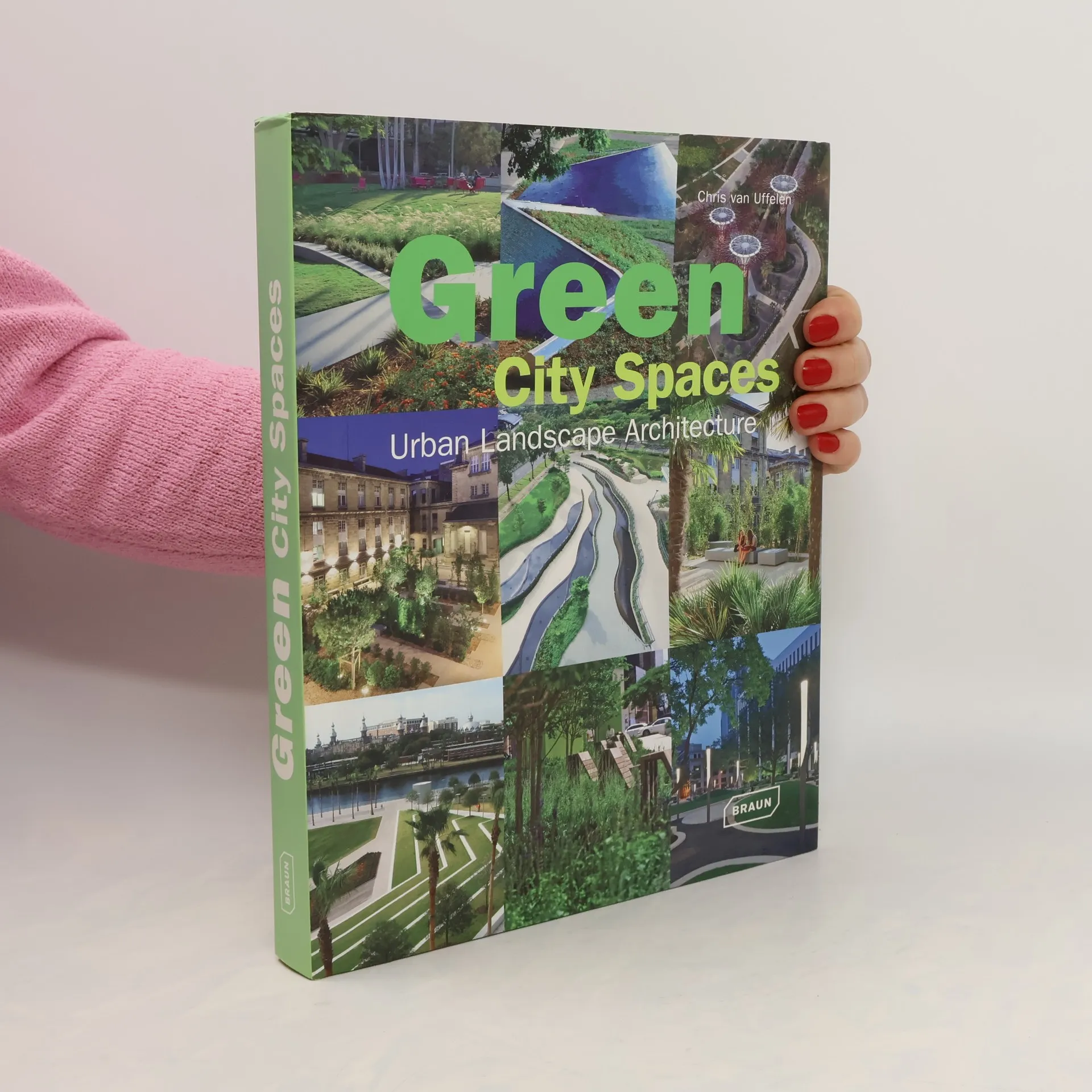
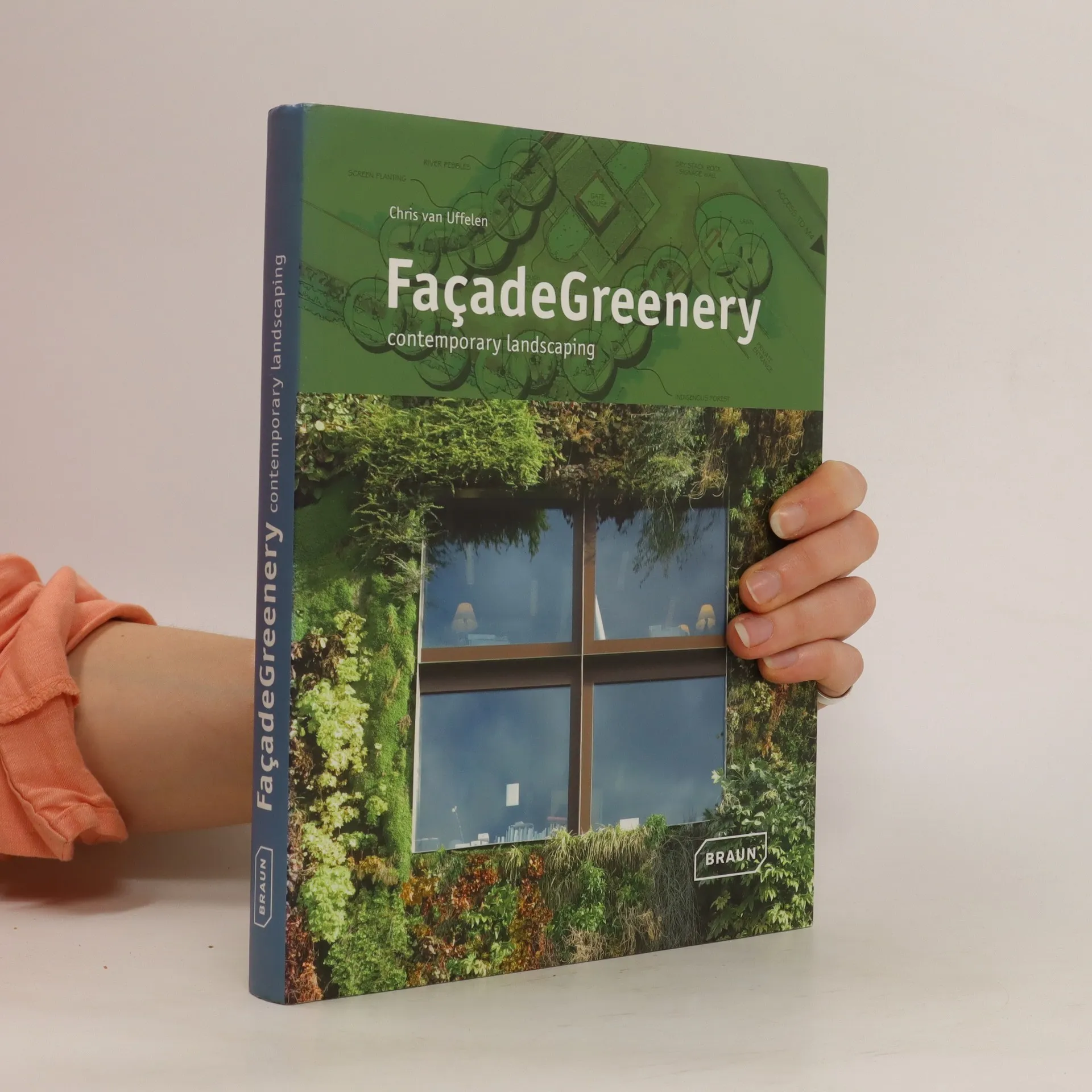
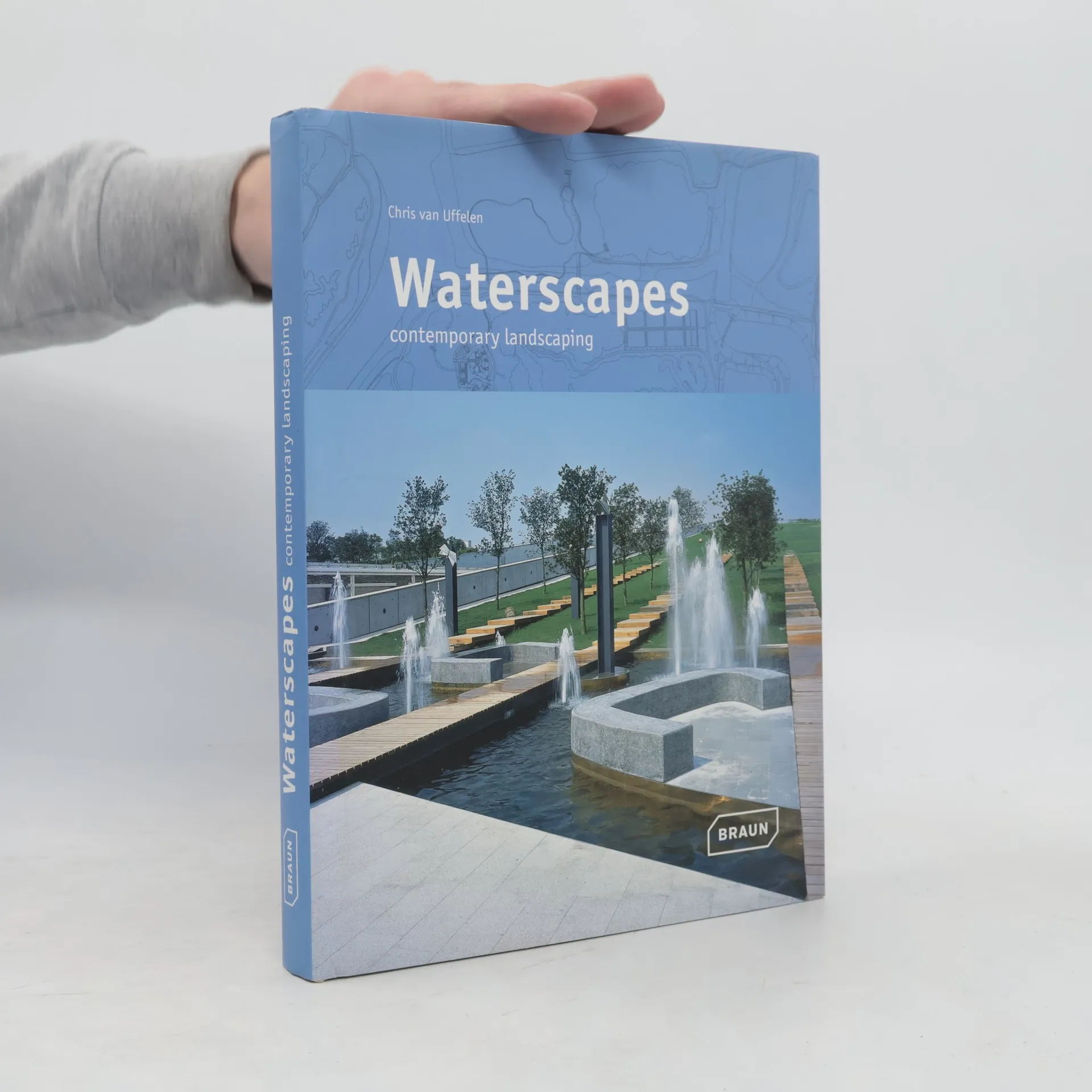
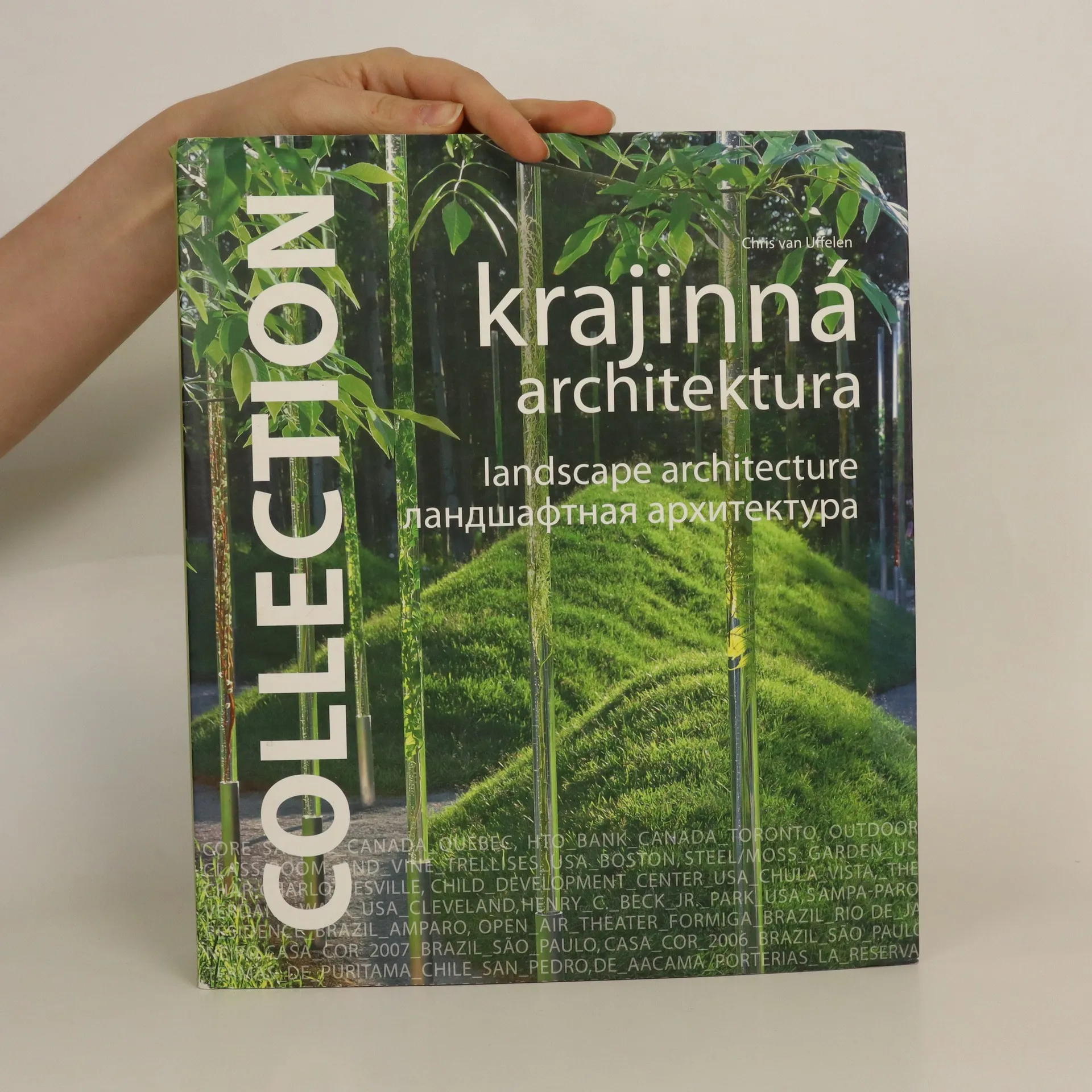
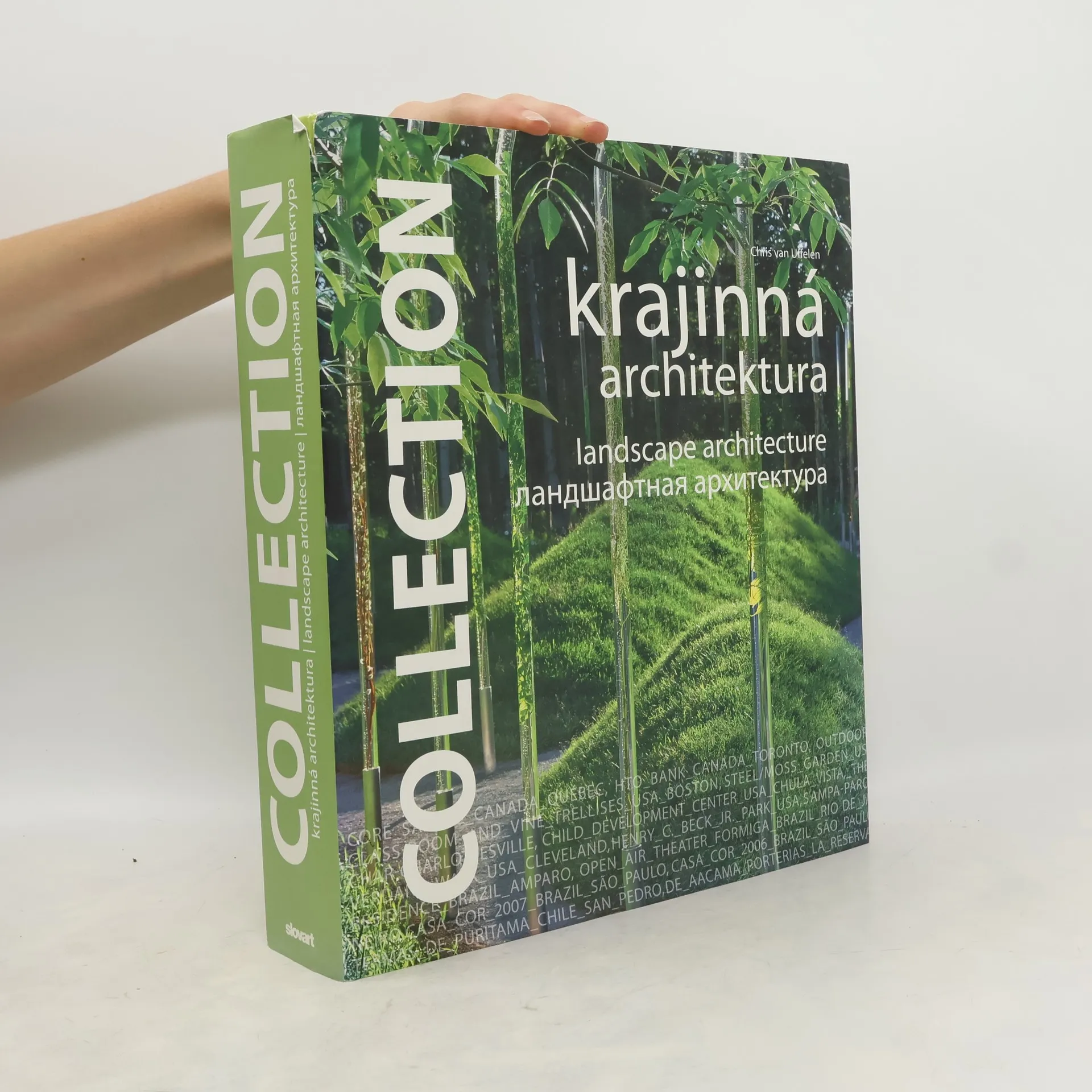
Dokonalé představení krajinné architektury, založené na klasickém zahradnictví. Otevírá se před námi ohromně široké spektrum činností současných krajinných architektů. Na jedné straně architektonické návrhy, umístěné na omezeném prostoru zahrady či parku, využívající přírodní materiály jako půda, dřevo, voda, kámen a rostliny. Na straně druhé krajinné projekty ve velkém měřítku. Esteticky orientované plánování krajiny odděluje od Land Artu, představovaným vybranými díly význačných umělců, jen velmi tenká čára. Projekty často spočívají v pečlivě vybraných zásazích malého rozsahu, které však mění celkový charakter přírody, a dokonce i rozsáhlou krajinu. Vnitřní zahrady, ozeleněné fasády a střechy se staly specifickou oblastí krajinné architektury. V knize nacházíme významné příklady z posledních deseti let i některé dosud nedokončené projekty.
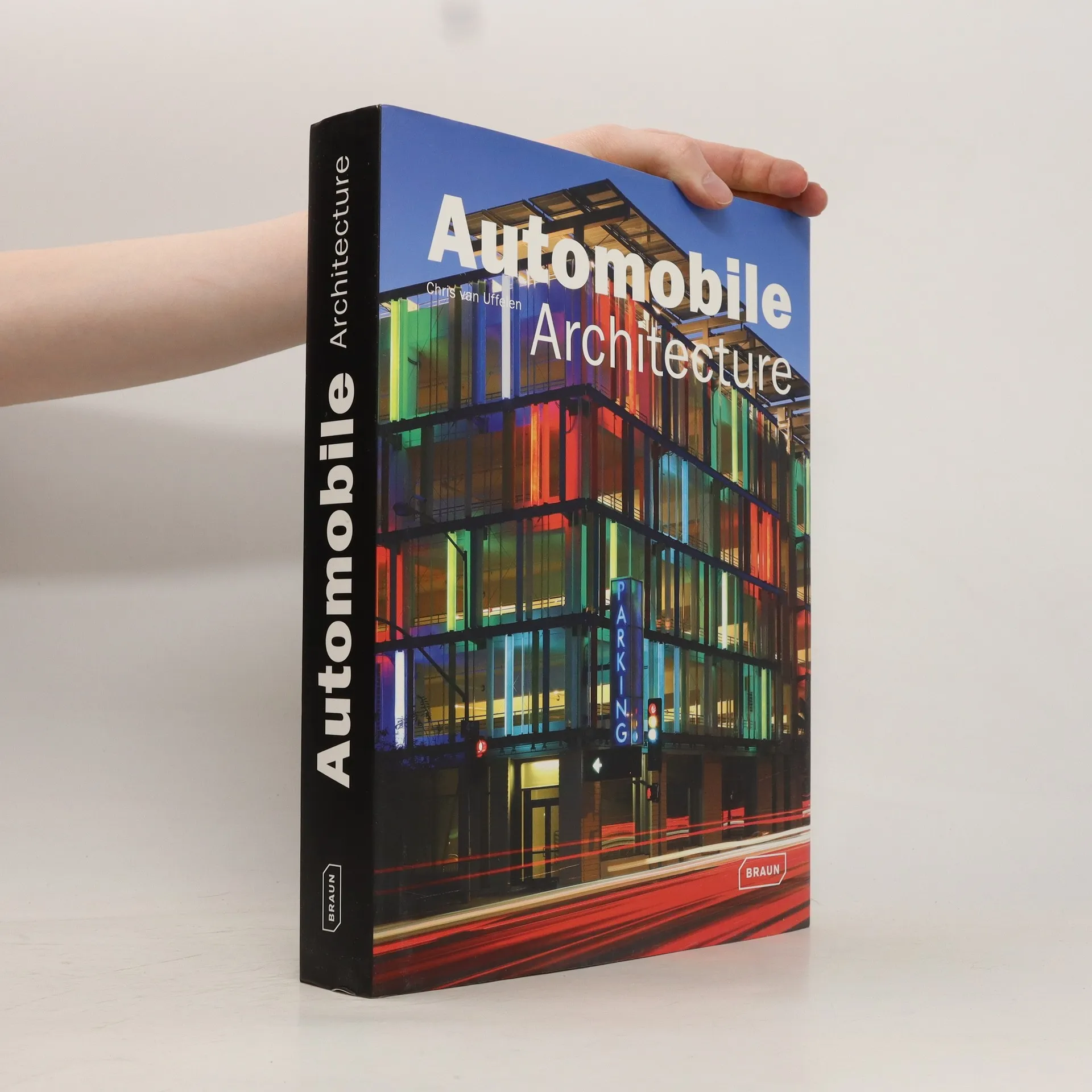
Das Auto hat seit der Patentierung von Carl Benz’ dreirädrigem Motorwagen 1886 wie kaum eine andere Erfindung den öffentlichen Raum geprägt und verändert. Neue Bautypen sind erforderlich geworden für das Automobil wenn es immobil ist, also für den Verkauf, zum Betanken und zum Parken. Architekten haben diese Zweckbauten schon früh als besondere Erlebnisorte und regelrechte Wahrzeichen konzipiert. Automobil Architektur stellt die interessantesten zeitgenössischen Showrooms, Tankstellen und Parkhäuser vor. Es wird deutlich, dass sich ein neues Paradigma herausgebildet hat, welches Funktionalität, Ästhetik und Nachhaltigkeit in den Mittelpunkt automobiler Architektur stellt. Präsentiert werden die Entwürfe namhafter Architekturbüros sowie innovative Planungen der Stars von morgen. Aus dem Inhalt: C42 Showroom in Paris, Frankreich (Manuelle Gautrand) Abu Dhabi Automotive, Vereinigte Arbabische Emirate (ONL) Civic Center Parking in in Santa Monica, USA (Moore Ruble Yudell) Shinjuku Gardens in Tokyo, Japan (Cheungvogl) Gloucester Gateway Services, Großbritannien (Glenn Howells Architects)
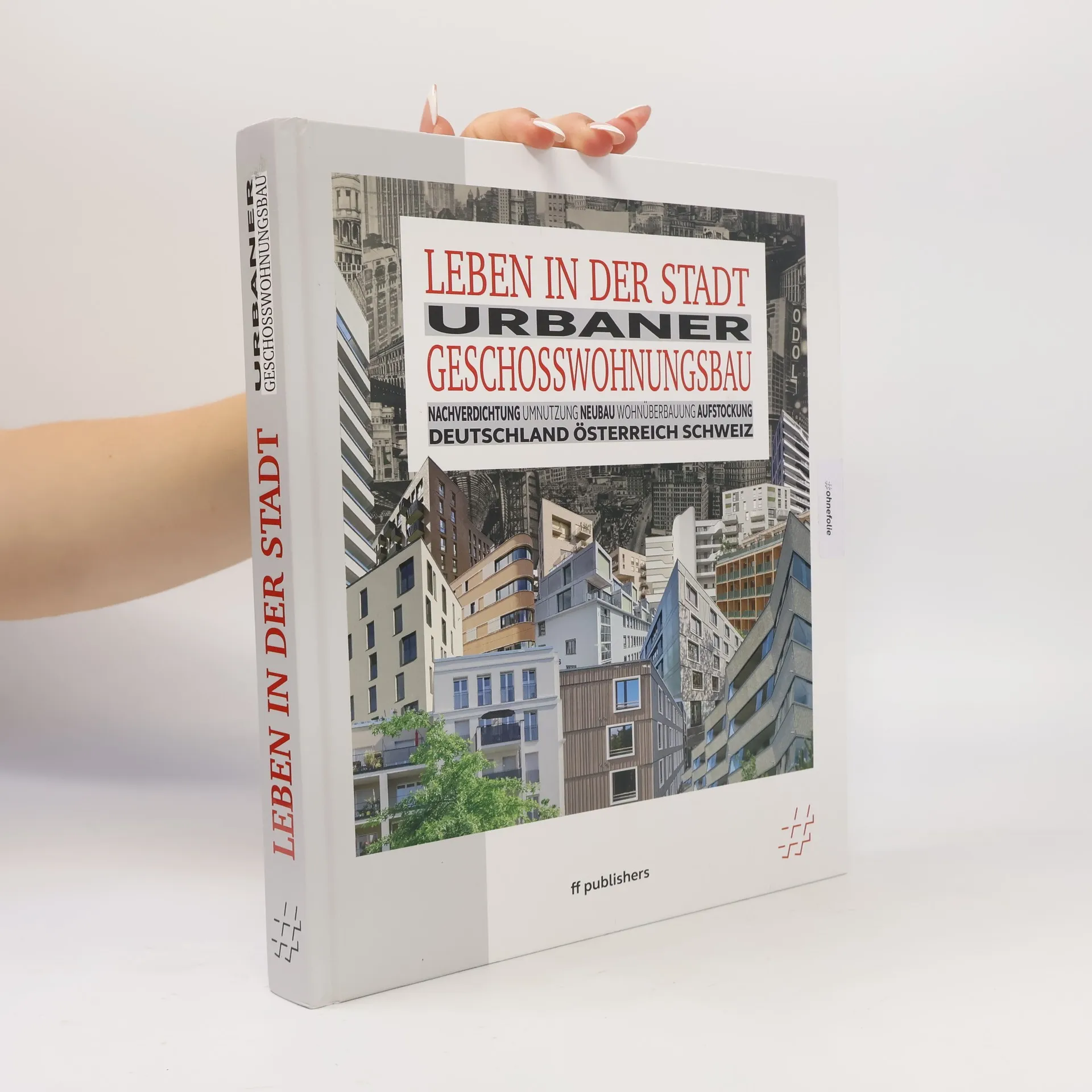
Europa ist ein Kontinent kultureller Vielfalt, die sich in Kunst und Architektur widerspiegelt. Neben traditionellen Baustilen prägt auch moderne Architektur das Stadtbild. Regionale Gegebenheiten, wie die unterschiedlichen Klima- und Landschaftszonen, sowie internationale Trends beeinflussen die Bauformen. Dieser Band präsentiert die gesamte Bandbreite europäischer Architektur – von Privathäusern über Wohn- und Bürokomplexe bis hin zu kulturellen, bildungs- und forschungsbezogenen Einrichtungen sowie religiösen und infrastrukturellen Bauten. Überraschende Materialien und zeitgenössische Entwürfe stehen neben Neuinterpretationen jahrhundertealter Bautraditionen. Moderne Baumethoden thematisieren aktuelle Herausforderungen wie Nachhaltigkeit, Umnutzung und Recycling. Die Vielfalt der präsentierten Gebäude macht dieses Kompendium zu einem umfassenden Nachschlagewerk und einer unerschöpflichen Inspirationsquelle. Beispiele aus dem Inhalt sind das SSE Hydro in Glasgow (Foster+Partners), das Dänische Nationalmaritime Museum in Helsingør (BIG Alectia), das Biomassekraftwerk in Schwendi (Matteo Thun & Partners), die Liège-Guillemins-Bahnstation in Liège (Santiago Calatrava) und das Museum der Geschichte der polnischen Juden in Warschau (Lahdelma & Mahlmäki Architects).
Toys, fulfilling as they do one of mankind’s most basic needs, have existed for as long as we have. From the earliest times both adults and children have used toys to simulate reality or simply to pass time. Renowned designers, artists and architects have always tried their hand at creating from Frank Lloyd Wright’s work with Fröbel’s building blocks to Josef Hartwig’s Bauhaus chess set that is still produced today. Gerrit Rietveld, Pablo Picasso, Marcel Breuer and Andy Warhol also designed toys. However, most often it was craftsmen and women – such as the seamstress Margarete Steiff (Steiff teddy bears), the carpenters Christiansen (Lego), or the cabinet-maker Hans Beck (Playmobil) – who designed the most successful and enduring toys. Toys for small children are often distinguished by a high level of abstraction (babies’ toys, for example, typically have fluid contours, simplified detail drawings and primary colors), although timeless designer toys such as those produced by Naef cross all age limits and can even be found on executive desks. This volume in the “Design” series presents both contemporary designer toys and classic toys that are still on the market.
Communicative living on a single level thanks to a wide variety of layouts, ingenious spatial solutions by playing with building structures, and the symbiosis of architecture and environment: The bungalow is the epitome of a self-determined life – and inspires builders and architects alike. The one or one-and-a-half-story type of detached single-family house today is resplendent with elegant monopitch roofs, flat-roof variants in the Bauhaus style, or classic gable-roof models. The contemporary projects presented show the entire range of functional and design possibilities. Each one is unique and has been individually developed according to its location and the wishes of the residents. What all the bungalows presented have in common is their architectural quality and their high quality of living.