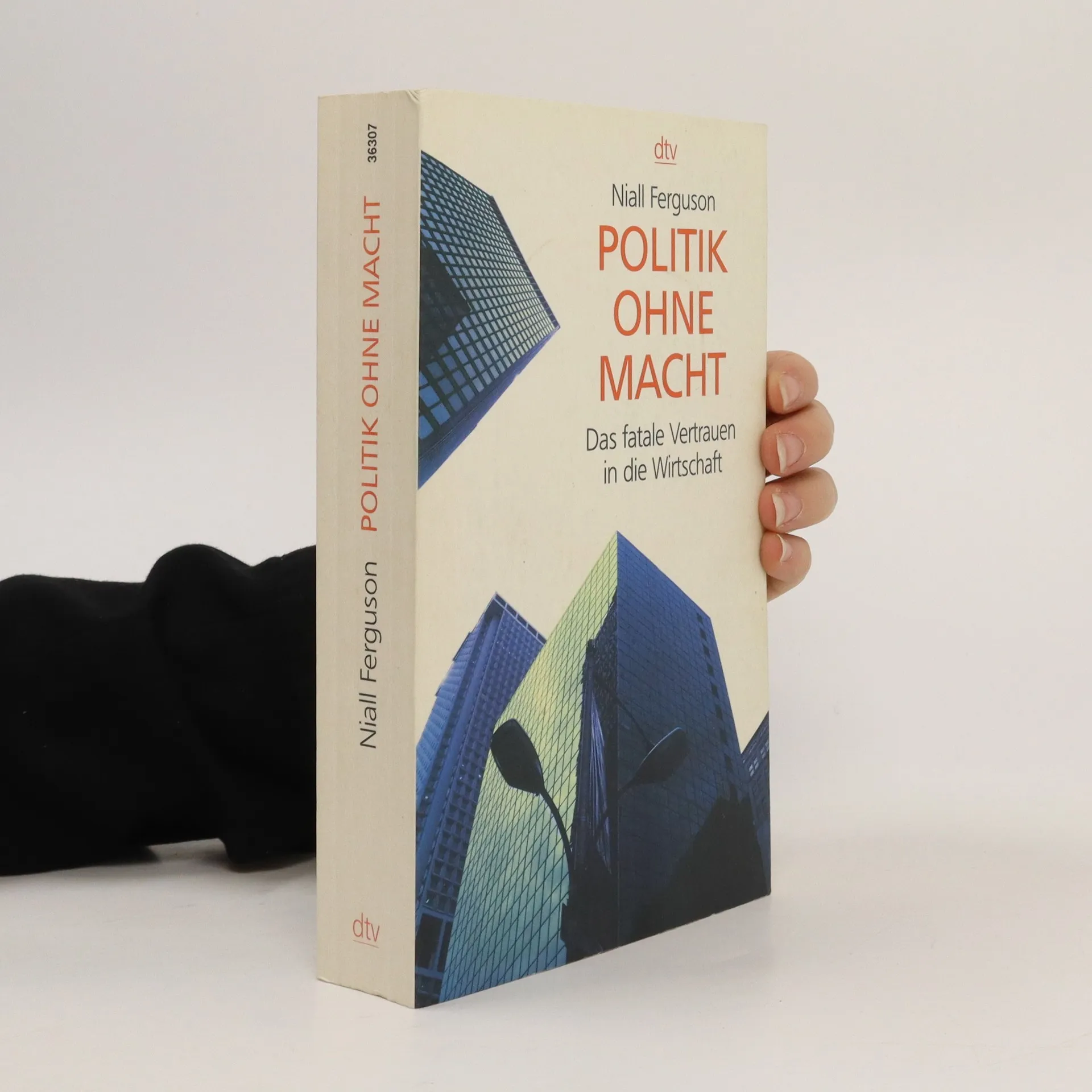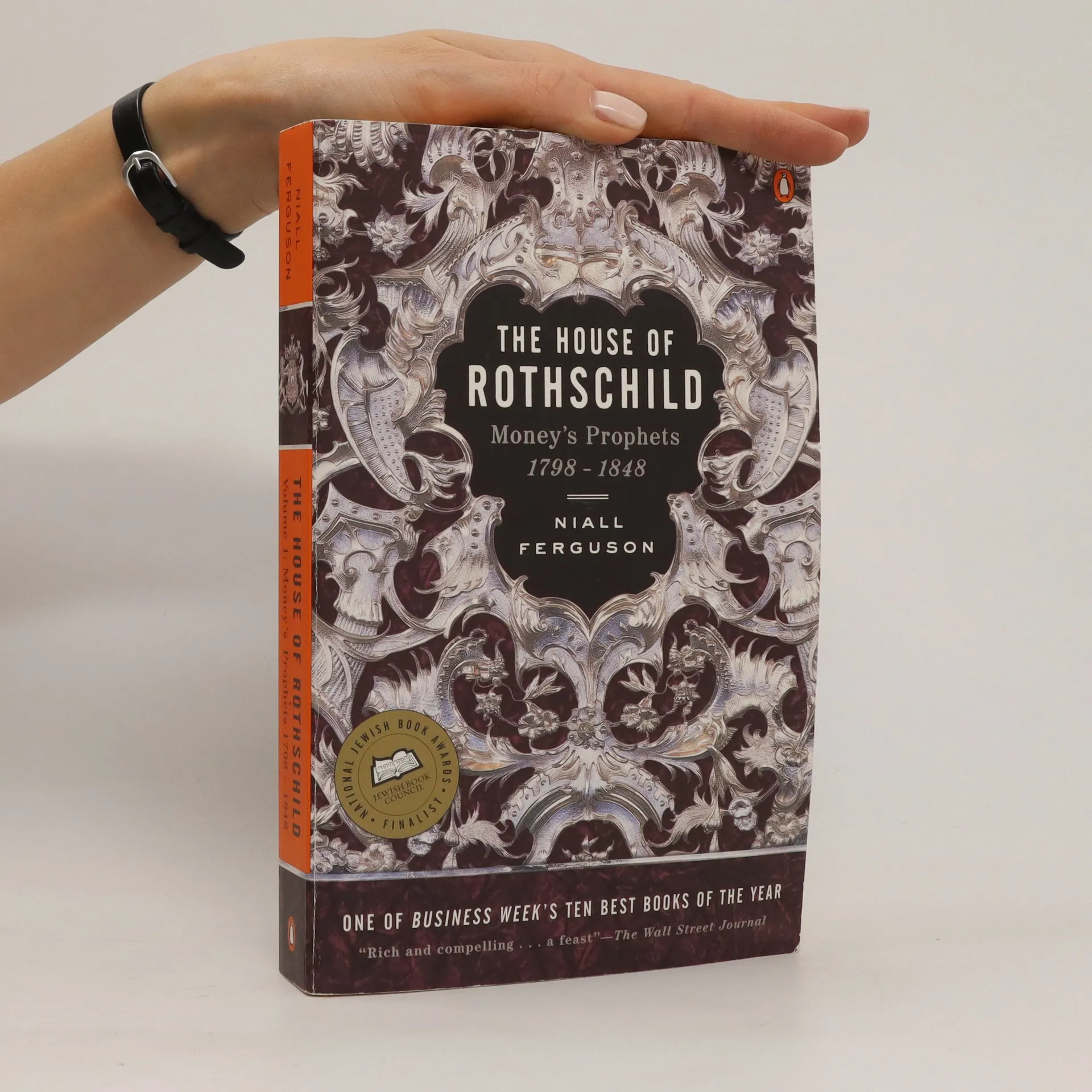
Knihobot

Niall Ferguson

    18. duben 1964

    Niall Ferguson je přední britský historik, který se ve svých dílech zaměřuje na globální dějiny, zejména na ekonomické a finanční aspekty. Své rozsáhlé znalosti historie a ekonomie využívá k analýze současných světových výzev a trendů. Jeho styl je charakteristický propojováním historických událostí s jejich dlouhodobými dopady, přičemž často zkoumá klíčové momenty a osobnosti, které formovaly moderní svět. Fergusonovy práce nabízejí hluboký vhled do složitých vztahů mezi mocí, financemi a společenským vývojem, čímž čtenářům poskytují nový pohled na současnost skrze optiku minulosti.

    Niall Ferguson
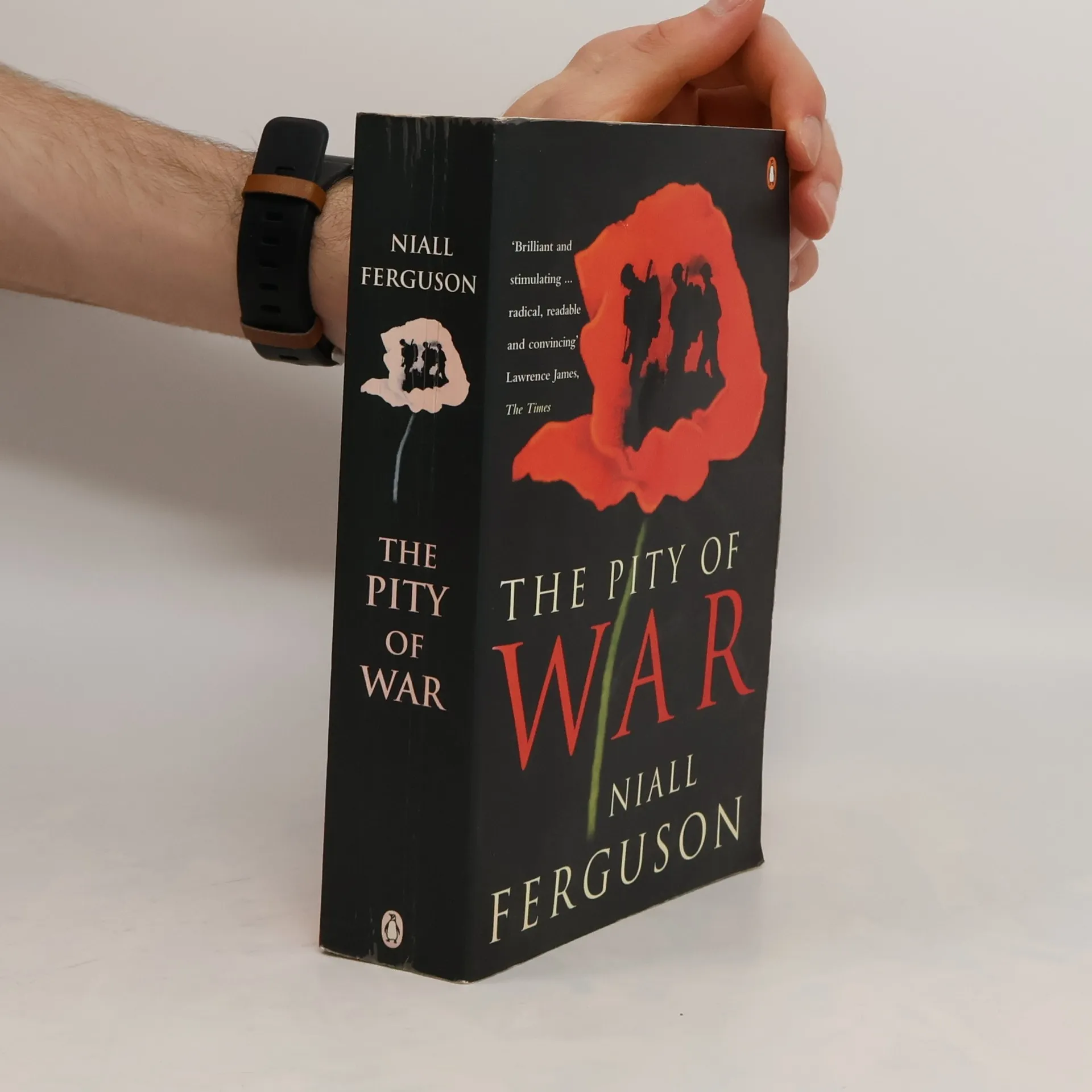
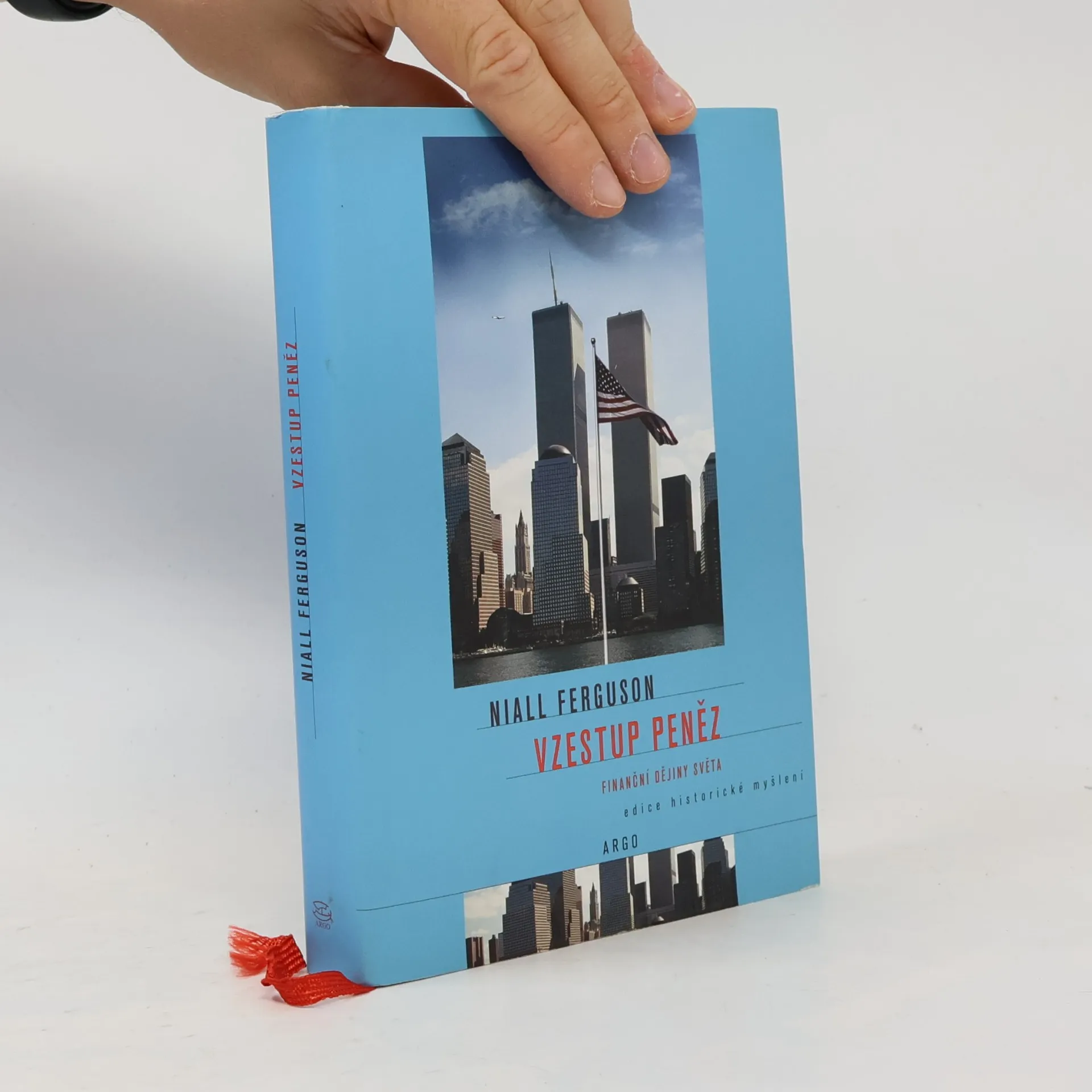
    Vzestup peněz. Finanční dějiny světa
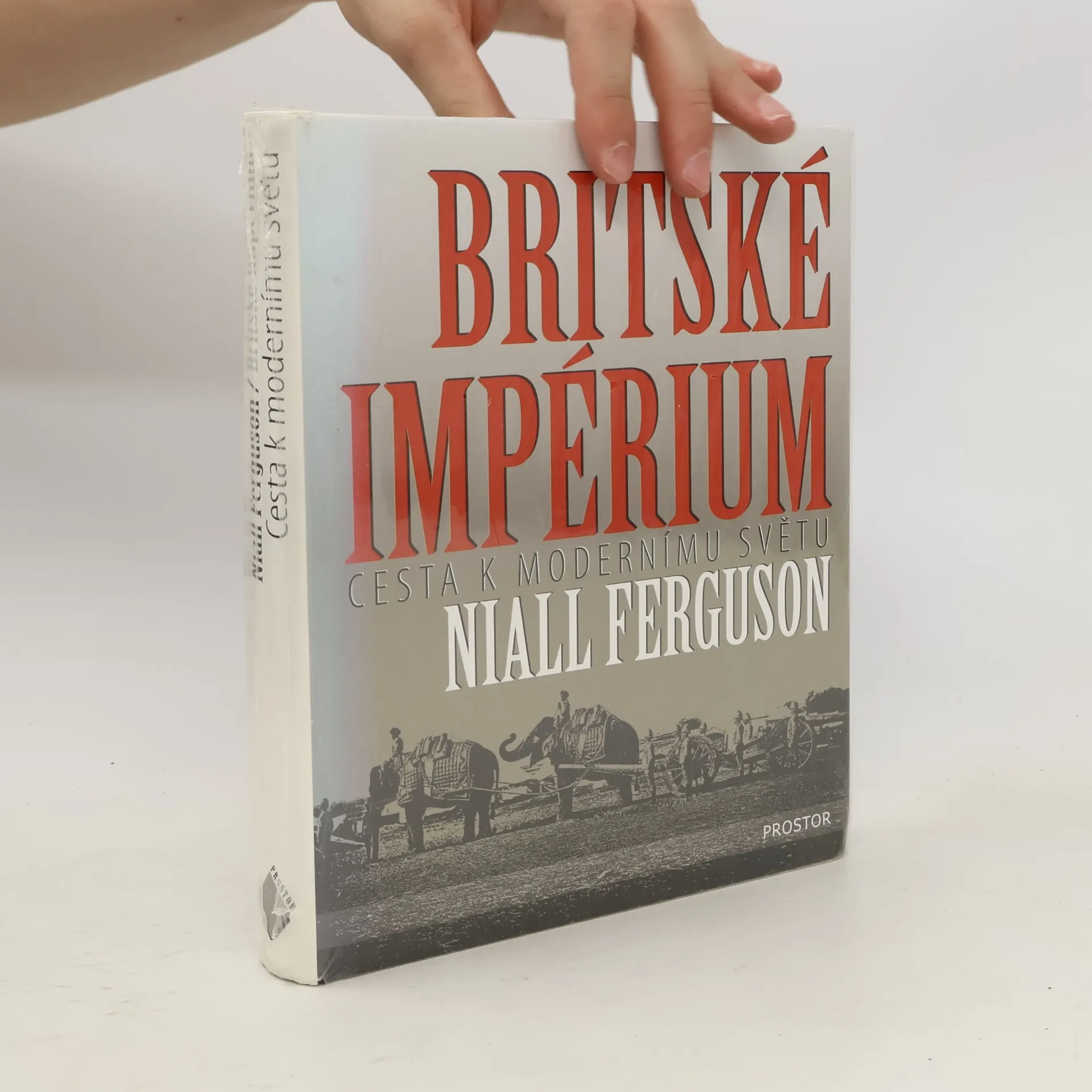
    Britské impérium: Cesta k modernímu světu
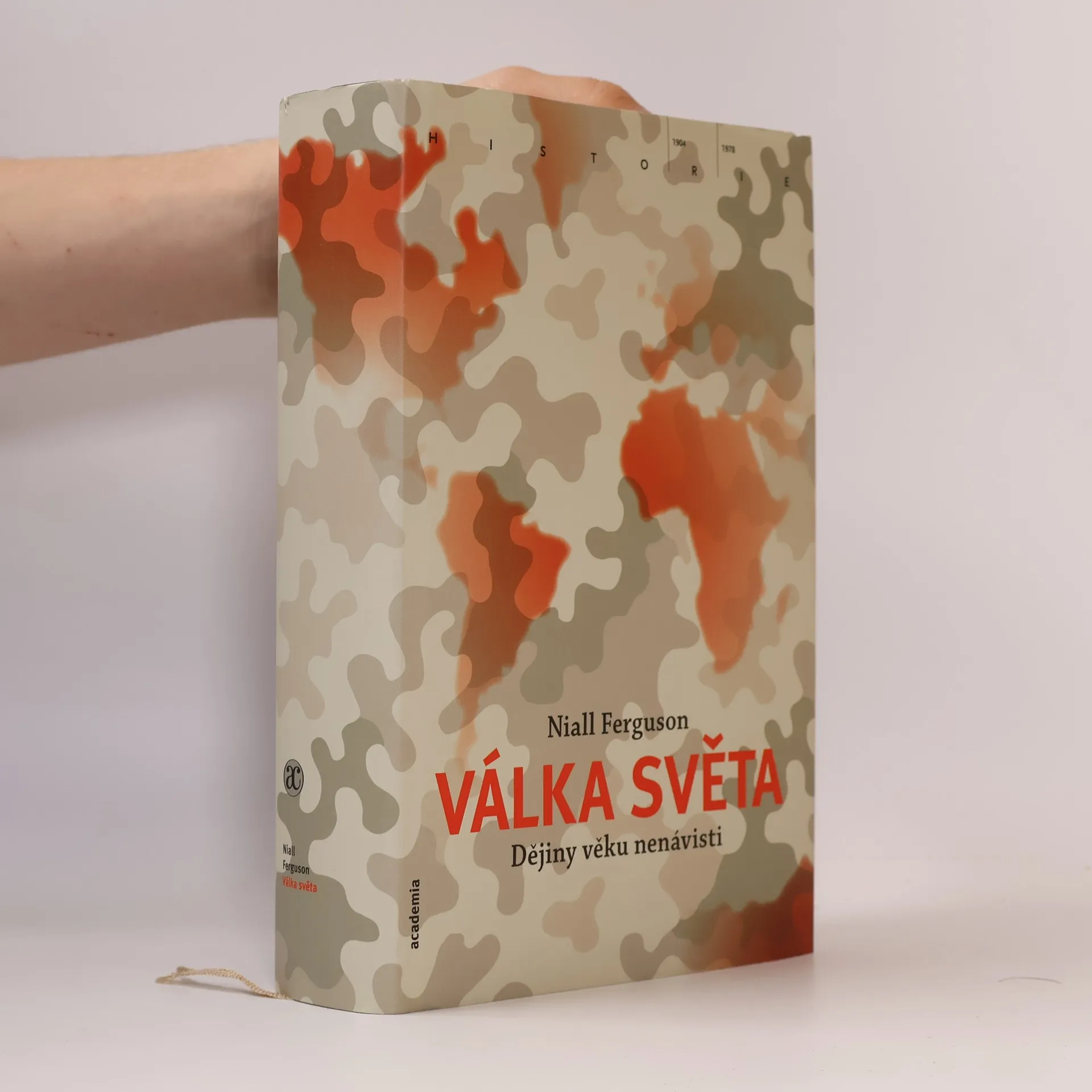
    Válka světa : dějiny věku nenávisti
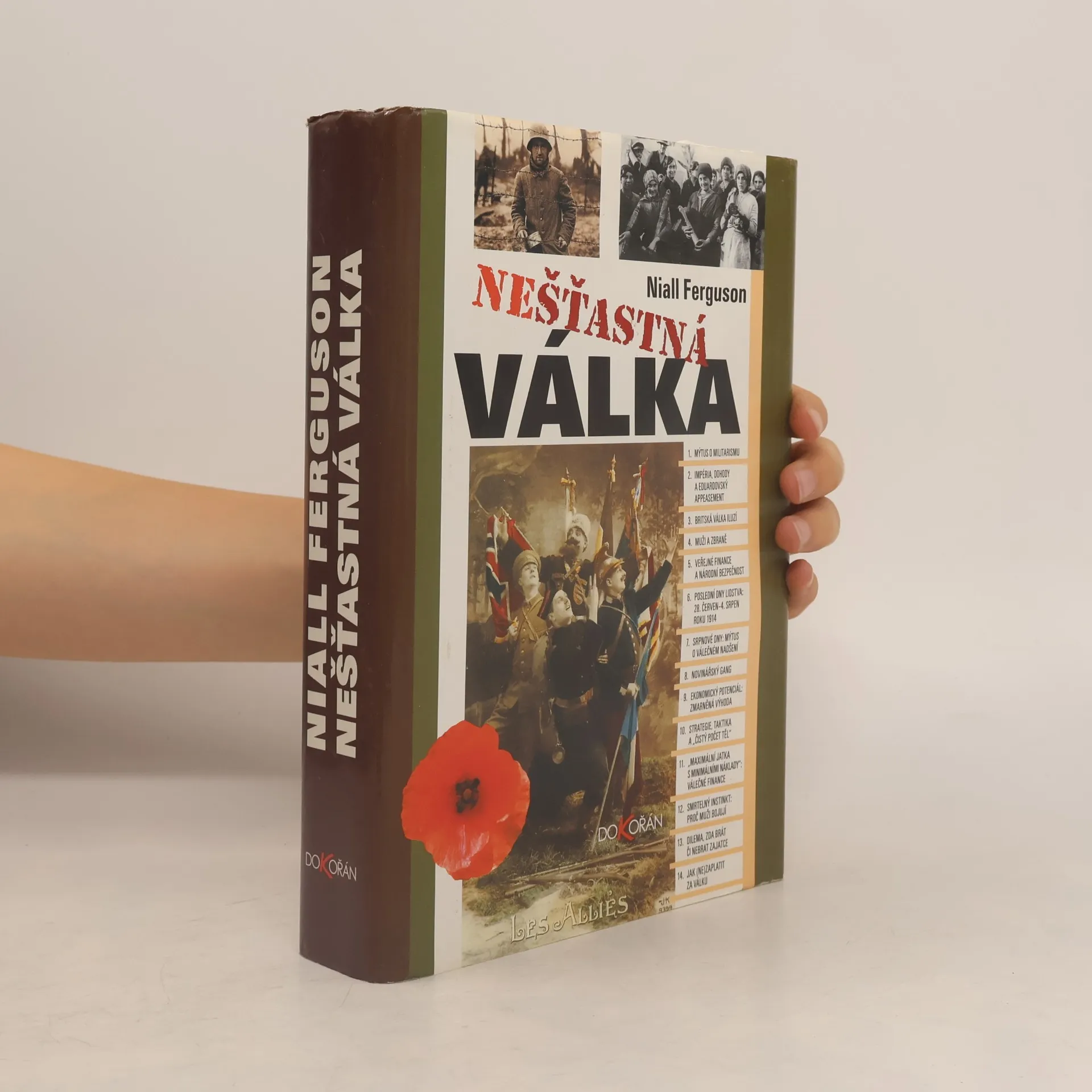
    Nešťastná válka
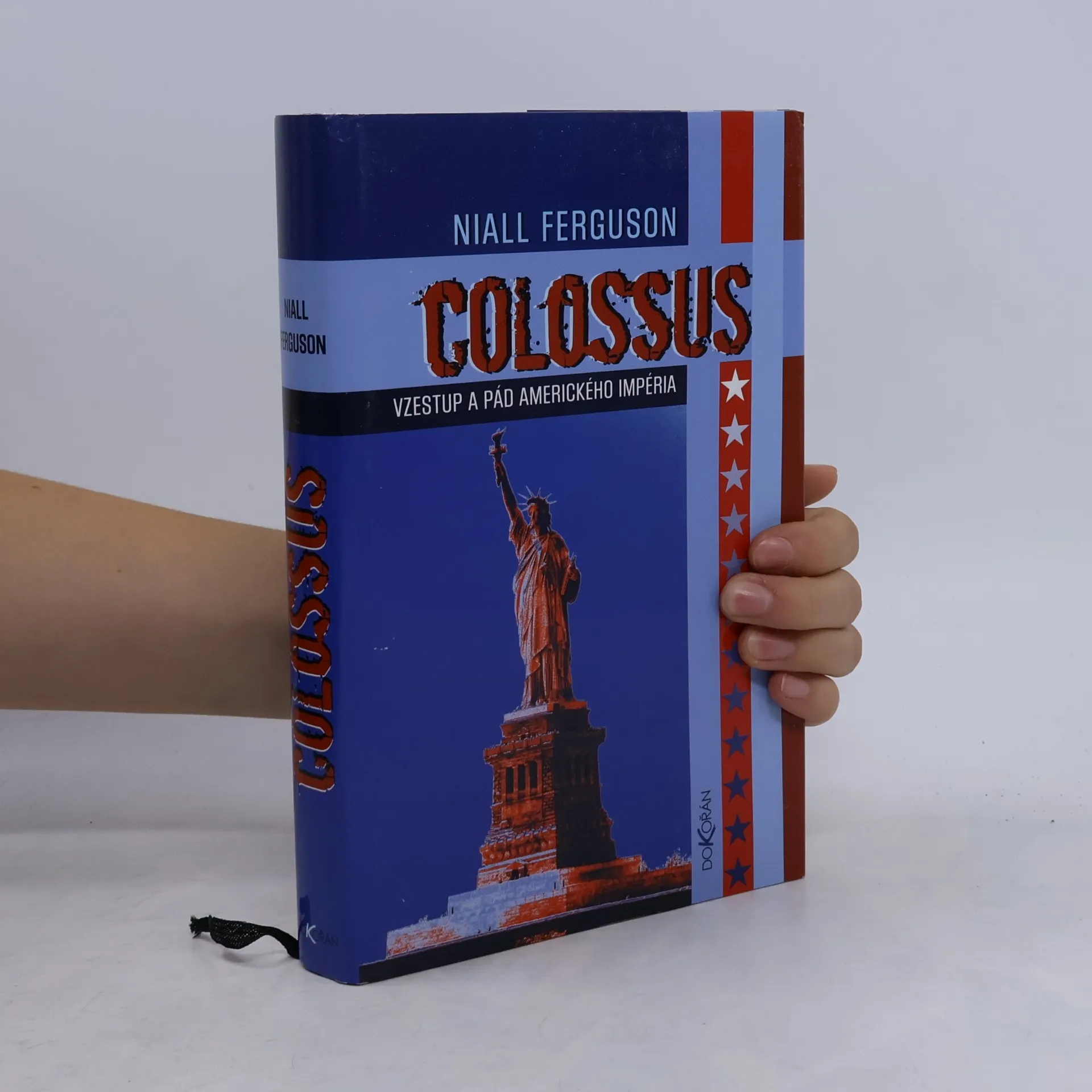
    Colossus: Vzestup a pád amerického impéria
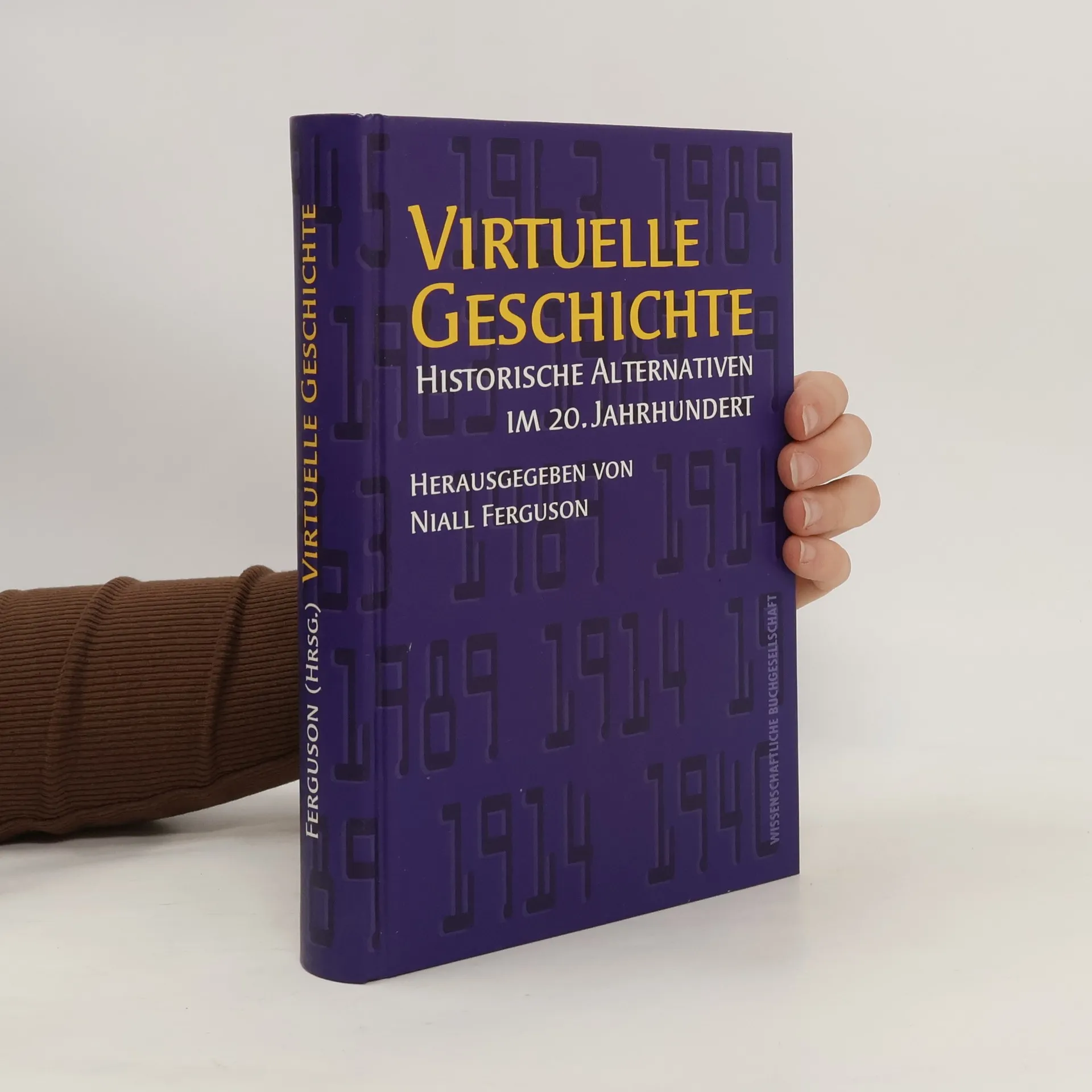
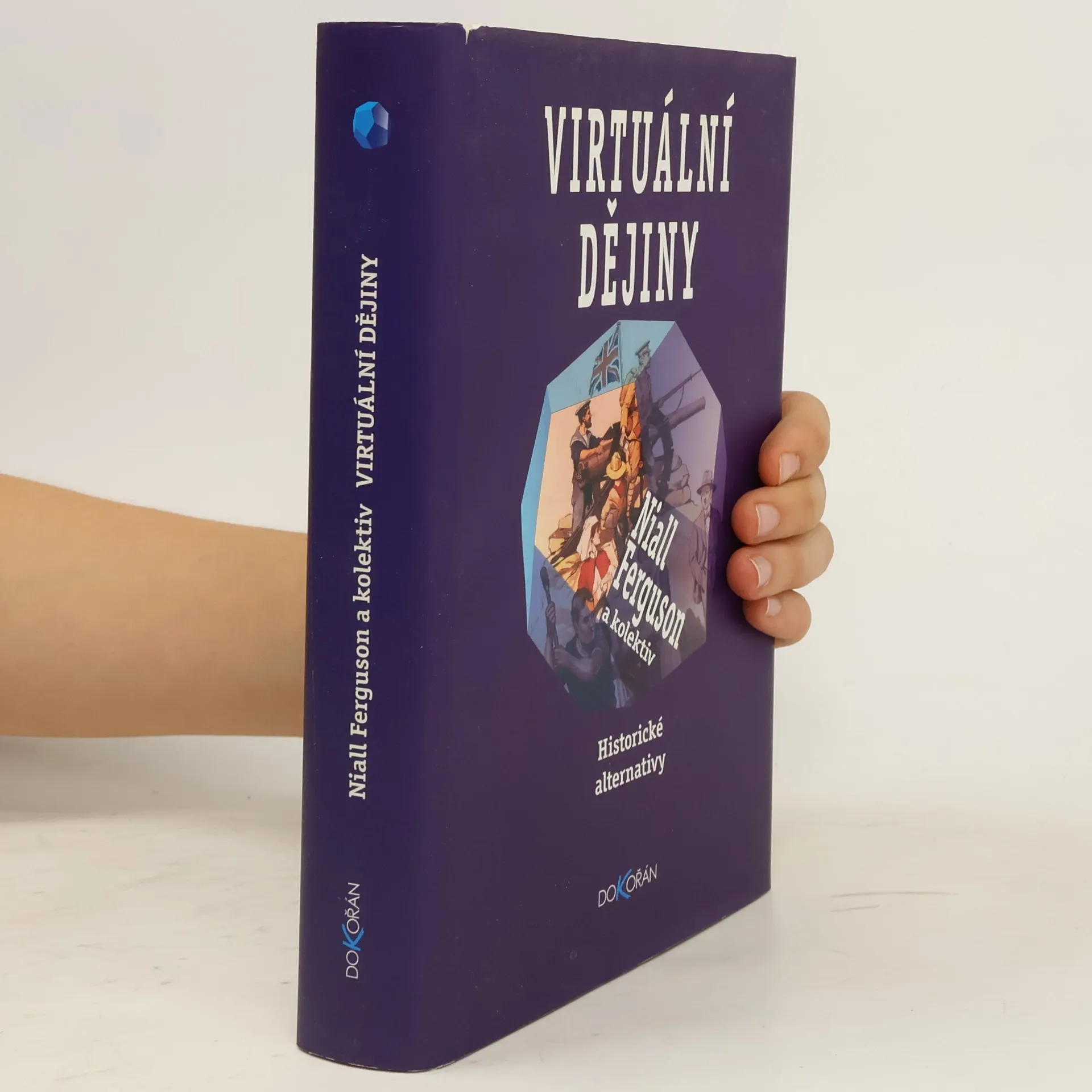
    Virtuální dějiny
    • 2025

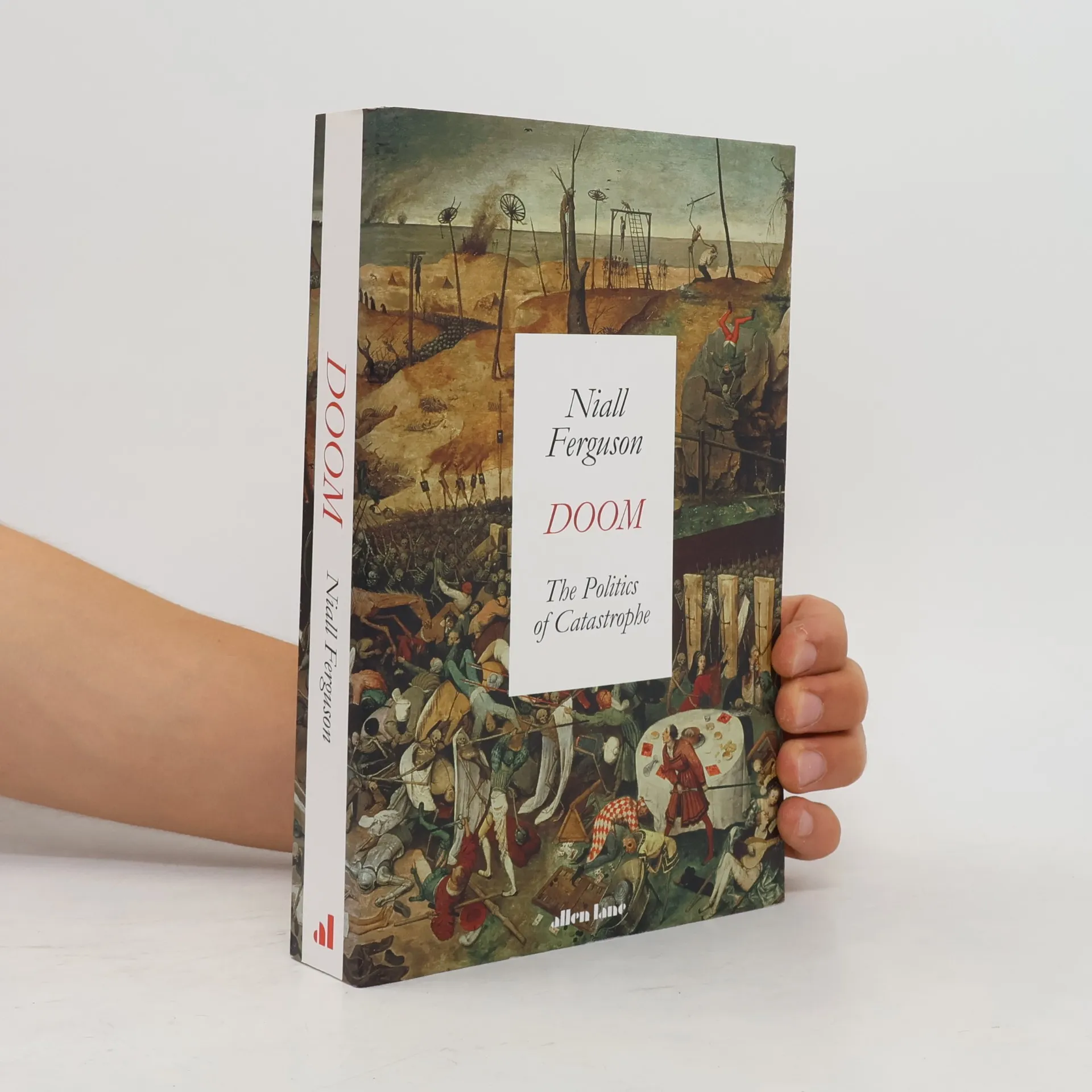
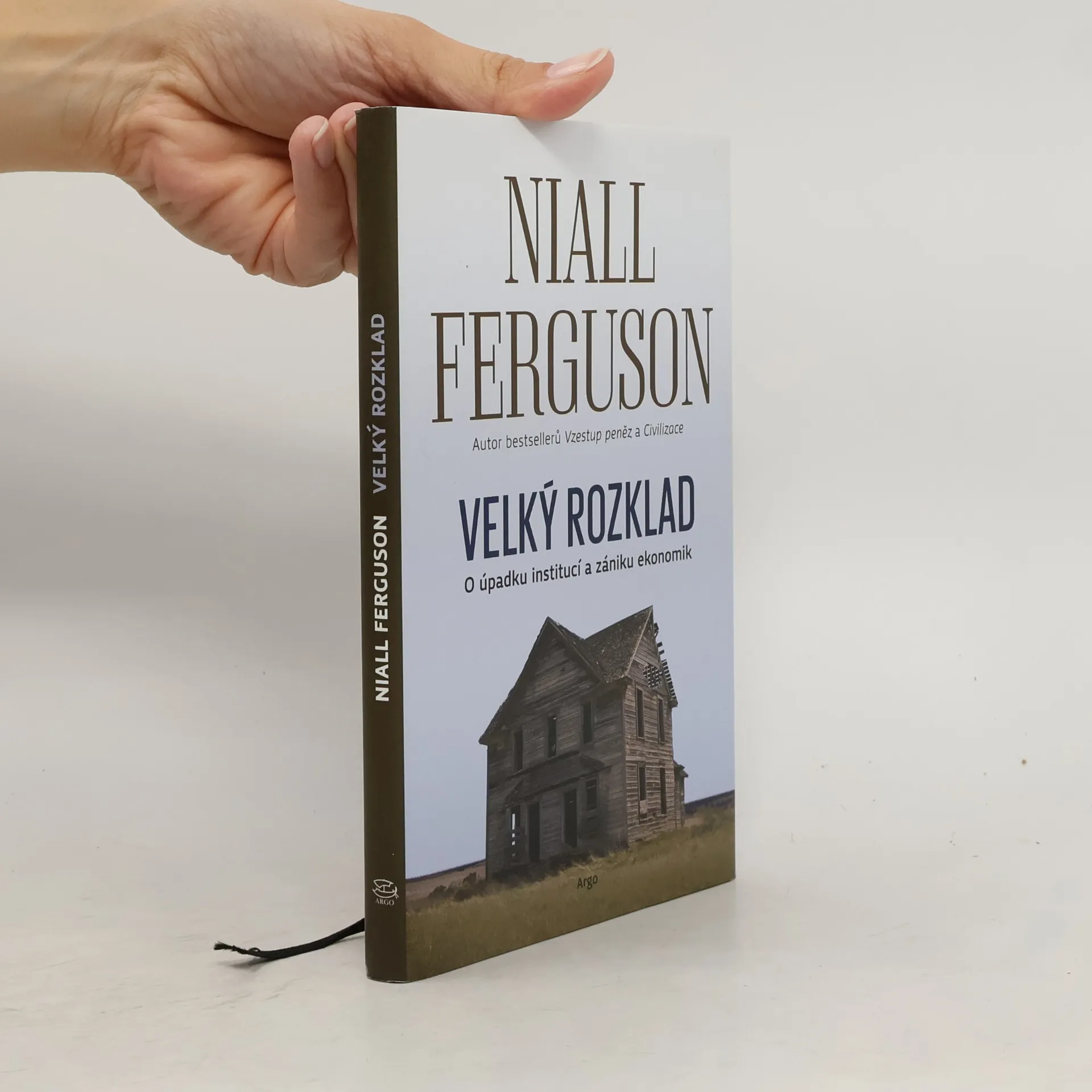
      Katastrofy jsou ze své podstaty těžko předvídatelné. Neexistuje žádný historický cyklus, který by nám pomohl předvídat příští pandemie, zemětřesení, požáry, finanční krize nebo války. Když však katastrofa udeří, měli bychom být připraveni lépe než Římané, když vybuchl Vesuv,nebo středověcí Italové, když udeřila černá smrt. Koneckonců máme na své straně vědu. Přesto byla v roce 2020 reakce mnoha vyspělých zemí na nový virus z Číny špatně zvládnutá. Proč? Proč se jen několik asijských zemí poučilo ze SARS a MERS? Autor tvrdí, že pandemie odhalila hlubší patologie – patologie, které byly patrné již v našich reakcích na dřívější katastrofy. Kniha čerpá z mnoha oborů, včetně ekonomie, kliodynamiky a vědy o sítích, a nabízí nejen historii, ale i obecnou teorii katastrof a ukazuje, proč se naše stále byrokratičtější a složitější systémy s nimi vyrovnávají čím dál hůře.
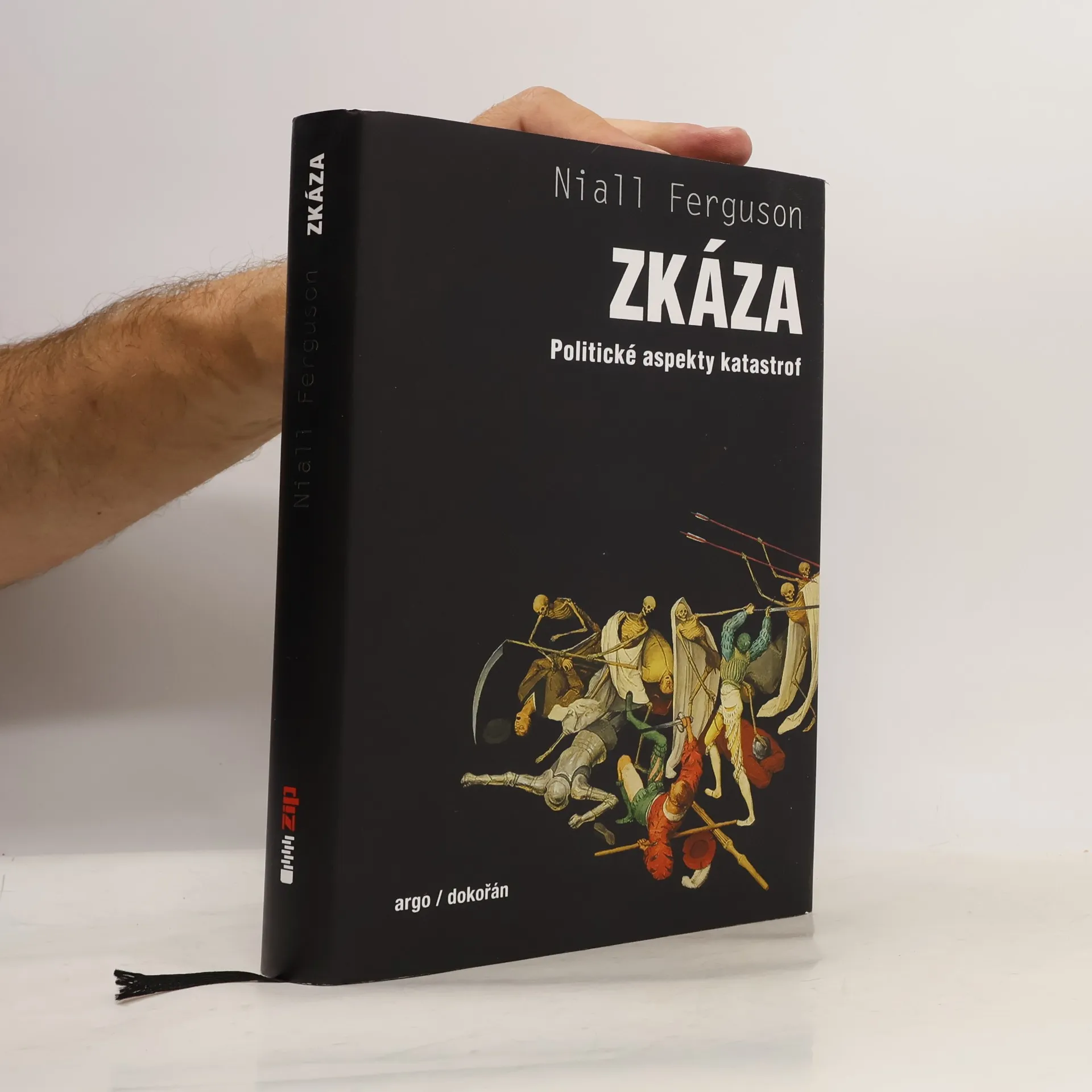
      Zkáza. Politické aspekty katastrof
    • 2024

      Kto pociąga za sznurki, z kim spiskuje i jak zyskuje władzę? Niall Ferguson, jeden z najsławniejszych historyków świata, profesor Uniwersytetów Harvarda, Oxfordu i Stanforda, demaskuje hierarchie i sieci, które wpływają na losy świata Dzięki wszechstronnemu i mistrzowsko napisanemu dziełu autora bestsellerowej Potęgi pieniądza dowiecie się, co łączy hiszpańskich konkwistadorów, bankierów z rodu Rothschildów, dawne żydowskie elity finansowe, inteligencję z czasów zimnej wojny, fundusze George’a Sorosa i współczesnych islamskich terrorystów. To książka, która jako pierwsza oddaje należne miejsce sieciom powiązań – powszechnej od stuleci i zyskującej na popularności dzięki nowym technologiom formie organizowania się, niedocenianej dotąd przez historyczne źródła.

      Rynek i ratusz. O ukrytej sieci powiązań, która rządzi światem
    • 2021

      Disasters are inherently unpredictable, and pandemics, like earthquakes and financial crises, do not follow historical patterns that could help us anticipate them. When disaster strikes, we should be better prepared than past societies, armed with scientific knowledge. However, many developed countries mishandled their responses to a new pathogen from China. While poor leadership, particularly among populist rulers, is often blamed, the COVID-19 crisis revealed deeper issues within the administrative state and economic elites, who had become shortsighted over time. The questions arise: why were warnings from experts ignored for so long, and why did only some nations learn from past outbreaks like SARS and MERS? The reliance on 'the science' often proved to be misguided. Drawing from history, economics, and network science, this work serves as a global analysis of the pandemic year. Niall Ferguson examines the underlying pathologies that have plagued societies, from imperial arrogance to bureaucratic inefficiency and online divisions. The COVID-19 pandemic highlighted a critical failure for many countries, emphasizing the need to learn from history to prevent a decline that could become irreversible.

      Doom
    • 2021

      Disasters are inherently unpredictable, and pandemics, like other crises, do not follow historical patterns that could help us anticipate them. When disasters occur, we should be better prepared than past societies, thanks to advancements in science. However, the responses of many developed nations to a new pathogen from China were severely mishandled. While poor leadership is an easy scapegoat, the COVID-19 pandemic revealed deeper issues within the administrative state and economic elites, who had become shortsighted over many years. Questions arise about why warnings were ignored and why only a few nations learned from previous outbreaks like SARS and MERS. The appeal to "the science" often devolved into mere wishful thinking. Drawing on history, economics, public health, and network science, this analysis serves as a global examination of the pandemic's impact. The author, Niall Ferguson, explores the pathologies that have caused significant harm, including imperial hubris and bureaucratic inefficiency. COVID-19 exposed failures that must prompt countries to learn from history to avoid the risk of irreversible decline.

      Doom : The Politics of Catastrophe
    • 2020

      Kto pociąga za sznurki, z kim spiskuje i jak zyskuje władzę? Niall Ferguson, jeden z najsławniejszych historyków świata, profesor Uniwersytetów Harvarda, Oxfordu i Stanforda, demaskuje hierarchie i sieci, które wpływają na losy świata Dzięki wszechstronnemu i mistrzowsko napisanemu dziełu autora bestsellerowej Potęgi pieniądza dowiecie się, co łączy hiszpańskich konkwistadorów, bankierów z rodu Rothschildów, dawne żydowskie elity finansowe, inteligencję z czasów zimnej wojny, fundusze George’a Sorosa i współczesnych islamskich terrorystów. To książka, która jako pierwsza oddaje należne miejsce sieciom powiązań – powszechnej od stuleci i zyskującej na popularności dzięki nowym technologiom formie organizowania się, niedocenianej dotąd przez historyczne źródła.

      Rynek i ratusz
    • 2020

      Seit dem Ende des Zweiten Weltkriegs prägte eine zunehmend freiheitliche Weltordnung das politische Geschehen und ermöglichte eine Ära wachsenden globalen Wohlstands und abnehmender internationaler Konflikte. Zum ersten Mal seit dieser letzten Kriegsgeneration erschüttert uns eine neue globale Realität, die nicht mehr durch feste Grenzen, klare nationale Interessen und gesicherte Handelspolitik definiert ist. Der renommierte Geschichtsprofessor Niall Ferguson und der einflussreiche Politikberater Fareed Zakaria loten aus, wer die eigentlichen Nutznießer der Globalisierung sind und zeichnen zwei grundverschiedene Szenarien – eine aufschlussreiche und zukunftsweisende Debatte.

      Ist die freiheitliche Weltordnung am Ende? Ein Streitgespräch
    • 2017

      Be it resolved, the liberal international order is over... Since the end of World War II, global affairs have been shaped by three broad trends: the increasing free movement of people and goods, international rules setting, and a broad appreciation of the mutual benefits of a more interconnected, interdependent world. Together these factors defined the liberal international order and sustained an era of rising global prosperity and declining international conflict. But is this order now being supplanted by a new global reality; one defined by the assertion of national borders, national interests and protectionist trade polices? More fundamentally, is liberal internationalism a historical aberration; the product of a unique set of forces that are now in retreat? Or, can it survive these challenges and remain the defining rules-based system of the future? The twentieth semi-annual Munk Debate, held on April 28th, 2017, pits prominent historian Niall Ferguson against CNN's Fareed Zakaria to debate the future of liberal internationalism.

      Is This the End of the Liberal International Order?: The Munk Debates
    • 2017

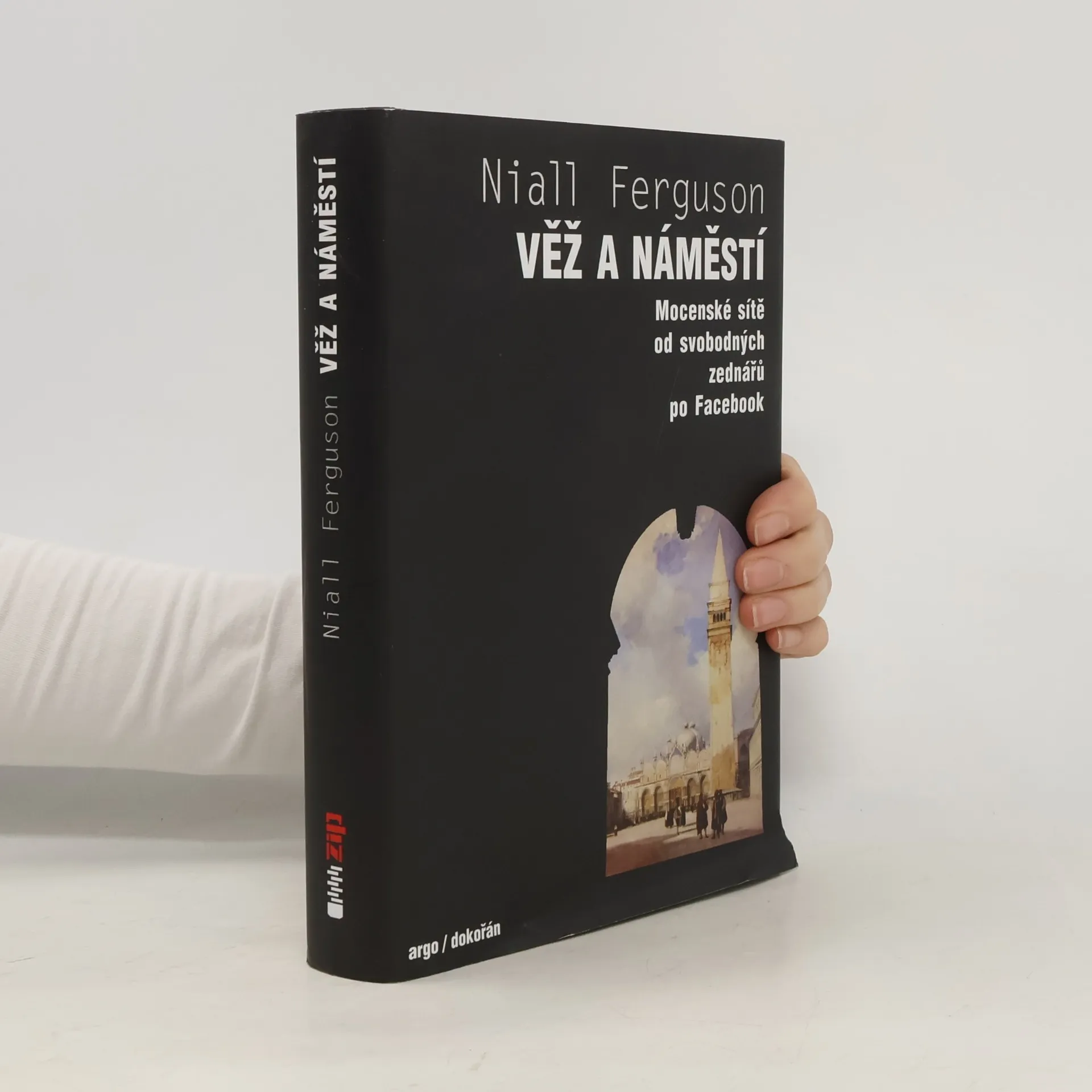
      Podtitul: Mocenské sítě od svobodných zednářů po Facebook. Niall Ferguson je uznávaný historik, autor čtrnácti knih, z nichž zná český čtenář tituly Vzestup peněz či Velký rozklad. V nové práci analyzuje podoby mocenského vlivu. Jednu – vertikální, hierarchickou – charakterizuje metafora věže; druhou, horizontální, založenou na síti vztahů, zase obraz náměstí. Autor zkoumá jejich historický vývoj i koexistenci. V historických knihách je patrnější ona vertikální struktura, na jejímž vrcholu stáli králové a papežové, ale to neznamená, že by horizontální sítě společenských vztahů byly záležitostí moderní doby, ve které jako by komunikace po Facebooku hrála větší roli než politické uspořádání. Ferguson ukazuje podobu společenských sítí v minulých dobách a v jejich rozvoji a úpadku nachází varovné signály pro sítě novodobé, protože sítě byly vždy náchylné k uzavírání, přenášení negativních signálů či výpadkům.

      Věž a náměstí : mocenské sítě od svobodných zednářů po Facebook
    • 2016

      Kissinger

      • 1008 stránek
      • 36 hodin čtení
      4,1(33)Ohodnotit

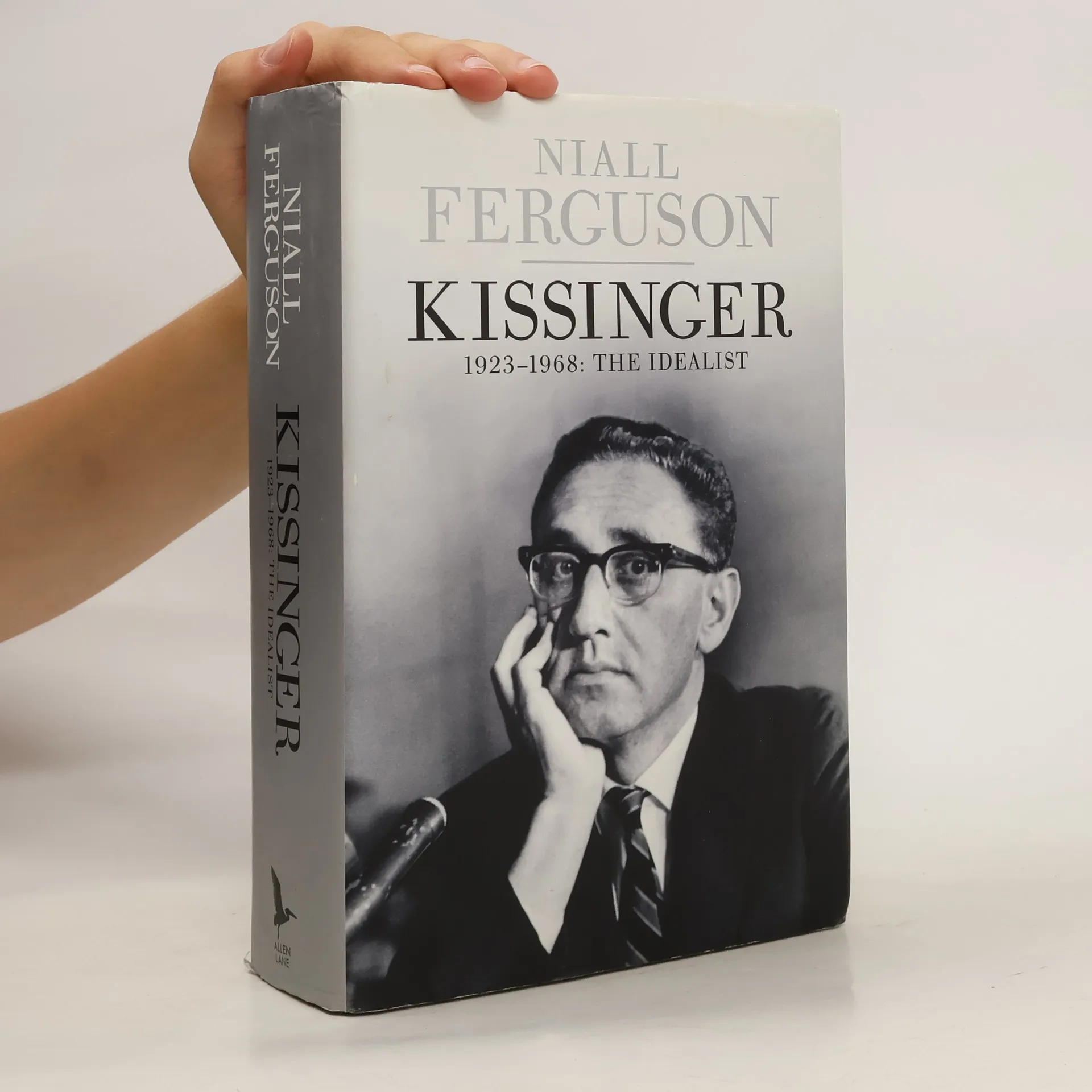
      The definitive biography of Henry Kissinger, based on unprecedented access to his private papers. No American statesman has been as revered or as reviled as Henry Kissinger

      Kissinger
    • 2015

      No American statesman has been as revered and as reviled as Henry Kissinger. Hailed by some as the 'indispensable man', whose advice has been sought by every president from Kennedy to Obama, Kissinger has also attracted immense hostility from critics who have cast him as an amoral Machiavellian - the ultimate cold-blooded 'realist'. Niall Ferguson has created an extraordinary panorama of Kissinger's world, and a paradigm-shifting reappraisal of the man. Only through knowledge of Kissinger's early life can we understand his debt to the philosophy of idealism. And only by tracing his rise, fall and revival as an adviser to John F. Kennedy, Nelson Rockefeller and, finally, Richard Nixon can we appreciate the magnitude of his contribution to the theory of diplomacy, grand strategy and nuclear deterrence

      Kissinger 1923-1968. The idealist