

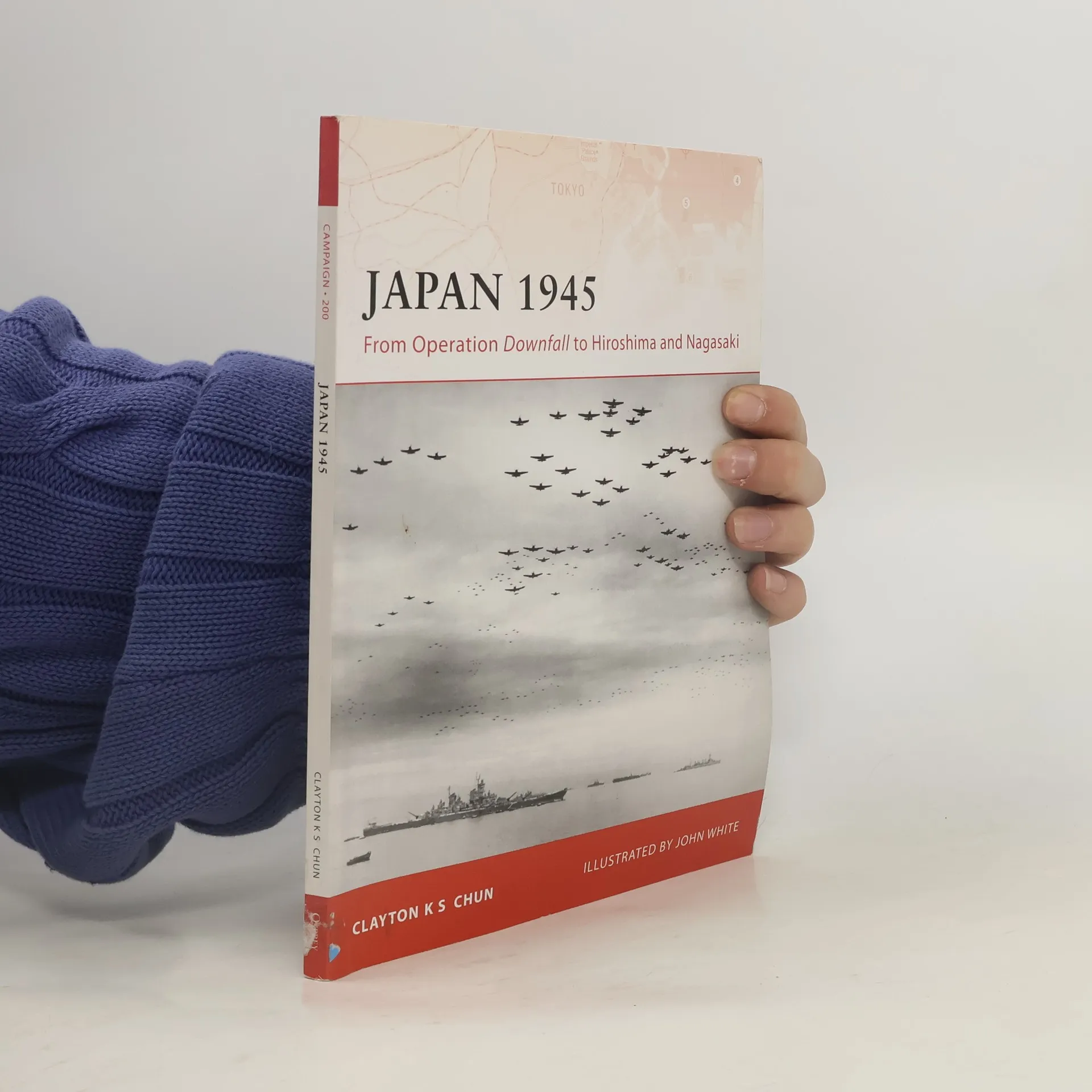
In this 200th Campaign series title Clayton Chun examines the final stages of World War II (1939-1945) as the Allies debated how to bring about the surrender of Japan. Chun not only describes the actual events but also analyzes the possible operations to capture the Japanese mainland which were never implemented. He details Operation Downfall (the planned invasion of the Japanese home islands) and its two-phased approach. Firstly Operation Olympic would see the invasion of Kyushu, followed by Operation Coronet which would see the invasion of the area around Tokyo.Chun goes on to examine exactly why these plans were never implemented, including Allied fears that both military and civilian casualties would be terrible and would result in a long, drawn out war of attrition. He then goes on to examine the horrific alternative to military invasion - the attacks on Hiroshima and Nagasaki with nuclear weapons - which made the Allied threat of "prompt and utter destruction" a reality. With a series of illustrations, including detailed diagrams of the atomic bombs, a depiction of the different stages of the explosions and maps of the original invasion plans, this book provides a unique perspective of a key event in world history.
Clayton K. S. Chun Knihy
Tento autor se zabývá otázkami národní bezpečnosti, vojenské historie a ekonomie. Jeho práce, ovlivněná dlouhou vojenskou kariérou, nabízí hluboký vhled do strategických a ekonomických aspektů obrany. Zkoumá komplexní problémy, které formují moderní vojenské a politické prostředí. Jeho analýzy jsou založeny na rozsáhlých zkušenostech a akademickém vzdělání.
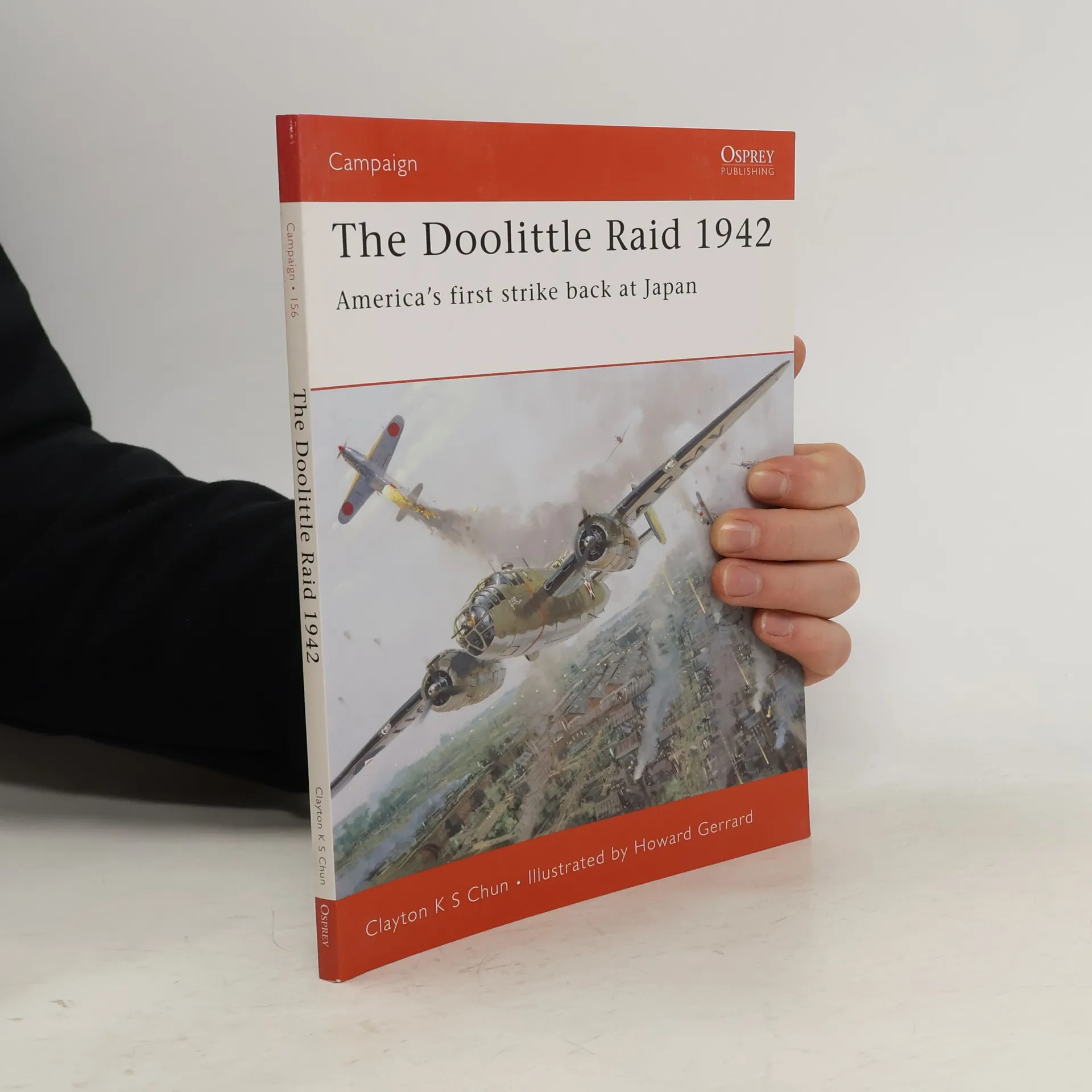
Osprey's study of the United States' first offensive response to the Pearl Harbor attacks of World War II (1939-1945). In early 1942, the strategic situation was bleak for the United States. She had been in continual retreat since Pearl Harbor, surrendering major areas such as the Philippines, and was preparing for the worst in Hawaii and on the West Coast. The Japanese, on the other hand, had secured a well-defended perimeter, and were set for further expansion. Something needed to happen quickly and be of considerable impact. The April 1942 Doolittle Raid on Japan was a way to achieve this. This book examines the planning, execution, and aftermath of this innovative, daring and risky attack, which would show that the Japanese navy and air forces were anything but invincible.