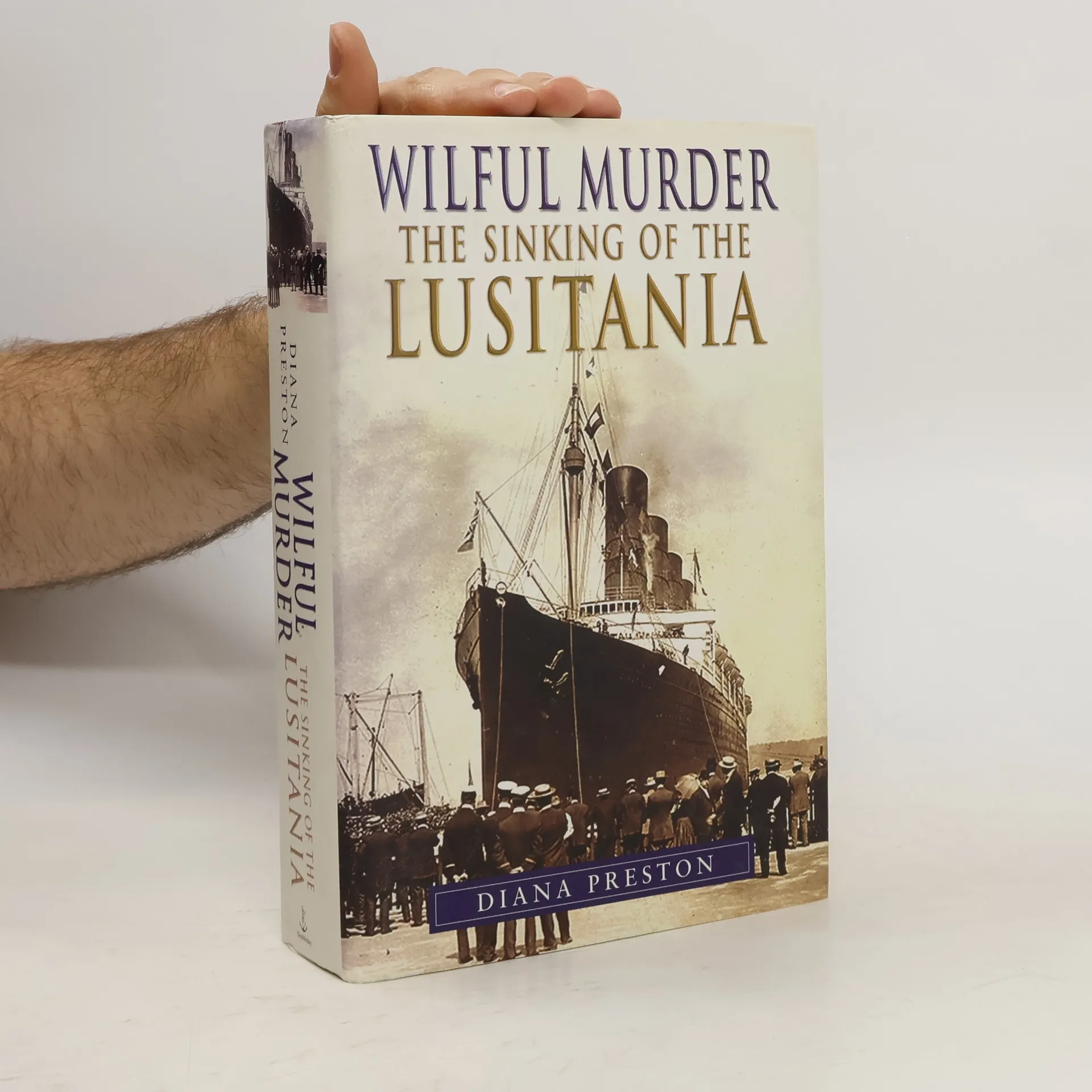
Potopení Lusitanie. Úkladná vražda
- 428 stránek
- 15 hodin čtení
Strhující příběh katastrofy velké zaoceánské lodě.


Diana Preston se specializuje na poutavé historické události, které čtenářům pomáhají hlouběji pochopit minulost. Její práce se vyznačuje fascinací lidskou zkušeností, zkoumáním motivací, které řídí lidské jednání, a odhalováním individuálních příběhů tvořících širší historický obraz. Preston provádí rozsáhlý originální výzkum, včetně studia archivů a osobních svědectví, aby vtiskla svým vyprávěním autenticitu a emocionální hloubku. Její styl je charakterizován schopností přenést čtenáře do klíčových momentů dějin skrze živé popisy a pečlivé zkoumání.



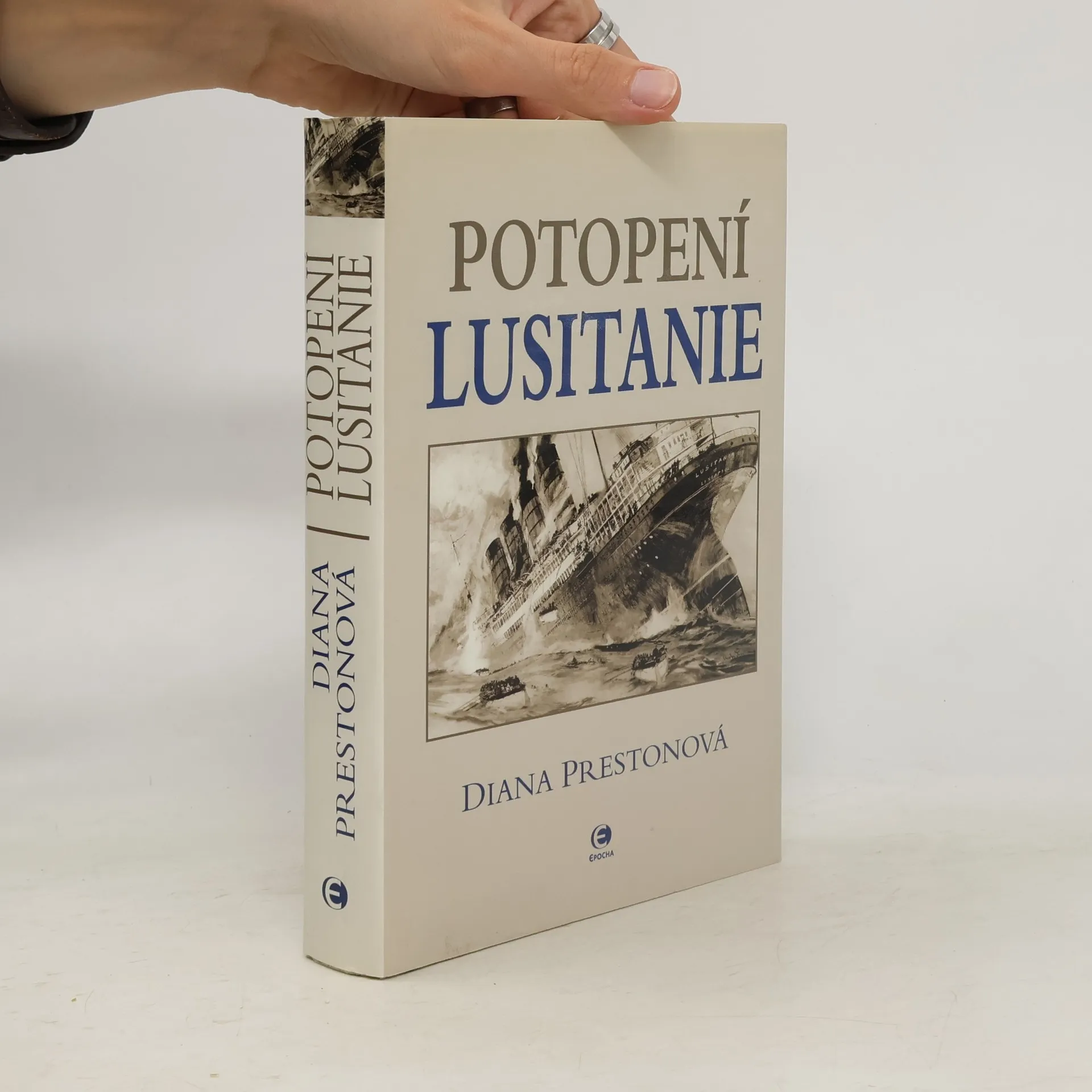
Strhující příběh katastrofy velké zaoceánské lodě.
A riveting minute-by-minute chronicle of the February 1945 conference that shaped the outcome of one war - and gave birth to another.
When twenty-two-year-old aspiring geologist Charles Darwin boarded the HMS Beagle in 1831, he had no idea he was embarking on a transformative voyage in scientific history. Accompanied by ship's captain Robert FitzRoy, Darwin's five-year journey around the globe involved challenging conditions and remarkable discoveries that laid the groundwork for his groundbreaking theories on the origin of species and natural selection. Utilizing a wealth of letters, diary entries, and accounts from those who met him, Diana Preston chronicles this epic voyage, highlighting Darwin's evolution from an inexperienced young man to a skilled adventurer and natural scientist. Often leaving the ship to explore remote terrains, Darwin traveled with local guides, collecting unique specimens across diverse landscapes, from Patagonia to the Galápagos Islands. He observed various species, including the Argentinian rhea and Galápagos finch, which helped him recognize connections between the past and present. After returning to Britain in 1836, Darwin never traveled again, yet his intellectual journey continued, culminating in the publication of his influential work in 1859. This portrayal of Darwin offers vital insights into one of history's most significant figures and enhances our understanding of life on Earth.
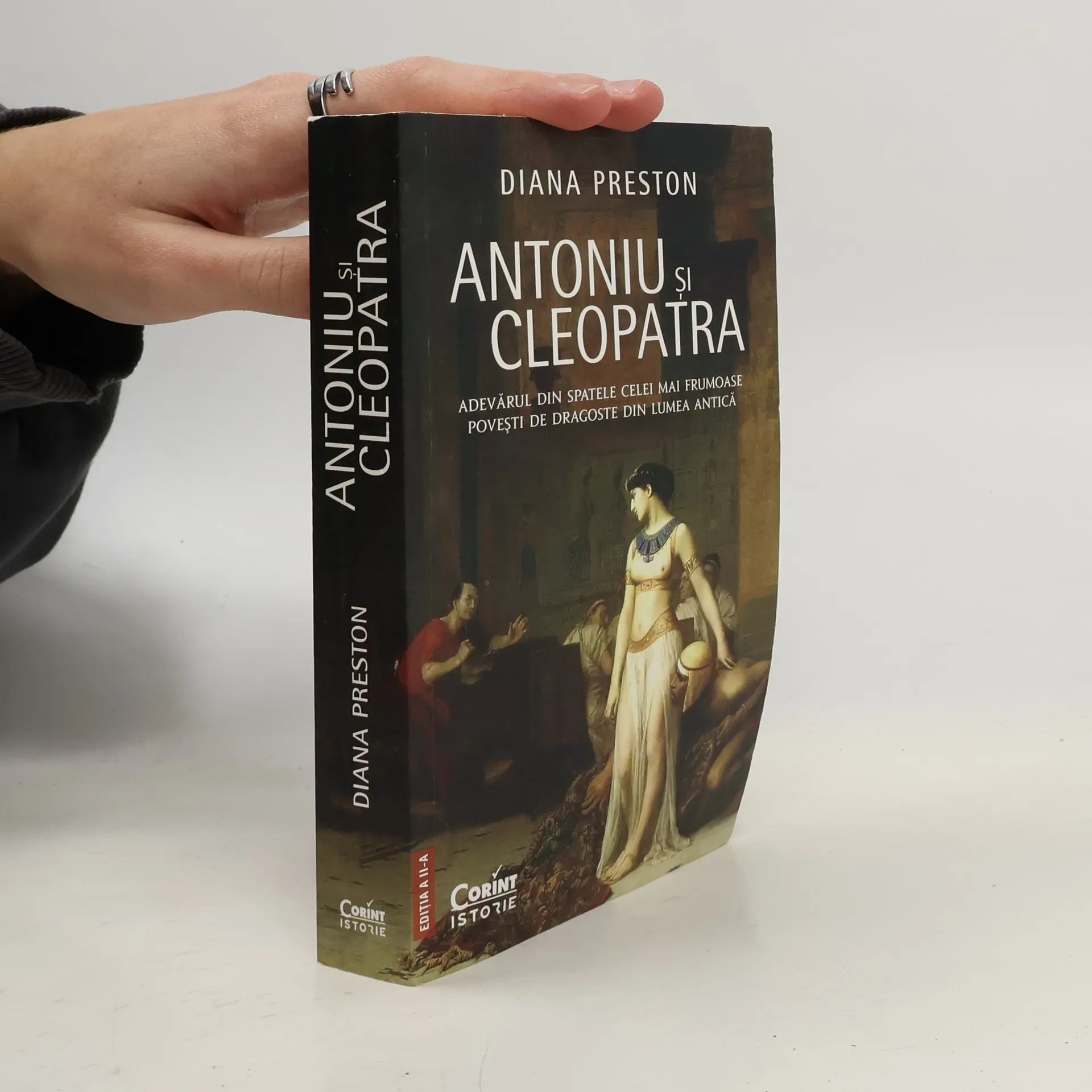
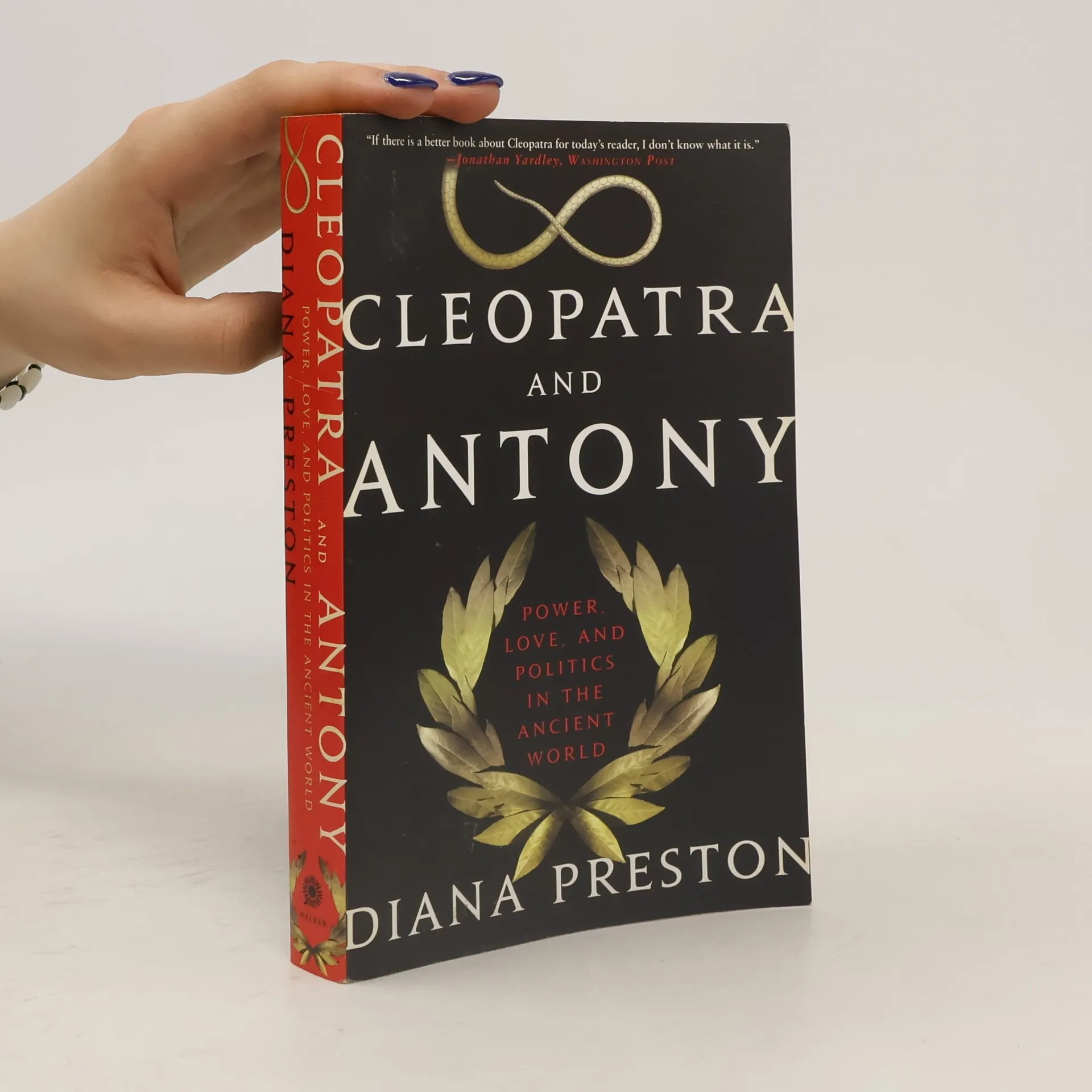
In 44 BC, Julius Caesar was murdered on the Ides of March. His mistress, Cleopatra of Egypt, fled back to Alexandria with their little son. Mark Antony, Caesar's friend and henchman, who was already besotted by the beautiful Cleopatra, took up her son's case before the Senate. But they refused to recognize him as one of Caesar's heirs. Civil war broke out, and after the defeat of Caesar's murderers, Antony took control over the East. Summoned to his headquarters in present-day Turkey, Cleopatra made her entry at dusk on a scented, candlelit barge: and so began one of the greatest love stories of all time - an eleven-year love affair that created the ancient world's most famous celebrity couple. The affair became all-consuming and fired the lovers with the ambition to create a new order. Had they succeeded, our world today might have been very different. Filled with murder, intrigue, civil war, and great battles, the tragedy of Cleopatra and Antony has fascinated the world for two millennia, and has been depicted by everyone from Chaucer and Shakespeare to Richard Burton and Elizabeth Taylor in the iconic 1960s film. Now Diana Preston has gone back to the original sources and delved into the real history behind the propaganda and the myth, to breathe new life into this epic love story.
"Wilful Murder is the story of the sinking of the Lusitania. The first book to look at events in their full historical context, it is also the first to place the human dimension at its heart. Using first-hand accounts of the tragedy, Diana Preston brings the characters to life, recreating the splendour of the Cunard luxury liner as she set sail from New York and the horror of her final moments. Using British, American and German research material, Diana Preston answers many of the unsolved, controversial questions surrounding the Lusitania: why didn't Cunard listen to warnings that the ship would be a target of the Germans? Was the Lusitania sacrificed in order to bring the Americans into the war? What was really in the Lusitania's hold? Was the verdict of wilful murder, from the inquest held the day after the sinking, justified? And did the Kaiser's decision to cease unrestricted U-boat warfare in response to international outrage at the sinking effectively change the outcome of the First World War?"--Jacket
Celebrated historian Diana Preston presents betrayals, escapes, and survival at sea in her account of the mutiny of the Bounty and the flight of convicts from the Australian penal colony. The story of the mutiny of the Bounty and William Bligh and his men's survival on the open ocean for 48 days and 3,618 miles has become the stuff of legend. But few realize that Bligh's escape across the seas was not the only open-boat journey in that era of British exploration and colonization. Indeed, 9 convicts from the Australian penal colony, led by Mary Bryant, also traveled 3,250 miles across the open ocean and some uncharted seas to land at the same port Bligh had reached only months before. In this meticulously researched dual narrative of survival, acclaimed historian Diana Preston provides the background and context to explain the thrilling open-boat voyages each party survived and the Pacific Island nations each encountered on their journey to safety. Through this deep-dive, readers come to understand the Pacific Islands as they were and as they were perceived, and how these seemingly utopian lands became a place where mutineers, convicts, and eventually the natives themselves, were chained.
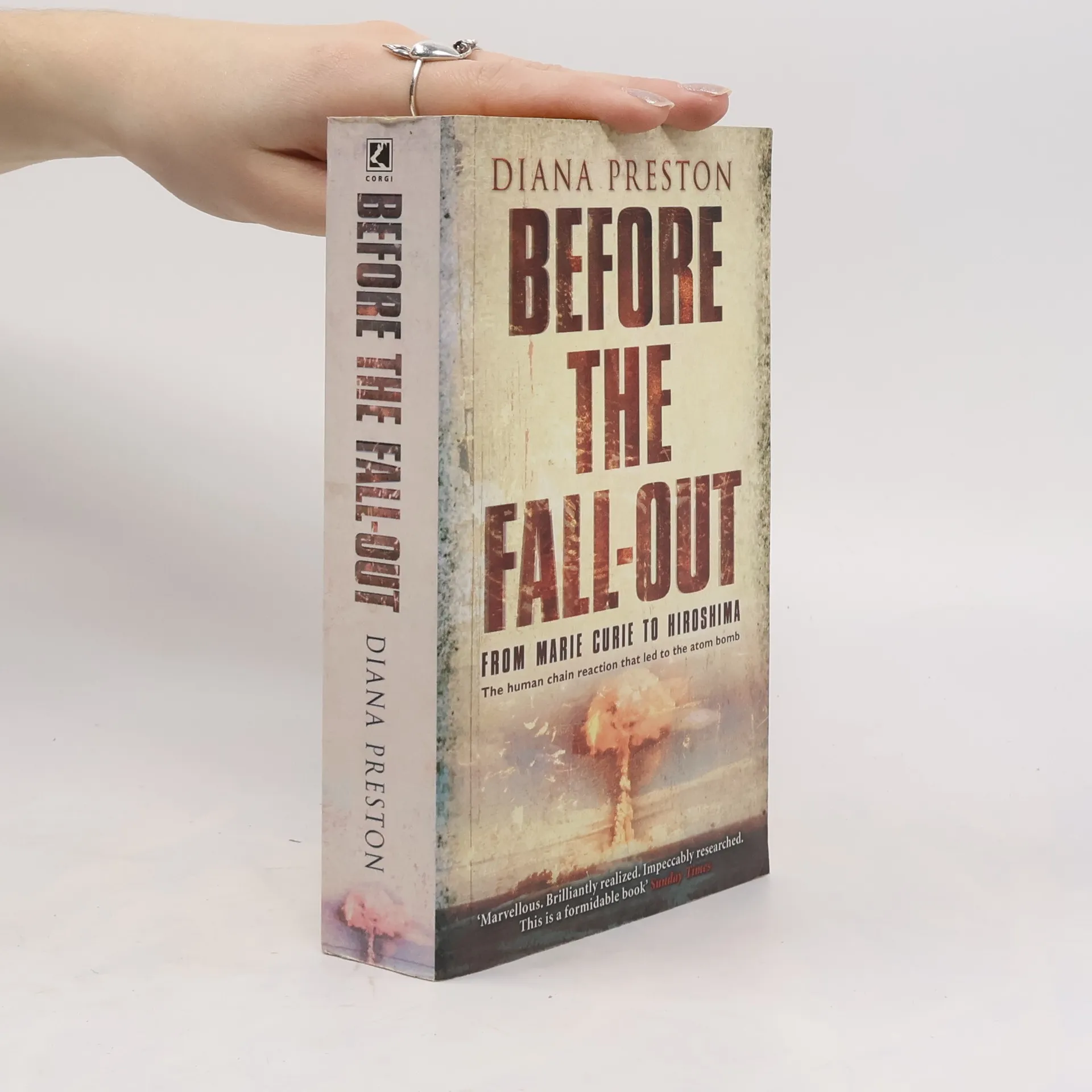
A history of the Atomic Bomb from Marie Curie to Hiroshima.“I am become Death, the destroyer of worlds”— Oppenheimer quoting the Bhagavad Gita after witnessing the successful demonstration of the atom bomb.The bomb, which killed an estimated 140,000 civilians in Hiroshima and destroyed the countryside for miles around, was one of the defining moments in world history. That mushroom cloud cast a terrifying shadow over the contemporary world and continues to do so today. But how could this have happened? What led to the creation of such a weapon of mass destruction?From the moment scientists contemplated the destructive potential of splitting the atom, the role of science changed. Ethical and moral dilemmas faced all those who realized the implications of their research. Before the Fall-Out charts the chain of events from Marie Curie’s scientific breakthrough through the many colourful characters such as Einstein, Robert Oppenheimer and Lord Rutherford, whose discoveries contributed to the bomb.The story of the atomic bomb spans 50 years of prolific scientific innovation, turbulent politics, foreign affairs and world-changing history. Through personal stories of exile, indecision and soul-searching, to charges of collaboration, spying and deceit, Diana Preston presents the human side of an unstoppable programme with a lethal outcome.From the Hardcover edition.
Fuelled by hatred of foreigners and all they stood for, the ferocious uprising of Chinese peasants and ensuing siege of Peking in the summer of 1900 sent shockwaves around the world. Diana Preston brings thundering to life this 55-day conflict between the 'Boxers', so-called for their martial-arts skills, and the Westerners - such as the young Herbert Hoover - they terrorized.
Darwin took his books aboard the Beagle, and Swift and Defoe drew inspiration from Dampier's experiences for their iconic works. Captain Cook relied on his observations during his voyages, while Coleridge praised him as a genius. In the realm of exploration, few have matched the feats of William Dampier, yet his contributions remain largely overlooked. This biography by Diana and Michael Preston illuminates Dampier's remarkable life. A young man who mingled with Caribbean buccaneers, Dampier circumnavigated the globe three times—a feat celebrated at a time when one voyage was a triumph. His bestselling accounts captivated readers and influenced generations of scientists and writers. He was the first to understand that winds drive ocean currents and created wind maps that surpassed even Edmund Halley's work. Additionally, he introduced the idea of "sub-species," which later informed Darwin's theory of evolution, and his detailed description of the breadfruit spurred Captain Bligh's infamous voyage. Dampier reached Australia 80 years before Cook and led the first formal scientific expedition there. This biography restores Dampier to his rightful place in history, highlighting his pivotal role in shaping our understanding of the natural world.
Aktualisierte Sonderausgabe mit zahlreichen Tagebuchauszügen
Der Wettlauf zum Südpol wird in dieser packenden Erzählung als eine der großen Tragödien des frühen 20. Jahrhunderts dargestellt. Diana Preston beleuchtet das dramatische Scheitern von Robert Scott und seinen vier Begleitern, die nach einem 3000 Kilometer langen Marsch am 17. Januar 1912 den Pol erreichten, nur um festzustellen, dass das norwegische Team um Roald Amundsen bereits dort war. Mit zahlreichen Originalquellen wird die Enttäuschung und der tragische Rückweg der Männer eindringlich geschildert, der für sie tödlich endete.
Robert F. Scotts Tragödie am Pol - mitreißend erzählt. Sie hatten kaum eine Chance. Ihre neuartigen Motorschlepper versagten nach kurzer Zeit in der beißenden Kälte. Auch die Ponys erwiesen sich schnell als für die Antarktis ungeeignete Lasttiere. Deshalb zogen sie ihre Schlitten selbst durch die lebensfeindliche Eiswüste. Robert F. Scott und seine vier Begleiter, tragische Helden des zwanzigsten Jahrhunderts, geschlagen im Wettlauf zum Südpol. Nach einem dreitausend Kilometer langen Weg trennte sie nur ein Tagesmarsch von einem Lebensmitteldepot. Doch die Kräfte waren verbraucht, und tagelang tobte ein Schneesturm. Die großen Tragödien des letzten Jahrhunderts haben bis heute nichts von ihrer Dramatik eingebüßt. Doch anders als die z.B. die Titanic, die als Ikone der Ingenieurskunst im Nordatlantik versank, weisen Scotts Abenteuer und Tod auf uralte Menschheitsmythen. Die Herausforderung durch das Unbekannte, sportlicher Wettstreit und die Ehre des Vaterlandes ließen die fünf Englä nder ihr waghalsiges Unterfangen beginnen.
Robert F. Scotts Expedition zum Südpol
Adevărul din spatele celei mai frumoase poveşti de dragoste din lumea antică - Ediția a II-a