Dreamer
- 96 stránek
- 4 hodiny čtení
The art of Mel Odom is an original synthesis of the Art Nouveau with a sensual modern fantasy twist.


Edmund White se zabývá složitostí identity a sexuality, často prostřednictvím detailního zkoumání vnitřních světů svých postav. Jeho psaní vyniká pronikavou psychologickou hloubkou a poetickým jazykem, který dokáže zachytit jemné nuance lidské zkušenosti. White se zaměřuje na témata lásky, touhy a hledání smyslu v moderním světě a jeho dílo nabízí pronikavý pohled na společenské a osobní výzvy, kterým čelí jeho protagonisté. Jeho literární přínos spočívá v odvážném a upřímném zkoumání témat, která byla dříve tabu, a v neustálém posouvání hranic narativní fikce.



The art of Mel Odom is an original synthesis of the Art Nouveau with a sensual modern fantasy twist.
Biografi om den franske forfatter Jean Genet (1910-1986)
Far from merely paying respect to a man proclaimed as one of the key figures of twentieth-century American literary and cultural history, this volume provocatively recreates the impassioned voice of Ginsberg as man, poet, revolutionary and political activist. Always witty and engaging, this collection of interviews from throughout Ginsberg's career reveals his attitudes towards poetry and drugs, his literary influences and personal relationships.
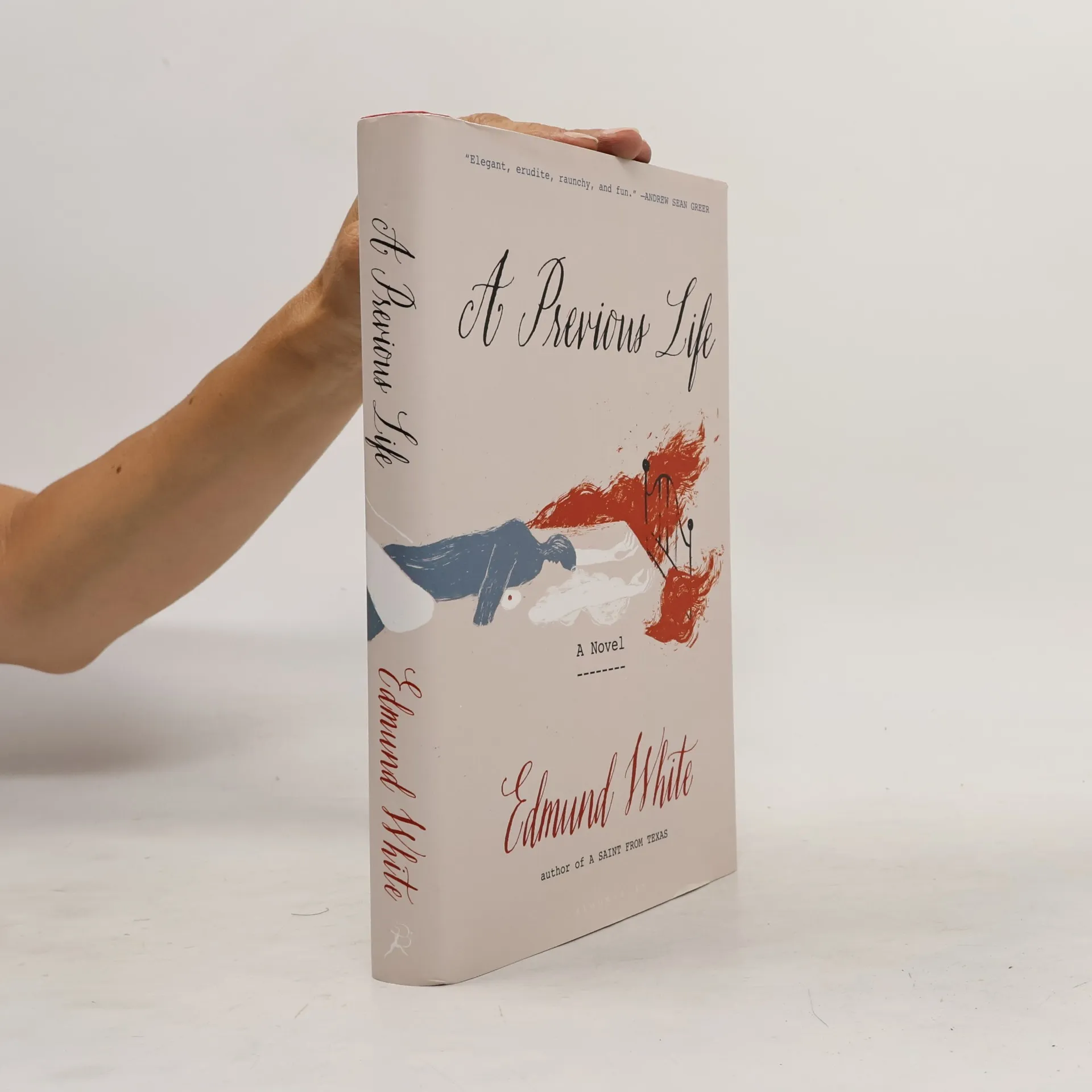
From Edmund White, a bold and sweeping new novel that traces the extraordinary fates of twin sisters, one destined for Parisian nobility and the other for Catholic sainthood. Yvette and Yvonne Crawford are twin sisters, born on a humble patch of East Texas prairie but bound for far grander fates. Just as an untold fortune of oil lies beneath their daddy's land, both girls harbor their own secrets and dreams-ones that will carry them far from Texas and from each other. As the decades unfold, Yvonne will ascend the highest ranks of Parisian society as Yvette gives herself to a lifetime of worship and service in the streets of Jericó, Colombia. And yet, even as they remake themselves in their radically different lives, the twins find that the bonds of family and the past are unbreakable. Spanning the 1950s to the recent past, Edmund White's marvelous novel serves up an immensely pleasurable epic of two Texas women as their lives traverse varied worlds: the swaggering opulence of the Dallas nouveau riche, the airless pretention of the Paris gratin, and the strict piety of a Colombian convent. For nearly half a century, Edmund White's work has revitalized American literature, blithely breaking down boundaries of class and sexuality, and A Saint in Texas is one of his most joyous, gorgeously written, and piercing works to date.
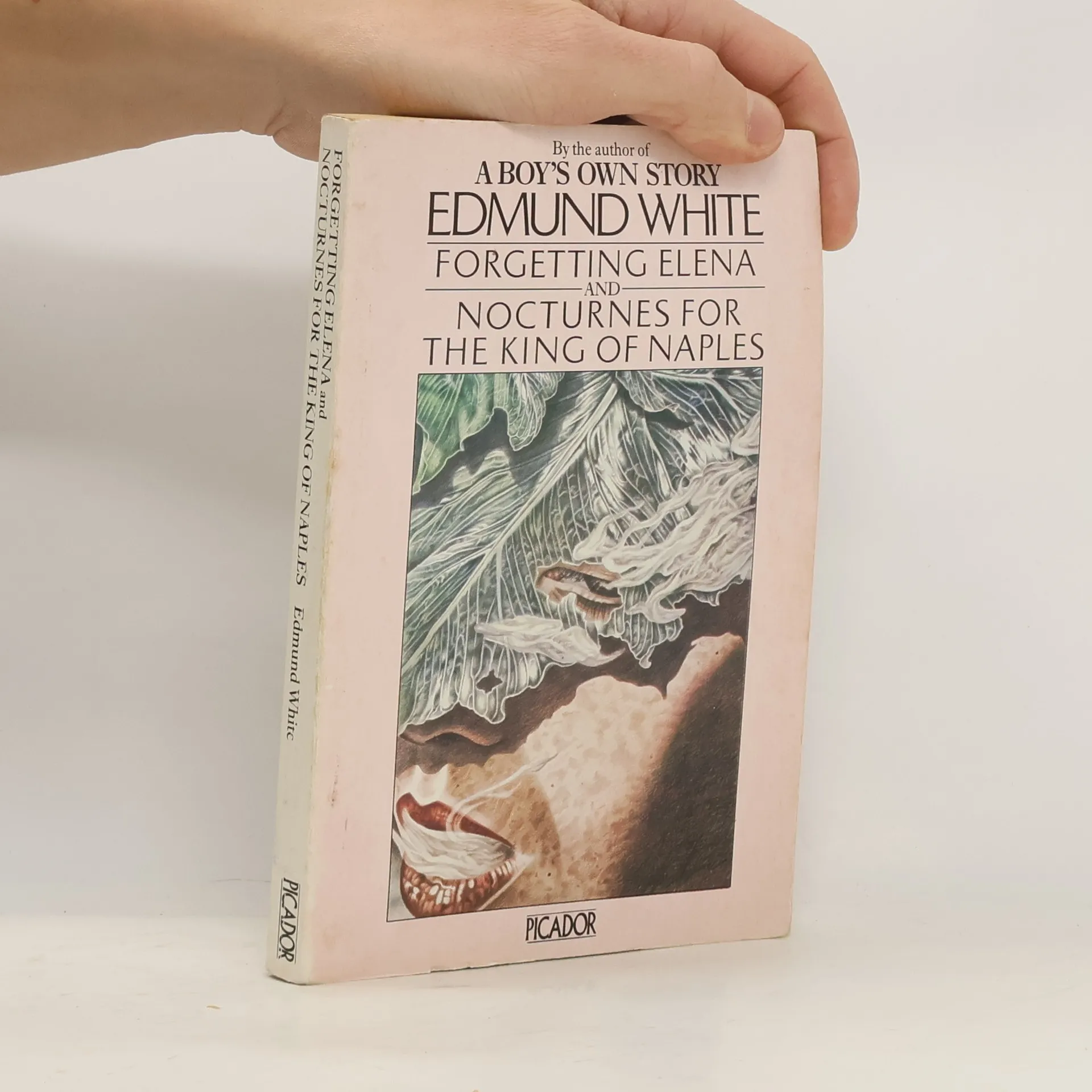
The letters of a seducer to the great love of his life, a sensual tour-de-force by “the paterfamilias of queer literature” (New York Times) “Can’t sleep tonight. Was lying in bed reading the biography of a great man whose genius deserted him . . . The genius who deserted me was you.” In a series of late-night letters, gorgeous, funny, filled with memory, sensuality, and regret, a seducer calls across the years to the great love of his youth: an older, revered expatriate known, in his adoptive city, as the King of Naples. As the narrator evokes their affair, in scenes of beauty and remorse, his memories range over the men who came after and before, especially the seductive father who still haunts his erotic imagination. First published in 1978, before the trilogy of frankly autobiographical novels that made him famous, Nocturnes for the King of Naples reveals Edmund White at his most poetic, playful, and evocative, a magician on the level of James Salter, James Merrill, or Vladimir Nabokov.
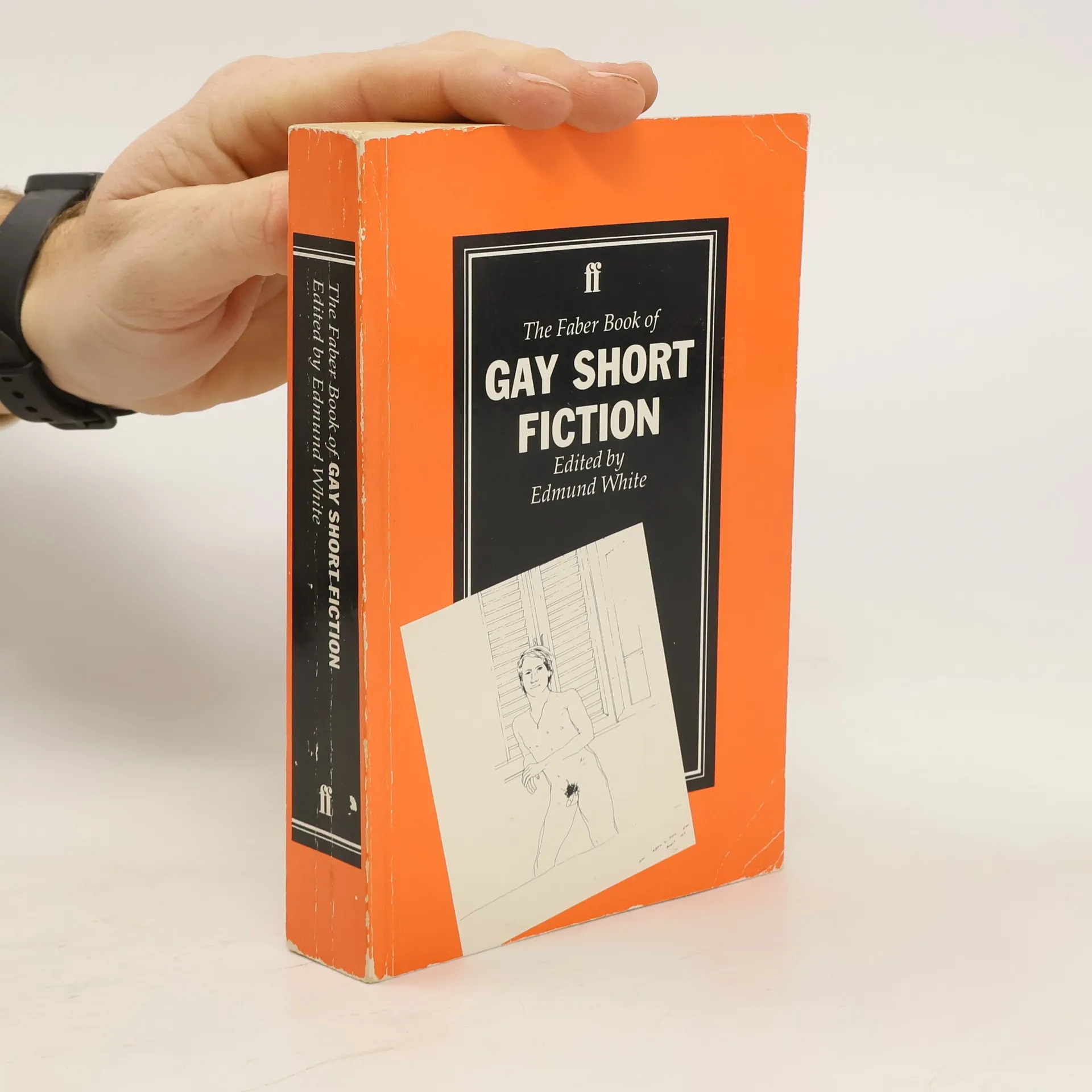
Ranging in their settings from Paris and London to New York, this book represents a collection of White's short stories about being gay, from first unrequited love to coping with AIDS.
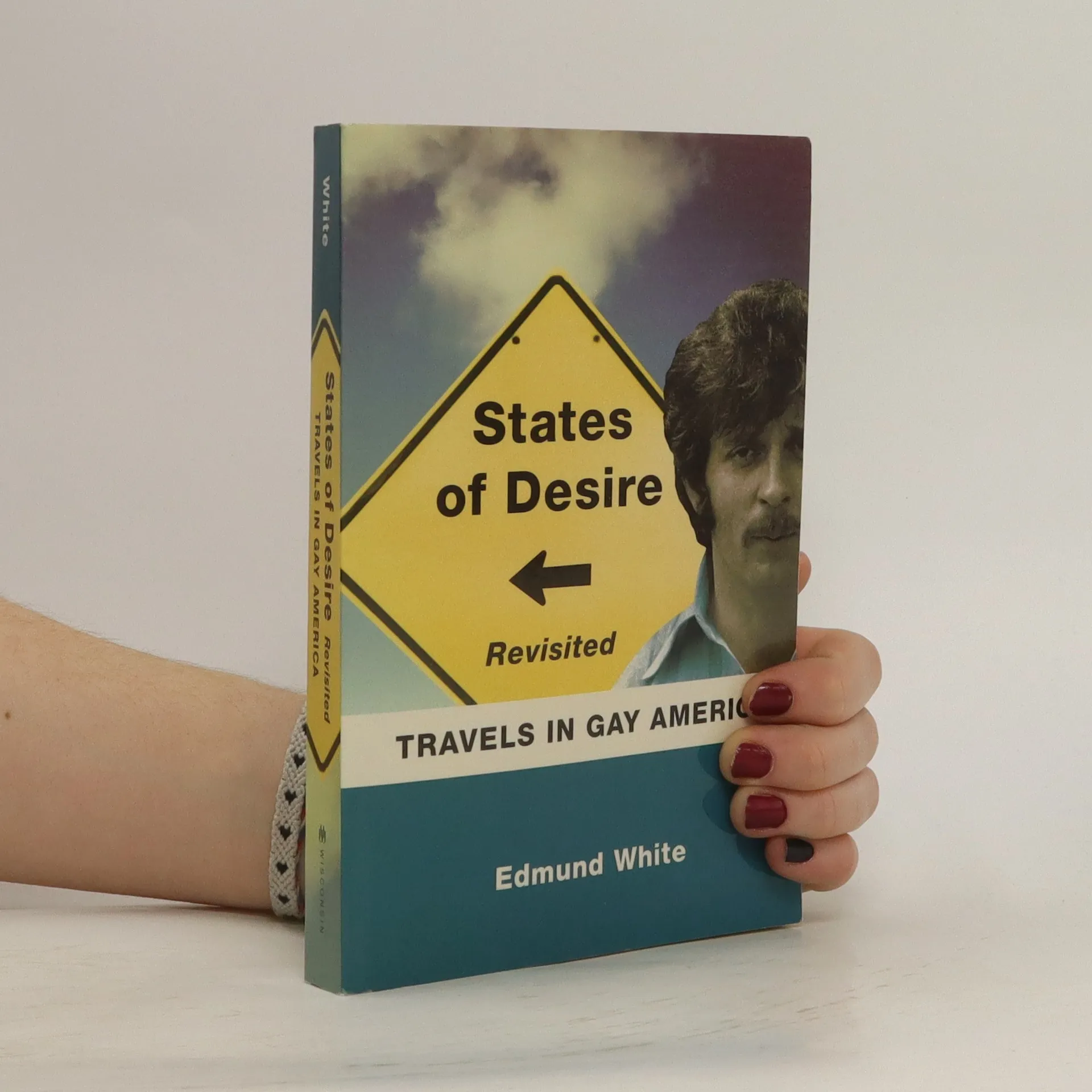
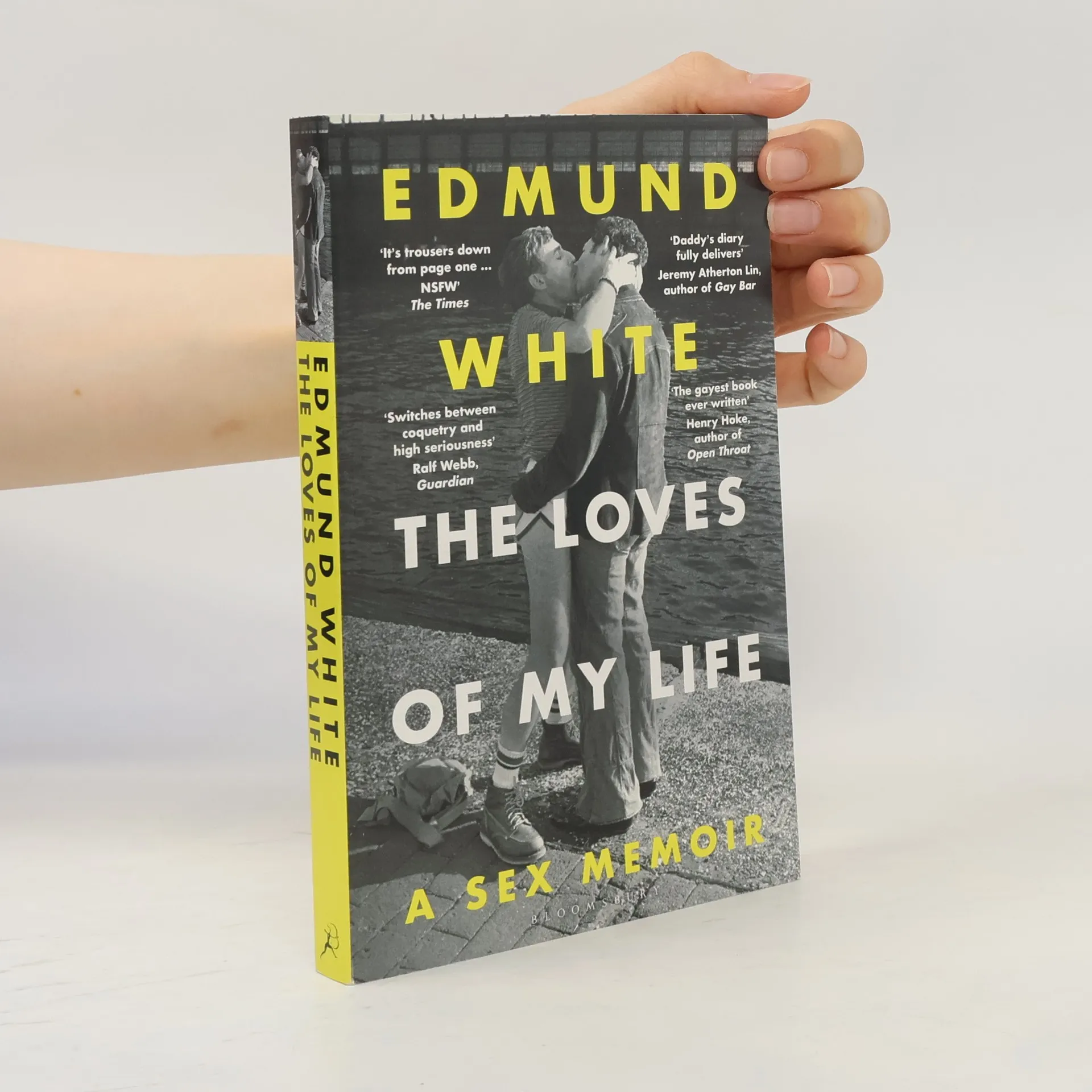
States of Desire Revisited looks back from the twenty-first century at a pivotal moment in the late 1970s: Gay Liberation was a new and flourishing movement of creative culture, political activism, and sexual freedom, just before the 1980s devastation of AIDS. Edmund White traveled America, recording impressions of gay individuals and communities that remain perceptive and captivating today. He noted politicos in D.C. working the system, in-fighting radicals in New York and San Francisco, butch guys in Houston and self-loathing but courteous gentlemen in Memphis, the "Fifties in Deep Freeze" in Kansas City, progressive thinkers with conservative style in Minneapolis and Portland, wealth and beauty in Los Angeles, and, in Santa Fe, a desert retreat for older gays and lesbians since the 1920s. White frames those past travels with a brief, bracing review of gay America since the 1970s ("now we were all supposed to settle down with a partner in the suburbs and adopt a Korean daughter"), and a reflection on how Internet culture has diminished unique gay places and scenes but brought isolated individuals into a global GLBTQ community.
The final volume of Edmund White's autobiographical trilogy continues the exploration of identity, sexuality, and personal history. Building on the themes from his previous works, it delves deeper into the complexities of the author's experiences and relationships. This installment promises to provide a profound and intimate reflection on his life, enriching the narrative established in the earlier books and offering readers a compelling conclusion to his story.
A New York Times Notable Book of 2009An NPR Best Book of 2009In City Boy, White is amusing and raucous as ever but he also lets the mask slip... Some stories don't need to be embellished to glow. - New York Times Book Review, Editor's Choice
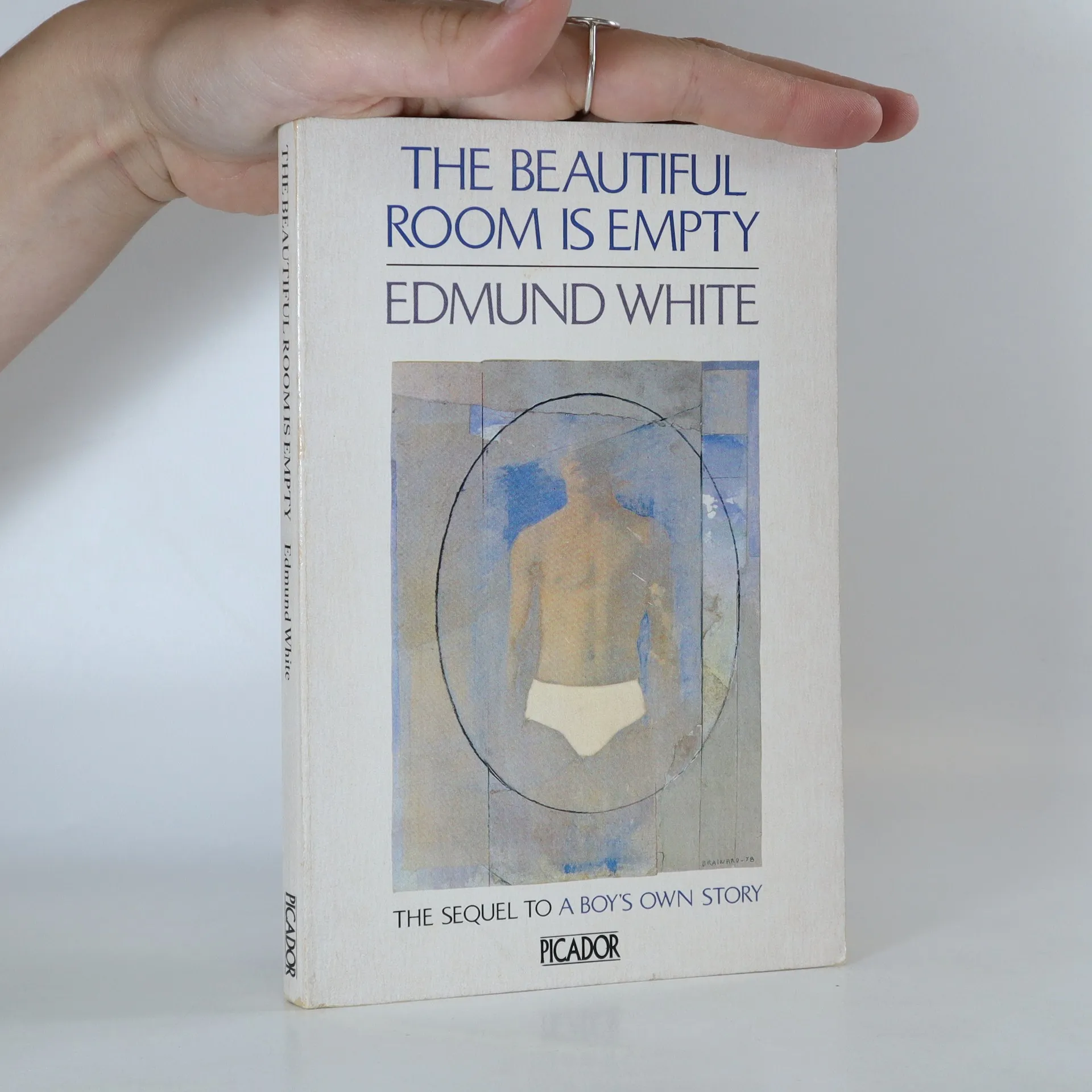
When the narrator of White's poised yet scalding autobiographical novel first embarks on his sexual odyssey, it is the 1950s, and America is "a big gray country of families on drowsy holiday." That country has no room for a scholarly teenager with guilty but insatiable stirrings toward other men. Moving from a Midwestern college to the Stonewall Tavern on the night of the first gay uprising--and populated by eloquent queens, butch poseurs, and a fearfully incompetent shrink--The Beautiful Room is Empty conflates the acts of coming out and coming of age.
Edmund White crafts an intimate biography of Marcel Proust, illuminating the complexities of the reclusive genius behind Remembrance of Things Past. The narrative reveals Proust's dual existence as a prolific writer and a prominent figure in Parisian society, while also delving into his struggles with sexuality, an aspect previously unexplored. Balancing light-hearted gossip with profound emotional depth, this portrait offers a compelling introduction to Proust's life and legacy, making it a valuable read for fans of literary history.
A memoir from Edmund White, author of 'A Boy's Own Story' and 'The Beautiful Room is Empty', describing growing up gay in Middle America of the 1950s and 1960s
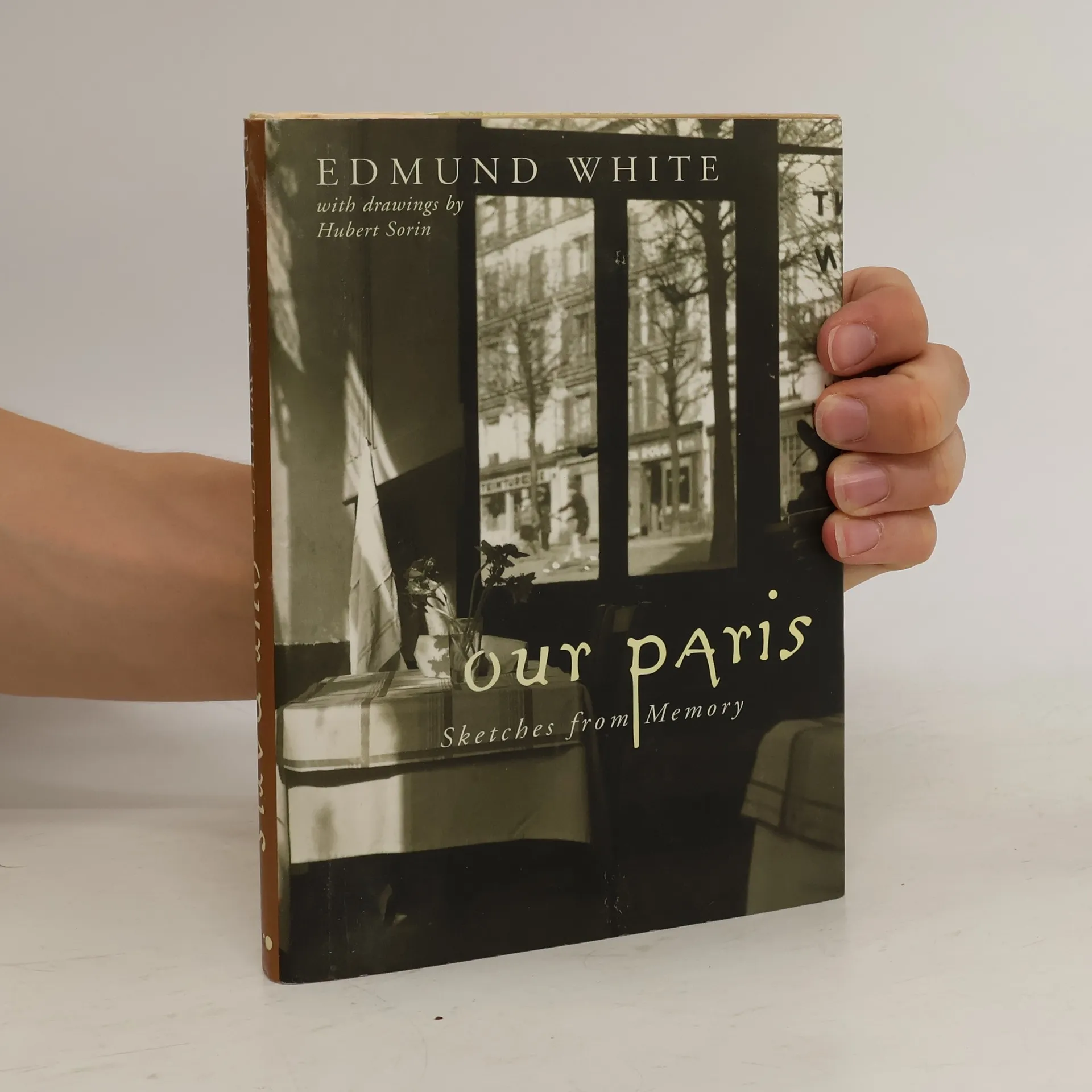
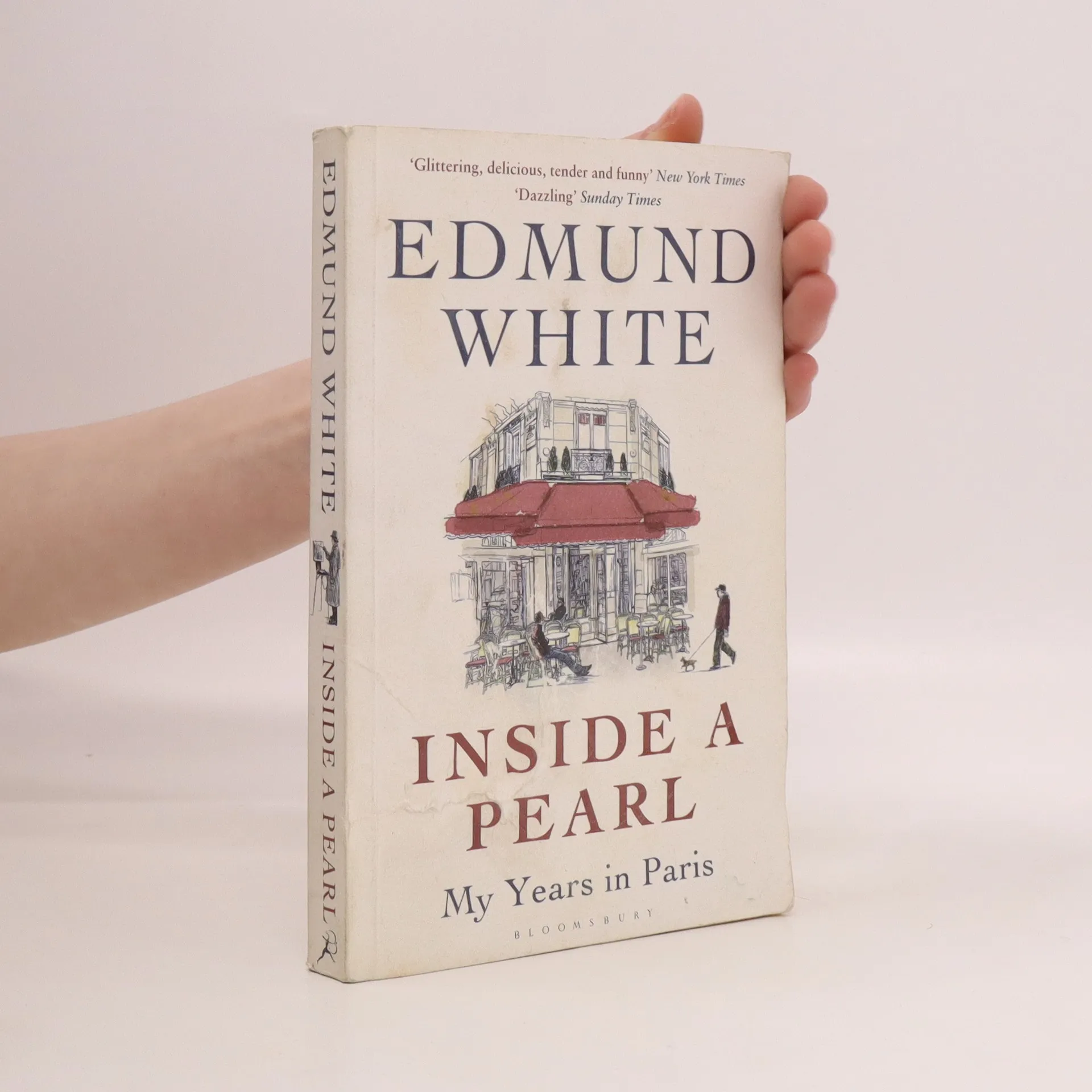
What happens when one of our most celebrated writers combines talents with a French artist and architect to capture life in their Parisian neighborhood? The result is a lighthearted, gently satiric portrait of the heart of Paris -- including the Marais, Les Halles, the two islands in the Seine, and the Châtelet -- and the people who call it home. It is an enchantingly varied world, populated not only by dazzling literati and ultrachic couturiers and art dealers but also by poetic shopkeepers, grandmotherly prostitutes, and, ever underfoot, an irrepressible basset hound named Fred. The foibles and eccentricities of these sometimes outrageous, always memorable individuals are brought to life with unfailing wit and affection.Below the surface of the sparkling humor in Our Paris, there is a tragic undercurrent. While Hubert Sorin was completing this work, he was nearing the end of his struggle with AIDS. The book is a tribute to the loving spirit with which the authors banished somberness and celebrated the pleasures of their life together.
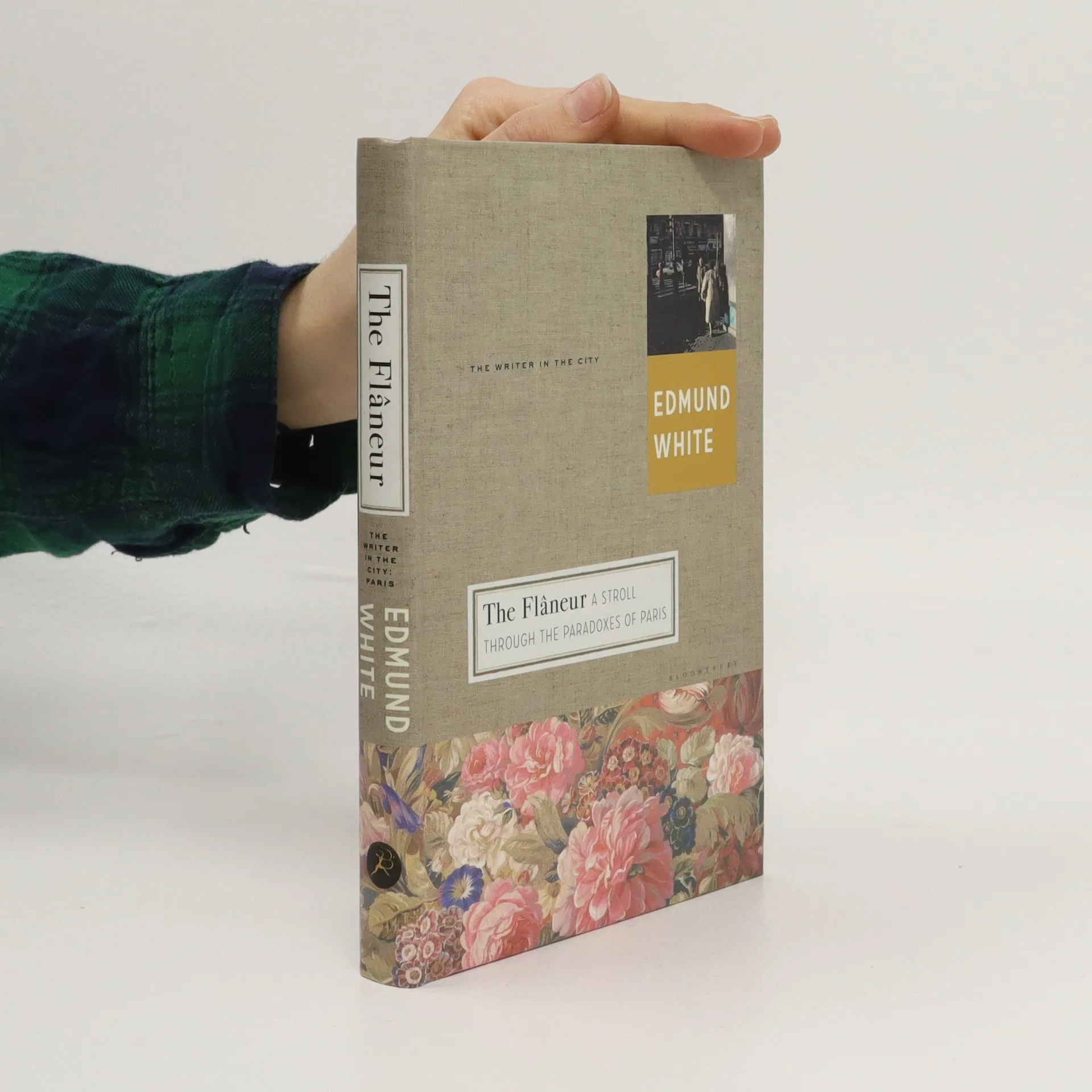
A flaneur is a stroller, a loiterer, someone who ambles through city streets in search of adventure and fulfillment. Edmund White, who lived in Paris for sixteen years, wanders through the streets and avenues and along the quays, into parts of Paris virtually unknown to visitors and indeed to many Parisians. In the hands of the learned White, a walk through Paris is both a tour of its lush, sometimes prurient history, and an evocation of the city's spirit. The Flaneur leads us to bookshops and boutiques, monuments and palaces, giving us a glimpse the inner human drama. Along the way we learn everything from the latest debates among French lawmakers to the juicy details of Colette's life.
The two early novels of Edmund White, author of A Boy's Own Story. This is the first time that Forgetting Elena has been published in Britain.
'Elegant, filthy – and quite possibly the queerest thing you will read all year.' - Guardian 'Intriguing and inventive.' - Electric Literature, "Most Anticipated LGBTQ+ Book of the Year" 'A dizzyingly enticing and kaleidoscopic take on the spectrum of sexual experiences.' - Publishers Weekly, starred review A daring and ruthlessly funny novel from National Book Award honored author Edmund White that explores polyamory, bisexuality, aging, and love. Ruggero, a Sicilian aristocrat and musician, and his younger American wife, Constance, decide to break their marital silence by writing their Confessions. They had previously avoided discussing the past, as transparency had disrupted their earlier marriages. As they alternate reading their memoirs, Constance reveals her multiple marriages to older men, while Ruggero recounts his affairs with both men and women, notably his passionate relationship with White. Set against the backdrop of a Swiss ski chalet, the narrative expands across Europe and the United States, challenging conventional understandings of sexual orientation. White blends humor and truth to create his most complex characters yet, offering a searing exploration of physical beauty and its decline. In this experimental mode, where the author appears as a secondary character, themes of love and age are examined through various perspectives. Delightful, irreverent, and innovative, this work reaffirms White's status as a
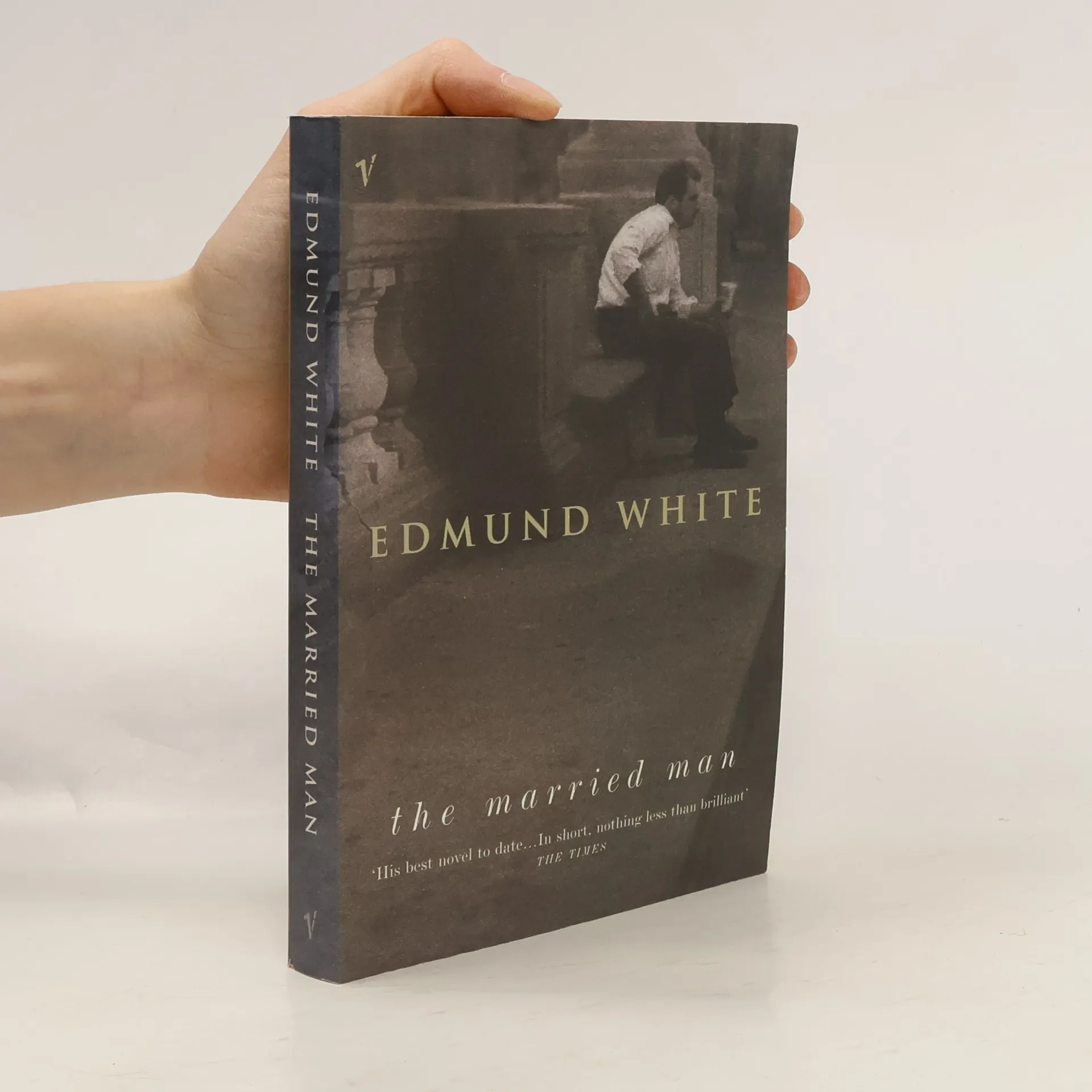
'Poignant and challenging...A love story, yet with an ambition and sweep that make it much more than that...subtle, complex, unsparing and profound' Daily Telegraph Austin Smith, a middle aged American, works out in a Paris gym - an ordinary day, except that he catches the eye of a stranger, Julien, a young French architect with a gleam in his eye. To Austin's amused astonishment, life takes on the colour of romance. As they dash between Bohemian suppers and glittering salons, they deal with comic clashes of cultures, of ages, of temperaments. But there is sadness in Julien's past and a grim cloud on the horizon. Soon, with increasing desperation, their quest for health and happiness drives them to Rome, Venice, Key West, Montreal and Providence - landscapes soaked with feeling which lead, in the end to the bleak, baking sands of the Sahara where their love is pushed to its ultimate crisis.
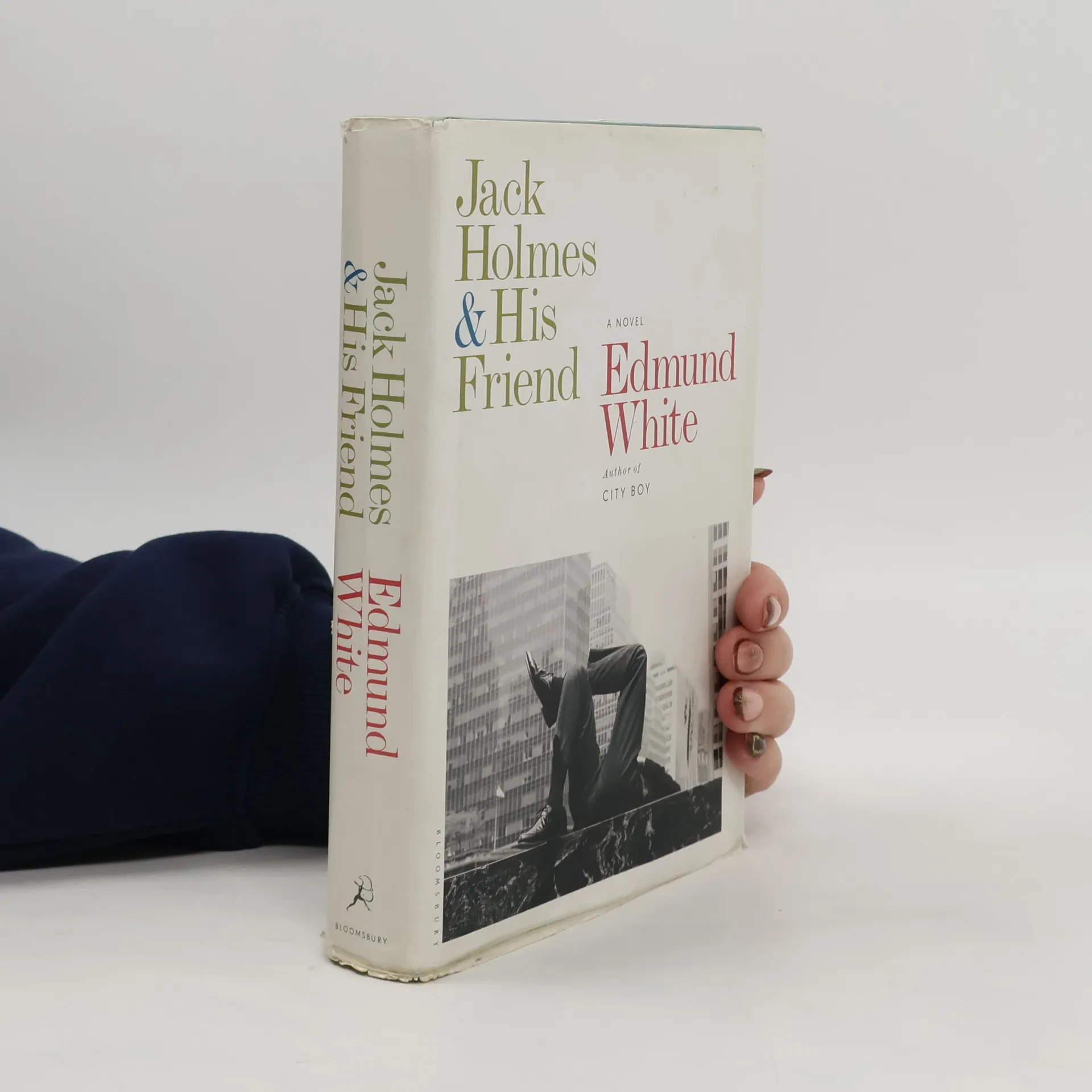
Jack Holmes and Will Wright arrive in New York in the calm before the storm of the 1960s. Coworkers at a cultural journal, they soon become good friends. Jack even introduces Will to the woman he will marry. But their friendship is complicated: Jack is also in love with Will. Troubled by his subversive longings, Jack sees a psychiatrist and dates a few women, while also pursuing short-lived liaisons with other men. But in the two decades of their friendship, from the first stirrings of gay liberation through the catastrophe of AIDS, Jack remains devoted to Will. And as Will embraces his heterosexual sensuality, nearly destroying his marriage, the two men share a newfound libertinism in a city that is itself embracing its freedom. Moving among beautifully delineated characters in a variety of social milieus, Edmund White brings narrative daring and an exquisite sense of life's submerged drama to this masterful exploration of friendship, sexuality, and sensibility during a watershed moment in history.
What happens when a life implodes? When a respected older man, a product of the liberated 1970s, is incapable of cleaning up his act for the twenty-first century? When he pursues sex with a rabidity his body and his reputation can no longer sustain? In this collection, which features two new, previously unpublished stories, Edmund White explores different aspects of ageing, romance and sex. Taking an unsparing look at gay midlife, these stories are not fiction devoted to the dim splendours and miseries of the past but rather to the unsettling, irresistible claims of the present. Age remains one of the great taboos of gay culture, but Edmund White, as iconcolastic as ever, writes about maturity with the same precision and insight he brought to adolescence in A Boy's Own Story. Edmund White has always been the ideal travelling companion, as he demonstrated in The Flaneur, here, he invites the reader to accompany him to Florida, the Greek Isles, and Turkey - and into the chaotic gay demimonde of contemporary New York.
______________ 'I find it impossible to imagine anyone better read than White ... Wisdom and a certain kind of tenderness are to be found on every page' - Observer 'One of the great prose stylists of our time ... There are few paragraphs that pass by without an illuminating, wise or funny comment' - Tim Smith-Laing, Daily Telegraph 'A rallying cry for the pleasures of reading ... The best writers are energetic readers, constantly diving for buried treasure. Anyone who encounters this book is likely to emerge with something new and gleaming' - Financial Times ______________ Edmund White made his name as a writer, but he remembers his life through the books he read. For White, each momentous occasion came with books to match: Proust's Remembrance of Things Past, which opened up the seemingly closed world of homosexuality; the Ezra Pound poems adored by a lover he followed to New York; the biography of Stephen Crane that inspired one of White's novels. White's larger-than-life presence on the literary scene lends itself to fascinating, intimate insights into the lives of some of the world's best-loved cultural figures. Blending memoir and literary criticism, The Unpunished Vice is a sensitive, smart account of a life in literature.
Originally published to promote his French translation of Moby-Dick, Jean Giono's Melville: A Novel is an astonishing literary compound of fiction, biography, personal essay, and criticism. In the fall of 1849, Herman Melville traveled to London to deliver his novel White-Jacket to his publisher. On his return to America, Melville would write Moby-Dick. Melville: A Novel imagines what happened in between: the adventurous writer fleeing London for the country, wrestling with an angel, falling in love with an Irish nationalist, and, finally, meeting the angel’s challenge—to express man’s fate by writing the novel that would become his masterpiece. Eighty years after it appeared in English, Moby-Dick was translated into French for the first time by the Provençal novelist Jean Giono and his friend Lucien Jacques. The publisher persuaded Giono to write a preface, granting him unusual latitude. The result was this literary essay, Melville: A Novel—part biography, part philosophical rumination, part romance, part unfettered fantasy. Paul Eprile’s expressive translation of this intimate homage brings the exchange full circle. Paul Eprile was a co-winner of the French-American Foundation's 2018 Translation Prize for his translation of Melville.
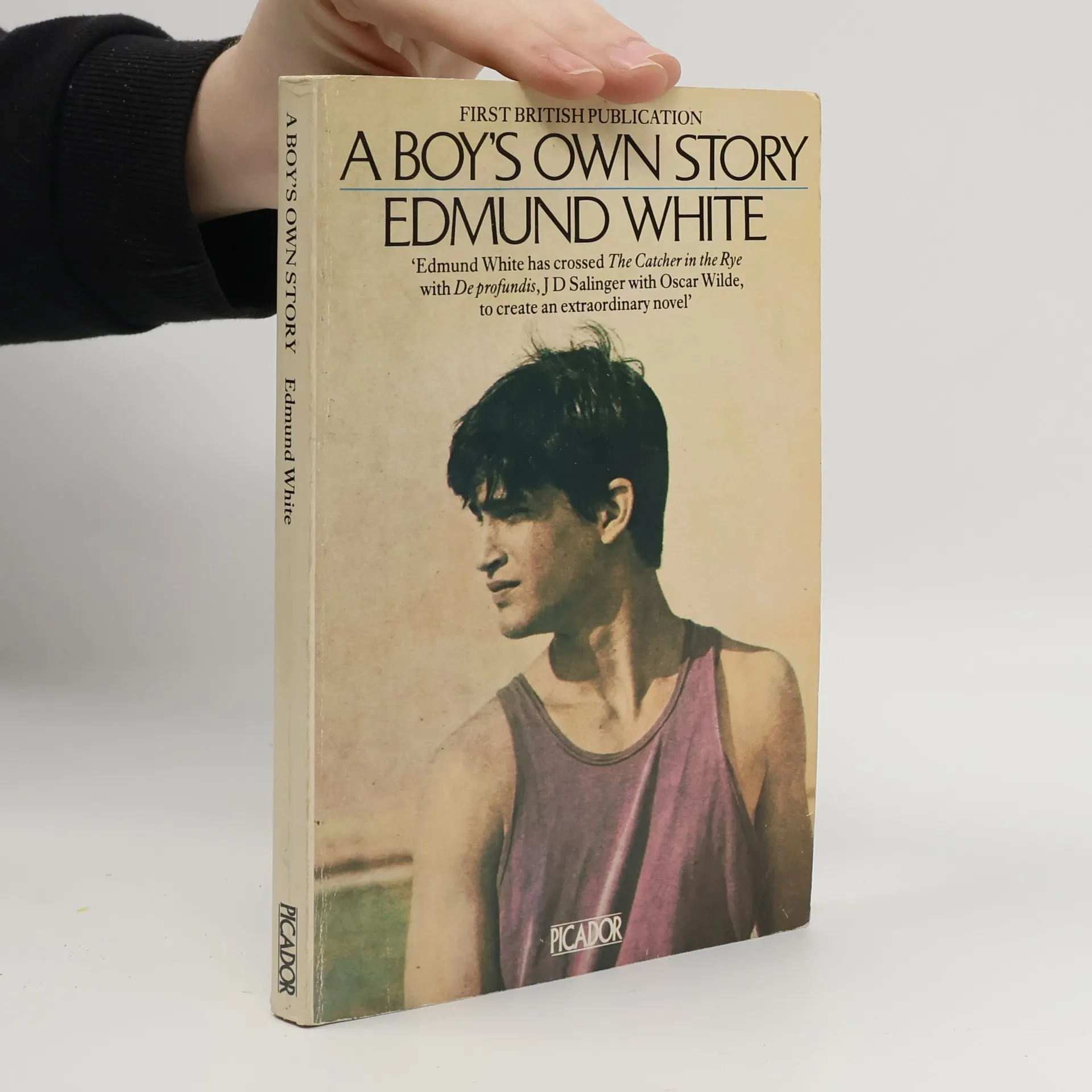
With a new introduction by the author ‘Edmund White has crossed The Catcher in the Rye with De Profundis, J. D. Salinger with Oscar Wilde, to create an extraordinary novel. It is a clear and sinister pool in which goldfish and piranhas both swim. The subject of A Boy’s Own Story is less a particular boy than the bodies and souls of American men; the teachers and masters; the lovers, brothers, hustlers and friends; the flawed fathers who would be kings to their own sons who should be princes’ New York Times Review ‘A breathtaking evocation of a young boy growing up in the fifties in an American town . . . The book’s extraordinary power lies in the tension between the obsessive longing and then moments of denial, the attempts to transcend or avoid the inescapable fact of the boy’s sexuality . . . There have been many good novels of adolescence; this one surpasses them all’ Jeremy Seabrook, New Society ‘The boy’s self-portrait shines with authenticity, he is an extraordinary but plausible mixture of sweetness and deviousness . . . Add to this the fact that White’s prose is marvellously sensual while his eye is sharply satiric and you have something of the flavour of an outstanding text which should appeal to a wide audience. The book goes beyond its homosexual theme to say something about the whole process of growing up’ Robert Nye, Guardian
This novel follows the life of a gorgeous Frenchman, Guy, as he goes from the industrial city of Clermont-Ferrand to the top of the modelling profession in New York City's fashion world, becoming the darling of Fire Island's gay community. Like Wilde's Dorian Grey, Guy never seems to age; at thirty-five he is still modelling, still enjoying lavish gifts from older men who believe he's twenty-three--though their attentions always come at a price. Ambivalently, Guy lets them believe, driven especially by the memory of growing up poor, until he finds he needs the lie to secure not only wealth, but love itself. Surveying the full spectrum of gay amorous life through the disco era and into the age of AIDS, Edmund White (who worked at Vogue for ten years) explores the power of physical beauty--to fascinate, to enslave, and to deceive--with sparkling wit and pathos
The famed writer Stephen Crane is travelling to a German clinic in search of a cure for the tuberculosis that threatens his life. Knowing it may be his last chance, he dictates the story of 'The Painted Boy', inspired by a real-life encounter. But as the story delves into the seedy underworld of turn-of-the-century Manhattan, Crane's health deteriorates and the outcome of the story becomes as critical as the author's life itself.
The celebrated author of The Flâneur traces his relocation to 1983 Paris in spite of his unfamiliarity with the language and culture, tracing how he established intimate, intellectual relationships with the city and new friends while advancing his literary career.
From National Book Award-honored author Edmund White, a wildly hilarious and irreverent novel about a rich older man who falls in love with a young ballerino.Aldwych West, an eighty-year-old modern-day aristocrat living alone in his Manhattan townhouse, is used to having what he wants. And when he sets eyes on August Dupond, a strong, stunningly beautiful soloist in the New York City Ballet, he decides he must have him. Soon they strike up a closeness that falls between the blurry lines of friendship, sponsorship, and love, and August moves in with Aldwych. But eventually August starts bringing home other men, and a formidable woman in Aldwych's circle named Ernestine also takes a deep interest in the young, enchanting star. Messy entanglements and fierce rivalries ensue, and the result is an unforgettable, outrageous tragicomedy that explores the many layers of love and sexual desire as only Edmund White can.
"A Boy's Own Story is a now-classic coming-of-age story, but with a twist: the young protagonist is growing up gay during one of the most oppressive periods in American history. Set in the time and place of author Edmund White's adolescence, the Midwest of the 1950s, the novel became an immediate bestseller and, for many readers, was not merely about gay identity but the pain of being a child in a fractured family while looking for love in an anything-but-stable world. Now, to bring this landmark novel to new life for today's readers, White is joined by co-writers Brian Alessandro and Michael Carroll and artist Igor Karash for a stunning graphic novel interpretation"-- Provided by publisher
Mapplethorpe's reputation is based on his monochrome prints, but he did work with colour, making collages, polaroids and colour photographs. "Altars" presents this colour work, together with his final, unique prints, elaborately framed and mounted on multiple coloured panels.
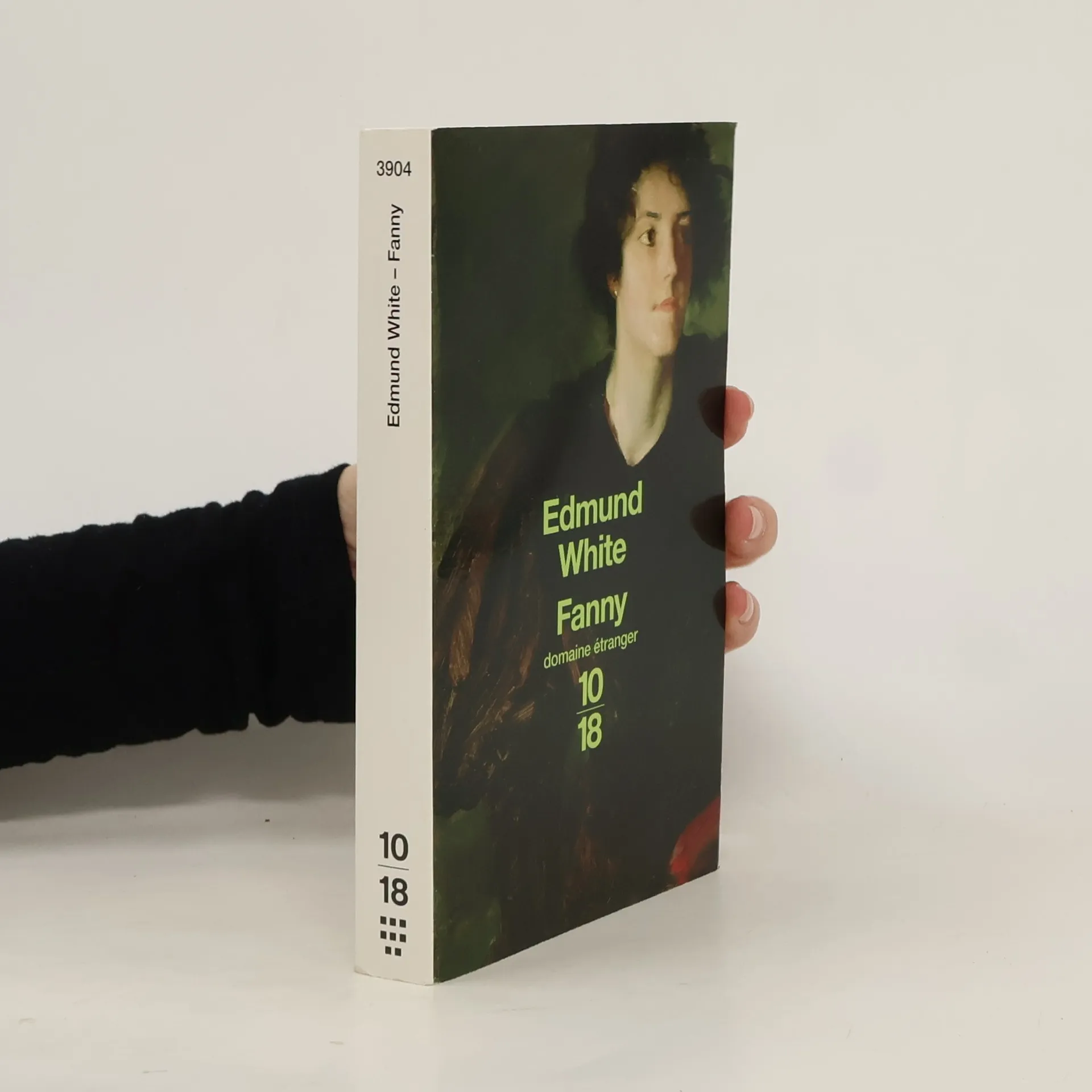
In her fifties Fanny Trollope, mother of the novelist Anthony, became famous overnight for her book attacking the United States. Now, twenty-five years later, she sharpens her pen for her most controversial work yet: the biography of her old friend Frances Wright, the Scottish radical and feminist. Back in the 1820s the young Fanny Wright erupted into the Trollopes' sleepy English cottage like a volcano, her talk aflame with utopian ideals. Before long, Wright had convinced the older woman to follow her to America - a journey of extreme penury, frontier hardships and the most satisfying (and surprising) sensual romance of Fanny Trollope's life. The 'biography soon degenerates into a settling of scores with Fanny Wright and wild digressions on the misadventures of Mrs Trollope's own family.
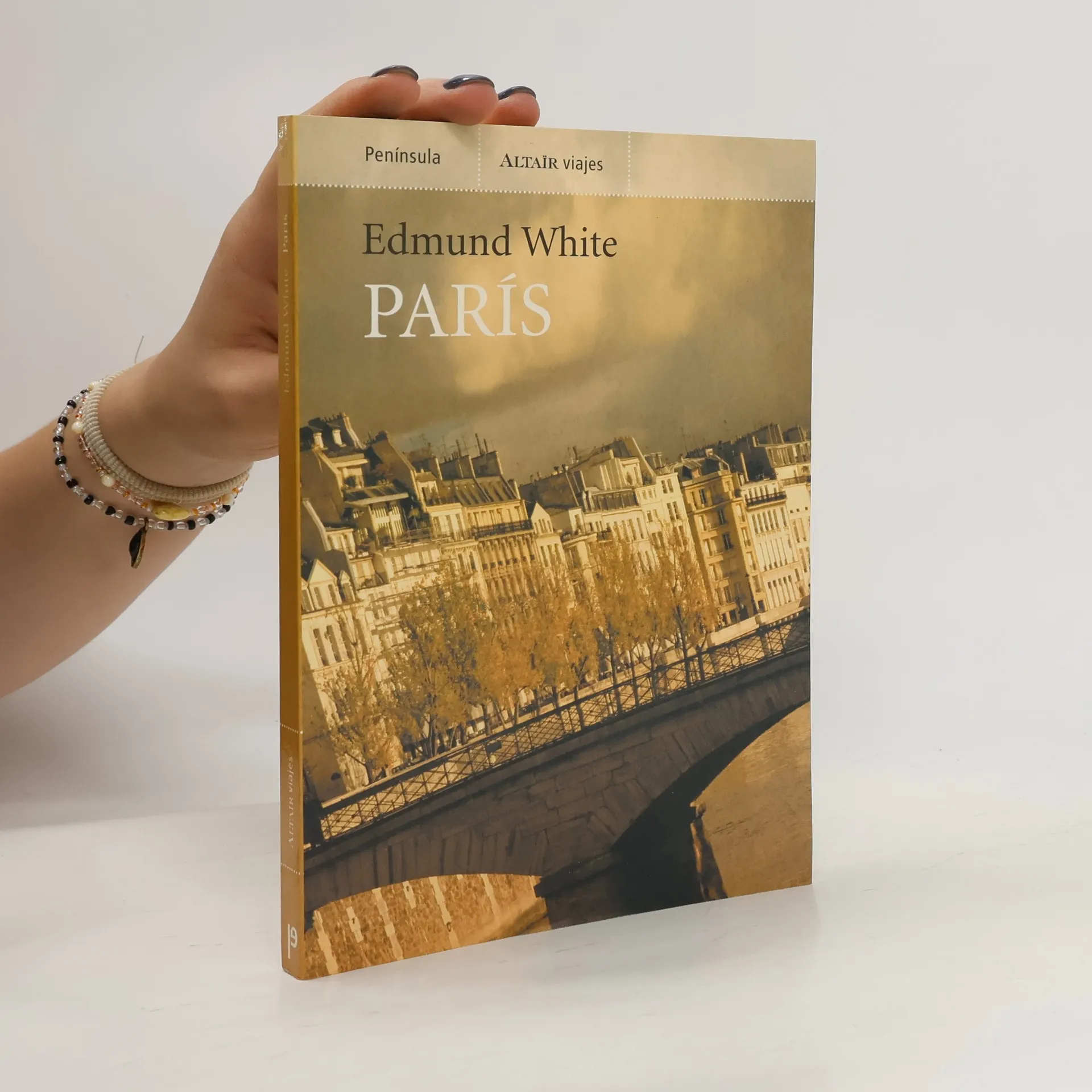
Tras dieciséis años en la capital, Edmund White atrae al lector hacia los fascinantes recovecos de su París personal y nos presenta un retrato de la Ciudad de la Luz desde la perspectiva de un caminante ocioso, alguien que deambula sin propósito aparente, pero que sintoniza en secreto con la historia del lugar, y en secreto va en busca de aventuras, ya sean estéticas o eróticas. Así, el paseante vagabundea por las calles y avenidas y a lo largo de los muelles, por unos rincones y unas aceras de París prácticamente desconocidos para los visitantes e incluso para los propios parisinos.
'Zapominanie Eleny' to już trzecia, po sukcesie 'Zucha' i 'Hotelu de Dream', książka Edmunda White’a, jednego z najsłynniejszych powieściopisarzy gejowskich, wydana przez Biuro Literackie. Ta znakomita komedia, debiut pisarza, przenosi nas w krainę paranoi, konwenansów i pozornej wolności. Młody narrator stara się odnaleźć swoje miejsce na pewnej specyficznej wyspie. Nie wie, kim jest – ani kim są otaczający go ludzie. Widzi, że tutaj nawet 'wyzwolona' poezja podlega sztywnym regułom.
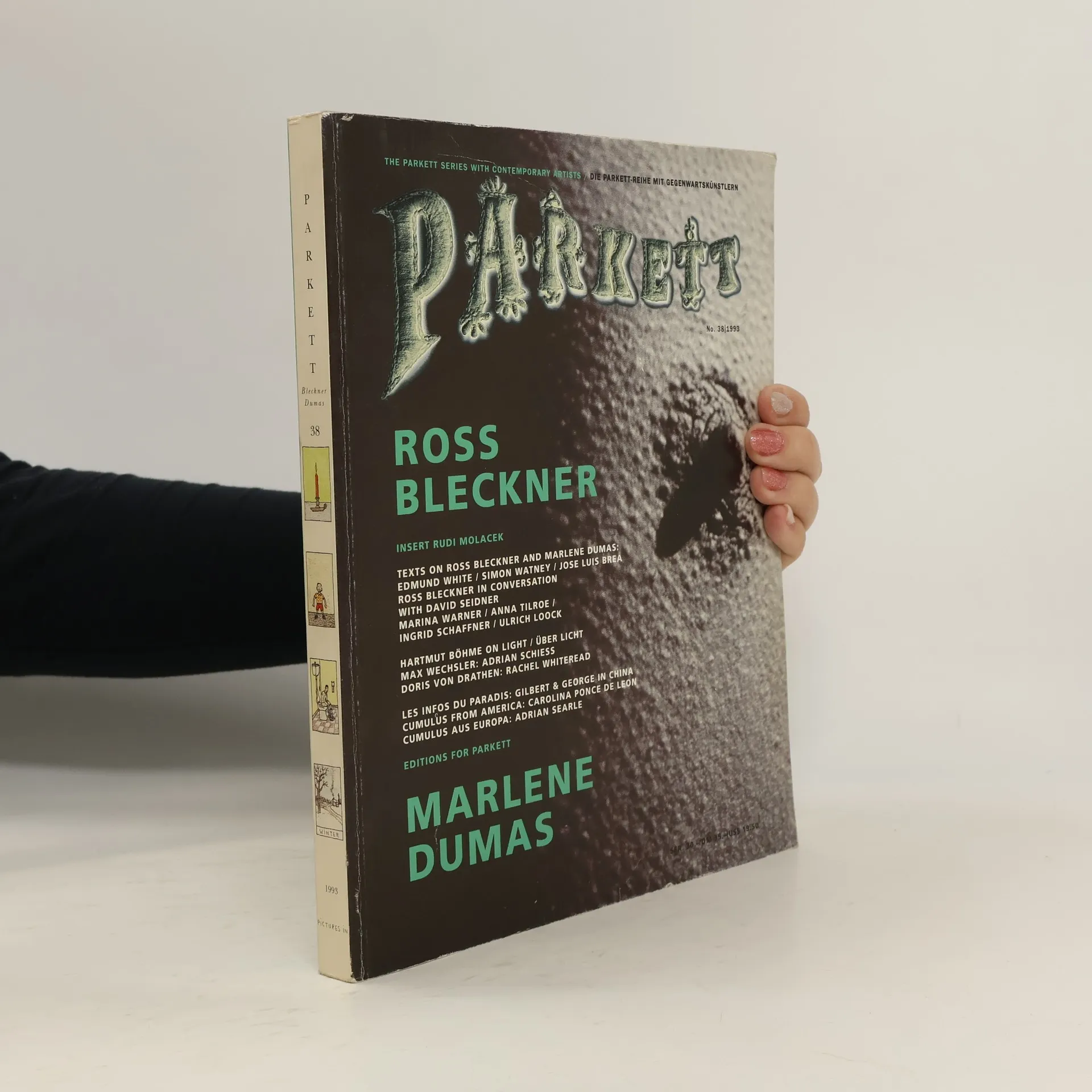
Verder in dit nummer: Rudi Molacek, Adrian Schiess, Rachel Whiteread.
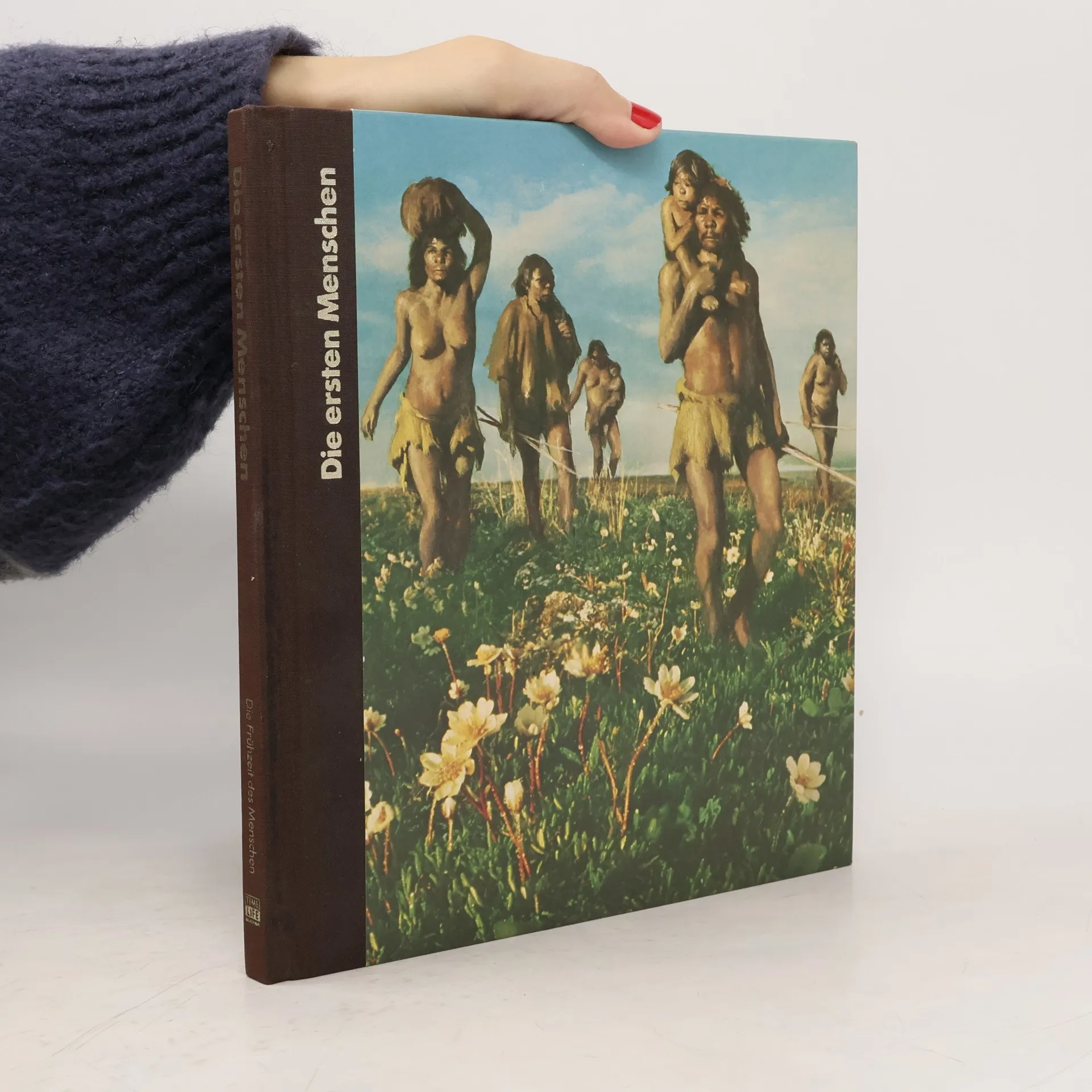
Die Frühzeit des Menschen