

Kniha "hluboké ekologie" hledá novou rovnováhu a harmonii mezi jednotlivými komunitami a celou přírodou. Přináší výpověď zakladatele hluboké ekologie, hovoří o její teorii a je rovněž návodem pro strategii a taktiku ochranářských hnutí. Naess v knize rozebírá příčiny ekologické krize, východiska z ní vidí v realizaci hlubšího ztotožnění lidí s mimolidskými bytostmi.
David Rothenberg Knihy




'The peacock's tail makes me sick!' said Charles Darwin. That's because the theory of evolution as adaptation can't explain why nature is so beautiful. It took the concept of sexual selection for Darwin to explain that, a process that has more to do with aesthetic taste than adaptive fitness. Survival of the Beautiful is a revolutionary new examination of the interplay of beauty, art, and culture in evolution. Taking inspiration from Darwin's observation that animals have a natural aesthetic sense, philosopher and musician David Rothenberg probes why animals, humans included, have an innate appreciation for beauty - and why nature is, indeed, beautiful.
Delving into the enchanting world of avian vocalization, this exploration uncovers the reasons behind the captivating phenomenon of bird song. It offers insights into the emotional and biological significance of these melodies, revealing their roles in communication, mating, and territorial claims. The narrative blends scientific inquiry with poetic observation, inviting readers to appreciate the beauty and complexity of nature's music.
Vs. Interpretation
An Anthology on Improvisation
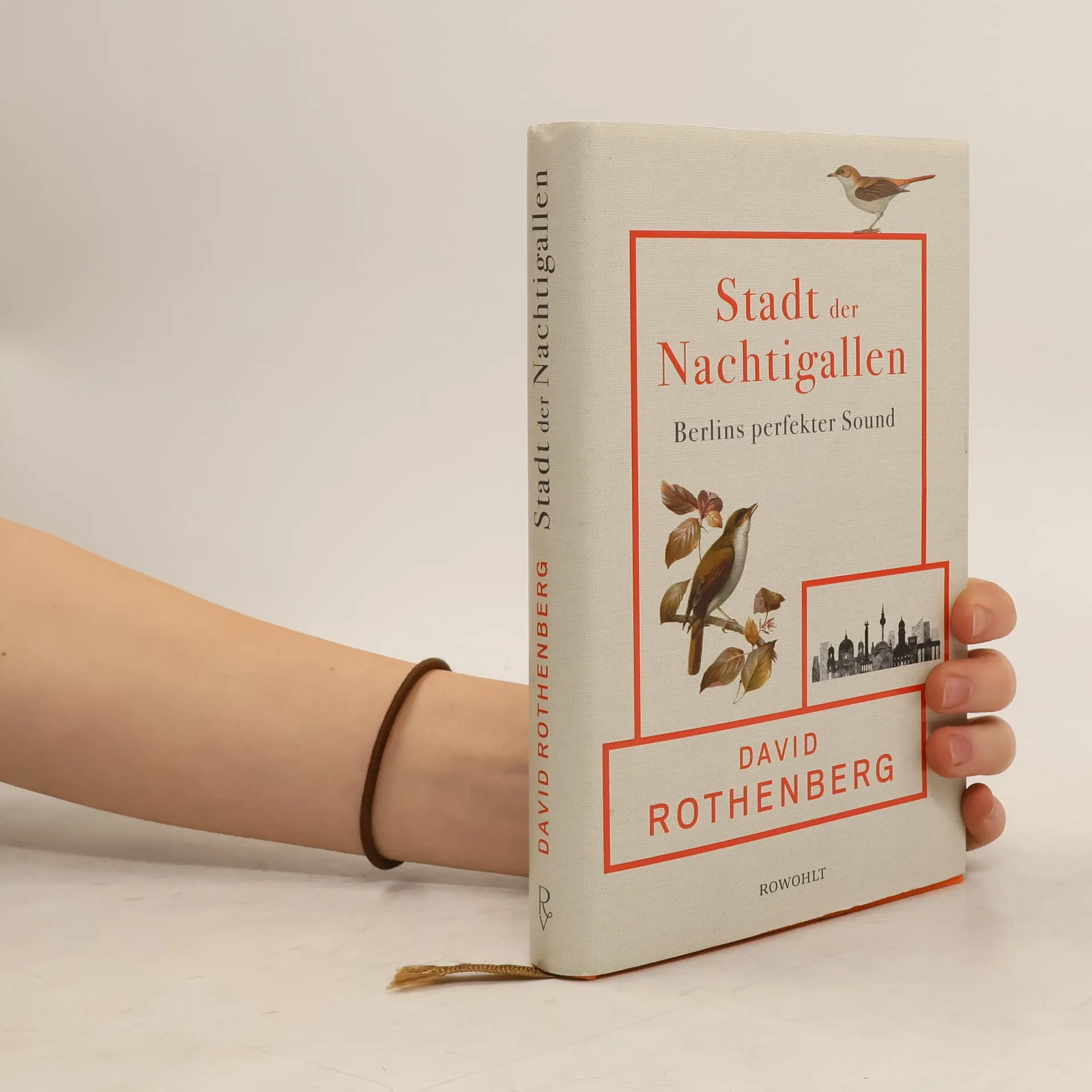
David Rothenberg hat Musik mit Walen, Insekten, mit Wasser und Wind gemacht: Den perfekten Sound haben ihm dann aber die Berliner Nachtigallen geliefert, die dort im Wettkampf mit dem Stadtlärm über sich hinauswachsen. Der amerikanische Musikologe und Musiker Rothenberg, eine Ikone der Experimentalmusikszene weltweit, hat eine Symphonie der Großstadt geschrieben, das der Nachtigall ein musikalisches Denkmal setzt. Rothenberg, der Wissenschaftler, analysiert den Klang der Tiere, der Musiker Rothenberg jammt mit den Vögeln. So wird sein Buch zu einer poetischen Kulturgeschichte der Nachtigall und zur Erforschung der Beziehung von Geräusch und Musik und Poesie. Dazu setzt sich Rothenberg frühmorgens in die Berliner Hasenheide oder trifft Neuro- und Verhaltensbiologin und Leiterin des Nachtigall-Forschungsstelle an der Freien Universität, lässt sich vom Himmel über Berlin durch die Stadt leiten, trifft Berliner Musiker und Sänger und liest, was Kant zur Nachtigall geschrieben hat. Mit dem Musiker Korhan Erel gab er 2014 das erste Nachtigall-Konzert. Seitdem machen die beiden jedes Jahr im Mai öffentlich Musik - mit immer mehr Musikern aus der ganzen Welt.