

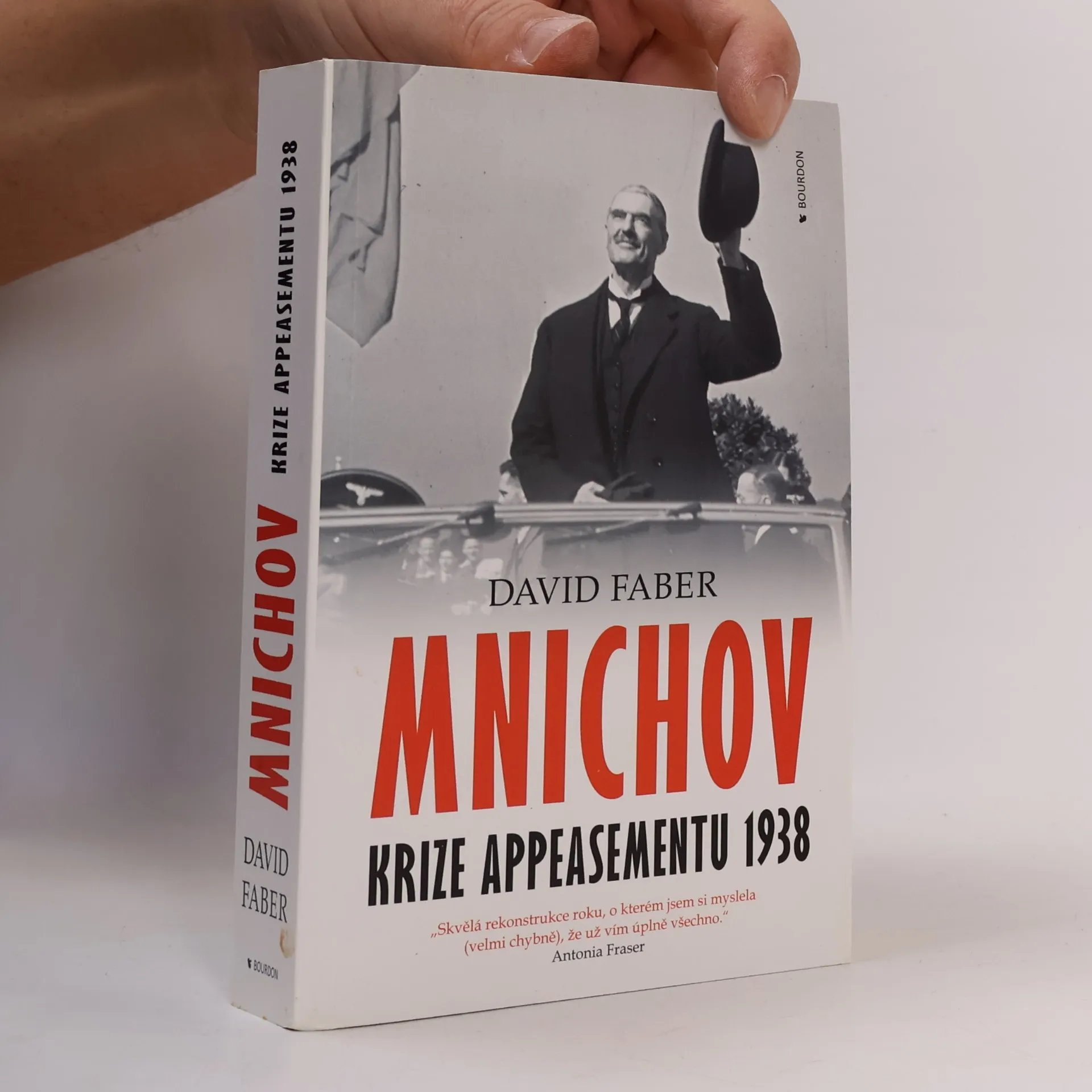
Kniha významného britského historika je jedním z ojedinělých děl, které popisují tuto klíčovou událost českých a evropských dějin z pohledu Velké Británie. Odráží doznívající traumata první světové války a obavy z nového konfliktu, kterému měla zabránit dohoda, spojovaná později se zradou a opuštěním spojence. Pohnutky aktérů a okolnosti byly samozřejmě mnohem složitější, ale pro českého čtenáře poskytuje britský pohled na toto období novou možnost vnímání širších souvislostí. Kniha vychází v roce 75. výročí popisovaných událostí.
David Faber (politician) Knihy
7. červenec 1961


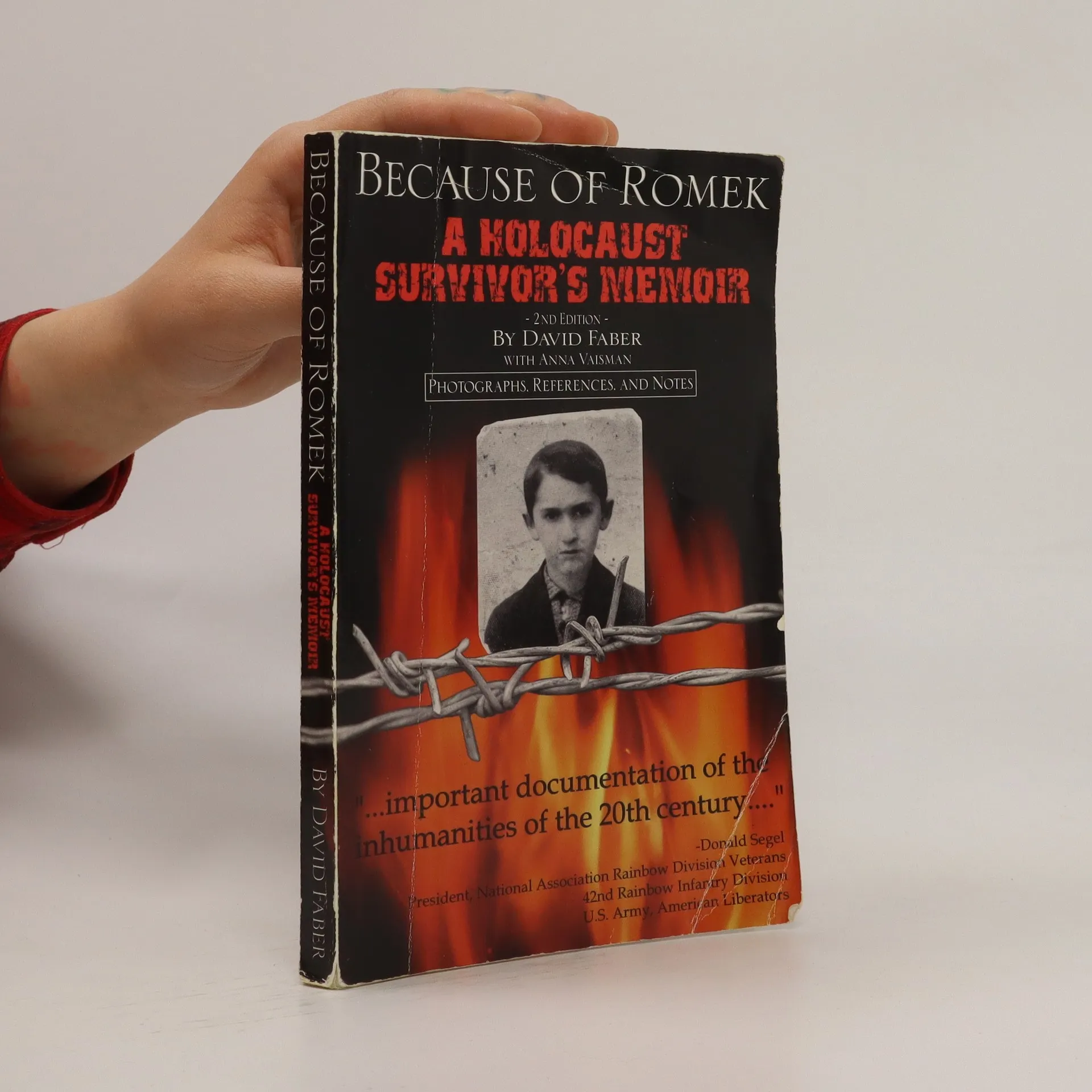
Because of Romek. A Holocaust Survivor's Memoir
- 224 stránek
- 8 hodin čtení
This is a nonfiction, autobiographical narrative from the point of view of a teenager during the Holocaust of World War II - the riveting, true story of a young boy's survival in the face of Nazi atrocities. David Faber survived eight concentration camps between the ages of 13-18, including Auschwitz, Buchenwald, and Bergen-Belsen. Because of Romek fulfills his promise to his dead mother to tell the world what happened. Second edition. Paperback.
The faber report: how Wall Street really works
- 320 stránek
- 12 hodin čtení
Already a major star on CNBC, Fabber is the host of a series of prime-time specials. The bear-market panic that crippled the sale of investment books is beginning to lift as investors realize that, especially in bad times, they need to know how to avoid loser stocks and find the rare winners.
David ist dreizehn, als die Wehrmacht im September 1939 in Polen einmarschiert. Für die Juden in Polen bedeutete die Besetzung des Landes vom ersten Augenblick an Verfolgung und Vernichtung. Von Anfang an ging man gewaltsam gegen sie vor. Auch David und seine Familie werden verhaftet und im Ghetto von Tarnów interniert. Hier muss David erleben, wie sein Bruder Romek von der Gestapo zu Tode gefoltert wird, wie Eltern und Geschwister vor seinen Augen ermordet werden. Im November 1943 wird David nach Auschwitz deportiert und später in das Straflager Jawischowitz verlegt. Als die Front immer näher rückt, werden er und die übrigen Insassen in gnadenlosen Todesmärschen nach Westen geführt. Nach einer grauenvollen Odyssee erreichen sie zunächst Buchenwald, schließlich das Lager Bergen-Belsen. Hier wird David im April 1945 von der britischen Armee befreit.