An award-winning author explores why so many people commit crimes in the name of identity. "Makes for compelling reading in America today."--"The New York Times."
Barbara Bray Pořadí knih (chronologicky)

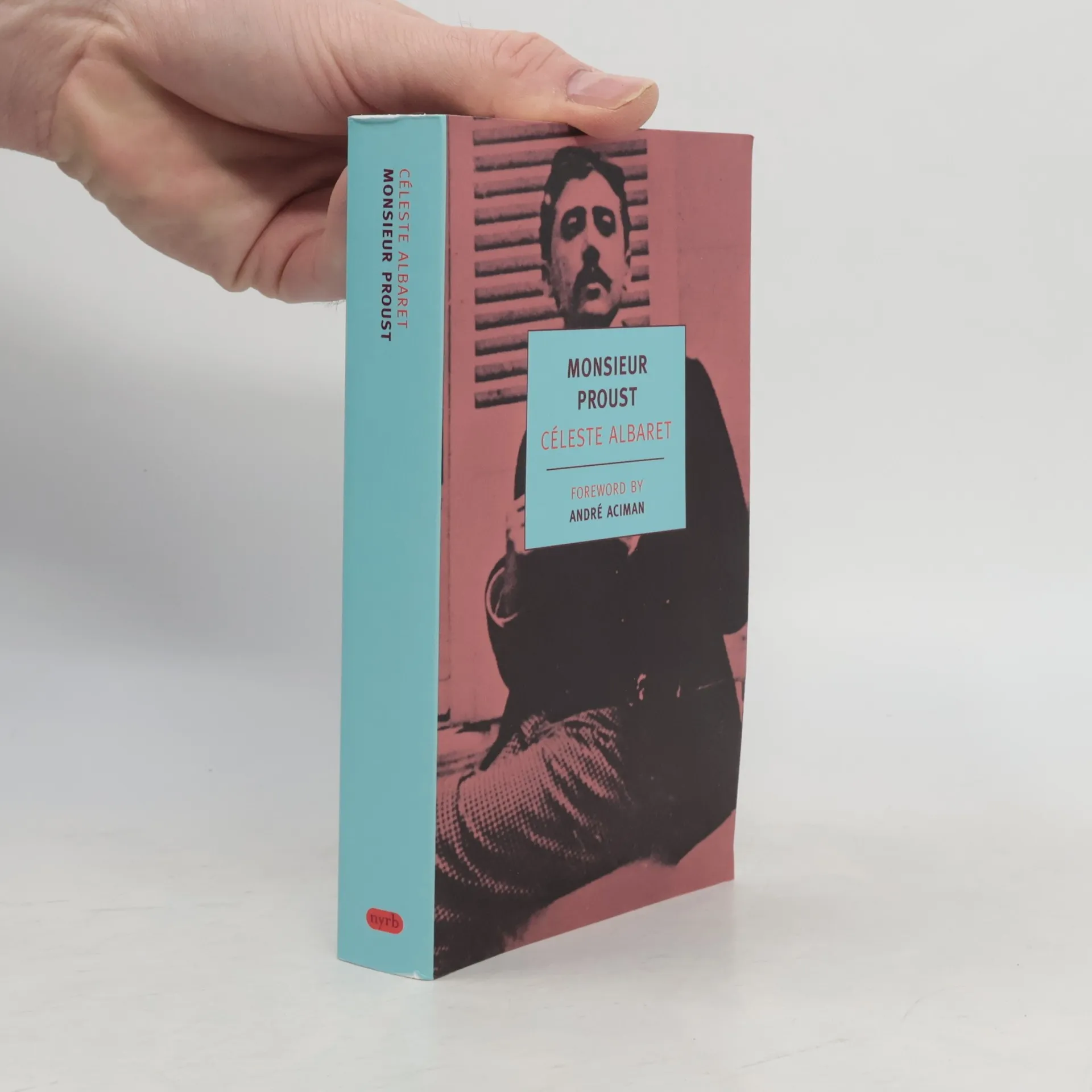
Monsieur Proust
- 456 stránek
- 16 hodin čtení
Céleste Albaret was Marcel Proust's housekeeper in his last years, when he retreated from the world to devote himself to In Search of Lost Time. She could imitate his voice to perfection, and Proust himself said to her, "You know everything about me." Her reminiscences of her employer present an intimate picture of the daily life of a great writer who was also a deeply peculiar man, while Madame Albaret herself proves to be a shrewd and engaging companion.
Lenin's Embalmers
- 215 stránek
- 8 hodin čtení
Professor Ilya Zbarski mummified Lenin two months after his death to maintain the Soviet founder's body in perpetuity. Between 1924 and the fall of communism in 1991, hundreds of millions of visitors paid their respects to the embalmed bodies of Lenin and later, Stalin. This text reveals the story of Zbarski, his family and of those who worked in the mausoleum laboratory. Lenin's body was plunged into a secret solution based on glycerine and potassium acetate. This story, unthinkable except in a totalitarian regime, is also that of the burgeoning Soviet Union and those who, disregarding Stalin and his growing antisemitic paranoia, believed that working in the shadows of the mausoleum would protect them forever. Abandoned by the State since 1991, the laboratory can only survive through the patronage of the "nouveaux riches" and the Russian mafia dynasties. The text includes both archival and contemporary photographs.
Jacques Lacan. An Outline of a Life and a History of a System of Thought
- 596 stránek
- 21 hodin čtení
Recounts the conflicts surrounding Lacan's break with the institutional framework of Freudian orthodoxy, the popularity of Lacanianism in the 1960s and 1970s, and its encounters with the women's movement
Muž, který sázel stromy
- 56 stránek
- 2 hodiny čtení
Povídka prostoupená fascinací prostým člověkem a jeho dokonalým splynutím s přírodou. Obraz provensálského pastýře je oslavou neokázalé vytrvalé činnosti, která si nedělá nárok na odměnu, a přece se svým výsledkem blíží aktu stvoření. Jean Giono vzbudil touto povídkou zájem o zalesňovací program. Stala se pro ochránce přírody inspirací k zalesňování celých oblastí. 1.vydání
Yann Andréa Steiner
- 115 stránek
- 5 hodin čtení
A semi-autobiographical novel exploring the anarchic nature of passion, the traumas of childhood and the legacy of the Holocaust. Threatened with allusions to her life's work, this melancholic and dreamlike novel is typical of the novelist.
Milenec
- 108 stránek
- 4 hodiny čtení
Tématem rozsahem nevelké, o to více však strhující prózy Milenec z roku 1984 je první smyslný prožitek, erotický vztah patnáctileté chudé bělošky a o dvanáct let staršího bohatého Číňana, zasazený do kulis lidnatého Šalonu, čínské enklávy indočínského Saigonu. V novele, jež nese zřetelné autobiografické prvky, rozehrála Marguerite Durasová drama lásky bez budoucnosti, která navzdory své bezvýchodnosti vyniká tělesností a nevysloveným poutem. O tom, jak výjimečná tato próza je, svědčí nejen skutečnost, že v ní mají své kořeny všechny pozdější postavy spisovatelčina díla, ale především ohlas, jejž novela vyvolala. Literární text a potažmo i vztah v něm popisovaný byly sice označovány za skandální, knize se navzdory tomu dostalo hned několika uznání – za francouzské vydání získala autorka prestižní Goncourtovu cenu, za vydání americké cenu Paris-Ritz-Hemingwayovu. V roce 1992 převedl novelu unikátním způsobem na stříbrné plátno režisér Jean-Jacques Annaud. „Vytvořit bezvýchodnou situaci je pro mě ukojení, kterému se říká literatura“, prohlásila autorka a právě tato slova jsou pro Milence více než charakteristická. Konečně byla to právě Marguerita Durasová, která byla v líčení mučivé erotické bolesti nedostižná.
Presents an account of day-to-day life in a medieval French village. Using records gathered by the Catholic Church in its pursuit of heretics, this book shows the lives of a cast of village characters.
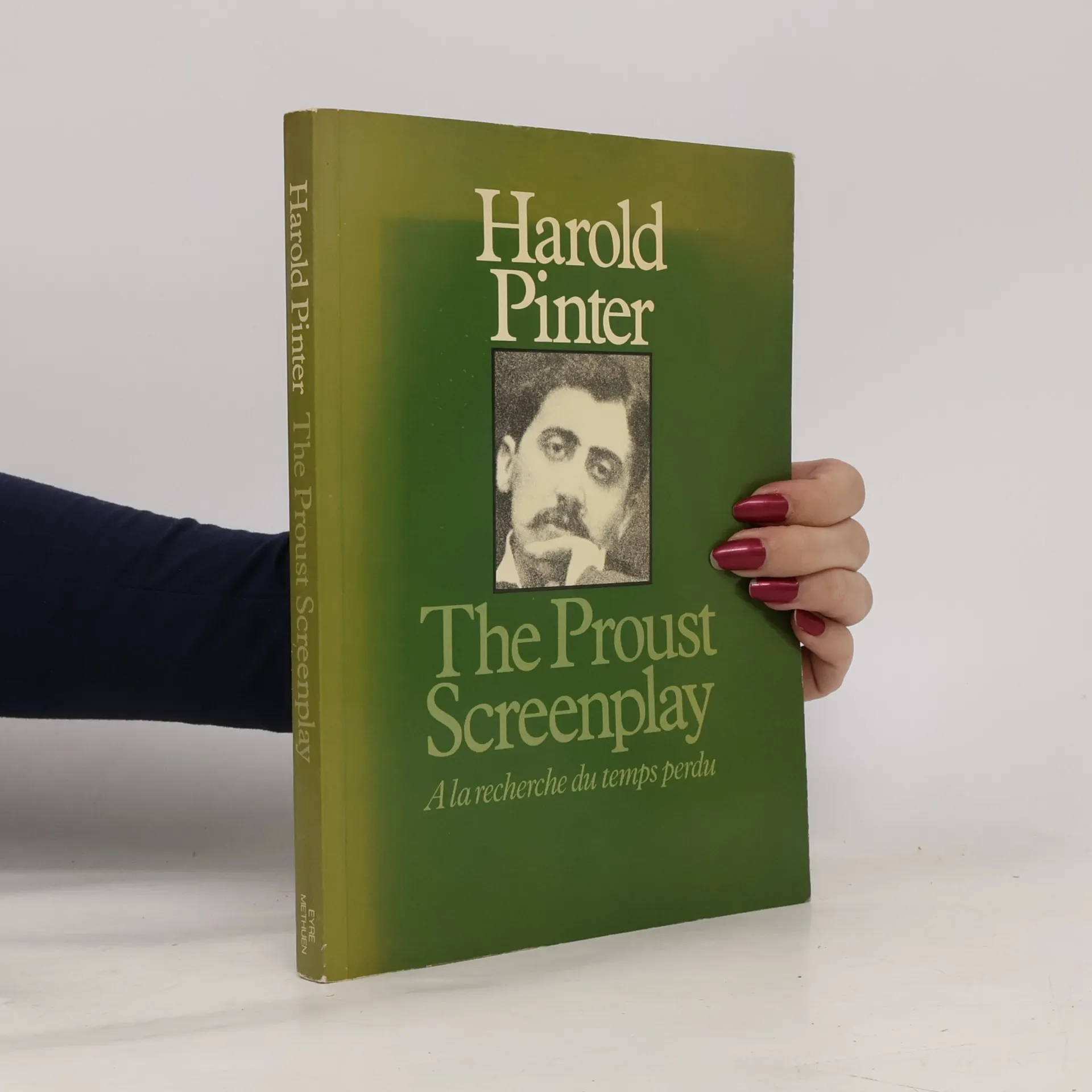
Recognized as one of the major literary works of the twentieth-century, Marcel Proust's monumental seven-volume novel brings together memories of childhood and Parisian society before and during the First World War. This new adaptation is based on Harold Pinter's screenplay, written at the request of the film director Joseph Losey in 1972. Remembrance of Things Past premi�red at the Royal National Theatre in November 2000.