

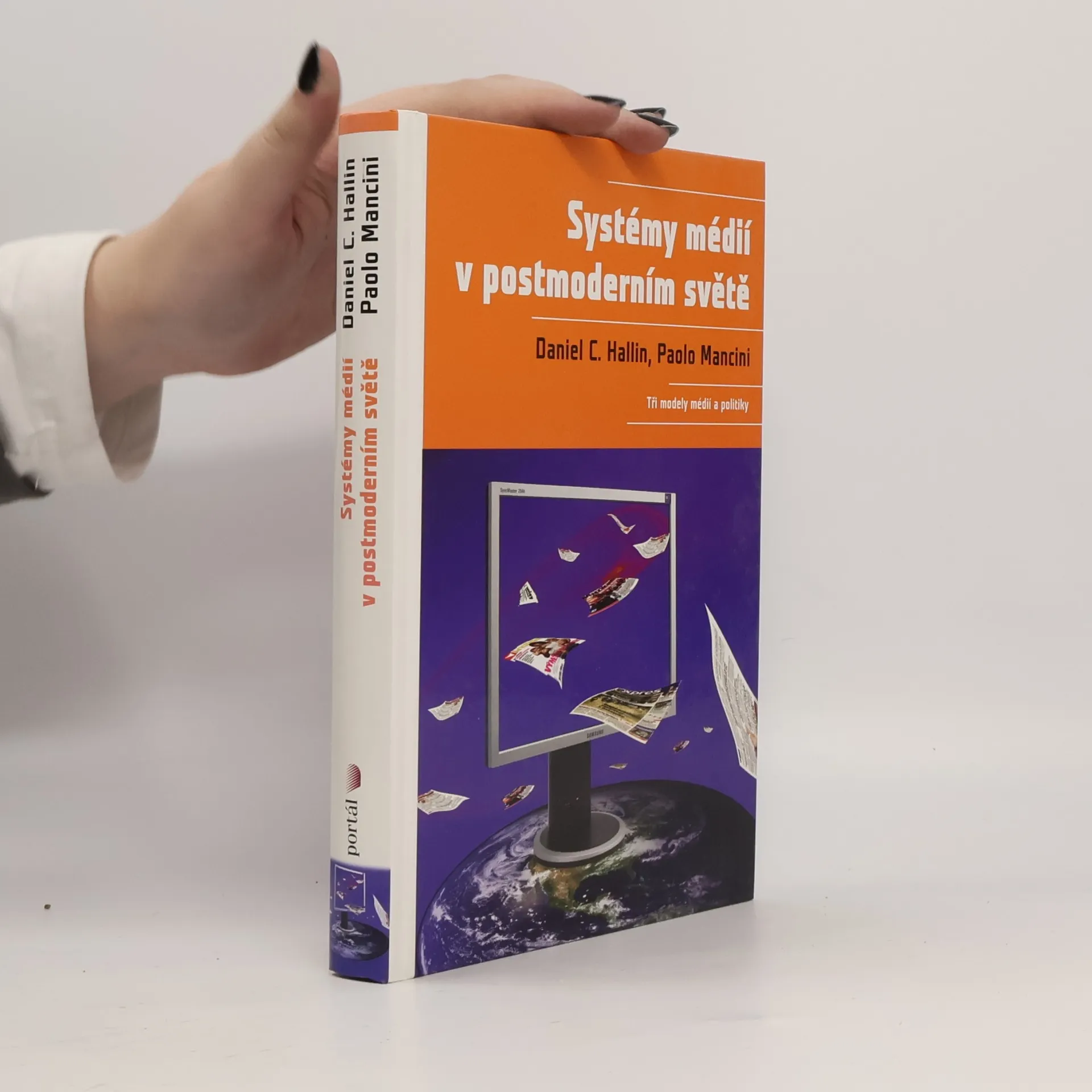
Kniha, která představuje základní přehled národních mediálních systémů euro-amerického prostoru, je přelomovou studií z oblasti systémového pohledu na média. Autoři rozlišují tři základní typy mediálních systémů – polarizovaně pluralitní, demokraticko-korporativní a liberální – přičemž srovnávají fungování politických a mediálních systémů ve třech geograficky a zároveň politicky spřízněných oblastech (státy kolem Středozemního moře, střední a severní Evropa, anglosaské země). Kniha dává nahlédnout do příčin zásadních rozdílností v přístupu médií k politice a komercionalizaci médií, k profesionalitě mediálních pracovníků a k jejich roli vzhledem k veřejnému mínění a veřejné sféře. Kniha je kvalitním studijním materiálem pro studenty oborů žurnalistika, mediální studia a politologie. D. C. Hallin je profesorem komunikačních věd a politických věd na Kalifornské univerzitě v San Diegu. P. Mancini přednáší politickou komunikaci na Fakultě politických věd na univerzitě v Perugii.
Daniel C. Hallin Knihy

Vietnam was America's most divisive and unsuccessful foreign war, notable for being the first televised conflict and fought without military censorship. The media's role in Vietnam remains controversial, from the Kennedy-Johnson escalation to the American withdrawal. This work provides a detailed account of what Americans read and watched about the war. Drawing on the complete New York Times coverage from 1961 to 1965, a sample of hundreds of television reports from 1965-73, and interviews with journalists, it critiques the conventional wisdom regarding media and Vietnam. Contrary to the belief that the media consistently opposed government policy, it reveals that the media were often aligned with official perspectives, though internal government divisions and public relations contradictions occasionally hampered effective news management. Television did not fully convey the "literal horror of war" nor was it primarily responsible for its collapse; instead, it initially presented an idealized view, shifting to a more critical stance only after public discontent and elite divisions became pronounced. This study is essential for understanding both the Vietnam War and the media's role in contemporary American politics.