Vlajky světa
- 80 stránek
- 3 hodiny čtení
Encyklopedie vlajek zemí světa a dalších území.


Nicole Smith zkoumá nehostinnou povahu vesmíru, kde se dny nemají jak měřit, a její spisovatelský talent se poprvé projevil v jejích dvanácti letech. Její raná práce odhalila zájem o vědeckofantastická témata, která se rozvinula do hlubšího zkoumání vesmíru. Smith se prostřednictvím svého psaní věnuje jedinečným výzvám a zamyšlením, které toto nekonečné prázdno nabízí. Její díla zvou čtenáře, aby se zamysleli nad naší pozicí v rámci vesmíru prostřednictvím jejího jedinečného pohledu.

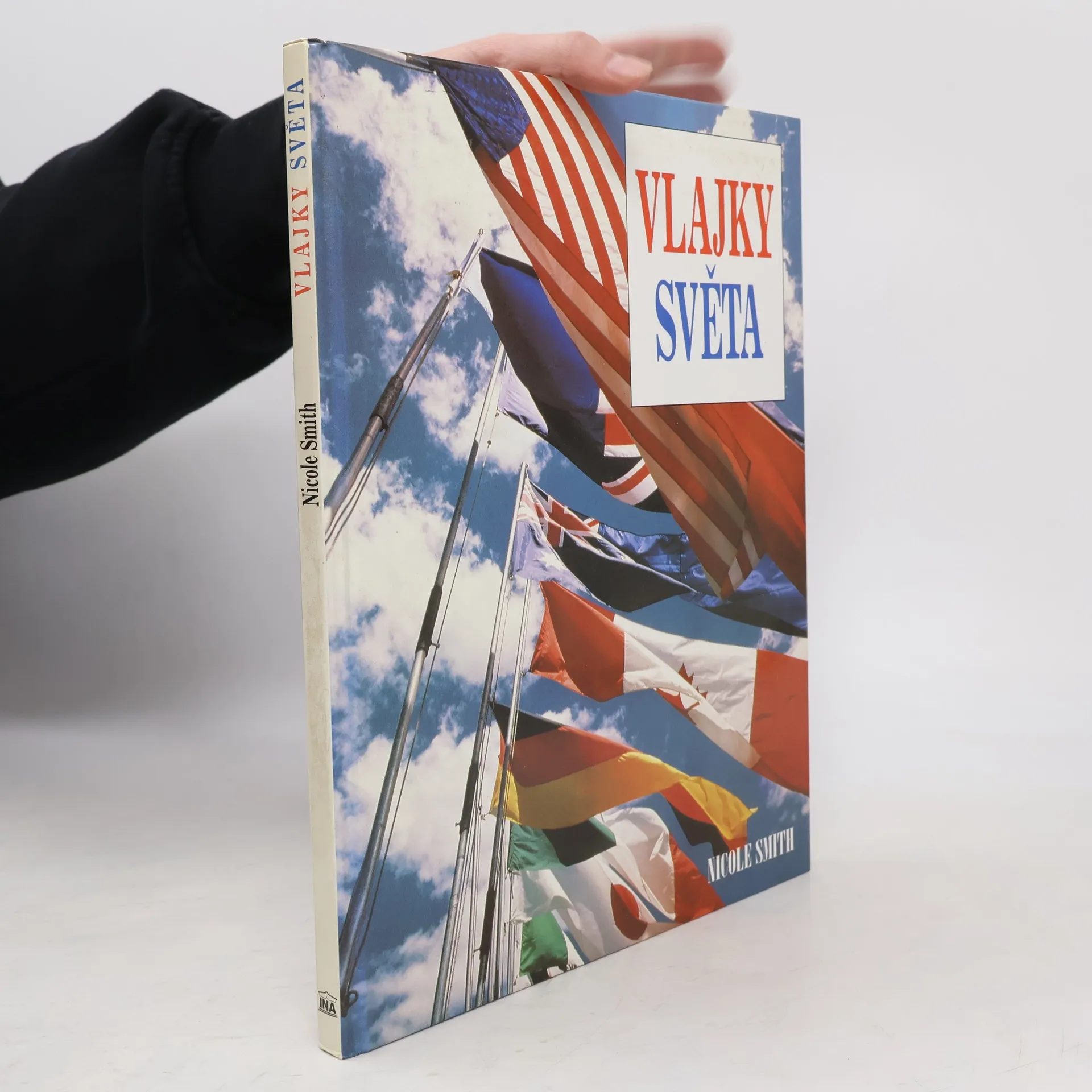
Encyklopedie vlajek zemí světa a dalších území.
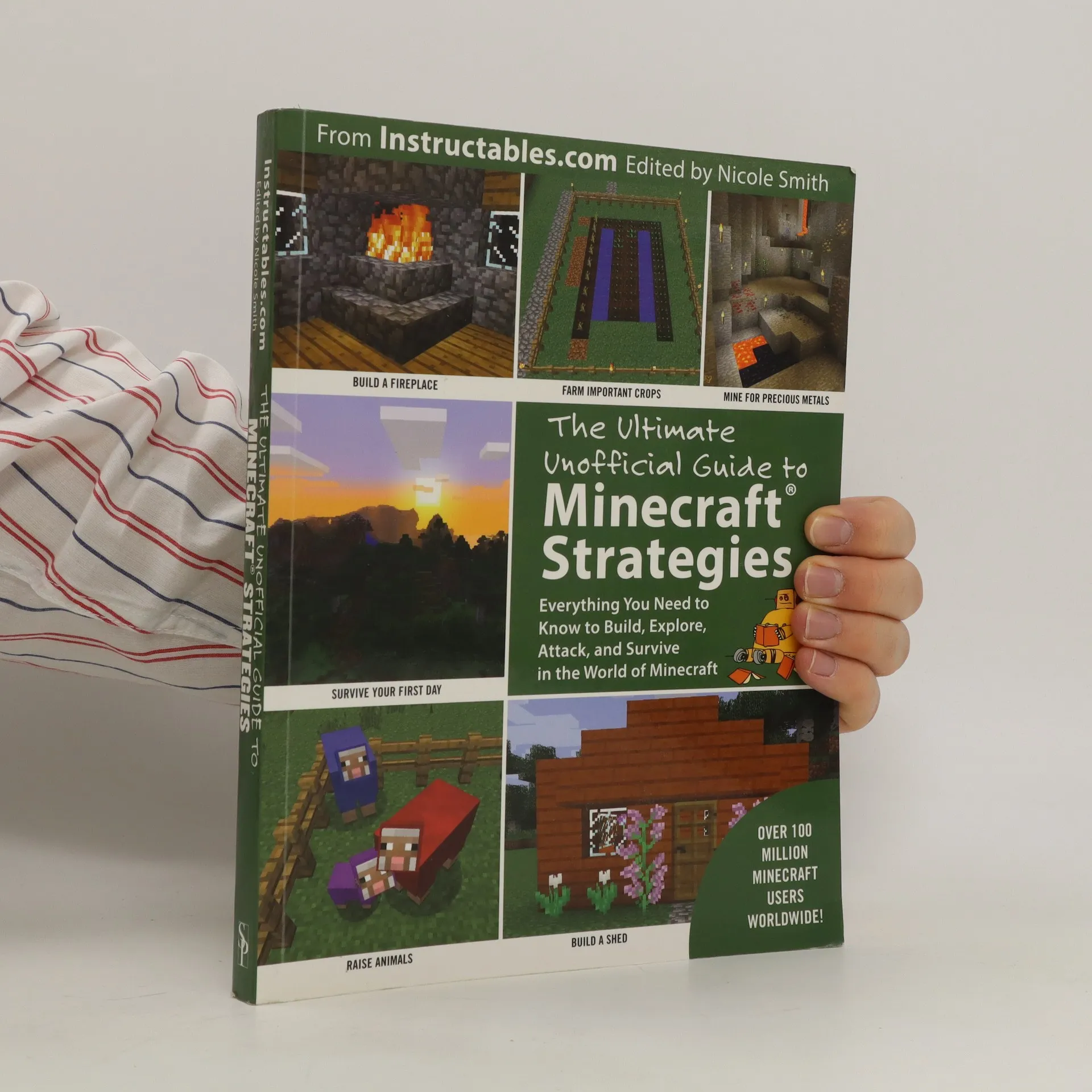
Collects expert advice and detailed instructions for mastering the computer game, covering such topics as how to defend against zombies and building basic utilities, with Minecraft-themed projects, including a pickaxe lamp and an enderman plush
Focusing on healthy eating habits, the story follows Emmitt as he navigates his day, making food choices that influence his experiences. His adventures include an imaginative moment where a kicked soccer ball transforms into a rocket ship soaring over the sun. The narrative emphasizes the importance of balancing nutritious foods with occasional treats, culminating in a surprise ending that reinforces this message.
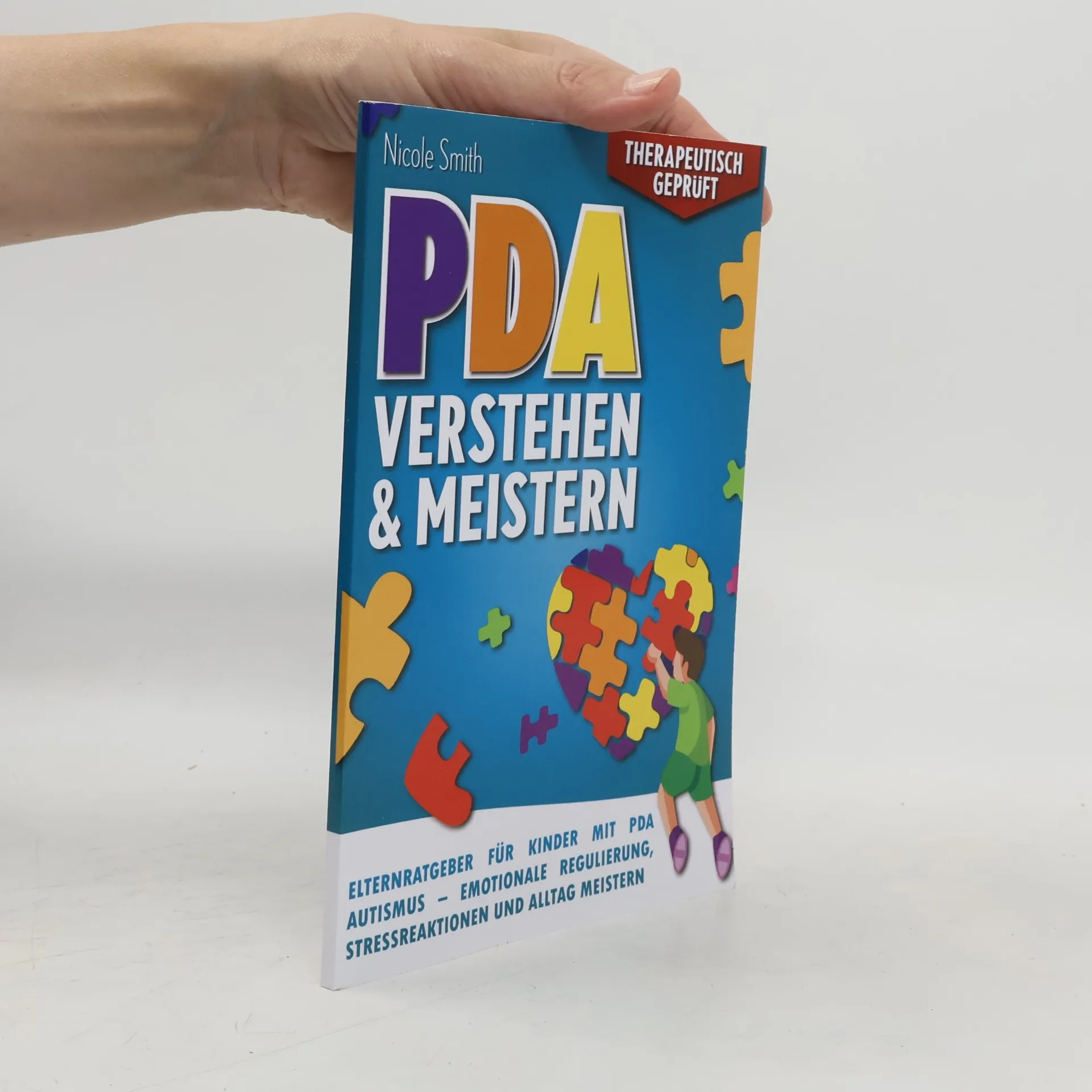
Elternratgeber für Kinder mit PDA Autismus – emotionale Regulierung, Stressreaktionen und Alltag meistern