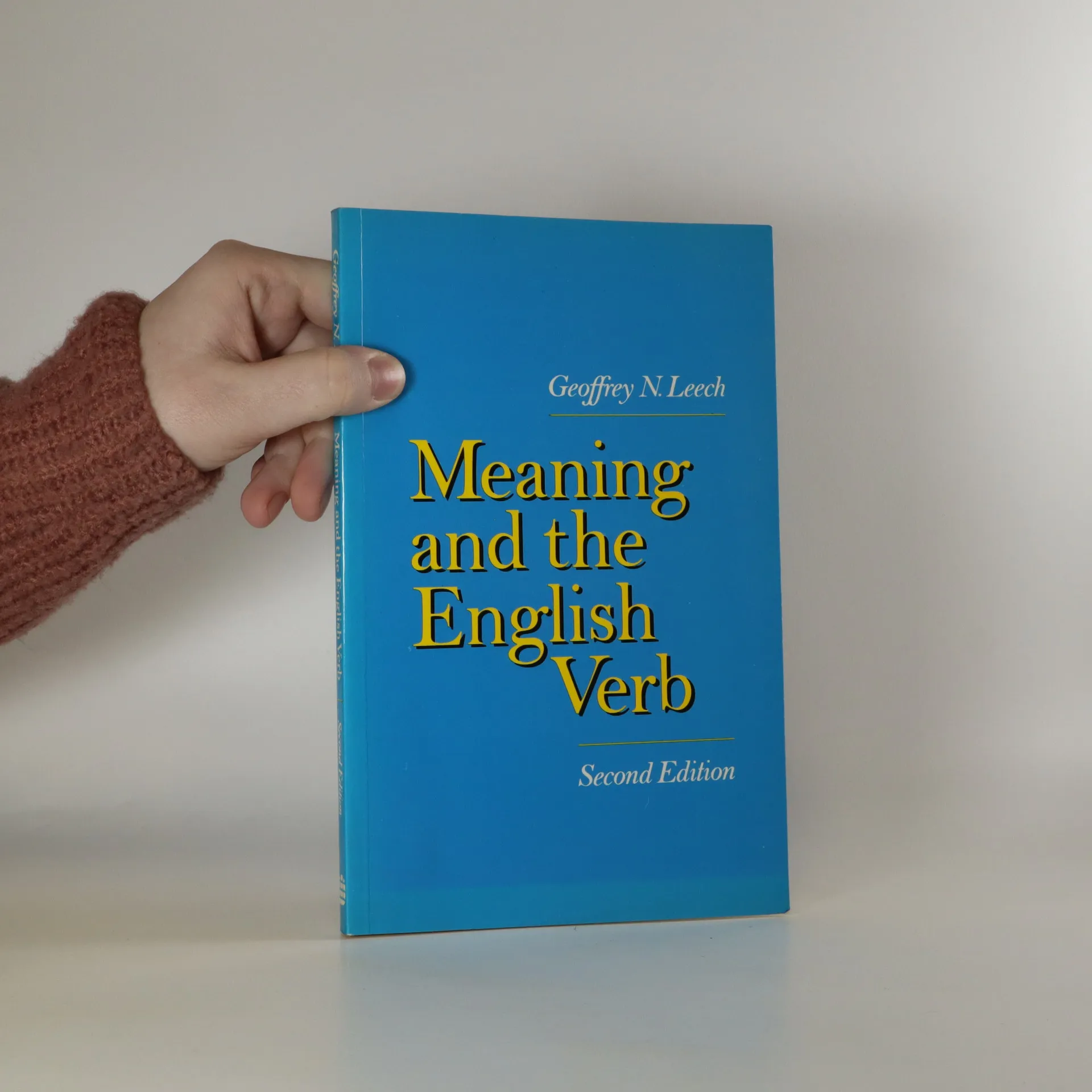
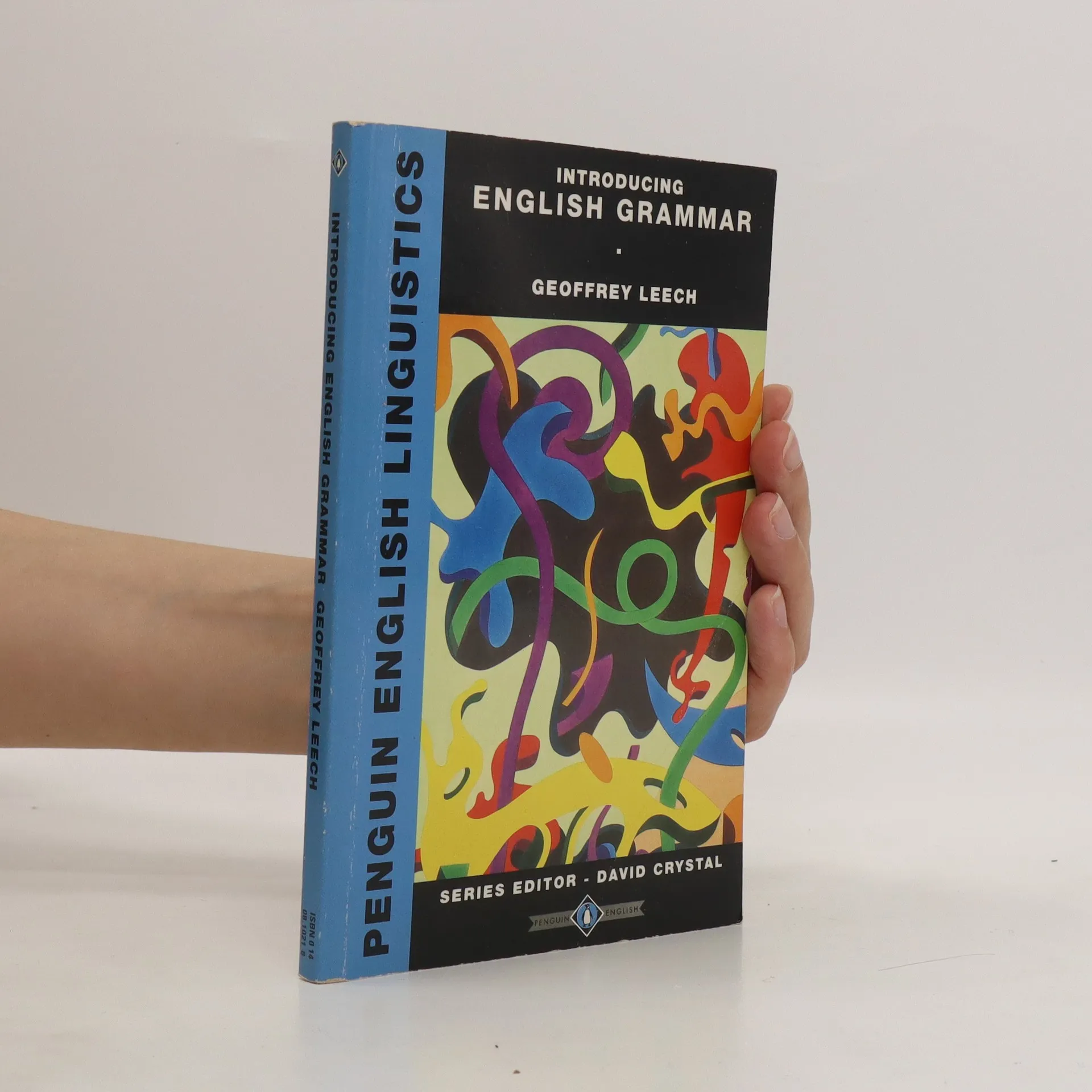
Introducing English Grammar
- 128 stránek
- 5 hodin čtení
This accessible introduction to grammar includes points presented in an alphabetical format



This accessible introduction to grammar includes points presented in an alphabetical format
Selected Papers from the 1984 Lancaster Symposium 'Computers in English Language Education and Research'
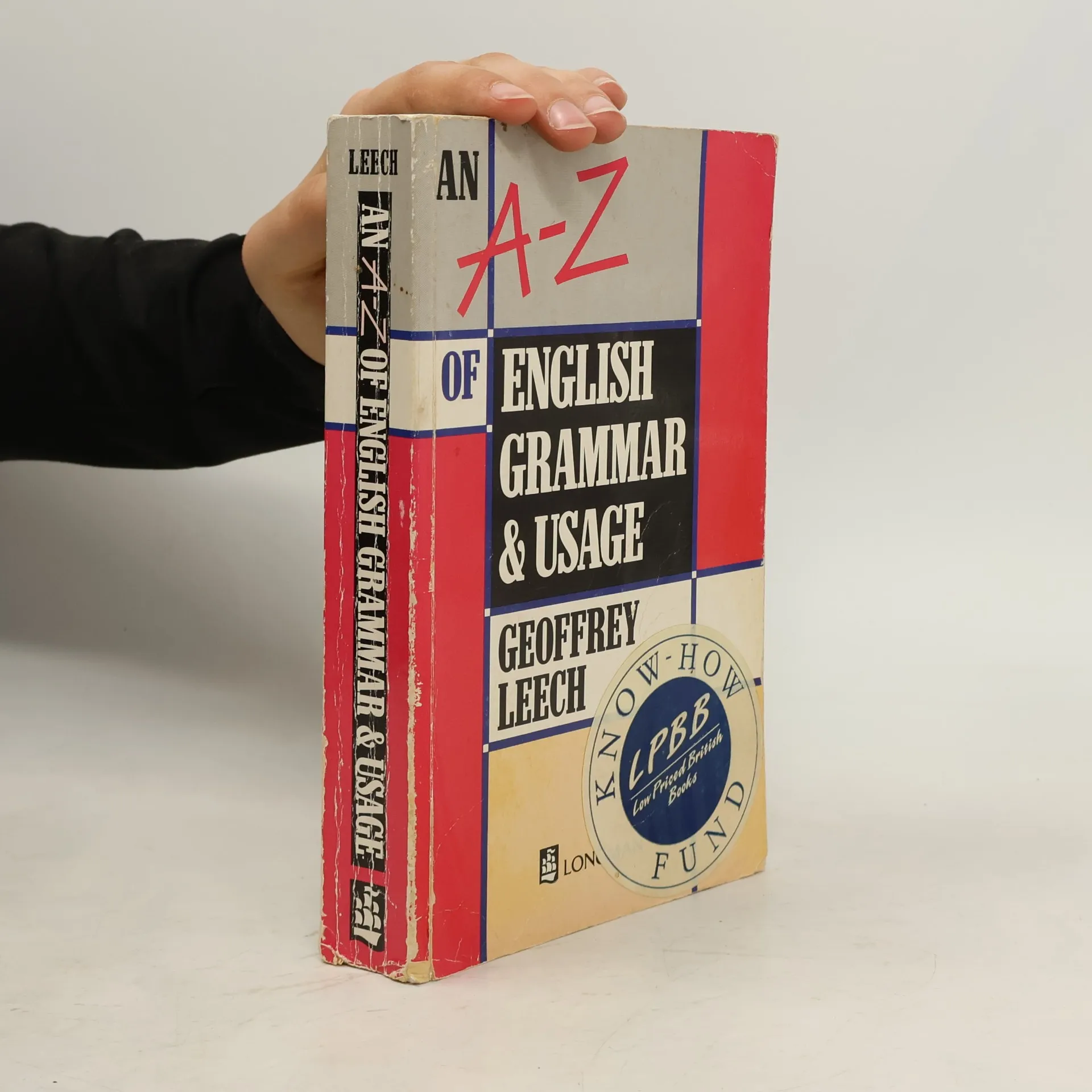
This thoroughly revised edition provides teachers and learners of English with a unique, up-to-date reference grammar in an easy-to-use dictionary-like format.
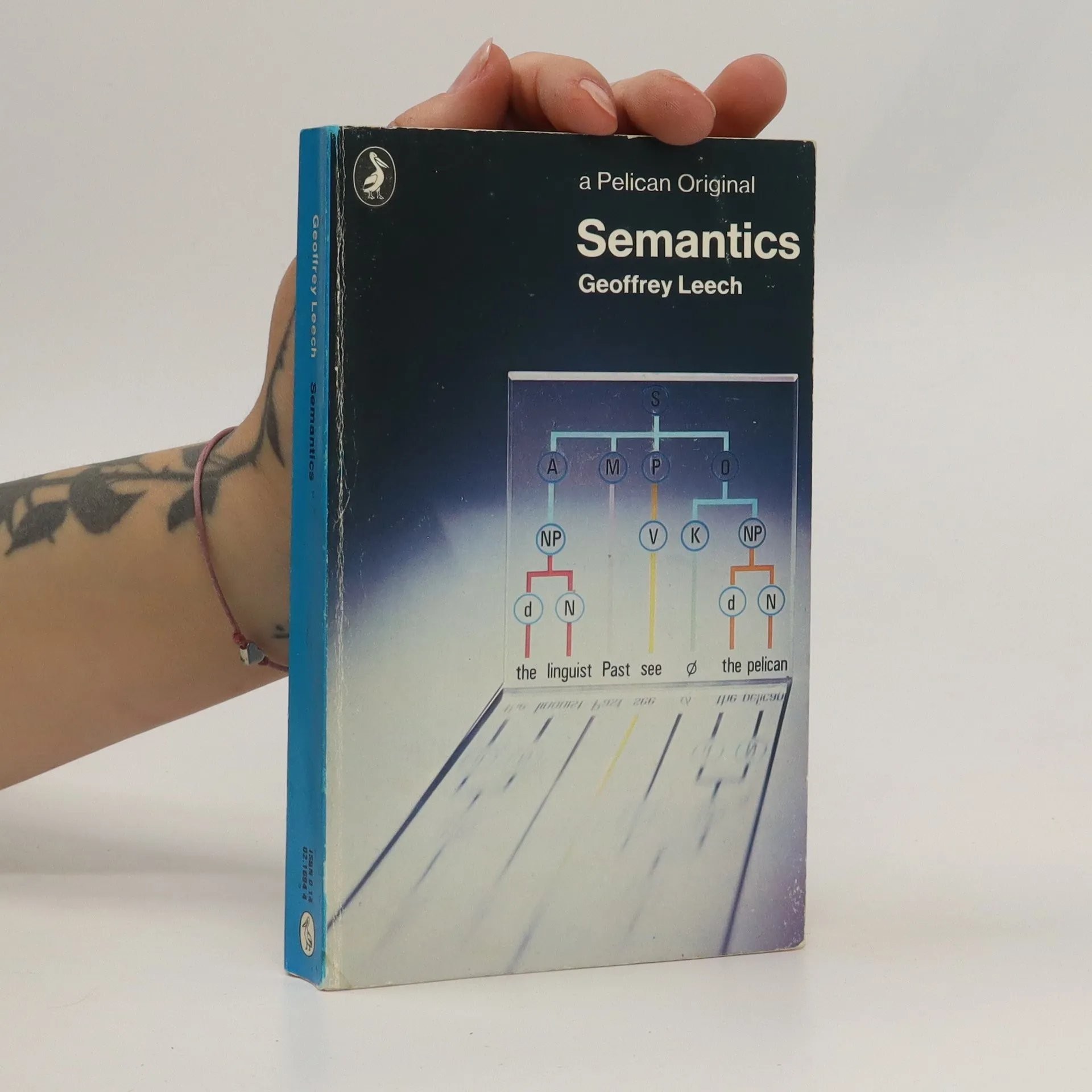
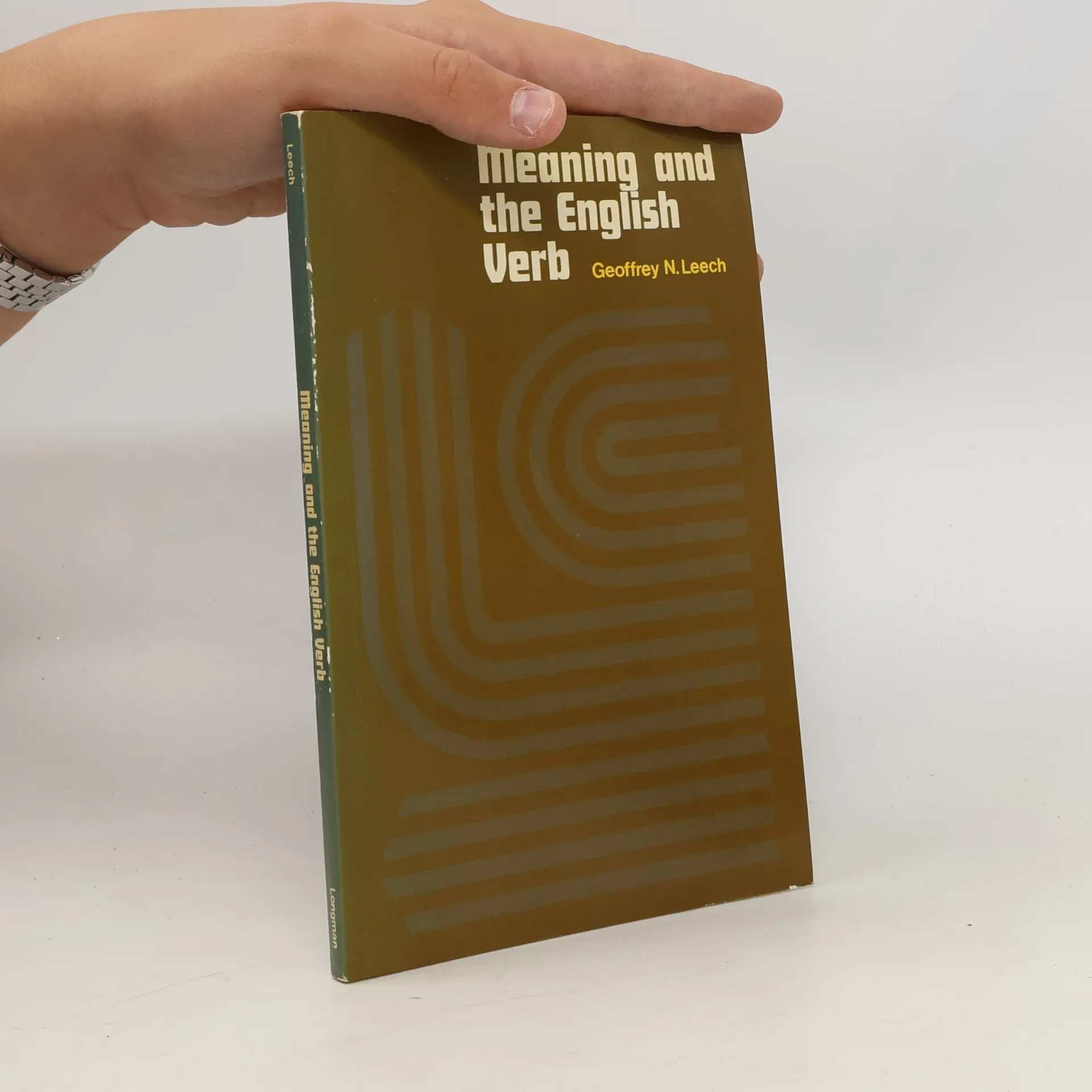
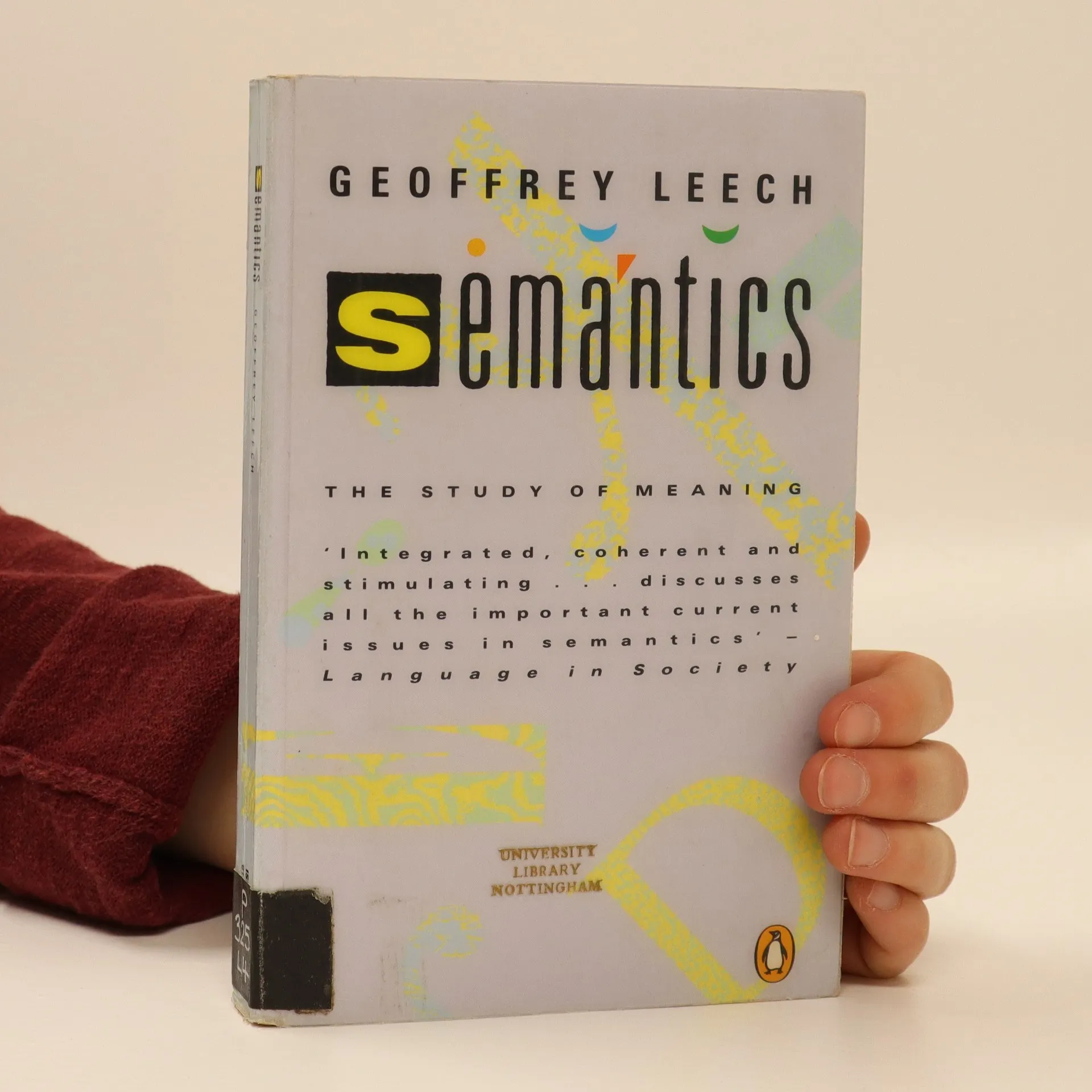
Geoffrey Leech stresses the contribution of semantics to the understanding of practical problems of communication and concept-manipulation in modern society.
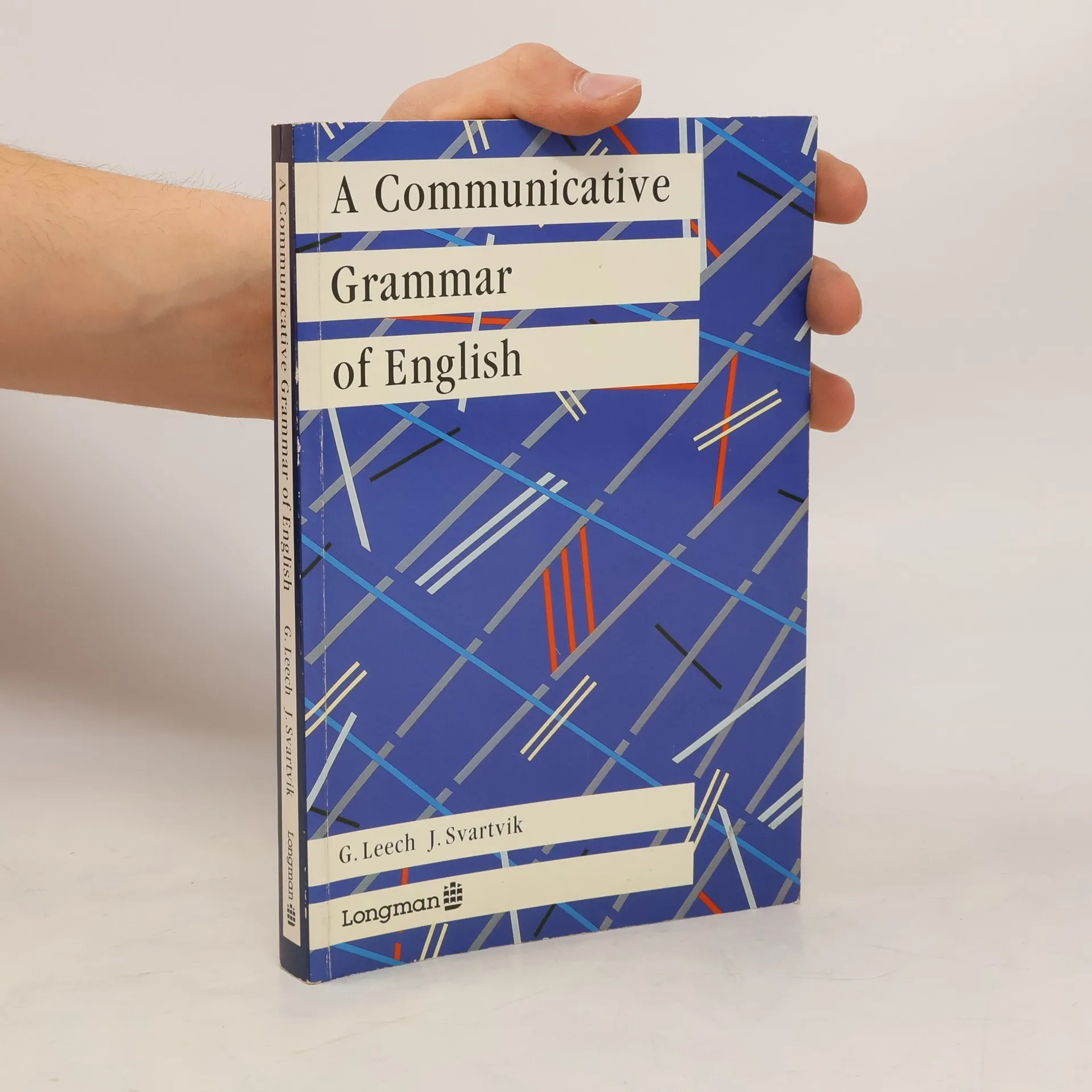
A Communicative Grammar of English employs a communicative rather than structural approach to the learning of English grammar. The new edition has been updated to include more examples.
A practical rather than a theoretical approach to 'trouble-spots' of the English language for foreign learners. Throughly updated with new examples.
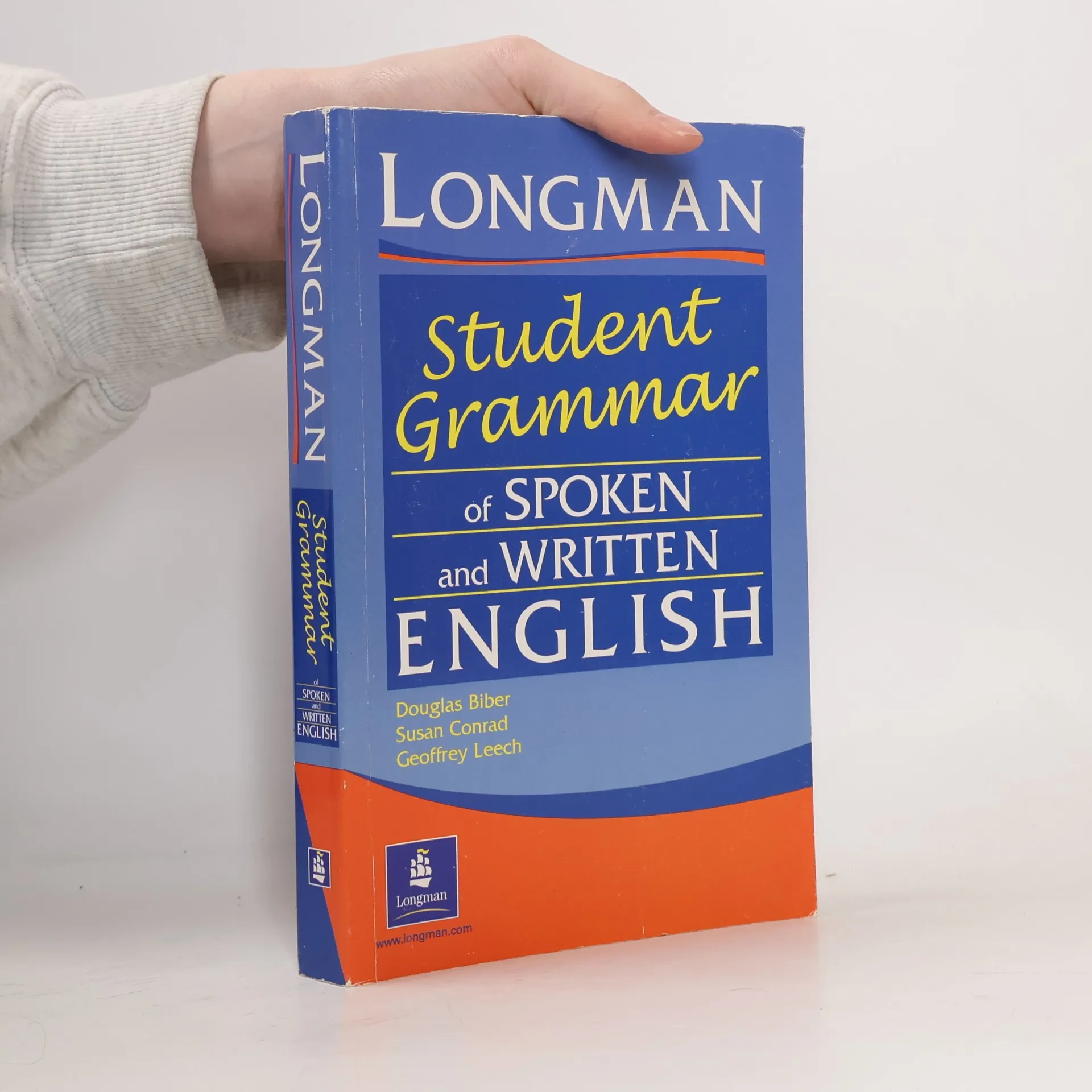
This is an advanced grammar reference. It combines explanations of English grammar with information on how, when and why we use different structures. It shows the differences between spoken and written grammar and includes frequency information of the most common forms.
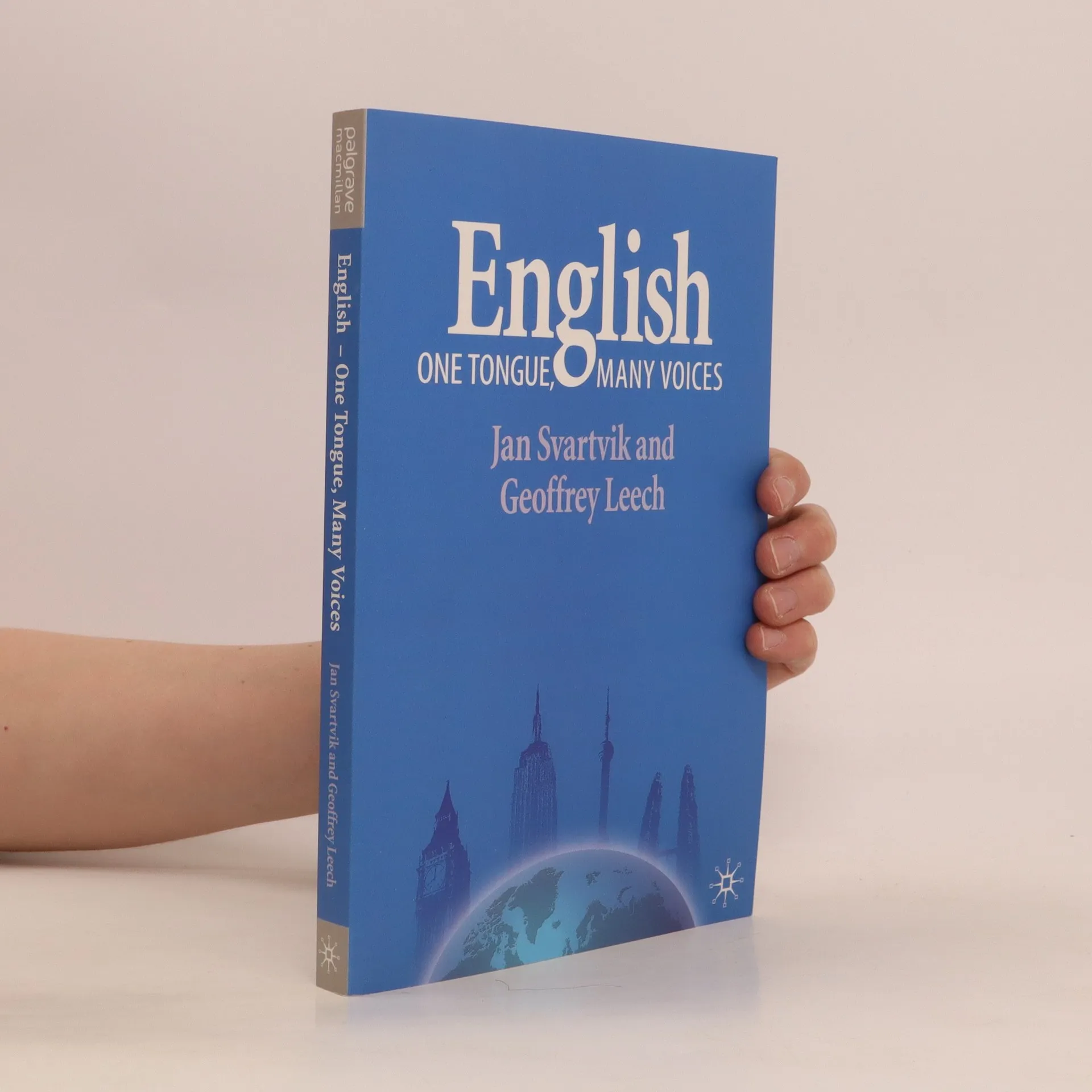
This is the fully revised and expanded second edition of English - One Tongue, Many Voices, a book by three internationally distinguished English language scholars who tell the fascinating, improbable saga of English in time and space. Chapters trace the history of the language from its obscure beginnings over 1500 years ago as a collection of dialects spoken by marauding, illiterate tribes. They show how the geographical spread of the language in its increasing diversity has made English into an international language of unprecedented range and variety. The authors examine the present state of English as a global language and the problems, pressures and uncertainties of its future, online and offline. They argue that, in spite of the amazing variety and plurality of English, it remains a single language.
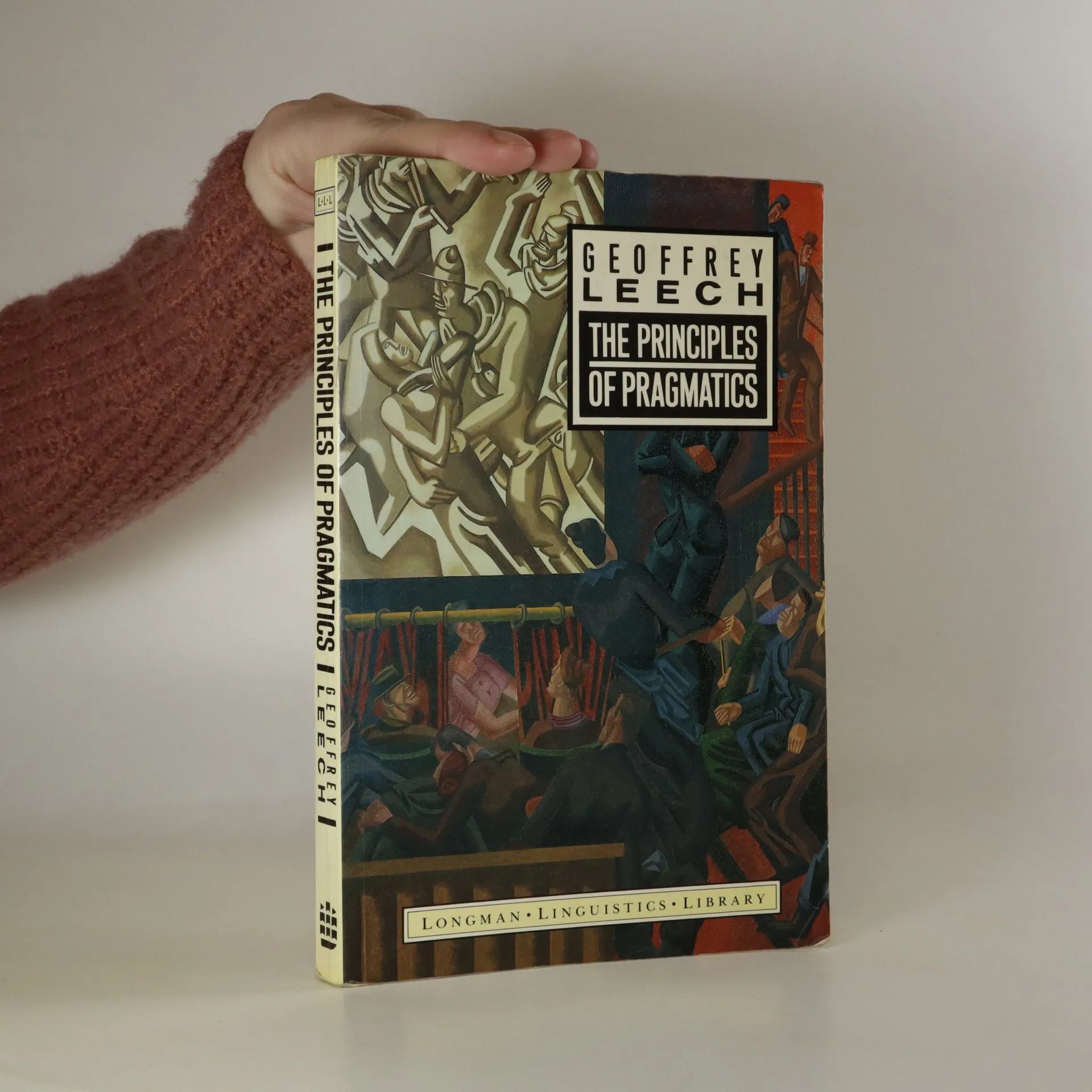
Focusing on the interplay between linguistics and rhetoric, the book introduces a rhetorical model of pragmatics that emphasizes communicative goals and effective communication principles. Geoffrey Leech advocates for a comprehensive theory of language use, exploring elements such as politeness, irony, and social interaction. By integrating abstract language systems with practical communication strategies, the work seeks to enhance understanding of linguistic behavior in social contexts.
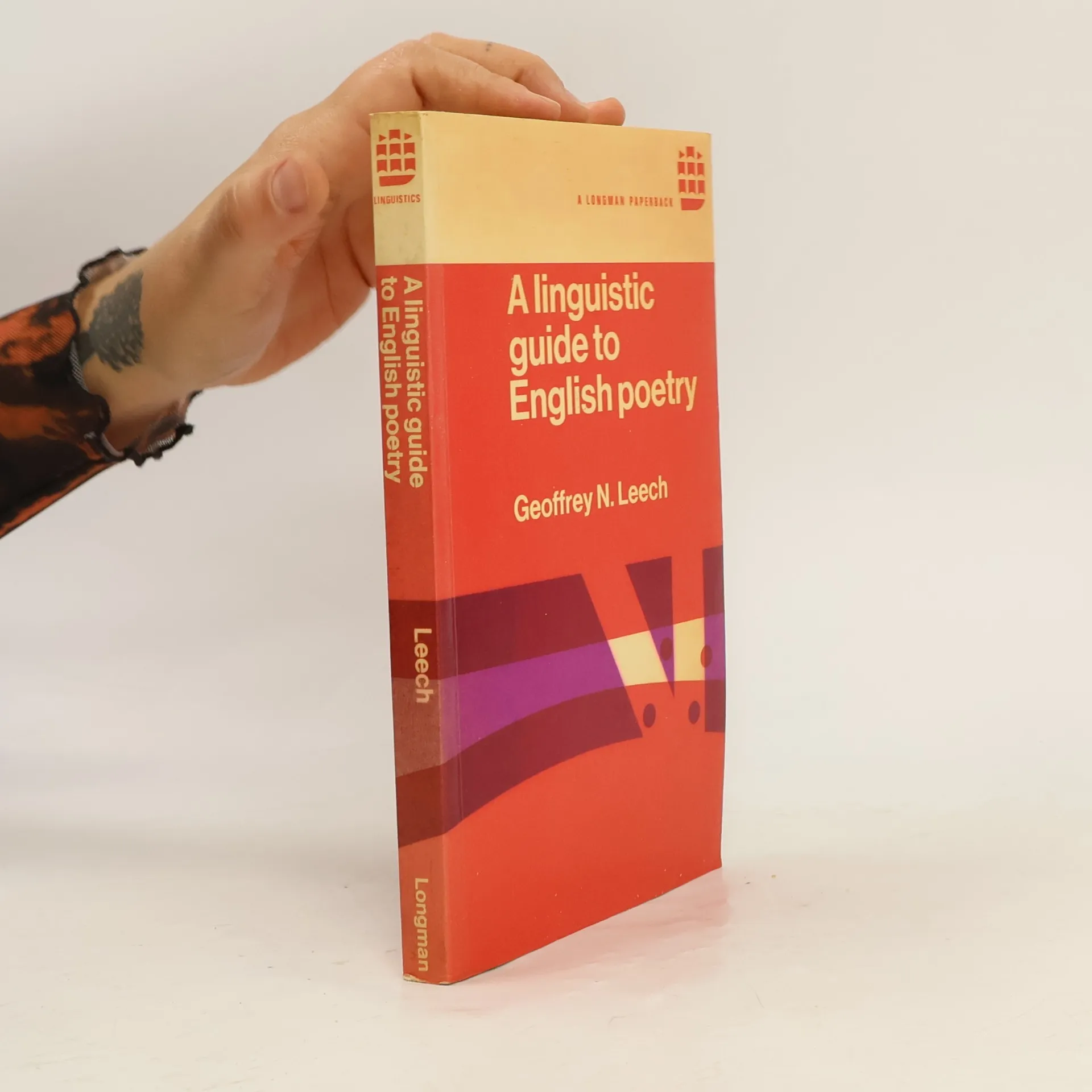
Seeks to demonstrate that the study of English poetry is enriched by the insights of modern linguistic analysis, and that linguistic and critical disciplines are not separate but complementary. Examining a wide range of poetry, Professor Leech considers many aspects of poetic style, including the language of past and present, creative language, poetic licence, repetition, sound, metre, context and ambiguity.