Mike Davis se proslavil svými analýzami moci a sociální třídy, zejména ve svém rodném Jižní Kalifornii. Jeho práce se hluboce noří do složitých vztahů mezi urbanistickým rozvojem, ekonomickými silami a společenskými dopady. Davis je známý svým radikálním pohledem a odhodláním odhalovat skryté mocenské struktury ovlivňující životy lidí. Jeho rozsáhlé komentáře o společenských problémech nabízejí kritický pohled na současné výzvy.
Vítej v týmu detektivů! Naučíme tě to nejdůležitější z drsného povolání, kterému se můžou věnovat jen ti, co mají opravdovou kuráž. Poznáš kriminalistické metody vyšetřování a hned se můžeš pustit do svého prvního případu. Každý důkaz je důležitý, tak vše prošetři a nenech se zaskočit. Neváhej a pusť se do toho!
Bucky Barnes, the once and future Winter Soldier, took on the mantle of Captain America after Steve Rogers' seeming death. But now Steve is back, and the two Caps must decide which one of them will wield the shield! As the Grand Director, Baron Zemo and Sin make life difficult for the heroes, Steve settles into a new role as head of S.H.I.E.L.D. - and Bucky's secret past is exposed to the world!...COLLECTING: CAPTAIN AMERICA: WHO WILL WIELD THE SHIELD? 1, CAPTAIN AMERICA (2005) 602-610 , STEVE ROGERS: SUPER-SOLDIER 1-4 , CAPTAIN AMERICA (2005) 611-619, 615.1 , CAPTAIN AMERICA (2011) 1-10
Exploring the paradox of the absence of a mass working-class party in the United States, the essays delve into the historical trajectory of American democracy, starting from the Jacksonian era to the emergence of the New Right and Reagan's re-election. Mike Davis critically analyzes key events and movements, offering insights into the complexities of class struggle and the challenges faced by progressive politics in America. The work serves as a thought-provoking examination of the interplay between capitalism and democracy in shaping political landscapes.
More than half of the world’s population now lives in urban areas, and a billion of these urban dwellers reside in neighborhoods of entrenched disadvantage—neighborhoods that are characterized as slums. Slums are often seen as a debilitating and even subversive presence within society. In reality, though, it is public policies that are often at fault, not the people who live in these neighborhoods. In this comprehensive global history, Alan Mayne explores the evolution and meaning of the word “slum,” from its origins in London in the early nineteenth century to its use as a slur against the favela communities in the lead-up to the Rio Olympics in 2016. Mayne shows how the word slum has been extensively used for two hundred years to condemn and disparage poor communities, with the result that these agendas are now indivisible from the word’s essence. He probes beyond the stereotypes of deviance, social disorganization, inertia, and degraded environments to explore the spatial coherence, collective sense of community, and effective social organization of poor and marginalized neighborhoods over the last two centuries. In mounting a case for the word’s elimination from the language of progressive urban social reform, Slums is a must-read book for all those interested in social history and the importance of the world’s vibrant and vital neighborhoods.
"When the Light Goes On helps us dig through the discord and fragmentation of school politics and policy to reclaim the mind and heart of education. Through various students' stories and his own, Rose provides an urgent reminder of the core purpose of education: to learn about ourselves and the world around us, to spark new interests, and to experience with guidance both the fulfillment and the uncertainty of exploring our limits-all in the service of creating a meaningful life"-- Provided by publisher
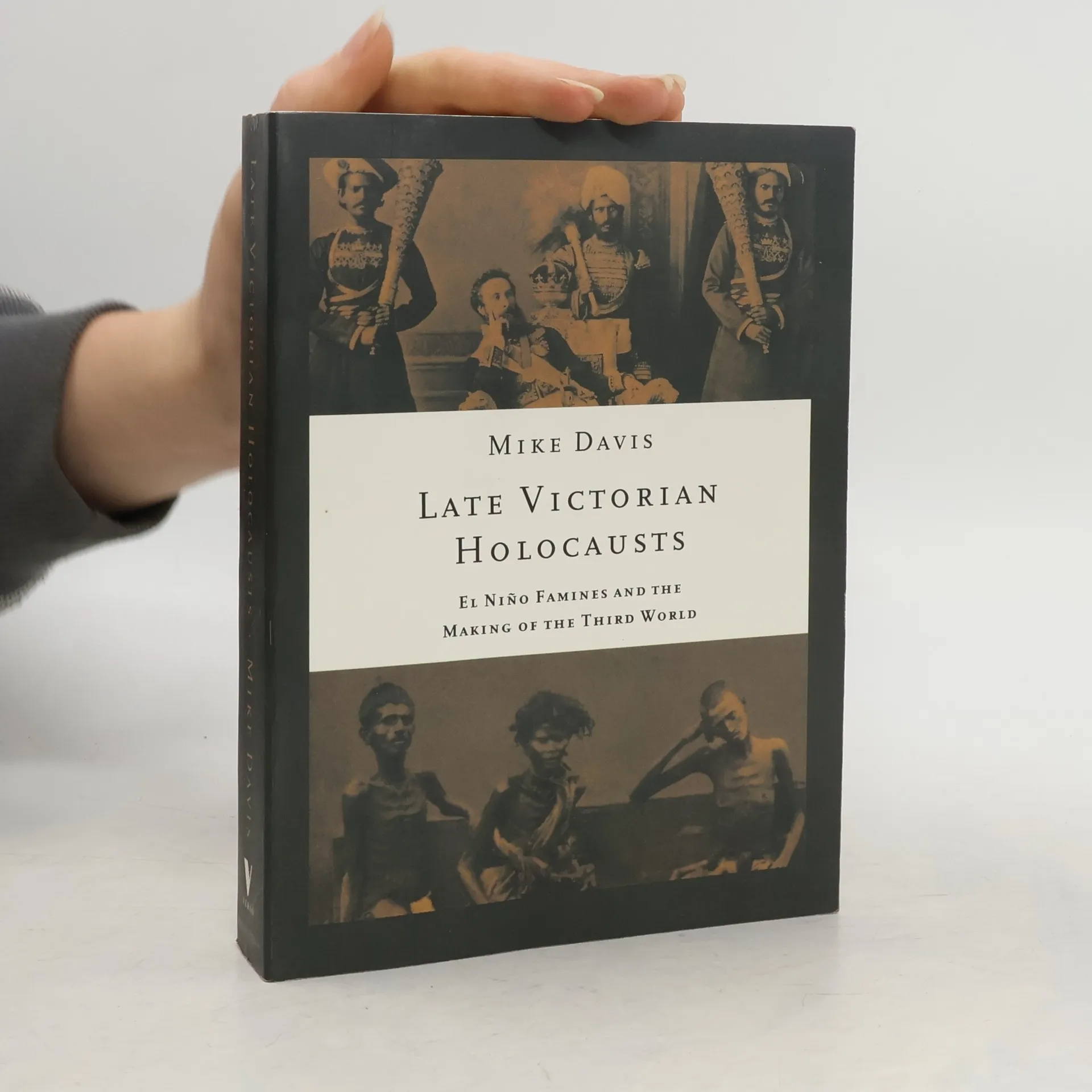
Examining a series of El Niño-induced droughts and the famines that they spawned around the globe in the last third of the nineteenth century, Mike Davis discloses the intimate, baleful relationship between imperial arrogance and natural incident that combined to produce some of the worst tragedies in human history and to sow the seeds of underdevelopment in what later became known as the Third World.
Graced with a bold political and environmental vision, this work presents a unique scholarship that intertwines L.A.'s fragile ecology with its troubled history. The author revisits Los Angeles as a theme park of apocalyptic events, highlighting the city's vulnerability due to the actions of land developers, builders, and politicians. The narrative reveals how L.A. has been systematically placed in harm's way, accumulating an inevitable toll from future catastrophes.
Davis juxtaposes the city's role in America's fantasy life—having been destroyed 138 times in literature and film since 1909—with its denial of a troubling reality. This creates a vivid portrayal of American fact, imagery, and sensibility. Drawing on a wide range of sources, the work captures the nation's violent malaise and social unease at the turn of the millennium. With sharp wit and passionate critique, it offers a profound exploration of the likely urban future, suggesting that the end is not just a distant possibility but an imminent reality. The account is both dizzying and thought-provoking, emphasizing the urgent need to confront these looming threats.
Focusing on the intersection of climate change and capitalism, the book delves into Mike Davis's insightful analysis of urban geography. It explores how economic systems exacerbate environmental degradation and the ensuing crises faced by society. Davis's work highlights the urgent need to address these issues, making it a critical examination of the impact of capital on our climate and urban landscapes.
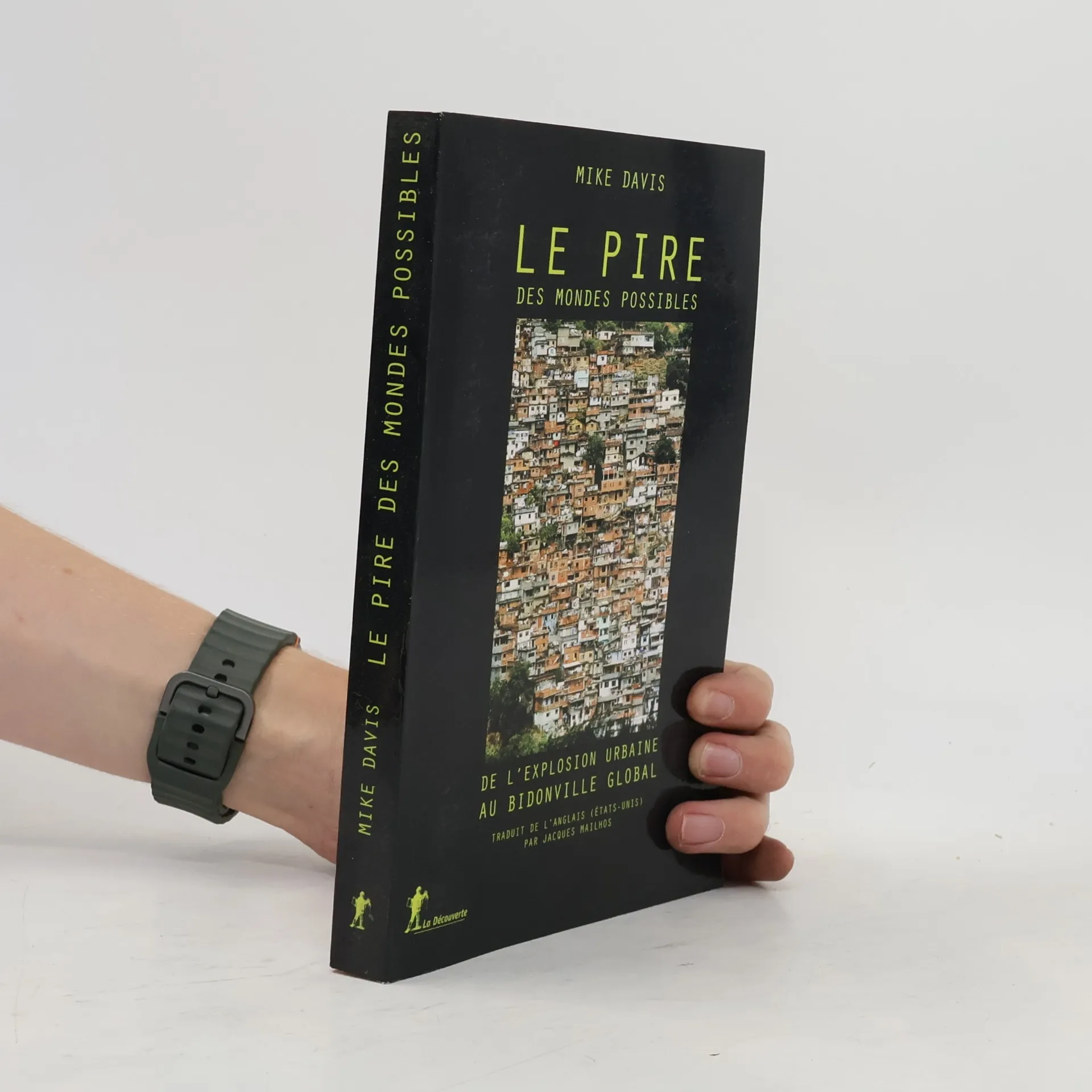
According to the United Nations, more than one billion people now live in the slums of the cities of the South. In this brilliant and ambitious book, Mike Davis explores the future of a radically unequal and explosively unstable urban world.From the sprawling barricadas of Lima to the garbage hills of Manila, urbanization has been disconnected from industrialization, even economic growth. Davis portrays a vast humanity warehoused in shantytowns and exiled from the formal world economy. He argues that the rise of this informal urban proletariat is a wholly original development unforeseen by either classical Marxism or neoliberal theory.Are the great slums, as a terrified Victorian middle class once imagined, volcanoes waiting to erupt? Davis provides the first global overview of the diverse religious, ethnic, and political movements competing for the souls of the new urban poor. He surveys Hindu fundamentalism in Bombay, the Islamist resistance in Casablanca and Cairo, street gangs in Cape Town and San Salvador, Pentecostalism in Kinshasa and Rio de Janeiro, and revolutionary populism in Caracas and La Paz. Planet of Slums ends with a provocative meditation on the “war on terrorism” as an incipient world war between the American empire and the new slum poor.
The hidden story of L.A. Mike Davis shows us where the city's money comes from and who controls it while also exposing the brutal ongoing struggle between L.A.'s haves and have-nots.
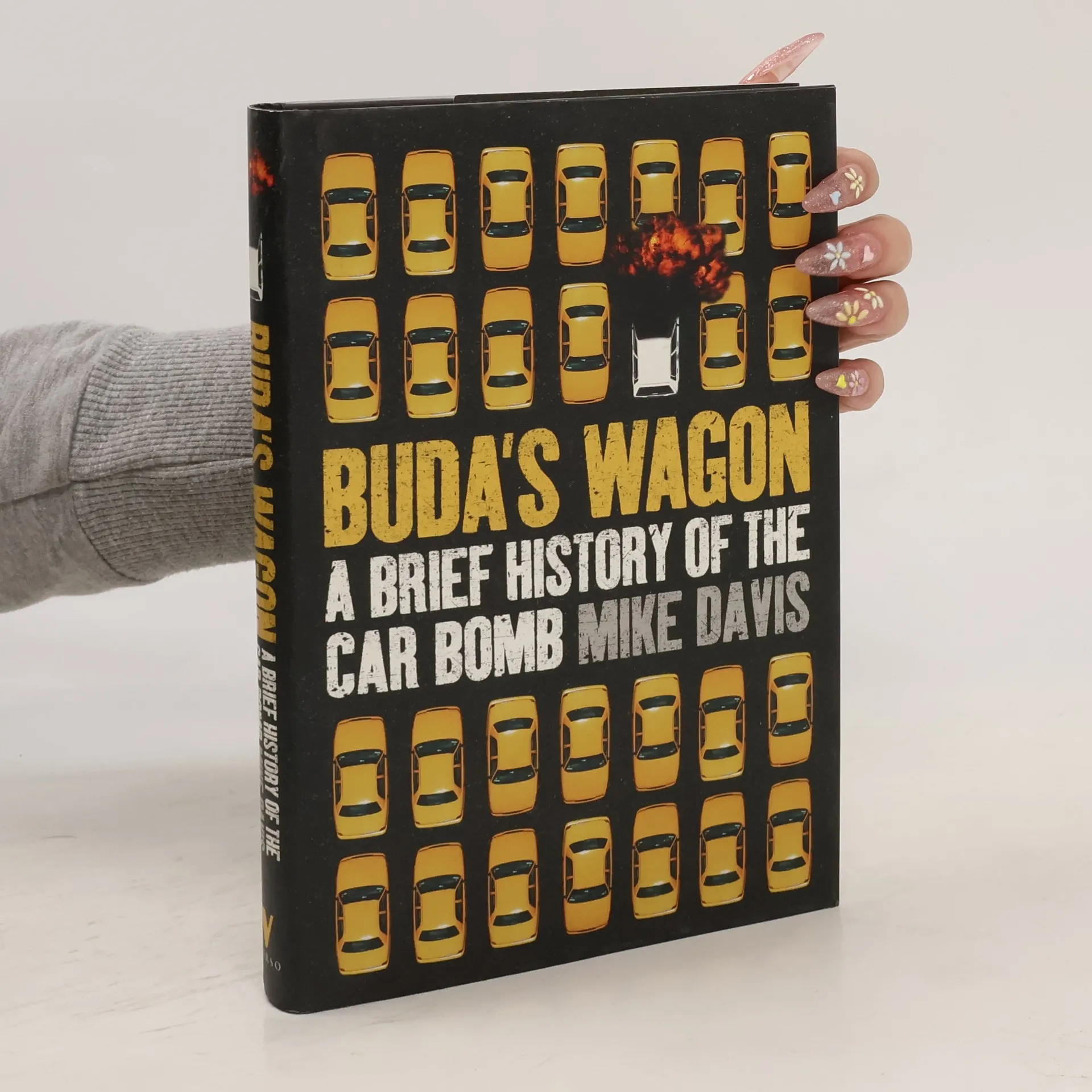
In 1920, Mario Buda exploded a horse-drawn wagon filled with dynamite and iron
scrap, killing 40 people. Since Buda's prototype, the car bomb has evolved
into a poor man's air force, a weapon of mass destruction. This work traces
its development, in the process exposing the role of intelligence agencies in
globalizing urban terrorist techniques.
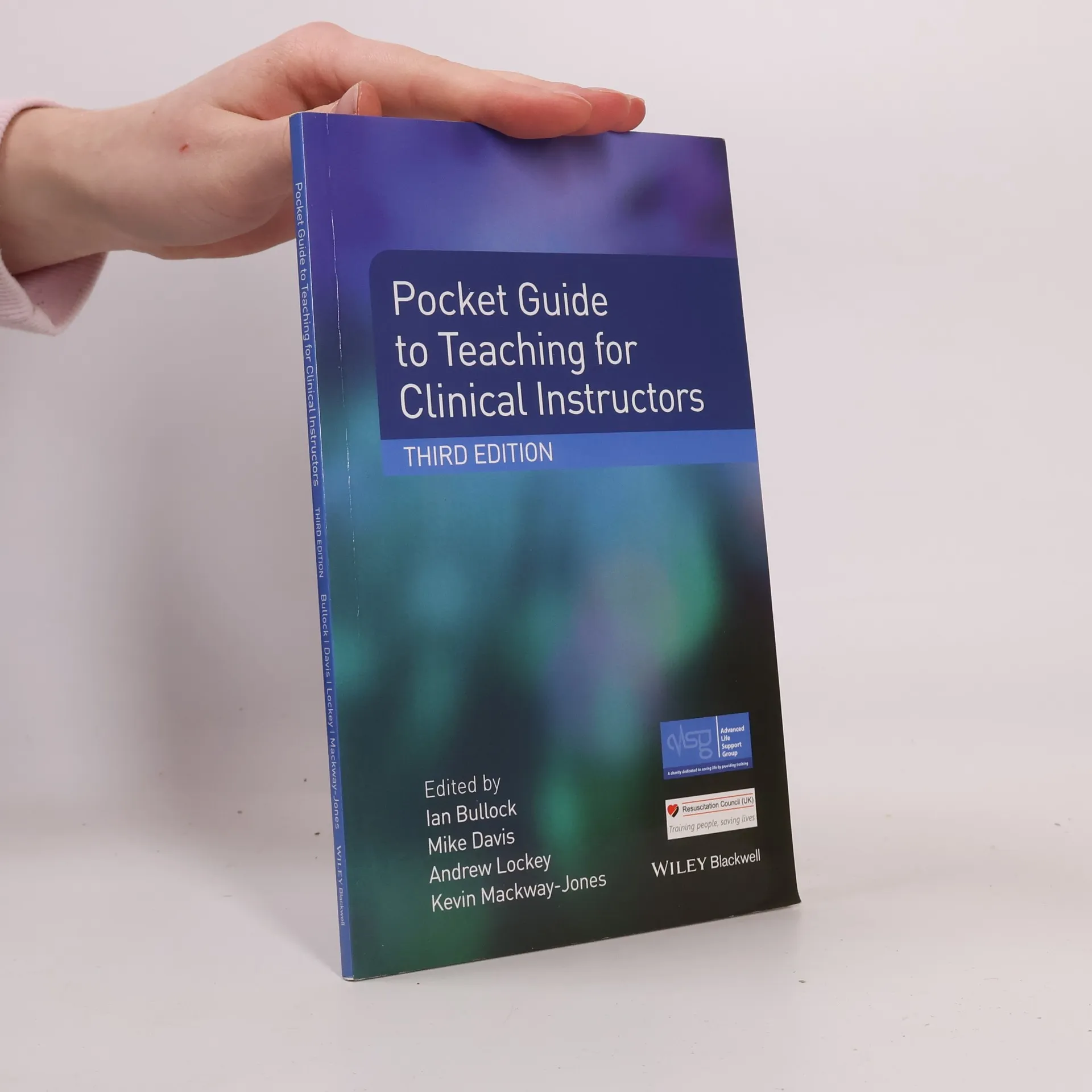
The Pocket Guide to Teaching for Clinical Instructors, 3rd edition, provides a concise introduction to teaching. Written by experienced medical educators from the Advanced Life Support Group and Resuscitation Council (UK), this best-selling guide gives comprehensive and practical advice on the most effective teaching methods.
"From a chorus of bestselling historical fiction writers, a breathtaking book inspired by the day tens of thousands of women marched for the right to vote on October, 23, 1915. Includes an introduction by Kristin Hannah and stories by Lisa Wingate, M. J. Rose, Steve Berry, Paula McLain, Katherine J. Chen, Christina Baker Kline, Jamie Ford, Dolen Perkins-Valdez, Megan Chance, Alyson Richman, Chris Bohjalian, and Fiona Davis."--‡cProvided by publisher.
Exploring the intersection of faith and finance, this book addresses common questions Christians have about wealth and generosity. It challenges traditional views on prosperity, offering insights into how to balance financial success with spiritual values. Readers will find practical guidance on giving, managing wealth, and understanding the role of money in their lives, encouraging a thoughtful approach to financial stewardship within a Christian framework.
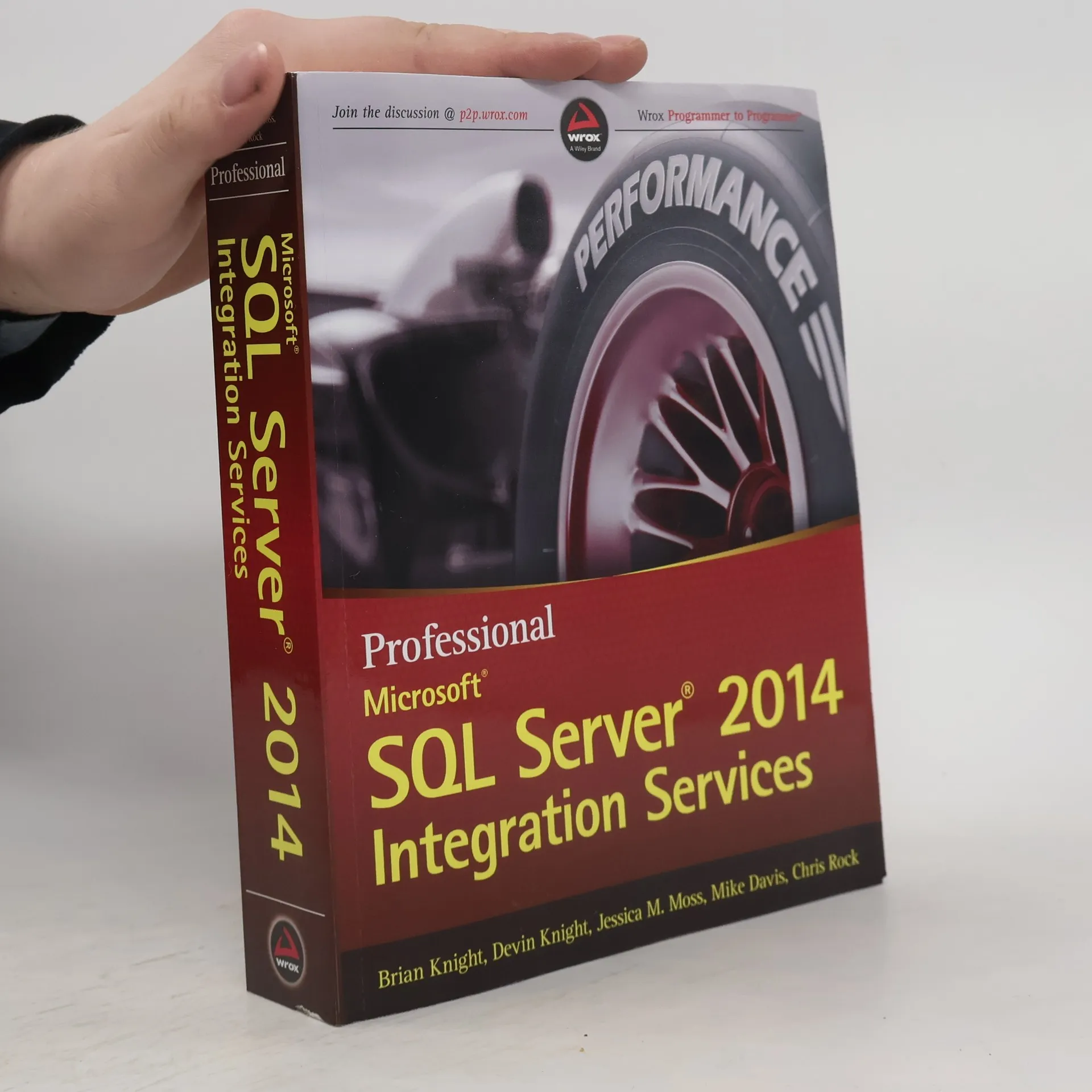
Fill the gap between planning and doing with SSIS 2014. The 2014 release of Microsoft's SQL Server Integration Services introduces enhancements for managing extraction, transformation, and load operations, along with expanded in-memory capabilities, improved disaster recovery, and increased scalability. These advancements will streamline your ETL processes, but adapting your workflow is essential. New tools come with new best practices, and this guide will keep you ahead of the curve. SQL Server MVP Brian Knight, a respected authority in the field, serves as your ultimate guide to navigating the changes and maximizing your use of Microsoft SQL Server Integration Services 2014.
Implement new best practices for effective SSIS use, work through tutorials for hands-on learning of complex techniques, and explore case studies that illustrate advanced concepts. SQL Server Integration Services is a complex but vital tool, and mastering its full potential is crucial for effective use. Ensuring the right architecture is in place is key to your success. This resource is your roadmap to understanding SSIS fundamentally and setting yourself up for success in your projects.
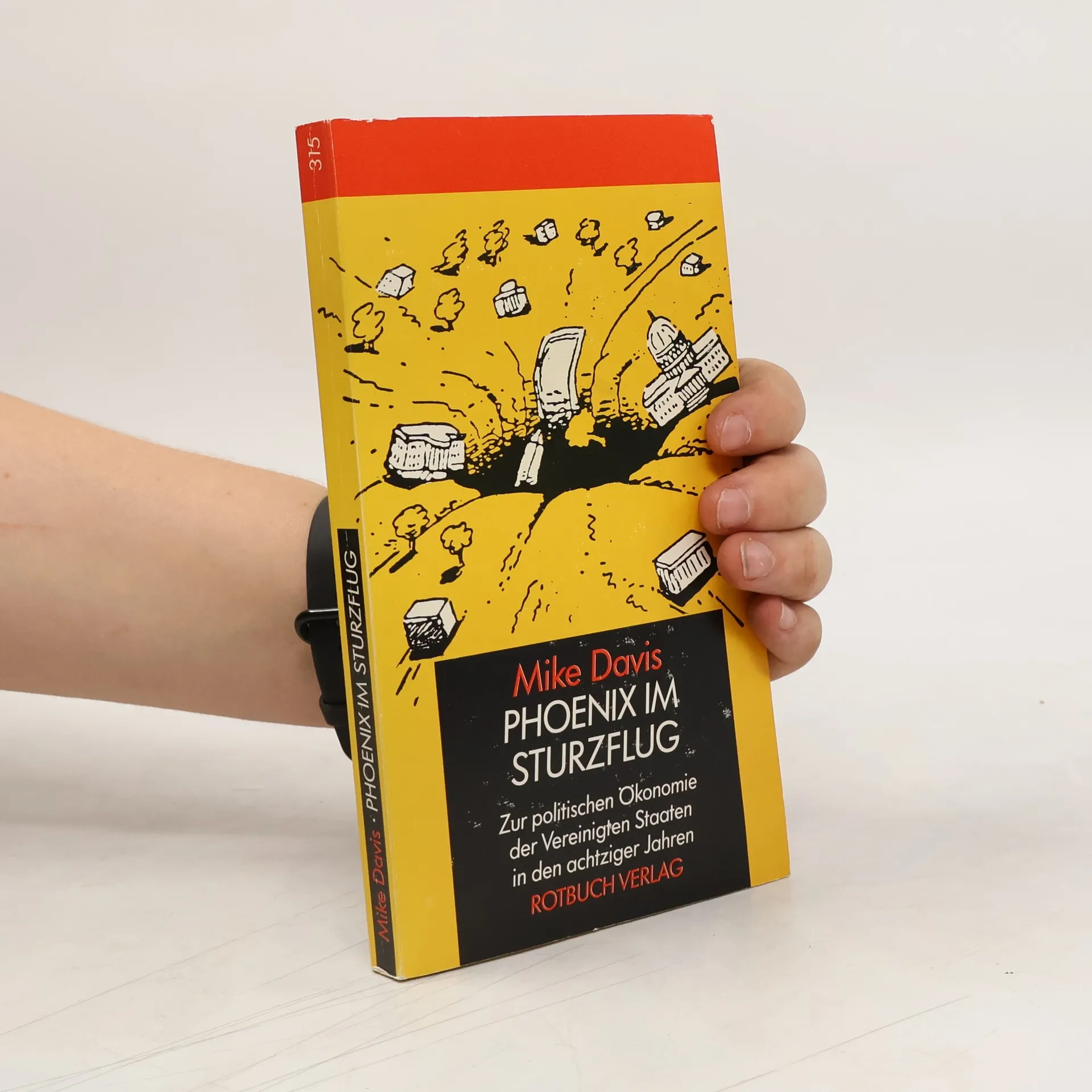
Hungerkatastrophen und Massenvernichtung im imperialistischen Zeitalter
Mike Davis untersucht in seiner politischen Ökologie des Hungers die Zusammenhänge von Weltklima und Weltökonomie im imperialistischen Zeitalter, die zur Entstehung der Dritten Welt führten und bis heute Einfluss haben.
Mike Davis geht in seiner Untersuchung der Frage nach, welche Gefahren im globalen Maßstab durch die Entwicklung und Verbreitung neuer Grippeviren, insbesondere der Vogelgrippe, drohen.
" Pour mortels et dangereux qu'ils soient, les bidonvilles ont devant eux un avenir resplendissant. " Des taudis de Lima aux collines d'ordures de Manille, des bidonvilles marécageux de Lagos à la Vieille Ville de Pékin, on assiste à l'extension exponentielle des mégalopoles du tiers monde, produits d'un exode rural mal maîtrisé. Le big bang de la pauvreté des années 1970 et 1980 dopé par les thérapies de choc imposées par le FMI et la Banque mondiale a ainsi transformé les bidonvilles traditionnels en " mégabidonvilles " tentaculaires, où domine le travail informel, " musée vivant de l'exploitation humaine ". Un milliard de personnes survivent dans les bidonvilles du monde, lieux de reproduction de la misère, à laquelle les gouvernements n'apportent aucune réponse adaptée. Désormais, les habitants mettent en péril leur vie dans des zones dangereuses, instables ou polluées. Parallèlement, la machine impitoyable de la rénovation urbaine condamne des millions d'habitants pauvres au désespoir des sombres espaces périurbains. Bien loin des villes de lumière imaginées par les urbanistes, le monde urbain du XXIe siècle ressemblera de plus en plus à celui du XIXe, avec ses quartiers sordides dépeints par Dickens, Zola ou Gorki. Le pire des mondes possibles explore cette réalité urbaine méconnue et explosive, laissant entrevoir, à l'échelle planétaire, un avenir cauchemardesque.