
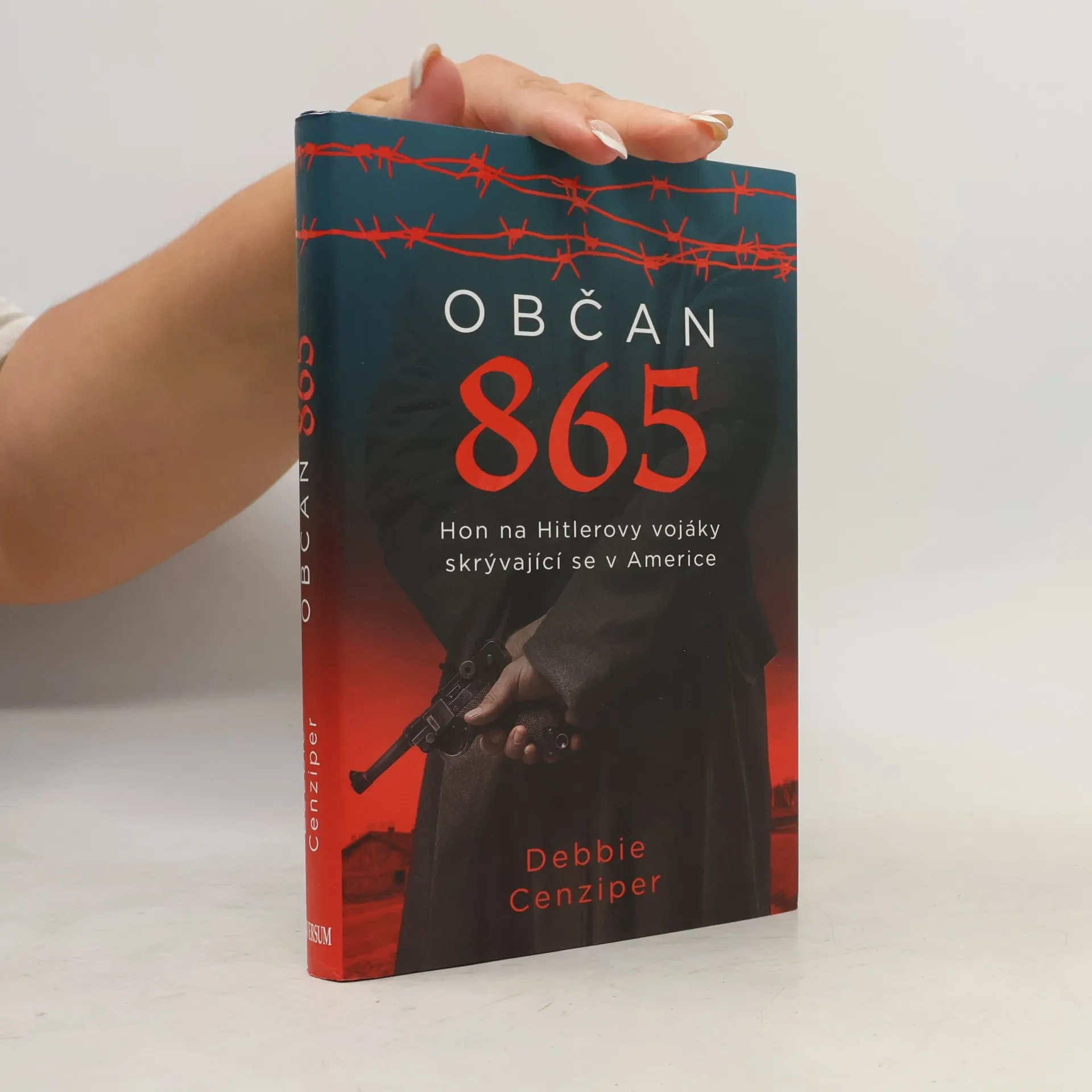
Kniha popisuje obtížné a vleklé úsilí amerického Úřadu pro zvláštní vyšetřování (OSI) najít, zbavit amerického občanství a vyhostit bývalé nacisty a jejich pomocníky, kteří se po válce vloudili do Spojených států a vedli tam poklidný život, aniž by zaplatili za své zločiny. Všichni takoví při žádosti o azyl lhali o své minulosti a v poválečném zmatku bylo nemožné jejich tvrzení ověřit. O nacistické minulosti hlavního „hrdiny“, Ukrajince německého původu Jacka Reimera (Občan 865), se OSI dozvěděl až čtyřicet let po druhé světové válce...
In 1990, in a drafty basement archive in Prague, two American historians made
a startling discovery: a Nazi roster from 1945 that no Western investigator
had ever seen. The long-forgotten document, containing more than 700 names,
helped unravel the details behind the most lethal killing operation in World
War Two. In the tiny Polish village of Trawniki, the SS set up a school for
mass murder and then recruited a roving army of foot soldiers, 5,000 men
strong, to help annihilate the Jewish population of occupied Poland. After the
war, some of these men vanished, making their way to the U.S. and blending
into communities across America. Though they participated in some of the most
unspeakable crimes of the Holocaust, Trawniki Men spent years hiding in plain
sight, their terrible secrets intact. In a story spanning seven decades,
Citizen 865 chronicles the harrowing wartime journeys of two Jewish orphans
from occupied Poland who outran the men of Trawniki and settled in the United
States, only to learn that some of their one-time captors had followed. A
tenacious team of prosecutors and historians pursued these men and, up against
the forces of time and political opposition, battled to the present day to
remove them from U.S. soil. Through insider accounts and research in four
countries, this urgent and powerful narrative provides a front row seat to the
dramatic turn of events that allowed a small group of American Nazi hunters to
hold murderous men accountable for their crimes decades after the war's end.