
Unbekannte Samurai-Texte, die im deutschen Sprachraum noch nicht bekannt sind.
Cunetomo Jamamoto Pořadí knih (chronologicky)
Yamamoto Tsunetomo se po odchodu do světa věnoval samaritánství a zprostředkoval své myšlenky mladšímu samuraji. Jeho moudrost byla zaznamenána a zveřejněna v knize Hagakure. Věří, že v mysli je smrt spojená s životem, což přináší krásu a milost.

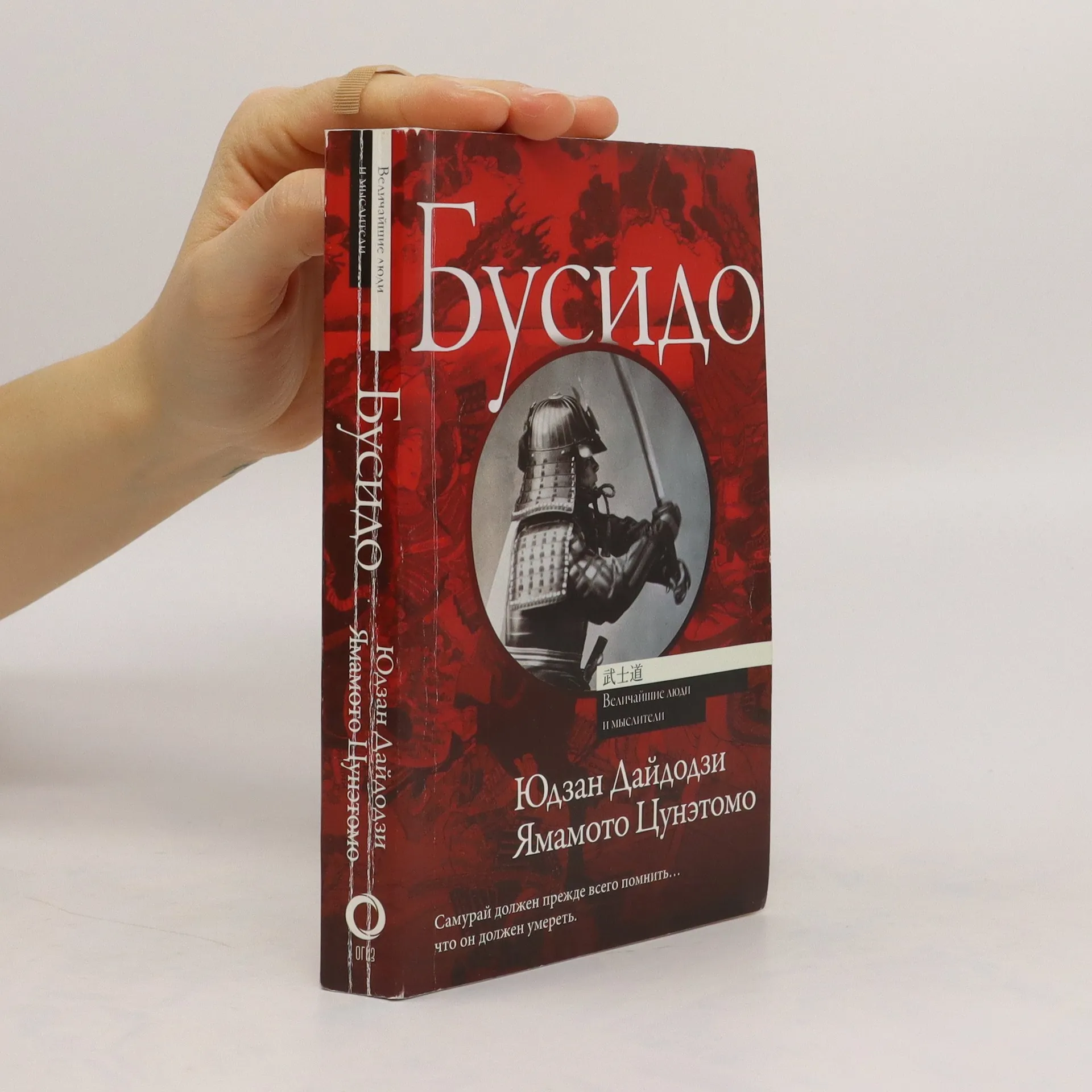

Бусидо (Busido)
- 256 stránek
- 9 hodin čtení
The Pocket Hagakure
- 256 stránek
- 9 hodin čtení
This definitive translation of a seminal treatise on the samurai code explores the essence of living and dying with bravery and honor. Written by eighteenth-century samurai Yamamoto Tsunetomo, the text comprises over 1,300 short passages that illuminate the Japanese concept of bushido (the Way of the Warrior), outlining the expected conduct and values of samurai. Acclaimed translator William Scott Wilson has curated and translated three hundred of these texts, offering an accessible distillation that serves as a profound insight into the samurai's captivating world. This edition features an introduction that examines the Zen concept of muga, or the “death” of the ego, providing a rich historical and philosophical context for a metaphorical interpretation of Tsunetomo’s reference to bushido as “the Way of death.” This perspective adds a fresh and nuanced appeal to the classic, which has intrigued readers over the years. Previously published under a different title, this work is part of the Shambhala Pocket Library series, a collection of short teachings from notable figures across various traditions. The series, featuring covers by Colorado artist Robert Spellman, distills decades of wisdom from Shambhala Publications into a compact, collectible format that is both reader-friendly and applicable to everyday life.
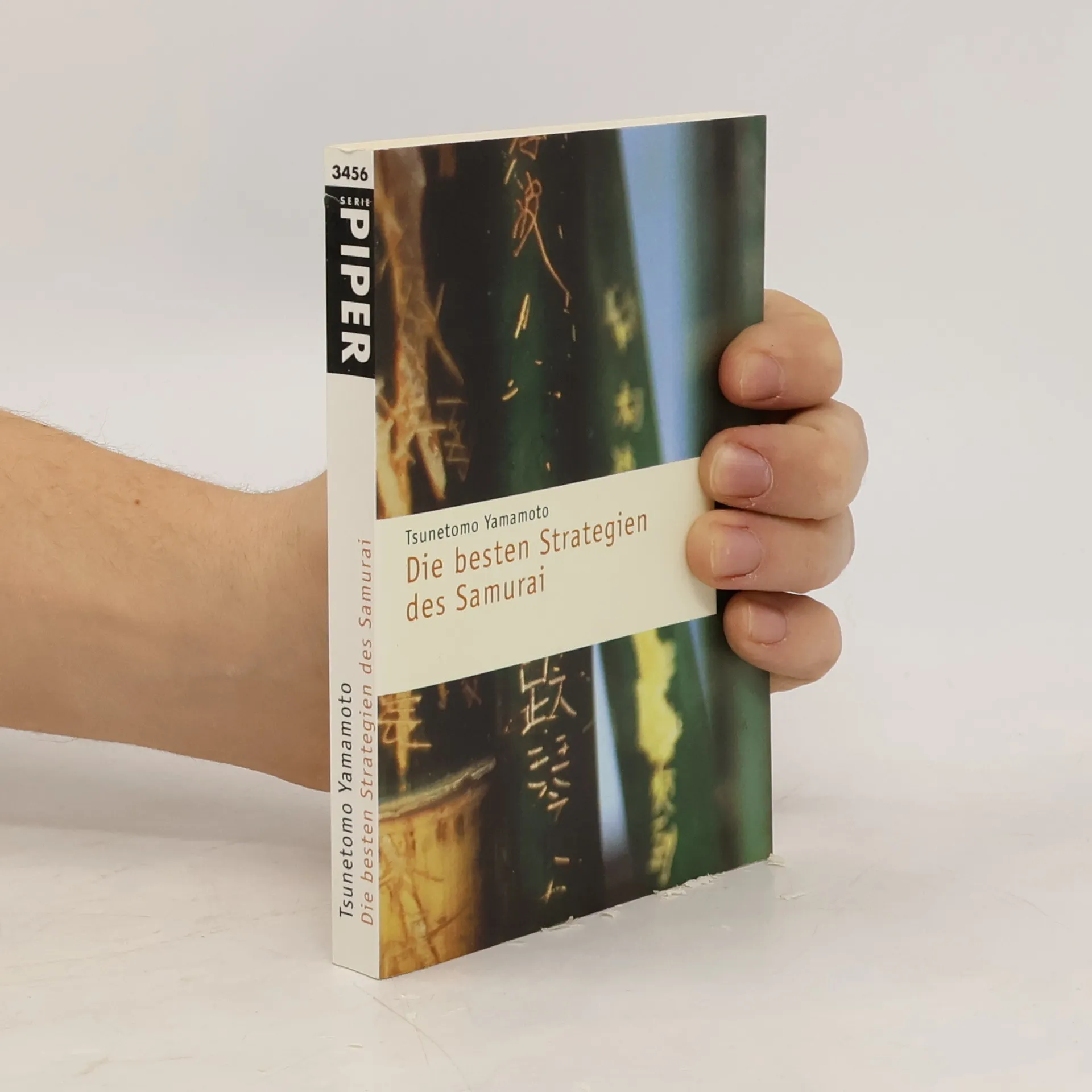
Das »Hagakure« ist einer der einflussreichsten japanischen Texte überhaupt. Vor über 300 Jahren diktierte Tsunetomo Yamamoto seinen Schülern diese Lektionen, um den Ehrenkodex und die Kultur der Samurai hochzuhalten. Auf seiner Überlieferung des »Bushido« beruht der Großteil unseres Verständnisses dieser alten Kriegerkultur. Diese Ausgabe enthält die ersten beiden Bücher vollständig und ausgewählte Auszüge aus dem dritten Buch. Zahlreiche Erläuterungen machen den Originaltext leicht zugänglich. Der essenzielle Begleiter für Kampfsport-Enthusiasten und jeden, der vom alten Japan fasziniert ist.
Hagakure. Moudrost samuraje z kraje Saga
- 103 stránek
- 4 hodiny čtení
Hagakure (skrytý v listí) je text, který vznikl na začátku 18. století v Japonsku.Text nadiktoval samuraj Cunemoto Jamamoto jako reflexi budhistickeho mnicha, kterým se stal po smrti představeného klanu Nabešima. Myšlenkový základ pro filosofii Hagakure tvoří Cunetomovo studium názorů dvou učenců. Prvním byl zenbuddhistický kněz Tannen, člověk nezlomných zásad a vůle, jenž se vzdal funkce hlavního kněze ve významném chrámu rodu Nabešima na protest proti rozsudku smrti nad jedním knězem. Dalším člověkem, který měl v tomto i pozdějším období na Cunetoma zásadní vliv, byl konfuciánský učenec Ittei Išida, jenž v kraji Saga proslul svou upřímností a zásadovostí.
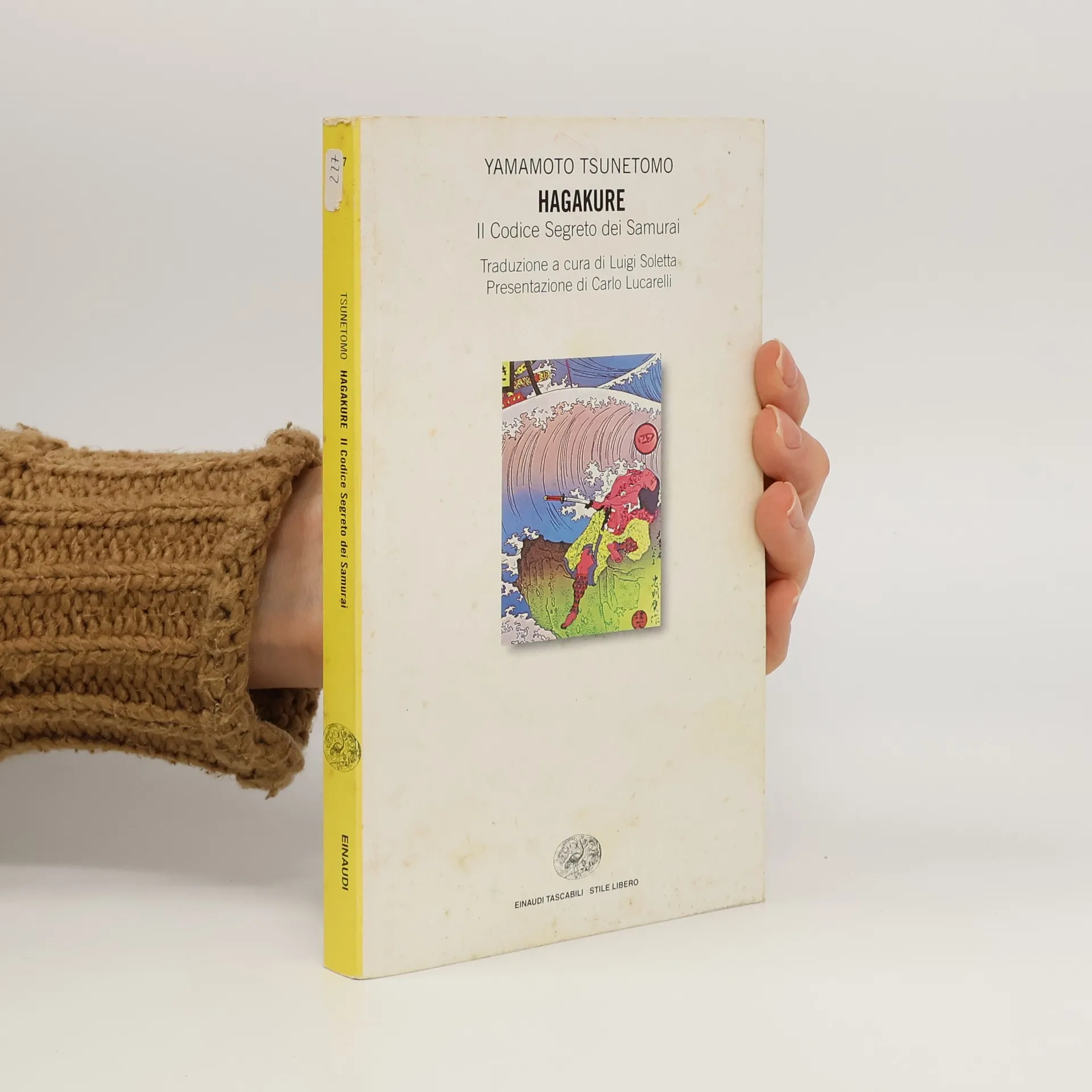
Hagakure: Il Codice Segreto dei Samurai
- 209 stránek
- 8 hodin čtení
Bushido : the way of the samurai
- 109 stránek
- 4 hodiny čtení
Presents a translation of Tsunetomo Yamamoto's "Hagakure," which formed the basis of behavior, values, and etiquette for samurai warriors.
Die besten Strategien des Samurai
- 127 stránek
- 5 hodin čtení
Hagakure (skrytý v listí) je text, který vznikl na začátku 18. století v Japonsku. Autorem titulu Hagakure s podnázvem Kniha samuraje je Cunetomo Jamamoto - samuraj klanu Nabešima z kraje Saga, jenž se v roce 1700 nechal vysvětit na kněze, přijal mnišské jméno Gijokuzan Džóšó a poté se uchýlil do poustevny nedaleko hradu Saga na ostrově Kjúšú, kde vzniklo i jeho Hagakure. Do ústraní odešel z toho důvodu, že po smrti svého pána Micušige Nabešimy (1632-1700; třetího daimjóa neboli lenního pána ze Saga) nemohl spáchat obřadnou sebevraždu, jelikož v 60. letech sedmnáctého století byl tento zvyk v celém tokugawském šógunátu zakázán.


