Tato autorka je známá svými humornými a často absurdními romány, které srovnávají mytologické postavy s moderním světem. Její styl je hravý a plný nečekaných zvratů, což čtenářům přináší osvěžující pohled na klasické příběhy. Věnuje se také psaní pro rozhlas a často zkoumá témata identity a hranic mezi fikcí a realitou. Její dílo je ideální pro ty, kteří ocení literární vtip a originální přístup k vyprávění.
The alarming dropout rates among 6-12 grade students highlight a critical issue in public education, with around 2 million students leaving high school annually. This staggering statistic translates to one dropout every 26 seconds, resulting in over 7,000 students each day. The consequences of not graduating are severe, leading to increased risks of unemployment, homelessness, and involvement in the criminal justice system. Addressing these challenges is crucial for improving educational outcomes and ensuring a better future for students.
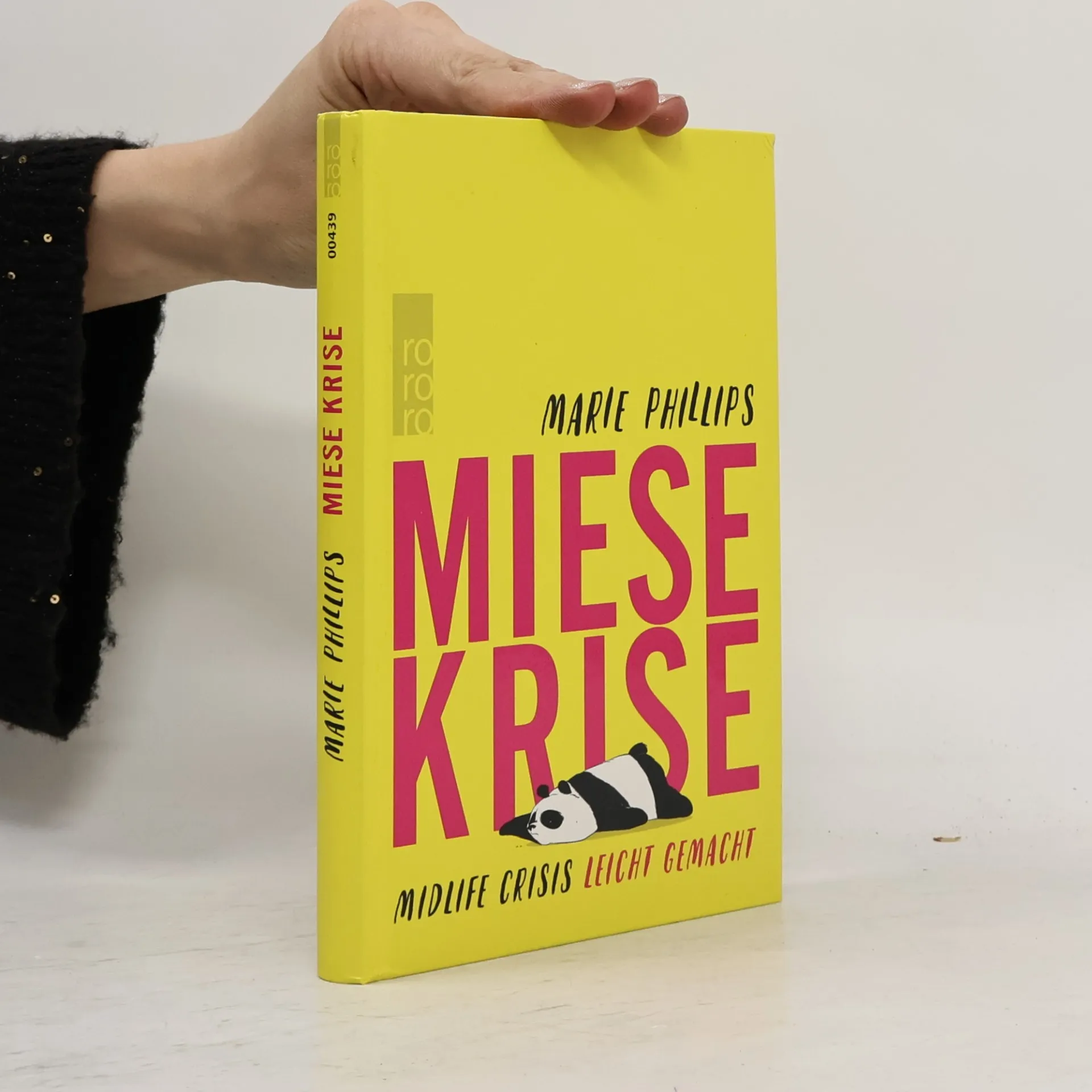
In "Dein Leben ist kein Ponyhof?" kannst du 155 Entscheidungen treffen, um aus deiner Lebenskrise auszubrechen. Fordere deine Chefin heraus, verlasse das Büro, lass dir ein Tattoo stechen oder plane eine Scheidung. Du bestimmst, wie es weitergeht – risikofrei und ohne Nebenwirkungen!
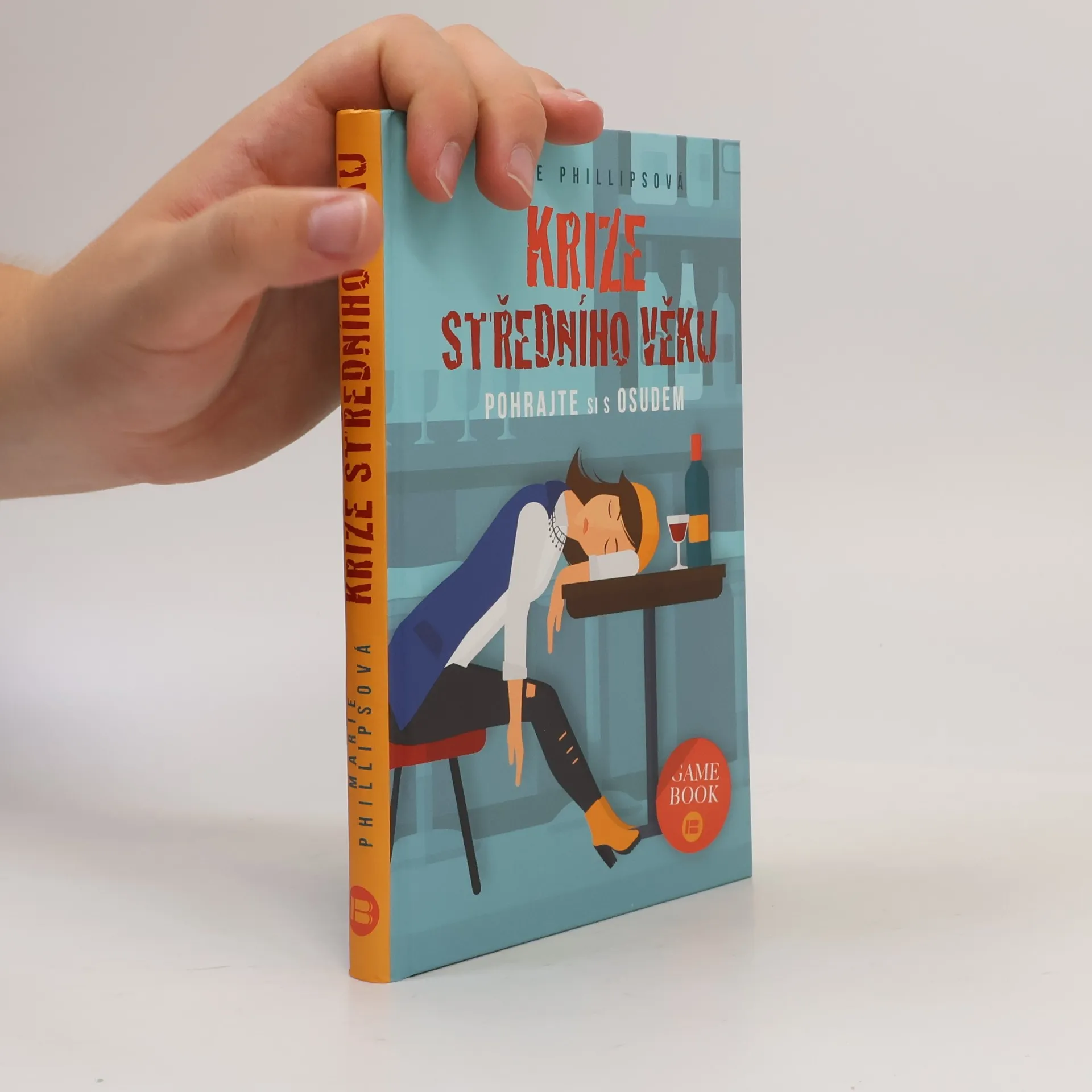
Humorný gamebook, v němž se sami můžete rozhodnout, jak bude vypadat vaše vlastní krize středního věku. V každé z popsaných situací máte na výběr, jak pokračovat, a podle toho si zvolíte další stránku svého příběhu. Všechny možné varianty v této knize jsou nesmírně zábavné a „hra“ rozhodně přispěje ke zlepšení nálady nejen těm, kdo procházejí krizí středního věku nebo jsou o tom alespoň přesvědčeni.
Dura la vita per gli dei dell'Olimpo nel Ventunesimo secolo. Ridotti a un manipolo di sfaccendati, vivono in una grande casa ormai fatiscente a Hampstead Heath, a Londra. Di Zeus ed Era, confinati al terzo piano, non si sa più nulla da decenni. Ares, il dio della guerra, è l'unico a cui il lavoro non manca mai, mentre Artemide fa la dog-sitter, la splendida Afrodite lavora per una chat-line erotica, Dioniso ha aperto un night club, Eros è diventato cattolico praticante, Apollo cerca la fama in televisione e per vincere la noia va in giro a fare dispetti alle mortali... A spezzare la monotonia di queste grigie e immortali esistenze, entra in scena Alice, una ragazza dolce e onesta quanto ingenua, che bussa alla loro porta per offrirsi come donna delle pulizie (di cui la casa ha più che mai bisogno). Complice una freccia di Eros, Apollo si innamora perdutamente di lei, che però è già fidanzata, o quasi, con Neil, un ingegnere timido e un po' imbranato. Ma il dio del sole non si rassegna a essere rifiutato da una mortale: la sua reazione finirà per scatenare una serie di eventi drammatici, trasformando il divertente romanzo di Marie Phillips in una storia d'amore avventurosa e tenera, sulla scia del mito di Orfeo ed Euridice.
Being immortal isn't all it's cracked up to be. Life's hard for a Greek god in the 21st century: nobody believes in you any more, even your own family doesn't respect you, and you're stuck in a delapidated hovel in north London with too many siblings and not enough hot water. But for Artemis (goddess of hunting, professional dog walker), Aphrodite (goddess of beauty, telephone sex operator) and Apollo (god of the sun, TV psychic) there's no way out... Until a meek cleaner and her would-be boyfriend come into their lives, and turn the world literally upside down. Gods Behaving Badly is that rare thing, a charming, funny, utterly original first novel that satisfies the head and the heart.
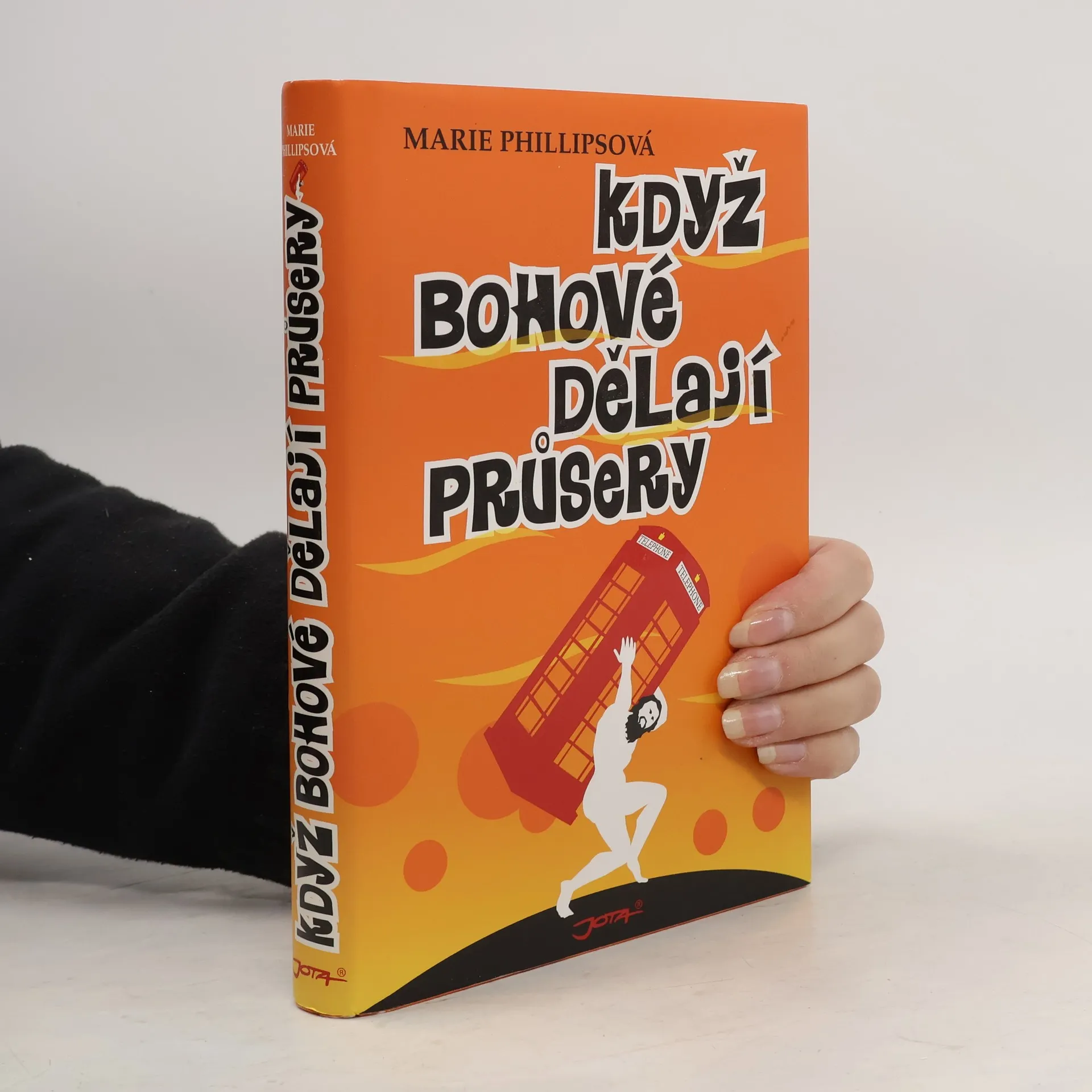
První román této anglické autorky. Jako hrdiny své prvotiny si vybrala nikoho menšího než řecké bohy - a jejich současné životy umístila do dnešního Londýna. Celkem 12 bohů žije v jednom londýnském domě a díky své nesmrtelnosti se trochu - trochu dost - nudí. Nestačí jim, že bohyně lásky Afrodita pracuje na erotické telefonní lince, bůh vína Dionýsos vlastní noční klub s výborným vínem a bůh slunce Apollon se snaží uchytit v televizní reality show...Na konci knihy najdete ještě malý rejstřík řeckých božstev. Přeložila Jaroslava Novotná.