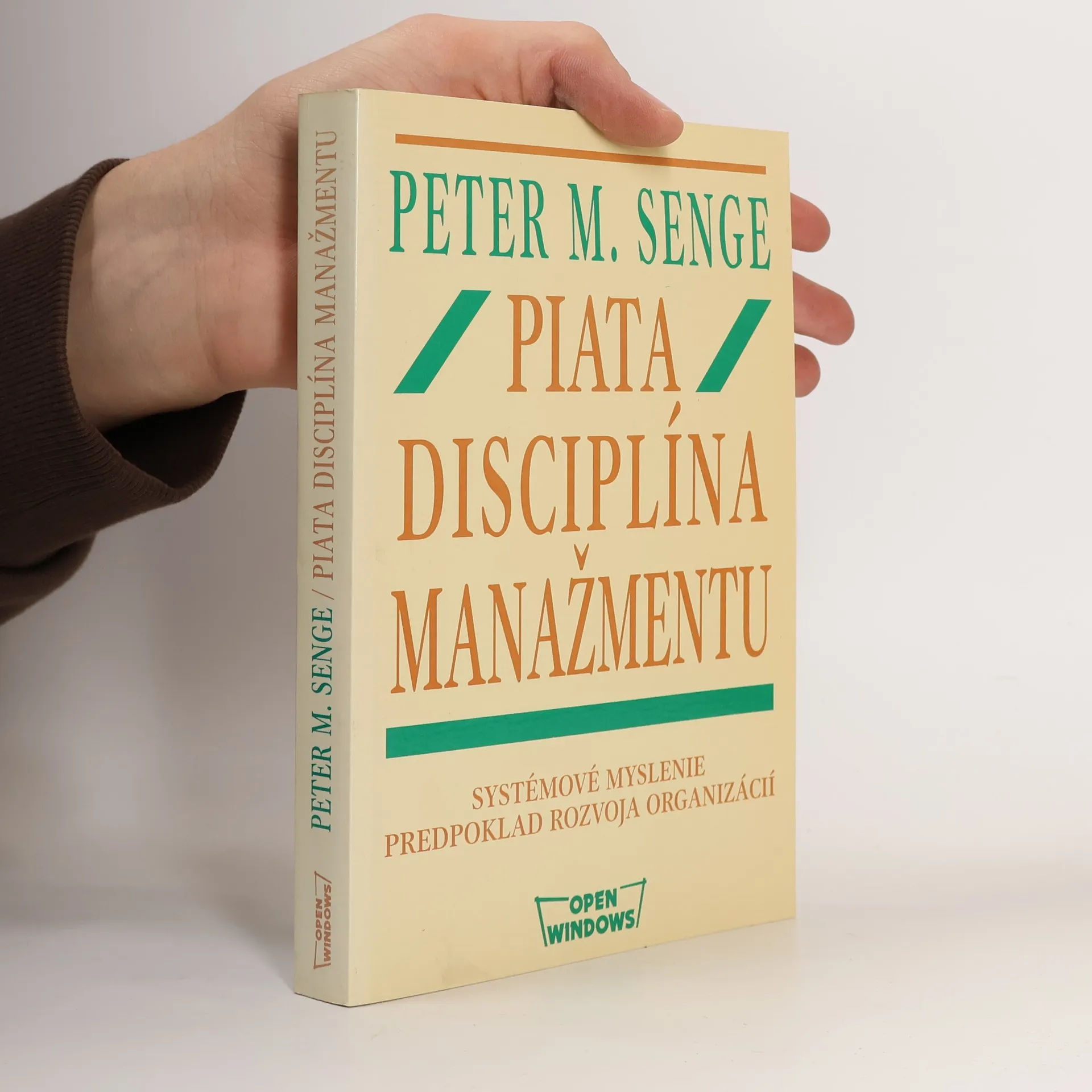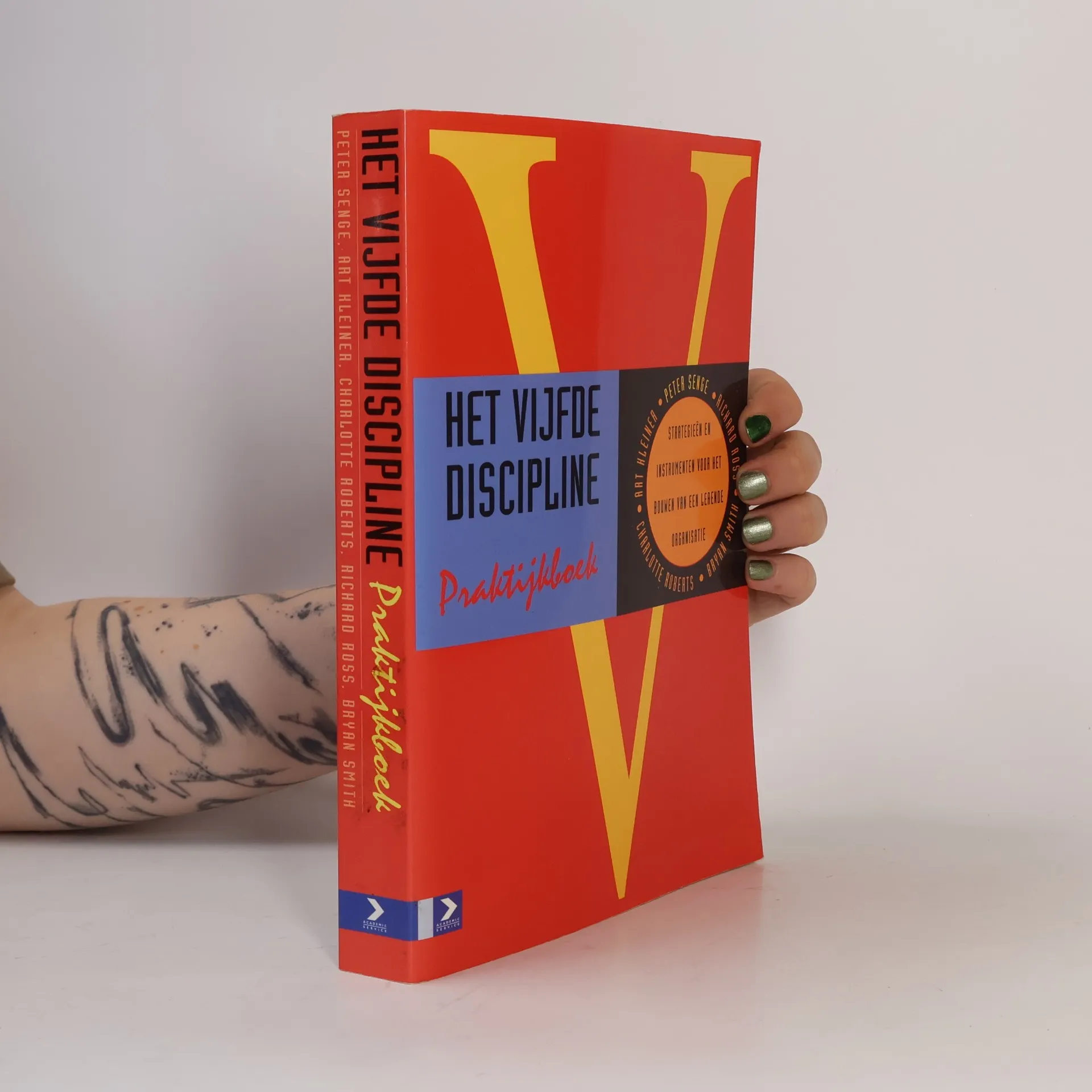
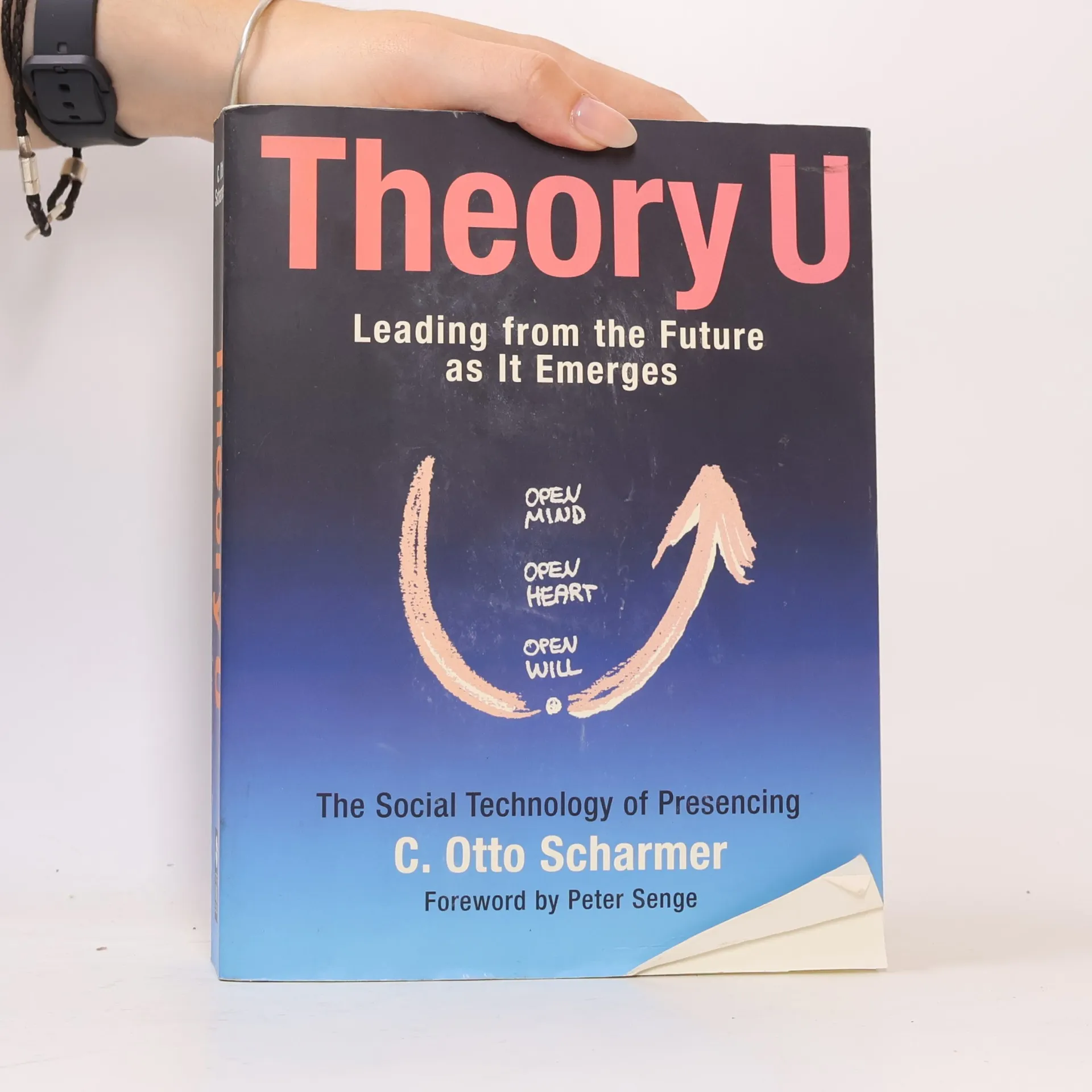
Peter Senge is recognized for his work in systems thinking and organizational learning. He explores how individuals and institutions can foster adaptive growth through interconnected development. His approach emphasizes understanding complex systems and cultivating a learning culture.
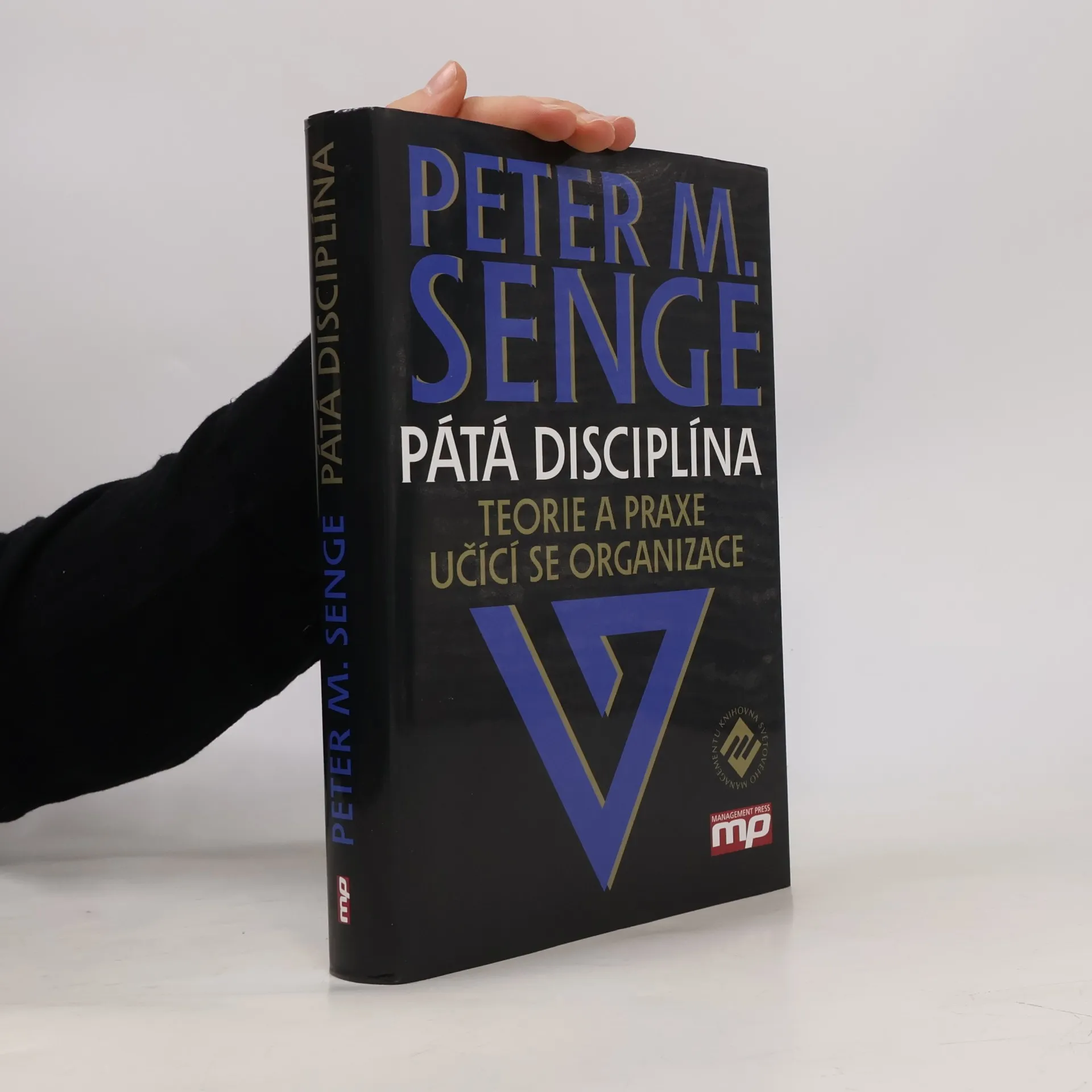
Autor v aktualizovaném vydání své proslulé knihy dokládá, že jedinou konkurenční výhodou, kterou může organizace získat, je schopnost učit se rychleji než druhé, a nastiňuje strategie učící se organizace, které rozvíjejí schopnost lidí dosahovat výsledků, na nichž jim skutečně záleží.
How Robert K. Greenleaf's Theory of Servant-Leadership Influenced Today's Top Management Thinkers
368 stránek
13 hodin čtení
The essay "The Servant as Leader" by Bob Greenleaf stands out as a profound statement on leadership, offering insights that resonate deeply amidst a plethora of managerial literature. Peter M. Senge emphasizes its significance, urging serious leaders to engage with Greenleaf's ideas rather than other conventional texts. Max DePree highlights the growing momentum for enlightened leadership across various sectors, noting the scarcity of quality resources that address the values driving this movement. He considers the book a valuable gift for those who prioritize their responsibilities and relationships.
M. Scott Peck shares examples of businesses that successfully utilized servant-leadership during crises, only to abandon these practices once challenges subsided. He points to the difficulty of embedding these principles into organizational culture. Jim Kouzes praises Greenleaf's legacy, asserting that true leaders recognize the power of purpose over position. Peter Block acknowledges Greenleaf's influence in integrating spirit and values into the workplace, ensuring his ideas remain relevant for future leaders.
Over the past twenty-five years, Greenleaf's vision of servant-leadership has significantly impacted management theory, portraying leaders as those who empower others. This collection features key essays by Greenleaf and prominent thinkers like Peck and Senge, exploring the ethical use of power and the transformative po
A new edition - revised and updated with over 100 pages of new material - of
the groundbreaking book that brings the principles of organizational learning
to today's schools and classrooms.
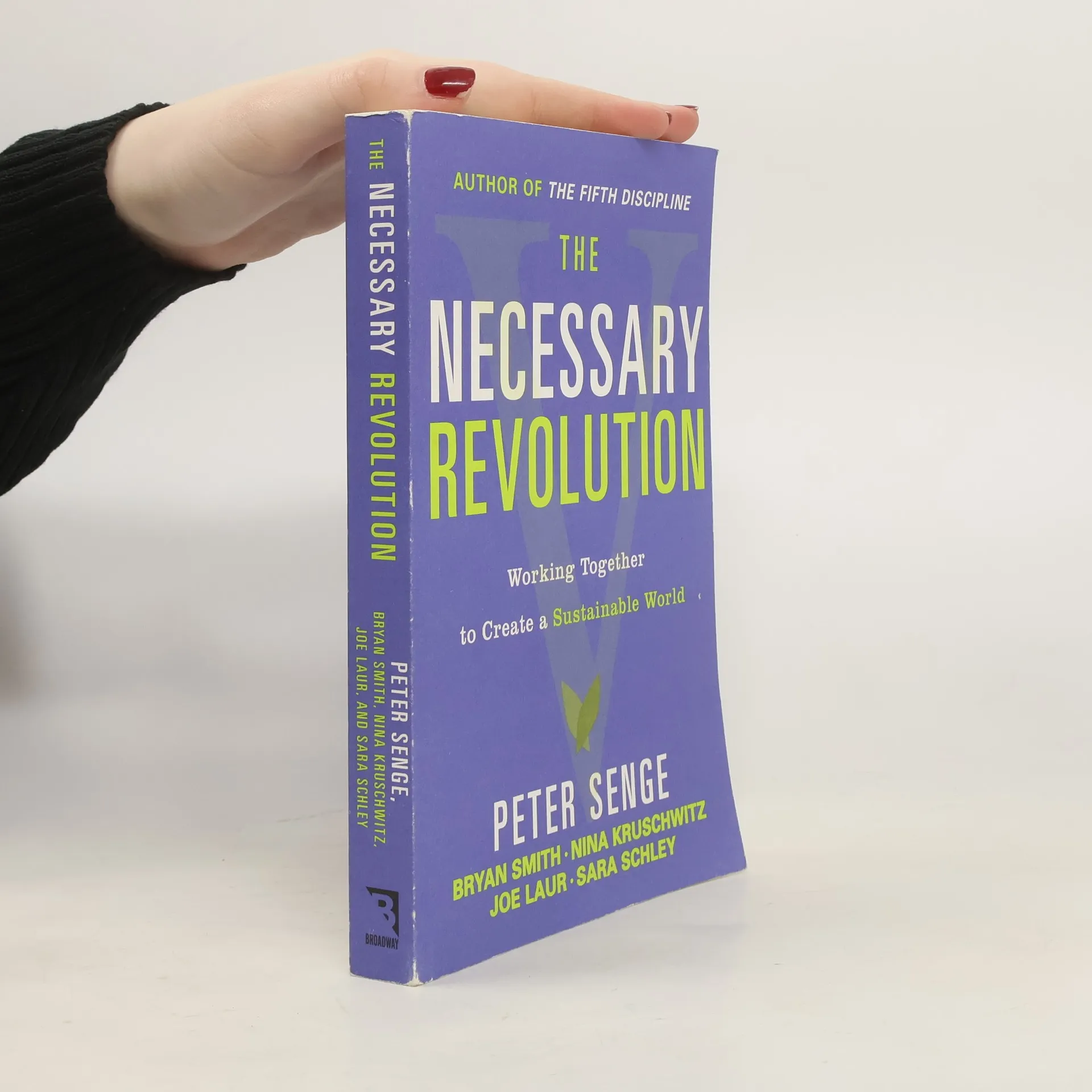
"Imagine a world in which the excess energy from one business would be used to heat another. Where buildings need less and less energy around the world, and where "regenerative" commercial buildings - ones that create more energy than they use - are being designed. A world in which environmentally sound products and processes would be more cost-effective than wasteful ones. Now, stop imagining - that world is already emerging. A revolution is underway in today's organisations. As the authors reveal in "The Necessary Revolution", companies around the world are boldly leading the change from dead-end, business-as-usual tactics to transformative strategies that are essential for creating a flourishing, sustainable world. There is a long way to go, but the era of denial has ended. Today's most innovative leaders are recognising that for the sake of our companies and our world, we must implement revolutionary - not just incremental - changes in the way we live and work"--Dust jacket.
Sparked by a conversation about the lack of moral and ethical standards at high levels, Jaworski's classic tale provides an inspirational yet practical guide to developing the most essential leadership capacity for our time.
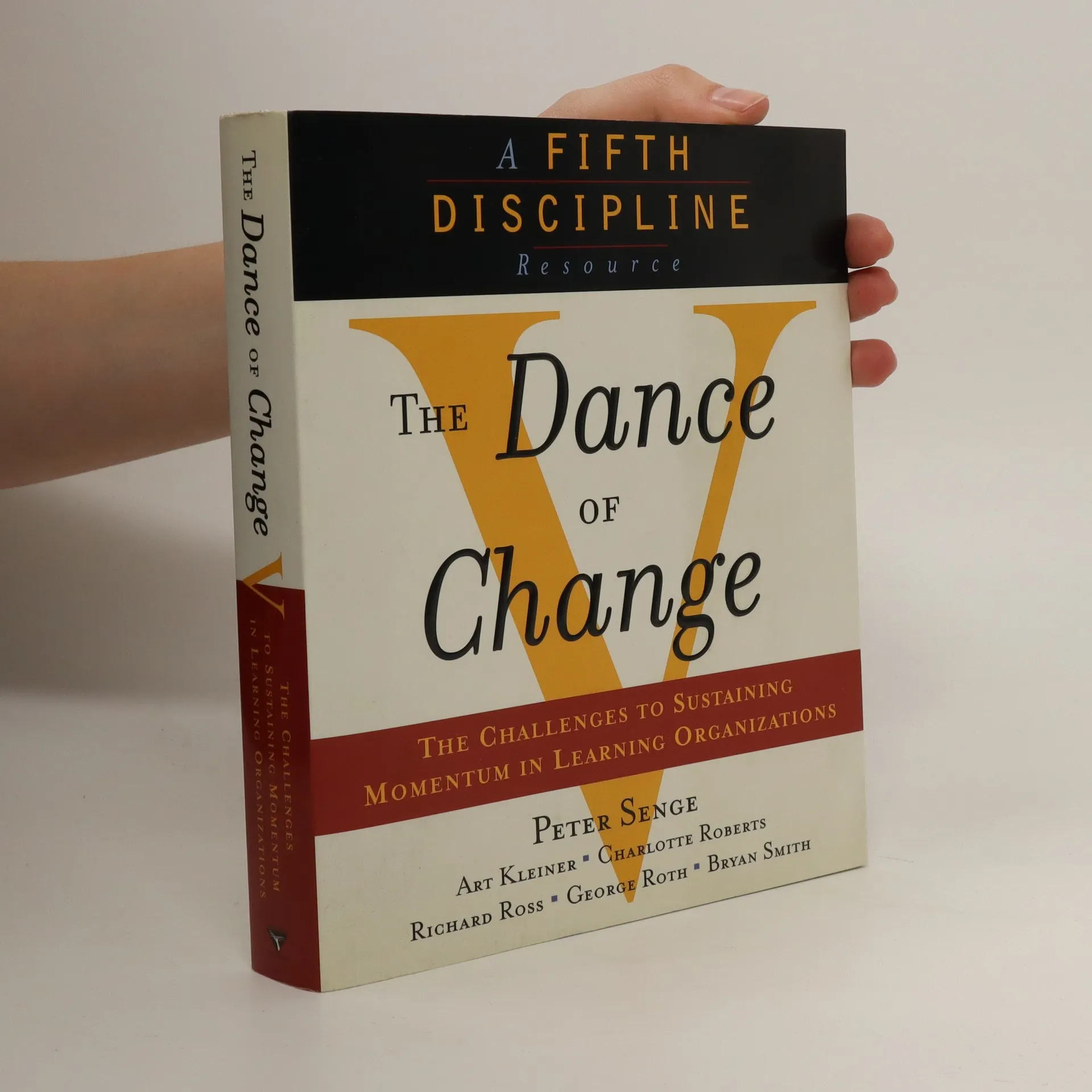
The team that wrote the Fifth Discipline Fieldbook--which showed business how to build learning organizations--now explains how to sustain organizational change to produce long-term results
Companies around the world are boldly leading the change from dead-end business as usual tactics to transformative strategies that are essential for creating a flourishing, sustainable world. Innovative leaders are recognizing that for the sake of our companies and our world, we must implement revolutionary, not just incremental, changes in the way we live and work. Reveals how ordinary people at every level are transforming their businesses and communities. By working collaboratively across boundaries, they are exploring and putting into place unprecedented solutions that move beyond just being less bad to creating pathways that will enable us to flourish in an increasingly interdependent world. From publisher description
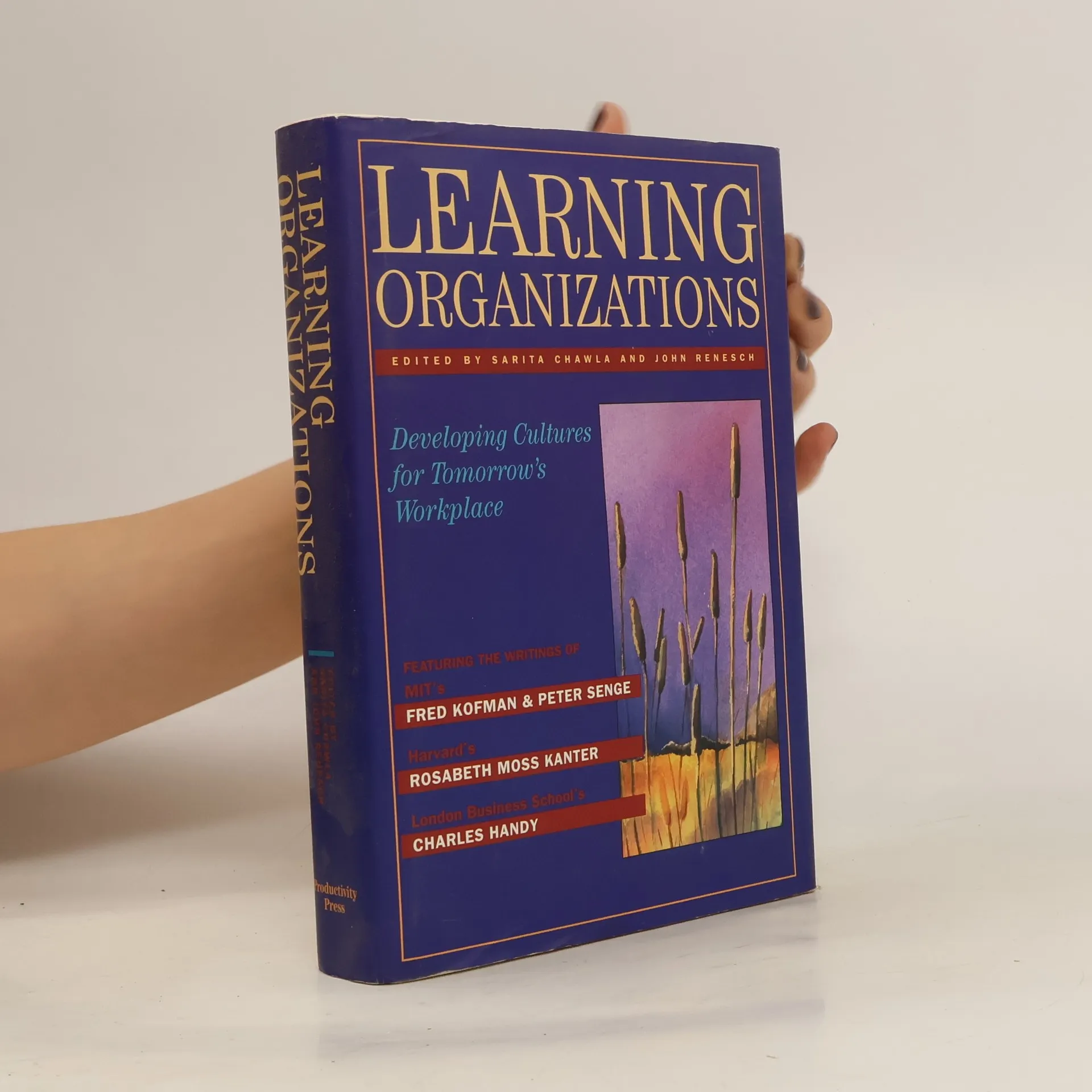
What is a learning organization? What are the advantages of creating one? Why should a company want to become a learning organization? Where does one start? Learning Developing Cultures for Tomorrow's Workplace contains essays by thirty-nine of the most respected practitioners and scholars of this topic. This definitive collection of essays is rich in concept and theory as well as application and example. Lead authors include Harvard's Rosabeth Moss Kanter, London Business School's Professor Emeritus Charles Handy, and MlT's Fred Kofman and Peter Senge. The thirty-two essays in this comprehensive collection are presented in four main 1. Guiding Ideas 2. Theories/Methods/Processes 3. Infrastructure 4. Arenas of Practice
The Art & Practice of the Learning Organization - Revised and Updated with 100 New Pages
464 stránek
17 hodin čtení
This revised edition of Peter Senge’s classic is based on fifteen years of practical application of its ideas. Senge emphasizes that the only sustainable competitive advantage is an organization’s ability to learn faster than its competitors. The leadership stories illustrate how the core concepts, once considered radical, have become integral to managerial practices. Senge explains how organizations can overcome learning “disabilities” that hinder productivity by embracing strategies of learning organizations, where expansive thinking is encouraged, collective aspirations are unleashed, and continuous learning is prioritized. This updated edition includes over one hundred pages of new material from interviews with practitioners at major companies and organizations like BP, Unilever, Intel, and Oxfam. It features a new Foreword reflecting on Senge’s success with learning organizations and new chapters covering topics such as getting started, strategies, the evolving role of leaders, systems thinking, and future challenges. Mastering the disciplines outlined will reignite genuine learning focused on what truly matters, enhance teamwork and creativity, liberate from limiting assumptions, improve perspective, and harmonize work with personal life.