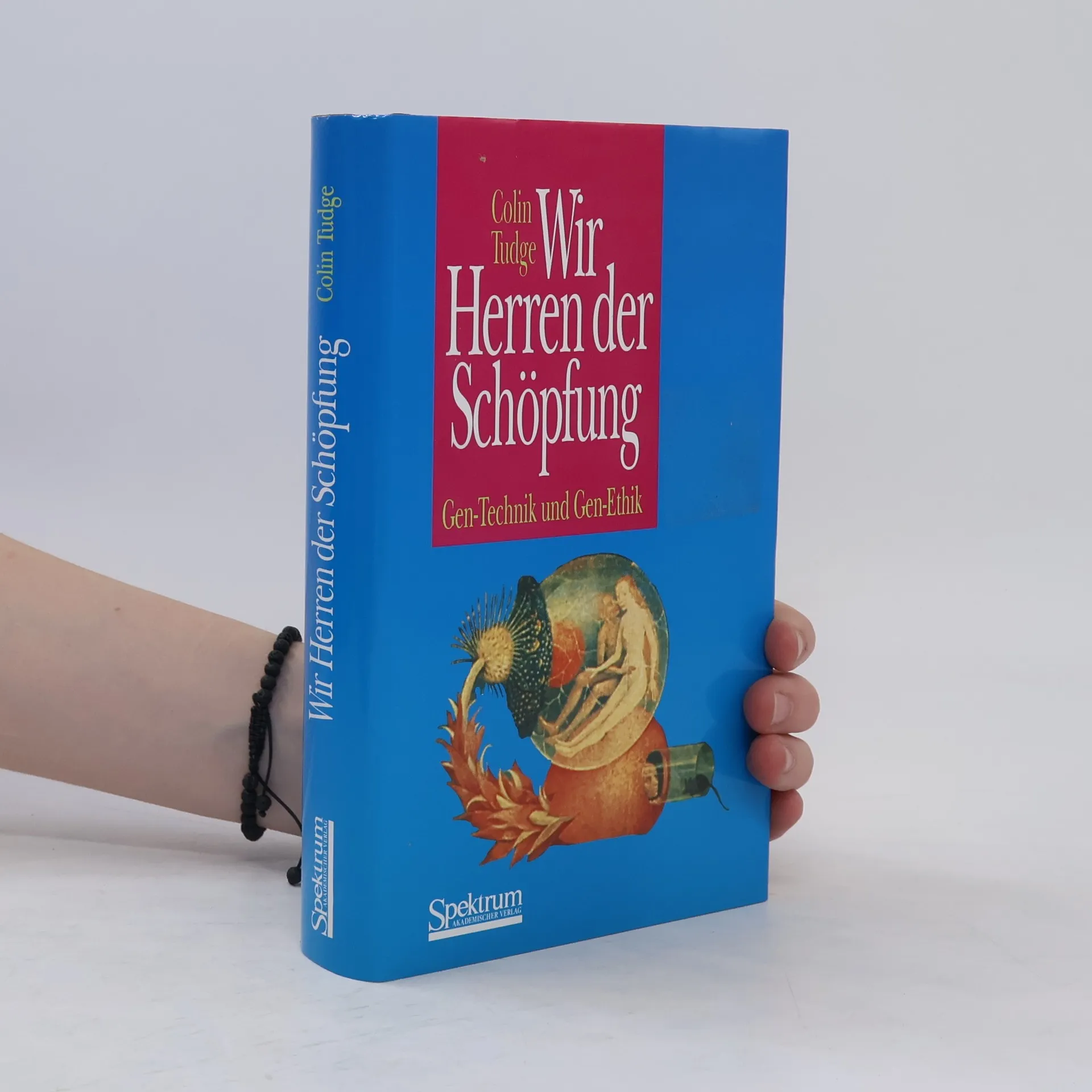
The Bird
- 462 stránek
- 17 hodin čtení
In this follow-up to his acclaimed work The Tree, Tudge offers a delightful exploration of the fascinating world of birds. b&w illustrations throughout.


Colin Tudge se specializuje na přírodní historii, evoluci, genetiku, jídlo a zemědělství. Hluboce se také zabývá filozofií, zejména morální filozofií, filozofií vědy a vztahem mezi vědou a náboženstvím. Svou práci často obohacuje o své zkušenosti z rozhlasu a psaní, které využívá k prozkoumání těchto složitých témat. Jeho psaní je ceněno pro svou hloubku a multidisciplinární přístup.


In this follow-up to his acclaimed work The Tree, Tudge offers a delightful exploration of the fascinating world of birds. b&w illustrations throughout.
What is a tree? As this celebration of the trees shows, they are our countryside; our ancestors descended from them; they gave us air to breathe. This title explores the hidden role of trees in our everyday lives - and how our future survival depends on them.
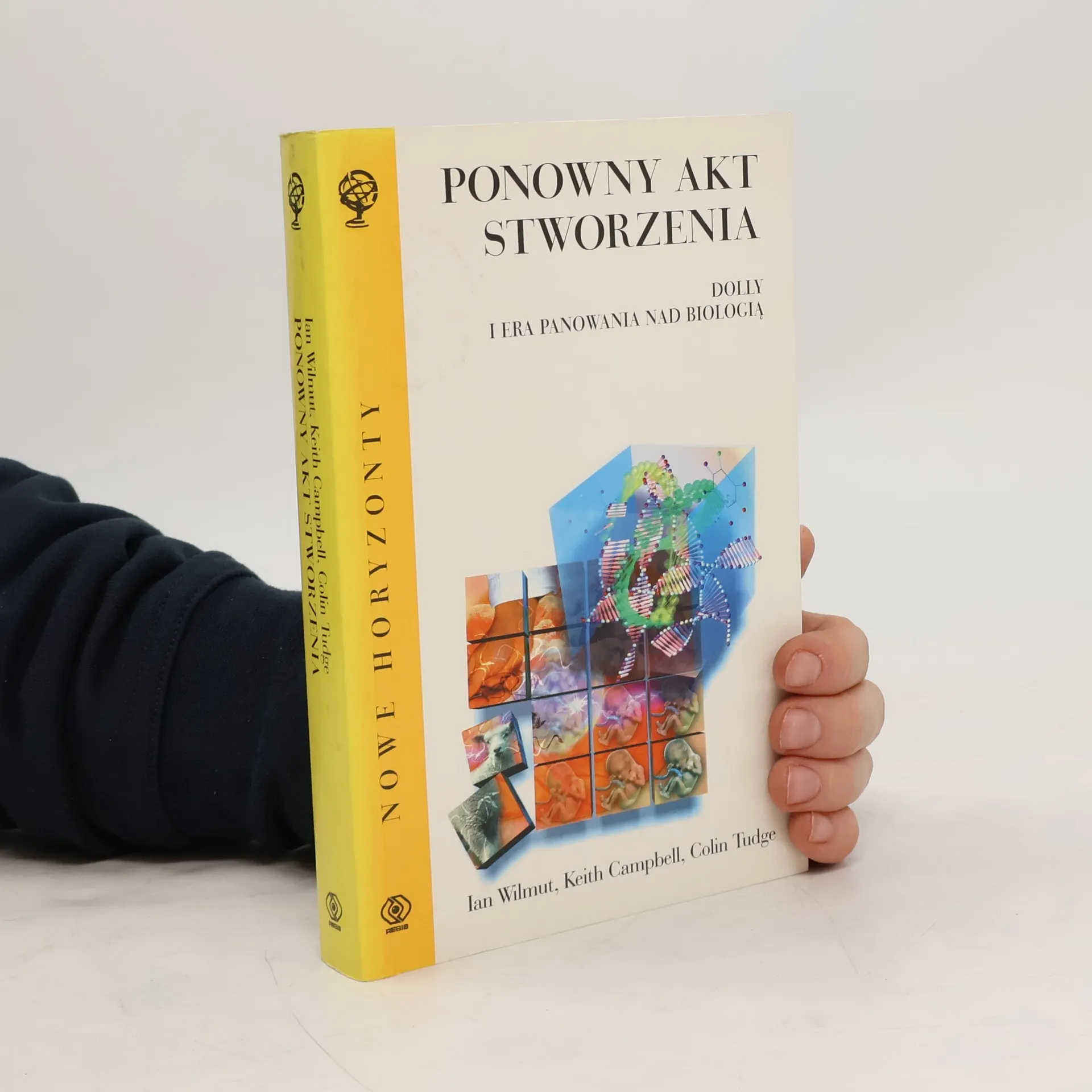
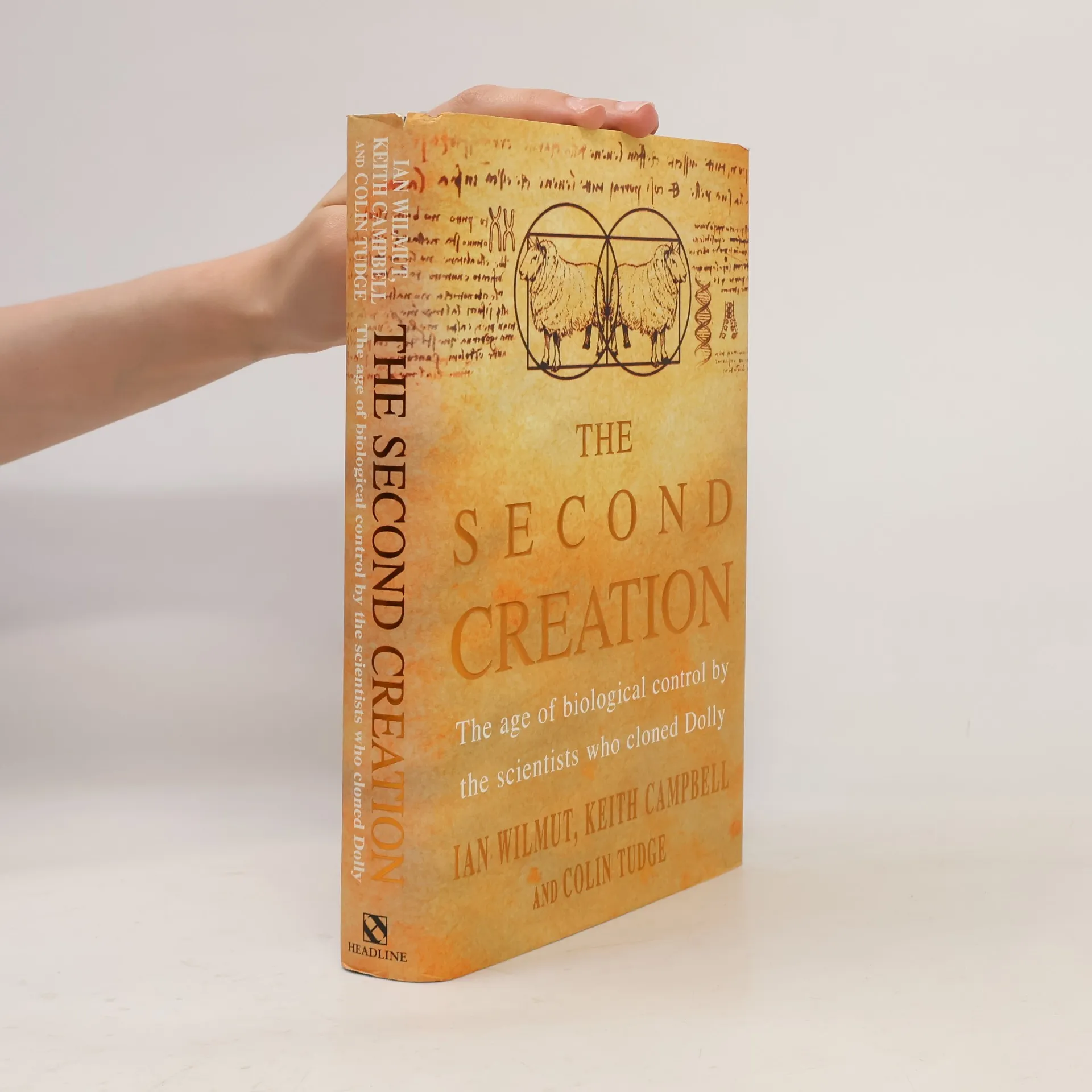
The Age of Biological Control by the Scientists Who Cloned Dolly
This text considers and explains the history of cloning, the scientific reasons behind cloning research and the huge ethical issues raised by such investigation and exploitation. The authors discuss what cloning's future might be.
Everyone who is ever likely to be born on to this planet could be fed to the highest standards of nutrition and gastonomy -- and this could be done without cruelty, or destroying our fellow creatures. By 2050 we will need to feed 9.5 billion people -- which is as big as the world population is ever likely to get. To achieve this we need only to design farming expressly for the purpose -- what in this book called "Enlightened Agriculture".
Im Hochsicherheitsdepot eines der führenden Museen der Welt befindet sich ein aufsehenerregender Fund, womöglich die bedeutendste wissenschaftliche Entdeckung der letzten Jahre. Bis vor kurzem wussten weniger als ein Dutzend Experten von seiner Existenz, nun wirft er völlig neues Licht auf die Ursprünge der Menschheit. Es handelt sich um ein exzellent erhaltenes Fossil eines Primaten, sensationelle 44 Millionen Jahre älter als 'Lucy', der bislang berühmtesten Urahnin des Menschen. Der Fundort: Deutschland. Genauer: Die Grube Messel bei Darmstadt, heute Unesco-Weltnaturerbe. 'Ida' – wie die Forscher, die das Fossil seit 2006 wissenschaftlich bearbeiten, das mögliche 'Missing Link' in der Entwicklungsgeschichte von Affen und Menschen liebevoll nennen – blieb lange Zeit der Weltöffentlichkeit verborgen. Jetzt wird sich an Darwinius masillae eine spannungsreiche Diskussion über unsere ältesten Vorfahren entzünden.
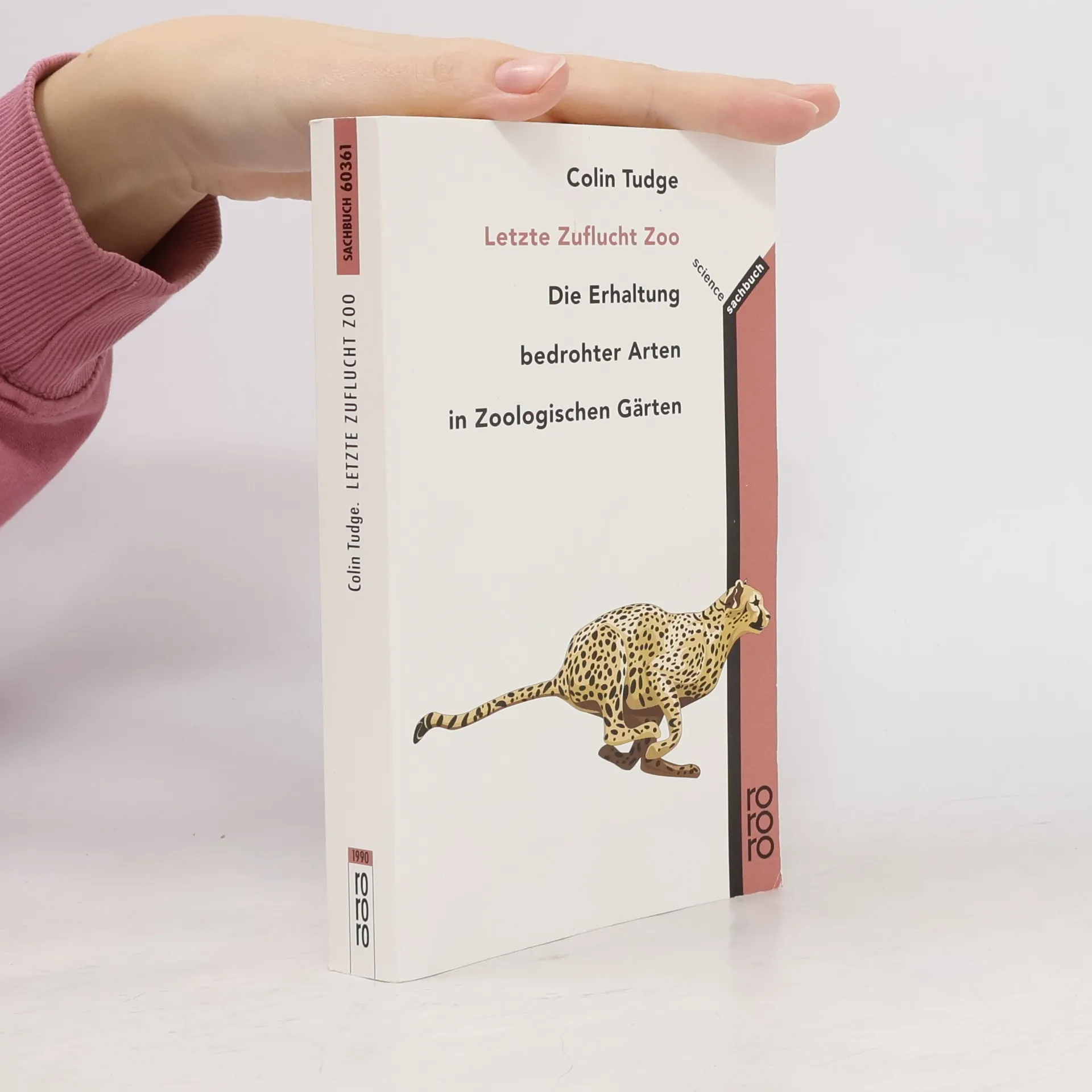
In Last Animals at the Zoo, Colin Tudge argues that zoos have become an essential part of modern conservation strategy, and that the only real hope for saving many endangered species is through creative use of zoos in combination with restoration of natural habitats. From the genetics of captive breeding to techniques of behavioral enrichment, Tudge examines all aspects of zoo conservation programs and explains how the precarious existence of so many animals can best be protected.