

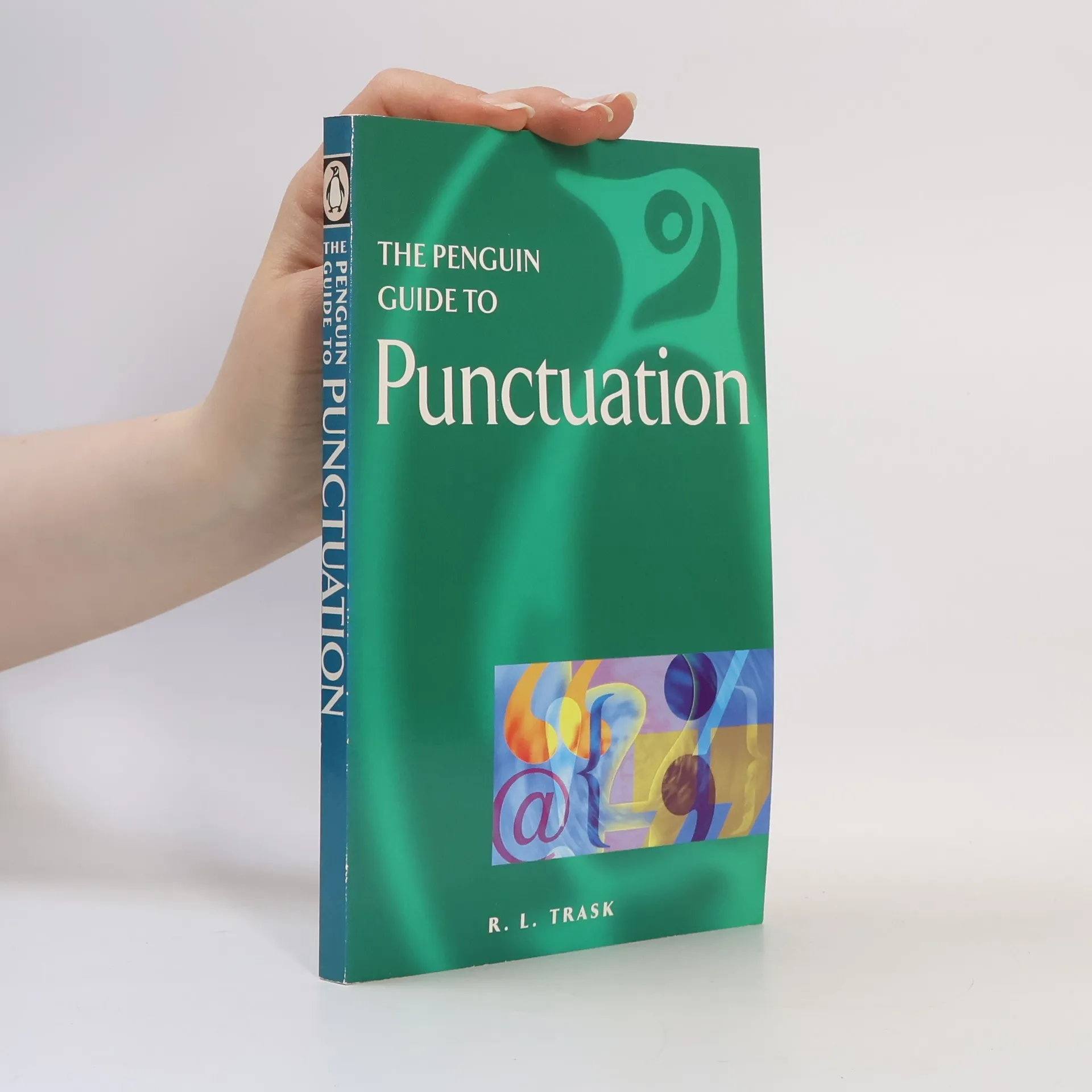
The Penguin Guide to Punctuation is indispensable for anyone who needs to get to grips with using punctuation in their written work. Whether you are puzzled by colons and semicolons, unsure of where commas should go or baffled by apostrophes, this jargon-free, succinct guide is for you.
Larry Trask Knihy
10. listopad 1944 – 27. březen 2004

Mind the Gaffe
- 320 stránek
- 12 hodin čtení
For all those who have ever feared being shown up by using one of the twenty worst words and phrases to be avoided at all costs, or confusing the complex with the complicated, this trouble-shooting guide to common errors in English should be able to help.
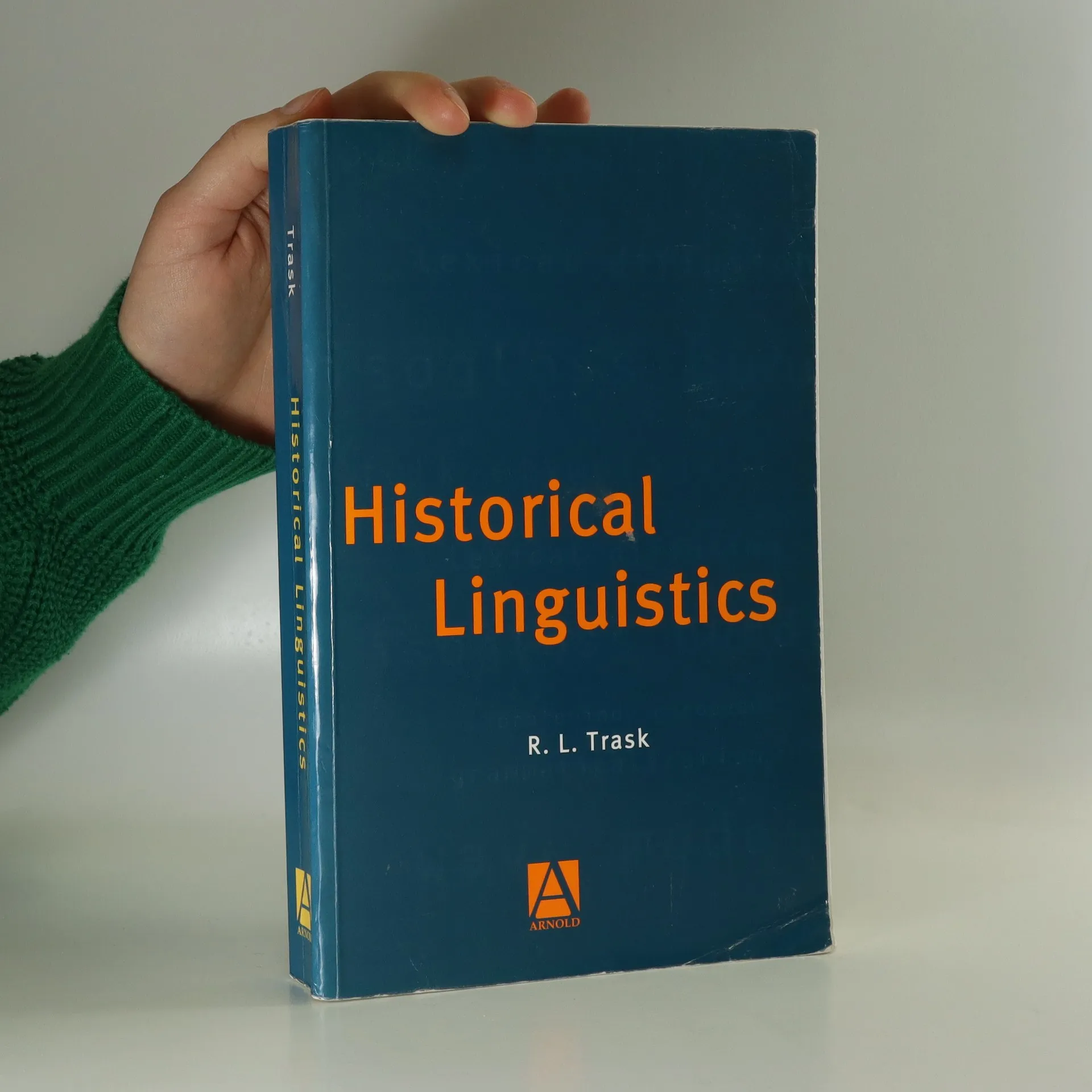
Historical Linguistics
- 430 stránek
- 16 hodin čtení
This is a major introduction to historical linguistics, designed for students who have no background in historical linguistics but who have at least some knowledge of phonetics, phonology, and morphology. The author introduces all major types of change, consequences of change (dialect andlanguage families), and methods in historical linguistics. Later chapters deal with sociolinguistic aspects of change, language contact, birth and death of languages, language and prehistory, and finally the issue of very remote relations.