Michael J. Kruger je uznávaný badatel v oblasti raného křesťanství. S hlubokým porozuměním pro rané křesťanské spisy se jeho práce zaměřuje na zkoumání klíčových témat a literárních stylů této doby. Jeho analýzy nabízejí čtenářům nový pohled na formování rané křesťanské teologie a praxe.
„Deutsch konkret“ je třísvazková učebnice pro mládež začínající se učit německy. Dodržuje tyto zásady: je srozumitelná a rozmanitá, ale zároveň systematická, zaměřuje se na praktické užívání jazyka, vychází ze životních a studijních zkušeností žáka, od mechanického napodobování textu přechází k jeho vědomému používání, uplatňuje hravý a tvůrčí přístup k učení, názorný výklad mluvnice a gramatická cvičení slouží pouze jako pomůcka k učení, nejsou používány samoúčelné. „Deutsch konkret“ je pouze vodítkem, není pro vyučování závazným předpisem.
This introductory survey looks at how Christianity took root in the second
century, how it battled to stay true to the vision of Christ's apostles, and
how it developed in ways that would shape both the Church and Western culture
over the next two thousand years.
The New Testament has been the focus of Kruger's research and writing for many years. It is an exciting field of study that probes into questions that have long fascinated both scholars and laymen alike, namely when and how these 27 books came to be regarded as a new scriptural deposit. But, the story of the New Testament canon is bigger than just the 'when' and the 'how'. It is also, and perhaps most fundamentally, about the 'why'. Why did Christians have a cannon at all? Does the canon exist because of some later decision or action of the second- or third-century church? Or did it arise more naturally from within the Christian faith itself? These are the questions this book is designed to address.
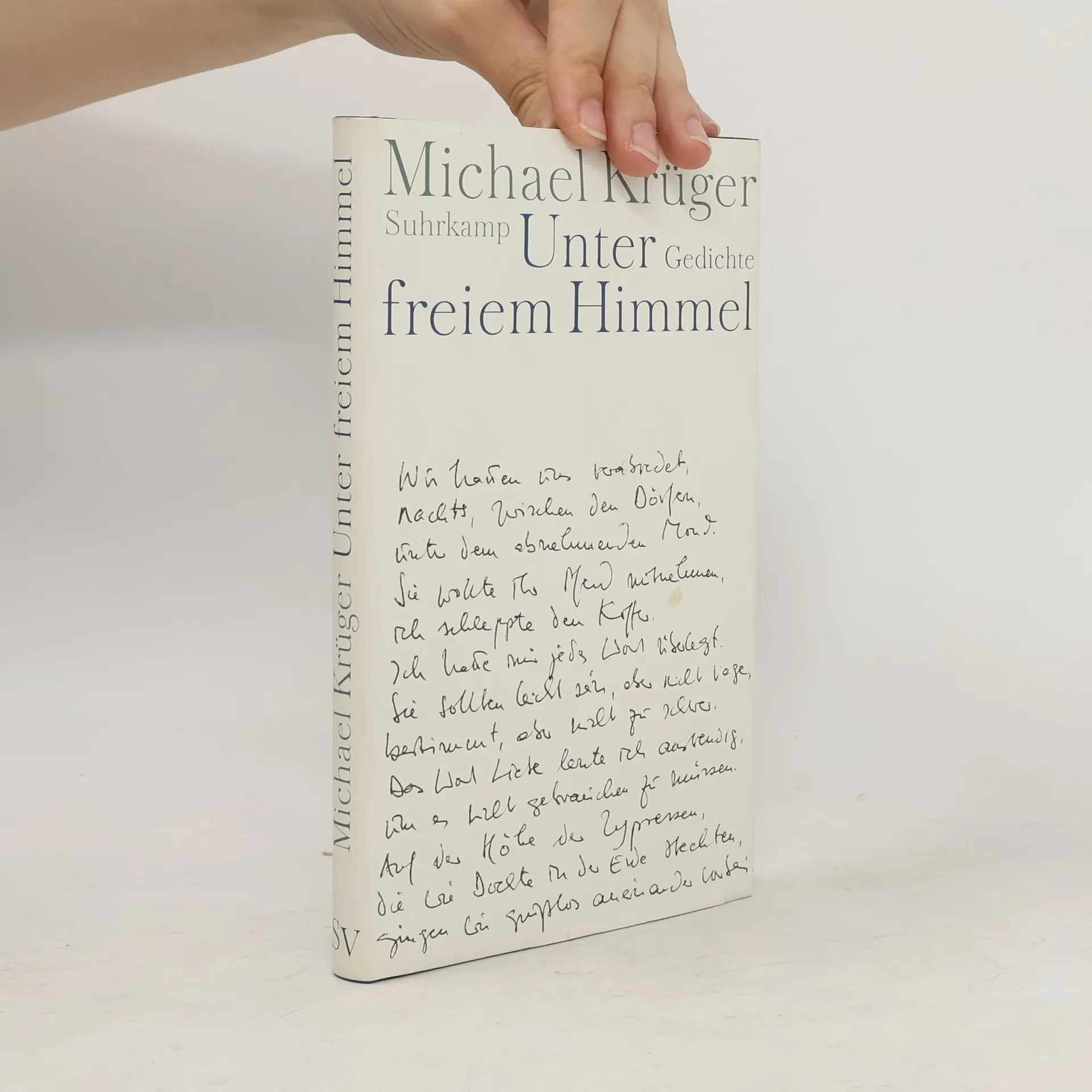
»Wer so dichtet, sitzt nicht mit den Wörterbüchern auf dem Schoß am Schreibtisch«, bemerkte Iris Radisch zur Lyrik Michael Krügers einmal in der Zeit. Für ihn findet die Welt auch unter freiem Himmel statt:Die Verse in Krügers neuem Gedichtband begeben sich ins Offene genauso wie unter die Menschen; auf Reisen, in Gesprächen scheint die Essenz des Erfahrenen auf, und den heiteren Szenen, schlaflosen Momenten, ruhigen Beobachtungen, melancholischen Einsichten, die die Gedichte spiegeln, fehlt eines nie: die Weltzugewandtheit. Krügers Lyrik läßt die Dinge sprechen, ohne dem Leser Einsichten aufzudrängen.
Über meinen Großvater, Zbigniew Herbert, Petrarca und mich
141 stránek
5 hodin čtení
"Michael Krüger is ein Freund und Orchestrator naturbelassener Einsamkeit. Zugleich hat er stets die geistige Weite und das Sprachgewirr der internationalen Literatur unserer Zeit gesucht. Hier - in einem Gedicht, einem Gespräch und in zwei Erinnerungen - lässt sich nachlesen, wie Behutsamkeit und Zurückhaltung, Anspruch und Selbstbewusstsein ein Leben für die Literatur geprägt haben"--Page 4 of cover.
Der berühmteste Hochgebirgsmaler des späten 19. Jahrhunderts, Giovanni Segantini (1858-1899), hatte einen schwierigen Start ins Leben. Geboren in Arco am Gardasee, verlor er mit sieben Jahren seine Mutter und seine Staatsangehörigkeit, da eine Halbschwester ihm diese aberkannte. Nach verschiedenen Gelegenheitsarbeiten kam er 1875 nach Mailand, wo er an der Kunstakademie Brera studierte. Sein erstes bedeutendes Gemälde, ein Kircheninterieur, erregte Aufsehen durch den ungewöhnlichen Lichteinfall. Licht wurde zu einem zentralen Thema in Segantinis Werk, während er in den Bergen und im Ruhm aufstieg. Um die ungebrochene Helligkeit der Hochgebirgen darzustellen, entwickelte er eine eigene Maltechnik, den Divisionismus, und zog von der Lombardei nach Graubünden und schließlich ins Oberengadin. In einer Hütte oberhalb von Pontresina, wo er an seinem Alpen-Triptychon arbeitete, starb Segantini im Alter von 41 Jahren. Zu seinen Lebzeiten bewundert, wurde er später fälschlicherweise der Heimatkunst zugerechnet und erst Jahre nach seinem Tod wiederentdeckt. Seine letzten Worte, „Voglio vedere le mie montagne“ (Ich will meine Berge sehen), inspirierten Joseph Beuys zu einer gleichnamigen Rauminstallation. Michael Krüger, Schriftsteller und ehemaliger Verlagsleiter, schätzt die Schönheit und das unsentimentale Naturverständnis in Segantinis Bildern und nähert sich ihnen literarisch.
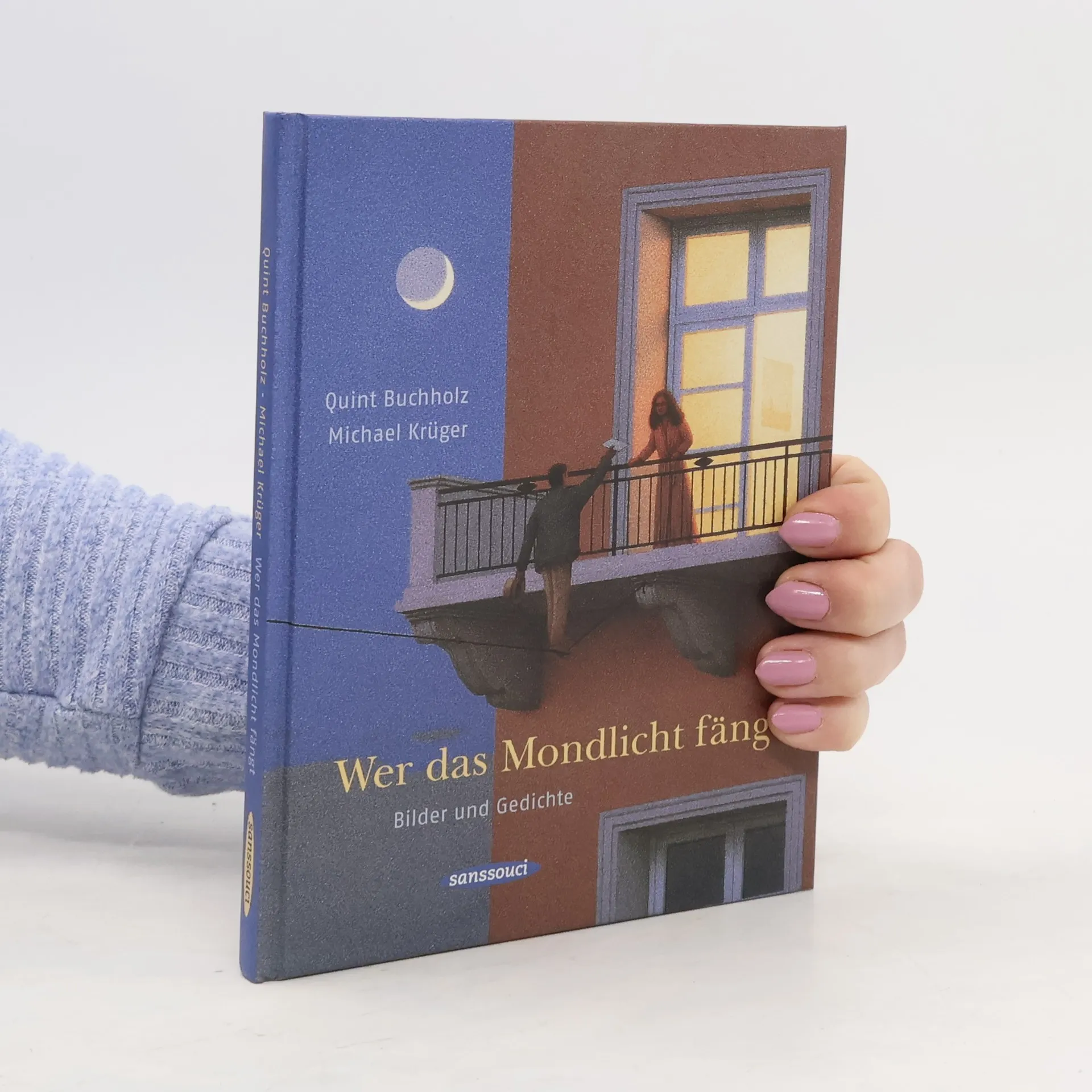
Michael Krüger und Quint Buchholz lassen „den Himmel dichten“: Der Schriftsteller folgt dem Mond in seinen Texten wie einem alten Bekannten, der die wachen Stunden der Nacht besser kennt als jeder andere. Der Illustrator taucht seine Bilder dazu in ein Mondlicht, das von den schönsten und tiefsten Geheimnissen der Natur und der Menschen erzählt. Eindringliche Texte und großartige Bilder verbinden sich so zu einem „himmlischen“ Ganzen.
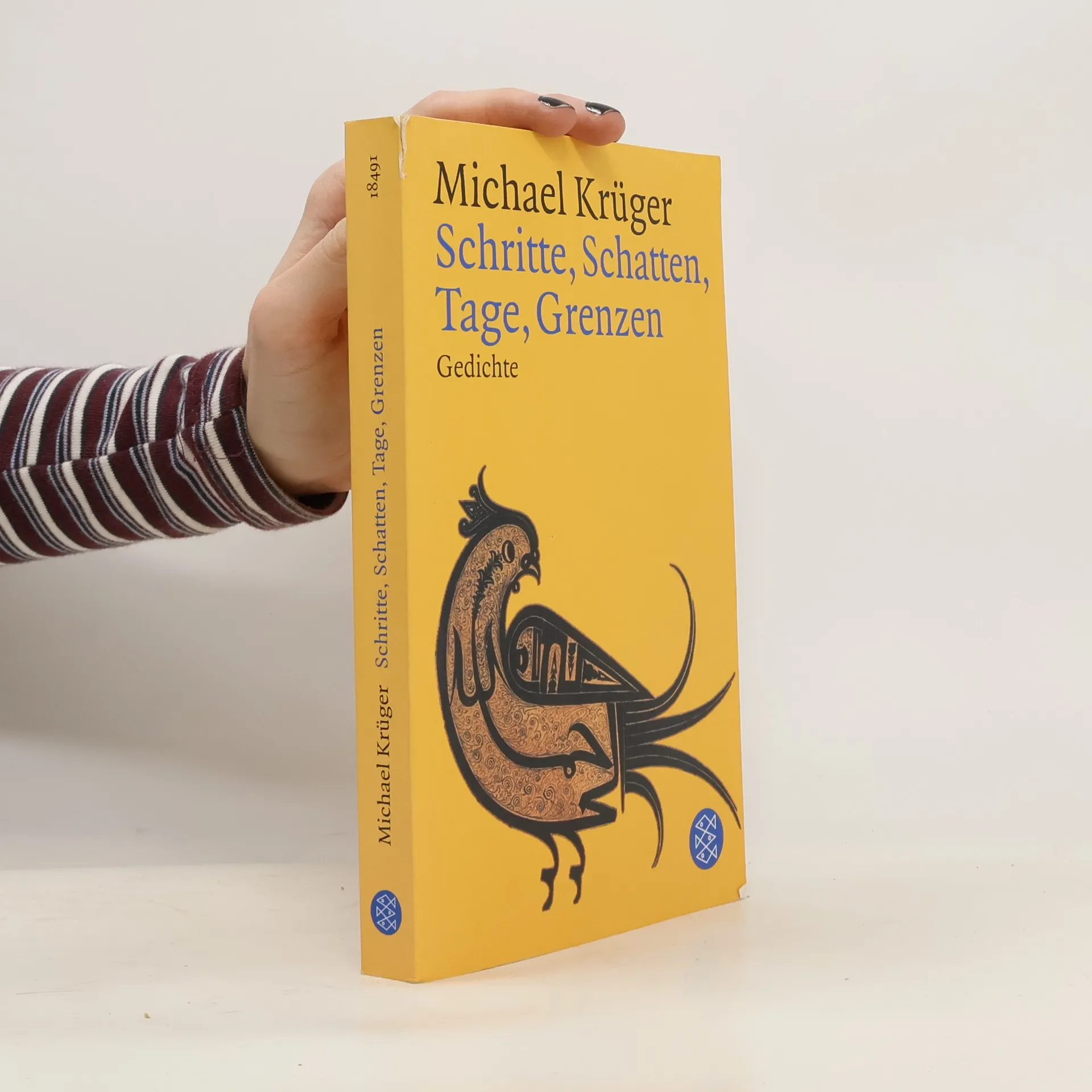
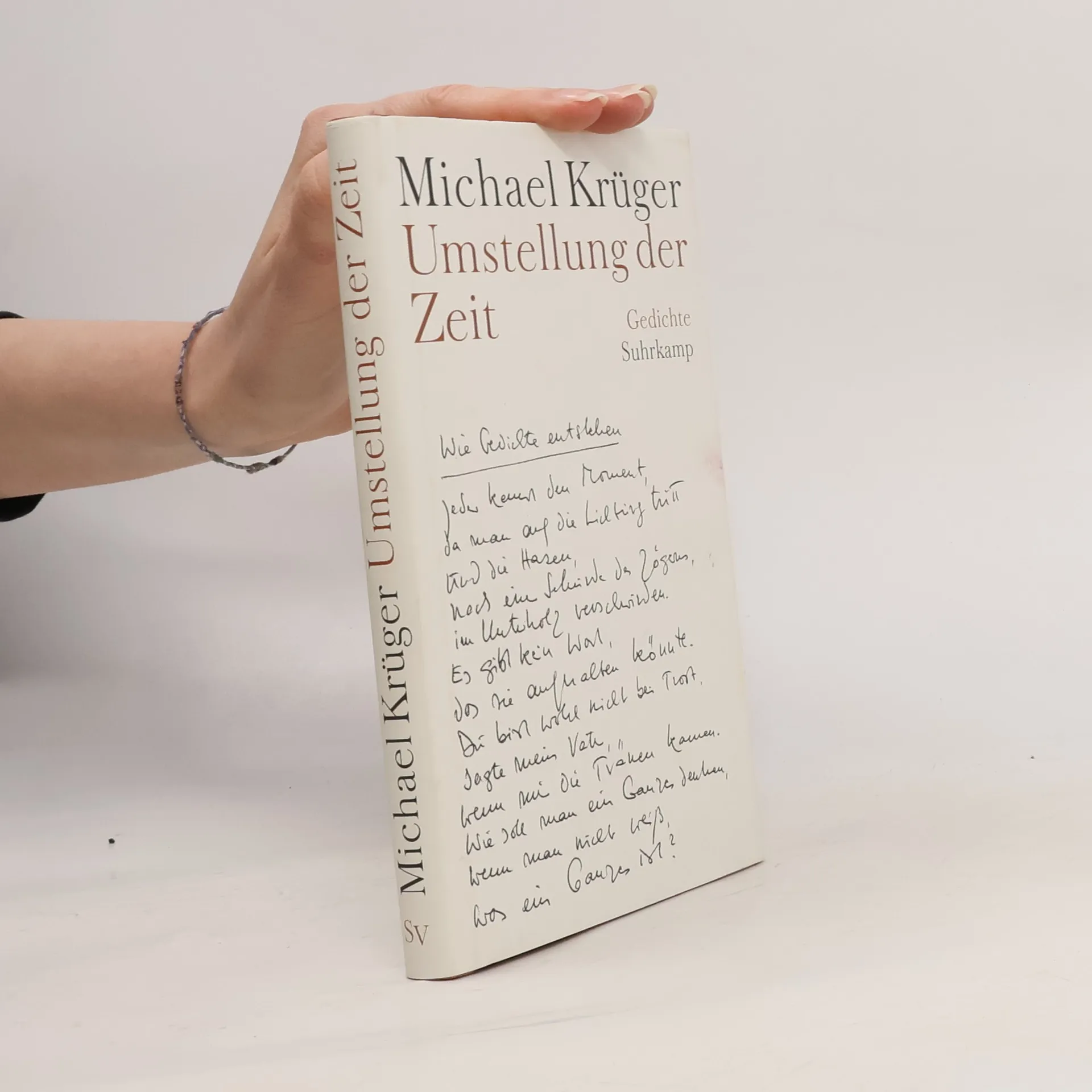
Michael Krüger nutzt Gedichte als Kompass, um die Gegenwart zu erkunden und den Schatten der Endlichkeit zu begegnen. Seine Verse reflektieren sein Leben und das seiner Generation, während sie vertraute literarische Figuren und die Natur als vielfältigen Raum einbeziehen, in dem Tiere und Erinnerungen verweilen.
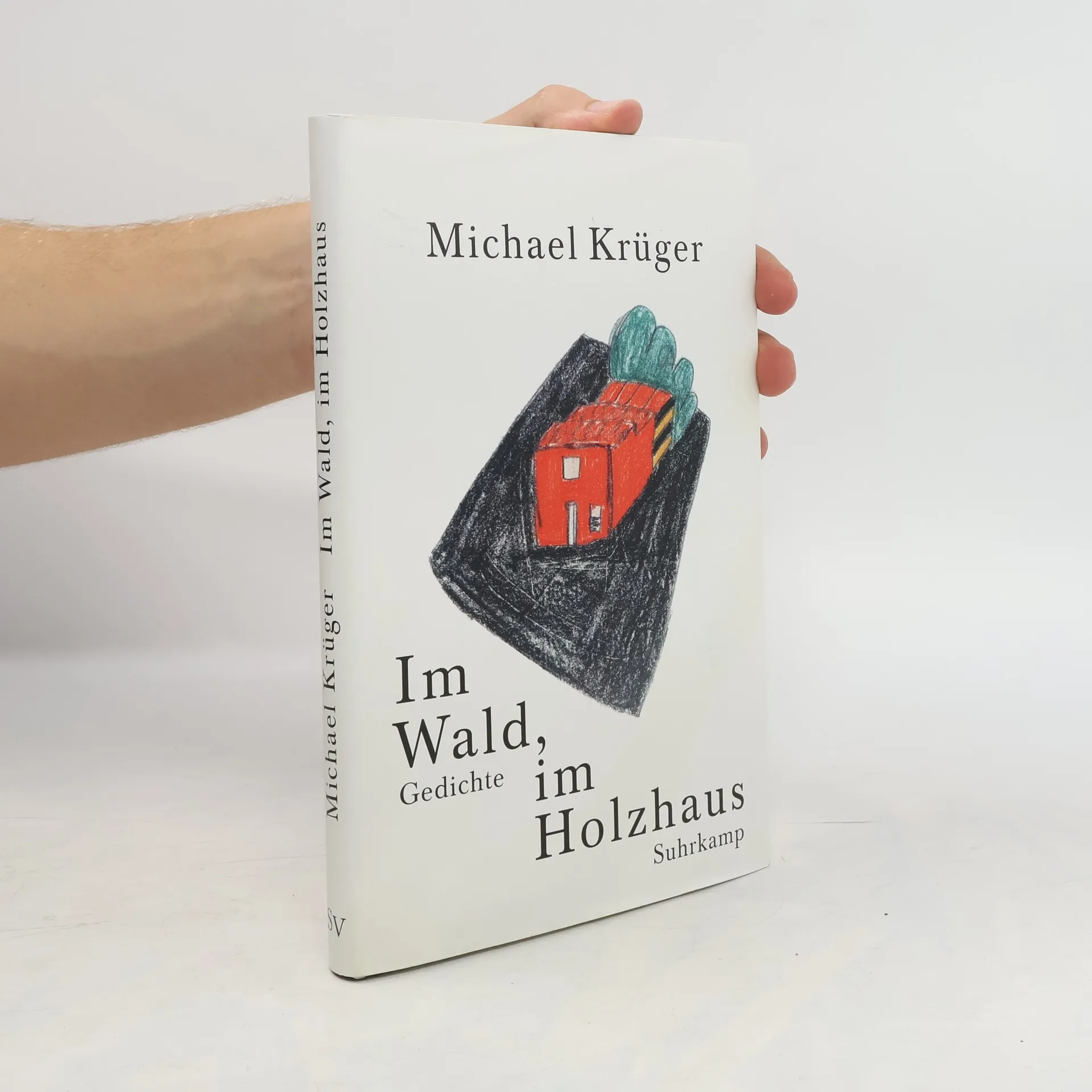
"Als vor einem Jahren die Viren-Katastrophe über uns kam, begann Michael Krüger, mit einer schweren Gürtelrose geschlagen, gerade eine Therapie gegen seine Leukämie. Und weil seine Immunabwehr auf null stand und ihn ein ferner Husten umgeworfen hätte, musste er sich von Menschen fernhalten. Er lebt seither in einem Holzhaus in der Nähe des Starnberger Sees. Von dort hat er seine poetischen Botschaften geschickt, Meditationen aus der Quarantäne, die viele Monate lang im Magazin der Süddeutschen Zeitung abgedruckt wurden und eine große Resonanz fanden. Fünfzig Blicke auf die Natur und die „Natur“, auf die unmittelbare Umgebung eines eingeschränkten Lebens und über den Horizont hinaus, aber auch Blicke nach innen, auf Vergänglichkeit, Krankheit und Tod. Und weitere Gedichte aus dieser Zeit enthält der Band, dessen letztes einen Rat bereithält: „Man muss Umwege nehmen, viele, nicht alle, / um das Ziel nicht zu schnell zu erreichen. / Das Ziel? / (…) Jetzt bloß keine Angst kriegen und stehen bleiben, / denn dann war der ganze Umweg für die Katz“"--Page 2 of cover.
Dieser literarische Schatz versammelt Geschichten, Gedichte und Bilder – ideal zum Schmökern und Vorlesen. Die Beiträge stammen von Autoren, Illustratoren und Übersetzern, die das Hanser Kinderbuch seit 1993 maßgeblich geprägt haben. Aber auch neue Stimmen kommen zu Wort und neue Sichtweisen ins Bild, wie es bei einem lebendigen Verlag nicht anders sein kann. Ein Alphabet der guten Namen, von Friedrich Ani über Hans Magnus Enzensberger, Amelie Fried, Elke Heidenreich, Ole Könnecke, Timo Parvela, Jutta Richter und Rafik Schami bis zu Elisabeth Zöller.
Bis zum Ende arbeitete Libuse Moníková an dem Roman Der Taumel, der nun aus dem Nachlaß veröffentlicht wird. Noch einmal führt sie uns zurück in das Prag der siebziger Jahre, in die Zeit der Unterdrückung und Angst. Jakub Brandl, Professor der Kunstakademie, schwankt zwischen Resignation und Auflehnung, bedrängt von der Staatssicherheit und zugleich von der eigenen Krankheit. Ein Roman, der zu einer großen Metapher für den Zustand einer Gesellschaft wird, die versucht ihre schwankenden Mauern mit aller Gewalt zu verteidigen.
A cosa serve l'abbraccio? "Ti voglio bene, nessuno al mondo è come te!", dice la madre di Ben durante una passeggiata nei campi. Ben riflette: se nessuno al mondo è come lui, allora è completamente solo. Deve rendersi conto che non esiste un altro essere umano come lui, perché ogni persona è unica e speciale. Ma per fortuna le persone hanno qualcosa che aiuta contro la solitudine: l'abbraccio. Con immagini delicate e parole incisive, David Grossman e Michael Rovner raccontano la storia di perché è stato inventato l'abbraccio. Il loro libro illustrato è un regalo per persone di ogni età.
Erinnerungen und Begegnungen | Die Memoiren des legendären Hanser-Verlegers
445 stránek
16 hodin čtení
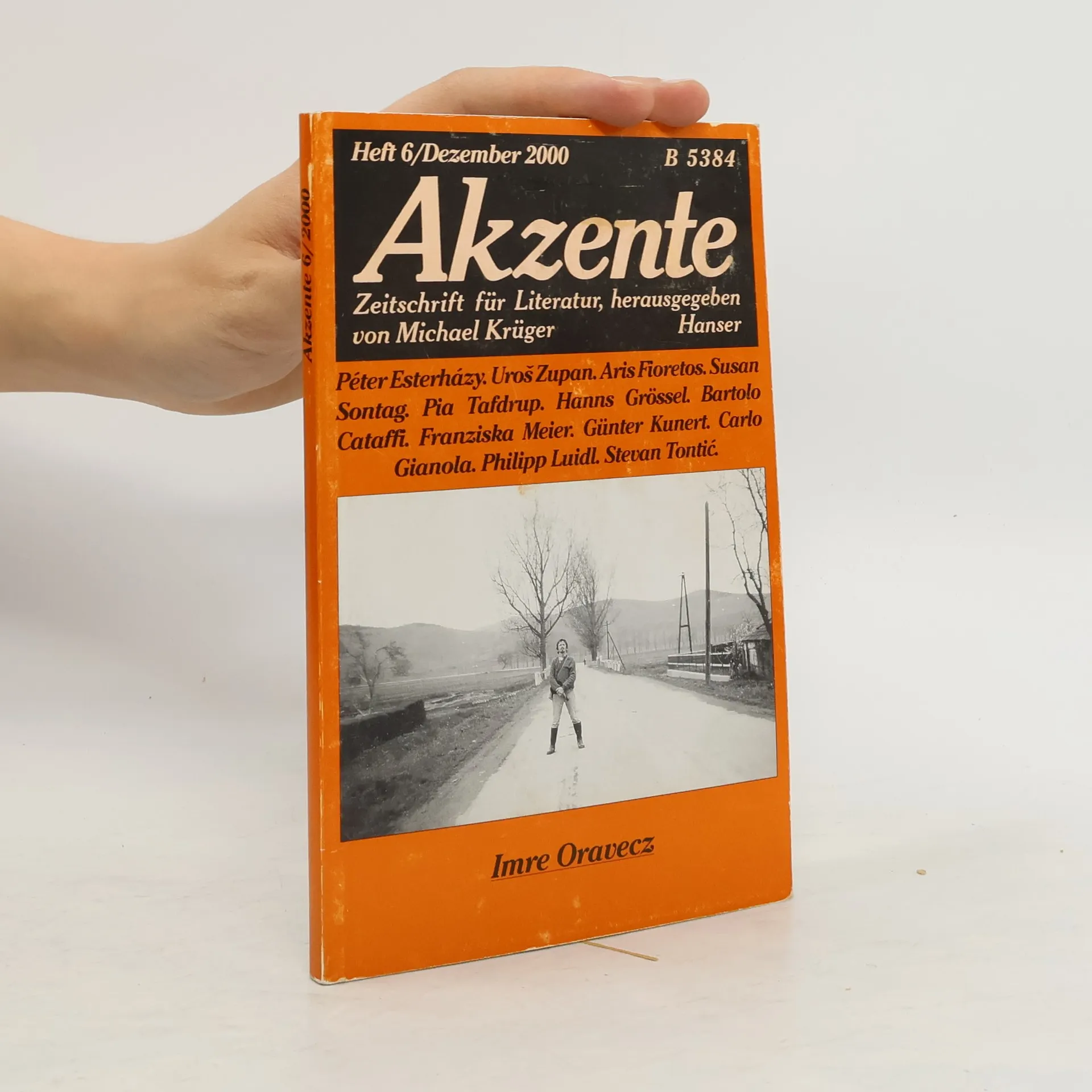
2013 endet in München eine Ära. Michael Krüger, der langjährige Leiter des Hanser Verlags, zieht sich aus dem aktiven Verlagsgeschäft zurück. Er hat nicht nur den Verlag geleitet und die Zeitschrift Akzente herausgegeben. Als Dichter und Schriftsteller, als Kritiker, Herausgeber und Übersetzer bleibt er weiterhin aktiv. Im deutschen Kulturleben ist er omnipräsent und unverzichtbar. Zu seinem 80. Geburtstag legt der leidenschaftlich Lesende, Schreibende, Verlegende nun eine Rückschau auf sein reiches Leben vor. Er berichtet von seiner Kindheit in Sachsen-Anhalt, seiner Jugend in Berlin, der Arbeit in München, den literarischen Reisen und von der Fülle seiner Begegnungen und Erlebnisse mit deutschsprachigen und internationalen Dichtern; mit den meisten war er befreundet. Der Enthusiasmus seiner leichthändig unterhaltenden und geistvoll anregenden Schilderungen nimmt vom ersten bis zum letzten Satz gefangen. Im Anhang ein Gespräch mit Knud Cordsen
Er braucht Bücher wie die Luft zum Atmen. Deshalb kann keiner lebendiger und frischer über „Literatur als Lebensmittel“ schreiben als er: Michael Krüger. Der Verleger und Schriftsteller wird 65 und benimmt sich gottlob wenig gesetzt. Dieser Band versammelt seine Reden, Beiträge, Vor- und Nachworte und Interviews über das Schreiben und Büchermachen aus den letzten drei Jahrzehnten.
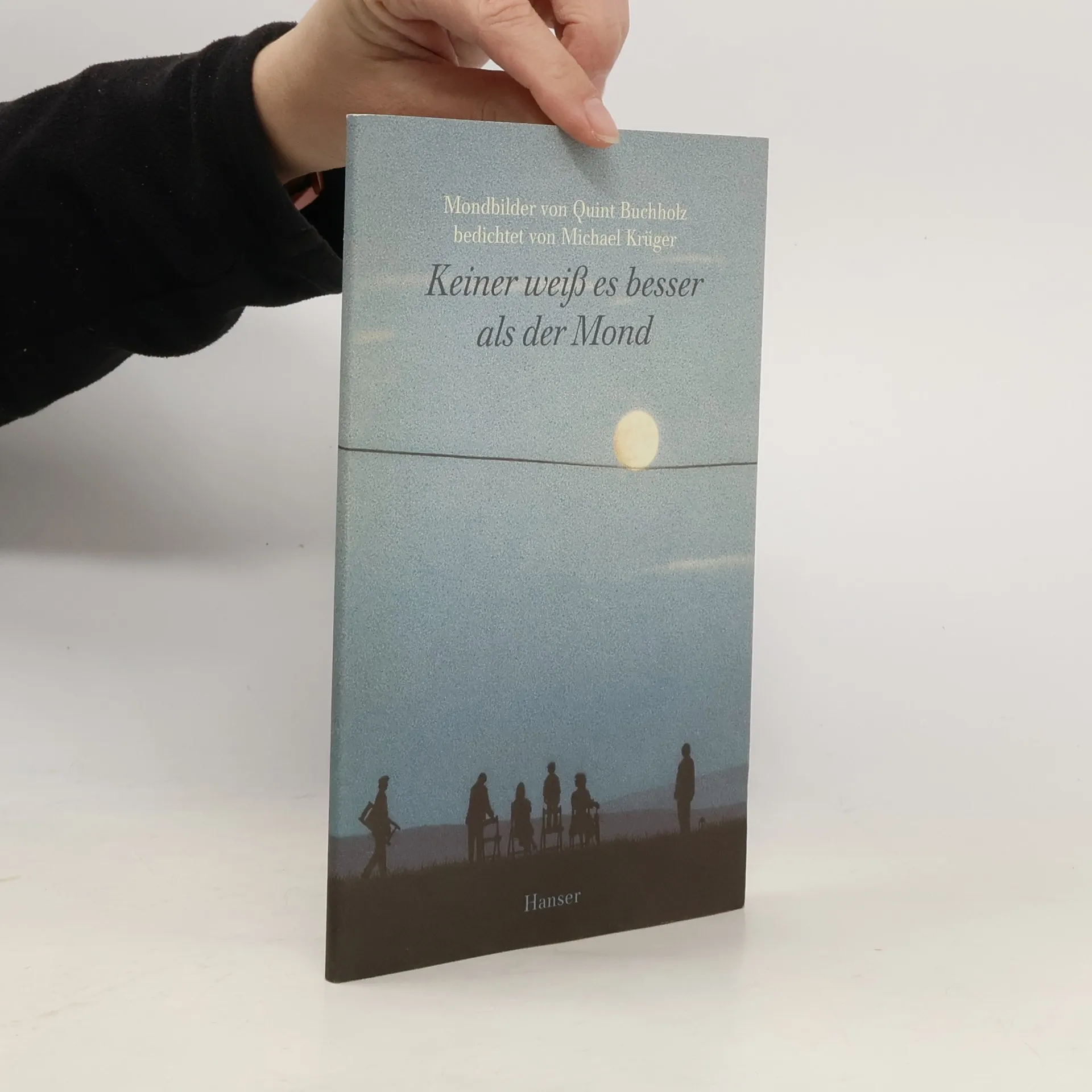
Ob der Mond zunimmt, oder abnimmt, ob er voll da ist oder mal eben um die Ecke gegangen: Quint Buchholz zeigt in seinen Bildern vom Mond immer wieder überraschende Momente der Nacht, wie wir sie sonst nur aus Träumen kennen. Michael Krüger hat die Bilder „bedichtet“ und läßt die skurrilen, die träumerischen, die ironischen Momente in einem neuen Licht erscheinen.
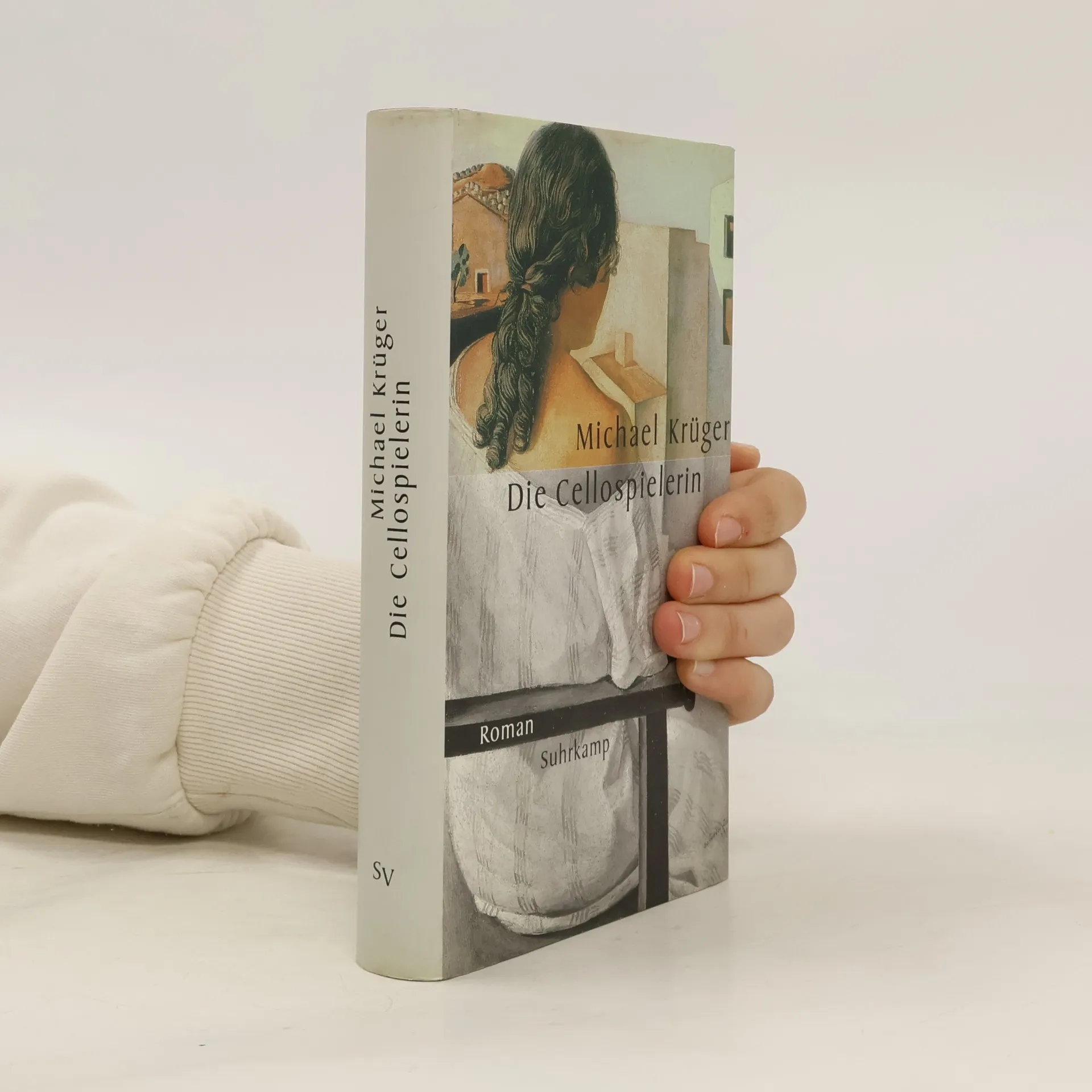
Eines Tages steht eine junge Frau vor der Tür eines Münchner Komponisten, Judit aus Budapest. Sie möchte ihrem Cellospiel den letzten Schliff geben und glaubt an die hohen Ideale der Kunst. Der Komponist dagegen verdient sein Geld mit Erkennungsmelodien für Fernsehserien und plagt sich nebenher mit dem Projekt einer Mandelstam-Oper ab. Aber Judits irrlichterndes Wesen macht ein geregeltes Arbeiten zusehends unmöglich; und ihre gar nicht so kleine Familie, die ihr bald nachfolgt, bringt den Komponisten an den Rand eines Nervenzusammenbruchs. Ihn, der im Leben die Kunst sucht und in der Kunst das Leben nicht findet, wissen auch die Frauen nicht zu erlösen, die ihn umgeben. Am Schluß ist die Oper noch immer nicht geschrieben; nur die Fernsehmelodien werden jetzt auch in den Ländern des Ostens ausgestrahlt.
Wer mehr als dreißig Jahre aktiver Teilnehmer und Gestalter des Kulturbetriebes ist, hat nicht mehr viele Möglichkeiten im Leben. Er wird entweder ein besserwisserisch-dröger Langweiler, ein nervensägerisch-lamentierendes Klageweib oder eben ein Satiriker. Immer wenn ihn die Zumutungen des Betriebs zu stark bedrängen, wird Michael Krüger, der eine lange Karriere als Zu-, Zwischen- und Nachrufer im Buchwesen hinter sich hat, zum Satiriker, der sein Lachen gerne mit anderen teilt.
Eine Reise durch den brasilianischen Dschungel und ein verhängnisvoller Brief verändern alles für Richard an seinem achtzigsten Geburtstag. Die Schatten seiner finsteren Vergangenheit holen ihn ein, fünfzig Jahre nach seiner Rückkehr aus Brasilien. Während einer zweijährigen Reise begleitete der jüdische Emigrant Himmelfarb einen Ethnologen und Rasseforscher des Dritten Reichs. Himmelfarb war Richards Retter, doch letztlich verrät Richard ihn. Steht Himmelfarb nun für Vergeltung? Michael Krüger inszeniert in seinem packenden Roman eine verhängnisvolle Männerfreundschaft vor der exotischen Kulisse Brasiliens. Die lebendige Schilderung ihrer Dschungel-Erlebnisse wird zum Sinnbild für das Exil von Juden und Nationalsozialisten. Der Roman eröffnet einen tiefen Einblick in die deutsch-jüdische Zeitgeschichte. Ein aktuelles Nachwort enthüllt die reale Vorlage zur Handlung und das tragische Schicksal von Leo Himmelfarb, das Krüger dem Vergessen entreißt. In vielen Sprachen übersetzt und mehrfach ausgezeichnet, thematisiert Krüger auf spannende und kluge Weise die komplexen Verflechtungen der Geschichte.
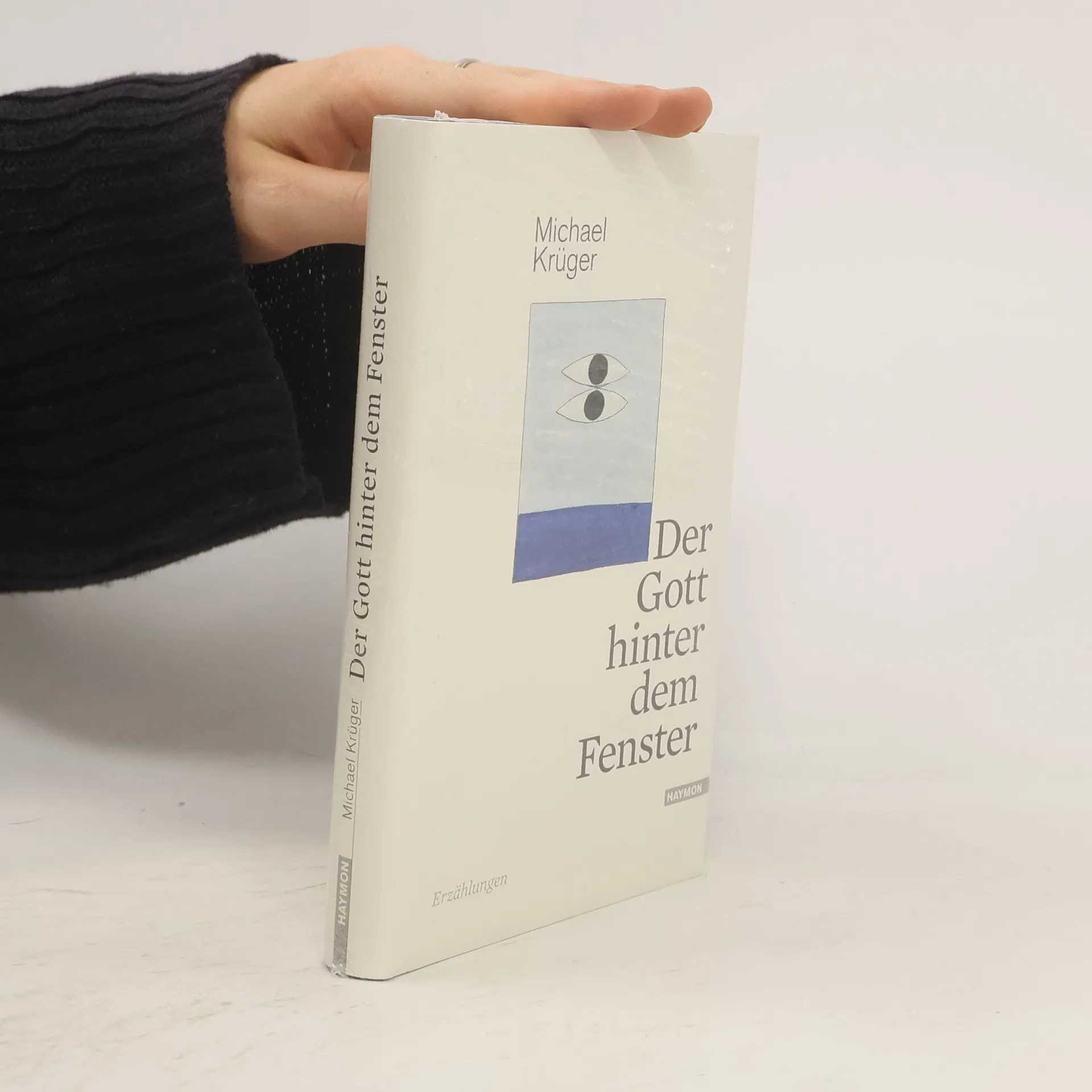
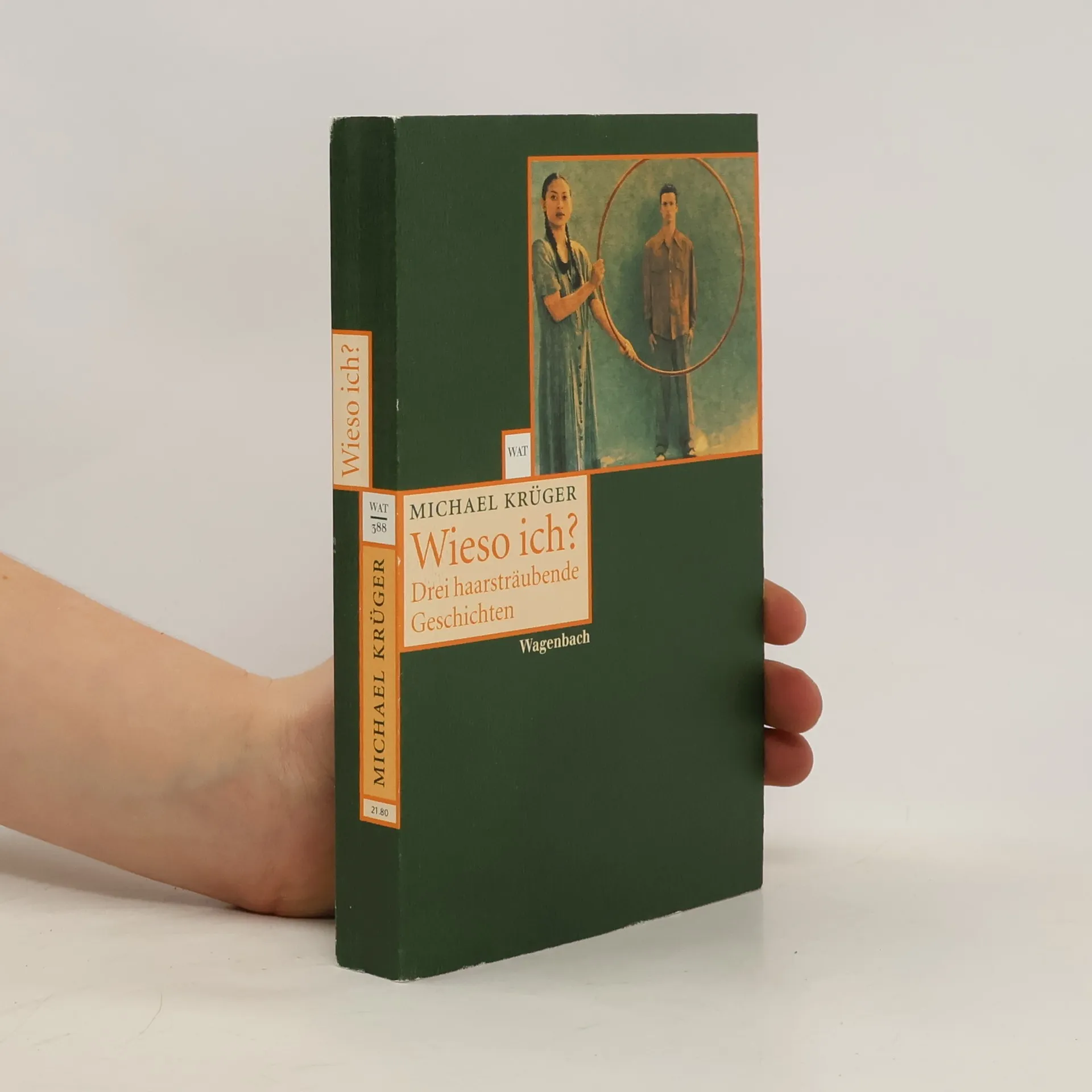
In den Geschichten von Michael Krüger geht es nicht ganz geheuer zu: Ein Mann hinter dem Fenster bildet sich ein, alle Menschen seines Viertels am Gang und an ihren Gesten zu erkennen - bis auf einen, der regelmäßig im Zwielicht kommt und sich beharrlich den gierigen Blicken des Beobachters entzieht. Dem Wanderer in den Schweizer Bergen ergeht es nicht besser - nicht genug, dass er auf Spuren von Wölfen stößt, hat er bald einen Weggenossen, der aus dem Nichts auftaucht und versucht, den einsamen Spaziergänger in seine Gewalt zu bringen. Und auch das Mädchen auf der Haustreppe erscheint ohne Vorwarnung und zieht in das Leben des perplexen Bewohners ein, in dem kein Stein auf dem anderen bleibt
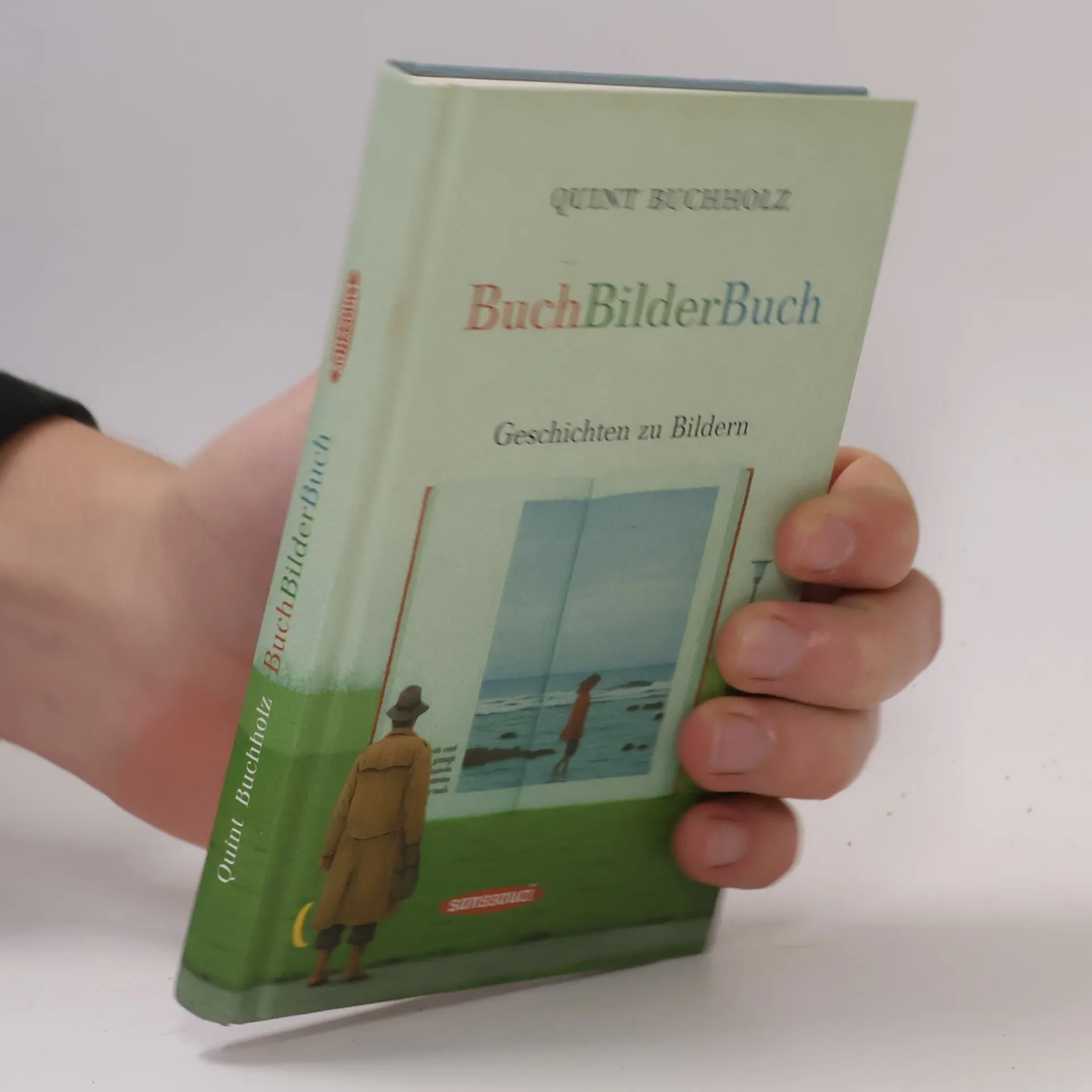
Dieses Buch, das angenehm in der Hand liegt, ist das Ergebnis eines unerwarteten Zufalls, der das geheime Leben der Bücher beeinflusst. Michael Krüger, Chef des Hanser Verlags, beschreibt in seinem Vorwort, wie Quint Buchholz ihm an einem Nachmittag zahlreiche seiner Bilder präsentierte. Einige dieser Zeichnungen sind bereits von Buchumschlägen bekannt, während viele neu sind. Bekannte Autoren wie Elke Heidenreich, Peter Hoeg, T. C. Boyle und Rafik Schami wurden eingeladen, sich von Buchholz' Bildern inspirieren zu lassen und haben jeweils eine Geschichte zu einem seiner Werke verfasst. Die Vielfalt der Geschichten spiegelt die Vielschichtigkeit der Bilder wider und lädt den Betrachter ein, in die geheimnisvollen Welten einzutauchen, die sich hinter den Illustrationen verbergen. Das Buch ist eine wunderbare Sammlung, die sowohl zum Blättern als auch zum Lesen einlädt. Es eignet sich hervorragend, um es während einer Kaffeepause griffbereit zu haben. Diese Geschenkausgabe im Miniformat bietet eine besondere Möglichkeit, die Kunst von Quint Buchholz und die Kreativität namhafter Autoren zu genießen.
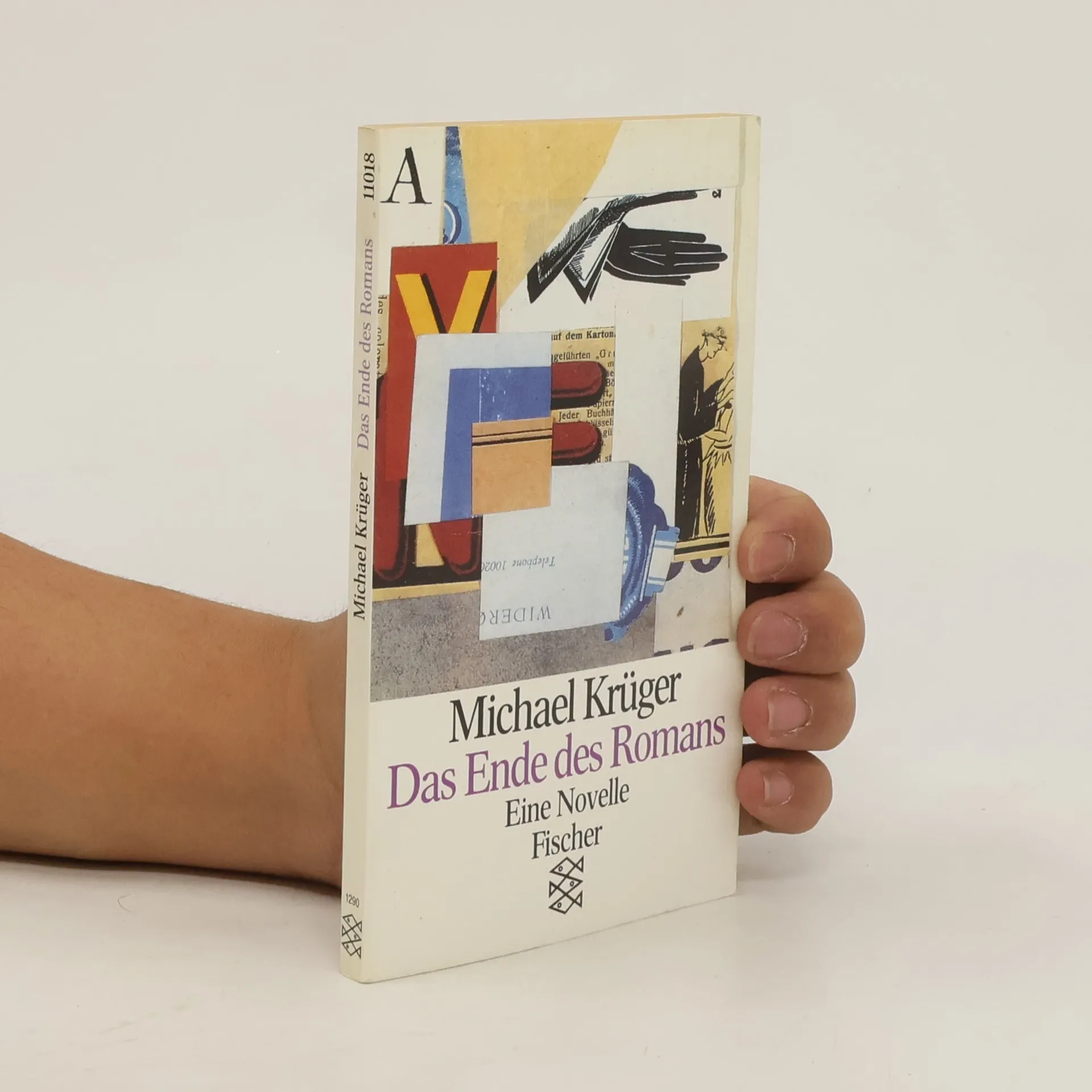
Der Erzähler, ein Schriftsteller, der nach neun Jahren Arbeit an seinem ersten Roman desillusioniert ist, findet immer mehr Gründe, Seiten aus seinem Manuskript zu streichen.
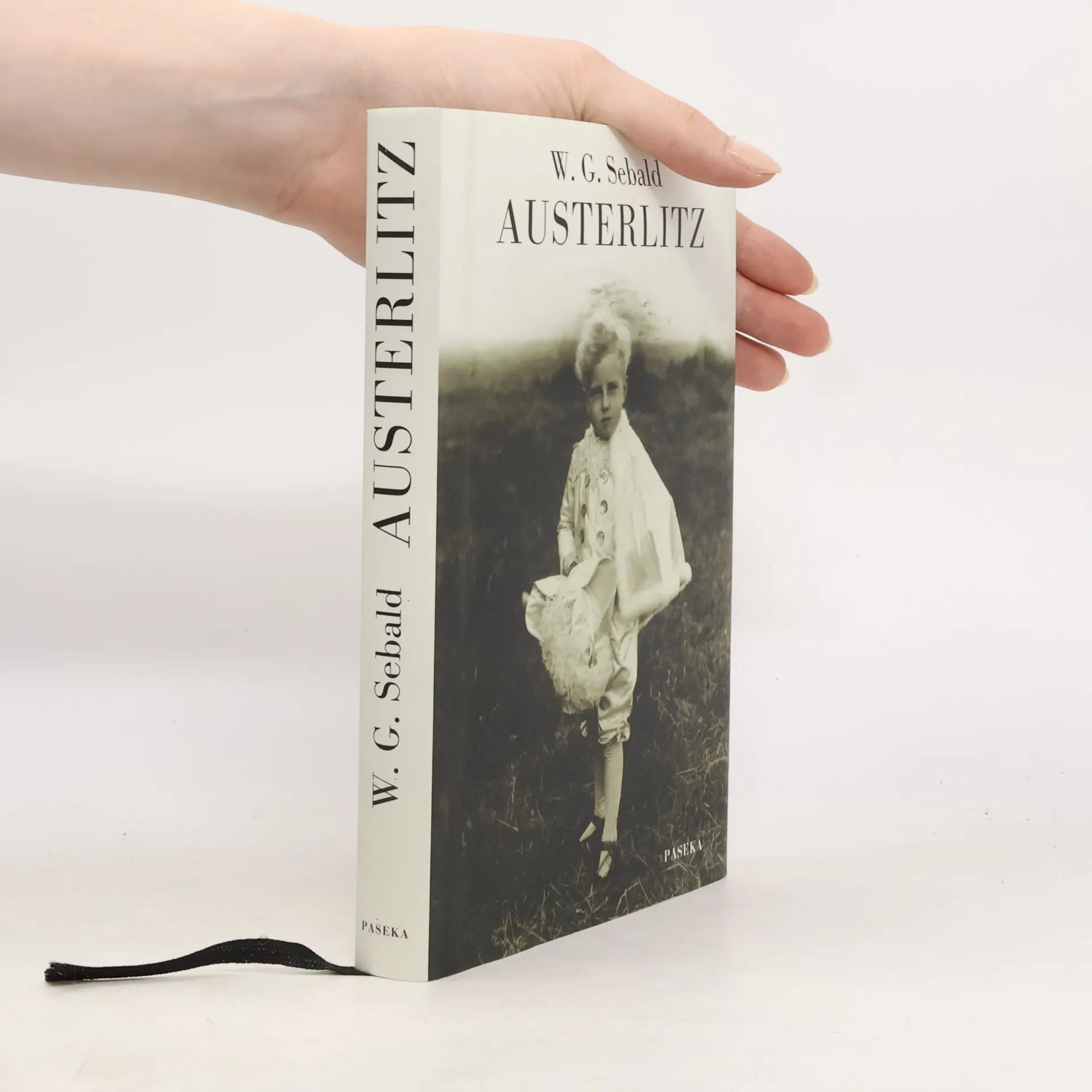
Románový příběh podivínského samotáře Jacquese Austerlitze patří k nejlepším dílům německého prozaika, jehož první česky vydaná kniha, čtveřice novel Vystěhovalci, se roku 2006 stala jedním z nejvýraznějších překladových titulů na české literární scéně. Muž, který upoutá vypravěčovu pozornost fotografováním zrcadel čekárny antverpského nádraží, je, jak se postupně ukáže, někdejším židovským uprchlíkem z předválečné Prahy, který byl z města odvezen jako dítě, adoptován rodinou velšského protestantského kazatele a teprve v dospělosti pracně odhaluje kořeny vlastní identity a dobírá se příčin svých celoživotních úzkostných stavů a existenciální tísně. Záplava vzpomínek, která se jako voda z protržené hráze v Austerlitzovi uvolní poté, co se vydá do Čech po stopách osudu svých rodičů i někdejší vlastní cesty za svobodou, mu umožní dobrat se alespoň částečné pravdy o vlastním já, zároveň však jako by jej spolu s vypravěčem zaváděla ještě hlouběji do „srdce temnoty“ nedávných evropských dějin.
Gedichte aus aller Welt – die große Anthologie: eine Rückschau auf drei Jahrzehnte Lyrik Kabinett Alle haben hier – im Münchener Lyrik Kabinett – ihre Gedichte gelesen. Die besten Dichter der Welt, vom irischen Nobelpreisträger Seamus Heaney bis zur großen dänischen Lyrikerin Inger Christensen, von legendären Figuren der deutschen Nachkriegszeit wie Wolfdietrich Schnurre bis zu Vertretern der heutigen Generation wie Anja Kampmann und Jan Wagner. Zum dreißigsten Jubiläum der von Ursula Haeusgen gegründeten, in Europa einzigartigen Institution stellt dieser Band in Original und Übersetzung bekannte sowie neue, eigens für dieses Buch geschriebene Gedichte vor. Von Yves Bonnefoy, Ko Un, Patrizia Cavalli, Sarah Kirsch, Oskar Pastior, Marcel Beyer, Adam Zagajewski und vielen, vielen mehr.
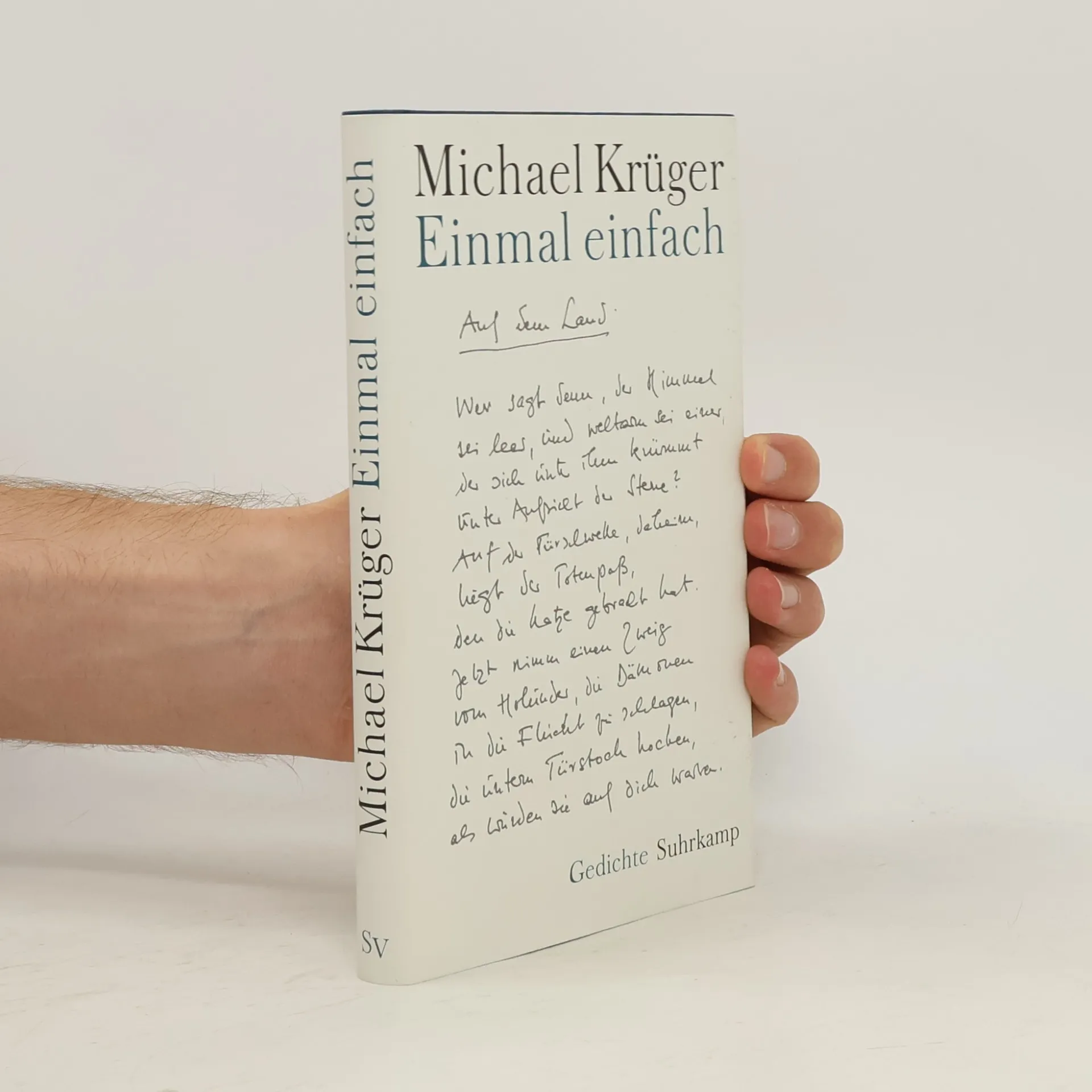
„Ich beginne ein neues Notizbuch / für Fragen, die keine Antwort brauchen. / Wie lange hält sich der Schnee / auf den Zweigen des Vogelbeerstrauchs?“ „Einmal einfach“ heißt Hinreise - ohne Rückfahrkarte. Nicht zurück in die neuen Verhältnisse der Entsinnlichung, Speicherung, des Bescheidwissens und der Hetze im Netz. Und wohin geht die Reise? Wieder und noch einmal: in die Natur - als wären ausgerechnet Bäume und Wiesen und weite Himmel das, was man von der Welt im Gedächtnis behalten will. Ach, wer so reisen könnte, mit offenen Augen: nicht verklärend, nicht mehr naiv und dennoch nicht ohne Rührung. Nicht mit großen Worten, sondern einmal einfach – ohne Ziel. Michael Krügers neue Gedichte – weit entfernt und ganz nah – sprechen mit vertrauter Stimme. Es sind Wortmeldungen unterwegs, von einer Reise ins Offene. „Wenn nur das wütende Schluchzen des Windes nicht wäre, träte die Wahrheit vielleicht ans Licht, die naive Wahrheit, die dem Gras so ähnlich sieht!“
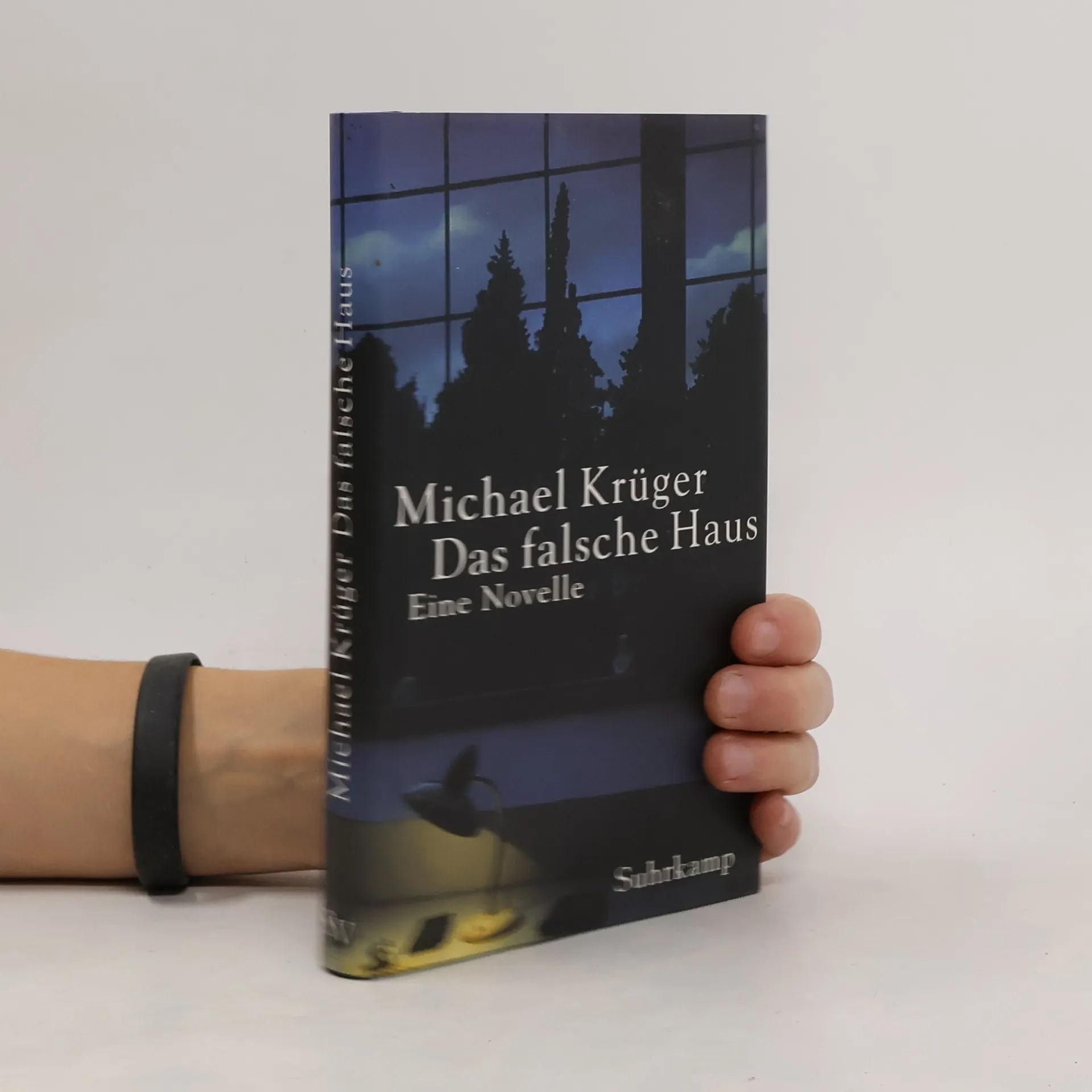
»Eigentümlich, wie schnell sich die Welt verändern kann, wenn man sie herausfordert.« Der Ich-Erzähler steht in einem beschmutzten Hemd vor einer alten Villa in Hamburg, wo er eigentlich nur einen Artikel über den Kongress des Verbandes der Bibliothekare schreiben möchte. Ein Ball eines Jungen hinterlässt einen Fleck auf seinem Hemd, und während er misstrauisch ist, folgt er der Einladung der Mutter des Jungen in das »falsche Haus«. Die unerwartete Gastfreundschaft überrascht ihn: Er erhält nicht nur ein frisches Hemd, sondern auch Socken, eine Krawatte und die Möglichkeit zu duschen. Rasch wird der schüchterne Redakteur Mitbewohner in der geheimnisvollen Villa und wird Zeuge der Verstrickungen zwischen Mutter und Sohn. Bald wird er von ihren Geheimnissen gefesselt: Wer ist der Mann, der wütend gegen die Tür zum Garten trommelt? Was hat es mit dem Vater der Frau auf sich, vor dem alle zurückschrecken? Und wer ist Isabella? Die Geschichte entfaltet sich spannend wie ein Kriminalroman, mit Witz und Tempo, während der Erzähler nicht nur den Mythen des fremden Hauses nachgeht, sondern auch den »anderen Leben«.
Ein angesehener Turiner Hochschulprofessor und erfolgreicher Schriftsteller scheitert an seinem letzten grossen Romanprojekt und nimmt sich das Leben. Sein bester Freund muss beim Sichten des Nachlasses entdecken, dass die Erfolge dieses berühmten Mannes durchweg auf Täuschung und Betrug aufgebaut waren und sie beide letztlich im Leben gescheitert sind. - Ein spannender Roman mit viel Sinn für groteske Details
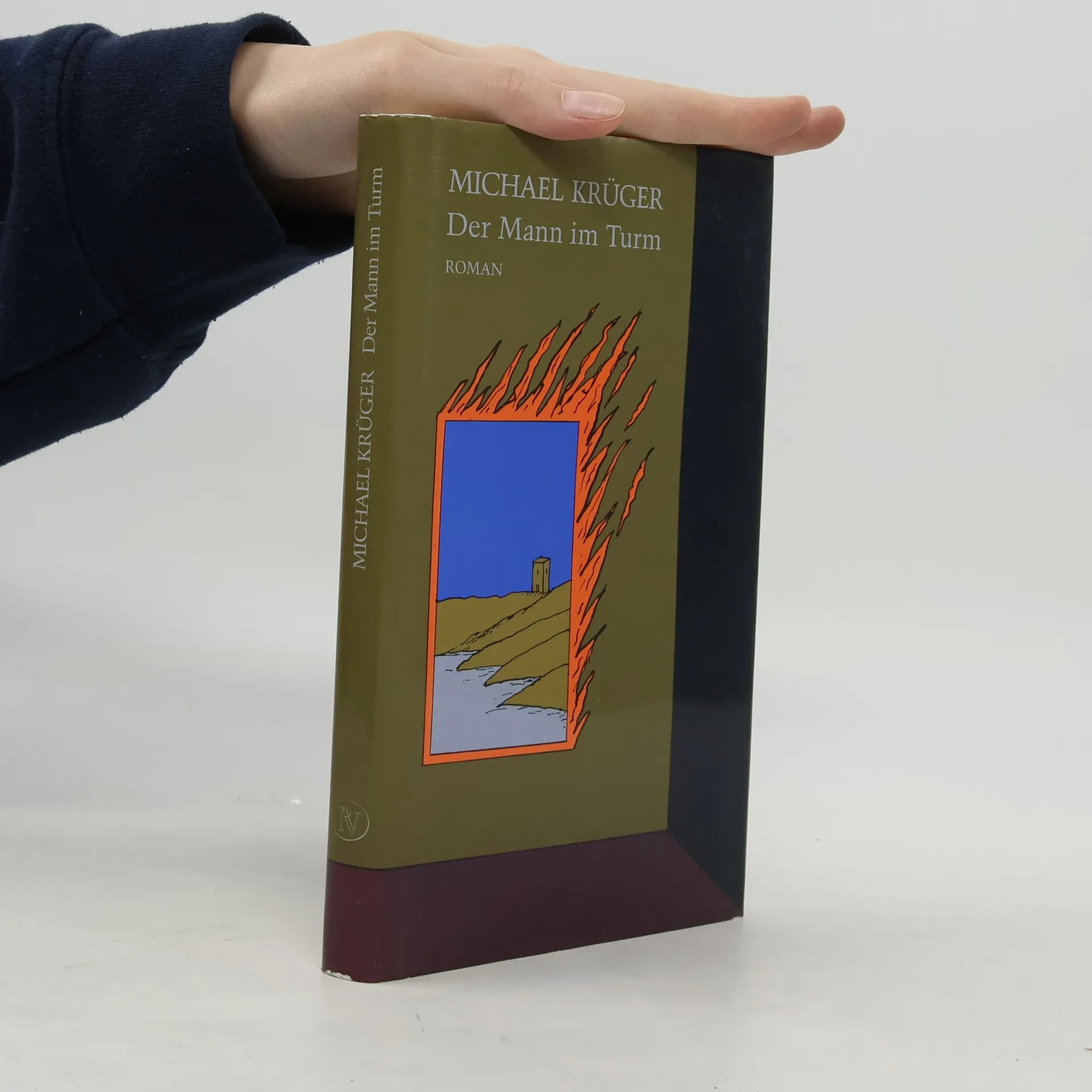
"... kleine, gewöhnliche und unbedeutende Wendepunkte..." können einen zum Papst machen. Oder zum Ministerpräsidenten. Oder, wie der Erzähler dieses Romans, zu einem 'Landschaftsmaler' aus Deutschland. Er hat sich vorgenommen, die vier Jahreszeiten in Südfrankreich zu malen und sich dafür in einen Turm zurückgezogen. Kein Elfenbeinturm, aber dennoch ein Ort, an dem er in Ruhe arbeiten kann. Bis zu dem Moment, als ein Wendepunkt, der auch als Zufall bezeichnet werden kann und dessen Folgen nicht vorhersehbar sind, ihn in eine Bar führt. Er wird unfreiwillig Zeuge der Gespräche eines deutschen Paares, die fortan auf unterschiedliche Weise in sein Leben eintreten; sie zwingen ihn, sein Leben, den Sinn und Zweck seines Lebens zu hinterfragen. Was passiert hier? Was soll man tun? Was wird geschehen? Unvermeidlich: Es wird etwas geschehen! Ein Mann, der ihm viele Probleme bereiten wird, und eine Frau, die ihm die sexuelle Befriedigung als Quelle von Sorgen abverlangen wird... Michael Krüger versteht es, die Elemente eines 'Künstlerromans' mit einem kriminalistischen Stil gekonnt zu verbinden und begibt sich mit seinen Lesern auf eine unterhaltsame Reise zur Analyse unserer Zeit.
Alle scheinen ihn zu kennen, aber keiner weiß seinen Namen. Und wer ihn noch nicht kennt, will unbedingt seine Bekanntschaft machen. Nur der Erzähler, dem sich der Herr mit den schlechten Manieren angeschlossen hat, will ihn loswerden. Im Flughafen von Paris hat er sich ihm aufgedrängt, in München logiert er bereits in seiner Wohnung, in der Künstleragentur, die der Erzähler betreibt, sitzt er an seinem Schreibtisch und bereitet einen Film vor. Wer ist dieser fremde Gast, der plötzlich wie in einer Erzählung von Gogol im Zimmer steht und durch seine bloße Präsenz alles durcheinanderbringt? Am Ende, als man gerade dabei ist, ihm auf die Schliche zu kommen, hat Jona sich für immer aus dem Staub gemacht. Könnte es sein, dass insgeheim so manche warten auf die Ankunft einer Figur, die sie aus dem Tritt bringt? Michael Krügers abenteuerliche Chronik der laufenden Ereignisse zeigt, dass die Sicherheit, mit der wir unser durchrationalisiertes Leben führen, eine Fiktion ist.
"Das Irrenhaus" erzählt die Geschichte eines Mannes, der mit einem goldenen Löffel geboren wurde: Eines Tages erbt der Protagonist unerwartet von der Tante einer Tante ein ganzes Wohnhaus in der besten Gegend Münchens. Er hängt seinen langweiligen Job als Archivar an den Nagel, zieht die Vorhänge auf und zieht in eine freie Wohnung seines Hauses. Allerdings wählt er, unter falschem Namen zu wohnen: Er möchte faulenzen, ohne sich unnötig mit seinen Mietern um die monatlichen Mieten auseinandersetzen zu müssen. Doch die Mieter sind unangenehme Zeitgenossen: vom unverbesserlichen Finanzexperten bis zur alleinstehenden Lehrerin. Der seltsamste von allen ist jedoch Georg Faust, der zuvor in der Wohnung lebte: ein Schriftsteller und Dichter, der überall Spuren hinterlassen hat und weiterhin seltsame Briefe erhält. Ohne lange nachzudenken, beschließt der Mann aus Spaß, in die Rolle des mysteriösen ehemaligen Mieters zu schlüpfen. Er kopiert dessen Handschrift, rezitiert seine Gedichte und verhält sich wie ein echter Schriftsteller, während er das neue Leben erkundet. Bis eines Tages vor seiner Tür die Nichte des verschwundenen Schriftstellers auftaucht und kurz darauf eine Frau, die ihn beschuldigt, ihre Werke plagiiert und gestohlen zu haben. Was tun? Der Protagonist wird zum Verfolgten. Und als sich die Schlinge immer enger zieht, plant der Mann die Flucht.
Die Studie beschäftigt sich sowohl mit der Entwicklung der Medaugymnastik als spezifisches Gymnastiksystem für die Mädchenerziehung im Dritten Reich als auch mit Hinrich Medau und seiner Rolle im Nationalsozialismus. Die Studie beruht auf der Analyse von bisher nicht erforschten Originalquellen zu Medau und seiner Gymnastik, sowohl aus staatlichen als auch privaten Archiven. Die wissenschaftlich-historische Studie wird durch Zeitzeugeninterviews ergänzt. Schließlich erfolgte die Analyse der Quellen unter der Perspektive der historischen Genderforschung. Erkenntnisleitend war das Interesse an der Genese der Gymnastik als einer spezifischen Form weiblicher Leibesübungen und deren Kontextualisierung in der NS-Politik und Erziehung.
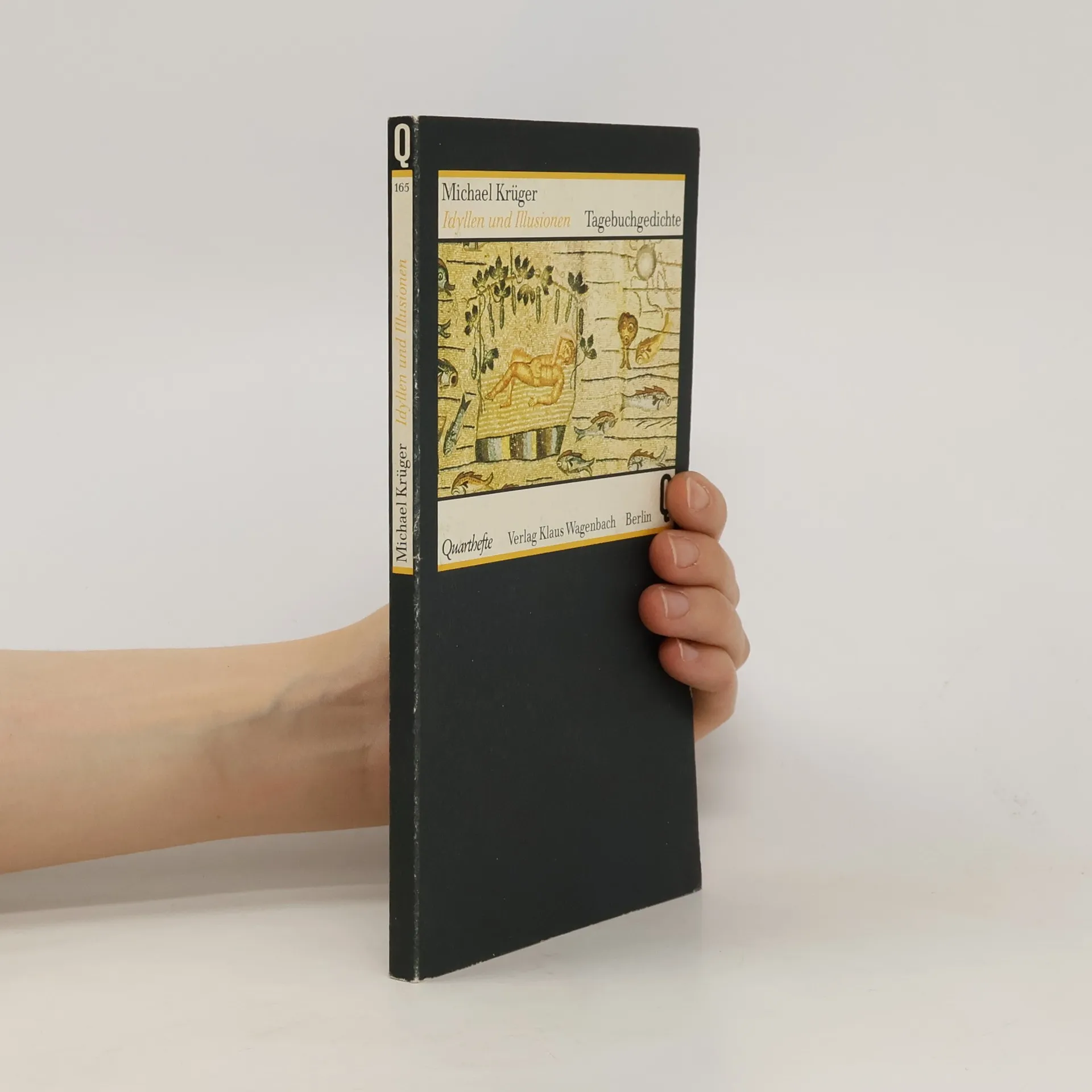
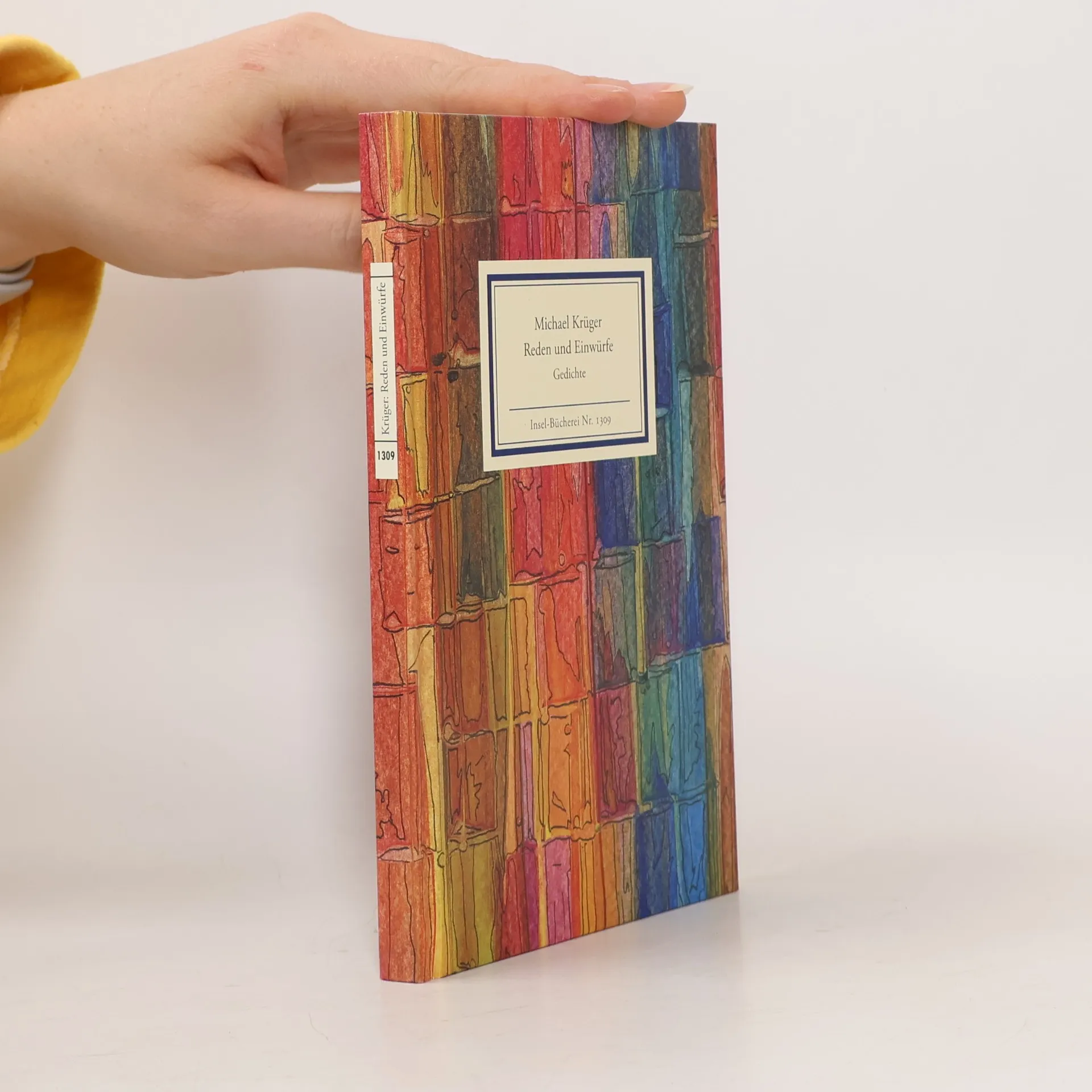
Die Gedichte handeln von ungewöhnlichen Themen wie Dämmerungen, Flüssen, Briefen ohne Absender und dem Tod. Sie zeigen eine einfache, besondere Welt, die jenseits vertrauter Begriffe wahrgenommen werden möchte. Die poetischen Notate reflektieren das Jetzt, ohne eine verlorene Vergangenheit oder eine katastrophale Zukunft zu beschwören.
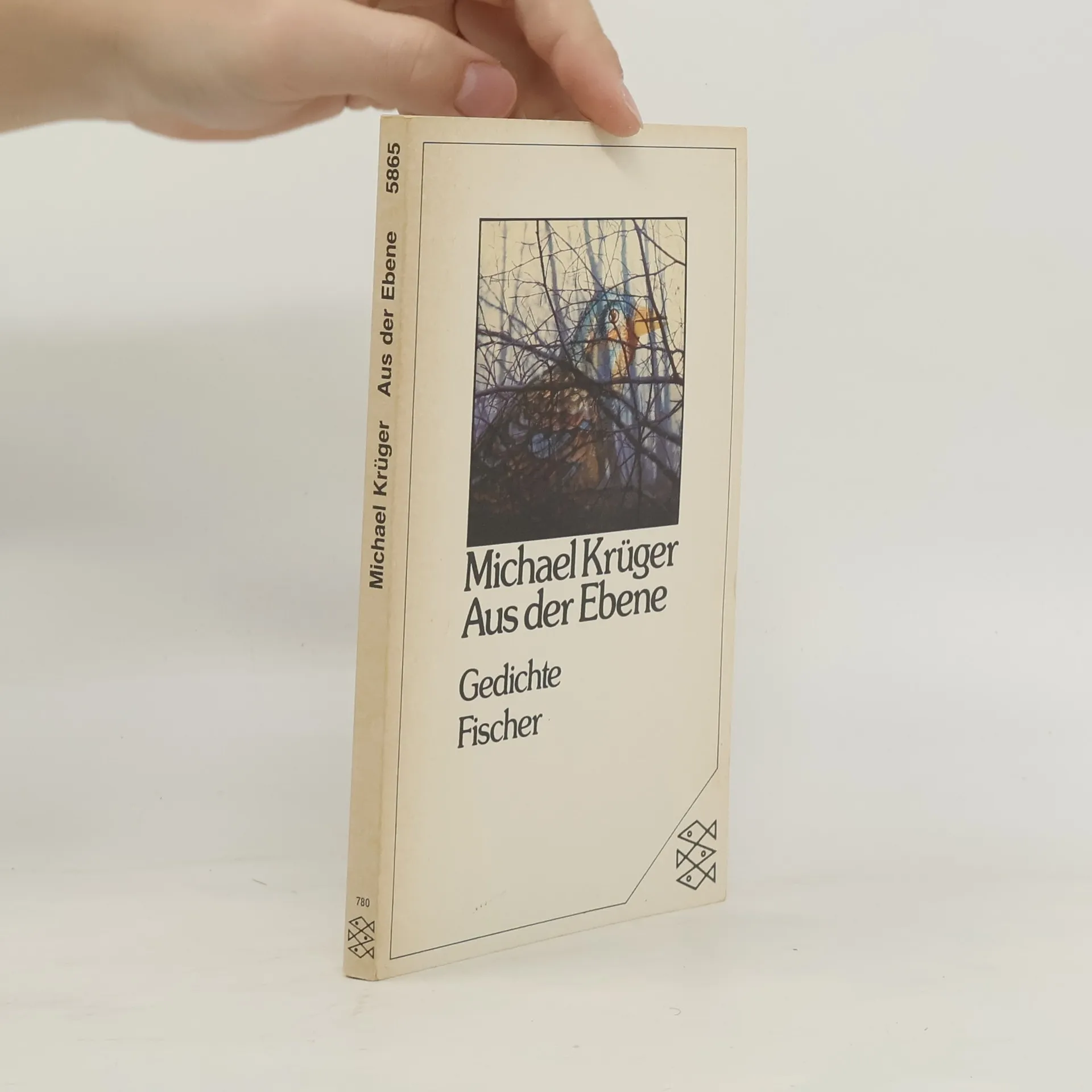
Michael Krügers lyrisches Werk reflektiert drei Jahrzehnte deutscher Realität und thematisiert die Schwierigkeit, einfache Dinge auszudrücken. Alltägliches wird zur Sensation, während Zweifel an der Sprache bleibt. Seine Gedichte sind ein fester Bestandteil der deutschen Lyrik, kraftvoll in der Suche nach Fragen und Antworten.
Der Bleistift des Dichters ermutigt uns, den Worten des Todes nicht blind zu vertrauen. Das Leben, zart wie ein Schmetterling, wird auf seiner Hand gehalten und hinterlässt seine poetischen Spuren.
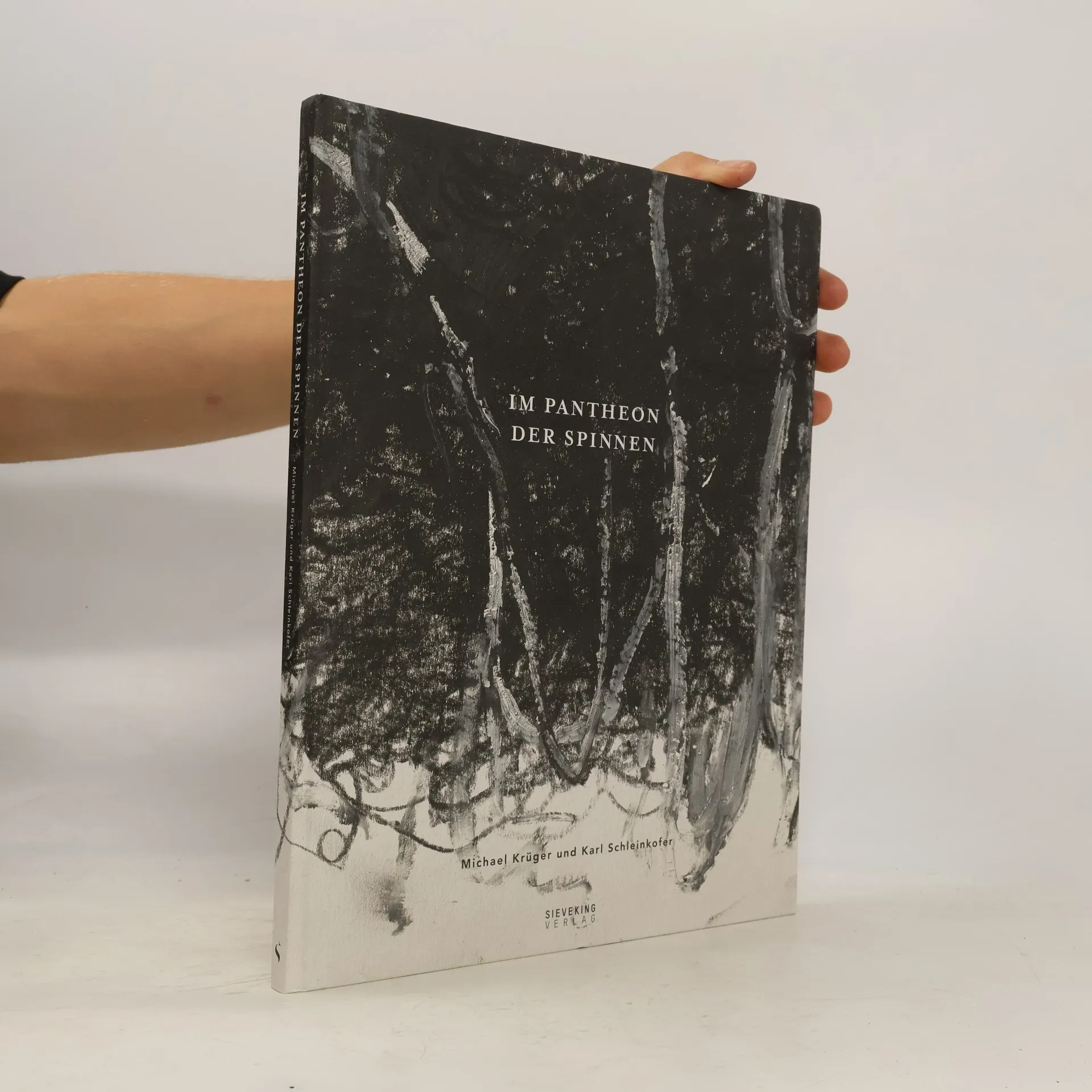
"Der Dichter und Schriftsteller Michael Kruger, seit Jahrzehnten eine Instanz im Literaturbetrieb, dokumentiert in seinem neuesten Werk die eigen Abgeschiedenheit während seines monatelangen Aufenthaltes in einem versteckten Haus im Voralpenland. Er schildert die ihn täglich umgebende Welt der Tiere un Pflanzen, die so häufit - und ganz fließend - vom Geringsten zum Erhabensten wechseln kann. Fragil und selbstreflexiv ist sein Schreiben, jedoch drängt es sich dabei nie in den Vordergrund. Ein kongeniales Äquivalent zu diesem Klang bilden die intensiven Zeichnungen Karl Schleinkofers. Sonderbarste, metamorphe Liniengespinste gewähren eine intensive Versenkung in die Räume der Zeichnung. Das Innenleben der Erscheinungen wird sichtbar und enthüllt tiefere, verborgene Schichten von Welt, in denen analog zu Krügers Text die Metapher des Daseins mitgedacht wird. Eine wunderbare Symbiose von Bild und Text zweier bedeutender Kunstschaffender der Gegenwart"--Page 4 of cover
Ungleicher könnten sie nicht sein: Hier Mark Schlitter, erfolgreicher und weltläufiger Kriegsberichterstatter, und dort sein hasserfüllter, gewalttätiger Bruder Heinz, Landwirt in der Lüneburger Heide, der vor dem persönlichen und wirtschaftlichen Untergang steht. Sie haben sich nie gesehen. Als Heinz sich zunehmend radikalisiert und in die Attentatspläne einer rechten Verschwörung verwickeln lässt, kreuzen sich ihre Wege. Zwei Welten stoßen auf einander. Gelingt es Mark, seinen Bruder umzustimmen?
Zwei Künstler, die eine lange Freundschaft verbindet und die ihr Leben dem Druck verschrieben haben: als Verleger und Autor dem Buchdruck, als bildende Künstlerin dem Druck von Radierungen. Für den Moment des Schreibens gilt allerdings: Der Freund muss sich wegen Corona in Isolation aufs Land, in den Wald zurückziehen. Er schreibt für die Freundin die Beobachtungen auf, die er in der Einsamkeit macht. Bilder, die ihm sonst nie aufgefallen wären: Apfelbäume, die ein Jahr lang nicht tragen, Vögel, die im Herbst nicht wegfliegen wollen, dafür ein denkender Esel und ein flüsternder Tölpel als Kragstein einer Domkirche. Nicht zu vergessen die gestrandeten Zirkusziegen, die eine Pyramide bilden. Michael Krüger, Autor zahlreicher Romane und Gedichte, war jahrelang Verleger des Hanser Verlags. Erika Hegewisch, freie, international ausgestellte Künstlerin, arbeitete u.a. auch als Illustratorin für Willy Fleckhaus bei ›twen‹. Als gemeinsame Arbeit von Michael Krüger und Erika Hegewisch erschien im Merlin Verlag bereits ›Vom Licht ins Dunkel‹ (2001).
ZUGÄNGLICHE, VIELFACH PREISGEKRÖNTE LYRIK IN FORM EINES REISETAGEBUCHS Die Welt in Gedichten erfassen, vermeintlich im Vorübergehen, und doch an DAS WESEN DER DINGE rühren - MICHAEL KRÜGER hat diese Kunst zur Meisterschaft gebracht in seiner Jahrzehnte währenden Arbeit als Lyriker. In „Mein Europa“ zeigt er sich auf intime Weise als ENTHUSIAST DES STILLEN BEOBACHTENS, als EINGEWEIHTER IM GESPRÄCH DER TIERE, als Skeptiker der menschlichen Natur, als Kenner vielfältiger Traditionen, Kulturen und Sprachen - und nicht zuletzt als GLÜHENDER ANHÄNGER DES EUROPÄISCHEN GEDANKENS. GEDICHTE VON ORTEN IN GANZ EUROPA, VON DEN ZENTREN BIS IN DIE PERIPHERIE Über den Zeitraum von eineinhalb Jahren hat Michael Krüger AN ALL DEN ORTEN, DIE ER BEREISTE, GEDICHTE VERFASST. Es sind die Orte der Peripherie, an denen er mehr über sich und das Leben vernimmt als im Trubel der großen Städte. Entstanden ist ein SEHR PERSÖNLICHER ATLAS EUROPAS, chronologisch unterteilt in die VIER JAHRESZEITEN, in dem man MIT DEM BLICK DES AUTORS IN DIE WELT EBENSO WIE IN SEINE GANZ PRIVATE UMGEBUNG schaut.
Ein Mann schläft im Zug ein und wacht auf, als ein fremdes Mädchen, Jara, vertrauensvoll an ihm lehnt. Sie ist ohne Geld, Papiere und nahezu ohne Sprache. Der Mann, ein erfolgreicher Motivationscoach, hat sich von der Welt abgewendet, geplagt von seinen eigenen Lebensweisheiten. Doch er sieht in Jara eine Chance zur Rettung und glaubt, ihr ein Zuhause zu geben, könnte seinem Leben den ersehnten Sinn verleihen. Er nimmt sie in München auf, was sein Leben entscheidend verändert.
Hier trifft ein erfolgreicher Mann, der nur Leere kennt, auf eine junge Frau, die nichts hat, aber dennoch reich an Leben ist. Michael Krüger schildert diese Konstellation mit großer Lust am Abschweifen. Der Erzähler reflektiert seine Gedanken und schonungslos die Menschen um ihn herum, einschließlich sich selbst.
In seinem neuen Roman thematisiert Krüger verschiedene Arten der Flucht: aus dem Leben, in ein Leben, voreinander und zueinander. Er zeichnet ein facettenreiches Bild der gegenwärtigen Gesellschaft – melancholisch und komisch, resignativ und dennoch hoffnungsvoll.
Nach »Kurz vor dem Gewitter« (2003), »Unter freiem Himmel« (2007) und »Ins Reine« (2010) erscheint, rechtzeitig zum siebzigsten Geburtstag Michael Krügers, der neue Band seiner poetisch-lyrischen Naturerkundungen. Es sind Gedichte, die, mit einer Mischung aus Staunen und Reflexion, den Blick auf unsere Lebensverhältnisse richten – hundert Versuche, das zentrifugale Geschehen ohne große Worte, so lapidar wie möglich, zusammenzufassen, um zu einem wie immer flüchtigen Bild von der Welt zu kommen. »Michael Krügers neue Gedichte fügen sich zu einer großen Elegie auf die verschwindende Sichtbarkeit von Welt, die gebrochen, aber nicht resignativ an eine große Tradition der Naturlyrik anknüpft, sich aber zugleich immer wieder als eine sehr persönliche Klage um versäumtes Leben darstellt. …der Lyriker auf der Höhe seiner Kunst«, schrieb Friedmar Apel in der »Frankfurter Allgemeinen Zeitung« über »Ins Reine«.
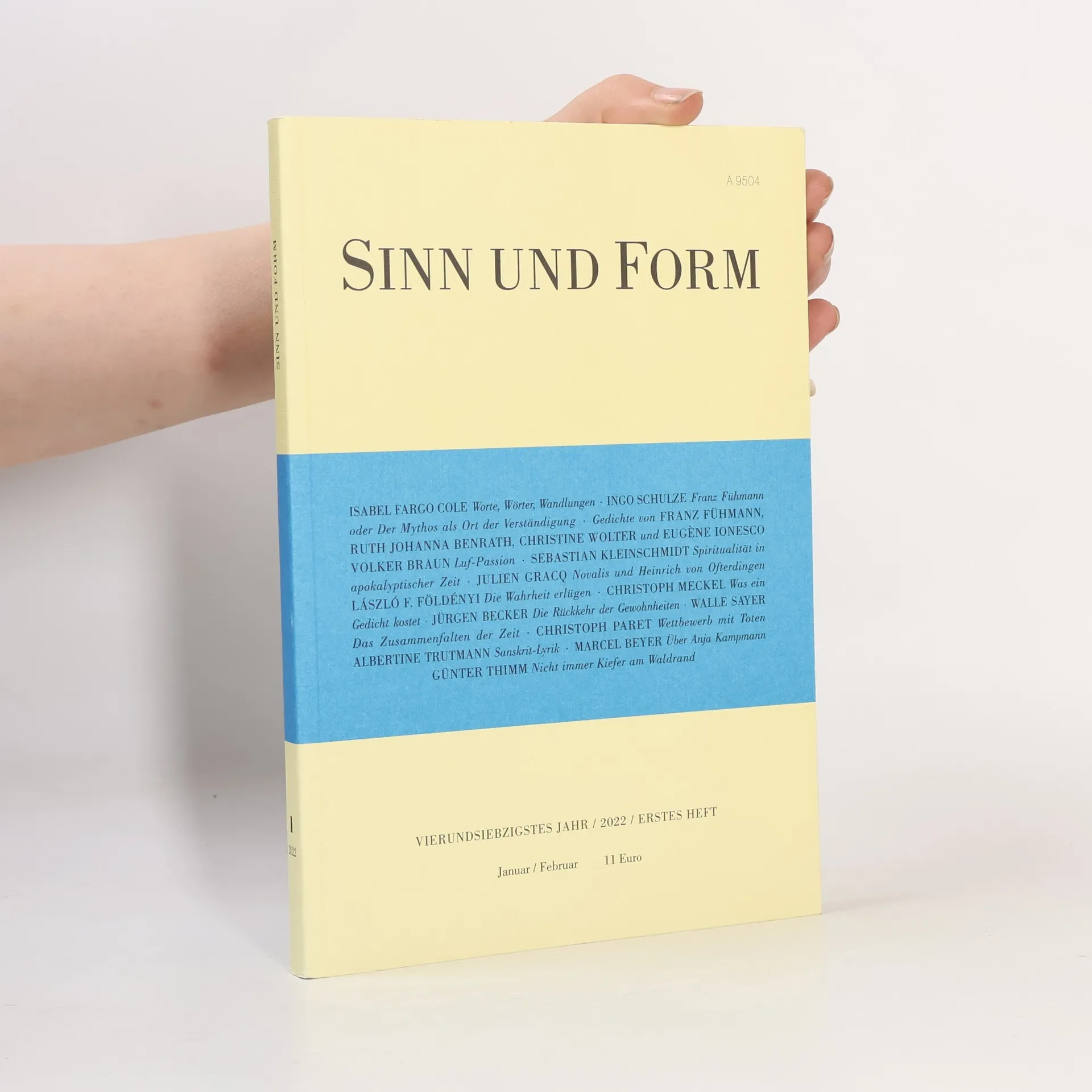
Vor 50 Jahren eröffneten die Akzente, damals noch eine Zeitschrift für Dichtung, mit einem Gedicht von Oskar Loerke ihr erstes Heft. Der vorliegende Band enthält die wichtigsten Texte der Hefte und ist damit ein Reader aus 50 Jahren Literatur und Lyrik.
Dieser Band enthält die Abstracts aller Vorträge (Hauptvorträge, Geladene Vorträge, Kurz- und Überblicksvorträge in den Arbeitskreisen) und Posterpräsentationen vom 19. Sportwissenschaftlichen Hochschultag der Deutschen Vereinigung für Sportwissenschaft an der Westfälischen Wilhelms-Universität Münster (16.-18. September 2009).
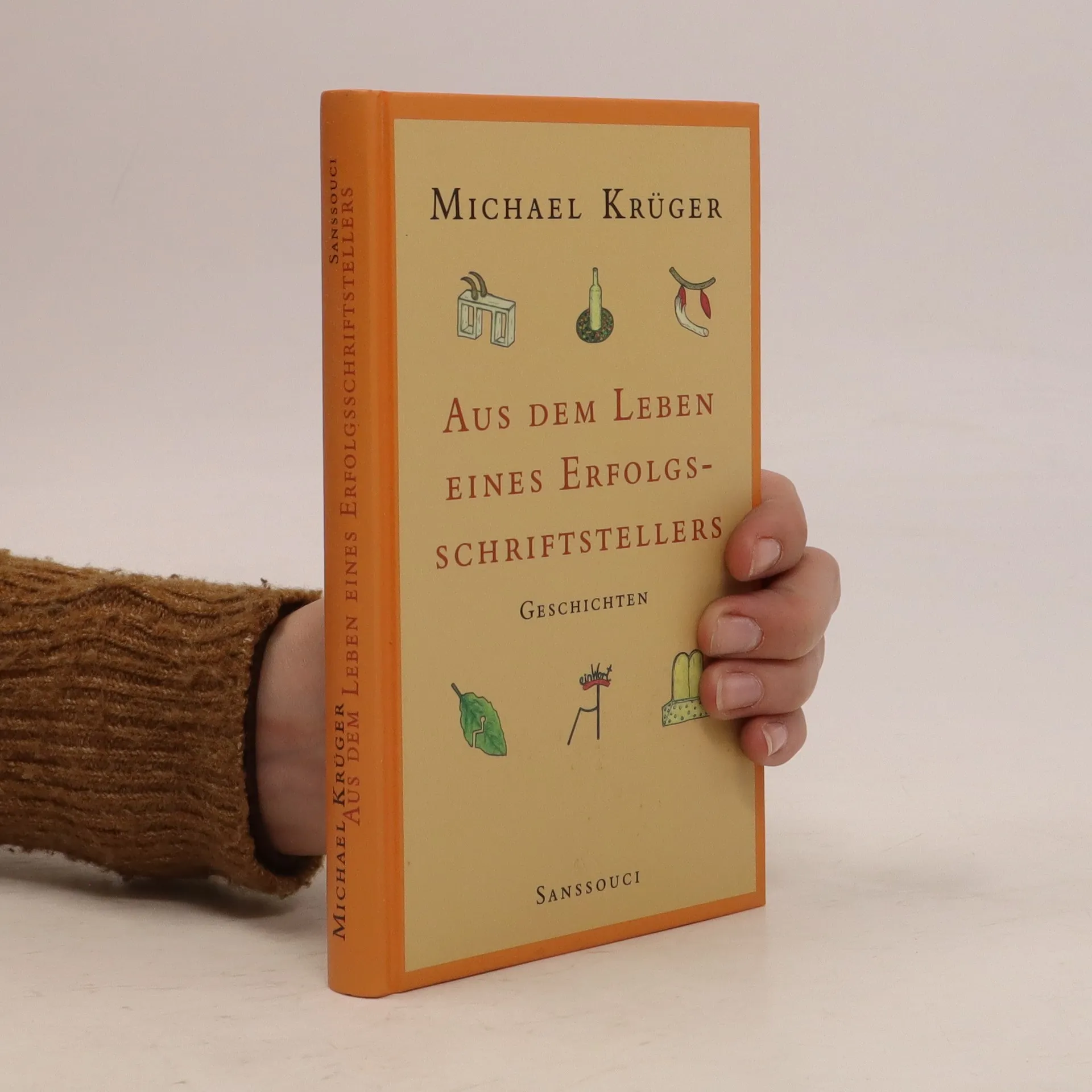
Die Mehrzahl der liebenswerten und lebensfremden Helden dieser Geschichten sind von einer Obsession besessen: der Liebe zur Literatur und allem, was im weitesten Sinne mit ihr zu tun hat. Während ihre Umwelt sich nur mit Vernünftigkeiten abgibt, beschäftigen sie sich mit den wirklich wichtigen Dingen: Da ist der Onkel, der ein Werk über Druckfehler in der Weltliteratur schreibt, der Dichter, der es strikt ablehnt, jemals eines seiner Werke zu veröffentlichen, und der Lektor, der sich für den eigentlichen Schöpfer zahlloser Erfolgsromane hält. Das ideale Geschenkbuch für all jene, die ebenso hoffnungslos der Literatur verfallen sind.
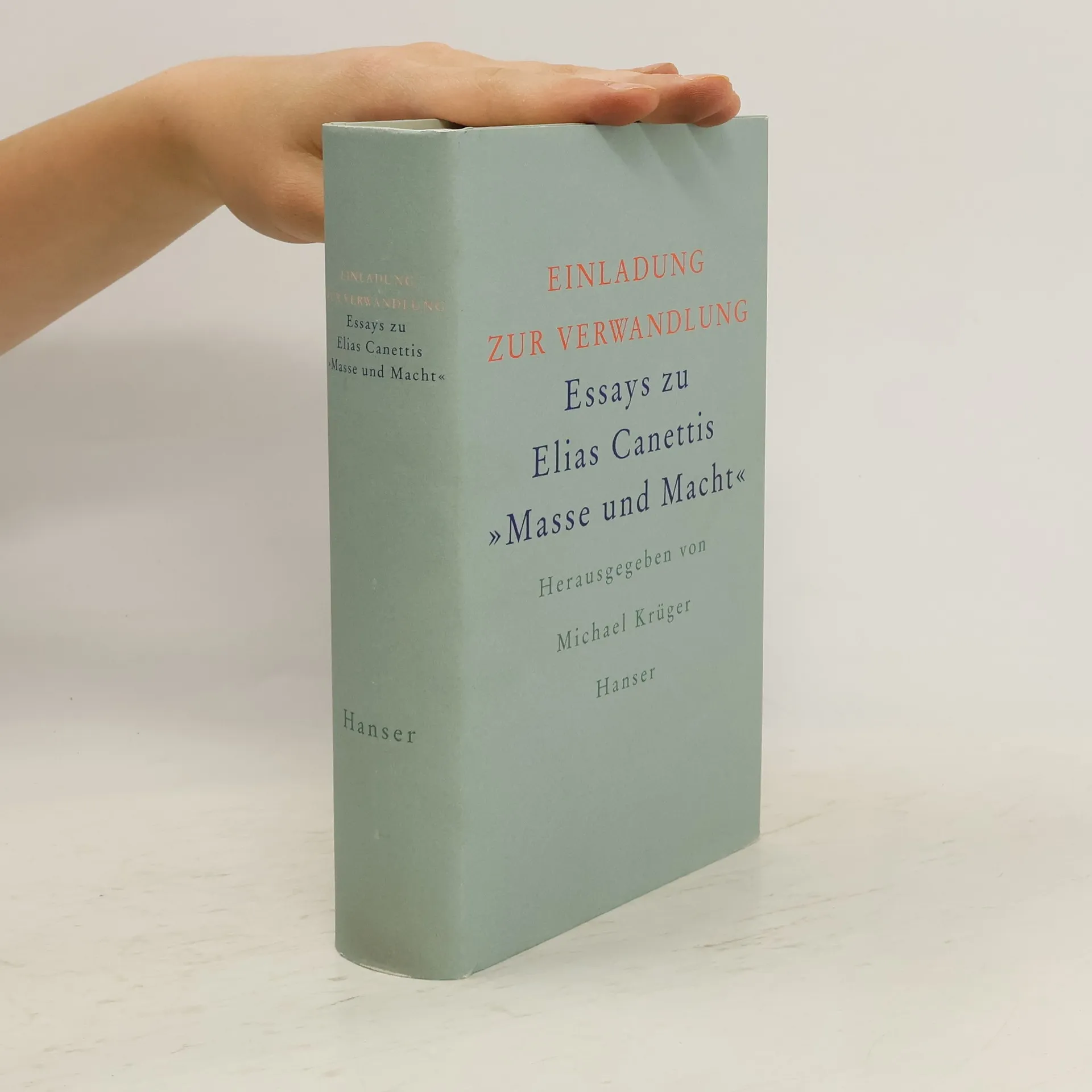
Anläßlich seines 90. Geburtstages wünschte sich Elias Canetti statt einer Festschrift eine Sammlung von Aufsätzen zu Masse und Macht, seinem Hauptwerk, an dem er 35 Jahre seines Lebens arbeitete. Nach Canettis Tod im Sommer 1994 ist aus diesem Projekt nun ein Gedenkbuch geworden, das an den großen Schriftsteller erinnert.
Een man wordt afgeleid door gedachten, woorden en gebeurtenissen wanneer hij tegen zijn zin op weg is om op verzoek van zijn zusters een grafrede te houden voor hun plotseling overleden moeder.
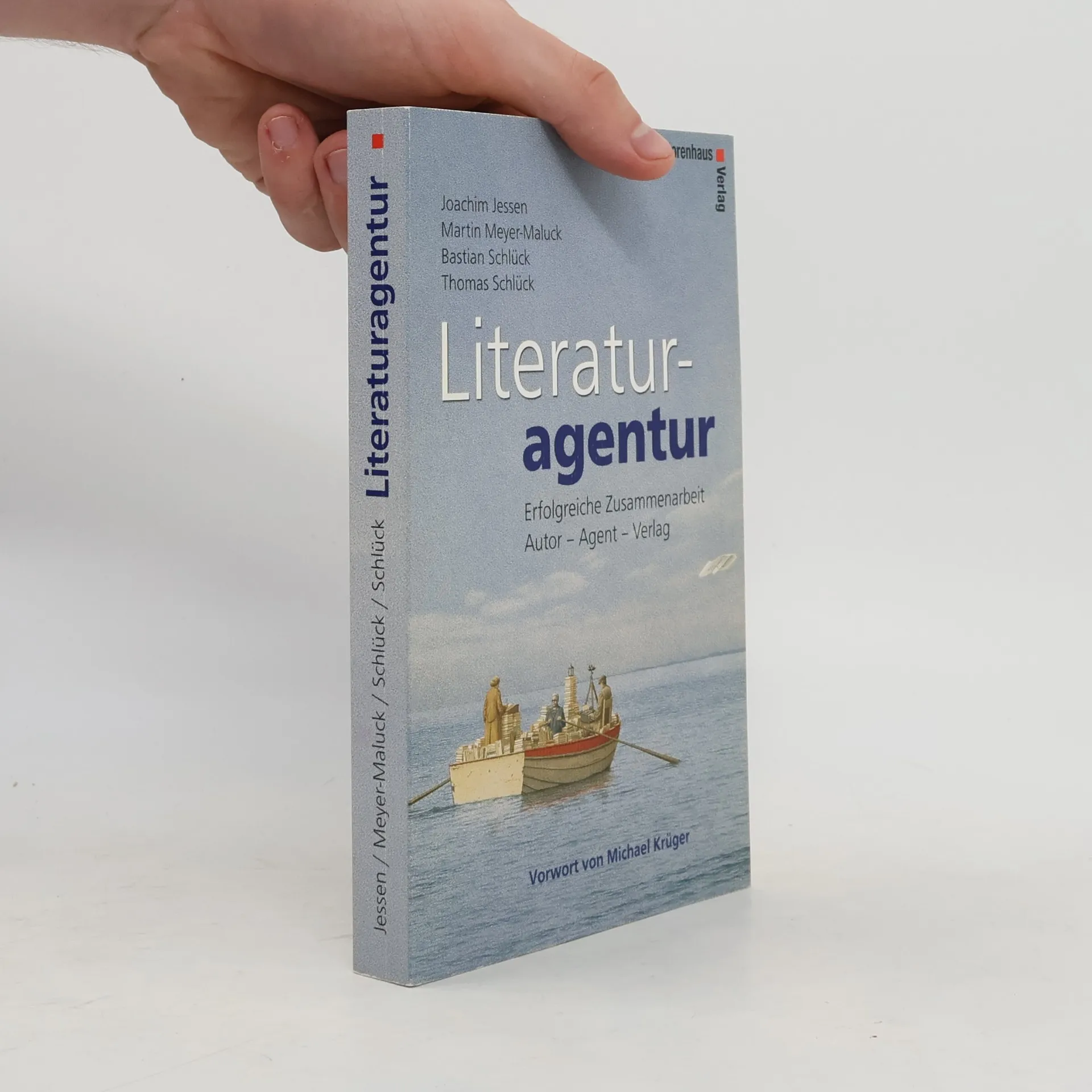
Erfolgreiche Zusammenarbeit Autor - Agent - Verlag
231 stránek
9 hodin čtení
Der erste deutsche Autorenratgeber über die erfolgreiche Zusammenarbeit von Autor – Agent – Verlag. Mit Agenturverzeichnis, kommentiertem Verlagsvertrag, und einem Agenturvertragsmuster. Völlig überarbeitete und weitgehend erweiterte Ausgabe von 'Traumberuf Autor', mit vielen neuen Informationen, einem Agenturvertragsmuster und völlig neu recherchiertem Agenturverzeichnis. Wenn Sie mit einer Literaturagentur zusammenarbeiten möchten, sollten Sie sich vorher über die Leistungen einer seriösen Agentur informieren: Was Sie als Autor erwarten können, wie Sie mit einer Literaturagentur in Kontakt treten, wie ein Agenturvertrag aussieht, welche Honorare üblich sind und wieviel davon die Agentur einbehält, wie eine Honorarabrechnung aussieht und warum Sie manche Angebote ablehnen sollten. Aus der Praxis der wohl größten deutschen Literaturagentur erfahren Sie alles, was Sie über die Zusammenarbeit mit Agenturen und Verlagen wissen sollten. Darüberhinaus für alle, die sich direkt an Verlage wenden, zahlreiche Tipps und Hinweise zu Manuskriptangebot, Verlagsvertrag und Arbeitsweise in den Verlagen. Im Anhang: Eine kleine Geschichte der Literaturagenturen von Andreas Graf
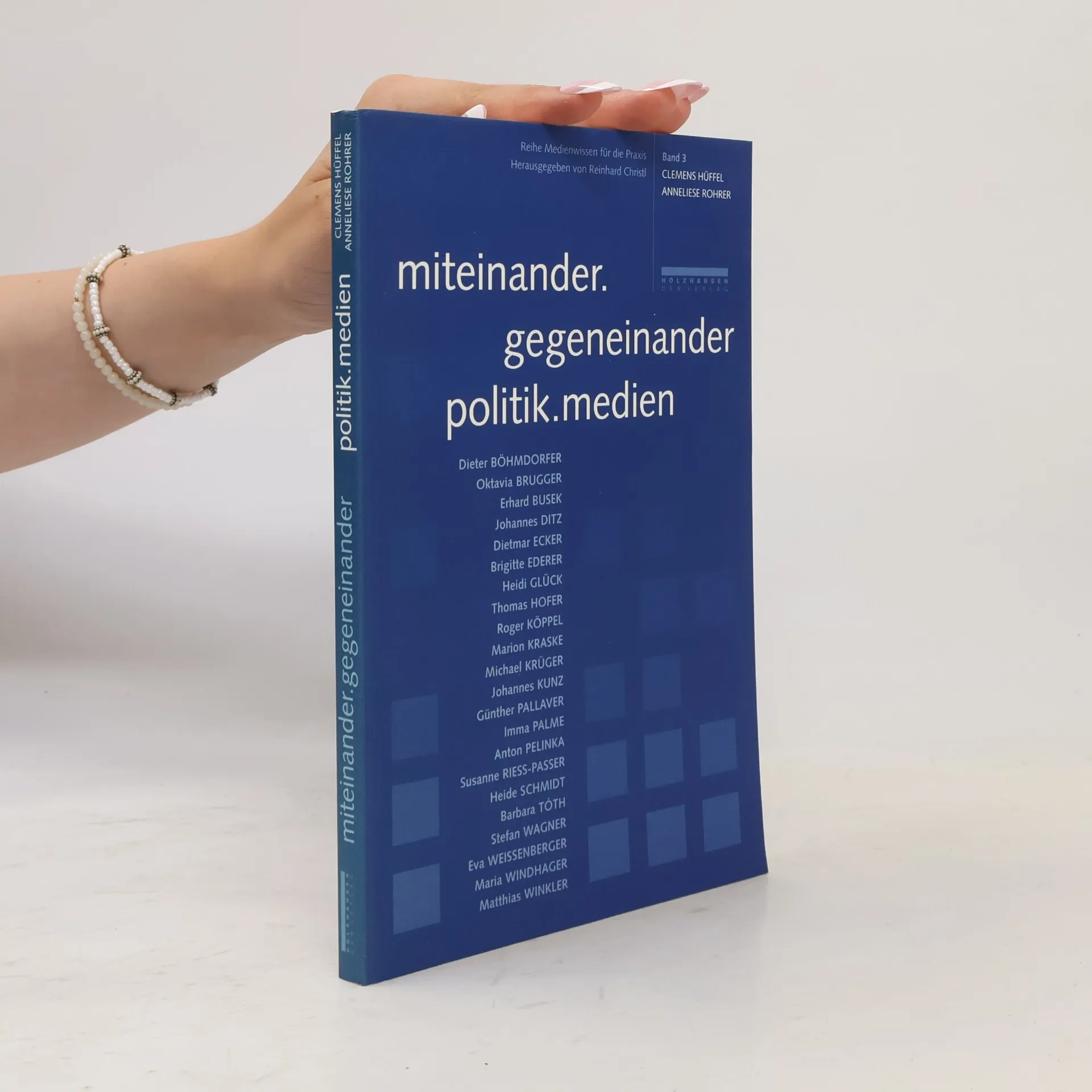
Wie kommt es, dass beide Berufsgruppen in Beliebtheits- Rankings immer wieder schlecht abschneiden? Verliert die Bevölkerung das Interesse an der Politik oder wünschen sich die Bürger nur andere Politiker? Schadet der hohe Konzentrationsgrad der Medienlandschaft in Österreich unserer Demokratie? Kann man noch glauben, was in der Zeitung steht? Längst ist das Fernsehen ein zentrales Medium der Politik-Berichterstattung geworden. Zählen Bilder inzwischen mehr als Inhalte? Wird eine Generation, die mit dem Internet und seinen Möglichkeiten aufgewachsen ist, Medien und Politik nachhaltig verändern? Die Herausgeber Anneliese Rohrer und Clemens Hüffel widmen den dritten Interviewband der Reihe „Medienwissen für die Praxis“ dem Verhältnis von Politik und Medien. Studenten des Studiengangs Journalismus und Medienmanagement der FHWien befragen Journalisten, Wissenschaftler, ehemalige Politiker und Pressesprecher zum Miteinander und Gegeneinander in der täglichen Arbeit.
Englischsprachige Lyrik im Originalton und in deutscher Übersetzung
Die größte zweisprachige Lyrik-Anthologie im Originalton versammelt 94 englischsprachige Lyrikerinnen und Lyriker und bietet seltene Sprachaufnahmen, die in mehrjähriger Recherche zusammengetragen wurden. Die Anthologie nimmt die Hörer mit auf eine zeitliche und geographische Reise durch das letzte Jahrhundert der englischsprachigen Welt. Die Übersetzungen werden von erstklassigen Schauspielern gelesen und stammen von angesehenen Lyrikern und Übersetzern. Zu den vertretenen Dichtern gehören Alfred Lord Tennyson, Robert Browning, Walt Whitman, William Butler Yeats, Rudyard Kipling, Edgar Lee Masters, James Weldon Johnson, Walter de la Mare, Gertrude Stein, Robert Frost, Carl Sandburg, Wallace Stevens, James Joyce, William Carlos Williams, Ezra Pound, H.D. (Hilda Doolittle), Robinson Jeffers, Edith Sitwell, Marianne Moore, T. S. Eliot, Conrad Aiken, Edna St. Vincent Millay, Archibald Macleish, Dorothy Parker, E. E. Cummings, Robert Ranke Graves, Louise Bogan, Ernest Hemingway, Langston Hughes, Ogden Nash, Louis Zukofsky, Patrick Kavanagh, Samuel Beckett, W. H. Auden, Louis MacNeice, Elizabeth Bishop, John Cage, Karl Shapiro, Delmore Schwartz, Muriel Rukeyser, Dylan Thomas, James Laughlin, Robert Lowell, Gwendolyn Brooks, Lawrence Ferlinghetti, Charles Bukowski, Richard Wilbur, Jack Kerouac, Philip Larkin, Denise Levertov, Michael Hamburger, Kenneth Koch, Robert Creeley, Robert Bly, Allen Ginsberg, Frank O'Hara, Charles Tomlinson
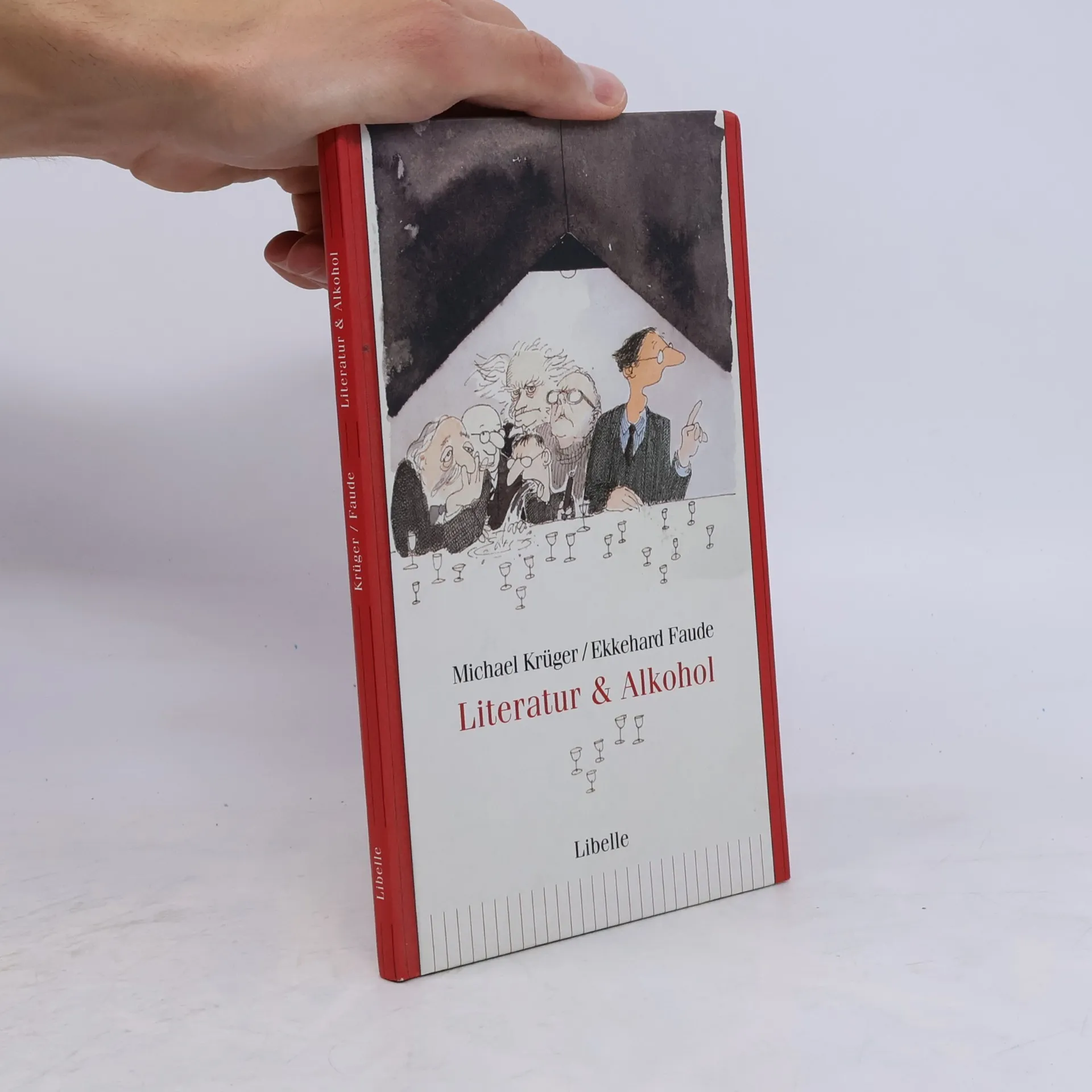
'Wer schreibt, trinkt auch.' Schon der Anfangssatz seiner Studie führt in die Vollen. Viele schöne Seiten weiter endet alles mit einem brisanten Fazit: 'Wer zu viel liest, ohne ständig zu spülen, muss dumm werden; wer zu viel trinkt, ohne das Getrunkene lesend zu verarbeiten, wird in der Gosse landen. Nur beides erhält eine Kultur.' Michael Krügers faktenreiche Tour d’Horizon über Promille-Schwellen bei Lyrikern, Rotweinkonsum von Philosophen und dem Pro-Seiten-Bedarf des deutschen Normallesers. Länder übergreifende Erhebungen werden hier auf den Punkt gebracht. Ein Mix aus ca. 100 Kultur erhaltenden, wenn nicht gar transdisziplinären Fußnoten, in dem Ekkehard Faude die Forschungen auch kommender Jahre schon abfüllt, gibt dem allem eine Duftnote eigener Art
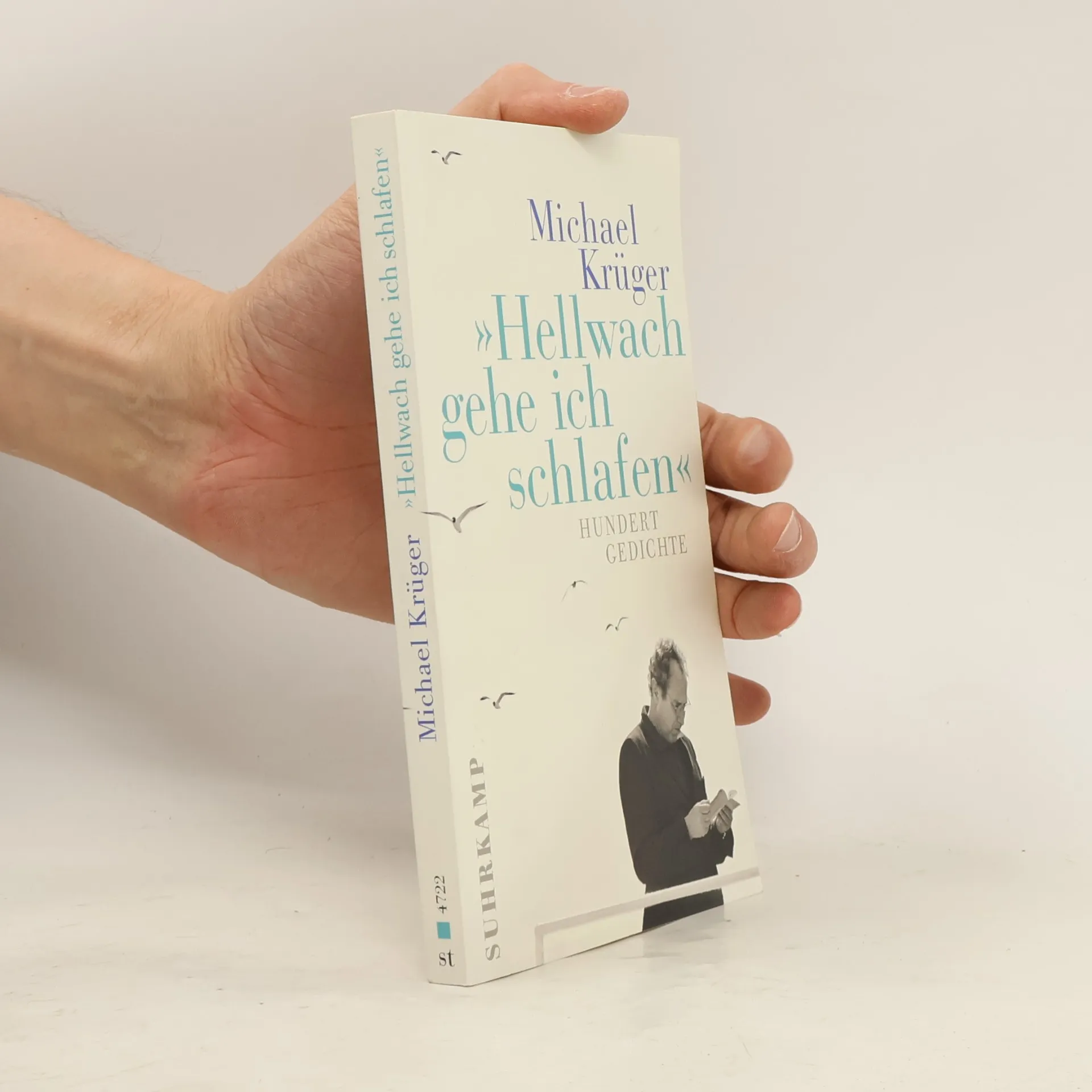
Hellwach gehe ich schlafen präsentiert eine Auswahl von hundert Gedichten aus vier Jahrzehnten. Seit vierzig Jahren veröffentlicht Michael Krüger, den die Welt als Verleger, Herausgeber, Rezensent und als Autor »in his own write« kennt, Gedichtbände: mit großen und kleinen, lang- und kurzzeiligen und auch sonst sehr unterschiedlichen Gedichten. Vielerlei Beobachtungen und Erfahrungen, Fragen und Überlegungen, Wörter und Sachen fließen ein in seine Gedichte – empfindliche Kunstgebilde, die angesichts der Fülle einen klaren Kopf behalten. Nicht um Vereinfachung, Botschaft, virtuose Überrumpelung geht es in Michael Krügers Gedichten, sondern stets um ein Offenhalten: Wortmeldung in Sprachräumen, Konstellationen der Gegenwärtigkeit.