

Nemocnice 19. století představovala spíš bránu smrti než místo léčení. Úmrtnost byla masivní. Chirurgové pracovali bez anestezie za řevu pacientů a jejich nejcennější vlastností nebyla pečlivost, ale rychlost. Operační sál bylo divadlo s jevištěm a operace krvavou exhibicí pro lačné oči diváků. Scéna se mění teprve v letech 1860–1875. Chirurg, kvaker Joseph Lister vystupuje s nehorázným tvrzením, že původcem infekcí jsou bakterie, a svádí odvážný, nerovný, ale nakonec vítězný boj o prosazení antisepse a sterilizace. Dramatický příběh, který se odehrával v přízračných kulisách viktoriánské Anglie, líčí oceňovaná kniha sugestivním, téměř beletristickým stylem.
Lindsey Fitzharris Knihy
1. leden 1982
Autorka se již od dětství zajímala o minulost a lidi, kteří ji obývali, což vedlo k celoživotnímu zájmu o historii. Po získání doktorátu v oboru historie vědy, medicíny a technologie na Oxfordské univerzitě se věnuje popularizaci historie prostřednictvím svého webu a YouTube kanálu. Její práce se vyznačuje humorným a poutavým pohledem na minulost, zejména na její méně prozkoumané aspekty. Debutová kniha autorky se zaměřuje na transformaci brutálního světa viktoriánské chirurgie a přibližuje cestu chirurga Josepha Listera.


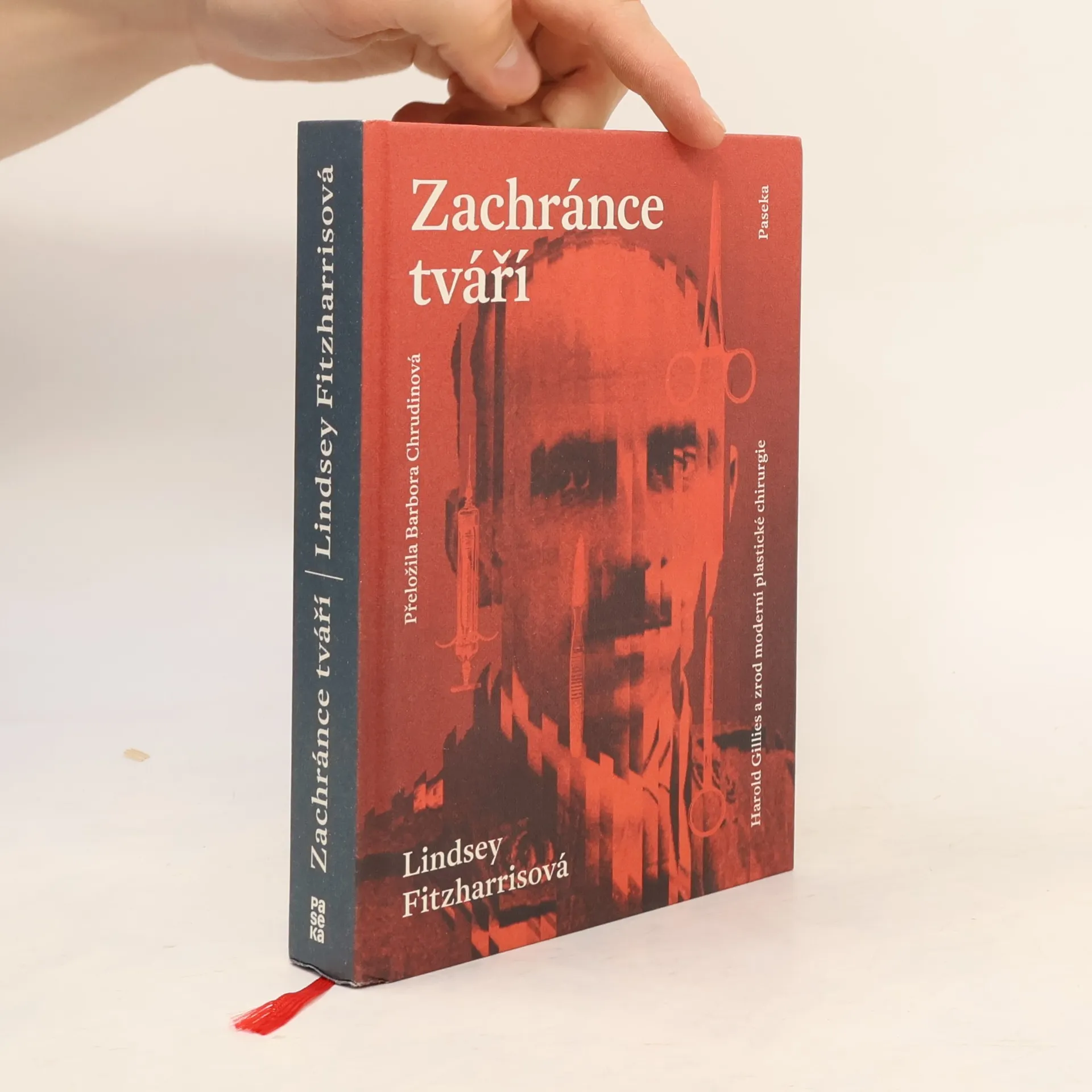
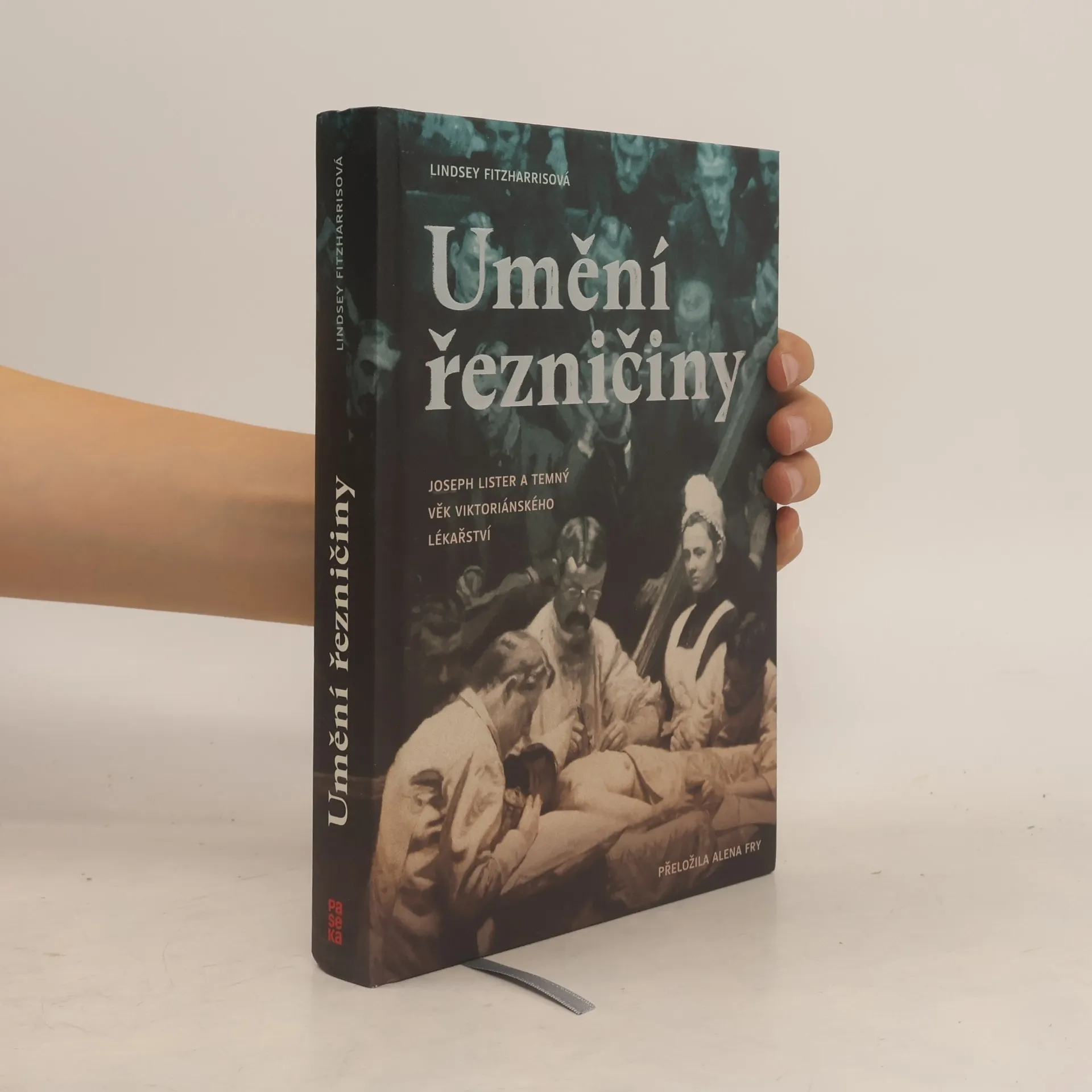
Zachránce tváří: Harold Gillies a zrod moderní plastické chirurgie
- 336 stránek
- 12 hodin čtení
Od výstřelu prvního kulometu na západní frontě bylo jasné, že vojenská technologie mnohonásobně překonala možnosti lékařské vědy. Mnozí z vojáků první světové války, kteří průmyslové vraždění přežili, opouštěli armádu se znetvořením a těžko představitelným traumatem. Zatímco ztráta končetiny učiní z veterána hrdinu, člověk bez obličeje se stává monstrem. Ten, kdo mu tvář navrátí, zachrání jeho identitu i duši. Válečná brutalita je živnou půdou lékařského pokroku. Dokladem je i příběh Harolda Gilliese, otce moderní plastické chirurgie. Gilliesovo oddělení v londýnské Královnině nemocnici se stalo laboratoří medicínských vynálezů a inovací a také prostředím, kde se setkávaly dramatické osudy pacientů, kteří se díky lékařově obětavosti a profesnímu umění navracejí zpět do života. Stejně jako ve své předchozí knize Umění řezničiny píše historička vědy Lindsey Fitzharrisová sugestivně a jazykem blízkým beletrii.
The Facemaker
- 320 stránek
- 12 hodin čtení
This poignant story chronicles the visionary surgeon who transformed the lives of First World War heroes through groundbreaking plastic surgery. As the war unleashed devastating new weaponry, countless soldiers suffered severe facial injuries, highlighting the stark gap between military technology and medical care. While many survived their wounds, disfigured soldiers often faced societal rejection instead of the honor they deserved. Award-winning historian Lindsey Fitzharris narrates the remarkable journey of Harold Gillies, a pioneering plastic surgeon who committed himself to restoring the identities of a brutalized generation. After witnessing the horrific injuries on the front lines, Gillies returned to Britain to establish one of the first hospitals dedicated to facial reconstruction in Sidcup. There, he assembled a dedicated team of doctors, nurses, and artists to help recreate what had been lost. In a society that celebrated soldiers with lost limbs as heroes while stigmatizing those with facial disfigurements, Gillies not only restored faces but also revived spirits. Meticulously researched and grippingly told, this account intertwines Gillies's innovative surgical techniques with the poignant stories of the soldiers he helped, showcasing the powerful intersection of medicine and art, and the extraordinary courage and imagination that emerged amidst relentless horror.