David Suzuki je kanadský vědec a popularizátor vědy, známý svým dlouholetým aktivismem za zvrácení globální změny klimatu. Jeho práce se zaměřuje na hledání způsobů, jak společnost může žít v souladu s přírodním světem, který nás podporuje. Prostřednictvím nadace, kterou spoluzaložil, se věnuje otázkám oceánů, udržitelného rybolovu, klimatické změny, čisté energie a obecné udržitelnosti. Suzukiho odkaz spočívá v jeho snaze propojit vědecké poznatky s aktivním občanstvím a ekologickou zodpovědností.
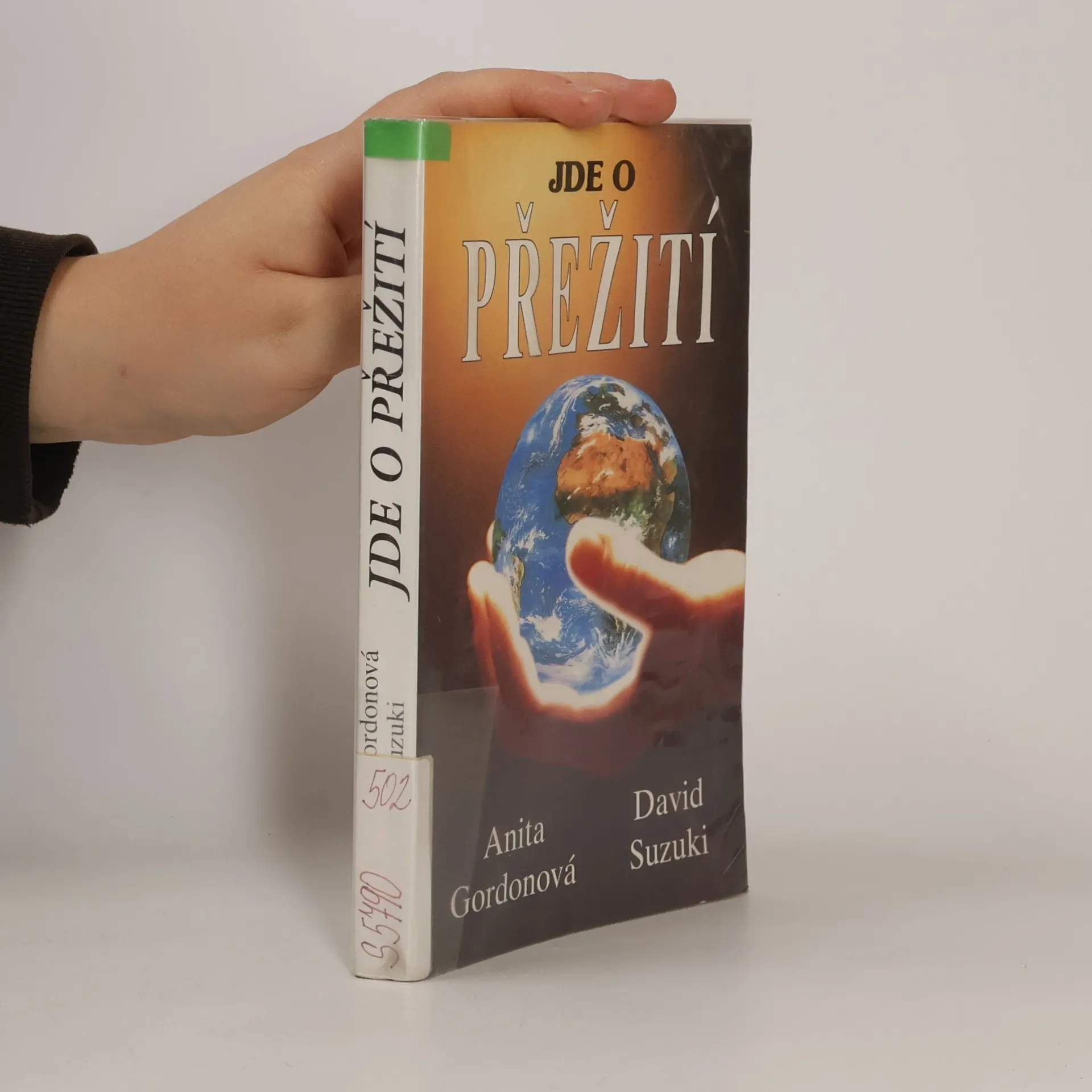
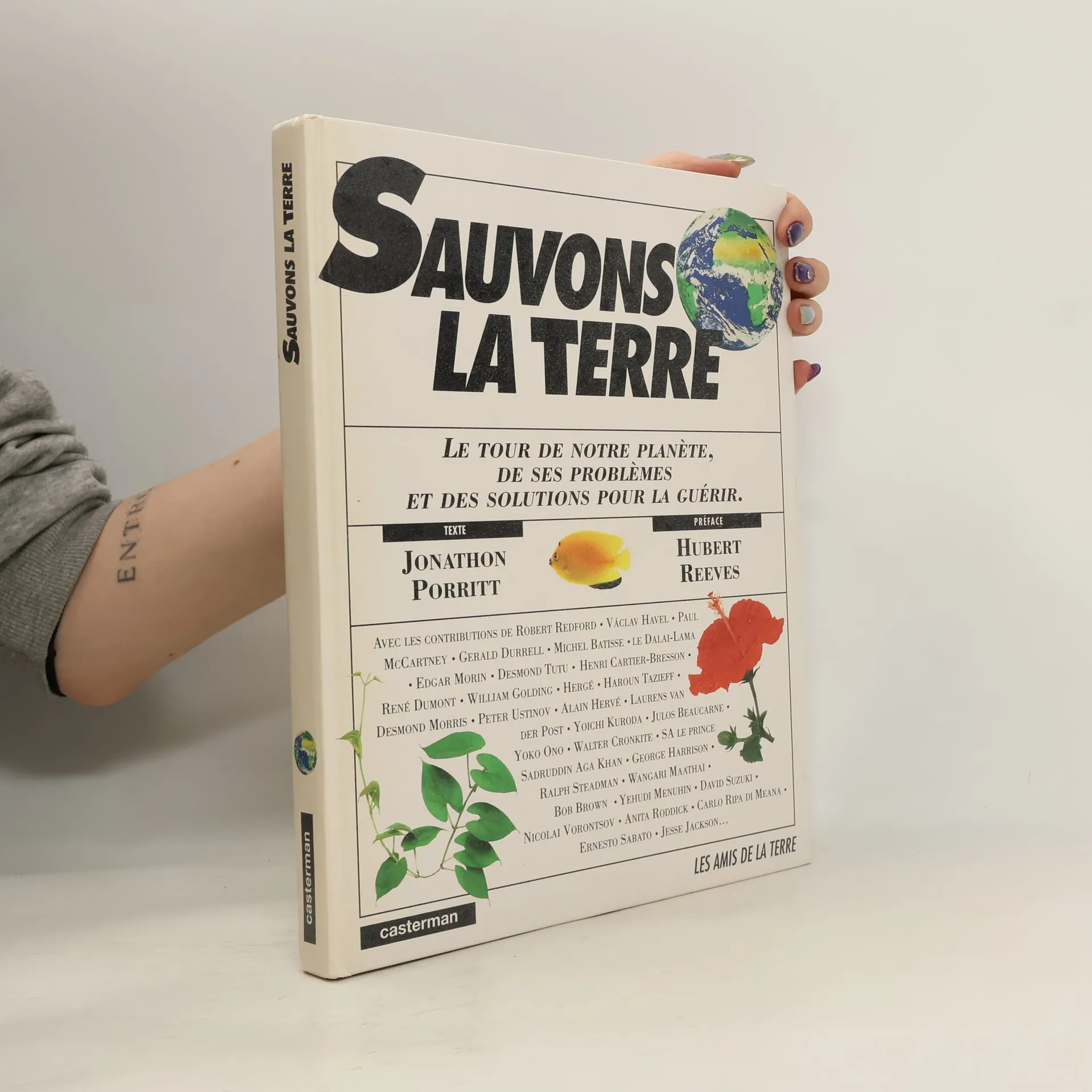
Kniha je otřesným svědectvím o současném stavu naší planety. Obsah: Ekologie, životní prostředí, ochrana živé i neživé přírody a krajiny, zachování prehistorických etnografických a etnologických jevů, negativní vlivy průmyslu na přírodu, ekologické sborníky.
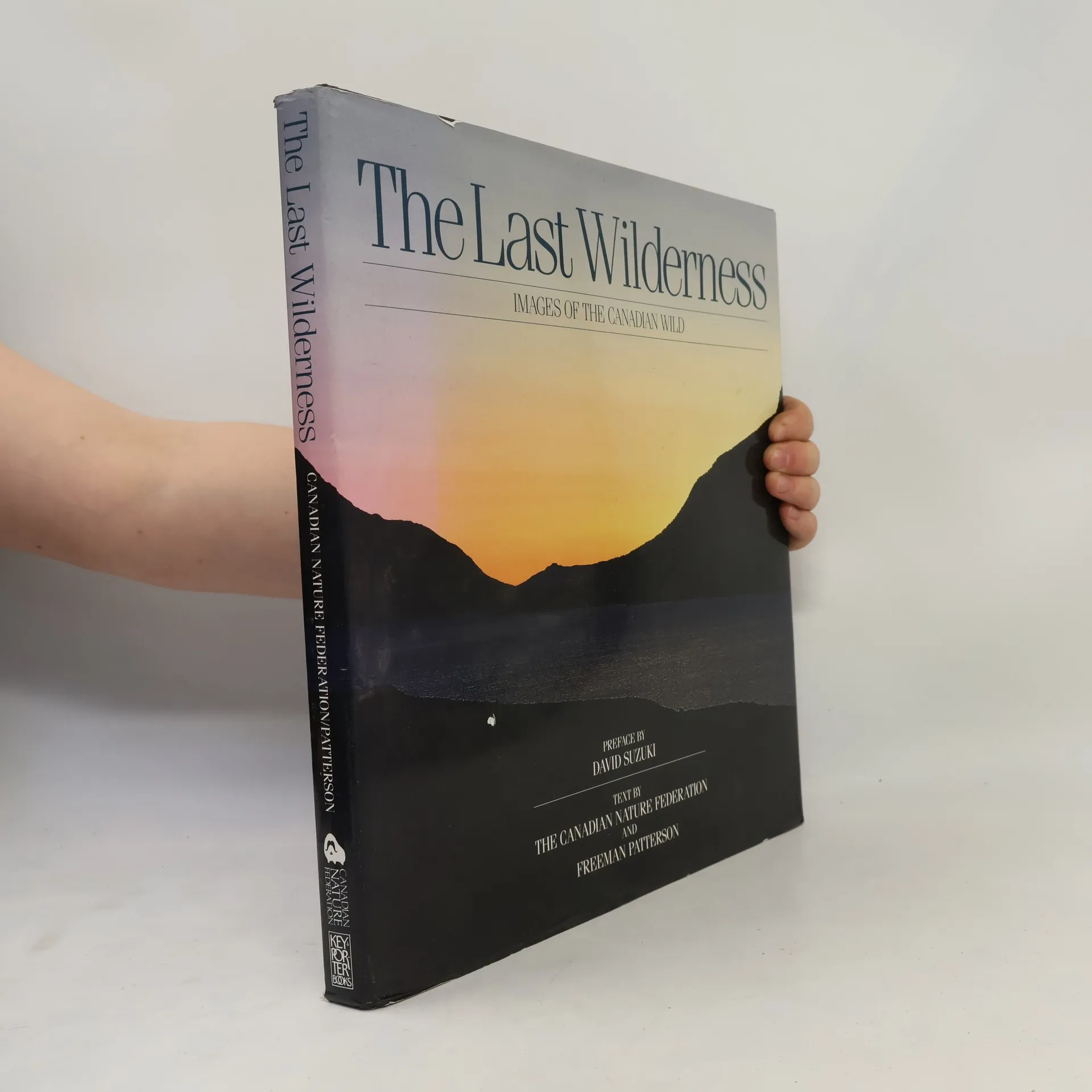
The Last Wilderness , is a remarkable portrait of Canada's wild places. Freeman Patterson selected 140 images from an incredible 9,000 photos that were submitted. The result is a gift book of exceptional qualtiy and beauty.
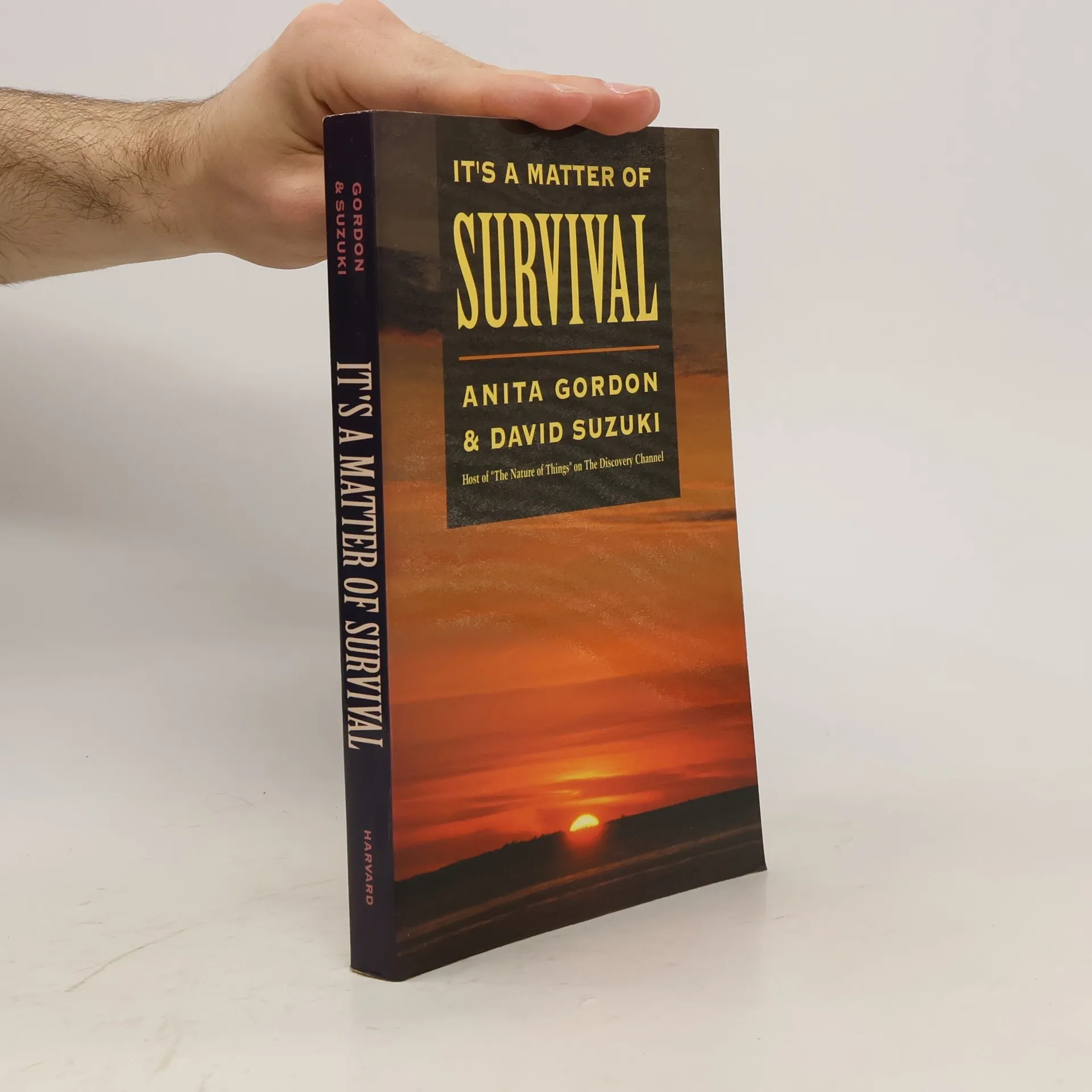
More than any other time in history, the 1990s will mark a turning point for human civilization. Gordon and Suzuki warn of the transition to be made if the human race is to arrive safely in the next century.
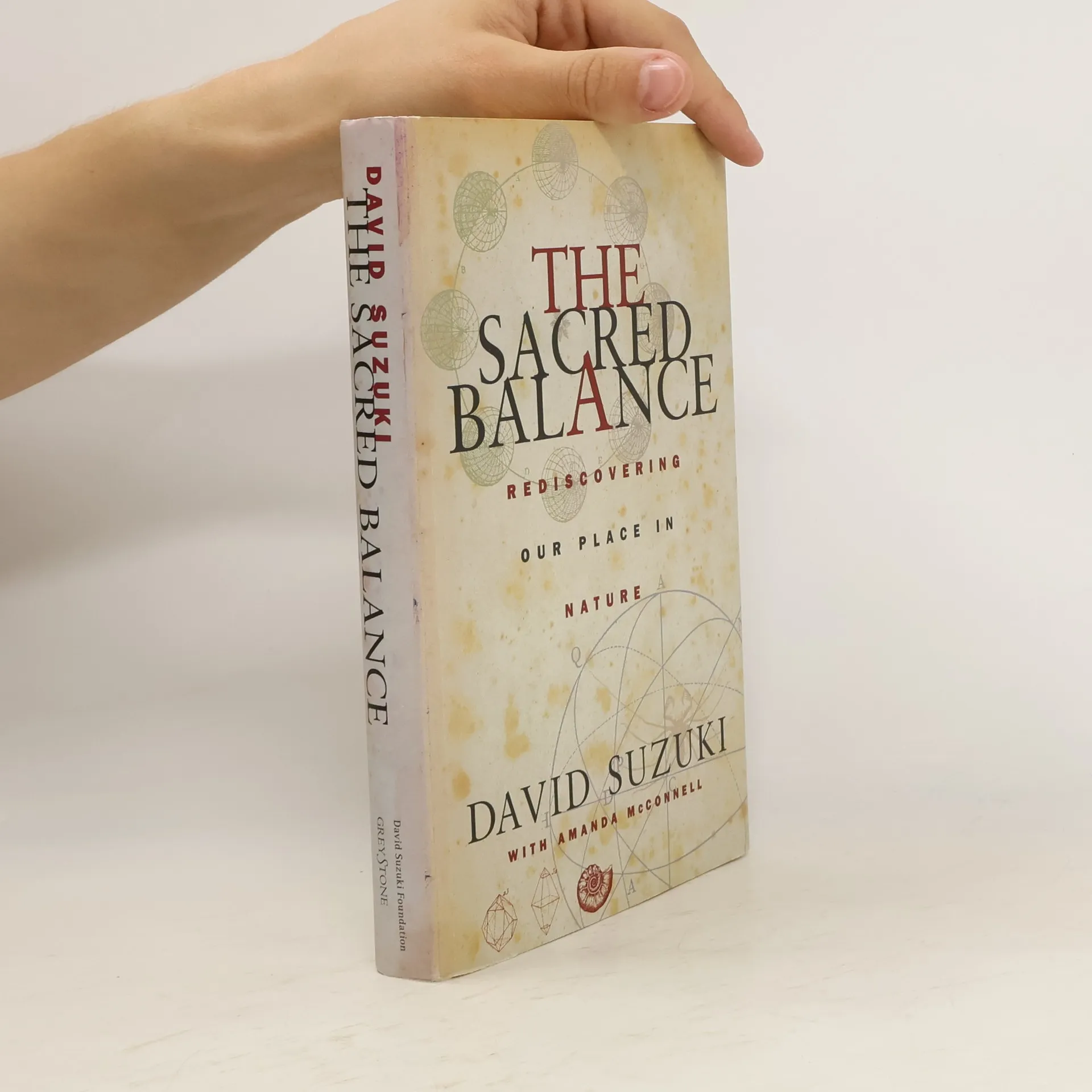
"'The Sacred Balance has a beautiful spirit.'--E.O. Wilson With a new foreword from Robin Wall Kimmerer, New York Times-bestselling author of Braiding Sweetgrass--and an afterword from Bill McKibben--this special 25th anniversary edition of a beloved bestseller invites readers to see ourselves as part of nature, not separate. The world is changing at a relentless pace. How can we slow down and act from a place of respect for all living things? The Sacred Balance shows us how. In this extensively updated new edition, David Suzuki reflects on the increasingly radical changes in science and nature--from the climate crisis to peak oil and the rise in clean energy--and examines what they mean for humankind. He also reflects on what we have learned by listening to Indigenous leaders, whose knowledge of the natural world is profound, and whose peoples are on the frontlines of protecting land and water around the world. Drawing on his own experiences and those of others who have put their beliefs into action, The Sacred Balance combines science, philosophy, spirituality, and Indigenous knowledge to offer concrete suggestions for creating an ecologically sustainable future by rediscovering and addressing humanity’s basic needs. Published in Partnership with the David Suzuki Institute."-- Provided by publisher
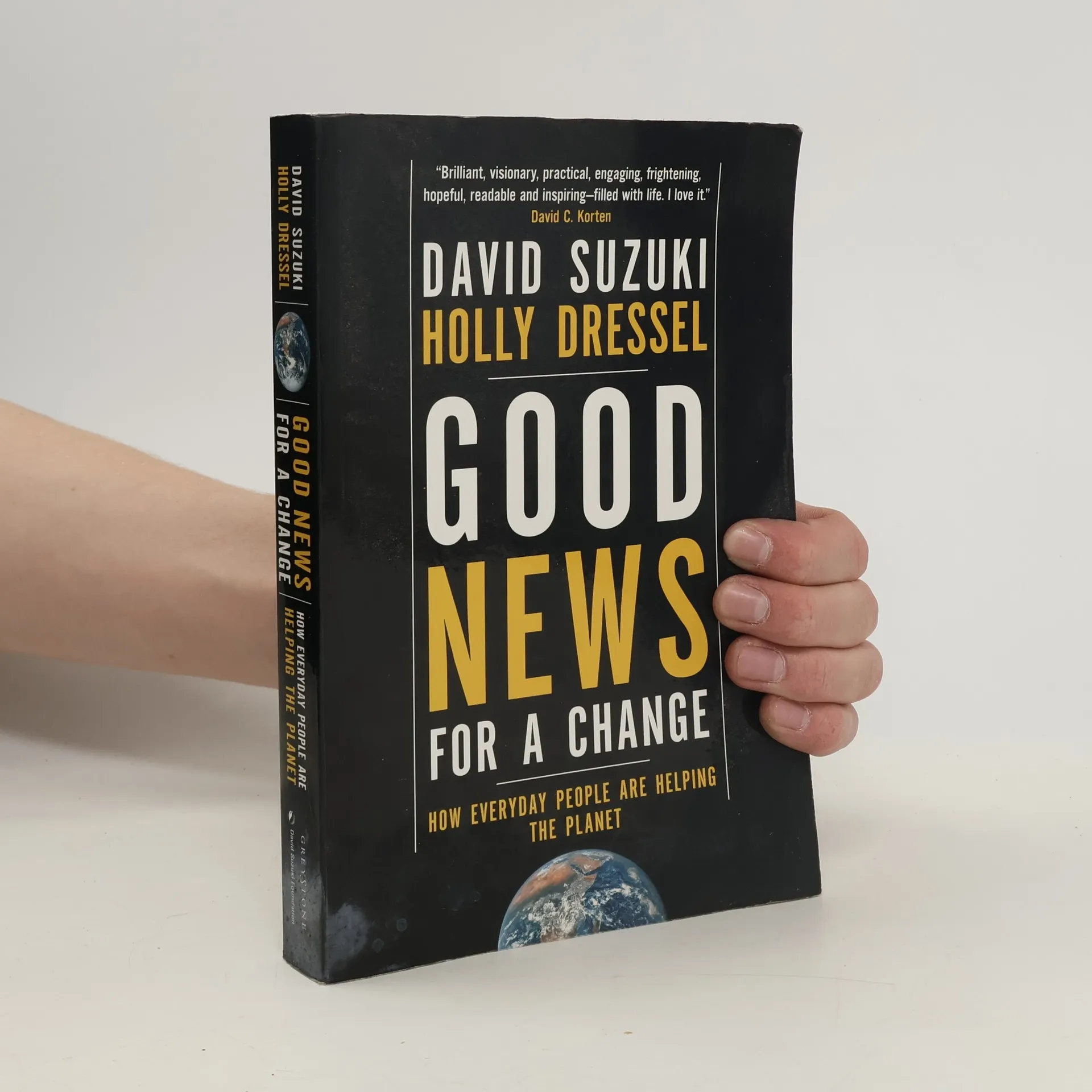
A practical guide for bringing about planetary change shares stories of ordinary people who managed to make a dent in big problems, such as Third World villages experimenting in participatory democracy. Original. 20,000 first printing.
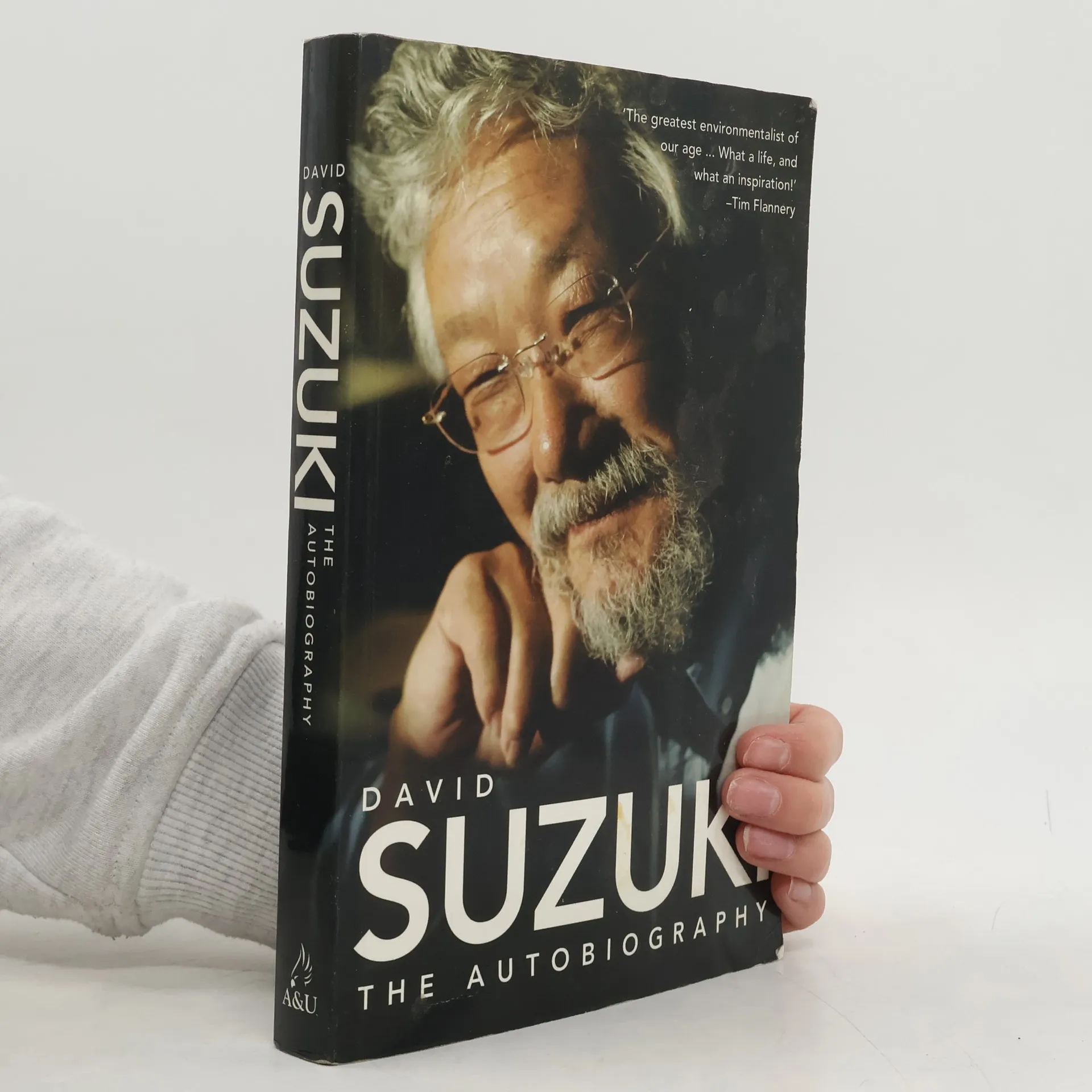
The story of one man's passion for the planet. A passion that for several decades he has brought to the world through his research, his writings, his broadcasting, and above all through his life and the way he lives it.
An in-depth, meticulously documented exploration of the ecological wisdom of Native Peoples from around the worldArranged thematically, Wisdom of the Elders contains sacred stories and traditions on the interrelationships between humans and the environment as well as perspectives from modern science, which more often than not validate the sacred, ancient Wisdom of the Elders. Native peoples and environments discussed range from the Inuit Arctic and the Native Americans of the Northwest coast, the Sioux of the Plains, and the Pueblo, Hopi, and Navajo of the Southwest to the Australian Outback, to the rich, fecund tropics of Africa, Malaysia, and the Amazon.“Our technological civilization is speeding toward a violent collision with nature, and we are threatening the ability of the Earth—our home—to support life as we know it. Suzuki and Knudtson’s extraordinary work powerfully reminds us that we are indeed one with the Earth. We are truly indebted to them for charting for us the course toward a healthy and sustaining relationship with our planet.”—Vice President Al Gore
Everyone knows that the planet is in trouble, but is there a solution? This timely book identifies the most effective ways individuals can be more green in four key home, travel, food, and consumerism. It also describes how citizens can ensure that governments take the actions necessary to make sustainable lifestyles the norm instead of the exception. Environmental lawyer David Boyd and celebrated ecologist David Suzuki provide vital tips for choosing a home, creating a healthy indoor environment, and decreasing energy and water use — and utility bills. They discuss what readers can do to drive and fly less, profile the most environmentally friendly transportation choices, and explain how to purchase carbon credits, among other suggestions. In addition, they offer simple changes individuals can make in their diet to eat fresher, tastier, healthier food. Included too is invaluable advice about how to buy fewer things and avoid toxic consumer products.
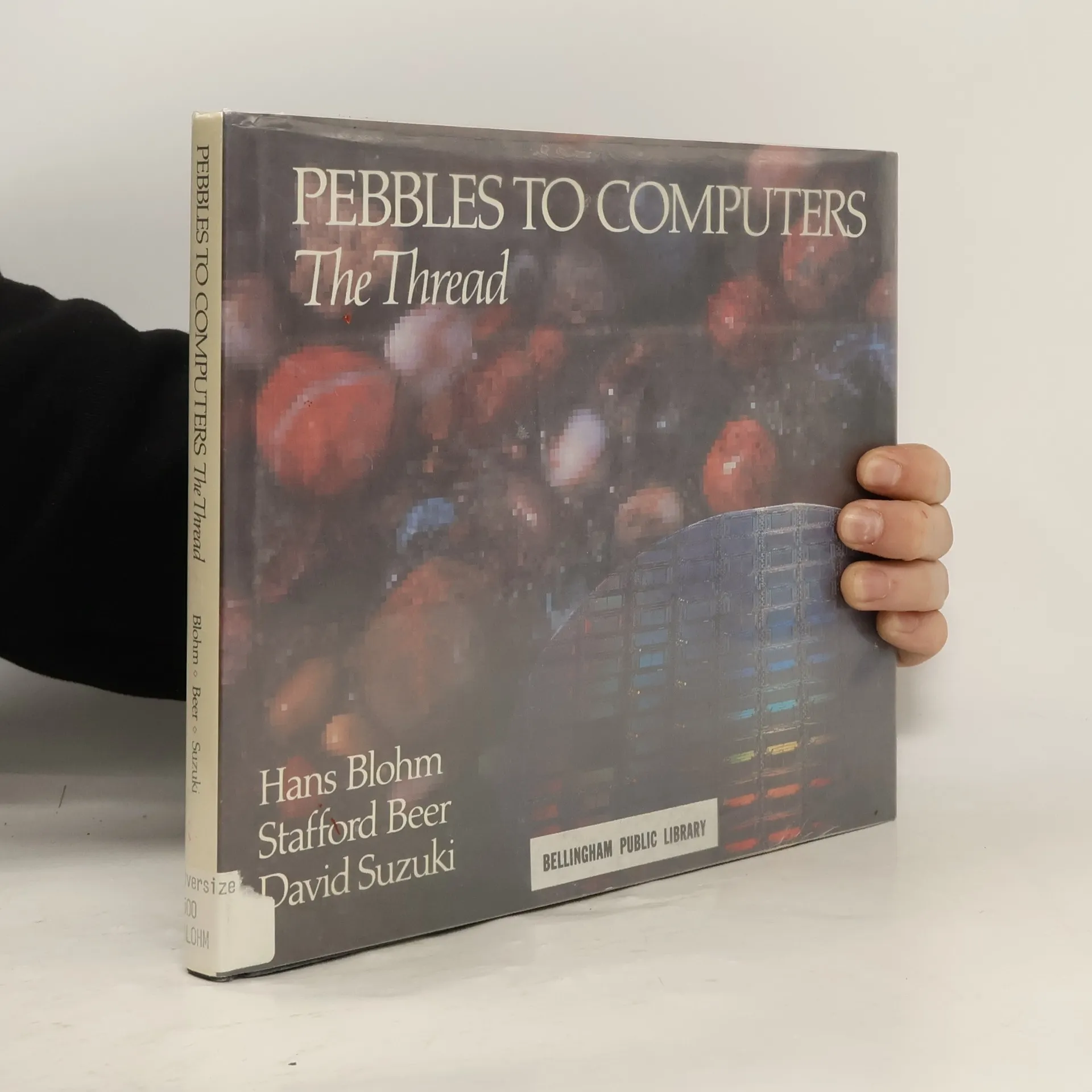
Using an exciting synthesis of text and pictures, photographer Hans Blohm and scientist Stafford Beers present a graphic exploration of the connections between prehistoric and antique technologies and those of our modern world. In this inventive book, a Byzantine sun-dial and a modernsatellite signal receiver are among the many images that have been chosen to show the 'thread' connecting our efforts down the ages to use and record information.The story of computation emerges as the central theme. By tracing its development from the earliest use of pebbles through the abacus, the slide rule and finally to the most sophisticated modern circuits, the authors present a convincing argument that 'high tech' does indeed go back to the dawnof time. Blohm and Beers have travelled from Stonehenge to the Pyramid of the Sun in Mexico, marvelled over Leonardo's inventions in Milan and examined Leibniz's calculator in Hanover in their search for evidence of the patterns of human invention. They isolate some critical issues in thedevelopment of technology, such as the reproduction of written language, and cover many of the outstanding Archimedes, Caxton, Pascal, Babbage and Turing among others. With an introduction by renowned zoologist David Suzuki, Pebbles to Computers is a remarkable testament to the depth andrichness of humanity's technological achievements.
In this work, David Suzuki suggests how we can meet our basic needs and create a way of life that is ecologically sustainable, fulfilling and just. By exploring issues such as the importance of love and spirituality in our lives, he shows us how we can live in true harmony with our surroundings.
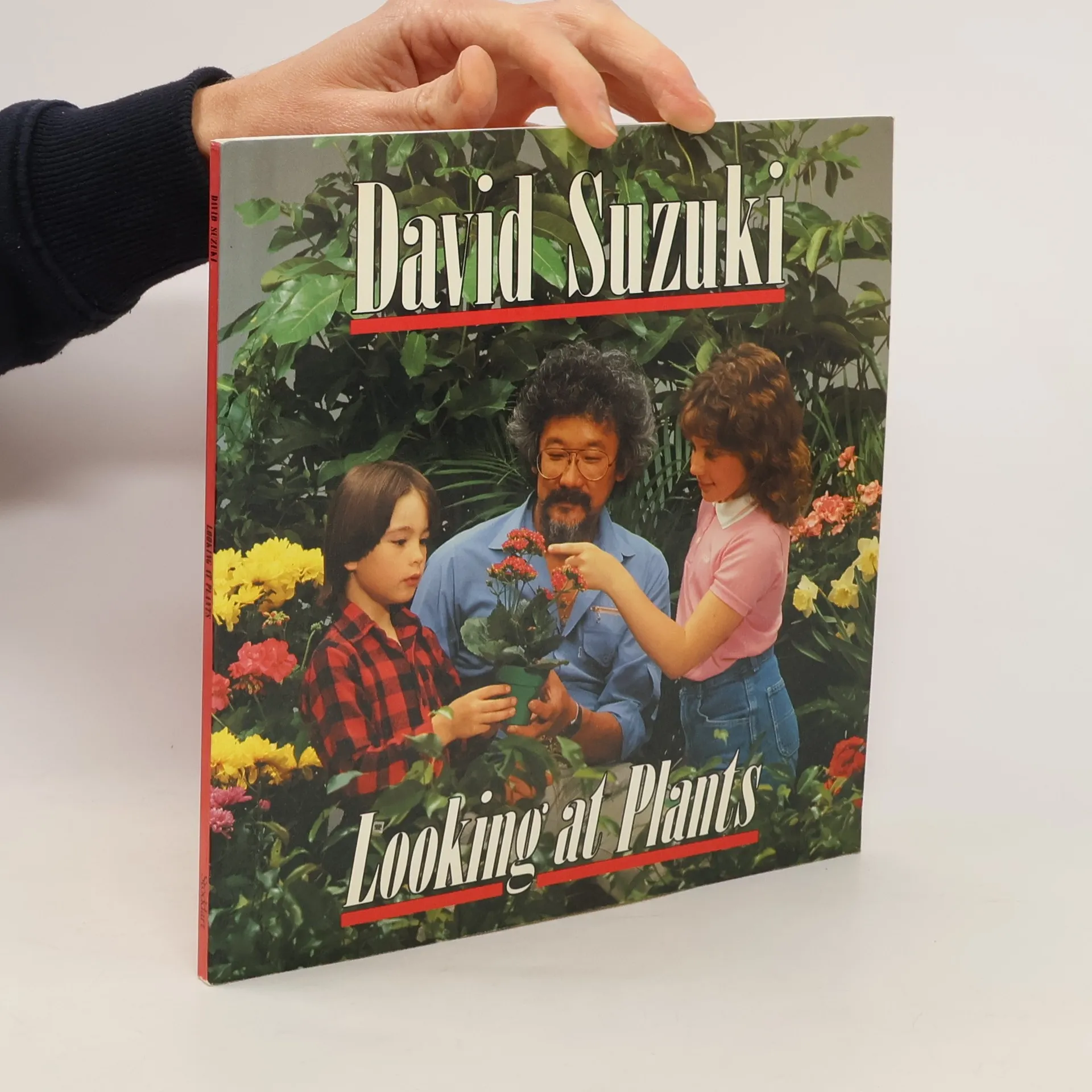
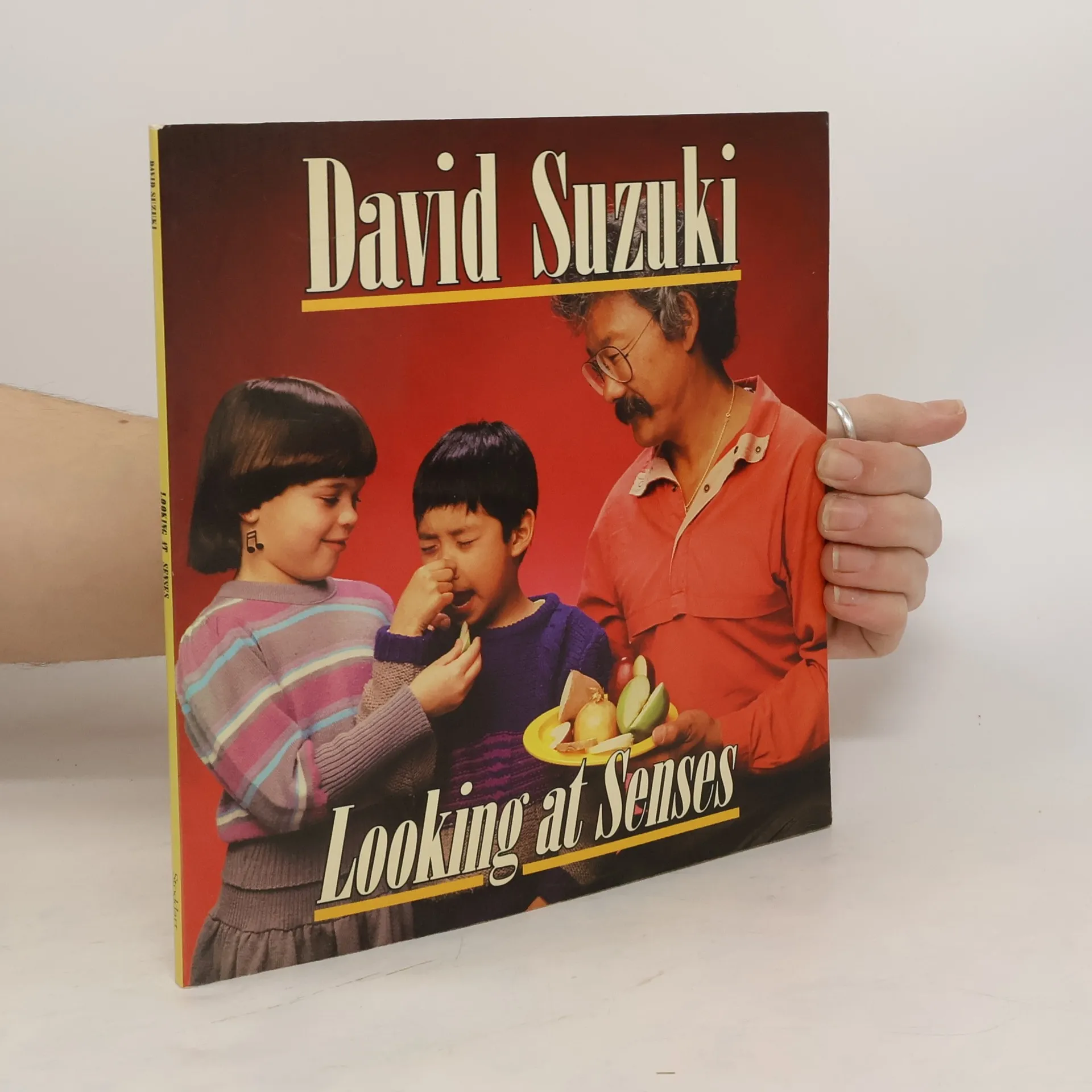
Looking at Senses Do you know you have about 100 "receptors" on the tip of each finger? the world's best sense of smell belongs to an insect? food tastes different in space, and no one knows why? every person has a "blind spot" at the back of each eye? These are only a few of the amazing facts with which Looking at Senses introduces you to the fascinating and mysterious world of the senses. With David Suzuki as your guide, you will discover how your senses work, and how animal and insect senses compare to your own. And have your ever thought about machines that can "see" and "hear"? Well, you'll read all about that new technology and more in Looking at Senses. Wouldn't you like to find out where the most sensitive places on your skin are? see sound waves your voice makes? play "eye-spy" with your own periscope? see if you can send thought messages to a friend? Filled with exciting projects and activities and extremely well illustrated, Looking at Senses is a great way for kids and their parents to participate in the science adventure.
Let's go on an insect expedition for kids ages 4 to 8! This adventure into the extraordinary world of bugs is inspired by David Suzuki's adventures with his own grandkids. It's time for the twins to go on a nature expedition with Bompa. What marvelous place will they explore this time? Tidepools at the sea? The pond full of frogs' eggs? Maybe deep in the forest? But to their disappointment, they are just exploring outside the door. Yet, as they begin to search for insects, they find world-champion flyers, eaters, and weightlifters. And more tiny surprises at every turn! With their Bompa at their side, they find a way to recognize the amazing feats and important role of all insects...even the annoying ones! Featuring gorgeous art by Qin Leng, this picture book is a lush, colorful tour through a world we too often overlook. This exciting and educational tribute to bugs features: Amazing facts about insects, including backmatter pages Information on how kids can help bugs thrive A celebration of grandparents: depicts the fun two children have with their grandfather After reading Bompa's Insect Expedition, kids will come away understanding how essential bugs are to our world. Published in Partnership with the David Suzuki Institute.
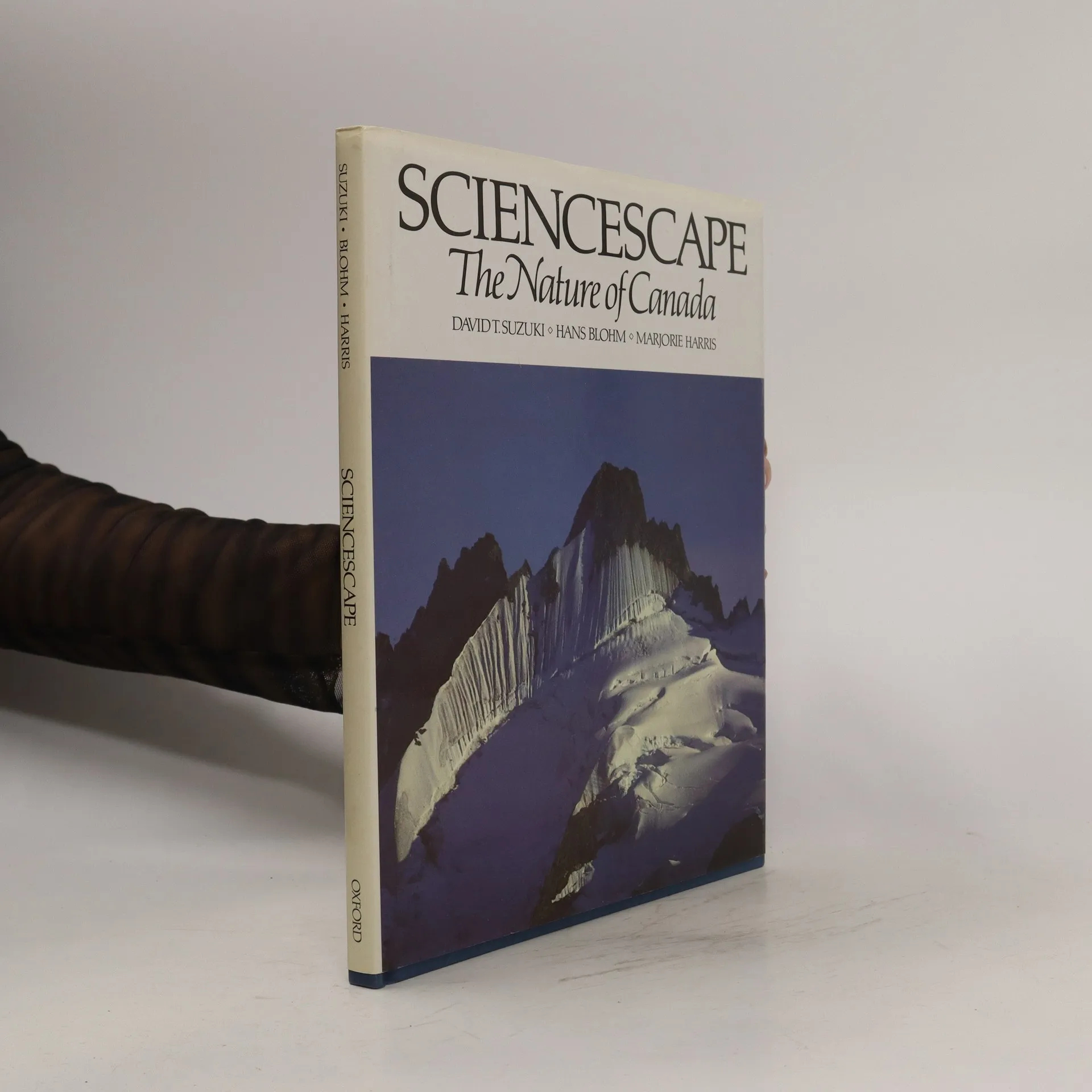
Canada's natural treasures, her landscape, flora and fauna are presented in this book, combining clear explanation of scientific principles with superb photography.
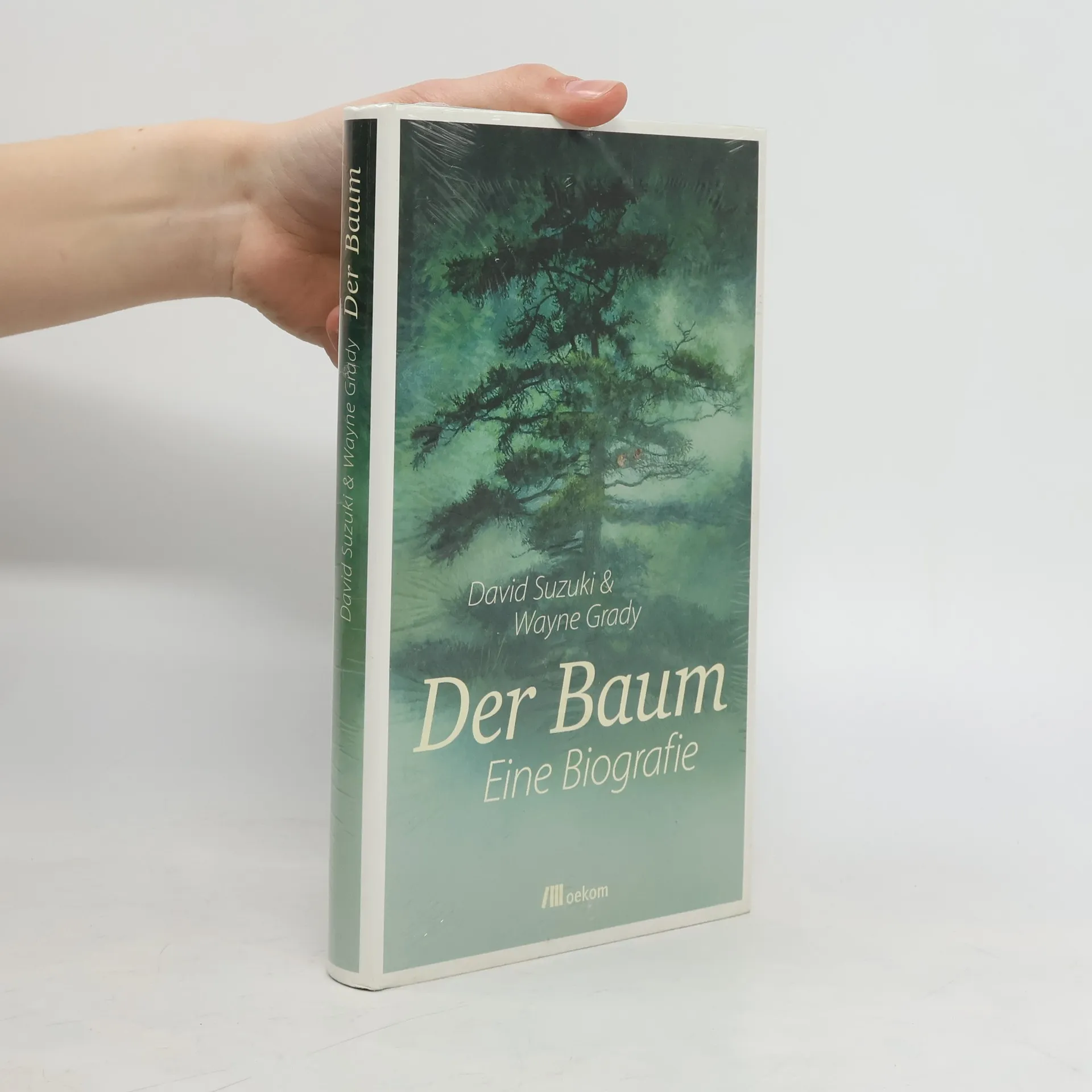
Bäume gehören zu den größten und faszinierendsten Lebewesen. In alten Kulturen und Religionen wurden sie als Sitz der Götter oder übernatürlicher Wesen verehrt. Noch heute beeindruckt der Anblick imposanter Buchen und mächtiger Eichen. Manche Bäume blicken auf eine mehr als tausendjährige Geschichte zurück; könnten sie sprechen, sie hätten einiges zu berichten. David Suzuki und Wayne Grady erzählen eine solche Geschichte. Ihre »Biografie eines Baumes« – beeindruckend illustriert durch Federzeichnungen des kanadischen Künstlers Robert Bateman – beschreibt sieben Jahrhunderte im Leben einer Douglasie. Erzählt wird nicht allein die Geschichte in ihrem ökologischen Kontext, etwa wie es dem Samen gelingt, Wurzeln zu schlagen, oder wie der heranwachsende Baum Wind und Wetter trotzt. Eingebunden sind zahlreiche Ausflüge in die Kulturgeschichte der Menschheit und die Evolutionsgeschichte unseres Planeten. Ein wahrhaft gelungener Blick darauf, wie alles mit allem zusammenhängt, und eine großartige Hommage an das Wunder namens Leben.
Wer ist sich schon bewusst, dass auf seiner Stirn unzählige kleine Tierchen leben? Dass nahezu alles, was wir essen, einmal lebendig war? Und dass wir noch immer den Atem von Dinosauriern einatmen? Pflanzen, Tiere und Menschen bilden eine untrennbare Einheit und halten ein fein austariertes Gleichgewicht auf der Erde. Wenn wir das Leben auf unserem Planeten bewahren wollen, müssen wir mehr über diesen Zusammenhang alles Lebendigen wissen. Wir verstehen dann, dass der Mensch nicht isoliert von dem Rest der Natur betrachtet werden kann und dass jede unserer Handlungen unwiderruflich Spuren hinterlässt. Wir leben schließlich nicht nur auf der Erde - wir sind ein Teil der Erde. Das große Verdienst David Suzukis ist es, solche Zusammenhänge auch für Kinder klar und verständlich darzustellen. Sein Buch ist ein Plädoyer für die Erhaltung der Vielfalt des Lebens.