Knihobot

Richard Henry

    Double-Sided Antler and Bone Combs in Late Roman Britain
    Making Sense of The Coronavirus Pandemic of 2020
    Socks and Bloomers
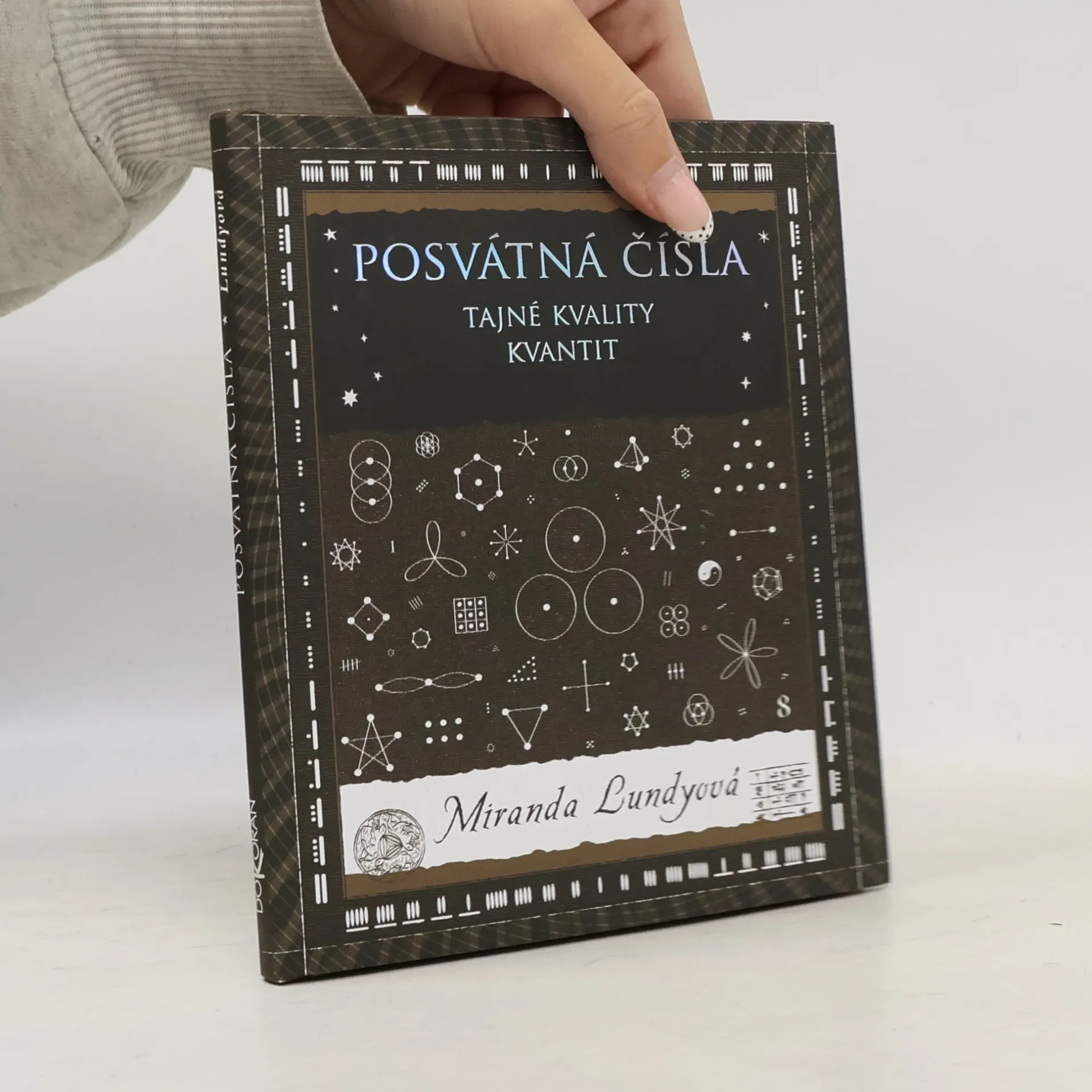
    Posvátná čísla
    • Posvátná čísla

      Tajné kvality kvantit

      • 64 stránek
      • 3 hodiny čtení
      3,2(10)Ohodnotit

      Tajné vlastnosti kvantit. Čísla pronikají každým aspektem našeho života. Jen velmi málo toho dokážeme bez základní schopnosti počítat s jednoduchými celými čísly, která všichni považujeme za samozřejmé. Krásně ilustrovaná kniha Posvátná čísla představuje základní početní soustavy a významná čísla z hlavních náboženských textů. Objasňuje souvislost astronomie, geometrie a hudby s číselnými hodnotami i to, jak čísla ovlivňují architekturu. Autorka vysvětluje, proč jsou Pythagorovy myšlenky stále živé, a přináší portréty čísel od jedné do dvanácti, v nichž objasňuje jejich specifické vlastnosti. Jako například to, proč je život spjat s pětkou a kružnice s jedenáctkou.

      Posvátná čísla
    • Socks and Bloomers

      • 132 stránek
      • 5 hodin čtení

      Focusing on the author's journey, the narrative explores themes of self-discovery, love, and the acceptance of sexuality. Through personal anecdotes, the author shares insights into his experiences and challenges, offering a heartfelt glimpse into his life and growth.

      Socks and Bloomers
    • Dr. Richard Henry provides a comprehensive analysis of the 2020 Covid-19 pandemic by merging historical context with scientific insights, including comparisons to the SARS epidemic. The book delves into the physiological impacts of the virus, offering readers a deeper understanding of its effects and implications. Through this integration of knowledge, the author aims to clarify the complexities surrounding the pandemic and its significance in our lives.

      Making Sense of The Coronavirus Pandemic of 2020
    • Double-Sided Antler and Bone Combs in Late Roman Britain offers the first detailed study and catalogue of a comb type that represents a new technology introduced into Britain towards the end of the 4th century AD and a major signifier of the late fourth- to fifth-century transition. Their end-plates were worked into a variety of decorative profiles, some clearly zoomorphic. Over time this decorative styling passed from elaborate to rudimentary, adding to the dating evidence for individual combs. As many combs survive only as small fragments, data collection has not been absolute but has concentrated on combs from burials, or with stylistically relevant end-plates, or those providing good dating or contextual evidence, the main aim of the study being to answer questions of typology, chronology and social distribution. A particularly distinctive feature within the assemblage from funerary contexts is the substantial number of these combs from Winchester, which together make up nearly a quarter of the wider British assemblage. It is proposed that a comb workshop was established in the town, and there is some evidence based on style and distribution that points to other workshops in the north and east, but these were not necessarily large and in some cases they appeared to serve only a local community, while Winchester and its hinterland appear to lie at the heart of the comb data.

      Double-Sided Antler and Bone Combs in Late Roman Britain