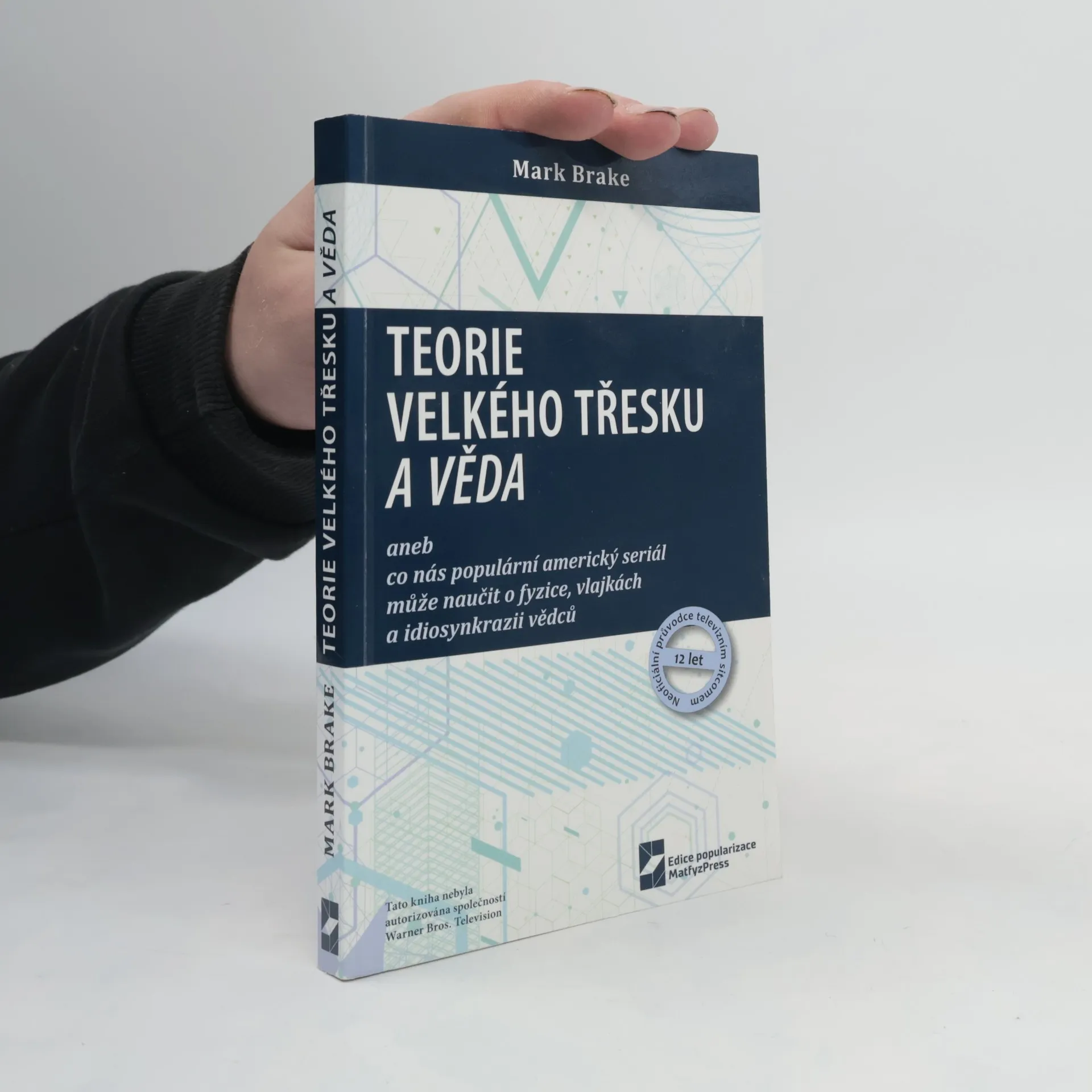
Z amerických televizních seriálů. Přináší nový druh postav – vědecké nerdy. Ti vynikající v oboru své činnosti, ale nedaří se jim chápat a navazovat vztahy s většinou společnosti. Proto se pohybují ve skupince lidí sobě podobných. Kniha Teorie velkého třesku a věda využívá komediální scény ke zkoumání vědeckých témat v kapitolách jako jsou: Selhání vědeckých principů a Archimédés Valentýnské extempore: Zábavné vlajky Knedlíčkový paradox: Sheldon a Pán času Šmírování tajemného rande: Neobvyklé romantické návyky intelektuálů a mnoho dalších S lehkostí a nadhledem napsaná kniha inspirovaná televizním seriálem vám poskytne možnost pochopit vědu a její prostředí. Vždyť matematika, přírodní vědy, historie, odhalování záhad a všechno ostatní započalo velkým třeskem! Nadšencům pro vědu tedy patří budoucnost Země.
Mark Brake Pořadí knih (chronologicky)

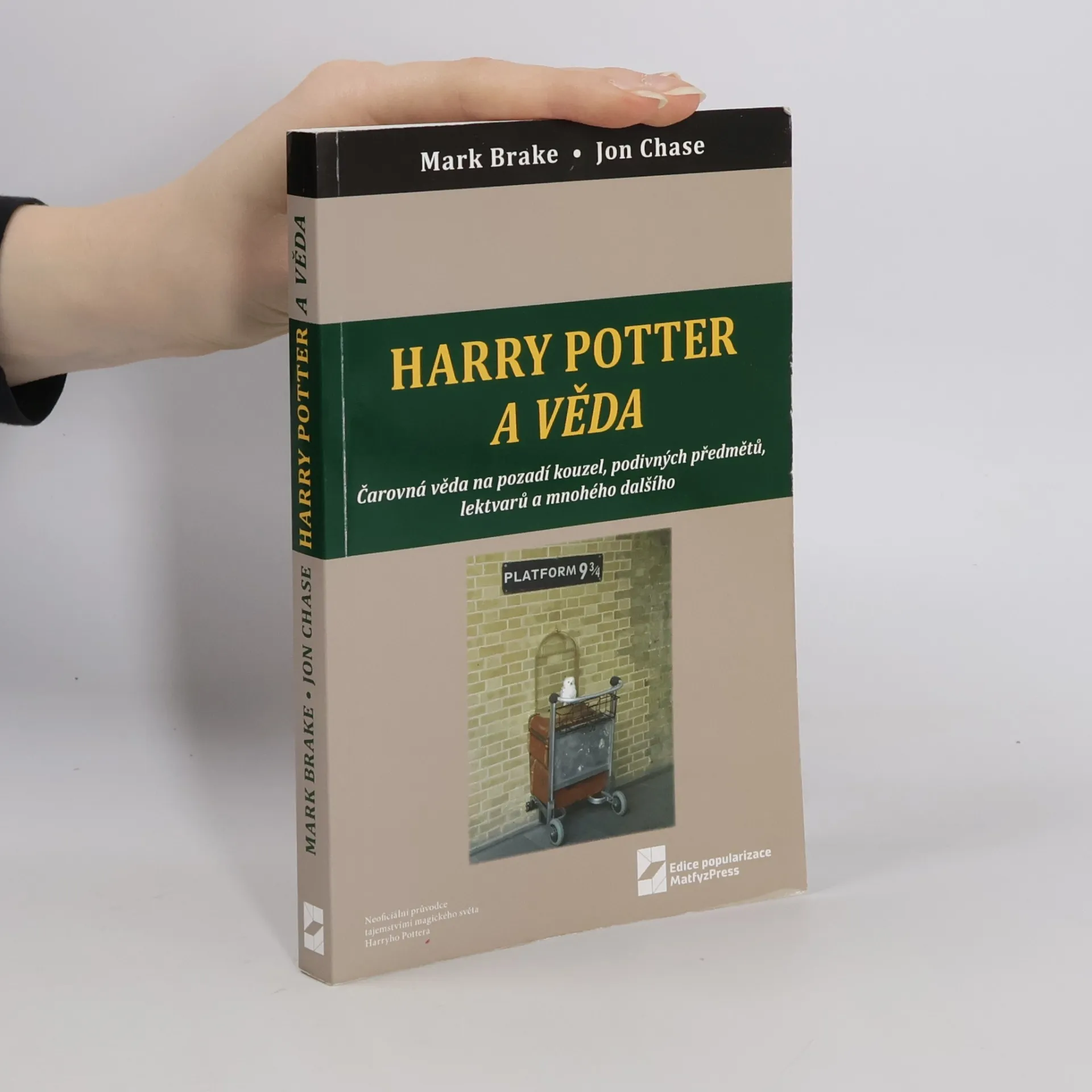
Harry Potter přinesl myšlenku magie a čarodějnictví do každodenní reality více než kterákoli jiná kniha v historii. Magie je často vnímána jako nadpřirozená síla. Dokáže zaujmout a potěšit publikum kvůli své zdánlivé schopnosti vzdorovat fyzice a logice. Ale přemýšleli jste někdy nad tím, zda má věda nějaké vysvětlení pro tyto fantastické výkony? Kniha Harry Potter a věda zkoumá vědecké principy oblíbených postav, kouzel, předmětů a scén ze světa tohoto literárního hrdiny. Nabízí vědecká fakta a analýzu pro jeho podporu. Mimo jiné se ptá na otázky jako jsou: Spatříme někdy neviditelný plášť? Jak nebezpečná jsou létající košťata? Dokáží vědci někdy provést kouzlo Wingardium Leviosa? Je možné seslat na někoho mdloby? a mnoho dalších
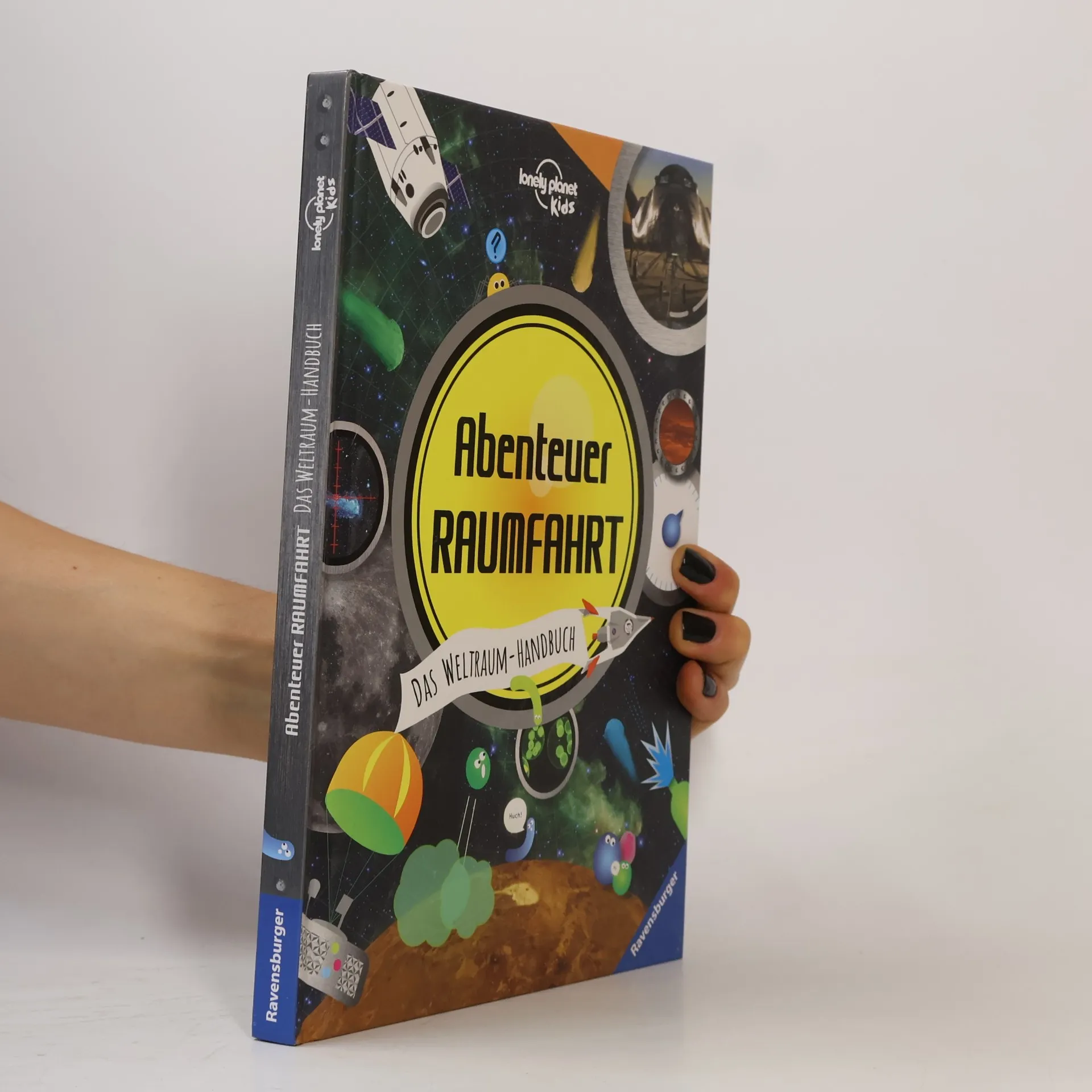
Abenteuer Raumfahrt
- 160 stránek
- 6 hodin čtení
Dieses Sachbuch vermittelt Kindern grundlegendes Wissen über unser Sonnensystem, die Raumfahrt und die Astronautenausbildung. Bestens informiert begeben sich die Nachwuchsastronauten dann auf eine spannende Entdeckungsreise durch das All. Sie fahren mit einem Mondmobil, besuchen ferne Planeten und Monde, begegnen Meteoriten und Arachnonauten und gehen der Frage nach, ob es außerhalb der Erde Leben im All gibt.
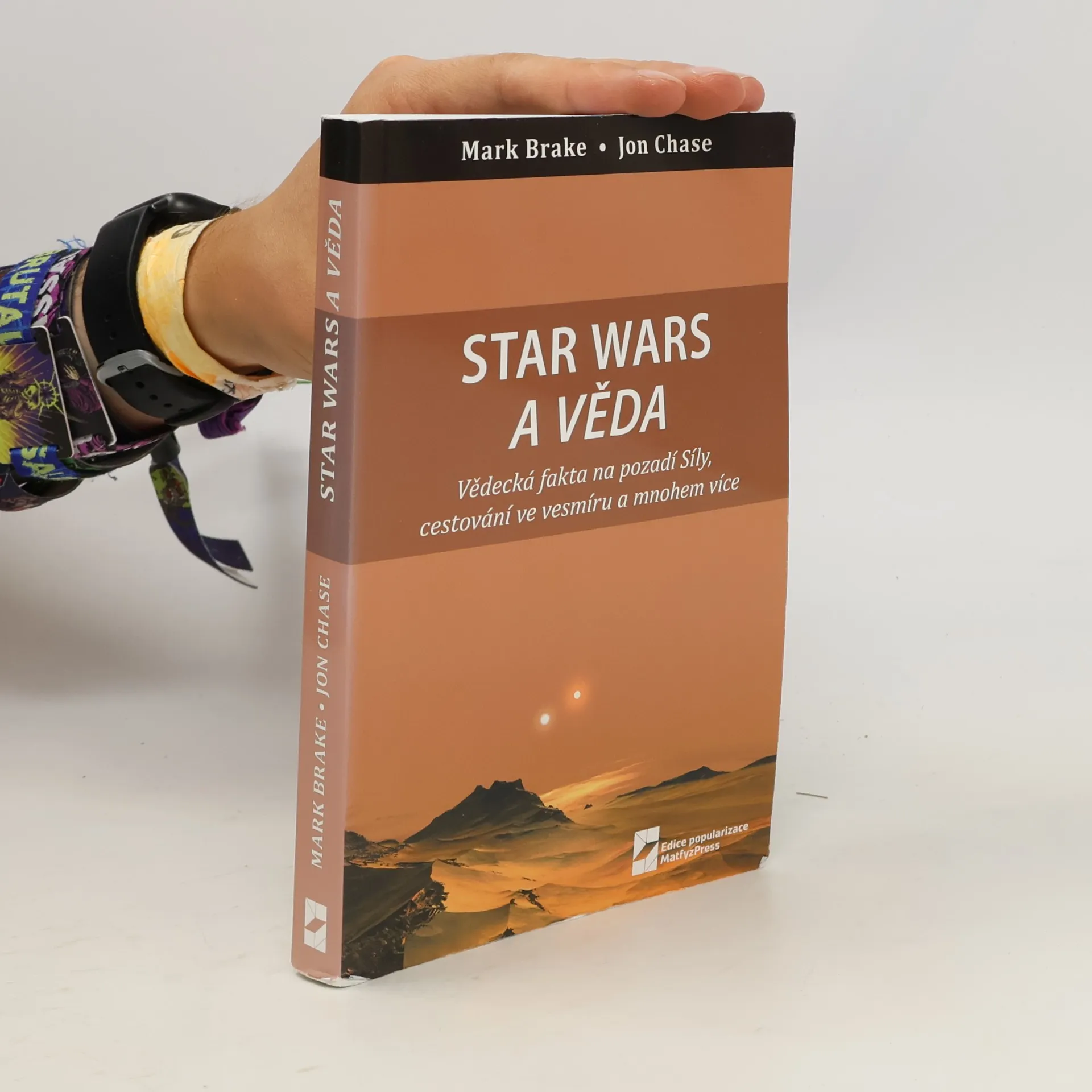
Star Wars jsou vynikajícím dílem sci-fi a fantazie, které zaujalo představivost a srdce fanoušků po celém světě. Jsou překvapeni rozmanitostí tvorů a technologií a jsou udiveni tajemstvím Síly. Ptáte se kolik ze světa Star Wars má svoji oporu v realitě? Mohou se některé z mimořádných vynálezů objevit v našem světě? Tato kniha prochází filmový vesmír a prozkoumává padesát fascinujících témat včetně bojových technologií, mimozemského života, vesmírných cest, fyziky a podobně. Kniha obsahuje mnoho odpovědí na otázky jako jsou: Za jak dlouho odstartujeme s prvním spídrem jako ze Star Wars? Co je přesně Síla? Jak bychom mohli žít na plynném obru jako je Bespin? Jak je možné, že Kylo Ren dokáže zastavit střelu z blasteru během letu? Kolik by stálo postavit Hvězdu smrti? A mnoho dalšího. Nemusíte být Jedi ani vědec. Kniha je napsaná pro fanoušky, kteří chtějí zjistit fakta skrytá za jedním z nejoblíbenějších moderních eposů. Z anglického originálu „The Science of Star Wars, The Scientific Facts behind the Force, Space Travel, and More!“ vydaného nakladatelstvím Racehorse Publishing v roce 2016, přeložila Pavla Kotalová. Grafický podklad obálky Brian Peterson. Foto na obálce iStockphoto. 1. vydání českého překladu.
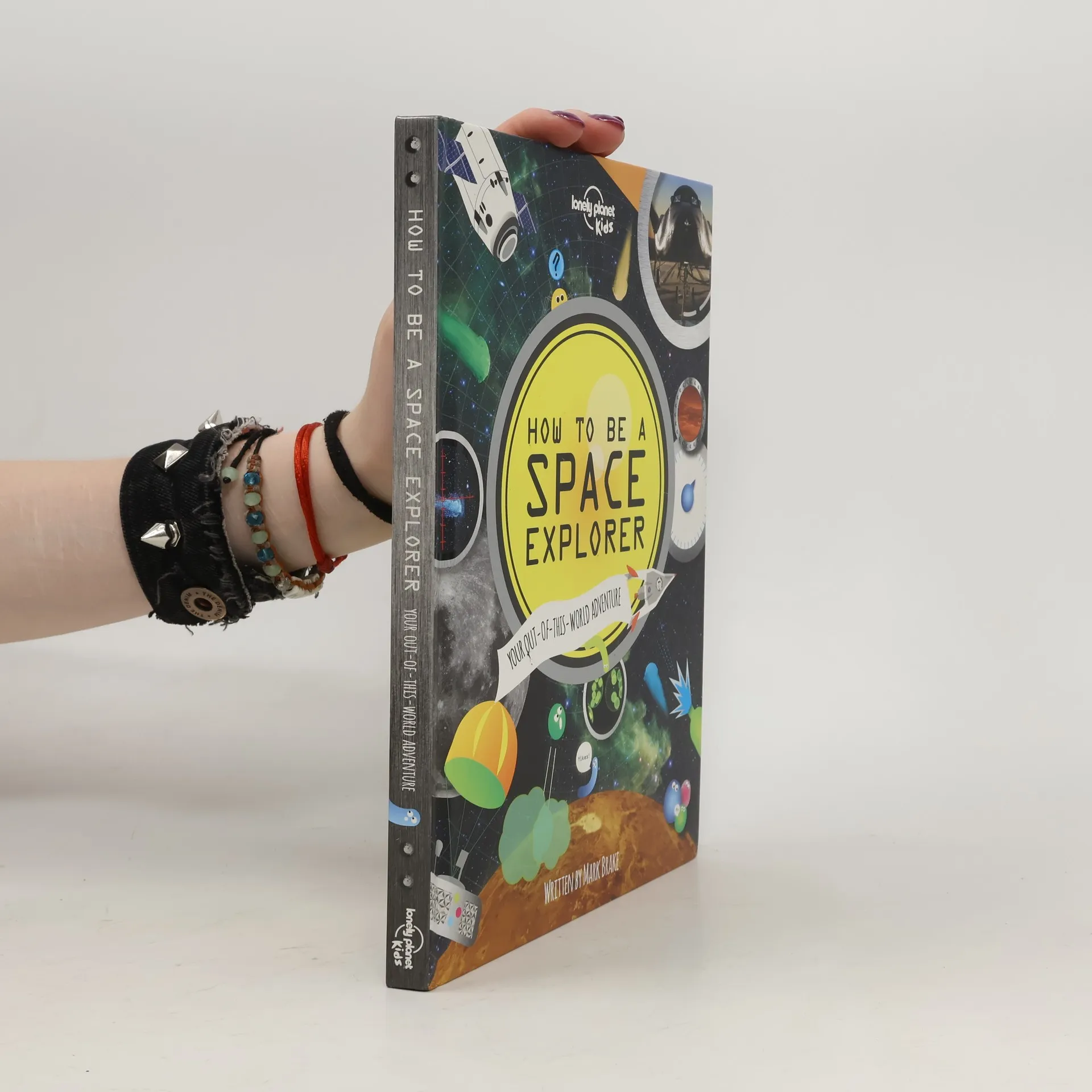
How to Be a Space Explorer
- 160 stránek
- 6 hodin čtení
Everything young explorers needs to know to travel in space, covering what life in zero gravity is like, how to find your way around the solar system, and the all-important question of how to pee in a spacesuit!Unique illustrations take kids to the heart of the action and amazing photos show what the universe is really like.Incredible stories of real-life space exploration for kids aged 8 and up, by author and astrobiologist Professor Mark Brake.
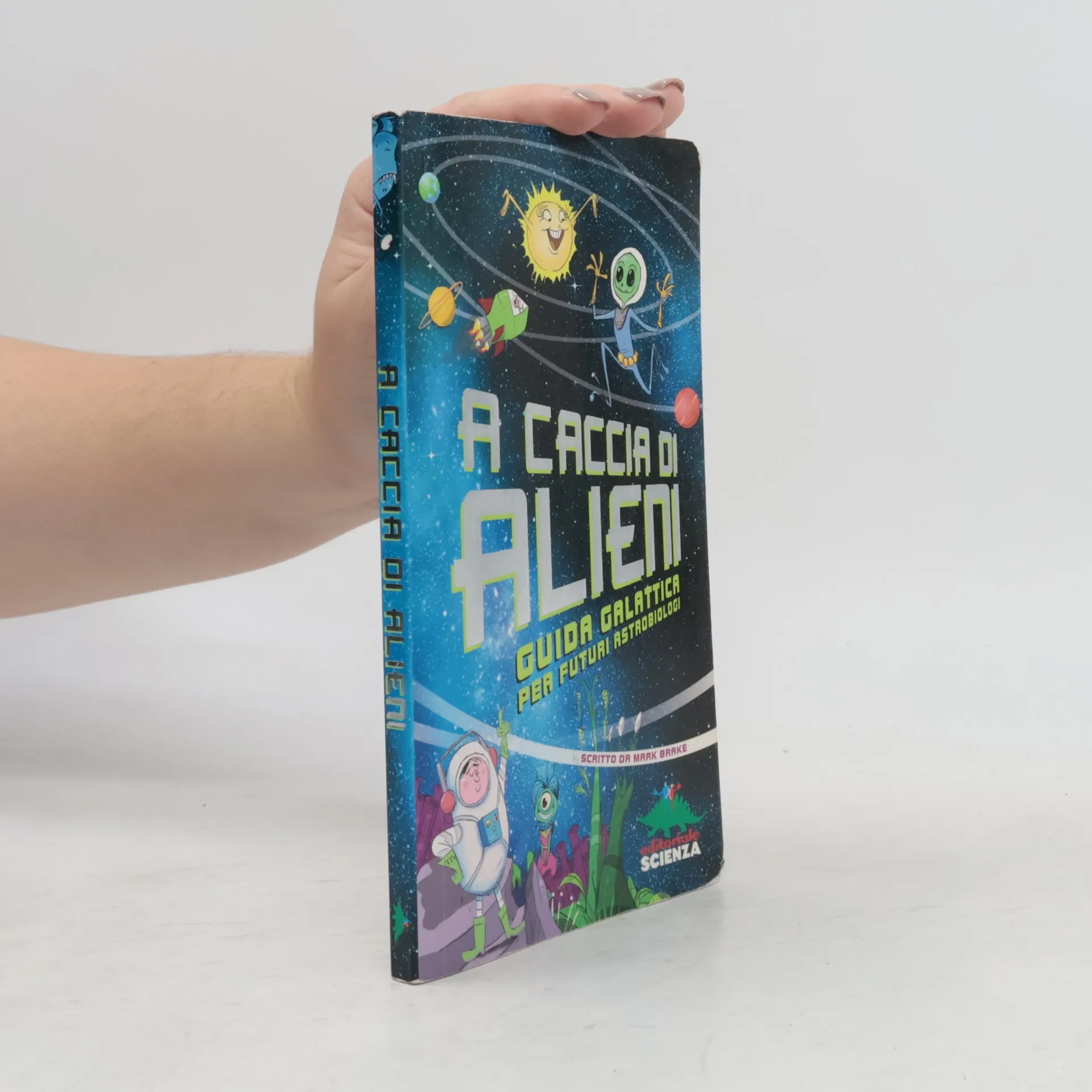
A caccia di alieni. Guida galattica per futuri astrobiologi
- 112 stránek
- 4 hodiny čtení
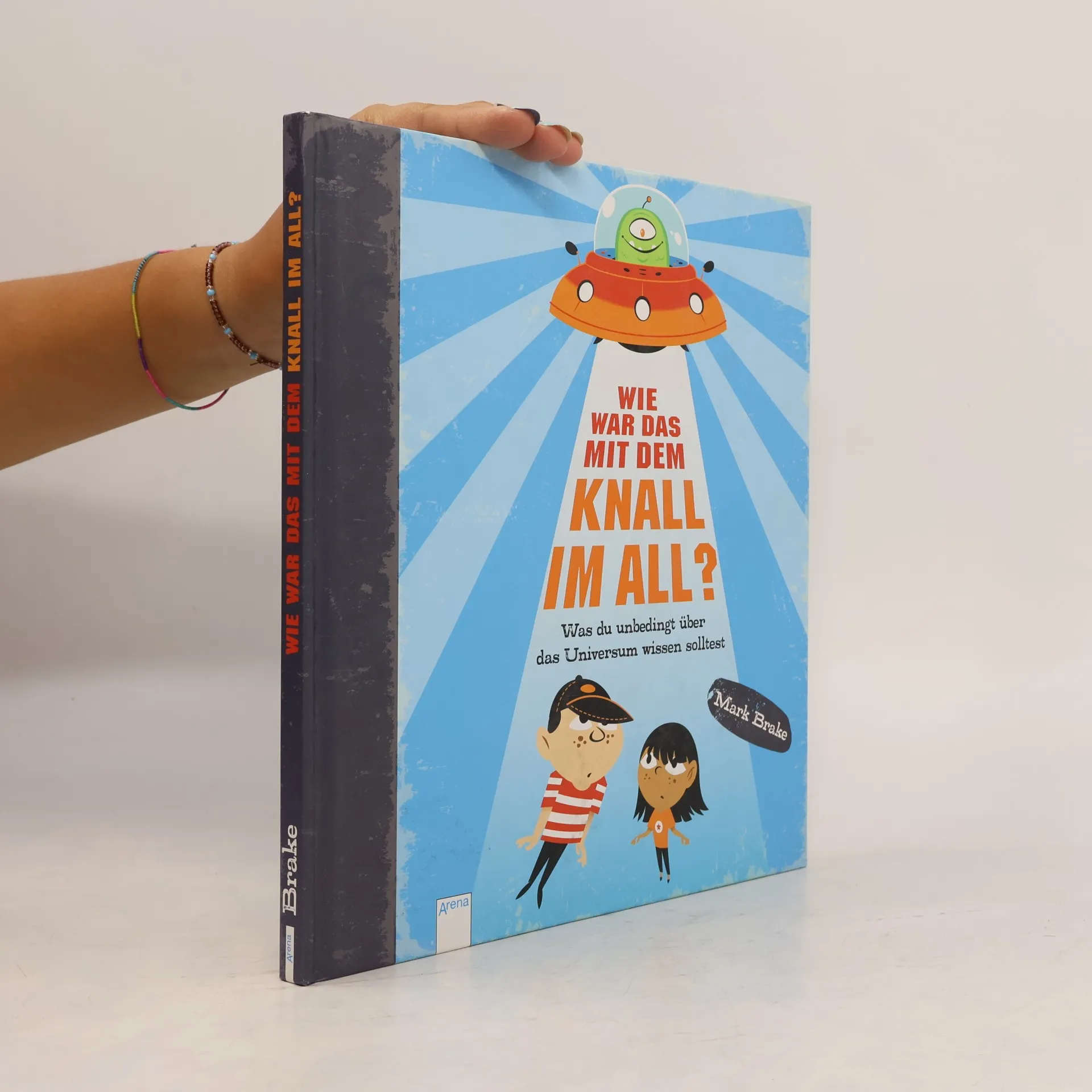
Wie war das mit dem Knall im All?
- 63 stránek
- 3 hodiny čtení
Irgendwann einmal entstand unser Universum mit einem unvorstellbar gewaltigen kosmischen Knall. Das ist extrem lange her und keiner kann sich mehr daran erinnern. Weil die ganze Geschichte aber unendlich spannend ist, suchen die Menschen noch heute neugierig nach Antworten und finden dabei immer neue Fragen und Rätsel.
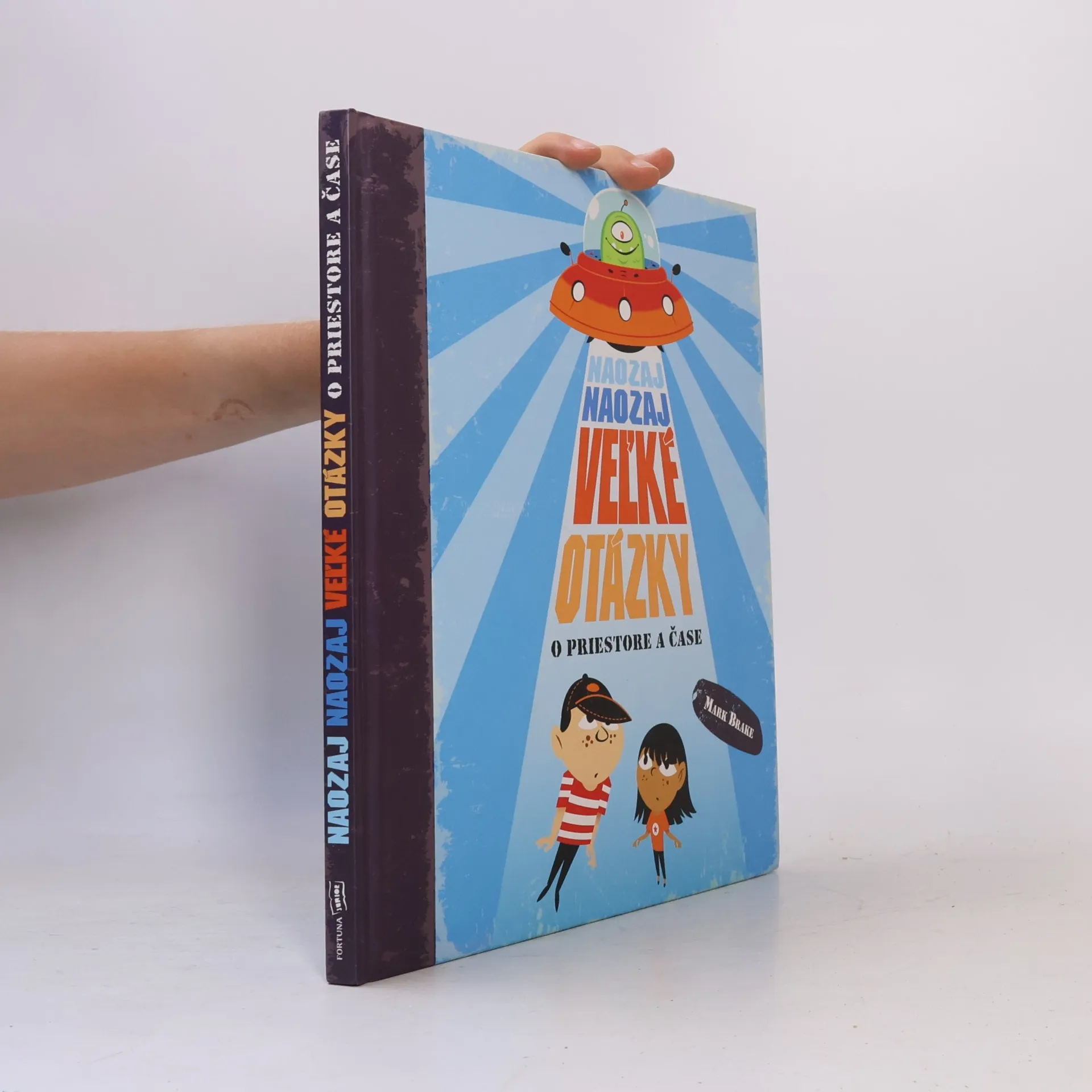
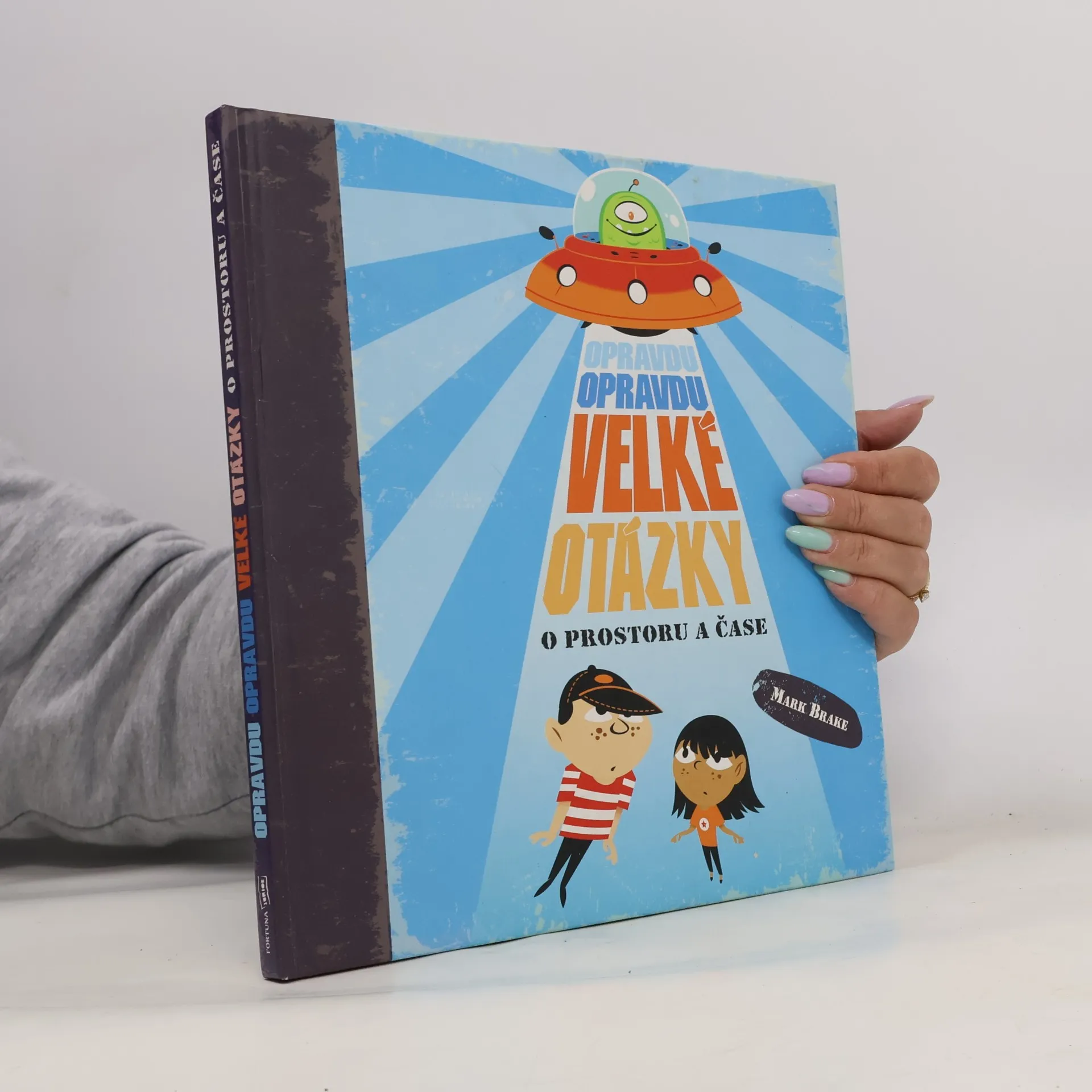
Čas a proměnlivost vesmíru jsou skutečné záhady. Zajímá vás, kdy vesmír začal, jak ho měříme nebo z čeho vlastně je? A kde se vlastně vzal čas? Zkuste se zamyslet. Napadlo vás, že je vaše tělo v něčem podobné hodinám? Zalistujte touto zábavnou knihou otázek a odpovědí a hned vám přijde svět zajímavější. Už jste se sami sebe zeptali, jaká jsou tajemství hvězd, superhvězd i mléčné dráhy? Víte, co je to veleobr? Nebo vás více zajímají mimozemšťané? Záhady vesmíru nám nejsou známé od počátku, co si asi mysleli lidé dříve? Seznámíte se s největšími osobnostmi a průkopníky vesmírného vědění. Zjistíte, že je věda báječná a i jak myslet jako vědec. Není snazší způsob, jak zjistit, čeho všeho jsme součástí. Dívejte se na noční nebe s vědomím, proč je tak tmavé. Kniha otevírá dveře k tajemství života na Zemi i ve vesmíru, který naši Zemi obklopuje. Určeno pro zvědavé děti mladšího školního věku.
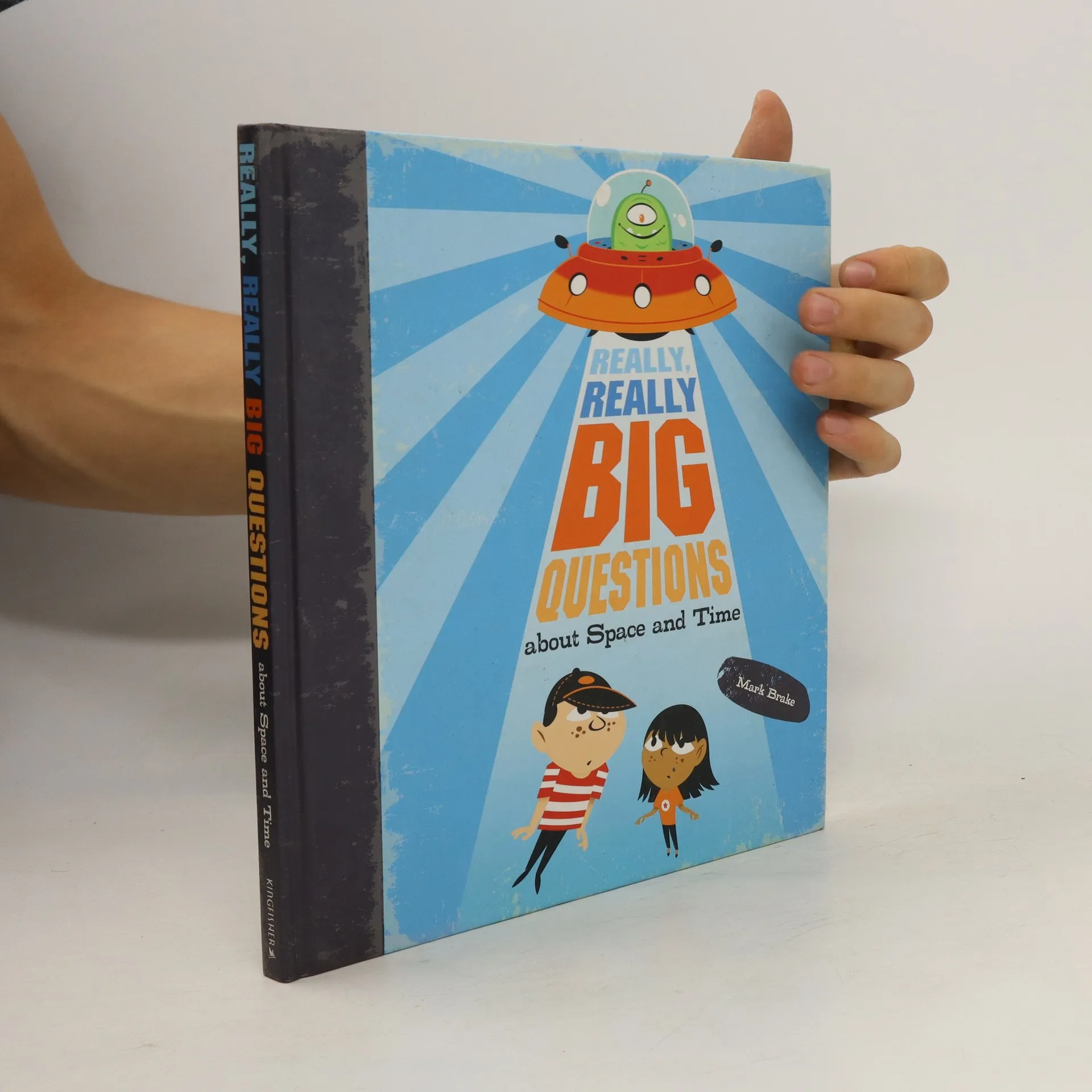
Really, Really Big Questions About Space and Time
- 64 stránek
- 3 hodiny čtení
Really Really Big Questions From Space and Time is an unusual and fun introduction to space science and astrophysics. It explores those massive, complicated, weird and often unanswered questions such as Does the Universe have a shape? What makes sunshine? Do stars explode? How do you build a time machine? and Do aliens look like me? Your head will spin – with knowledge!