

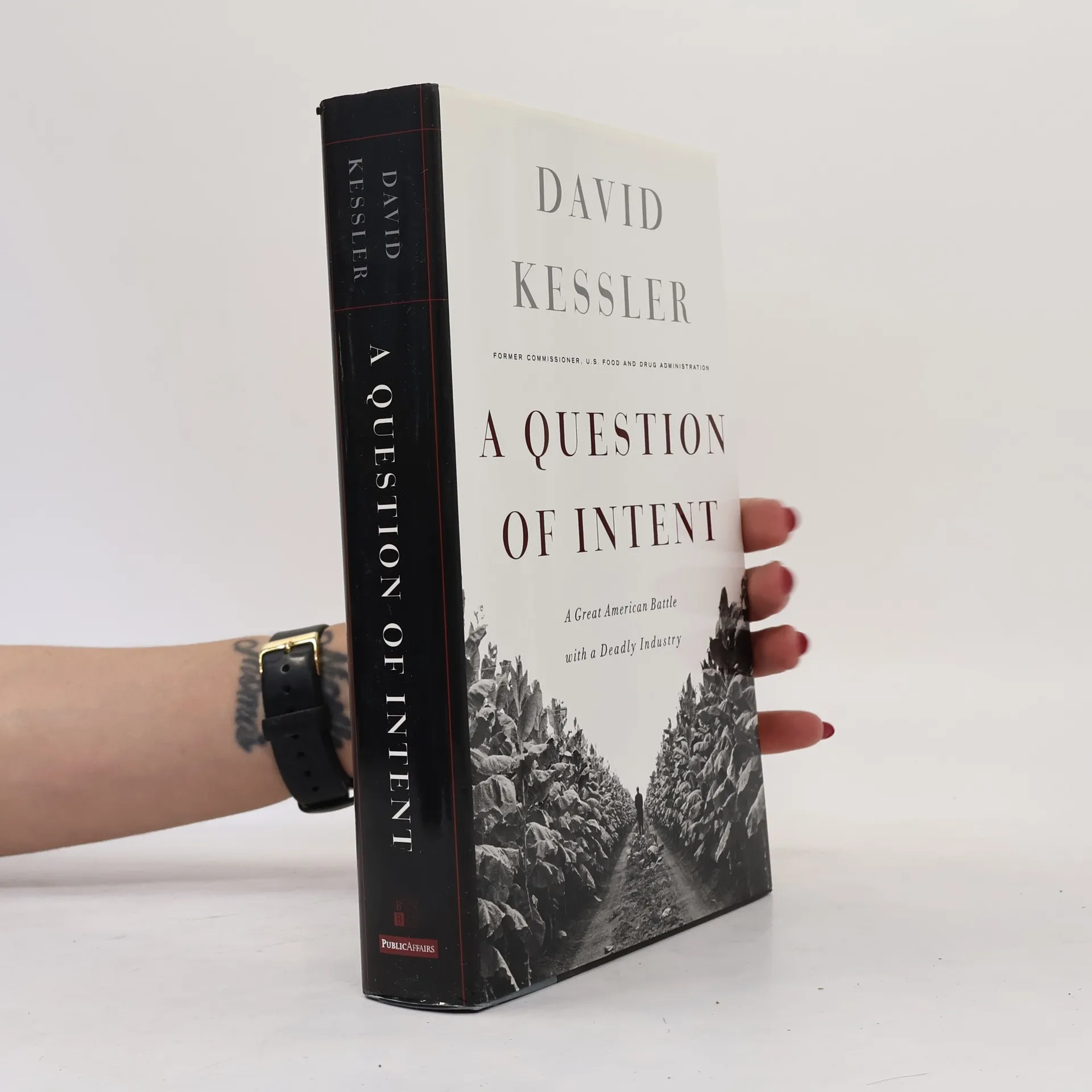
David Aaron Kessler je americký pediatr, právník a autor, který se zaměřuje na veřejné zdraví a správu. Jeho práce zahrnovala vedení amerického Úřadu pro kontrolu potravin a léčiv (FDA). Kessler se věnuje otázkám týkajícím se zdravotnických předpisů a přístupu ke zdravotní péči, přičemž jeho analýzy se opírají o jeho zkušenosti ve státní správě i akademické sféře. Jeho odbornost spočívá ve složitých otázkách regulace zdravotnictví a jejich dopadu na společnost.
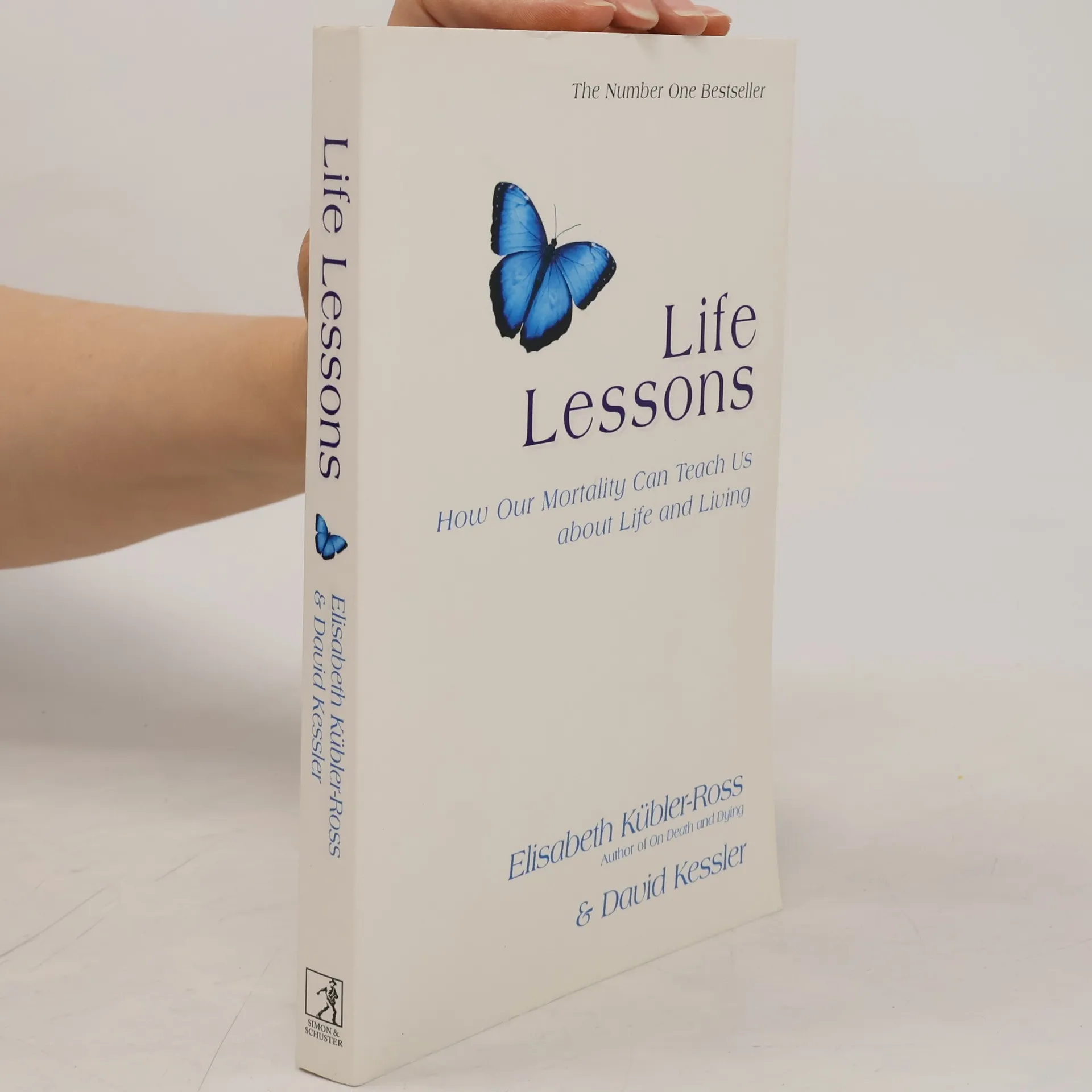
V této knize, která pojednává výhradně o životě a jeho prožívání, spojila Elisabeth Kübler Rossová síly s Davidem Kesslerem – společně nás provázejí řadou praktických i duchovních „životních lekcí“, které musíme zvládnout, abychom dokázali naplno a beze zbytku prožívat každý okamžik svého života. Za léta své práce s umírajícími autoři zjistili, že určité lekce a zkoušky se v lidských životech opakují stále znovu. Často bývá velmi obtížné úspěšně jimi projít – ale dokonce i jen snaha o to, abychom jim porozuměli, pro nás může být velkým přínosem a obohacením. Autoři této knihy ve čtrnácti srozumitelných kapitolách odhalují pravdu o našich obavách, nadějích, vztazích, ale především o velikosti a vznešenosti naší existence.
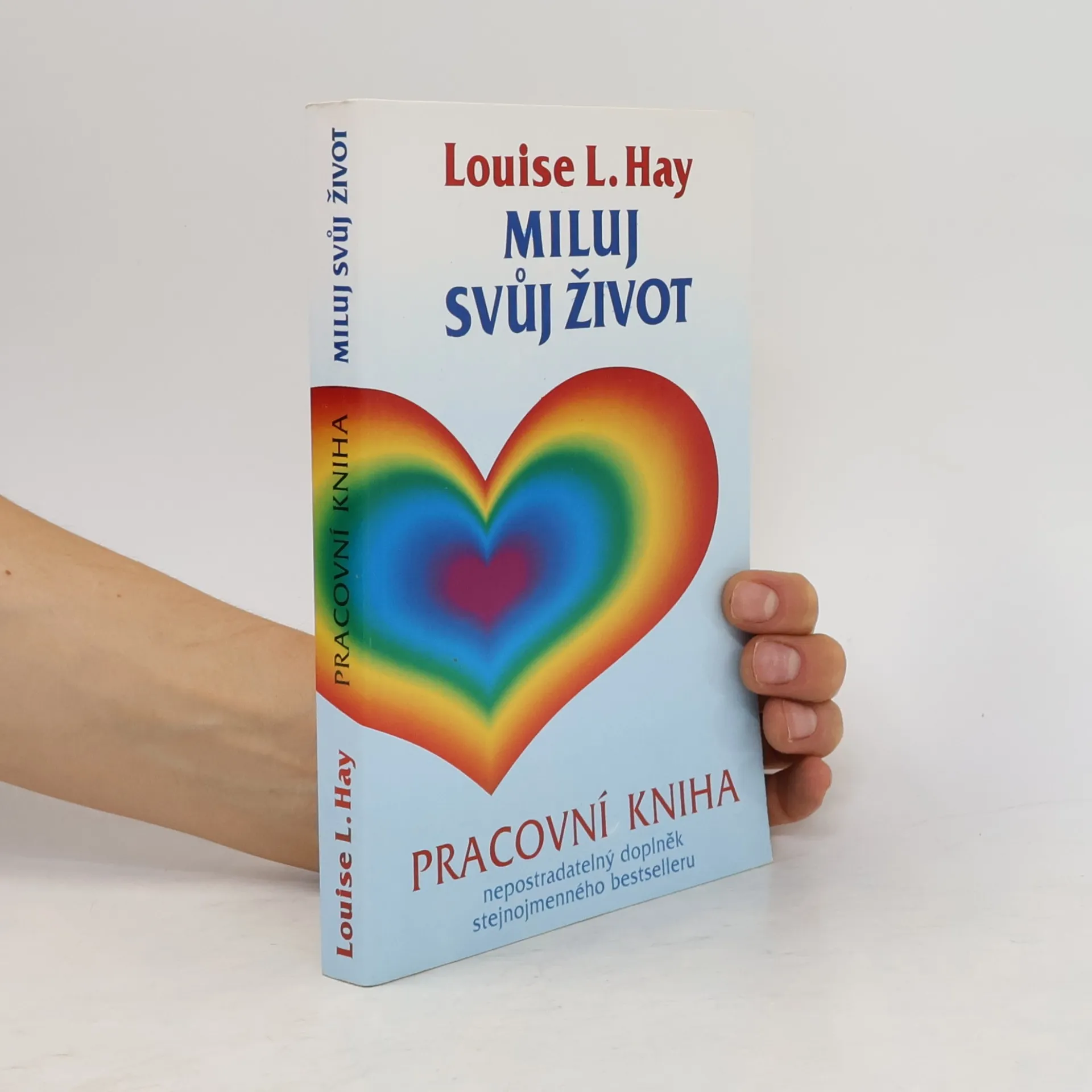
Klíčové poselství v této jedinečné knize je: Vydáte-li pozitivní energii při práci se svou myslí, můžete uzdravíte své tělo. Vysvětluje, že tím, jak limitujeme své myšlení a názory, vytváříme ve své mysli zárodky a příčiny nemocí. Autorka nás vede k pozitivním změnám v našem myšlení a vytváří prostředí, které nás vede k prožití kvalitnějšího a hodnotnějšího života.
Druhé vydání.
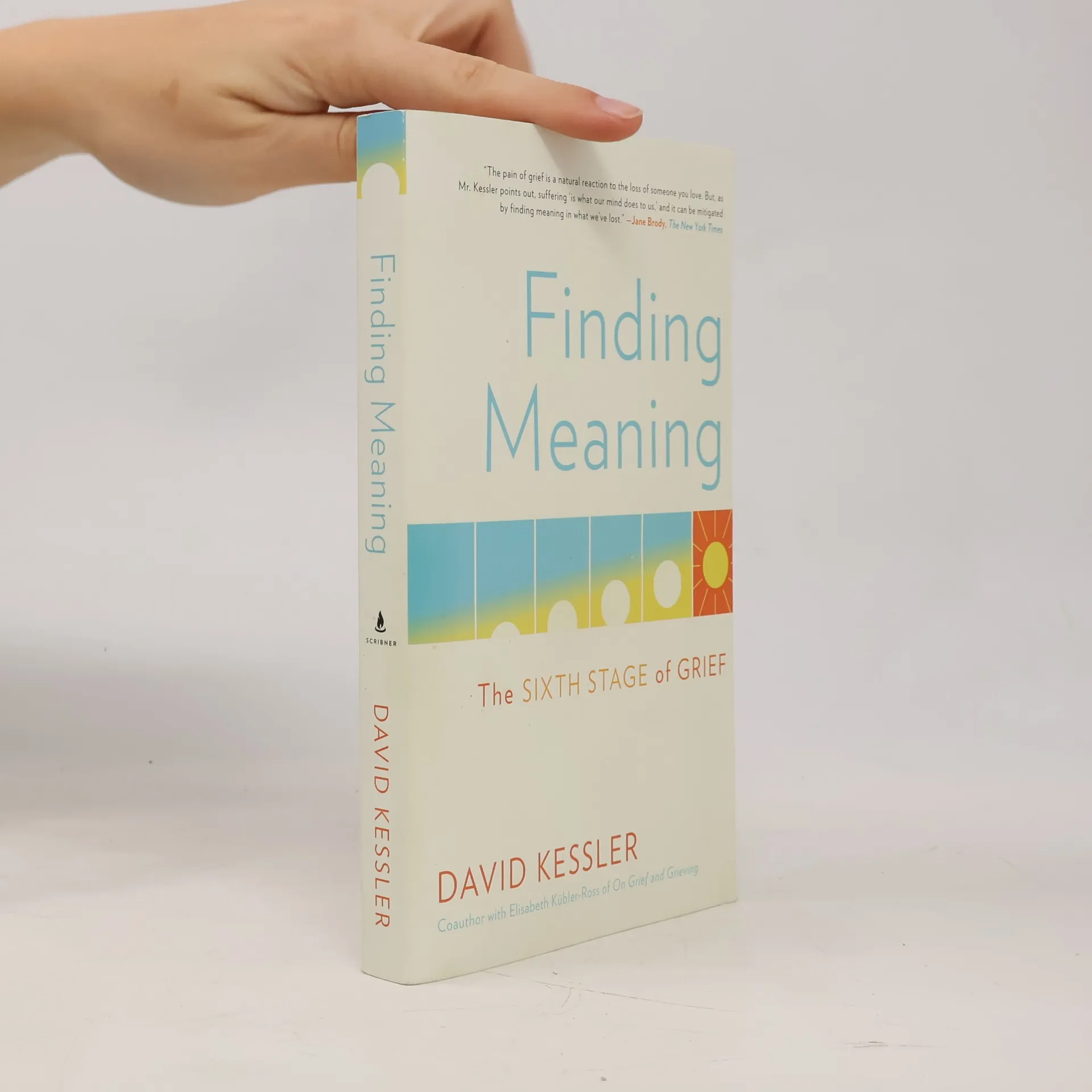
'A brilliant, caring, practical guide to help us understand grief' Daniel J Siegel, M.D.'Finding Meaning is Kessler’s poignant response to society’s insensitivity, [a] how-to in the very best sense' LA TimesDavid Kessler – the world's foremost expert on grief and the coauthor with Elisabeth Kübler-Ross of the iconic On Grief and Grieving – journeys beyond the classic five stages to discover a sixth meaning.David has spent decades teaching about end of life, trauma and grief. And yet his life was upended by the sudden death of his twenty-one-year-old son. How does the grief expert handle such a devastating loss?In Finding Meaning, Kessler shares his hard-earned wisdom and offers a roadmap to remembering those who have died with more love than pain, how to move forward in a way that honours our loved ones and ultimately transform grief into a more peaceful and hopeful experience.An inspiring must-read for anyone struggling to figure out how to live after loss.
"The American body is plagued by obesity, heart disease, and diabetes. In Fast Carbs, Slow Carbs, the follow up to his bestselling book The End of Overeating, Dr. David A. Kessler explains how we can reduce heart disease, keep weight off, and reduce chronic disease"-- Provided by publisher
When TV talkshow host Elias Claymore is accused of raping a 19-year-old girl he turns to his friend Alex Sadaka to defend him. But Alex has a fight on his hands, for Claymore – a former Black Power activist – is anything but squeaky clean and this time even the DNA evidence is stacked against him. Forced to share the defence with a lawyer from Claymore’s insurance firm, Alex must battle his way through jury tampering, conflicts of interest and vicious hate mail to uncover the truth. With Claymore a vulnerable target in prison and the prosecution scenting blood, Alex knows that time is running out. Could it be that this time there is No Way Out?
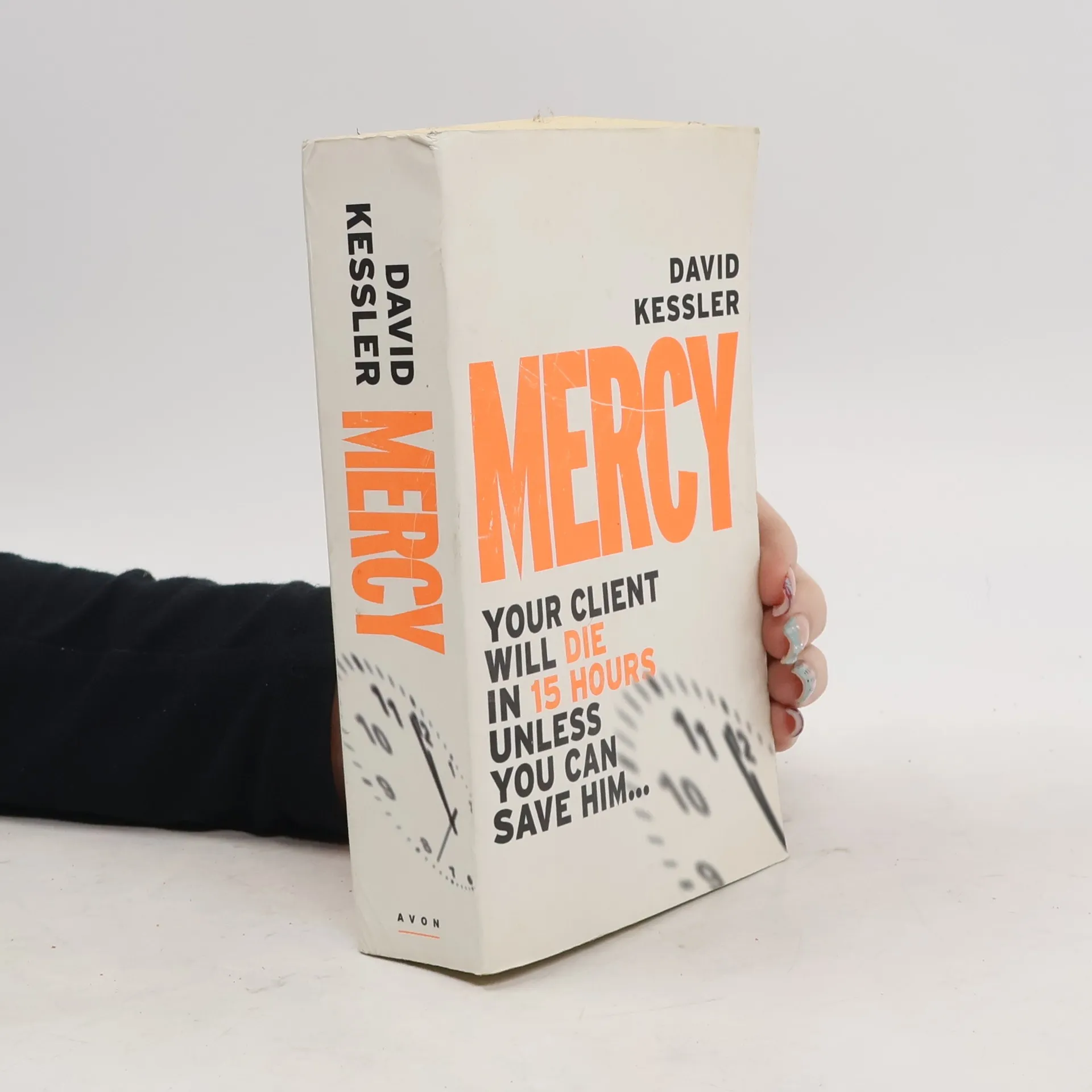
It's hard to sit still when your client is scheduled to die in a matter of hours. As he makes a plea for mercy, lawyer Alex Sedaka is resigned to the fact that Clayton Burrows will be executed. Charged with the rape and brutal murder of 18-year-old classmate Dorothy Olsen, the case seems cut and dry. Or is it?
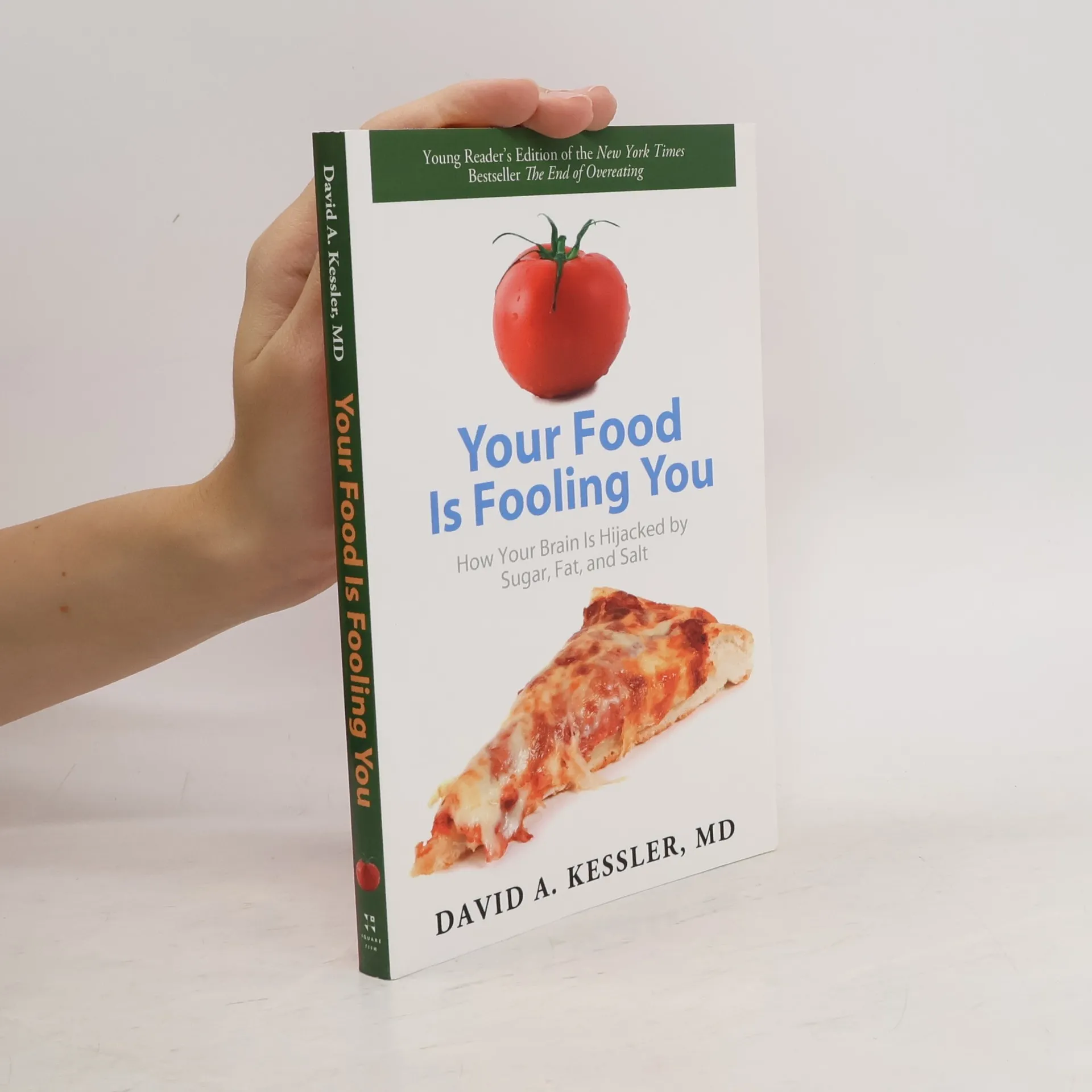
Targeting a younger audience, this teen edition explores the psychology behind overeating and the impact of food marketing on eating habits. It provides relatable insights into the challenges teens face regarding food choices, body image, and health. With practical advice and strategies, the book empowers readers to make informed decisions about their diets, fostering a healthier relationship with food. Engaging and informative, it encourages teens to take control of their eating habits and promotes overall well-being.
Finding the Meaning of Grief Through the Five Stages of Loss
272 stránek
10 hodin čtení
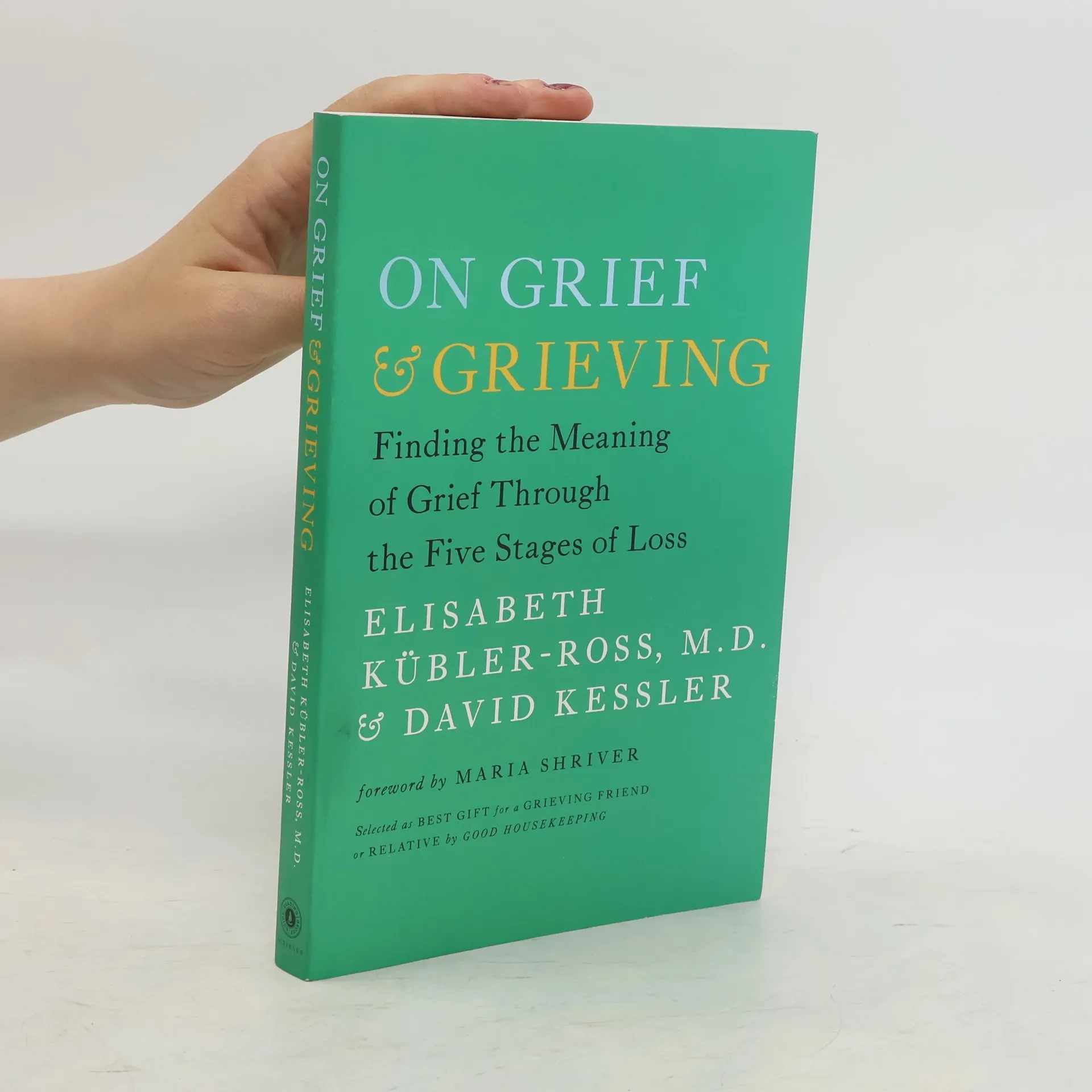
Ten years after the death of Elisabeth K bler-Ross, this commemorative edition of her final book combines practical wisdom, case studies, and the authors' own experiences and spiritual insight to explain how the process of grieving helps us live with loss. Includes a new introduction and resources section. Elisabeth K bler-Ross's On Death and Dying changed the way we talk about the end of life. Before her own death in 2004, she and David Kessler completed On Grief and Grieving, which looks at the way we experience the process of grief. Just as On Death and Dying taught us the five stages of death--denial, anger, bargaining, depression, and acceptance--On Grief and Grieving applies these stages to the grieving process and weaves together theory, inspiration, and practical advice, including sections on sadness, hauntings, dreams, isolation, and healing. This is "a fitting finale and tribute to the acknowledged expert on end-of-life matters" (Good Housekeeping).
Shortly before her death in 2004, Elisabeth Kubler-Ross and David Kessler, her collaborator, completed the manuscript for this, her final book. On Grief and Grieving is a fitting completion to her work. Thirty-six years and sixteen books ago, Kubler-Ross's groundbreaking On Death and Dying changed the way we talk about the end of life. Now On Grief and Grieving will profoundly influence the way we experience the process of grief. On Death and Dying began as a theoretical book, an interdisciplinary study of our fear of death and our inevitable acceptance of it. It introduced the world to the now-famous five stages: denial, anger, bargaining, depression, and acceptance. On Grief and Grieving applies these stages to the process of grieving and weaves together theory, inspiration, and practical advice, all based on Kubler-Ross's and Kessler's professional and personal experiences, and is filled with brief, topic-driven stories. It includes sections on sadness, hauntings, dreams, coping, children, healing, isolation, and even the subject of sex during grief. "I know death is close," Kubler-Ross says at the end of the book, "but not quite yet. I lie here like so many people over the years, in a bed surrounded by flowers and looking out a big window...I now know that the purpose of my life is more than these stages...It is not just about the life lost but also the life lived." In one of their final writing sessions, Kubler-Ross told Kessler, "The last nine years have taught me patience, and the weaker and more bed-bound I become, the more I'm learning about receiving love."