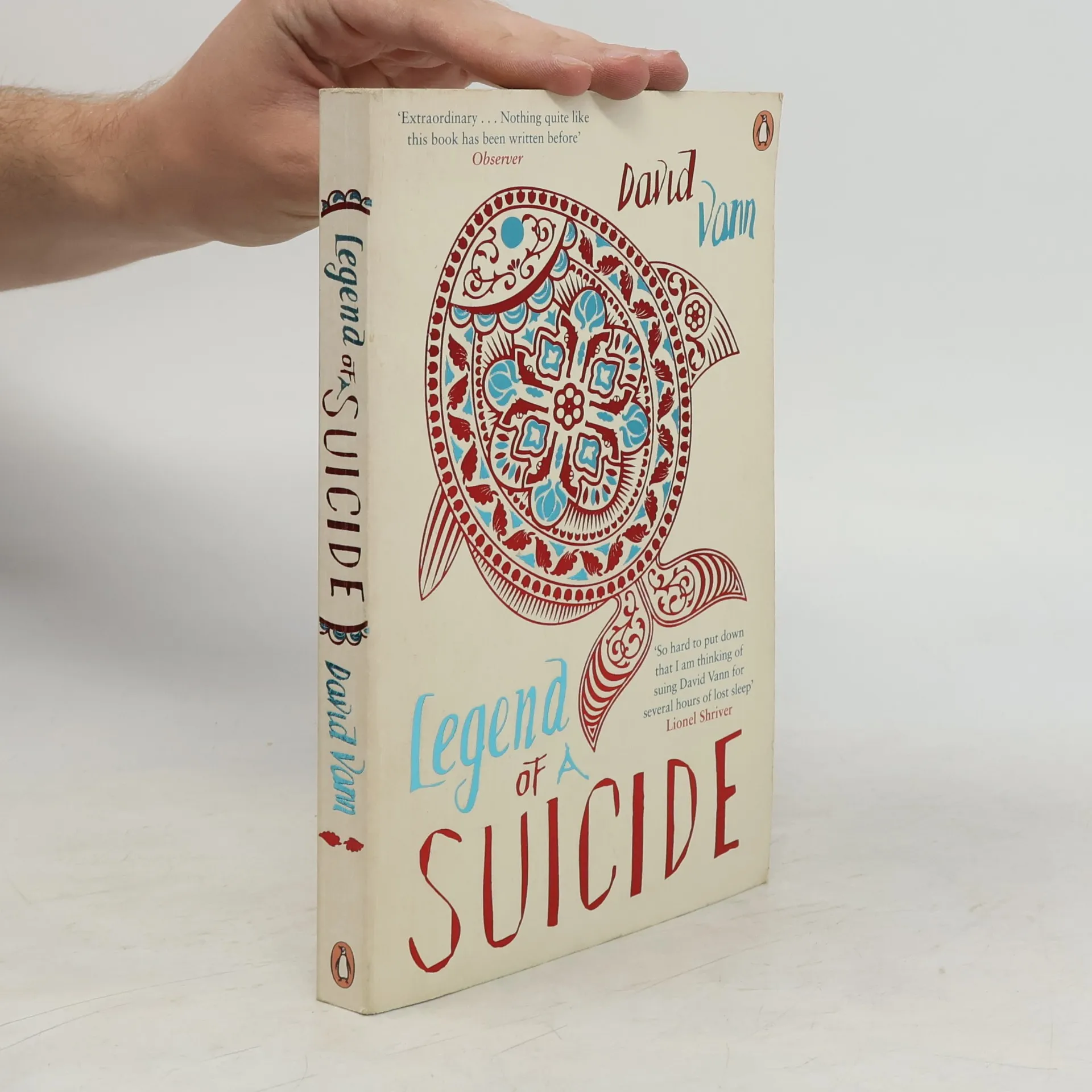
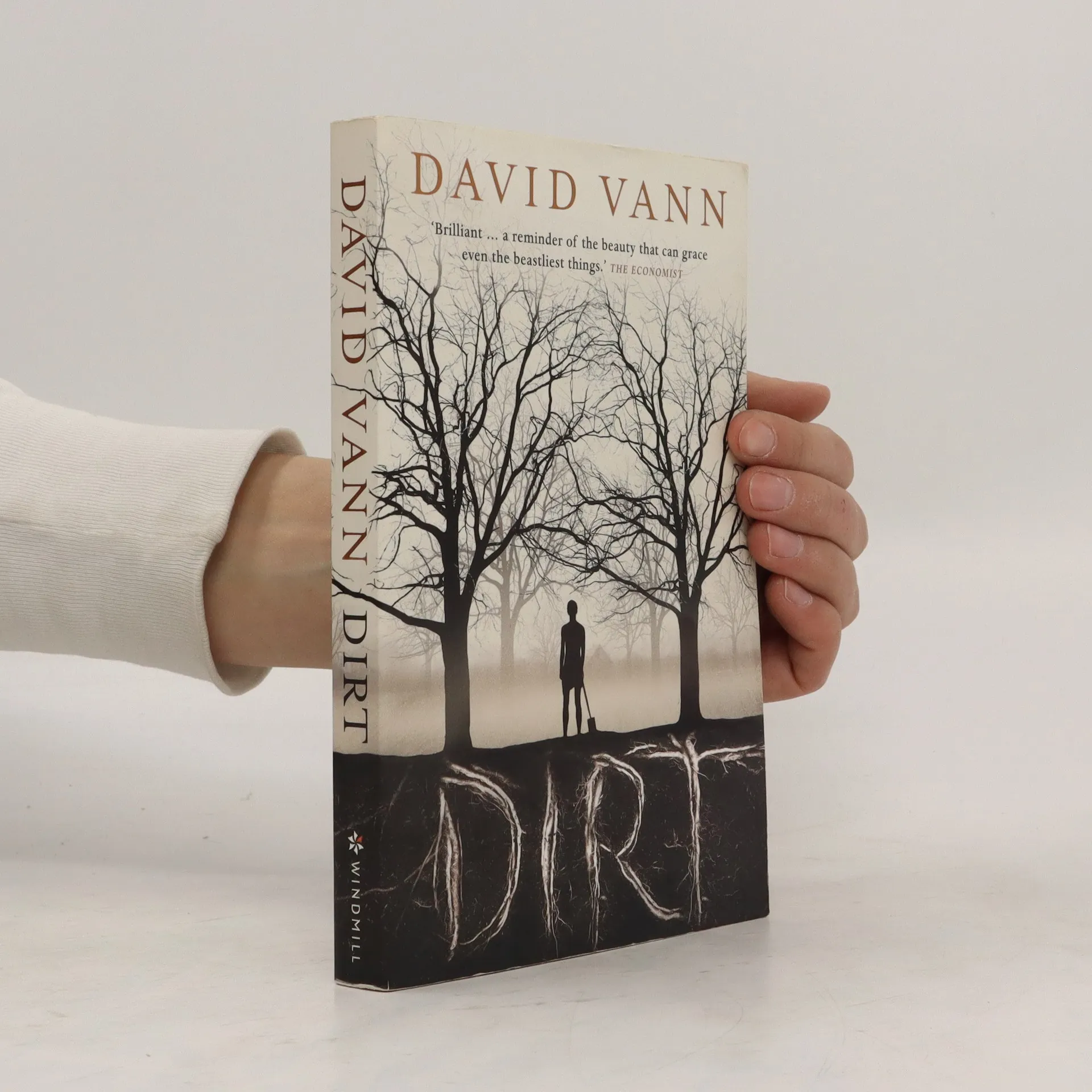
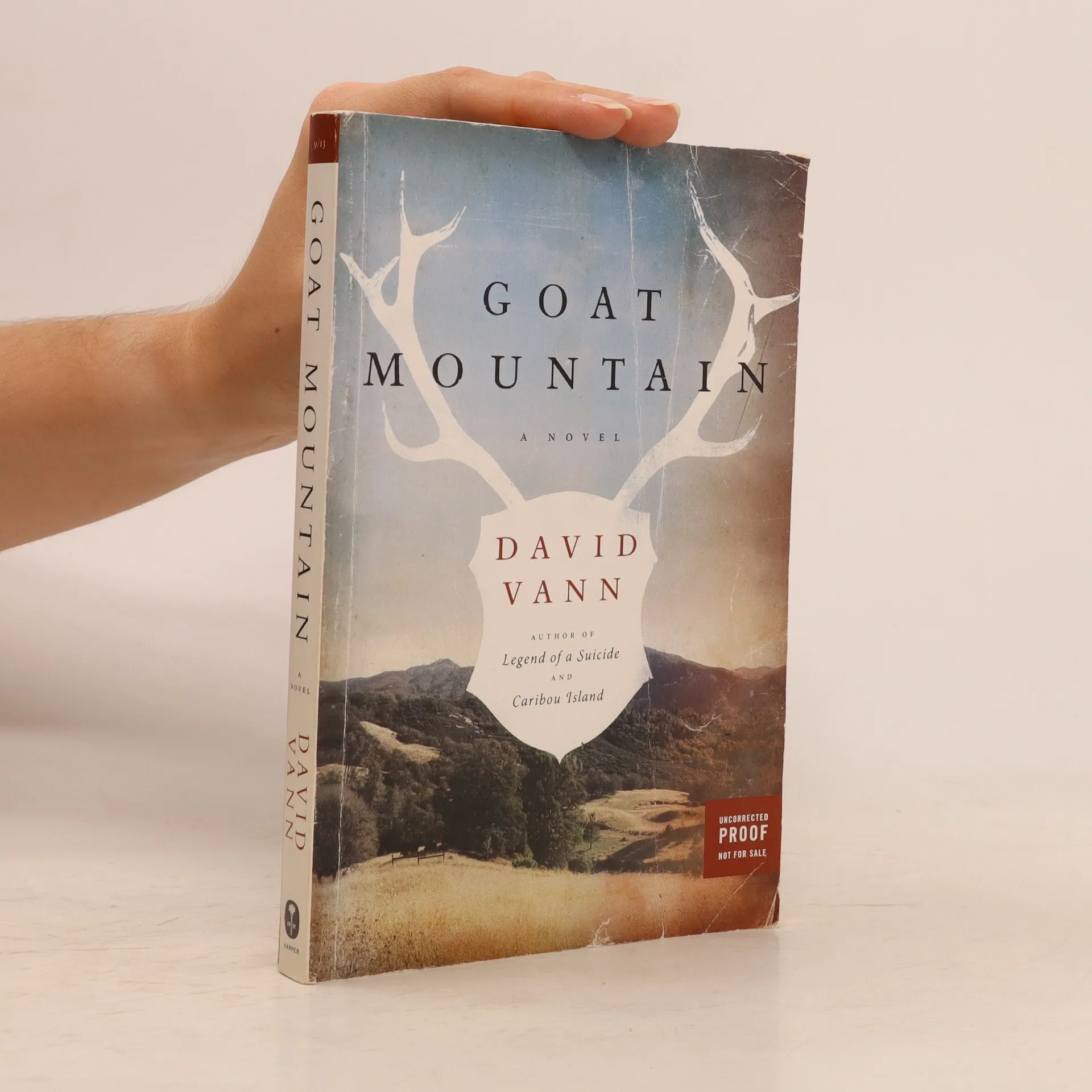
David Vann se ve svých dílech noří do temných hlubin lidské psychiky a zkoumá složité vztahy mezi rodiči a dětmi, často zasazené do syrové a krásné krajiny Aljašky. Jeho próza je silná a sugestivní, proplétá násilí s lyrikou a vytváří napětí, které čtenáře vtáhne. Vannova díla se vyznačují intenzivní emoční rezonancí a hlubokým zkoumáním viny, traumatu a hledání vykoupení. Jeho schopnost odhalovat křehkost a odolnost lidského ducha z něj činí jedinečného a pronikavého vypravěče.
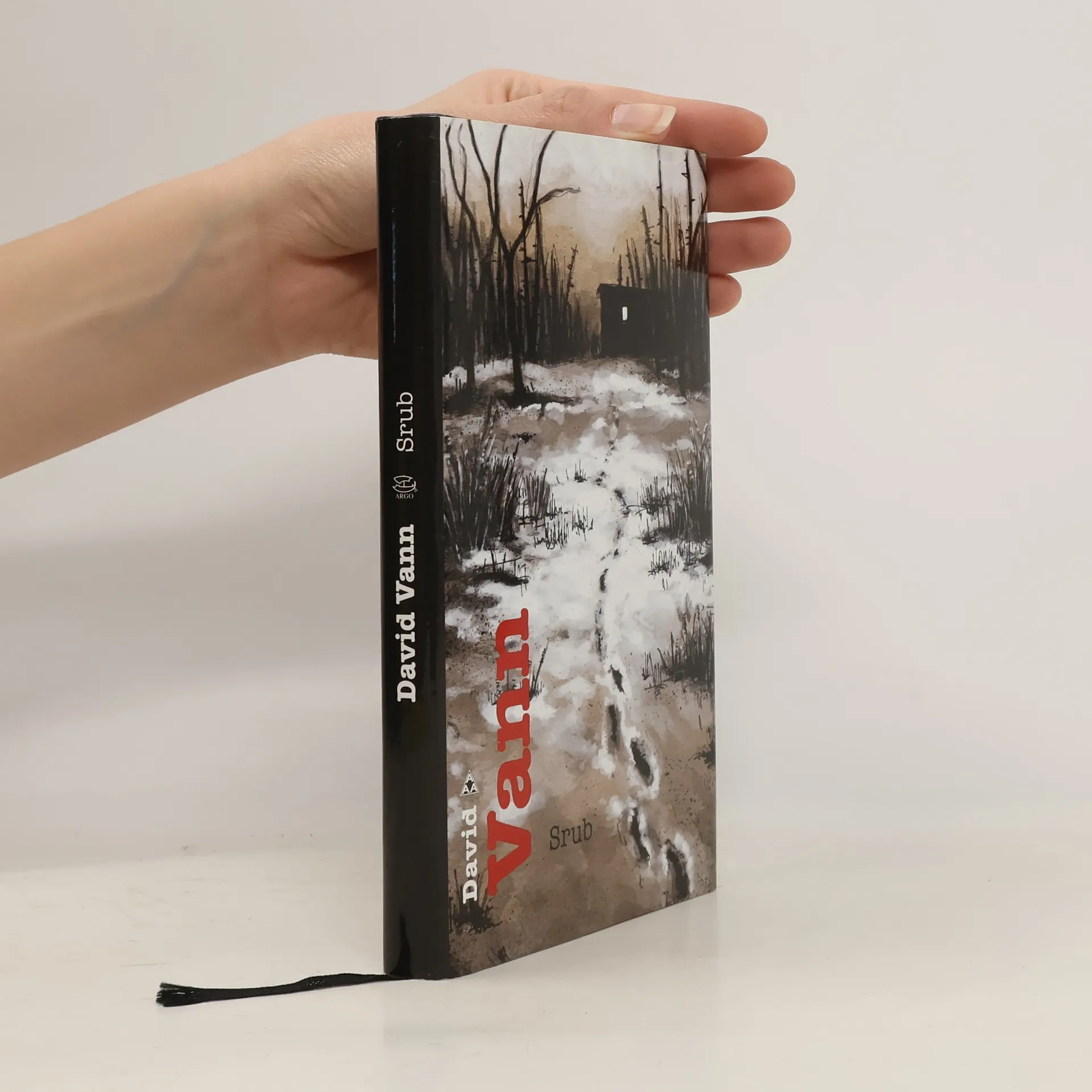
Otec se synem odjíždějí na opuštěný ostrov u aljašského pobřeží, aby na čas unikli civilizaci i složité rodinné situaci. V poklidné zátoce je čeká dřevěný srub, v lesích pobíhá spousta lovné zvěře, moře se hemží rybami. Vyrovnat se s vnějším nepohodlím a přežít nástrahy počasí nebude až takový problém, mnohem větší nebezpečí se skrývá v hlavách obou osadníků. Samota na oba doléhá nesnesitelnou tíhou a pobyt na ostrově se brzy mění v bitvu o duševní zdraví a posléze i o holý život.
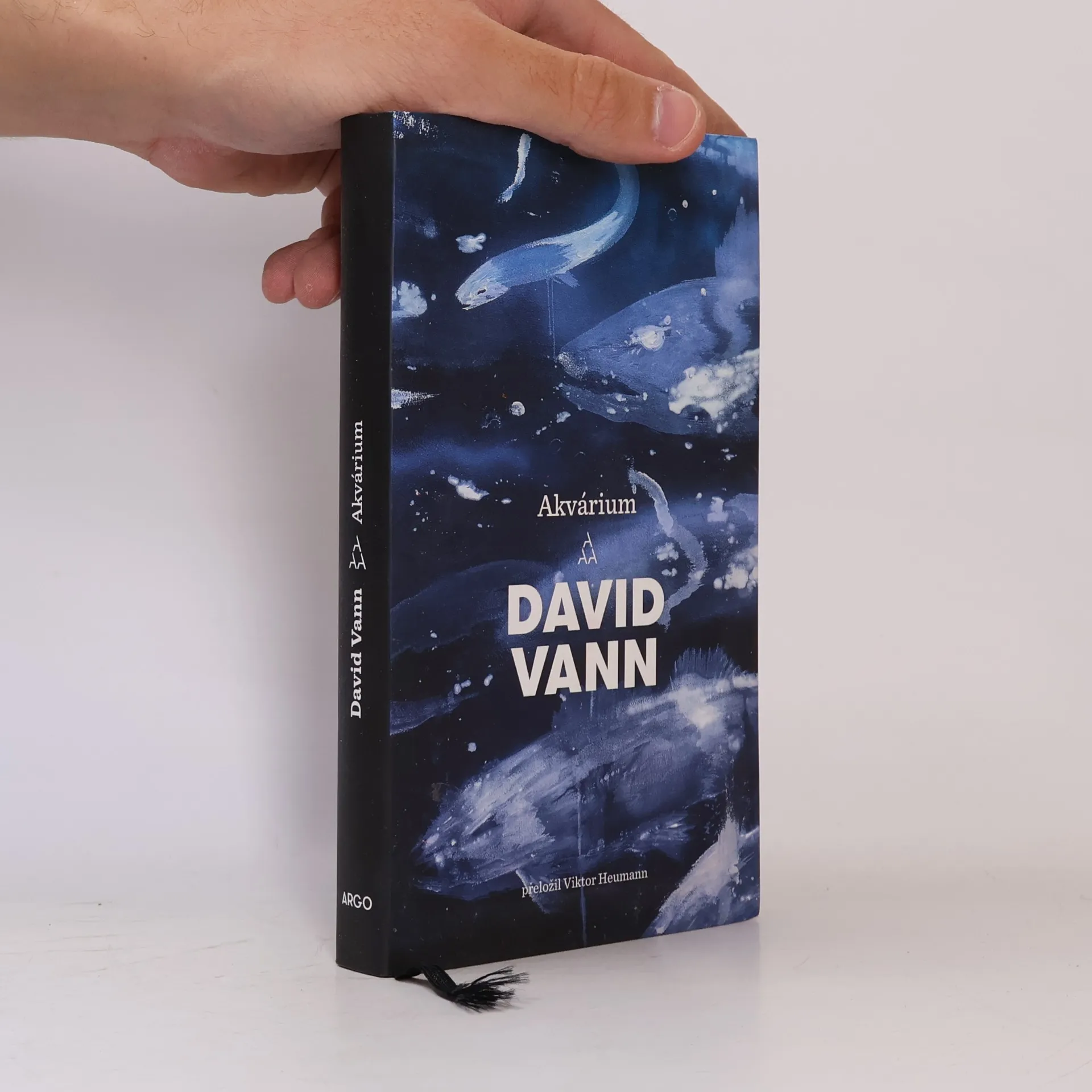
Dvanáctiletá Caitlin žije sama s matkou poblíž seattleského letiště. Každý den po škole čeká v místním akváriu a jako u vytržení pozoruje nejpodivnější ryby. Když ji jednoho dne osloví neznámý strarý muž a Caitlin se s ním spřátelí, nevědomky tak otevře děsivé rodinné tajemství a nebezpečně rozkolísá doposud vyrovnaný vztah s vlastní matkou. Bude mít Caitlin dost odvahy konfrontovat matku s nepříjemnou minulostí? Poučí se dcera z jejích starých chyb, nebo propadne stejným křivdám a traumatům?
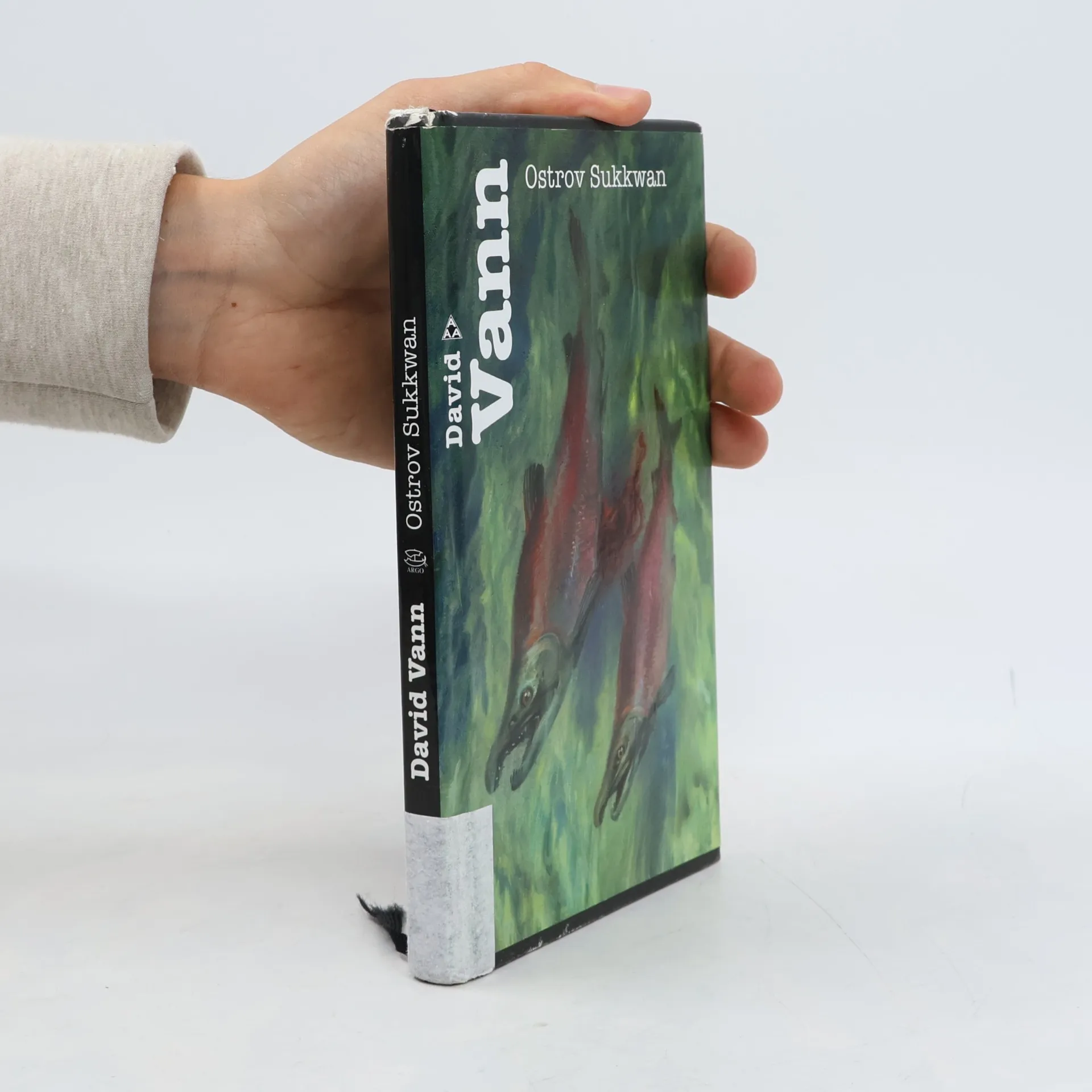
Gary si konečně plní dávný sen: na ostrově v aljašském jezeře začne budovat srub a se svou ženou Irene se v něm chce natrvalo usadit. Když však Irene vidí, že manžel pracuje čistě instiktivně a bez jakéhokoliv plánu a že stavba nedrží příliš pohromadě, začne o celém podniku pochybovat. Jejich dcera Rhoda se je snaží od přestěhování na ostrov odradit, ale odhodlaného a nekomunikujícího otce zviklat nedokáže. Rodiče tedy opouštějí dům na pevnině a se skrovnými zásobami a lukem vyrážejí k neobydlenému ostrovu.
David Vann ve své druhé knize zpracovává ožehavá psychologická témata: rozpadající se rodinné vazby, nedorozumění a odcizení mezi rodiči a dětmi, existenciální tíseň dýchající z nádherné, netečné divočiny.
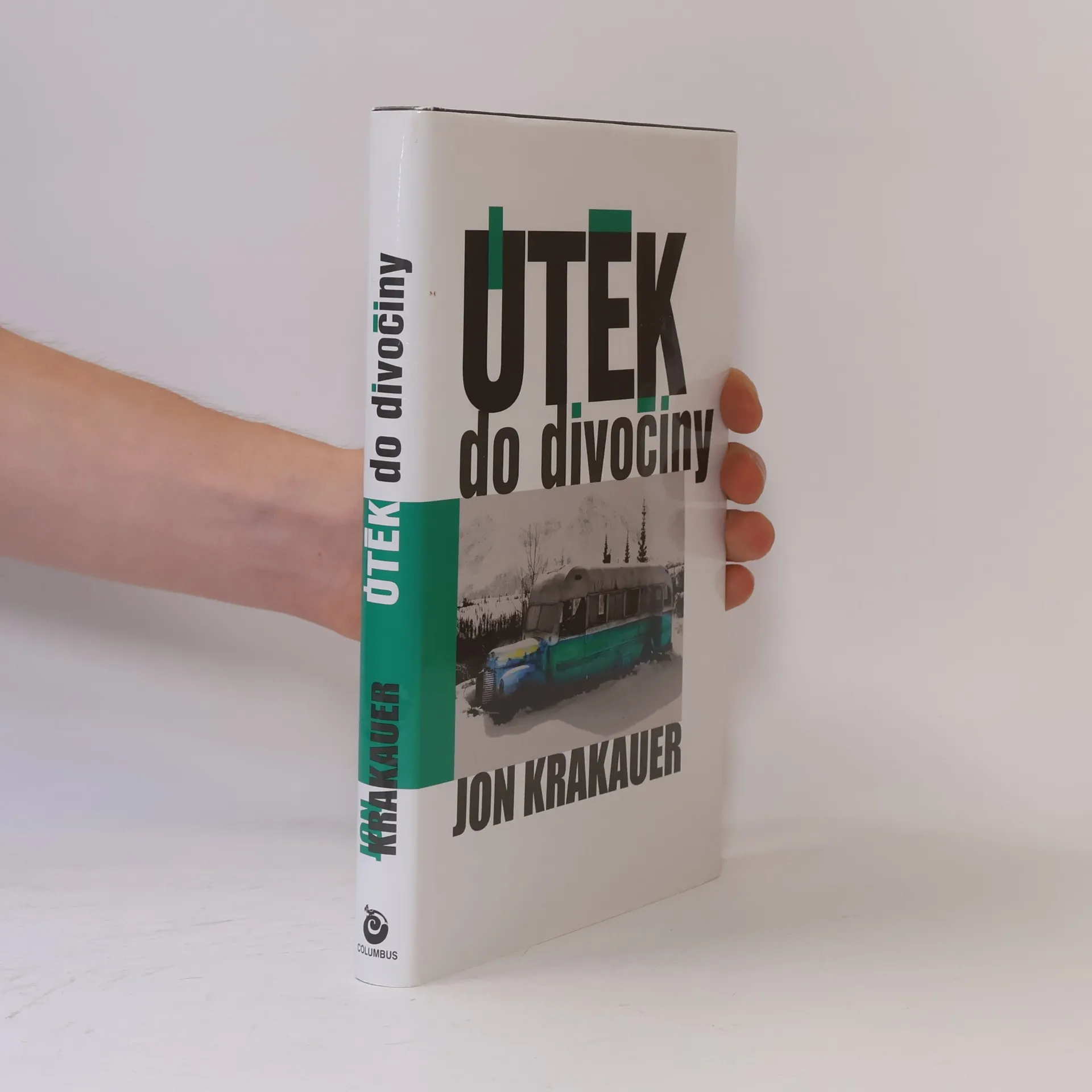
Tragická odysea mladého dobrodruha, putování, na jehož konci čekala smrt...: předloha ke stejnojmennému filmu
Zajímavá kniha amerického novináře rekonstruuje příběh mladého chlapce z dobře situované rodiny, který tragicky zahynul při své osamělé cestě na Aljašku.
Skutečný příběh z roku 1992 zaujal autora natolik, že se nejen snažil prověřit jeho poslední cestu, ale také zjistit pokud možno i motivy, které mladého chlapce k riskantnímu dobrodružství vedly. Dvaadvacetiletý student odešel po promoci od rodičů, zbavil se veškerých peněz a po vzoru Londonových hrdinů odešel do divočiny, aby tak nalezl sám sebe, oprostil se od všeho zbytečného a hlavně dokázal, že člověk může žít v souladu s přírodou bez pomůcek, které nabízí civilizace. Několik osudných chyb ho stálo život.
3. vydání.
Pod značkou Columbus vydal Rukopis s.r.o.
This Medea is intelligent and cynical, slighted by a husband and her gender.
She is a woman who craves revenge for the fate of being born a woman and thus
rendered powerless in a world ruled by men. Vann strips away the softer parts
of Medea's character as ruthlessly as Medea slits throats ... The centrepiece
of Bright Air Black is the butchering of Pelias, a long and magnificently
gruesome scene, described in stomach-churning detail ... Vann leaves us with
the troubling paradox that murderous Medea is also a devoted mother ... Vann
evokes this visceral, sensual, brutal world of warring city states, capricious
gods and fragile human agency in a fractured prose style, reminiscent of
ancient Greek drama and poetry. Short poetic phrases pile up, fall away, stop
short. Powerful internal rhythms build and subside, like the waves the
Argonauts sail over ... The time and the place may be very different from his
previous novels, but Bright Air Black shares the same central structure of a
searing family drama set against a backdrop of untamed nature ... At the heart
of this ambitious, dazzling, disturbing and memorable novel lies the uneasy
juxtaposing of the wild and the civilised, and the complex, shifting
relationship between the two. Rebecca Abrams Financial Times
Hailed as "a writer to read and reread" (Economist), who "tracks the same wild territory as Joseph Conrad and Cormac McCarthy" (Observer), New York Times Notable author David Vann delivers a darkly intimate portrait of a man teetering on the precipice of life and death.
Roy is still young when his father, a failed dentist and hapless fisherman,
commits suicide on the deck of his boat. Throughout his life, Roy returns to
that moment, gripped by its memory and the shadow it casts over his small-town
boyhood. Finally, Roy lays his father's ghost to rest. But not before he
exacts a gruelling, exhilarating revenge.
Twenty-two-year-old Galen is a New Age believer on a warpath towards transcendence. He lives with his emotionally dependent mother in a secluded house, surviving on old family money that his Aunt Helen and cousin Jennifer are determined to get their hands on. Galen doesn’t know who his father is, his abusive grandfather is dead, and his grandmother is losing her memory. When the family takes a trip to an old cabin in the Sierras, tensions crescendo. Caught in a compromising position, Galen will discover the shocking truth of just how far he will go to attain what it is he craves.
In David Vann’s searing novel Goat Mountain, an 11-year-old boy at his family’s annual deer hunt is eager to make his first kill. His father discovers a poacher on the land, a 640-acre ranch in Northern California, and shows him to the boy through the scope of his rifle. With this simple gesture, tragedy erupts, shattering lives irrevocably. In prose devastating and beautiful in its precision, David Vann creates a haunting and provocative novel that explores our most primal urges and beliefs, the bonds of blood and religion that define and secure us, and the consequences of our actions—what we owe for what we’ve done. David Vann is the award-winning author of Legend of a Suicide, Caribou Island, A Mile Down, and Last Day on Earth.