Knihobot

Aurélien Géron

    Praxiseinstieg Machine Learning mit Scikit-Learn, Keras und TensorFlow
    Uczenie maszynowe z użyciem Scikit-Learn w.2020
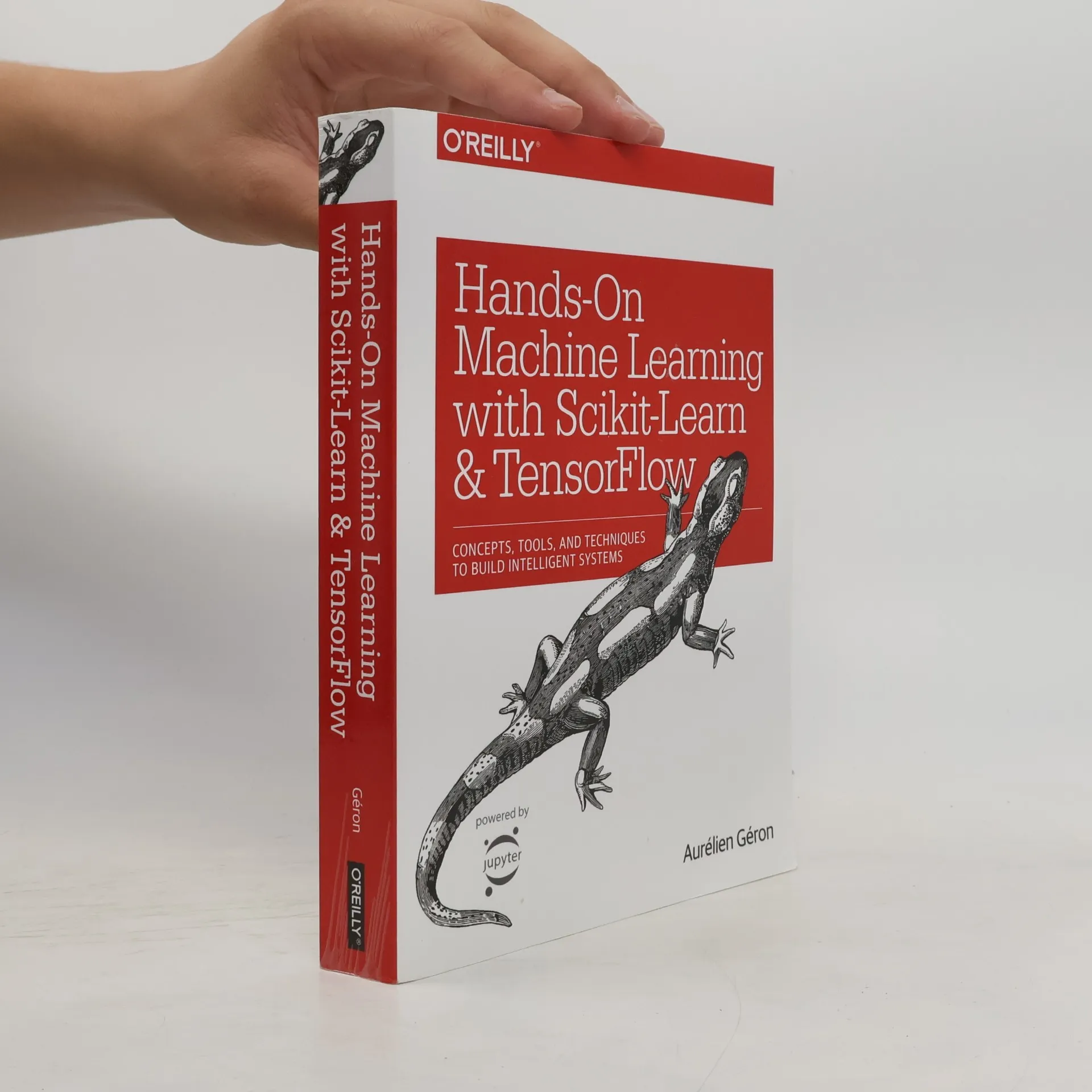
    Hands-on machine learning with Scikit-Learn and TensorFlow : concepts, tools, and techniques to build intelligent systems
    • Through a series of recent breakthroughs, deep learning has boosted the entire field of machine learning. Now, even programmers who know close to nothing about this technology can use simple, efficient tools to implement programs capable of learning from data. This practical book shows you how. By using concrete examples, minimal theory, and two production-ready Python frameworks—scikit-learn and TensorFlow—author Aur�lien G�ron helps you gain an intuitive understanding of the concepts and tools for building intelligent systems. You’ll learn a range of techniques, starting with simple linear regression and progressing to deep neural networks. With exercises in each chapter to help you apply what you’ve learned, all you need is programming experience to get started. Explore the machine learning landscape, particularly neural nets Use scikit-learn to track an example machine-learning project end-to-end Explore several training models, including support vector machines, decision trees, random forests, and ensemble methods Use the TensorFlow library to build and train neural nets Dive into neural net architectures, including convolutional nets, recurrent nets, and deep reinforcement learning Learn techniques for training and scaling deep neural nets Apply practical code examples without acquiring excessive machine learning theory or algorithm details

      Hands-on machine learning with Scikit-Learn and TensorFlow : concepts, tools, and techniques to build intelligent systems
    • W 2006 roku świat nauki odkrył potencjał głębokich sieci neuronowych, co doprowadziło do rozwoju techniki uczenia głębokiego. Choć wymagało to ogromnej mocy obliczeniowej i dużych zbiorów danych, efekty były imponujące. W kolejnych latach technologia ta zyskała na znaczeniu w różnych dziedzinach, prowadząc do powstania zaawansowanych produktów. Obecnie prace nad nowymi zastosowaniami sieci głębokich trwają, a ich wpływ na nasze życie będzie coraz większy. To drugie wydanie bestsellerowego przewodnika po technikach uczenia maszynowego jest dostępne dla osób z minimalnymi umiejętnościami programistycznymi. Książka koncentruje się na praktycznych aspektach, oferując liczne przykłady i ćwiczenia, a teoria jest ograniczona do niezbędnego minimum. Zawiera gotowe rozwiązania oraz zasady pracy z narzędziami, w tym TensorFlow 2. Dzięki temu czytelnicy szybko przyswoją kluczowe pojęcia i narzędzia do tworzenia inteligentnych systemów. W książce znajdziesz informacje o podstawach uczenia maszynowego, technikach wykrywania obiektów, segmentacji semantycznej, interfejsie Keras, wdrażaniu modeli TensorFlow oraz technikach uczenia nienadzorowanego. To doskonałe źródło wiedzy o zaawansowanych technologiach sztucznej inteligencji!

      Uczenie maszynowe z użyciem Scikit-Learn w.2020
    • Praxiseinstieg Machine Learning mit Scikit-Learn, Keras und TensorFlow

      Konzepte, Tools und Techniken für intelligente Systeme

      Die aktualisierte und erweiterte 3. Auflage des Bestsellers bietet einen umfassenden Einstieg in TensorFlow und Deep Learning. Sie behandelt neue Features von Scikit-Learn, die Keras-Tuner-Bibliothek sowie die NLP-Bibliothek Transformers von Hugging Face. Methodisch werden die Grundlagen des Machine Learning mit Scikit-Learn vermittelt, gefolgt von Deep-Learning-Techniken mit Keras und TensorFlow. Die Darstellung umfasst zahlreiche Übungen und Lösungen. Maschinelles Lernen und Deep Learning haben in den letzten Jahren bemerkenswerte Fortschritte gemacht, sodass auch Programmierer mit begrenztem Wissen diese Technologien nutzen können. Das Werk nutzt konkrete Beispiele, minimiert theoretische Erklärungen und setzt auf sofort einsetzbare Python-Frameworks, um ein intuitives Verständnis für die Entwicklung intelligenter Systeme zu fördern. Die Bandbreite der Techniken reicht von einfacher linearer Regression bis hin zu Deep Neural Networks. Zahlreiche Codebeispiele und praktische Übungen unterstützen die Anwendung des Gelernten. Mit etwas Programmiererfahrung können Sie direkt starten und lernen, die Grundlagen des Machine Learning anhand eines umfangreichen Projekts zu verstehen. Erkunden Sie verschiedene Modelle, nutzen Sie unüberwachtes Lernen und erstellen Sie komplexe neuronale Netzarchitekturen für verschiedene Anwendungen.

      Praxiseinstieg Machine Learning mit Scikit-Learn, Keras und TensorFlow