

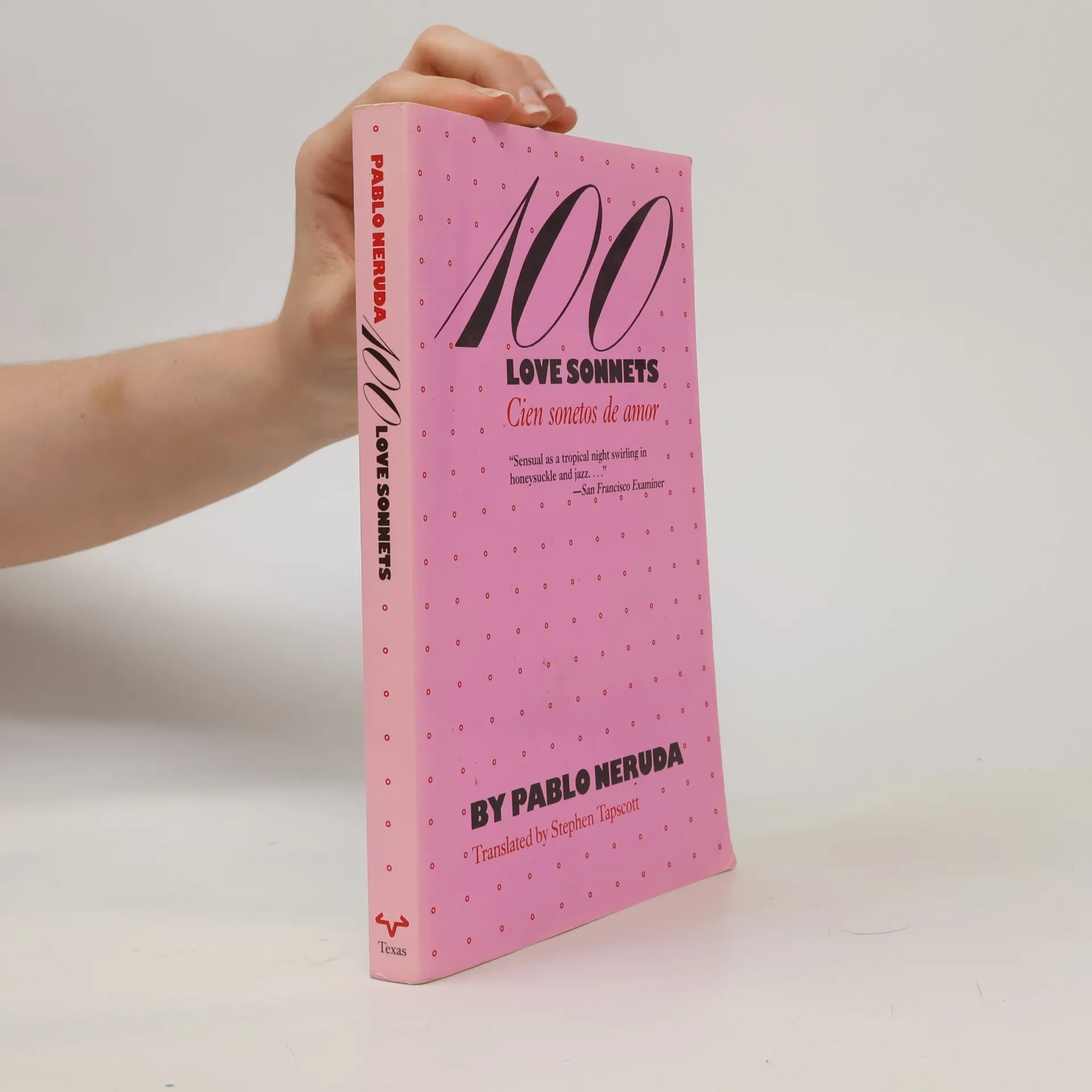
Against the backdrop of Isla Negra — the sea and wind, the white sand with its scattering of delicate wild flowers, the hot sun and salty smells of the Pacific — Nobel laureate Pablo Neruda sets these joyfully sensual poems in celebration of his love. The subject of that love: Matilde Urrutia de Neruda, the poet's "beloved wife." As popular in the Hispanic world as the poet's renowned Twenty Love Poems and a Song of Despair,One Hundred Love Sonnets has never before been published in its entirety in English translation. The reason for this astonishing neglect may lie in the historical circumstances that surrounded Neruda's "discovery " by English-speaking readers. In the United States he came to popularity during the turmoil of the sixties, when Americans needed a politically committed poet, and much of Neruda's canon answered that need. But, in his native Chile and throughout Latin America, Neruda has always been cherished as dearly for the earthly sensuality and eroticism of his love poetry as for his statements of political belief. To know this work, then is to understand the poet's art more thoroughly.
Hernán Loyola Pořadí knih (chronologicky)
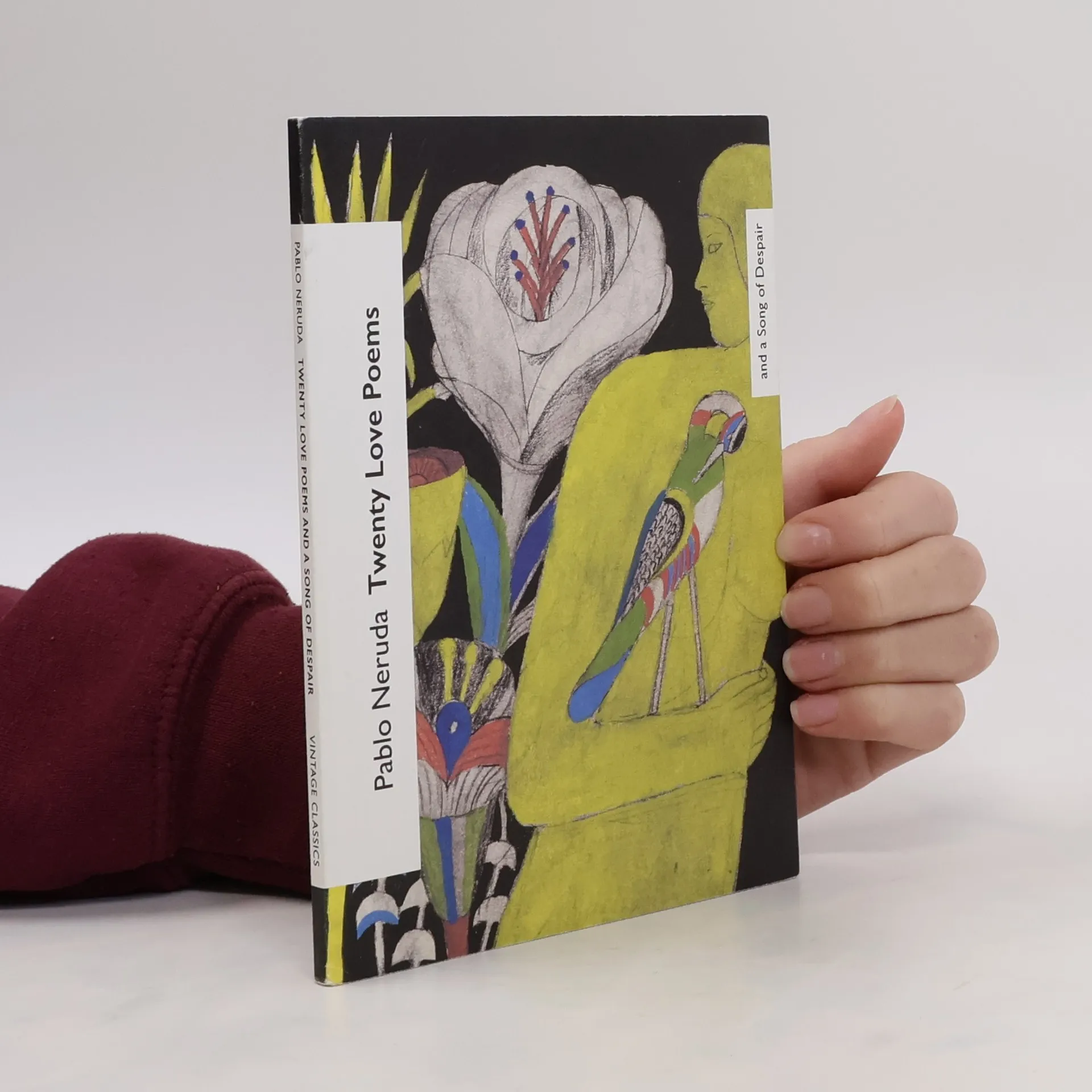
Twenty Love Poems and a Song of Despair
- 80 stránek
- 3 hodiny čtení
This is one of the greatest collections of love poetry ever published. Inspired by Pablo Neruda's youthful relationships and injected with an expressive eroticism, these poems are as accomplished as they are evocative and sensual. First published in 1924 to international acclaim when Neruda was just nineteen, this book is still adored the world over for being one of the most memorable, intense and romantic works of poetry ever written. It is a work of poetry to be cherished by lovers old and new. The perfect Valentine's Day present. INTRODUCED BY LEO BOIX 'The poems today remain as urgently gorgeous as freshly picked flowers' Carol Ann Duffy The Vintage Classics Love Poems series brings together some of the most sensual, heart-breaking and romantic poetry ever written. Working in collaboration with Vintage Creative Director Suzanne Dean this edition has been created by Spanish illustrator Jesús Cisneros.