Οκτώ ιστορίες γραμμένες με τη μαεστρία του νομπελίστα J.M. Coetzee. Οκτώ ιστορίες για την αγάπη, τον θάνατο, τα γηρατειά, τη σχέση μας με τους άλλους ανθρώπους, τα ζώα, τον κόσμο. Τα διηγήματα, σε κάποια από τα οποία οι αφοσιωμένοι αναγνώστες του J. M. Coetzee θα αναγνωρίσουν μια αγαπημένη ηρωίδα του, την Ελίζαμπεθ Κοστέλο, εκπλήσσουν με την ικανότητά τους να μας αναστατώνουν και να μας κάνουν να συλλογιστούμε τις προκλήσεις που μοιραζόμαστε και οι οποίες υπερβαίνουν το ατομικό. Ένα σκυλί που γαβγίζει σε μια καγκελόπορτα, μια ερωτική απιστία, μια γυναίκα που θέλει να γεράσει με τον δικό της τρόπο – καθένα από τα οκτώ διηγήματα μας ανατοποθετεί μπροστά στη δική μας πραγματικότητα. Κι όλα μαζί μας προτείνουν να ξανασκεφτούμε τις συνέπειες των καθημερινών μας αποφάσεων, την ηθική της σχέσης μας με τον κόσμο, την ικανότητά μας να κατανοούμε άλλα πλάσματα και να συνυπάρχουμε μαζί τους με υπευθυνότητα.
John Maxwell Coetzee Pořadí knih (chronologicky)

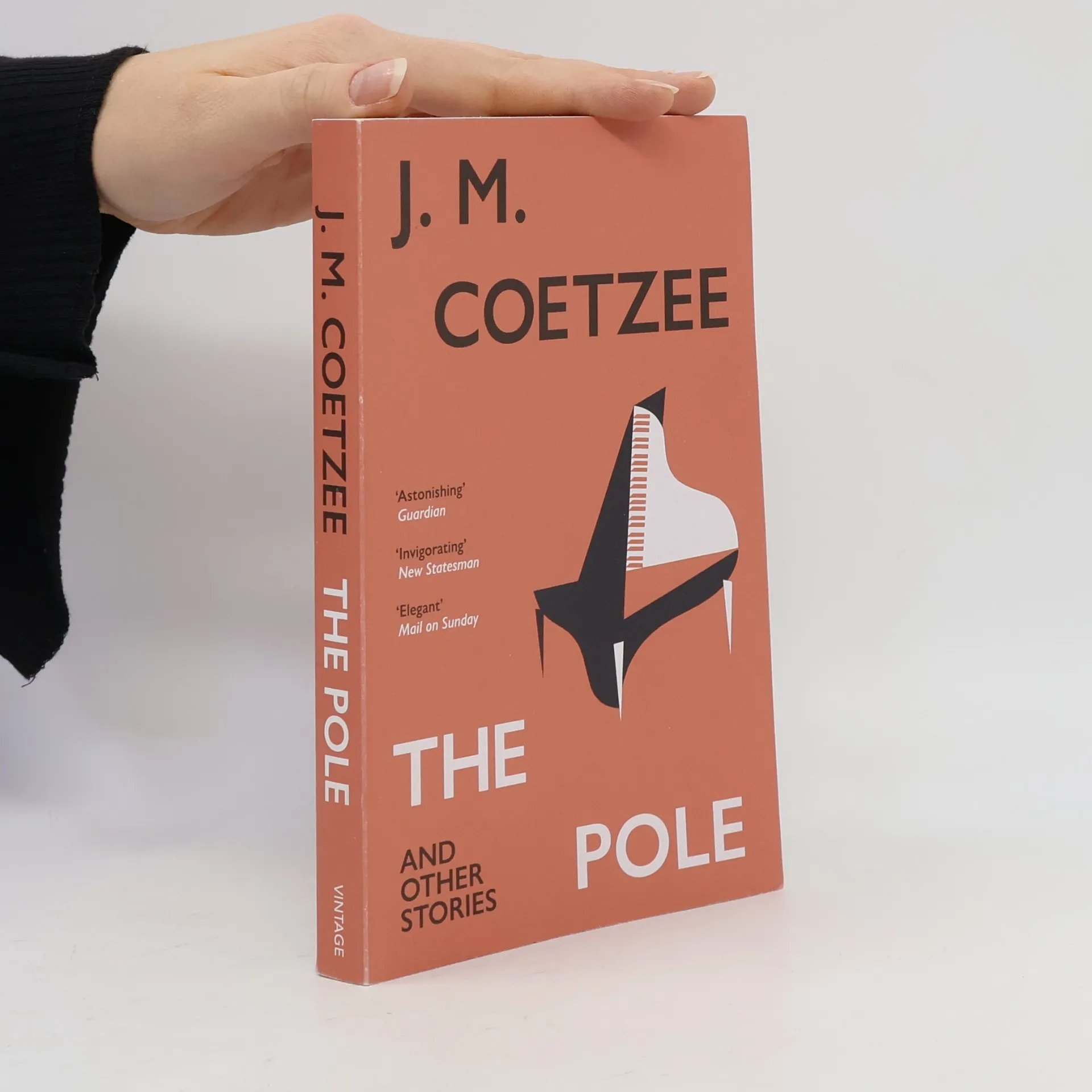
The Pole and Other Stories
- 272 stránek
- 10 hodin čtení
A poignant exploration of love and the complexities of human relationships unfolds through the eyes of pianist Witold, whose deep infatuation with Beatriz transforms their lives. The narrative delves into the emotional intricacies and evolving dynamics between the characters, highlighting how passion can reshape identities and connections.
J. M. Coetzee's writing is marked by its sparse yet impactful style, showcasing his status as a provocative and influential author. In this work, he invites readers to confront their assumptions about love and truth, employing sharp wit to engage with the uncomfortable realities often overlooked. Through his characteristic insight, Coetzee compels an examination of deep-seated beliefs, urging a re-evaluation of what we accept as truth in our lives.
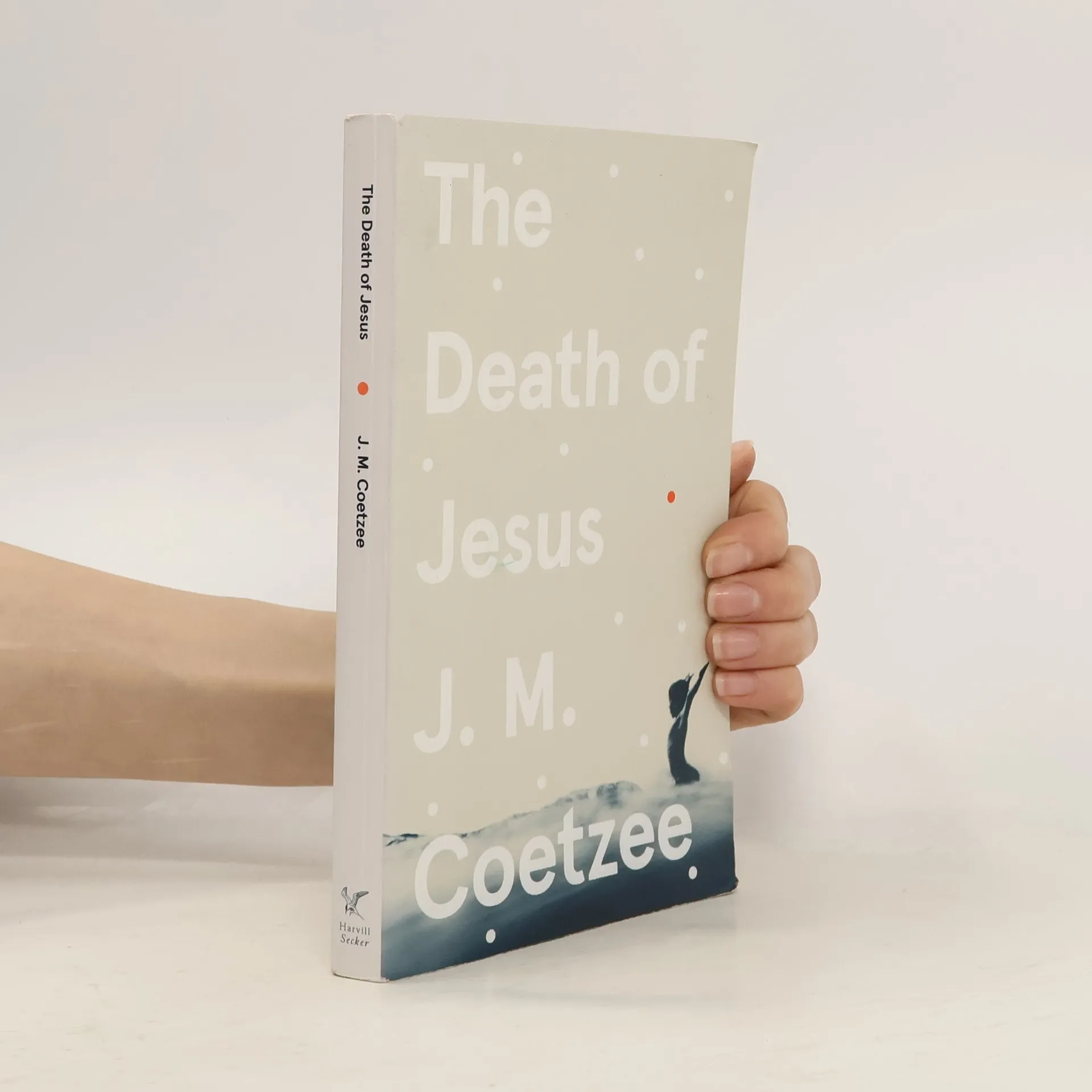
The Death of Jesus
- 208 stránek
- 8 hodin čtení
A masterful new novel completes an incomparable trilogy from J. M. Coetzee, Nobel laureate and two-times winner of the Booker Prize In The Childhood of Jesus, Simòn found a boy, David, and they began life in a new land, together with a woman named Inès. In The Schooldays of Jesus, the small family searched for a home in which David could thrive. In The Death of Jesus, David, now a tall ten-year-old, is spotted by Julio Fabricante, the director of a local orphanage, playing football with his friends in the street. He shows unusual talent. When David announces that he wants to go and live with Julio and the children in his care, Simòn and Inès are stunned. David is leaving them, and they can only love him and bear witness. With almost unbearable poignancy J. M. Coetzee explores the meaning of a world empty of memory but brimming with questions.
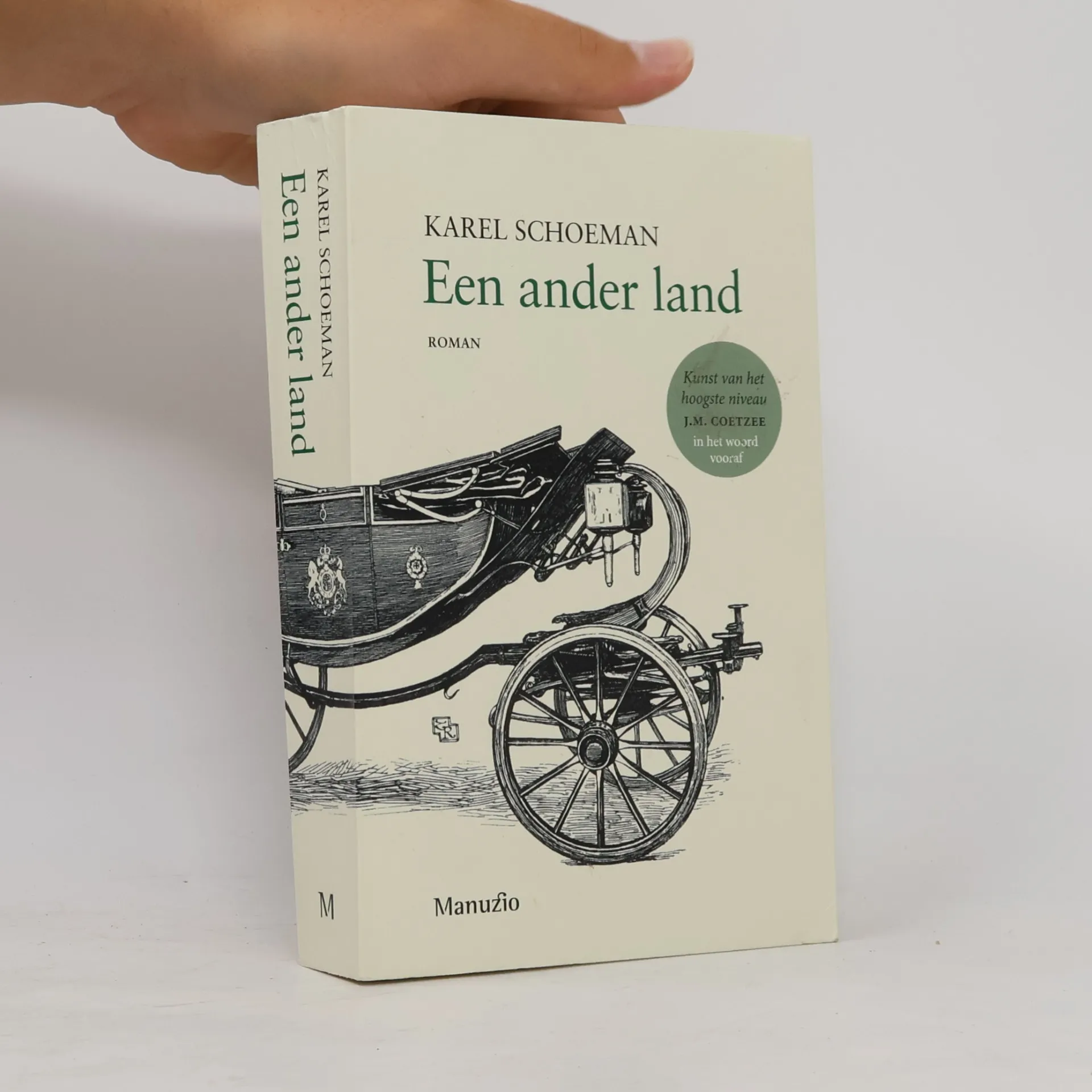
Een ander land
- 400 stránek
- 14 hodin čtení
Eind 19e eeuw leert de ernstig zieke Nederlander Versluis zijn nieuwe land en thuisbasis Zuid-Afrika te aanvaarden en daarmee thuis te komen in het onbekende.
This Is Not a Border
- 352 stránek
- 13 hodin čtení
"The Palestine Festival of Literature was established in 2008. Bringiong together writers from all corners of the globe, it aims to help Palestinians break the cultural siege imposed by the Isreali military occupation, to strengthen their artistic links with the the rest of the world."--Book flap
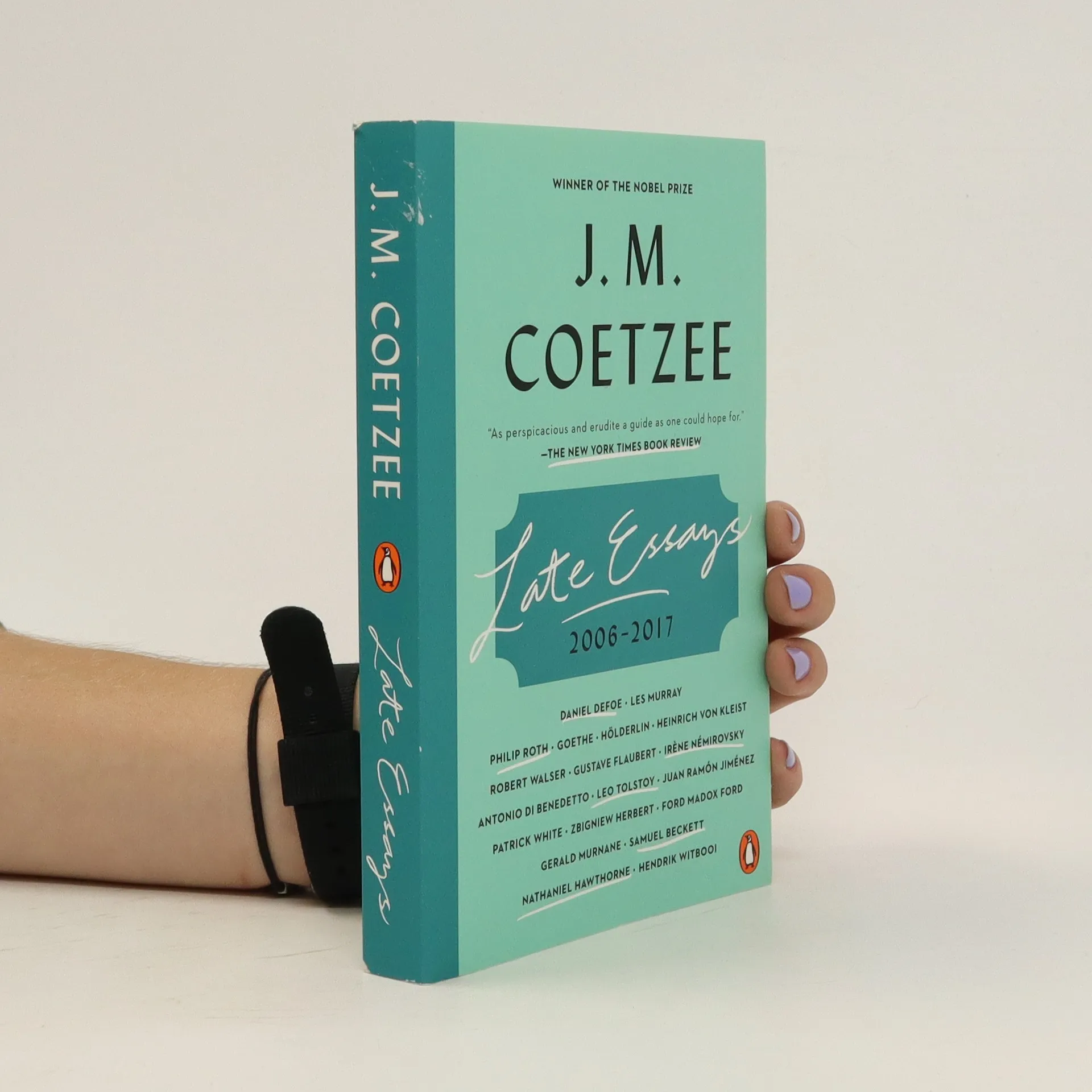
Late Essays, 2006-2017
- 304 stránek
- 11 hodin čtení
A new collection of twenty-three literary essays from the Nobel Prize–winning author. J. M. Coetzee’s latest novel, The Schooldays of Jesus, is now available from Viking. J. M. Coetzee is not only one of the most acclaimed fiction writers in the world, he is also an accomplished and insightful literary critic. In Late Essays: 2006–2016, a thought-provoking collection of twenty-three pieces, he examines the work of some of the world’s greatest writers, from Daniel Defoe in the early eighteenth century to Goethe and Irène Némirovsky to Coetzee’s contemporary Philip Roth. Challenging yet accessible, literary master Coetzee writes these essays with great clarity and precision, offering readers an illuminating and wise analysis of a remarkable list of works of international literature that span three centuries.
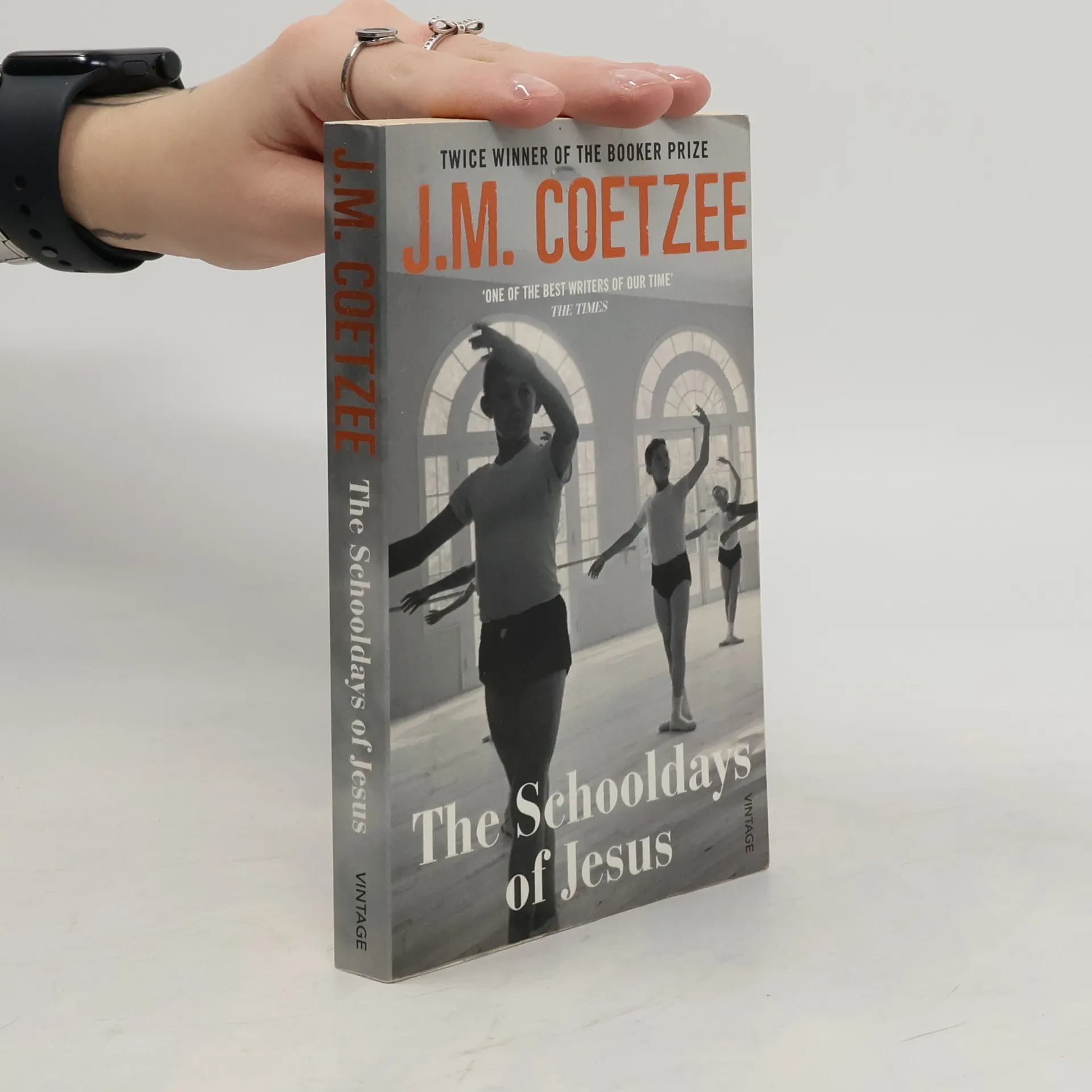
LONGLISTED FOR THE MAN BOOKER PRIZE 2016 Selected as a Book of the Year 2016 in the Observer and Daily Telegraph When you travel across the ocean on a boat, all your memories are washed away and you start a completely new life. That is how it is. There is no before. There is no history. The boat docks at the harbour and we climb down the gangplank and we are plunged into the here and now. Time begins. Dav�d is the small boy who is always asking questions. Sim�n and In�s take care of him in their new town Estrella. He is learning the language; he has begun to make friends. He has the big dog Bol�var to watch over him. But he'll be seven soon and he should be at school. And so, Dav�d is enrolled in the Academy of Dance. It's here, in his new golden dancing slippers, that he learns how to call down the numbers from the sky. But it's here too that he will make troubling discoveries about what grown-ups are capable of. In this mesmerising allegorical tale, Coetzee deftly grapples with the big questions of growing up, of what it means to be a parent, the constant battle between intellect and emotion, and how we choose to live our lives.
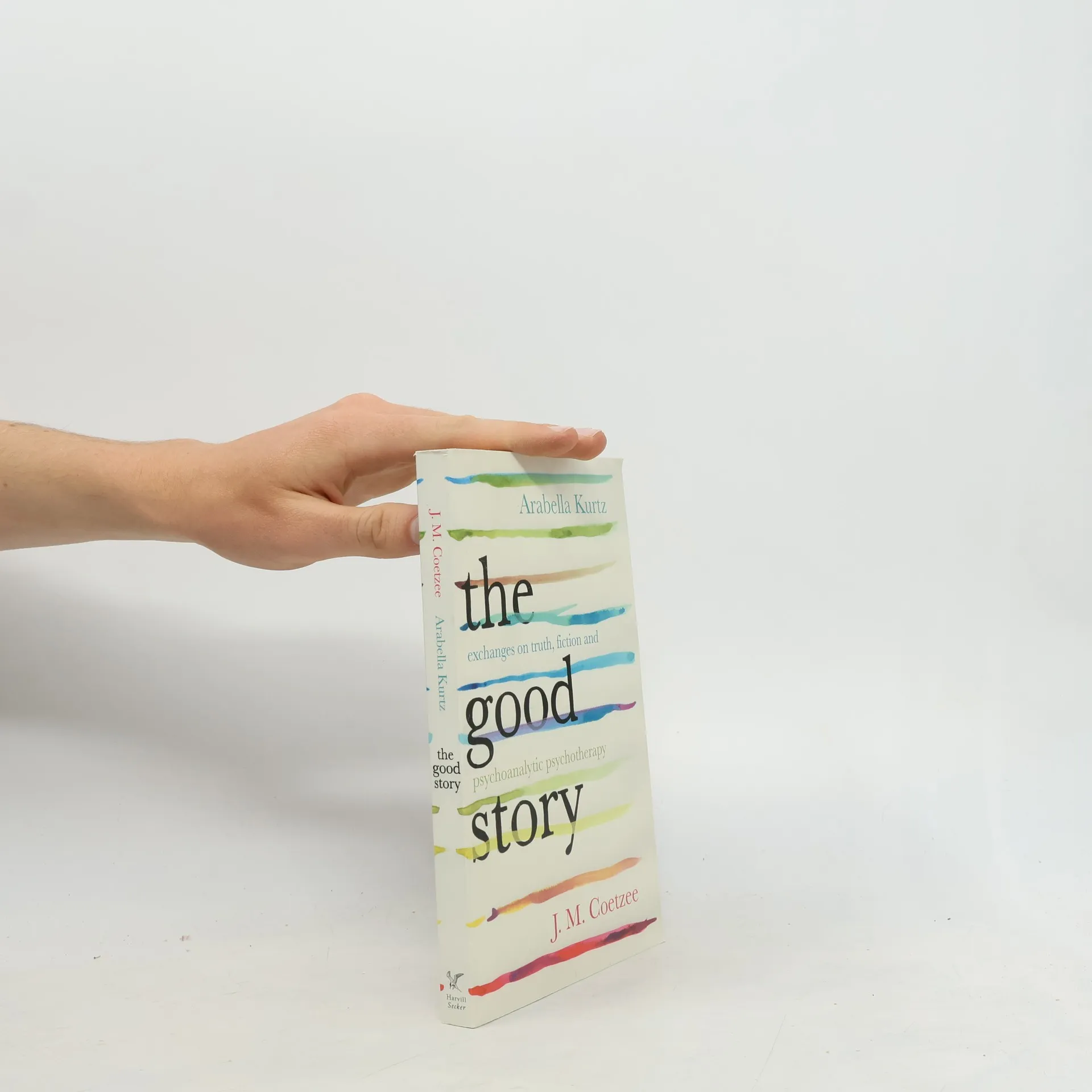
A fascinating dialogue on the human inclination to make up stories between a Nobel Prize-winning writer and a psychotherapist. Arabella Kurtz and J. M. Coetzee consider psychotherapy and its wider social context from different perspectives, but at the heart of both their approaches is a concern with stories. Working alone, the writer is in sole charge of the story he or she tells. The therapist, on the other hand, collaborates with the patient in telling the story of their life. What kind of truth do the stories created by patient and therapist aim to uncover: objective truth or the shifting and subjective truth of memories explored and re-experienced in the safety of the therapeutic relationship? The authors discuss both individual psychology and the psychology of the group: the school classroom, the gang, the settler nation where the brutal deeds of the ancestors have to be accommodated into a national story. Drawing on great writers like Cervantes and Dostoevsky and on psychoanalysts like Freud and Melanie Klein, they offer illuminating insights into the stories we tell of our lives.
Here and now : letters 2008-2011
- 256 stránek
- 9 hodin čtení
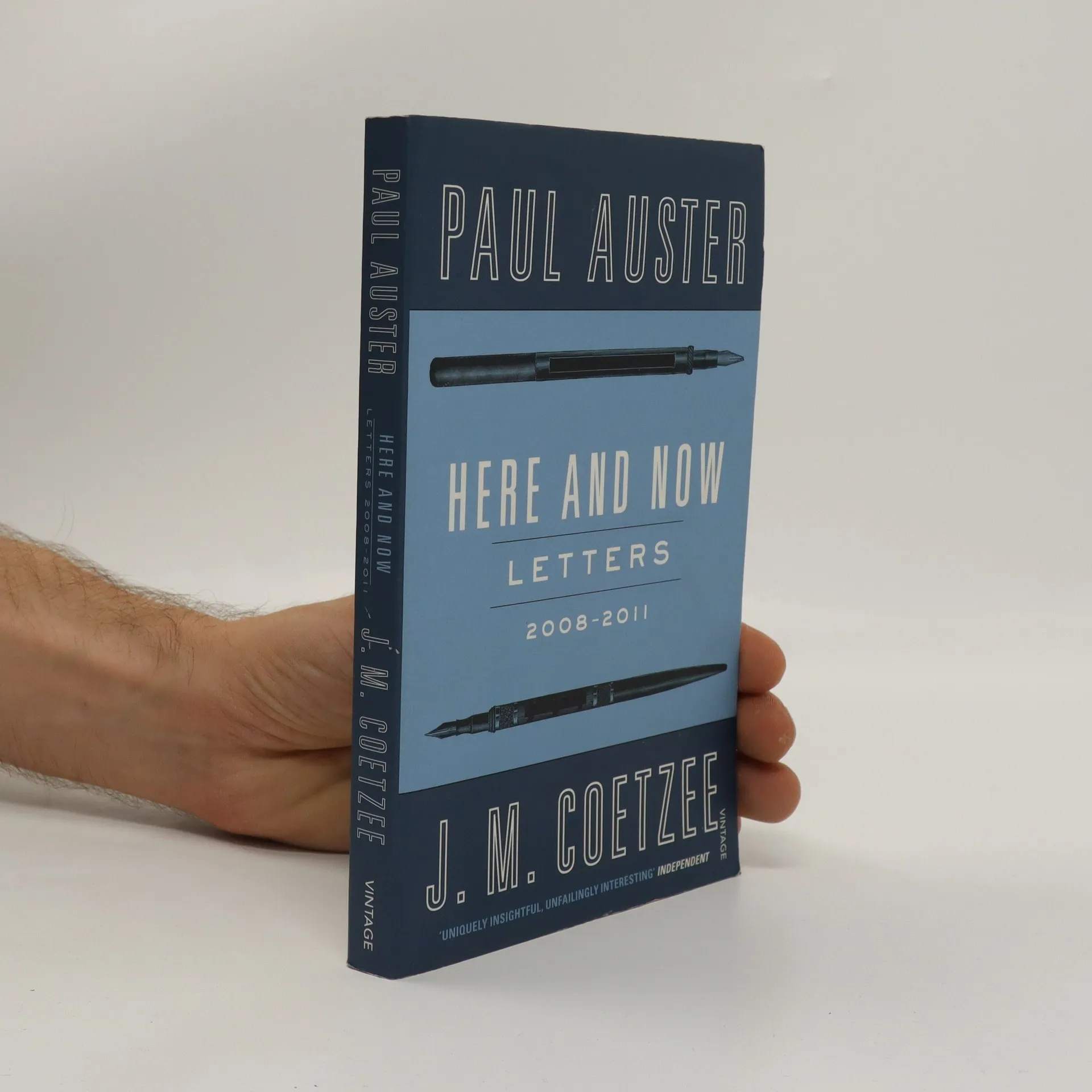
Although Paul Auster and J.M. Coetzee had been reading each other's books for years, the two writers did not meet until February 2008. Not long after, Auster received a letter from Coetzee, suggesting they begin exchanging letters on a regular basis and, 'God willing, strike sparks off each other.' Here and Now is the result of that proposal: an epistolary dialogue between two great writers who became great friends. Over three years their letters touched on nearly every subject, from sports to fatherhood, film festivals to incest, philosophy to politics, from the financial crisis to art, family, marriage, friendship, and love. Their correspondence offers an intimate and often amusing portrait of these two men as they explore the complexities of the here and now and is a reflection of two sharp intellects whose pleasure in each other's friendship is apparent on every page.
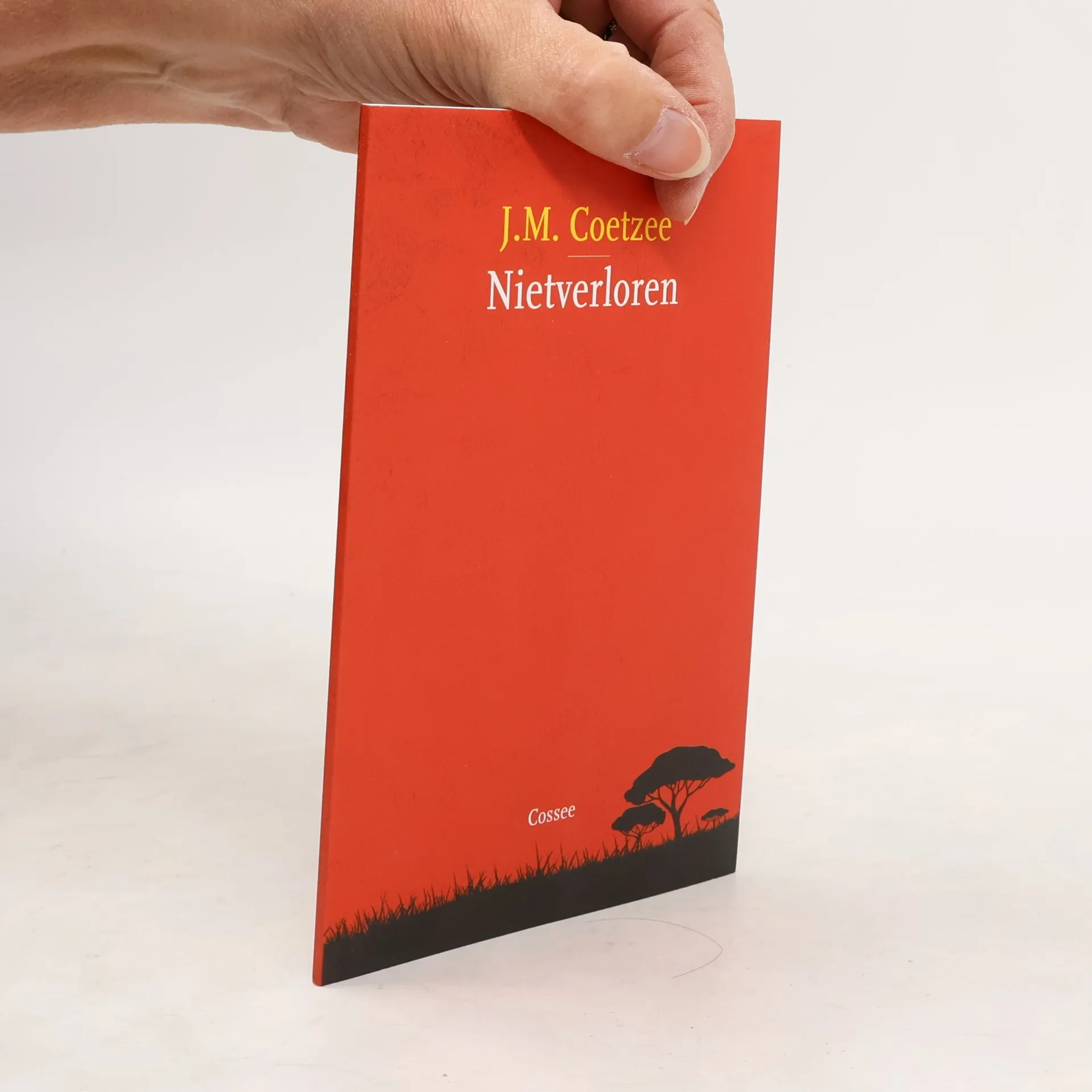
Twee huizen, twee continenten - wat is het eigenlijk precies, dat zich ons in een huis laat thuis voelen? Of juist niet? Als Bill en Jane op bezoek zijn in Zuid-Afrika en Bill haar in de Karoo de farm 'Nietverloren' van zijn grootvader wil laten zijn, is de armoedige boerderij intussen opgeknapt en in een prachtig toeristenresort veranderd. Bill is verbijsterd en verbitterd, het is 'de verbittering van een verslagen liefde'. 'We waren meteen verliefd op het huis,' zeggen vrienden van de verteller in Een huis in Spanje. Hoe kun je op een huis verliefd raken als het huis niets van dat alles terug kan doen, wil hij antwoorden. Als je verliefd gaat worden op dingen, wat blijft er dan van echte liefde over, liefde van vroeger? Coetzees blik op de vier wanden waartussen wij wonen, is van een serene melancholie én van een pragmatische rationaliteit, en wij kijken achteraf met andere ogen naar ons huis en onze herinneringen aan gelukkige dagen op die plek. Bevat: - Een huis in Spanje (A House in Spain) - Hij en zijn man (He and His Man) - Nietverloren (African Experience)
Cripplewood / Kreupelhout
- 126 stránek
- 5 hodin čtení
Berlinde De Bruyckere (b 1964) is a Belgian artist who specializes in sculpture using various media, including wax, wood, wool, and horse skin and hair. Published to coincide with De Bruyckere's participation in the 2013 Venice Biennale, this illustrated catalogue traces her work from conception to installation.
The Childhood of Jesus
- 277 stránek
- 10 hodin čtení
A major new novel from the Nobel Prize-winning author of Waiting for the Barbarians, The Life & Times of Michael K and Disgrace Nobel laureate and two-time Booker Prize winner J. M. Coetzee returns with a haunting and surprising novel about childhood and destiny that is sure to rank with his classic novels. Separated from his mother as a passenger on a boat bound for a new land, David is a boy who is quite literally adrift. The piece of paper explaining his situation is lost, but a fellow passenger, Simón, vows to look after the boy. When the boat docks, David and Simón are issued new names, new birthdays, and virtually a whole new life. Strangers in a strange land, knowing nothing of their surroundings, nor the language or customs, they are determined to find David’s mother. Though the boy has no memory of her, Simón is certain he will recognize her at first sight. "But after we find her," David asks, "what are we here for?" An eerie allegorical tale told largely through dialogue, The Childhood of Jesus is a literary feat—a novel of ideas that is also a tender, compelling narrative. Coetzee’s many fans will celebrate his return while new readers will find The Childhood of Jesus an intriguing introduction to the work of a true master.
McSweeney's - 42: Multiples
Or Twelve Stories Appearing in Up to Six Versions Each - Eighteen Languages: English, French, Czech, Dutch, German, Hungarian, Icelandic, Italian, Korean, Latin, Polish, Portuguese, Russian, Spanish, Swedish, Turkish
- 300 stránek
- 11 hodin čtení
With the help of guest editor Adam Thirlwell (author of Kapow!, Visual Editions), Issue 42 is a monumental experiment in translated literature—twelve stories taken through six translators apiece, weaving into English and then back out again, gaining new twists and textures each time, just as you'd expect a Kierkegaard story brought into English by Clancy Martin and then sent into Dutch by Cees Nooteboom before being made into English again by J. M. Coetzee to do. With original texts by Kafka and Kharms and Kenji Miyazawa, and translations by Lydia Davis and David Mitchell and Zadie Smith (along with others by John Banville and Tom McCarthy and Javier Marías, and even more by Shteyngart and Eugenides and A. S. Byatt), this will be an issue unlike anything you've seen before—altered, echoing narratives in the hands of the finest writers of our time, brought to you in a book that looks like nothing else we’ve ever done.
Scenes from Provincial Life
- 496 stránek
- 18 hodin čtení
Coetzee's majestic trilogy of fictionalised memoir, Boyhood, Youth and SummertimeIt opens in a small town in the South Africa of the 1940s. As he interviews important figures in Coetzee's life, a portrait emerges of an awkward outsider who - even after death - remains dogged by rumours.
První román rakouského prozaika (autora, který po léta upadl v zapomenutí a dnes je nově objevován). Příběh z prostředí starorakouského vojenského výchovného internátu; příběh, který líčí smyslové procitání mladých chlapců a jehož hlavní zápletka je založena na homosexualitě několika z nich a její různé motivaci. Hrdina románu se jí dopustí v slabé chvíli a pak s těžkými výčitkami svědomí svého činu lituje. Přesvědčivě napsaný román tehdy dvaadvacetiletého autora. Doslov Růžena Grebeníčková
Second Nature
- 242 stránek
- 9 hodin čtení
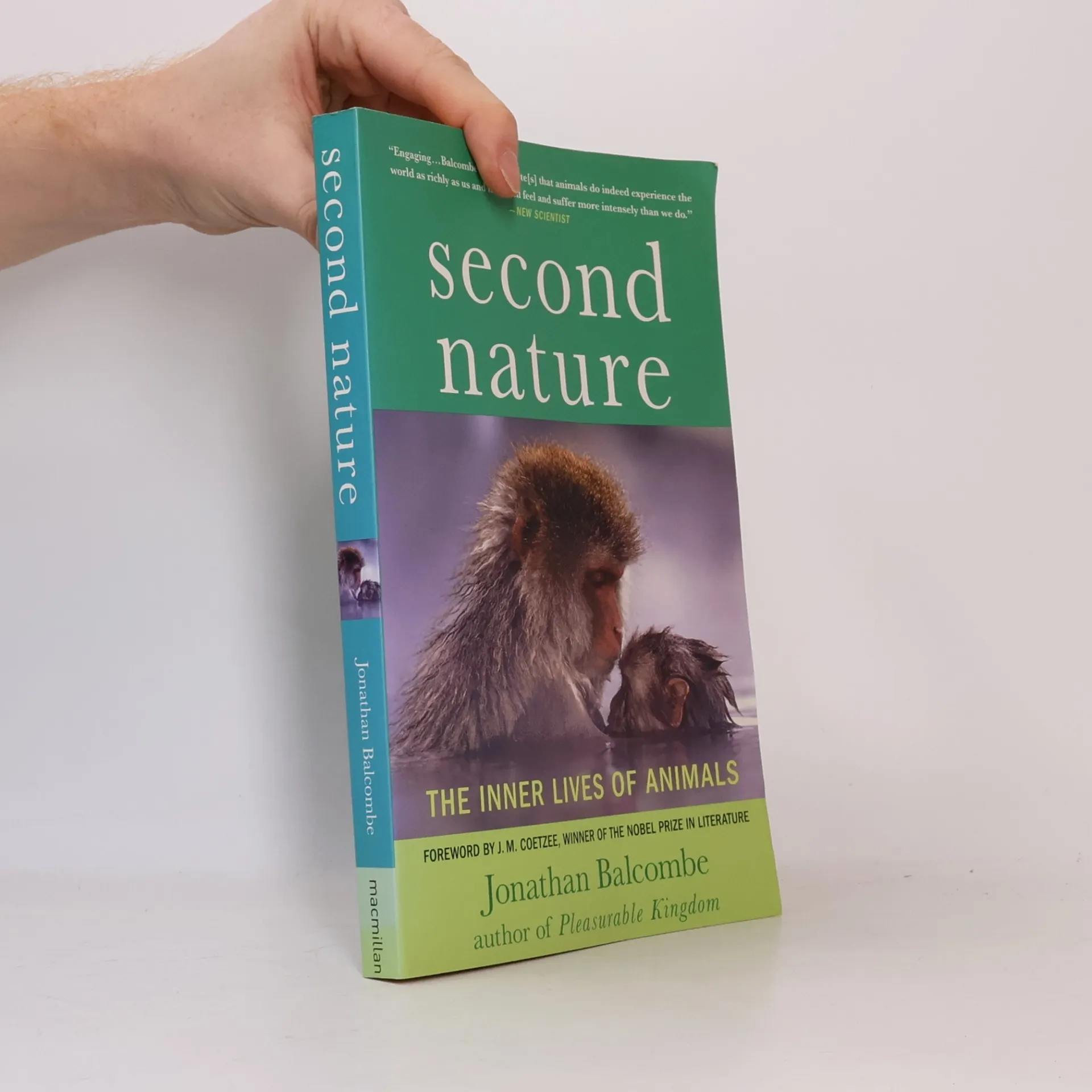
The book presents a compelling argument against the notion that animals act solely on instinct, highlighting their capacity for feelings, pain, and emotions. It emphasizes the importance of recognizing animals as sentient beings and calls for a shift in how humans interact with them. Through eloquent prose and scientific insights, it challenges preconceived notions about animal behavior and advocates for a more compassionate approach to our relationship with the animal kingdom.
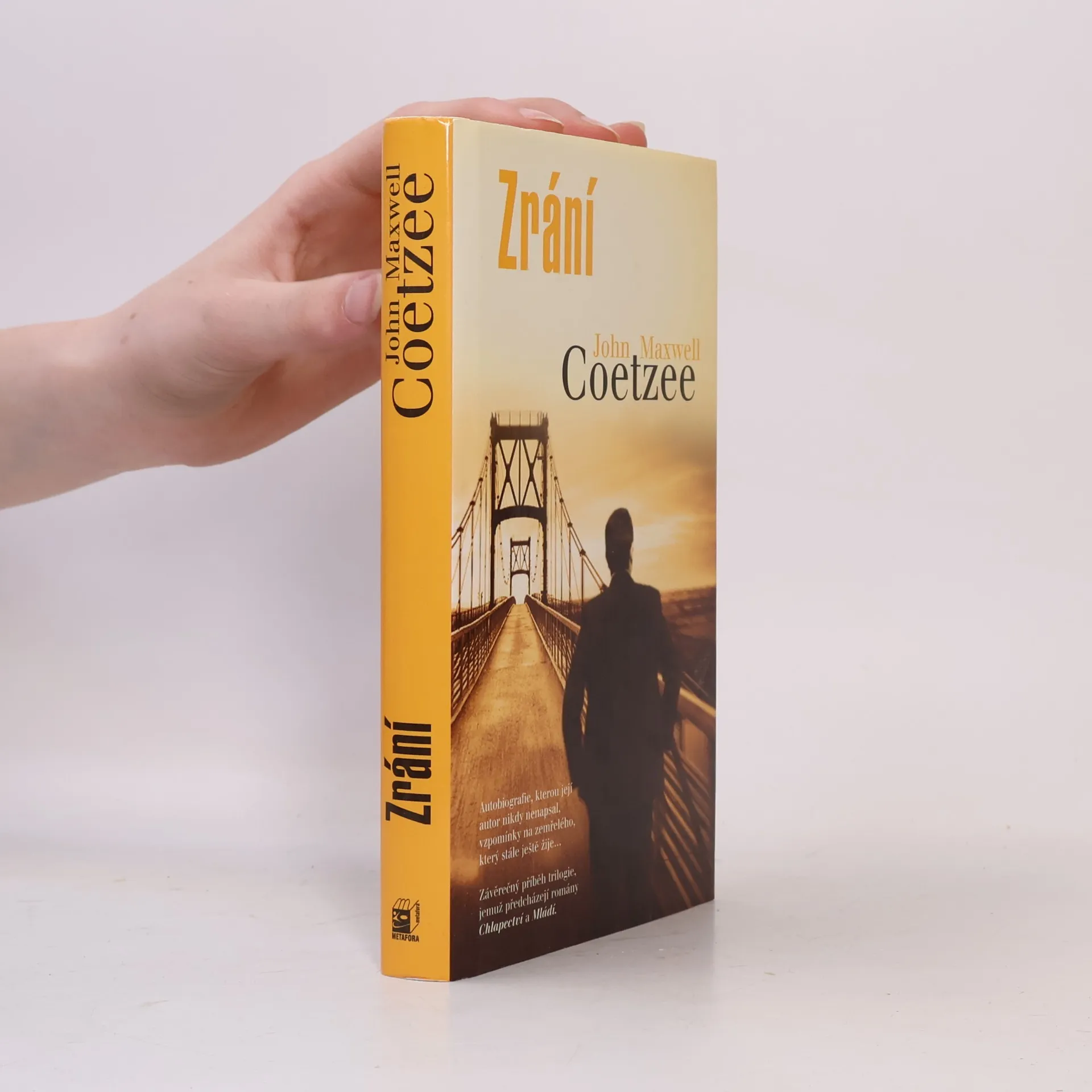
Autobiografie, kterou její autor nikdy nenapsal, a vzpomínky na zemřelého, který stále ještě žije… Román Zrání uzavírá Coetzeeho třídílnou fiktivní autobiografii, a navazuje tak na knihy Chlapectví a Mládí. Svorníkem příběhu je mladý Angličan Vincent, který připravuje knihu o již zemřelém autorovi Johnu Maxwellu Coetzeem a schází se kvůli ní s pěticí lidí, jejichž životy se nějakým způsobem protnuly s životem tohoto spisovatele a z nichž každý z nich ho vidí jinýma očima. Pandán k těmto vzpomínkám tvoří Coetzeeho poznámky k chystané autobiografii, kterou ovšem nikdy nenapsal. Zrání je silná próza, již Coetzee prokládá drsným sebezničujícím humorem; a také něžná, jímavá knížka o podobách lásky a o vztahu zralého muže k otci.
V srdci země
- 156 stránek
- 6 hodin čtení
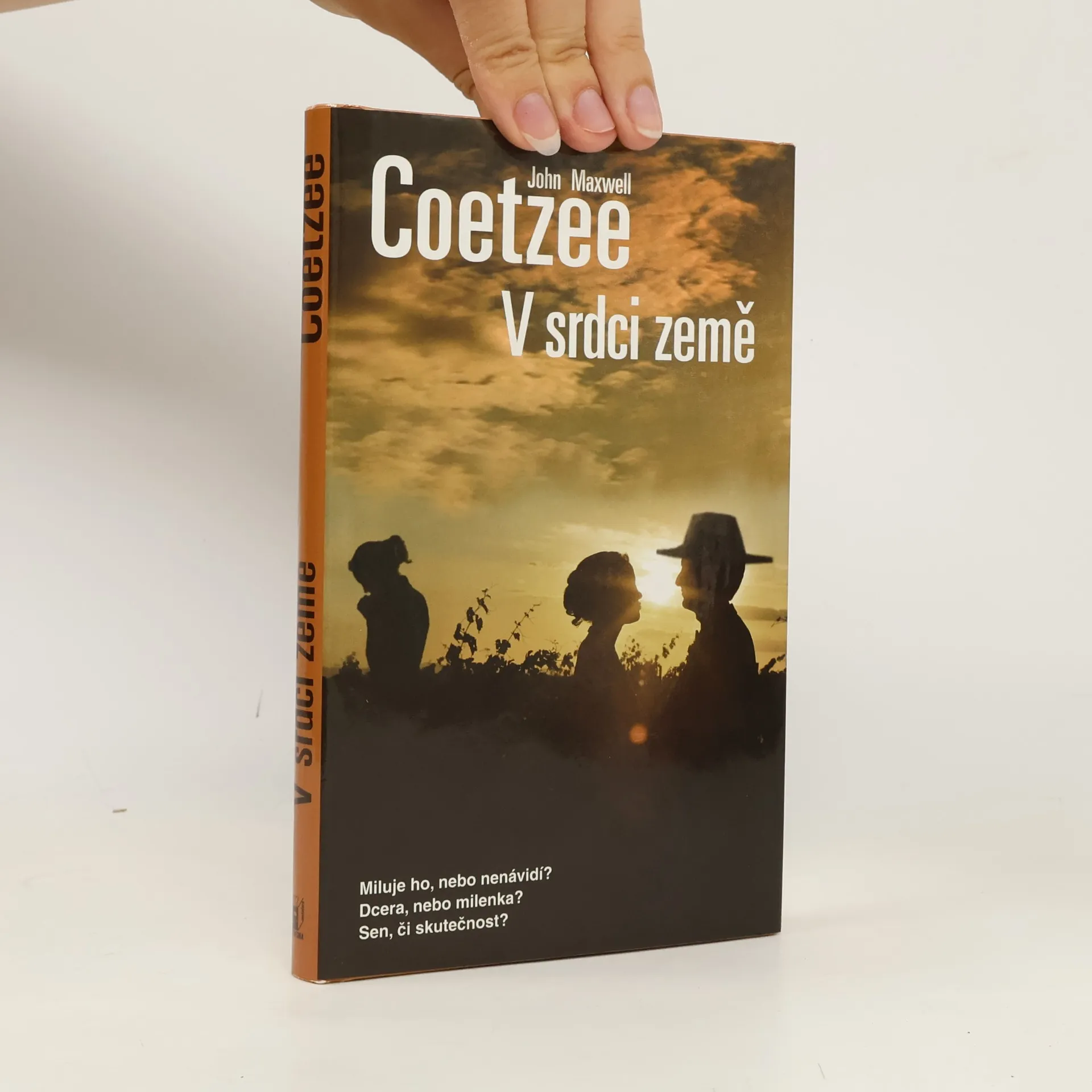
Hrdinka kruté a vášnivé novely, dcera majitele zapadlé farmy v Jižní Africe, pozoruje a komentuje život, z něhož jako by ji osud nadobro vyloučil. Její necitelný otec ji přehlíží, služebnictvo se jí bojí, ale současně jí pohrdá. Tato hořce moudrá, vzdělaná, inteligentní žena však svou zdánlivou pokorou a poddajností zastírá svoje zoufalé odhodlání nestát se jednou ze „ztracených pro historii“. Když si její otec najde africkou milenku, vrhne se zběsile do přípravy pomsty – jako by šlo o prazvláštní chemickou reakci mezi kolonizátorem a kolonizovaným – a mezi evropskými tužbami a rozlehlostí a osamělostí Afriky. Horečnatá, faulknerovsky hutná próza je silné, přesvědčivé dílo. J. M. Coetzee se v ní hluboce vcítil do své ústřední postavy a s jistotou přetvořil rodinný příběh v zrcadlo koloniální zkušenosti.
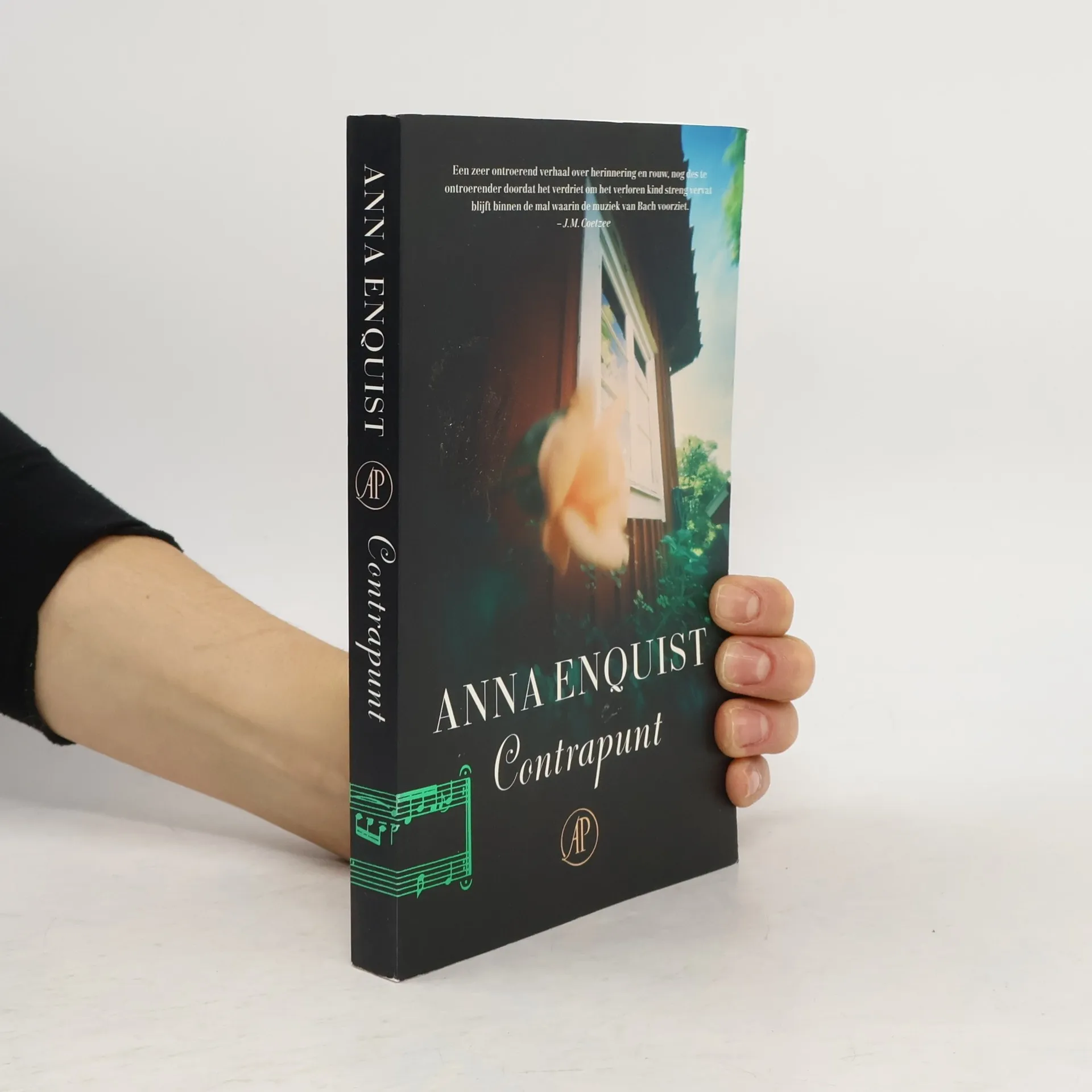
Als een vrouw ouder wordt
- 91 stránek
- 4 hodiny čtení
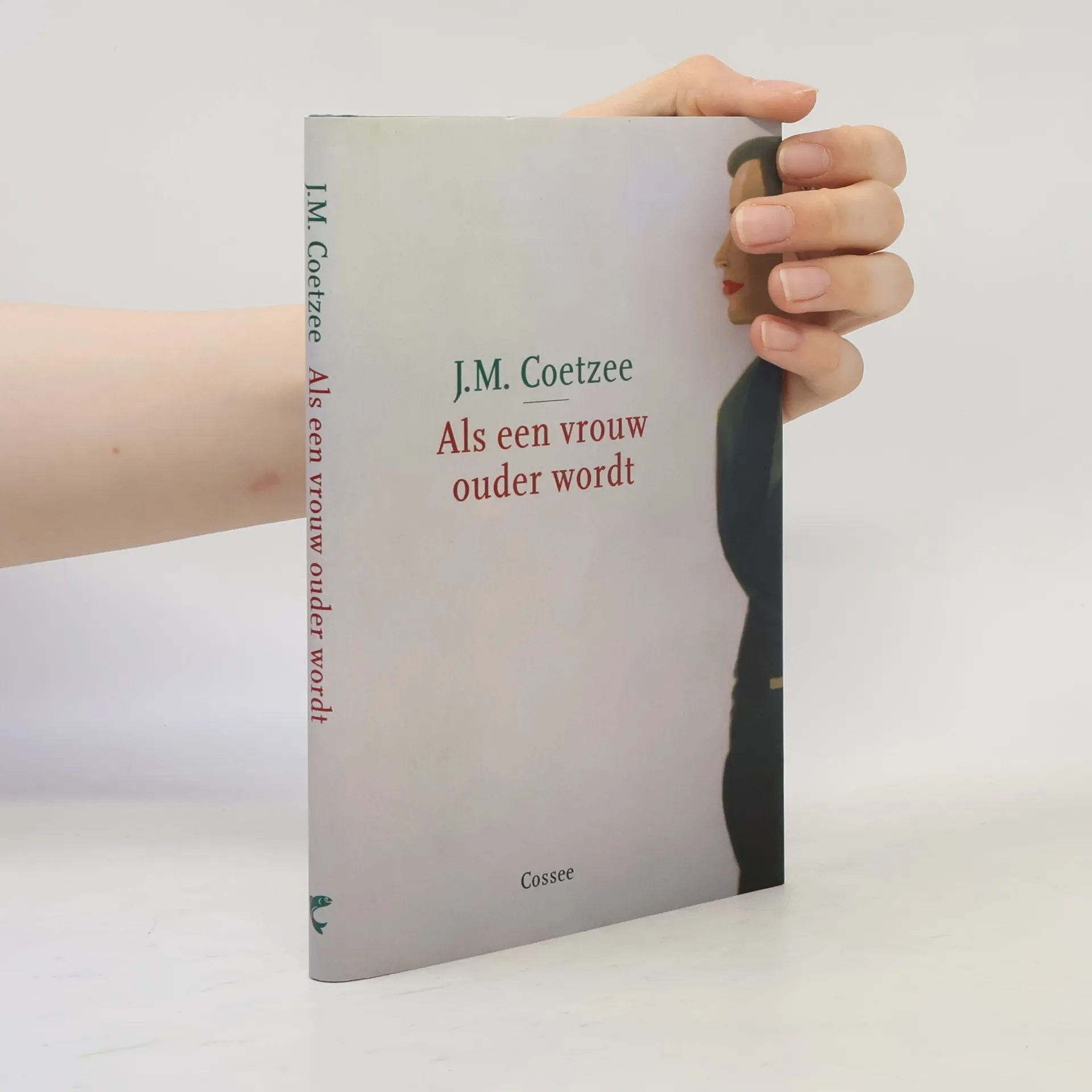
Daar is Elizabeth Costello weer, in een losjes verteld verhaal over een familiereünie in Nice. Ze heeft haar zoon John en haar dochter Helen drie jaar niet gezien. Het is geen toeval dat haar zoon vanuit de Verenigde Staten net een paar dagen in Zuid Frankrijk is op weg naar een of andere belangrijke conferentie. De eerste avond aan de Cote d'Azûr is vrolijk en plezierig. De volgende dag tijdens een autorit met haar dochter wordt Elizabeth geconfronteerd met de plannen van haar plichtsgetrouwe kinderen. Zou ze in een appartement in Nice willen wonen, vlakbij de galerie van Helen? Of, vraagt haar zoon een dag voor hij weer weg moet, zou ze mee willen naar Amerika en bij hem en zijn vrouw en kinderen in willen trekken, en haar rol als grootmoeder op zich willen nemen? Willen de kinderen werkelijk hun moeder zo dicht bij hen hebben? Of voelen ze zich voornamelijk verplicht hun genereuze voorstellen te doen, maar komen deze niet recht uit hun hart.Speciaal voor de Boekenweek 2008 uitgegeven.Bevat tevens: Aan de poort. - Vertaling van: At the gate
Inner Workings
- 256 stránek
- 9 hodin čtení
Coetzee's essays from 1986 to 1999, Inner Workings gathers together his literary essays from 2000 to 2005. Coetzee further explores the work of six of twentieth-century German literature's greatest writers: Robert Musil, Robert Walser, Walter Benjamin (the Arcades Project), Joseph Roth, Gunter Grass, W.G.
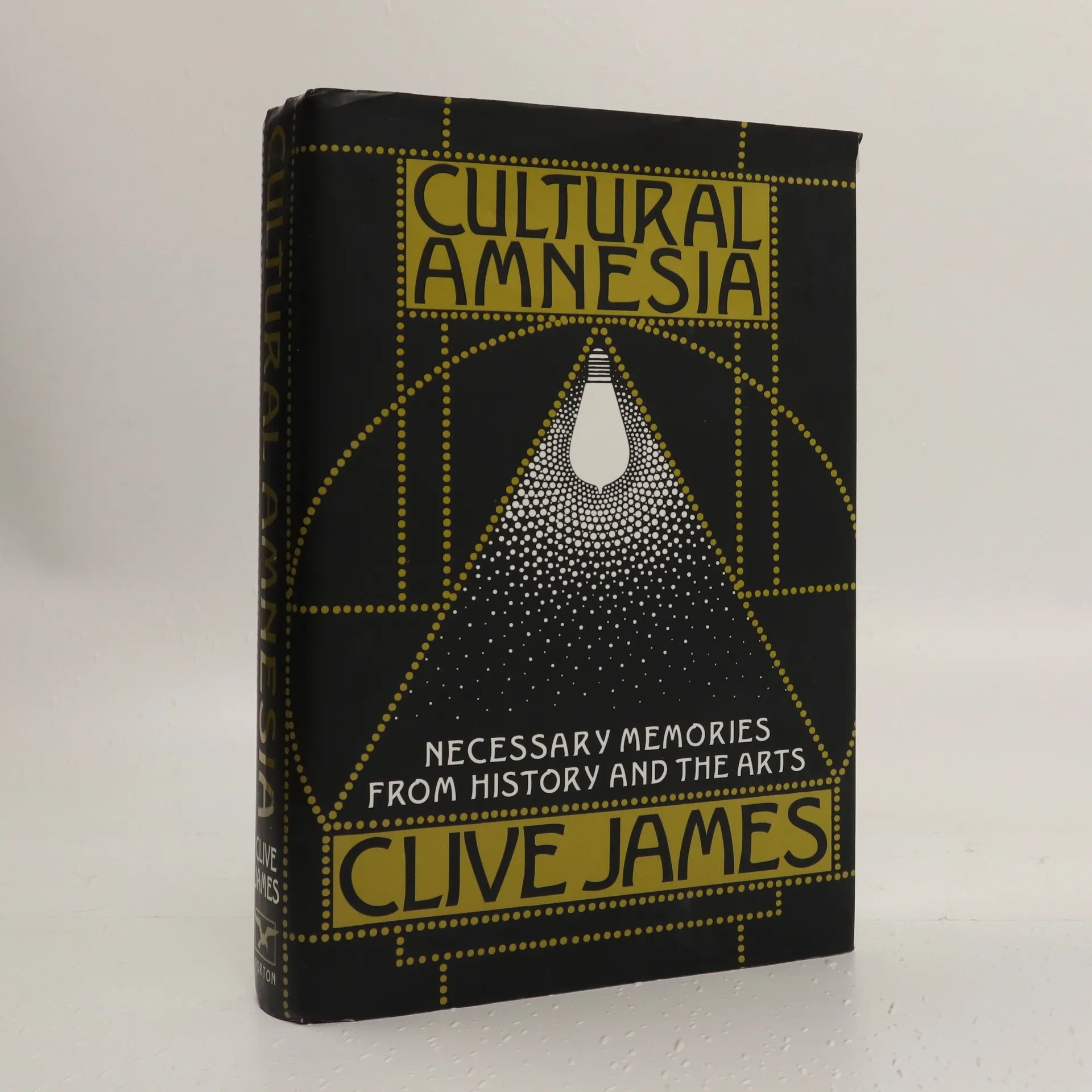
Cultural Amnesia : Necessary Memories from History and the Arts
- 768 stránek
- 27 hodin čtení
Containing more than 100 original essays organized by quotations, James illuminates, rescues, or occasionally destroys the careers of many of the greatest thinkers, humanists, musicians, artists, and philosophers of the 20th century. 110 photographs.
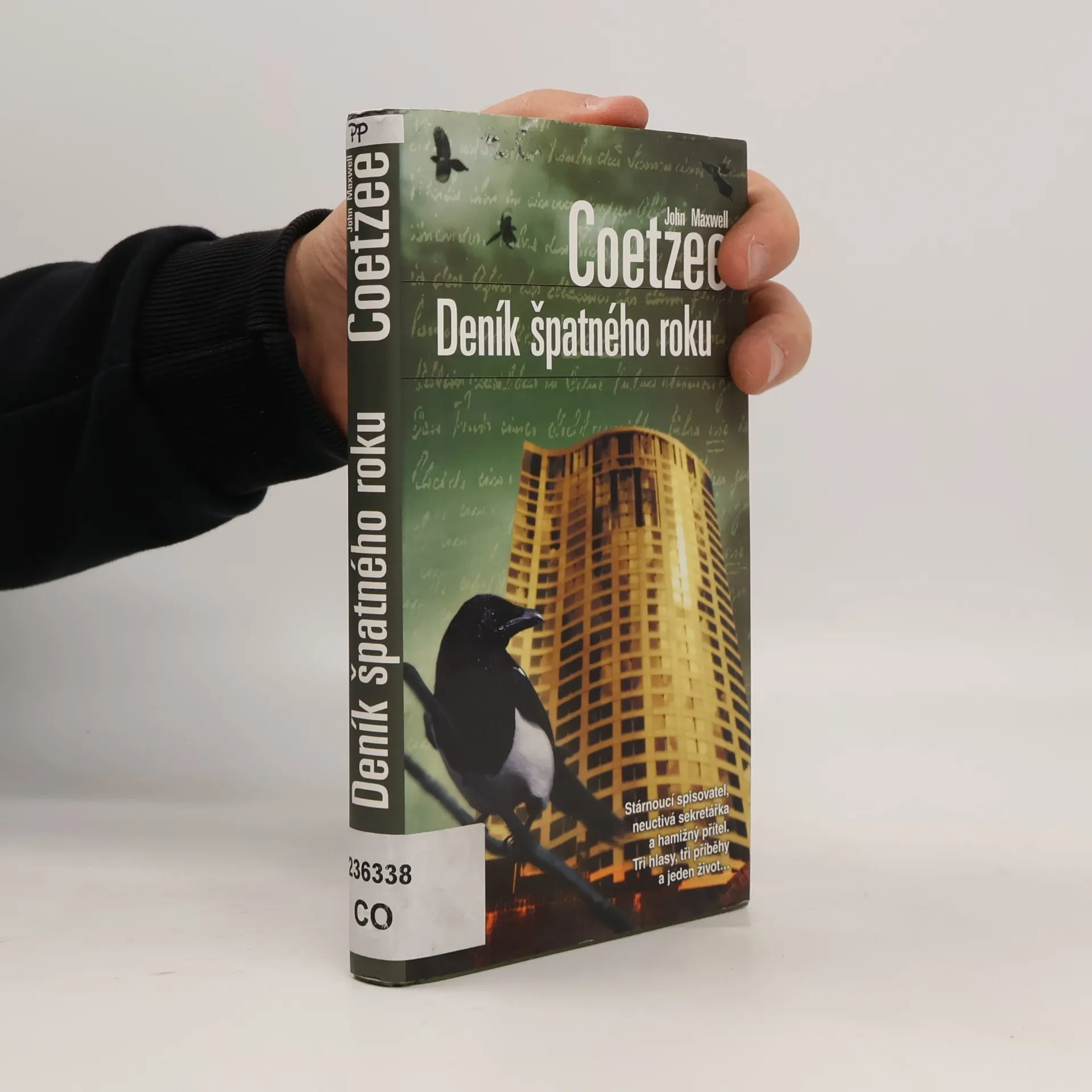
Deník špatného roku
- 188 stránek
- 7 hodin čtení
Deník špatného roku je obdivuhodné dílo o osamělosti, přátelství a nejrůznějších podobách lásky jako mnohé jiné knihy. Ve skutečnosti se jim však vůbec nepodobá. A není žádnou nadsázkou říct, že představuje revoluční obrat v literární tvorbě. Zatímco u jiných příběhů je běžné vyprávět je z hlediska jedné postavy, zde jsou hned tři výpovědi, tři možnosti, jak na vše nahlížet a všechno pochopit. A je jen na čtenáři, se kterým z vypravěčů se ztotožní, kterého odsoudí, kterého polituje...
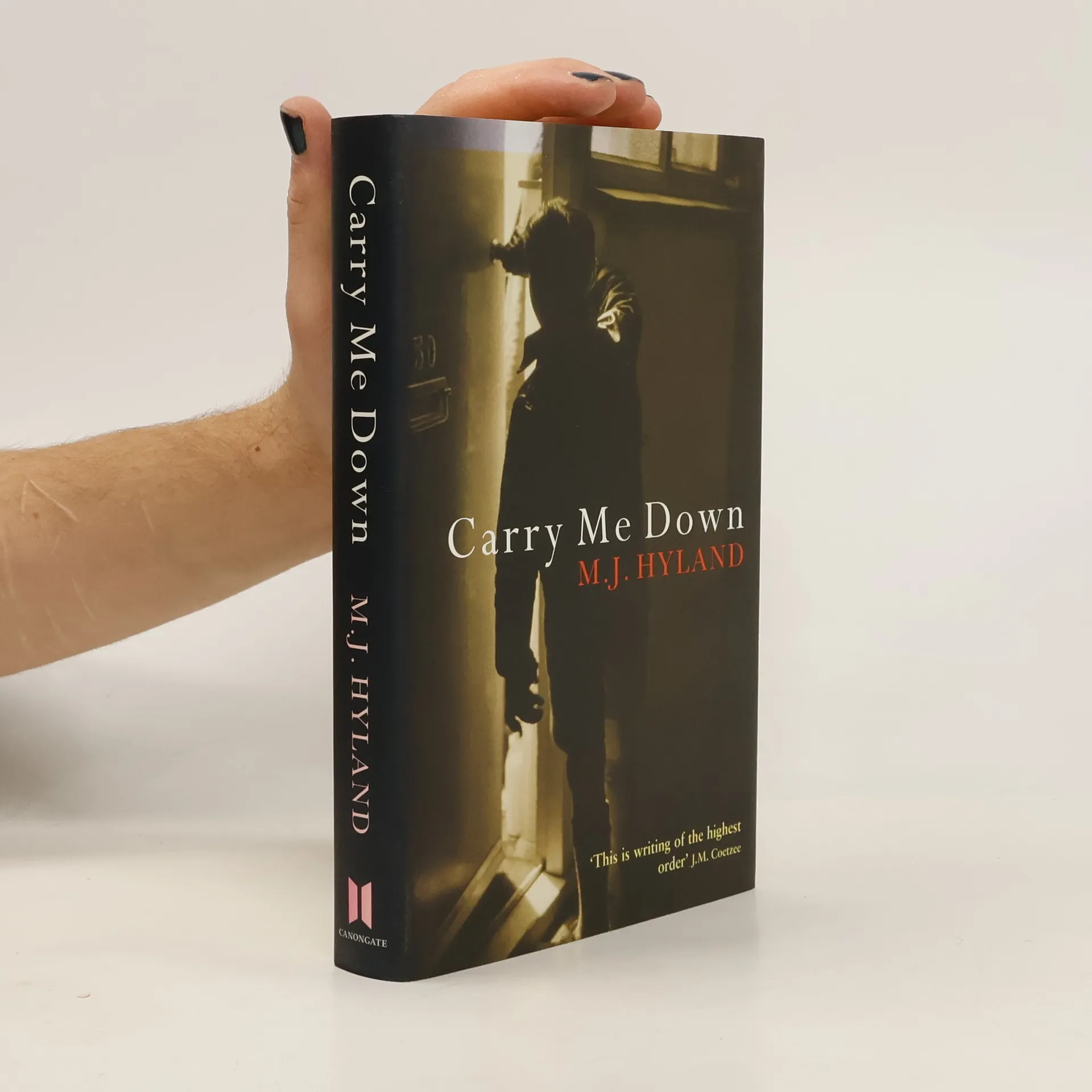
Carry me down
- 256 stránek
- 9 hodin čtení
John Egan is a misfit, a 12-year-old in the body of a grown man with the voice of a giant who insists on the ridiculous truth. He has been able to detect lies for as long as he can remember and diligently keeps track of them, large and small, in a log of lies. With an obsession for the Guinness Book of World Records, a keenly inquisitive mind, and a kind of faith, John is like a tuning fork, sensitive to the vibrations within himself and his family's shifting dynamics, remaining hopeful despite the unfortunate cards life deals him.
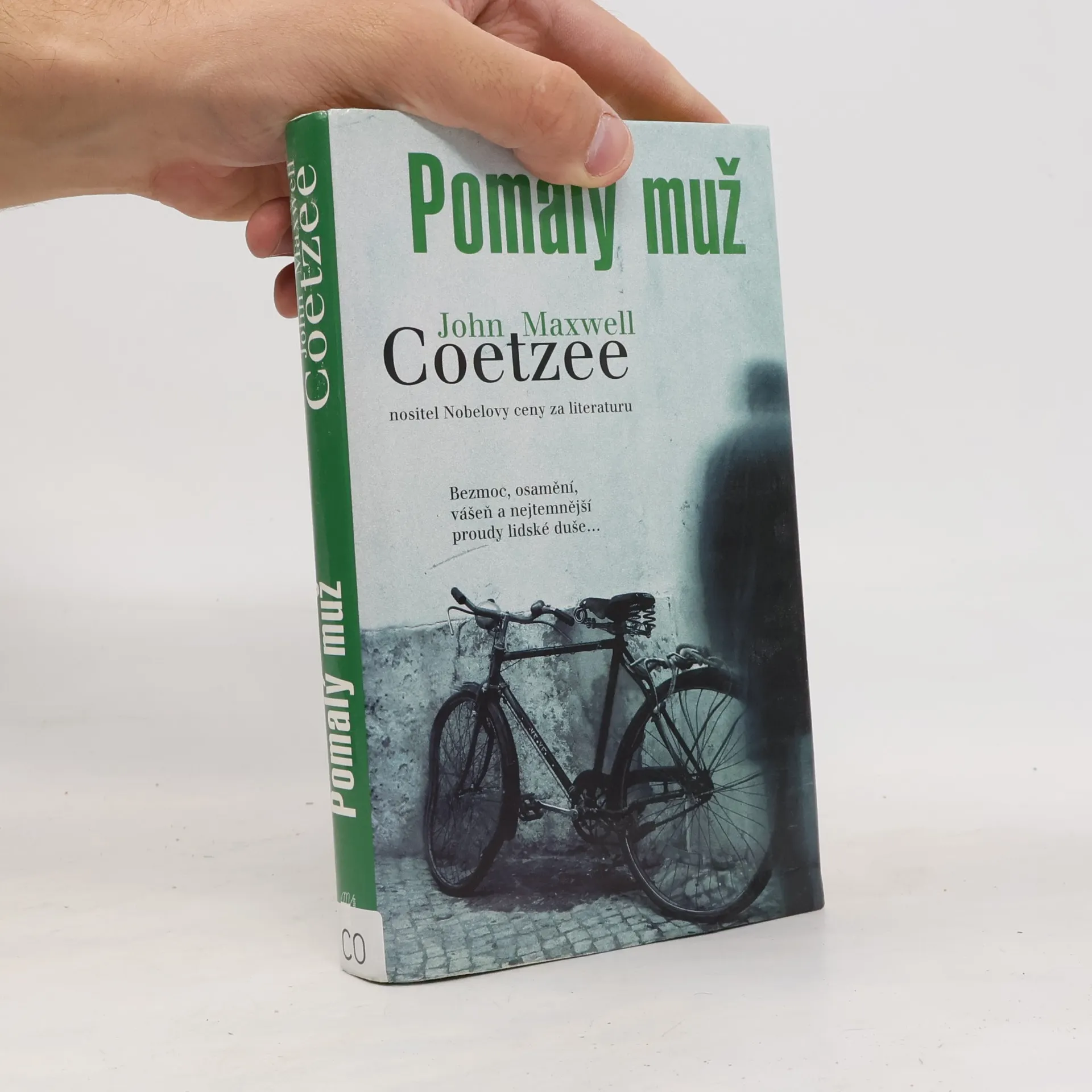
Pomalý muž
- 243 stránek
- 9 hodin čtení
Paulu Raymentovi je šedesát a po nehodě přišel o část pravé nohy. S nalomeným zdravím a chmurami na duši se vrací do svého poustevnického bytu, kde se o něj má starat ošetřovatelka Marijana, chorvatská imigrantka. Paul si začíná bolestně uvědomovat mučivou pravdu: nemá děti. Současně se v něm však probouzí ještě jiný, naprosto nečekaný cit touha po Marijaně. Svou lásku jí ale nemůže projevit jinak než snahou pomoci jejímu synovi. Nabídne se tedy, že Dragovi zaplatí vzdělání, ačkoli dobře ví, že ona jeho velkorysost nikdy neocení. Marijaniny úmysly náhle přestávají být tak nevinné a čisté jako ještě před nedávnem. Jednoduché vztahy se začínají komplikovat
Zeitlupe
Ungekürzte Lesung
Der große neuer Roman des Nobelpreisträgers J.M.Coetzee Ein einziger schicksalhafter Augenblick verändert das Leben von Paul Rayment vollkommen. Über den Haufen gefahren von einem jugendlichen Autofahrer, muß er lernen, sich mit der Amputation seines rechten Beines abzufinden. Paul, Anfang 60, schöpft zunächst aus der Liebe zu Maijana, seiner aus Kroatien stammenden Pflegerin, trügerische Hoffnung. Aber Elizabeth Costello, eine alte Bekannte im Werk des Autors, durchkreuzt seine illusorischen Pläne und versucht mit lakonischem Spott diesen „Ritter von der traurigen Gestalt“ auf den Pfad der Wirklichkeit zurückzubringen. Coetzees Roman, der kunstvoll auf dem schmalen Grat zwischen bitterer Komik und Tristesse balanciert, stellt eine radikale Auseinandersetzung mit dem Alter dar. Ein Buch von großer Weisheit.
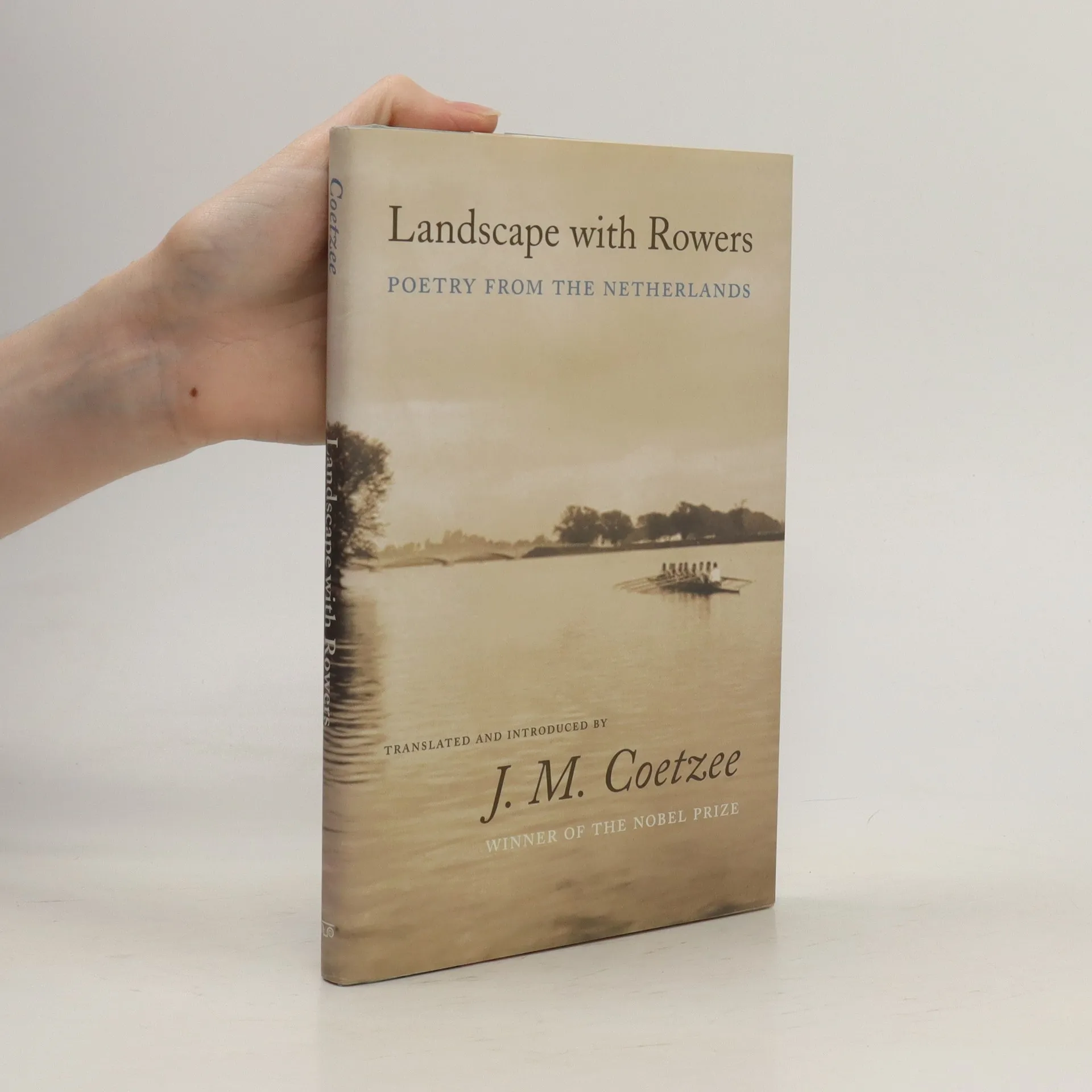
Landscape with Rowers
- 104 stránek
- 4 hodiny čtení
This volume--featuring Coetzee's finely wrought English translations side-by-side with the originals--brings the work of six of the most important modern and contemporary Dutch poets to light.
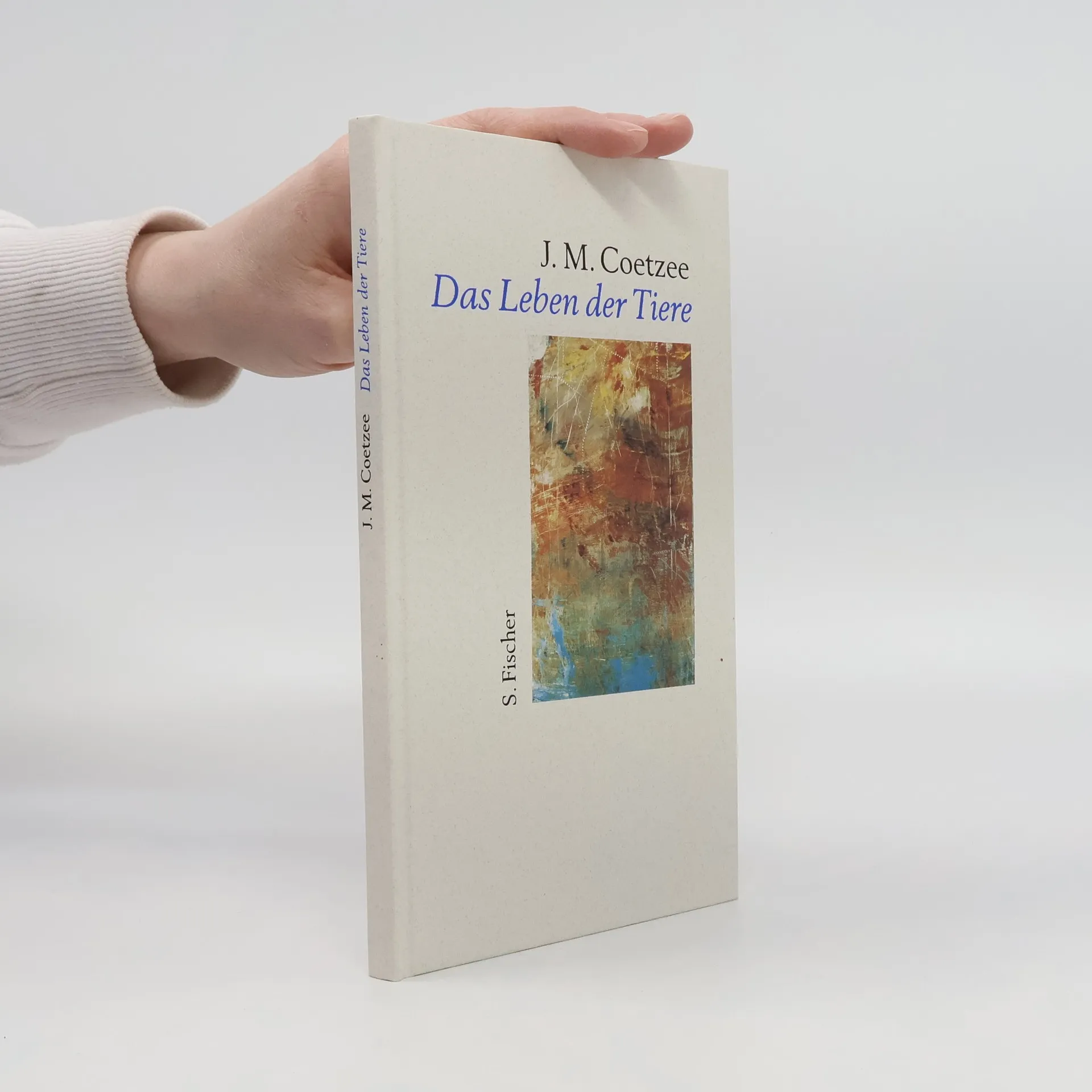
Elizabeth Costello, eine Romanautorin, wird im Alter zunehmend von der Grausamkeit der Menschen gegenüber Tieren bedrängt. Sie hinterfragt die Rechte der Tiere und die Pflichten der Menschen in einer Debatte, die ihren Sohn, einen Physikprofessor, in eine schwierige Lage bringt. J. M. Coetzee thematisiert die Würde der Kreatur.
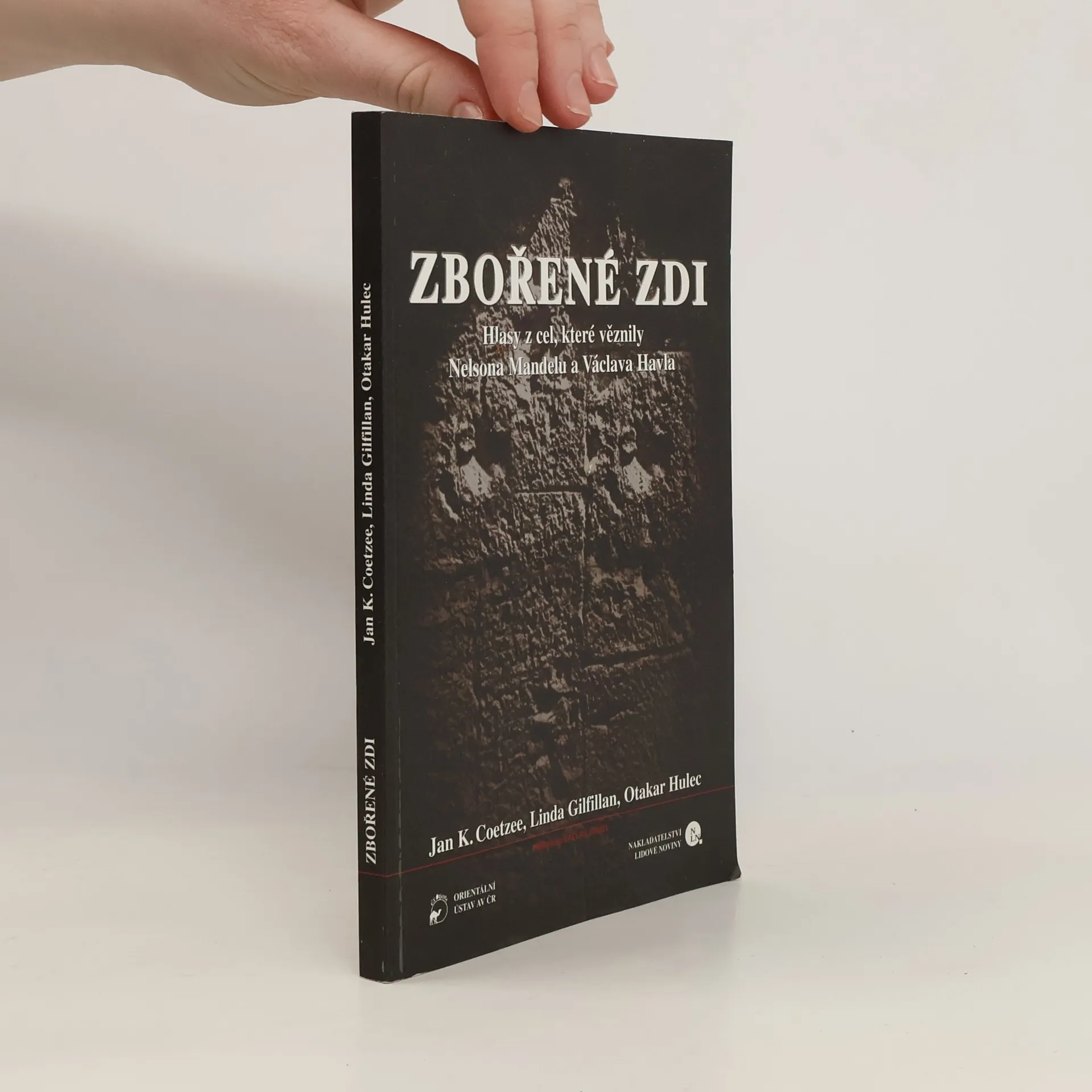
Zbořené zdi : hlasy z cel, které věznily Nelsona Mandelu a Václava Havla
- 167 stránek
- 6 hodin čtení
Autentická svědectví. Vzpomínky vězňů, kteří trpěli drsnými formami politického násilí. Aktéři tohoto dění bojovali na obou stranách zeměkoule za demokracii a svobodu
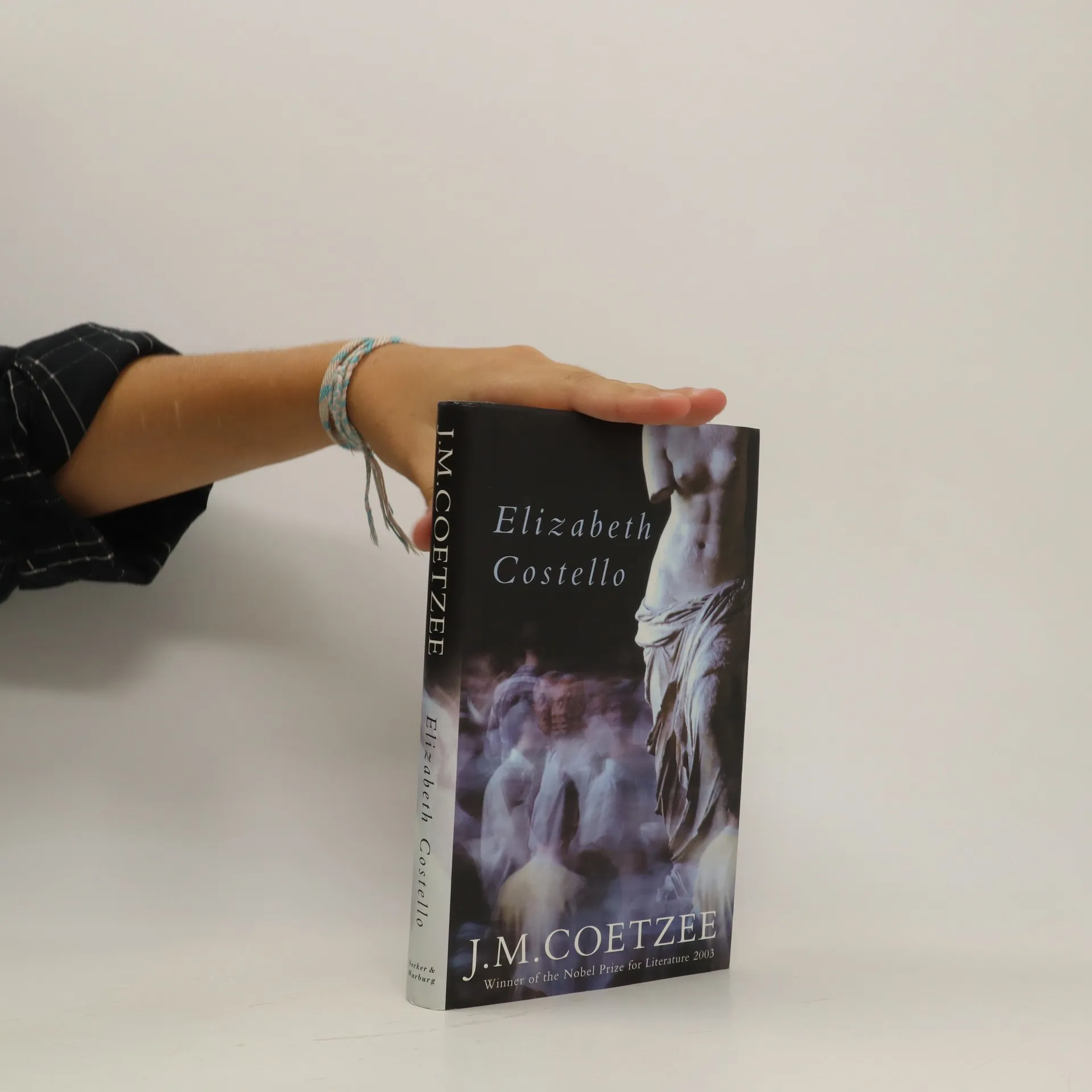
Elizabeth Costello
- 233 stránek
- 9 hodin čtení
From an award-acceptance speech at a New England liberal arts college to a lecture on evil in Amsterdam, Elizabeth Costello is a distinguished and aging Australian novelist whose life is revealed through a series of eight formal addresses
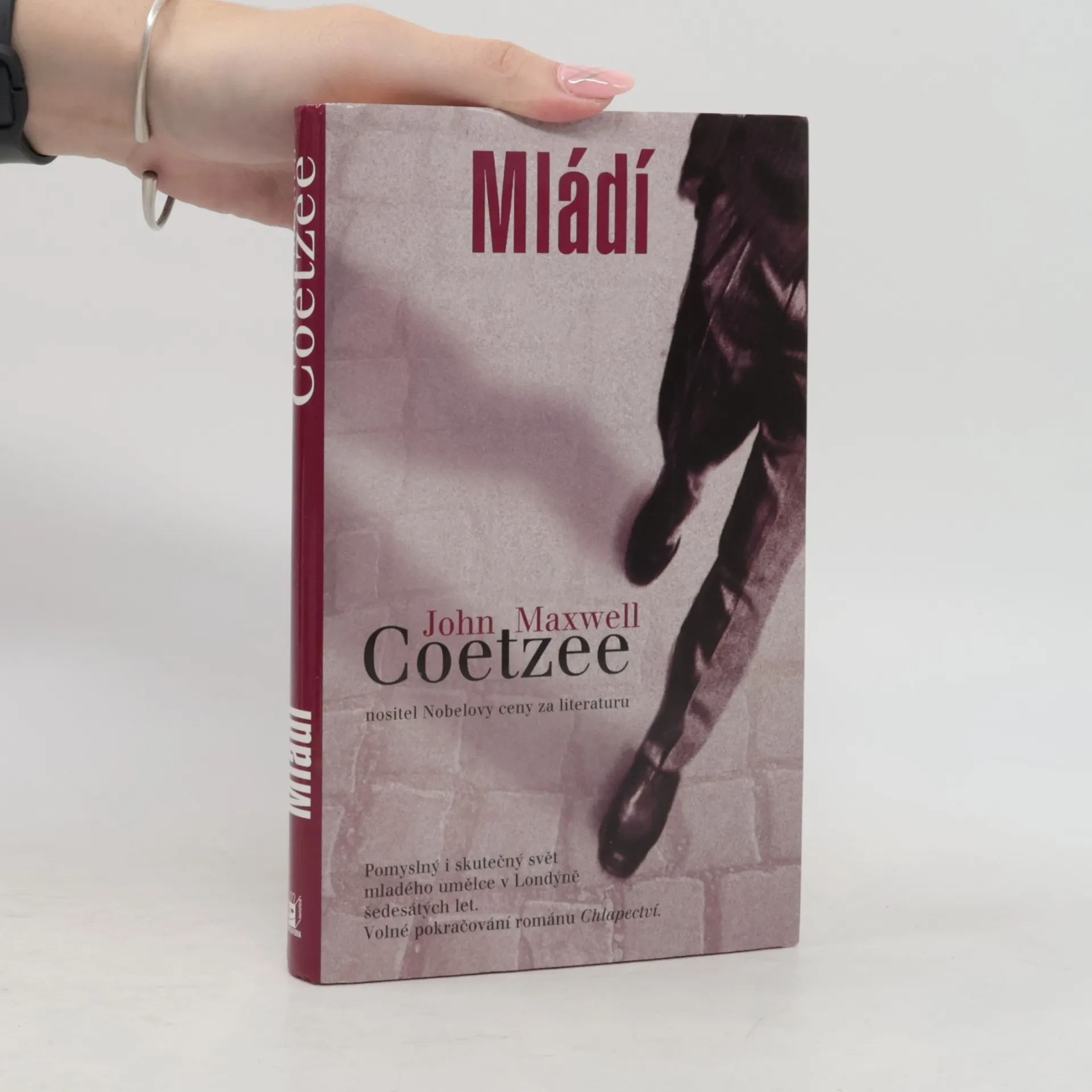
Próza Mládí navazuje na vzpomínkovou knihu Chlapectví. Vypravěč a hlavní hrdina v jedné osobě se přestěhuje z Kapského Města do Londýna, aby se vymanil jak z vlivu rodičů, tak z nezdravé politické atmosféry, která v Jižní Africe vládne. Chce se zde věnovat literatuře, zároveň si však musí najít obživu. Ve svých úvahách, nakolik smí umělec – budoucí umělec ustoupit požadavkům „obyčejného“ světa, i o způsobu umělecké tvorby a jejím smyslu se v duchu odvolává na své vzory Eliota, Rimbauda, Baudelaira a další a zároveň se s nimi dostává do pomyslných sporů. Prožívá rovněž milostná rozčarování obojího druhu – je zklamáván i zklamává. Ujasňuje si, zda k tomu, aby tvořil pravdivě, je nutné, aby byl umělec zamilovaný či trpěl, nebo aby jeho tvorba vycházela ze skutečných sexuálních zážitků. To vše se odehrává na pozadí Londýna počátku šedesátých let minulého století s jeho strojenou korektností, v níž budoucí spisovatel žije životem cizince – cizince ve smyslu národnostním i lidském.
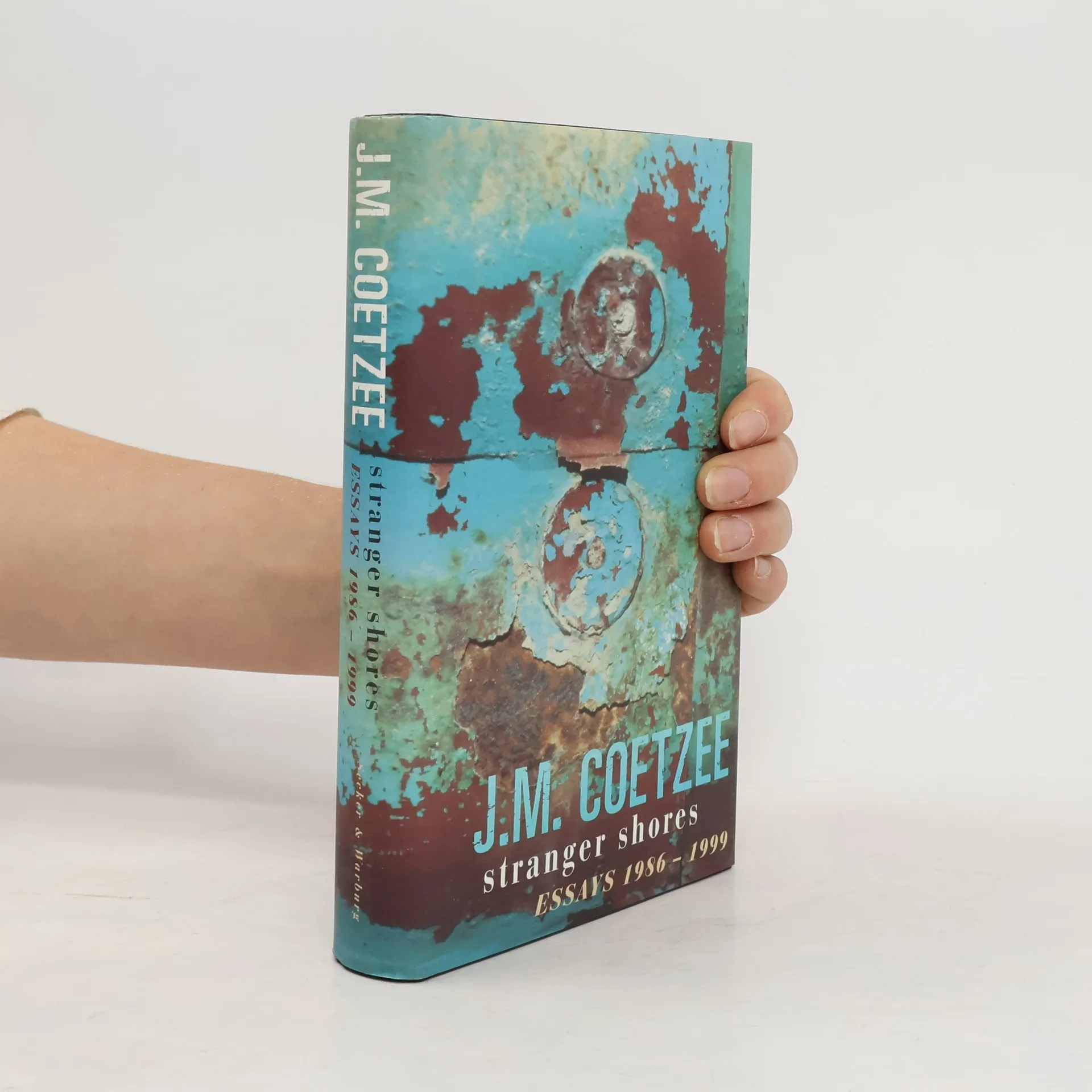
J.M Coetzee is, without question, one of the world's greatest novelists. Now his many admirers will have the pleasure of reading his significant body of literacy criticism. This volume gathers together for the first time in book form twenty nine pieces on books, writing, photography and the 1995 Rugby World Cup in South Africa. Stranger Shores opens with What is a classic? In which Coetzee explores the answer to his own question what does it mean in living terms to say that the classic is what survives? By way of T.S Eliot, Johann Sebastian Bach and Zbigniew Herbert. His subjects range from the great eighteenth and nineteenth century writer Daniel Defoe, Samuel Richardson and Ivan Turgenev, to the great German modernists Rilke, Kafka and Musil, to the giants of late twentieth century literature, among them Haryy Mulisch, Joseph Brodsky, Jorge Luis Borges, Salman Rushdie, Amos Oz, Naguib Mahfouz, Nadine Gordimer and Doris Lessing.
The Lives of Animals
- 144 stránek
- 6 hodin čtení
In her later years, novelist Elizabeth Costello becomes consumed by the idea of human cruelty to animals, leading her to avoid eye contact with others. She perceives meat-eaters as conspirators in a vast crime occurring in farms, slaughterhouses, and laboratories worldwide. Her son, a physics professor, admires her literary accomplishments but dreads her animal rights lectures at his college, where her views are met with skepticism. Colleagues challenge her assertion that human reasoning is overrated and that life's value isn't diminished by the inability to reason. At a dinner following her lecture, guests express a range of reactions to animal rights, sparking discussions that touch on philosophical, anthropological, and religious themes. While her son finds her views offensive and eccentric, he also recognizes their unsettling validity. Nobel Prize-winning author J.M. Coetzee uses fiction to explore the complexities of animal rights through Costello's experiences of mortality, compassion for animals, and alienation from humanity, including her family. Presented as a Tanner Lecture at Princeton University, the narrative engages with literature, philosophy, and deep convictions, followed by responses from prominent thinkers. Coetzee's work, alongside essays from various scholars, delves into the social ramifications of moral conflict and confrontation.
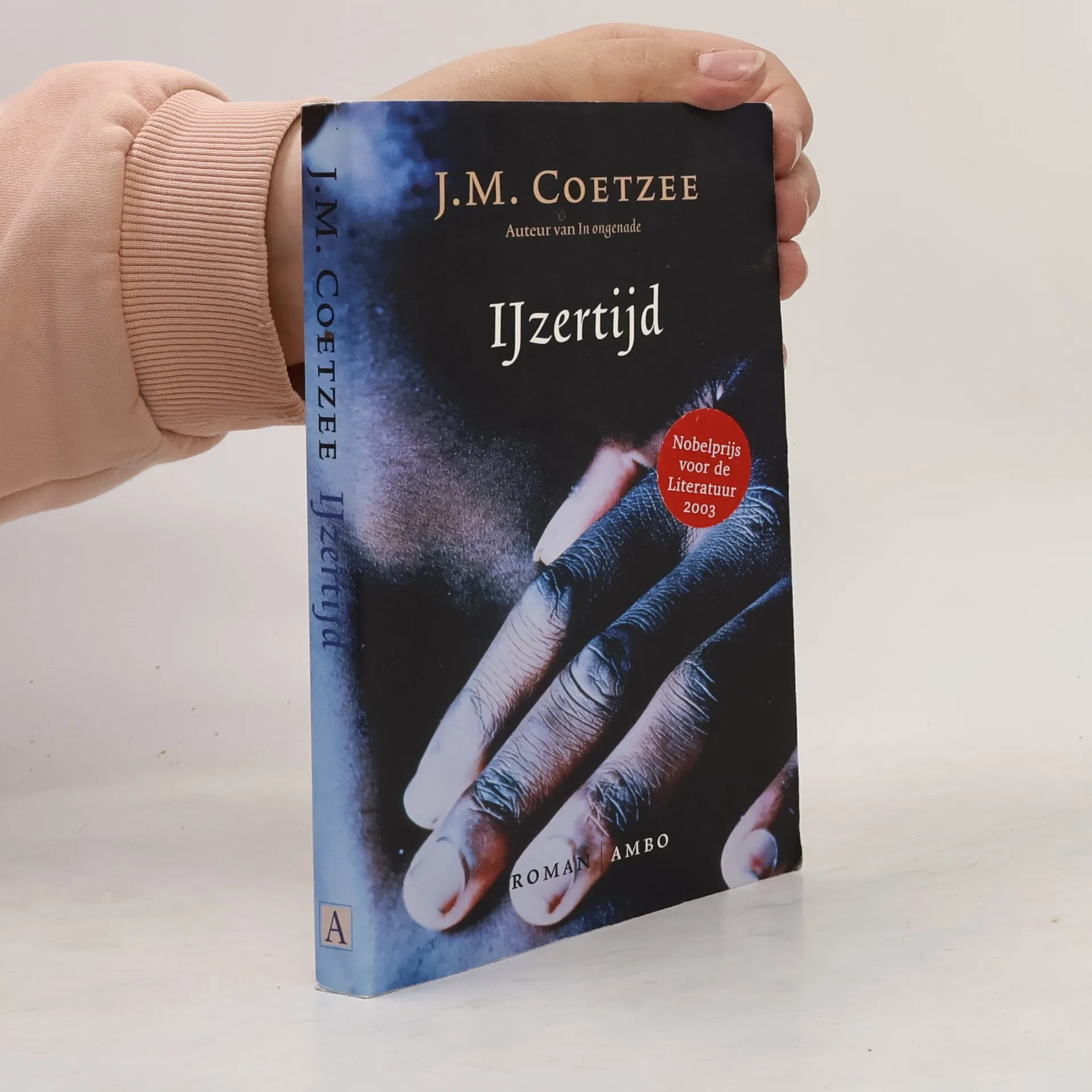
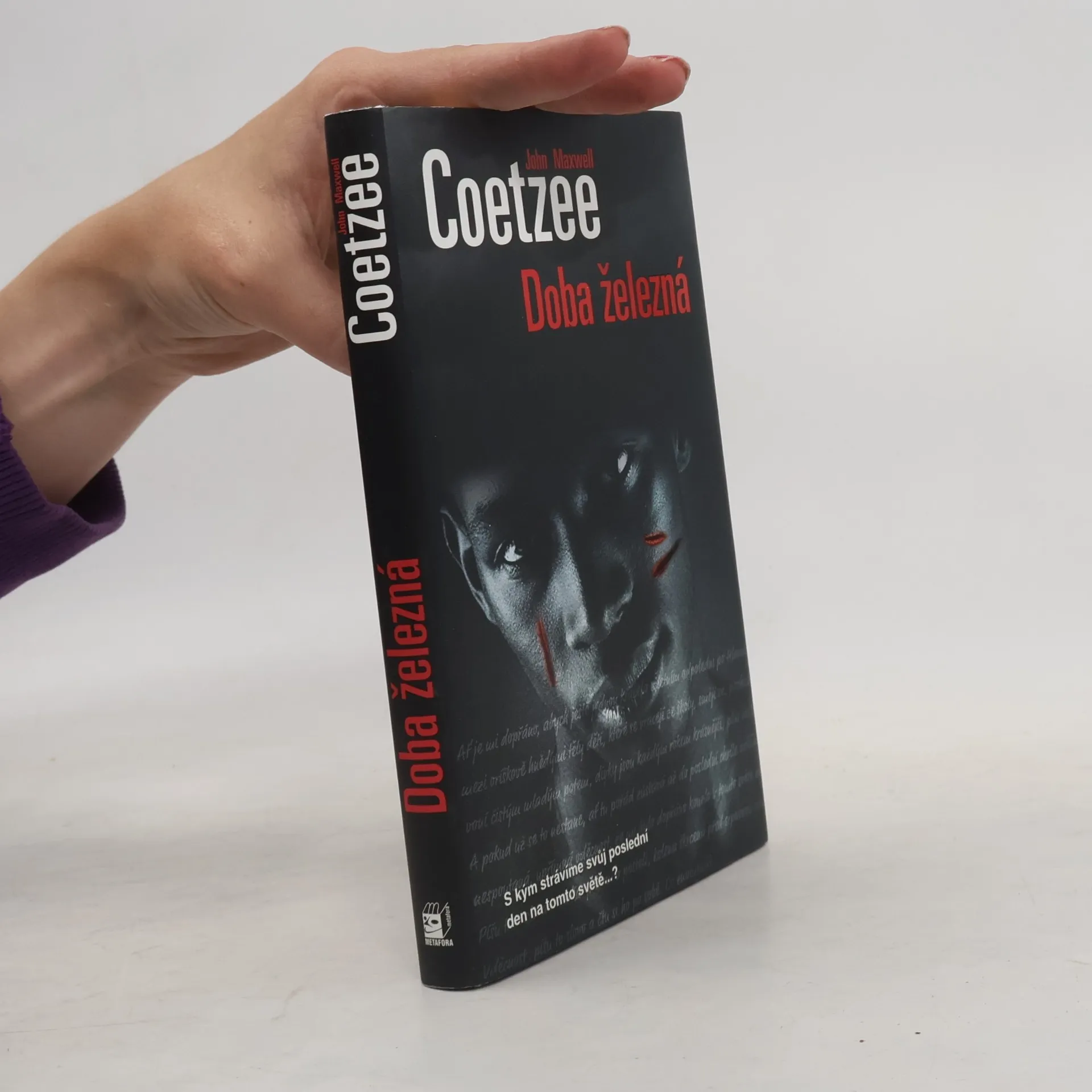
IJzertijd
- 191 stránek
- 7 hodin čtení
In een brief aan haar dochter beschrijft een oude, blanke vrouw uit Kaapstad de wreedheden van de Apartheid waarmee ze de laatste maanden van haar leven wordt geconfronteerd.
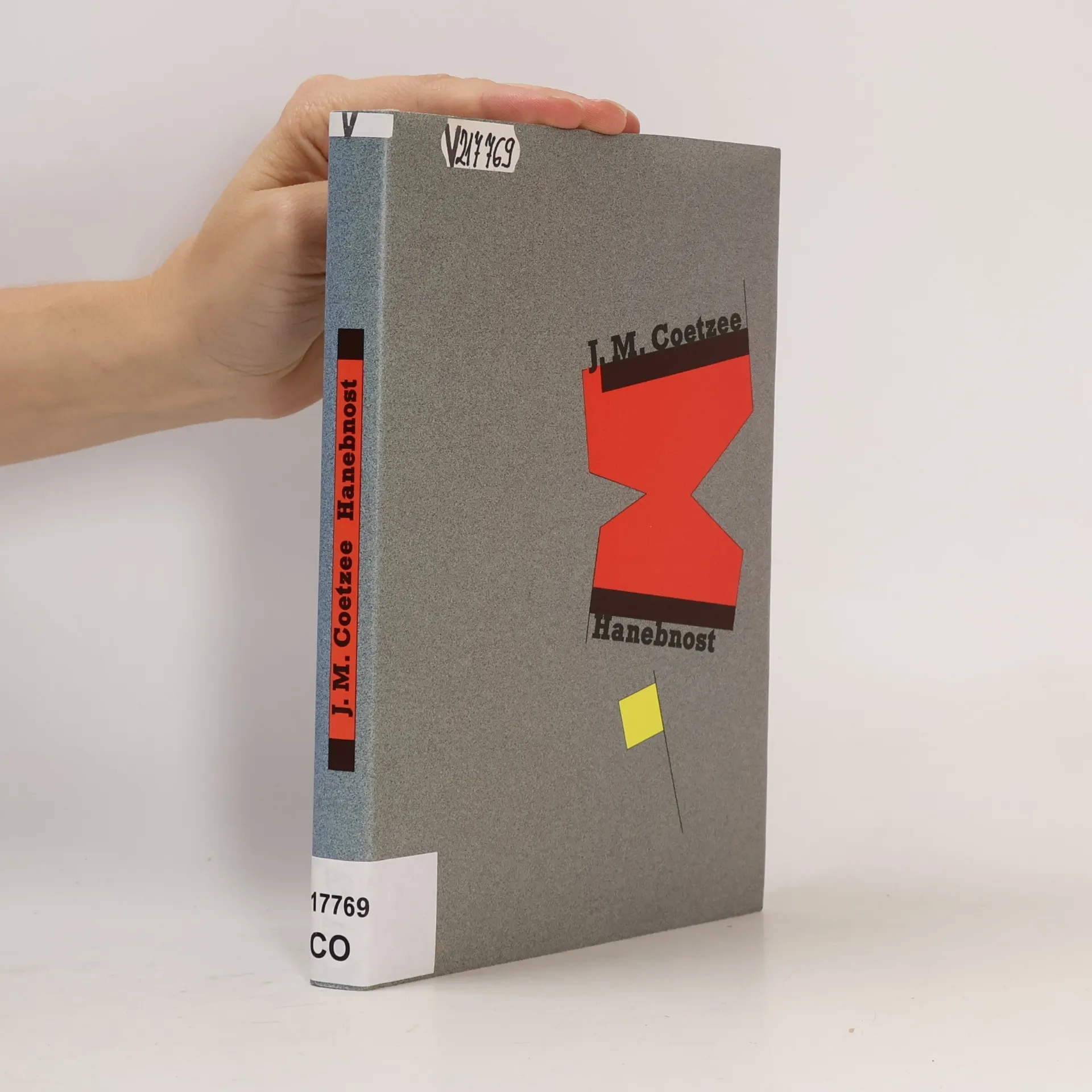
Dvaapadesátiletý profesor David Lurie je rozvedený a neuspokojivý citový život se snaží překrýt „rozumným“ přístupem k sexu jako k pouhé tělesné potřebě. Po milostném vzplanutí ke své studentce zůstává bez práce, opouštějí ho přátelé, vysmívá se mu bývalá manželka. Útočiště nachází na venkově u své dcery, avšak ve chvíli, kdy obnovuje svůj vztah k ní i ke společnosti plné složitých rasových problémů, dochází jednoho odpoledne k nečekanému výbuchu násilí, jenž otřese veškerou jeho vírou a pro jeho dceru představuje velké ohrožení. Ironicky sžíravý, syrově vyprávěný příběh je přesto plný podivuhodné zvláštní něhy. Za svůj román, který na ploše dvou set stran předkládá čtenáři hlubokou sondu do moderní jihoafrické společnosti, získal Coetzee v roce 1999 už druhou prestižní cenu Booker Prize (první v roce 1983 za román „Život a doba Michaela K.").
Jazyková úroveň: Mírně pokročilí. Robinson Crusoe podle příběhu Daniela Defoa. Po ztroskotání na opuštěném ostrově se Robinson Crusoe musí naučit, jak přežít. Zpočátku je sám – ale potom na ostrov dorazí kanibalové se zajatcem. Může Crusoe toho muže zachránit – nebo bude čelit stejnému osudu? A dostane se vůbec někdy z ostrova živý?
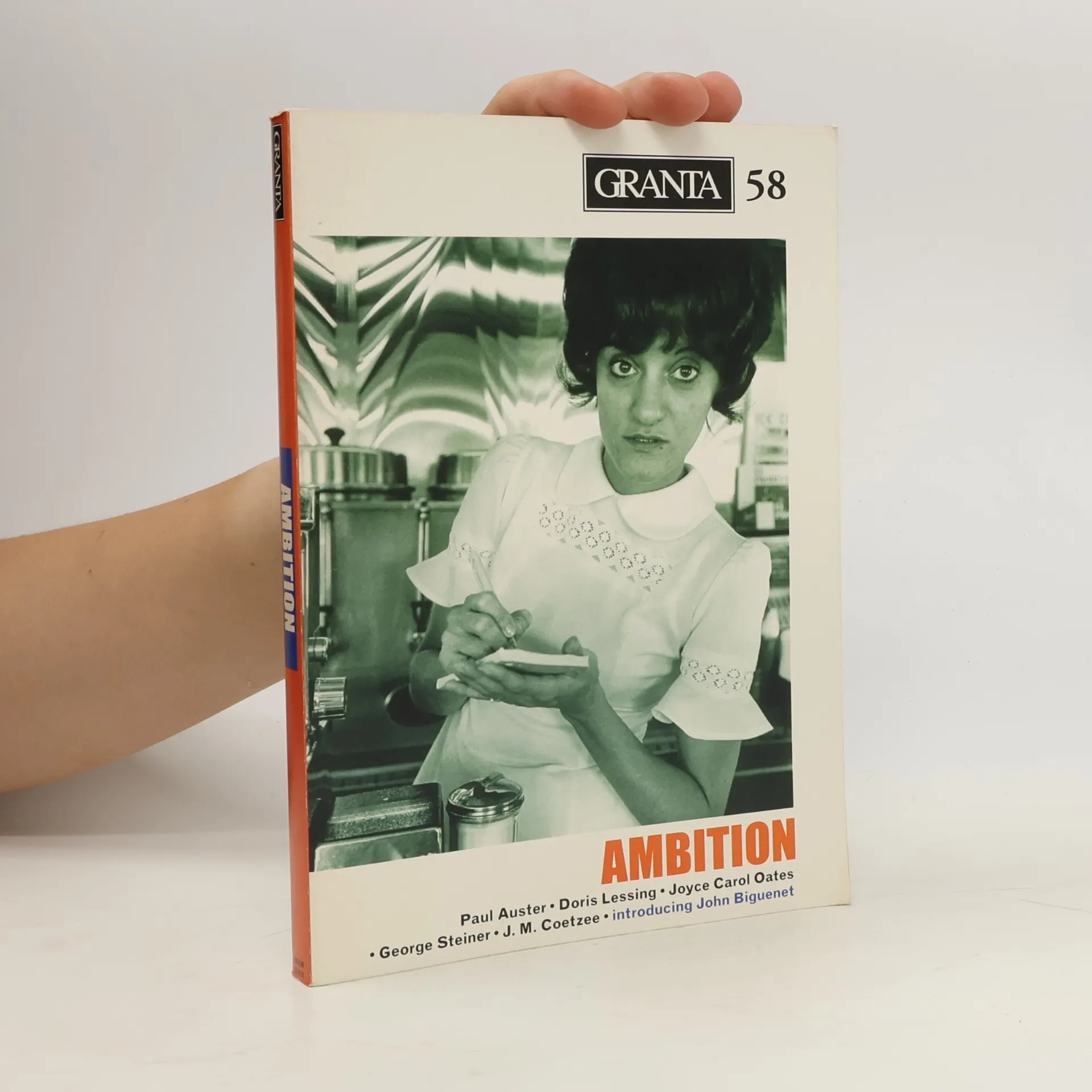
Granta - 58: Ambition
- 256 stránek
- 9 hodin čtení
I want, therefore I am. The cry of children down the ages (I want! I want!) turns out to be the cry of adults also. The things we desire — love, money, wisdom, power — have not changed since the world began, but it seems we want more of them, and now . But what if we get what we hope for? What if we don't?
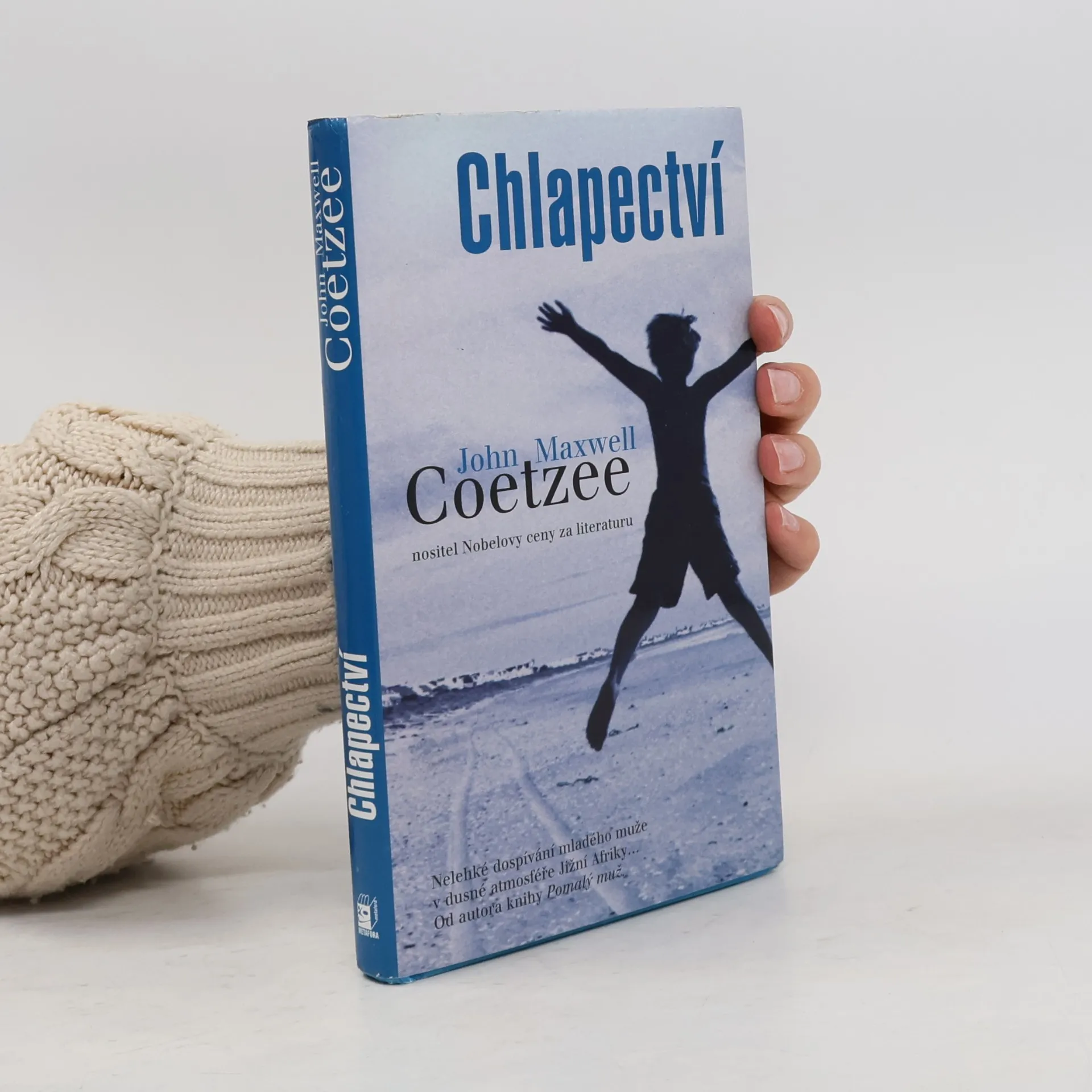
Chlapectví
- 159 stránek
- 6 hodin čtení
Mistrovská současná próza Chlapectví působivě vypráví o životě třináctiletého mladíka, souženého pocitem provinění a strachem. Odmítá otce, necítí k němu nejmenší úctu, a trpí výchovou matky, jež ho současně zbožňuje i nesnáší. Chlapec, vyrůstající poblíž Kapského Města, žije dvojím životem - ze vzorného a nesmírně schopného studenta ve škole se doma mění ve frackovského tyrana, který však bez ustání trpí hrůzou, že ztratí matčinu lásku. Utíká do svého uzavřeného světa, objevuje literaturu, probouzí se v něm sexuální touha a stále silněji si uvědomuje rozpory dožívajícího apartheidu. To vše v něm vyvolává zmatek a hoch se upíná k jedinému místu, kam podle vlastního přesvědčení patří: k rodinné farmě, jež mu však nikdy nebude doopravdy náležet. Charakteristický styl Coetzeeho vyprávění vtáhne čtenáře do děje od první stránky a předestře před námi hrdinův pubertální náhled na život stejně jako jeho nelehké dospívání. Realistické záběry se splétají v jediný celistvý, působivý obraz světa a duše dorůstajícího mladého muže.
J.M. Coetzee presents a coherent, unorthodox analysis of censorship from the perspective of one who has lived and worked under its shadow. The essays collected here attempt to understand the passion that plays itself out in acts of silencing and censoring. He argues that a destructive dynamic of belligerence and escalation tends to overtake the rivals in any field ruled by censorship. From Osip Mandelstam commanded to compose an ode in praise of Stalin, to Breyten Breytenbach writing poems under and for the eyes of his prison guards, to Aleksander Solzhenitsyn engaging in a trial of wits with the organs of the Soviet state, Giving Offense focuses on the ways authors have historically responded to censorship. It also analyzes the arguments of Catharine MacKinnon for the suppression of pornography and traces the operations of the old South African censorship system.
S kým strávíme svůj poslední den na tomto světě…? V Kapském městě v Jihoafrické republice umírá stará žena na rakovinu. Bývalá univerzitní profesorka, která přednášela klasickou filozofii, celý život vzdorovala lžím a krutosti apartheidu, ale žila stranou jeho skutečných hrůz. Teď je najednou nucena přihlížet brutálnímu běsnění, které tento režim způsobil. V obsáhlém dopise své dceři, která už před mnoha lety utekla do Ameriky, paní Currenová líčí podivné události provázející dny jejího umírání. Je svědkem vypálení černošské čtvrti a najde zastřeleného syna své hospodyně. A po celou tu dobu je jejím jediným společníkem, kterému se může svěřit se svým narůstajícím hněvem a zoufalstvím, alkoholik a bezdomovec...
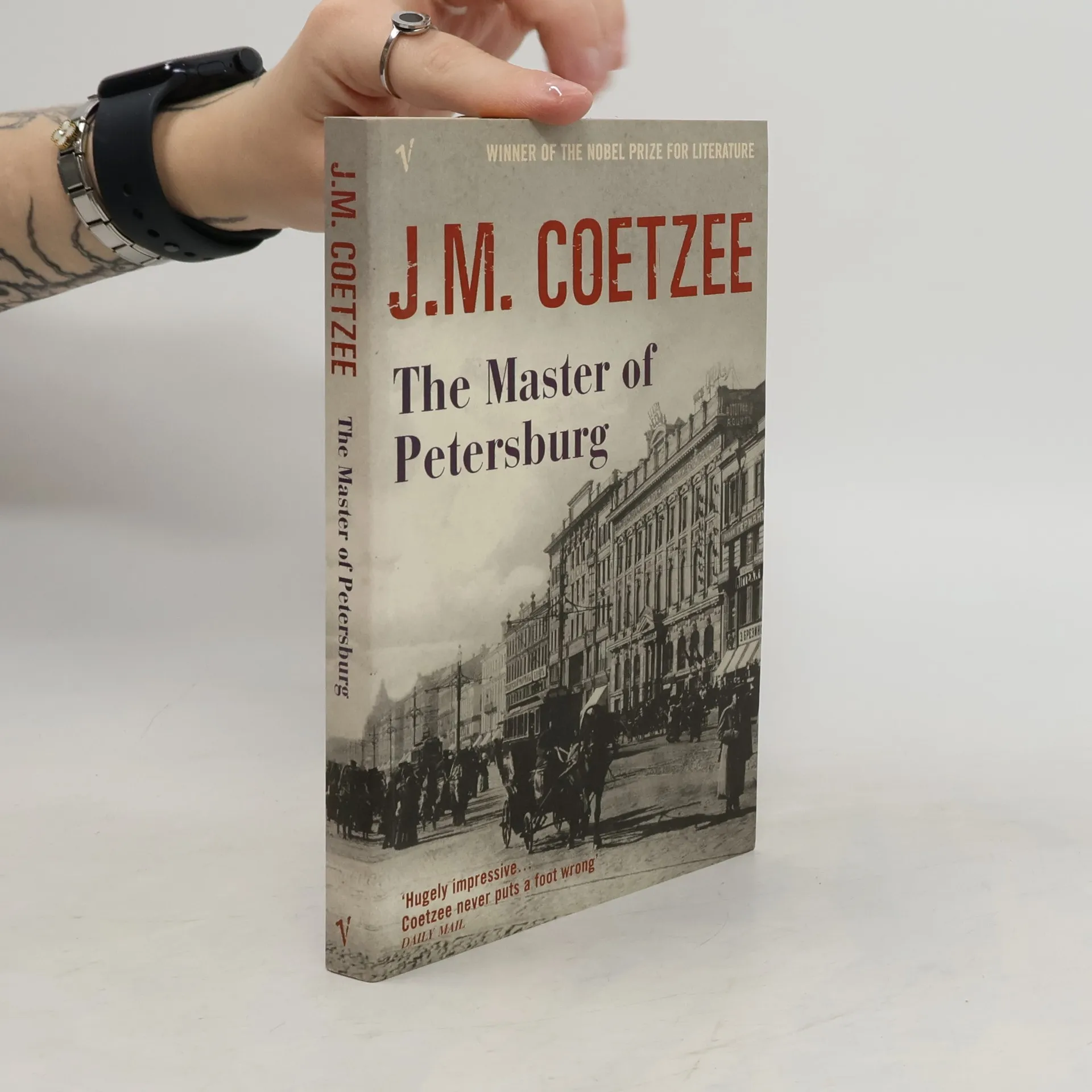
The Master of Petersburg
- 256 stránek
- 9 hodin čtení
WINNER OF THE NOBEL PRIZE FOR LITERATURE 2003 In The Master of Petersburg J. M. Coetzee dares to imagine the life of Dostoevsky. Set in 1869, when Dostoevsky was summoned from Germany to St Petersburg by the sudden death of his stepson, this novel is at once a compelling mystery steeped in the atmosphere of pre-revolutionary Russia and a brilliant and courageous meditation on authority and rebellion, art and imagination. Dostoevsky is seen obsessively following his stepson's ghost, trying to ascertain whether he was a suicide or a murder victim and whether he loved or despised his stepfather.
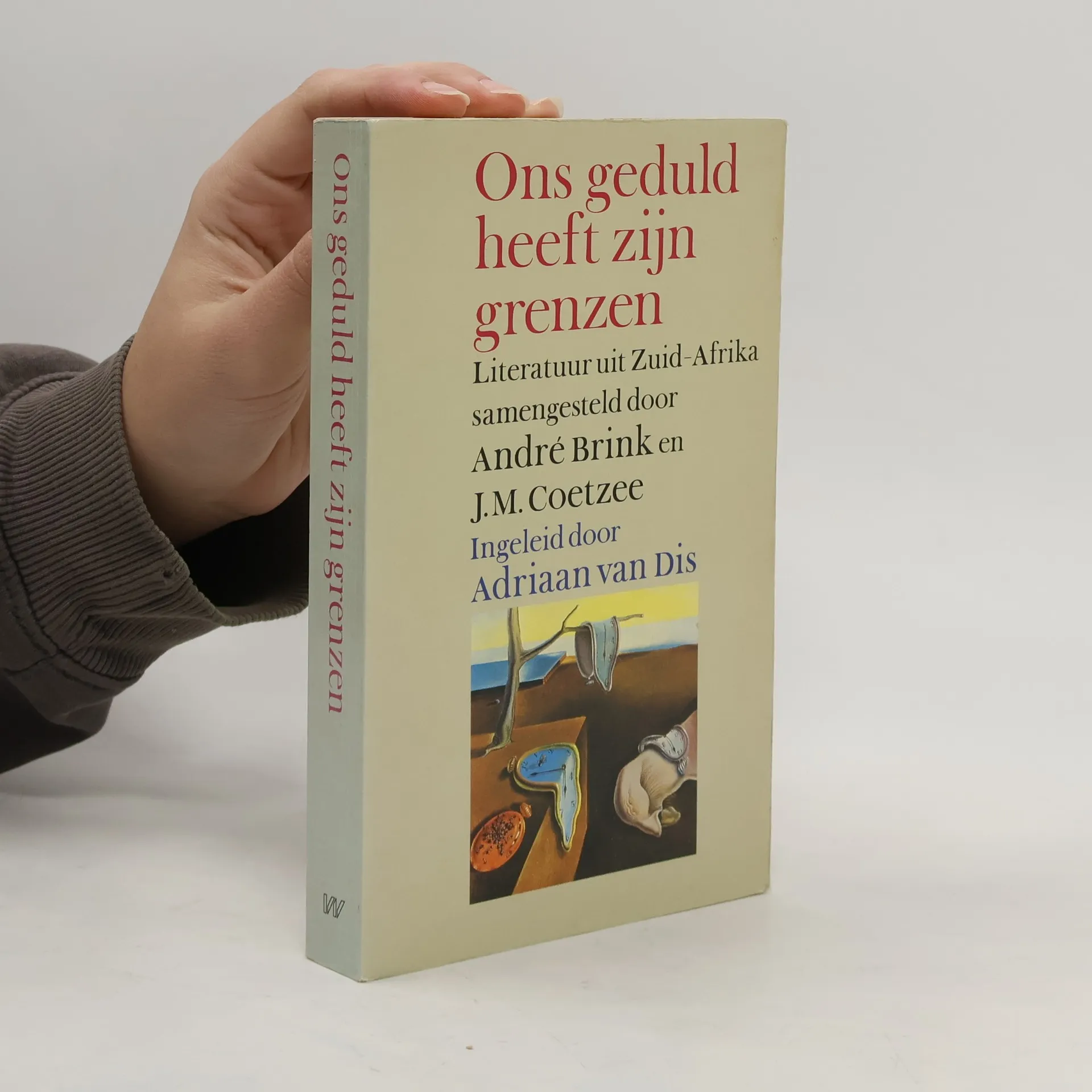
Ons geduld heeft zijn grenzen
literatuur uit Zuid-Afrika
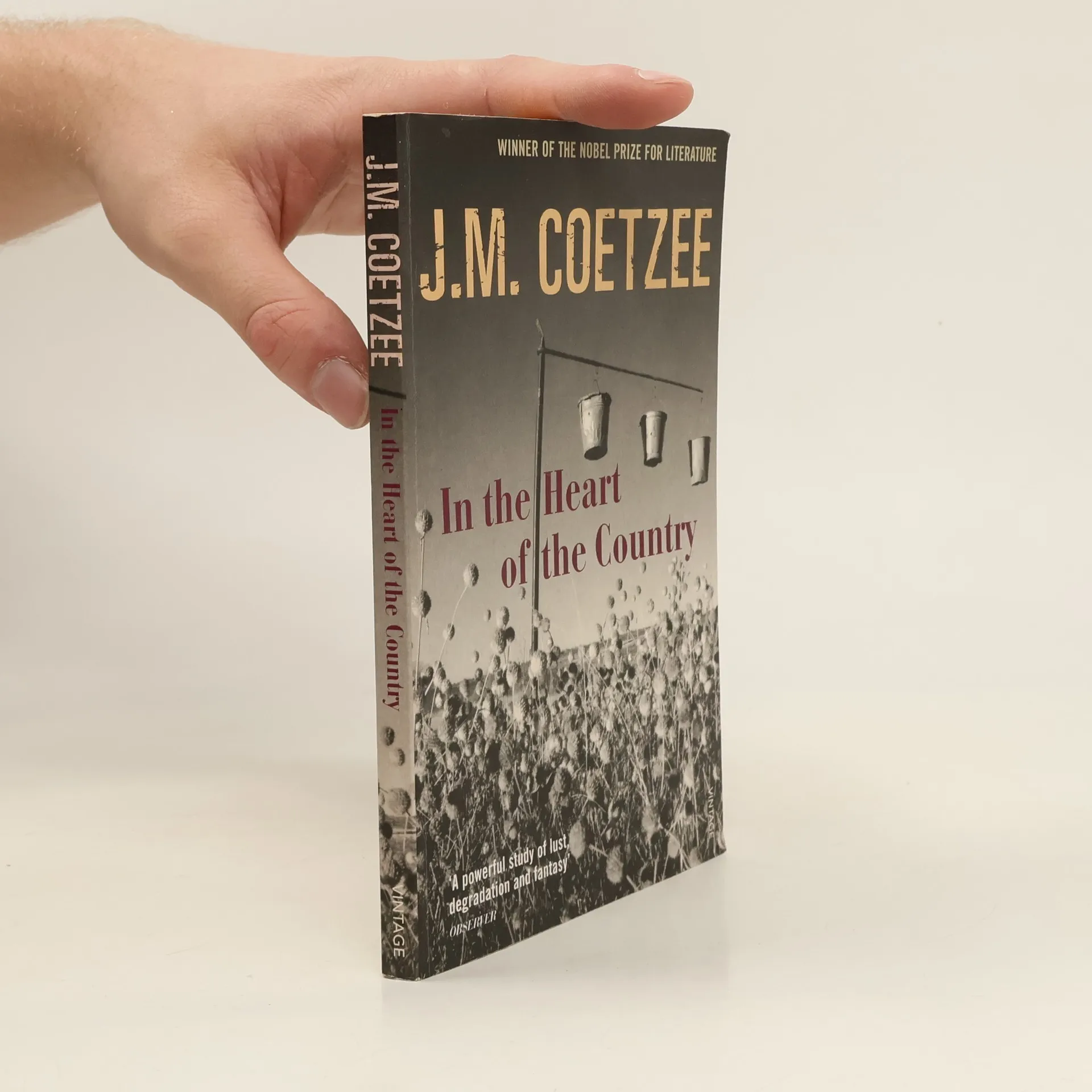
In the Heart of the Country
- 160 stránek
- 6 hodin čtení
Stifled by the torpor of colonial South Africa and trapped in a web of reciprocal oppression, a lonely sheep farmer seeks comfort in the arms of a black concubine. But when his embittered spinster daughter Magda feels shamed, this lurch across the racial divide marks the end of a tenuous feudal peace. As she dreams madly of bloody revenge, Magda's consciousness starts to drift and the line between fact and the workings of her excited imagination becomes blurred. What follows is the fable of a woman's passionate, obsessed and violent response to an Africa that will not heed her.
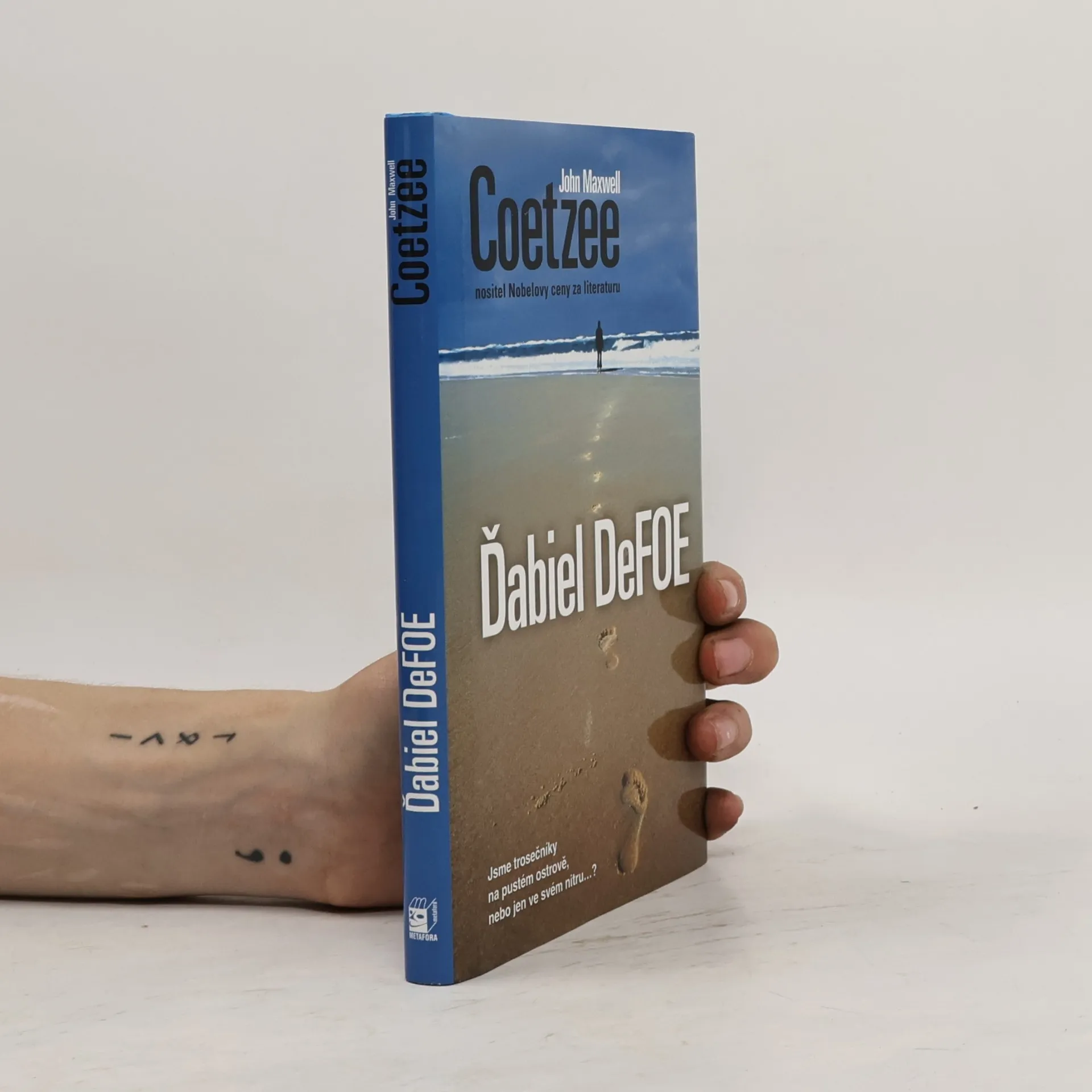
Na opuštěný ostrov vyplaví vlny polomrtvou trosečnici. A vzápětí se ukáže, že ostrov není tak pustý, jak se zdá: žije na něm muž jménem Cruso a jeho černý sluha Pátek. V mysli nám nemůže nezaznít ozvěna dávného dobrodružného příběhu o Robinsonovi. Susan Bartonová se později z ostrova zachrání, a zatímco Cruso na lodi umírá, Pátek ji následuje do Anglie. A právě to je chvíle pro pokušitele, přítele-nepřítele, záhadného spisovatele, jemuž Susan začíná svěřovat svůj příběh... Magické, napolo snové vyprávění působí s nezvyklou naléhavostí a pod zdánlivě prostou vypravěčskou formou se skrývají hlubiny stejně znepokojivé jako dna oceánů se spočívajícími příšerami, kostlivci a vraky. Co je skutečné a komu to vlastně příběhy svého života vyprávíme...?
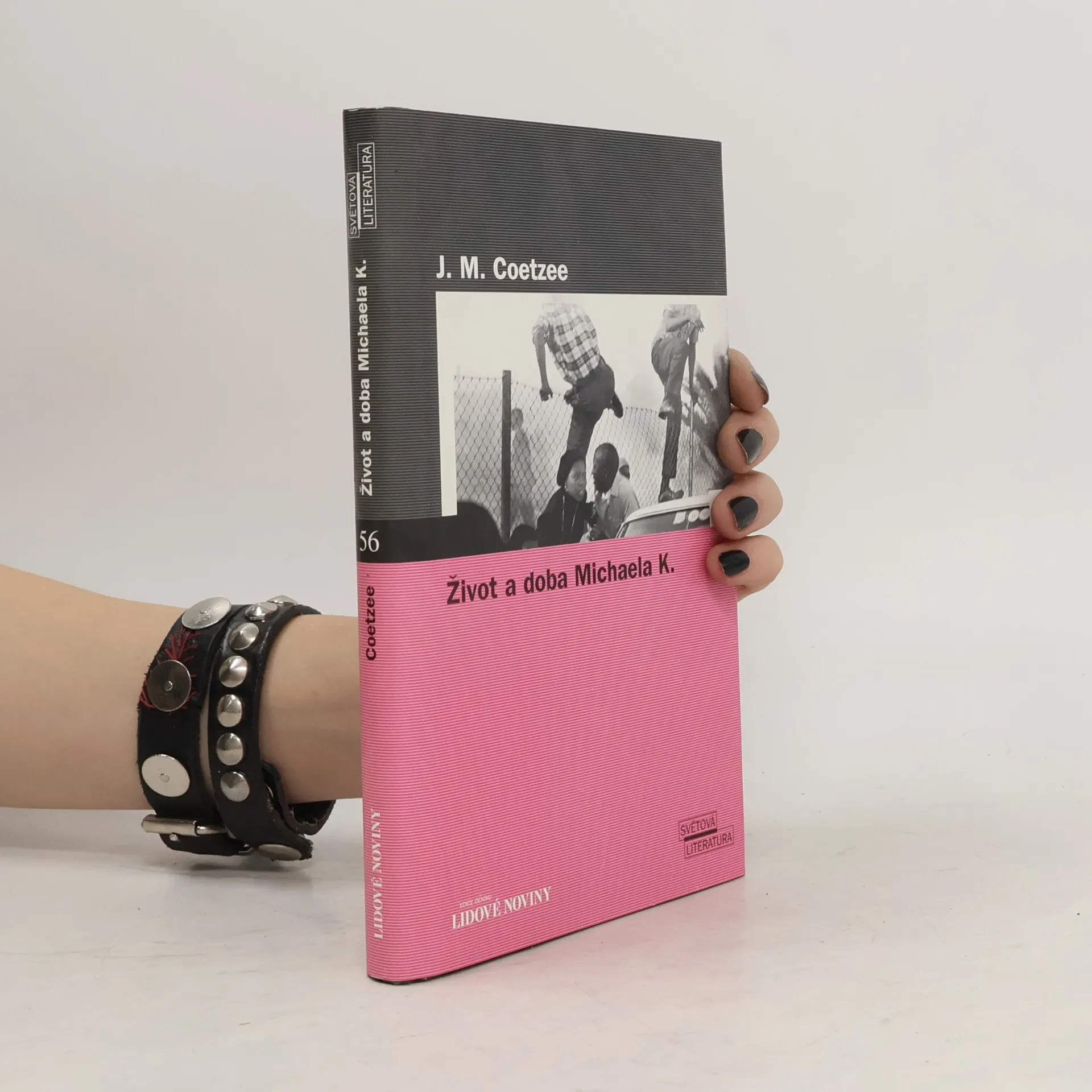
Život a doba Michaela K.
- 156 stránek
- 6 hodin čtení
Titulní postavou Života a doby Michaela K., prózy s okázalým názvem upomínajícím na životopisy slavných osobností, je prostoduchý a od přírody znetvořený zahradník, který se v čase občanské války a neodvratně se blížícího konce apartheidu vydává na dlouhou cestu: na vlastnoručně vyrobené kárce vyváží svou invalidní matku z rozvráceného Kapského Města do vysněného bezpečí rodného venkova. Válka jej však provází všude a on jen stěží chápe, co se kolem něj vlastně děje. Zmateně bloudí po pustošené zemi, je znovu a znovu vězněn, trestán a týrán. Přitom jediné, po čem uprostřed všeobecného chaosu touží, je minimální prostor pro vlastní nezávislou existenci, byť by to mělo být jen skromné políčko tykví, založené navzdory nehostinné přírodě. „Skutečnost, že Coetzee zvolil za hrdinu svého příběhu nejprostší, nejošklivější lidskou bytost, tak nabývá hlubokého vnitřního smyslu,“ napsal o knize znalec autorova díla Michael Žantovský. Michael K. „si postupně přestává uvědomovat vlastní utrpení, přestává být závislý na přijímání potravy, na obydlí, na lidské společnosti, na jakýchkoliv vnějších podmínkách života. A tím, že v rozporu s logikou přežívá, stává se symbolem života samého, jeho svrchovanosti, spontánnosti a směřování ke svobodě“.
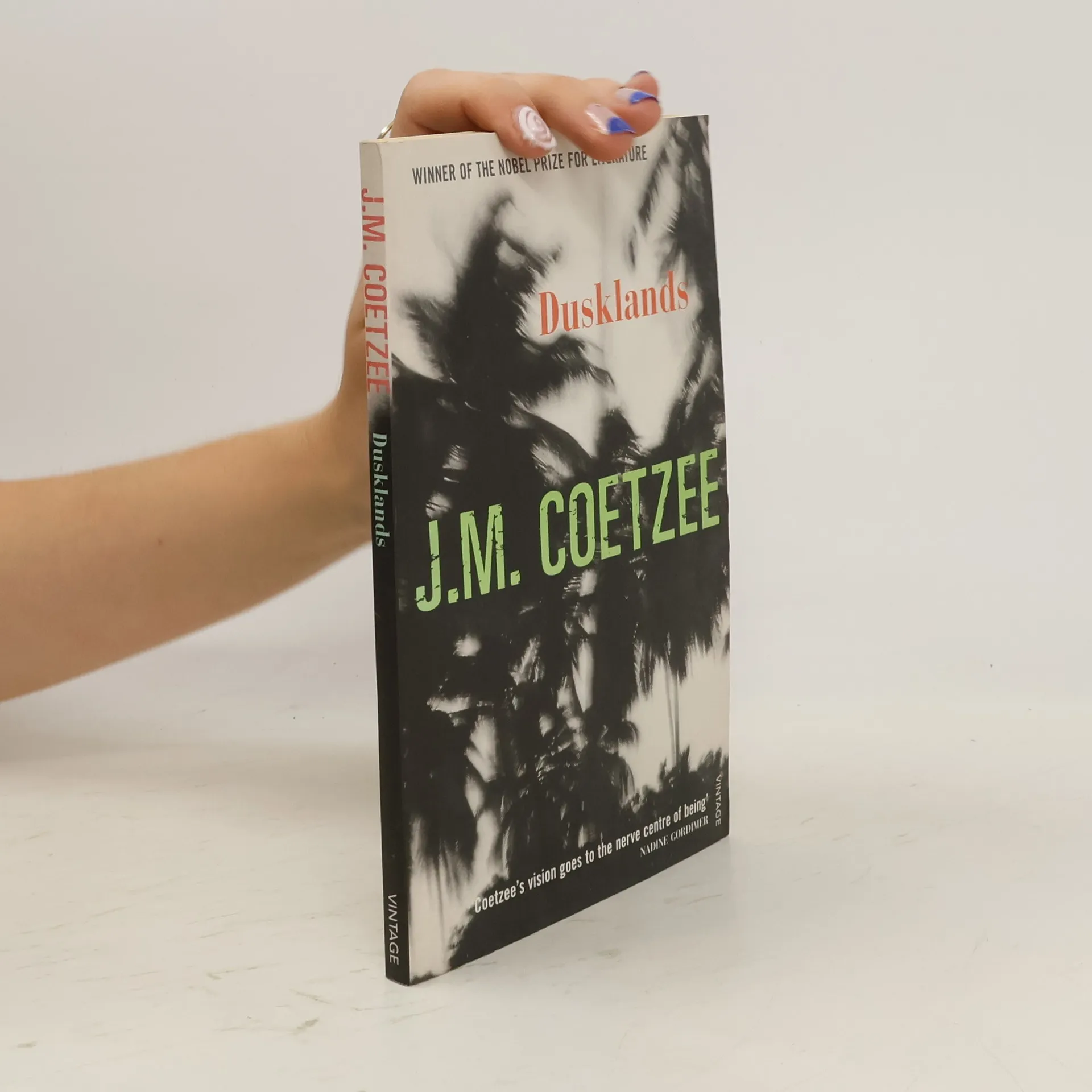
Dusklands
- 144 stránek
- 6 hodin čtení
This work contains two novellas. In the first, a specialist in psychological warfare is driven to murderous action by the stresses of a macabre project to win the Vietnam War, and in the second, a megalomaniac Boer frontiersman wreaks hideous vengeance on a Hottentot tribe.
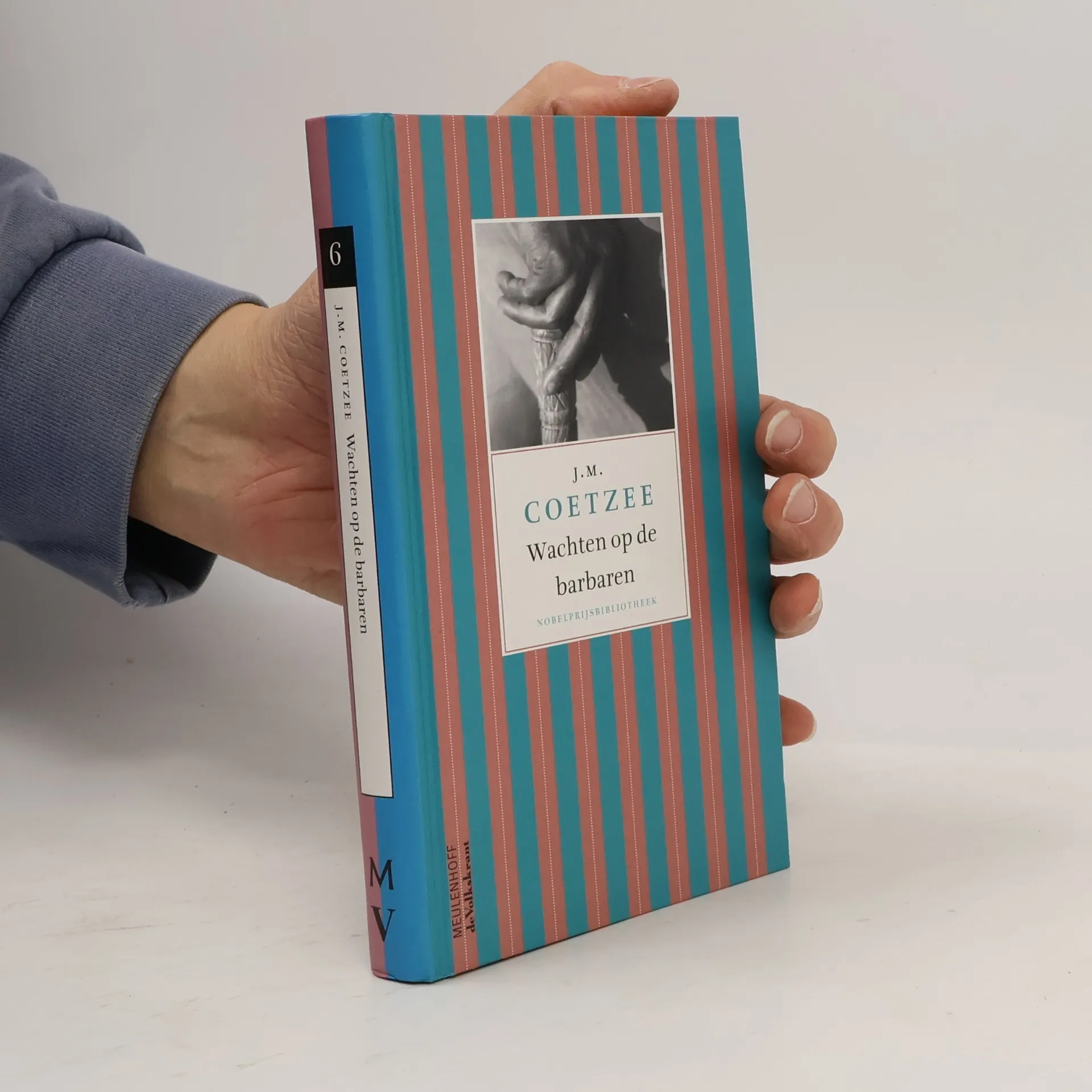
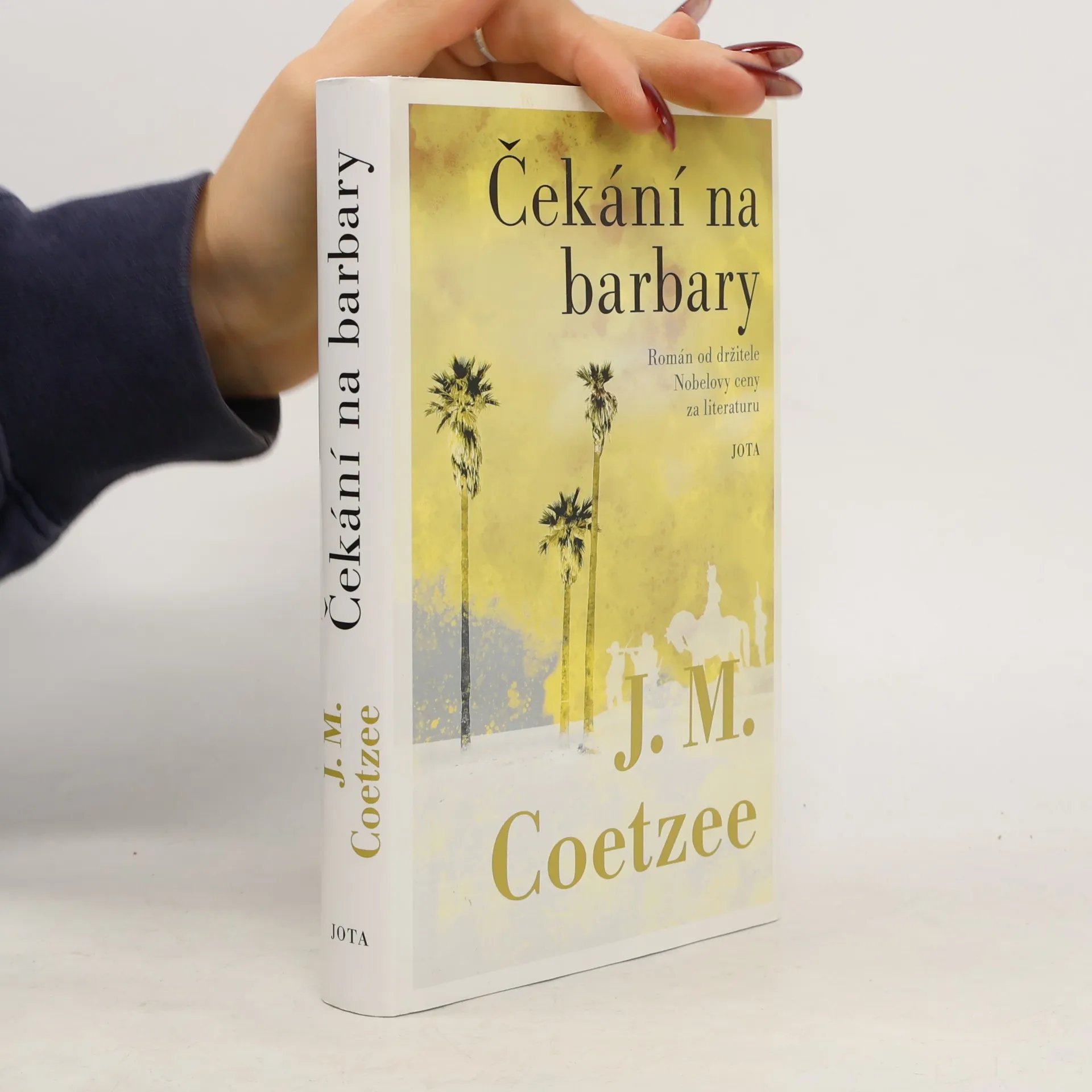
Čekání na barbary
- 232 stránek
- 9 hodin čtení
Jaká je hranice mezi lidstvím a barbarstvím? Desítky let byl soudce loajálním úředníkem impéria, staral se o záležitosti malé osady na hranicích a nevěnoval pozornost blížící se válce s barbary. Nicméně když do osady přijedou vyšetřovatelé, stane se svědkem krutého a nespravedlivého jednání s válečnými zajatci. Otřesen tímto zážitkem pocítí soucit s oběťmi a spáchá donkichotskou vzpouru, která z něj udělá nepřítele státu, stejného, jako jsou barbaři. Coetzeeho oceněný román je znepokojivou alegorií války mezi utlačovatelem a utlačovaným. Soudce není jen obyčejný člověk žijící v krizi svědomí na obskurním místě v časech dávno zapomenutých. Reprezentuje všechny lidi žijící v neúnosné spoluvině na režimech, kterým jsou slušnost a spravedlnost cizí.