


Více o knize
J.M. Coetzee and Arabella Kurtz engage in a compelling dialogue about psychotherapy and storytelling, exploring the relationship between personal narrative and identity. Coetzee questions whether he is the conscious author of his life story or merely a voice expressing inner thoughts. Kurtz suggests that psychoanalysis aims to liberate the autobiographical imagination. Their discussion reveals how narrative shapes both individual psychology and broader social contexts, including classrooms, gangs, and national identities that incorporate the legacies of ancestors. While the writer controls their narrative, the therapist collaborates with the patient to create a meaningful account of their life. The authors draw on literary figures like Cervantes and Dostoevsky, alongside psychoanalysts such as Freud and Melanie Klein, to examine the human desire for self-examination and the challenges faced in articulating personal stories. This meeting of minds is both illuminating and thought-provoking, highlighting the complexities of narrative in understanding ourselves and our place in the world.



Nákup knihy
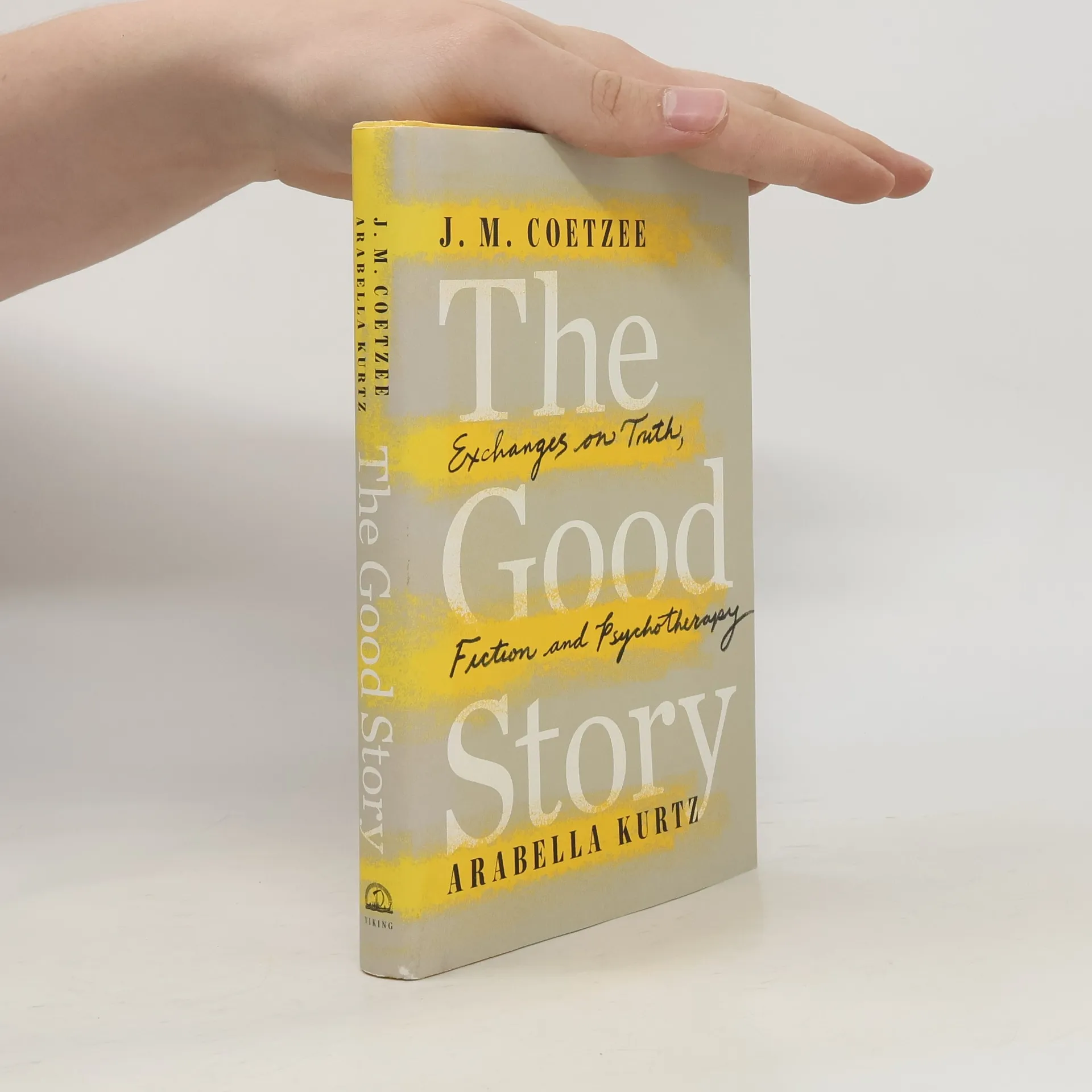
The Good Story, John Maxwell Coetzee, Arabella Kurtz
- Jazyk

- Rok vydání
- 2015
- Vazba
- (pevná)
Tady nám chybí tvá recenze.
- Titul
- The Good Story
- Podtitul
- Exchanges on Truth, Fiction and Psychotherapy
- Jazyk
- anglicky
- Vydavatel
- Viking
- Rok vydání
- 2015
- Vazba
- pevná
- Počet stran
- 198
- ISBN10
- 0525429514
- ISBN13
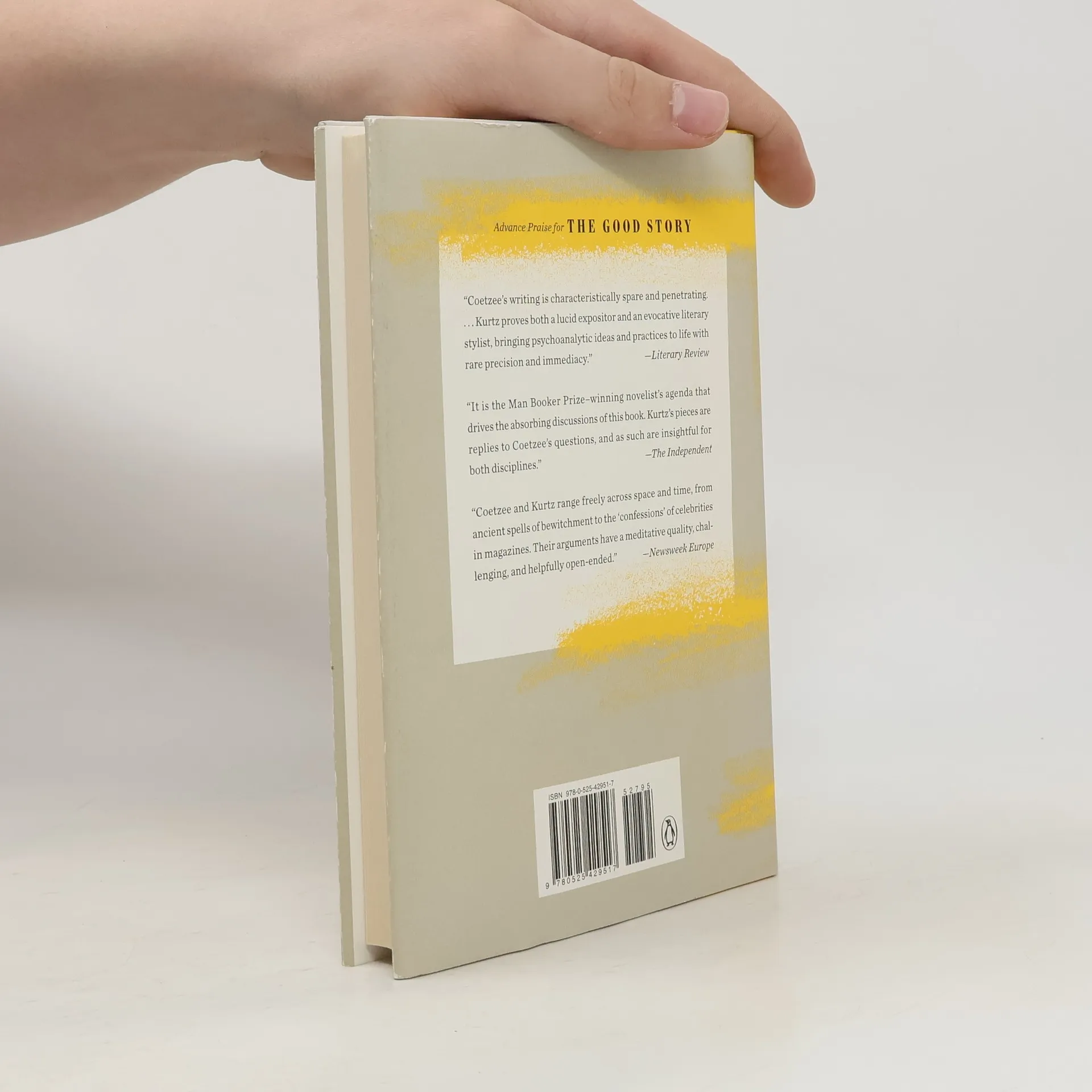
- 9780525429517
- Série
- Kategorie
- Hodnocení
- 3,55 z 5
- Anotace
- J.M. Coetzee and Arabella Kurtz engage in a compelling dialogue about psychotherapy and storytelling, exploring the relationship between personal narrative and identity. Coetzee questions whether he is the conscious author of his life story or merely a voice expressing inner thoughts. Kurtz suggests that psychoanalysis aims to liberate the autobiographical imagination. Their discussion reveals how narrative shapes both individual psychology and broader social contexts, including classrooms, gangs, and national identities that incorporate the legacies of ancestors. While the writer controls their narrative, the therapist collaborates with the patient to create a meaningful account of their life. The authors draw on literary figures like Cervantes and Dostoevsky, alongside psychoanalysts such as Freud and Melanie Klein, to examine the human desire for self-examination and the challenges faced in articulating personal stories. This meeting of minds is both illuminating and thought-provoking, highlighting the complexities of narrative in understanding ourselves and our place in the world.