
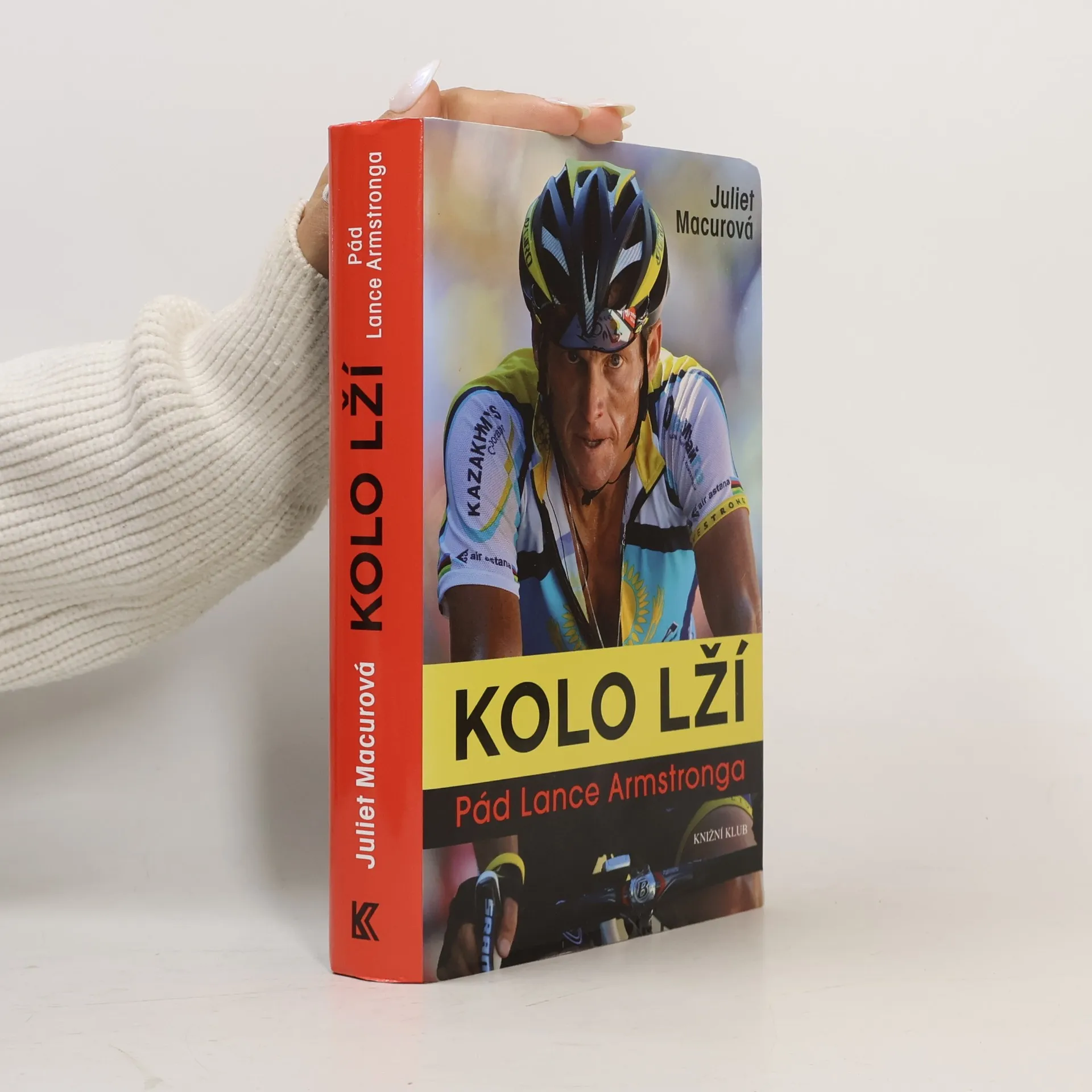
Kniha sportovní reportérky New York Times a absolventky Columbijské univerzity Juliet Macurové je strhujícím příběhem vzestupu a pádu nejslavnějšího sportovce naší generace, cyklisty Lance Armstronga. Na základě dosud nezveřejněných dokumentů autorka odhaluje zákulisí Amrstrongova života – jeho rodiny, zápasu s těžkou formou rakoviny, strmé sportovní kariéry, ale hlavně objasňuje příčiny toho, proč se Armstrongovi dařilo tak dlouho udržovat při životě mýtus o své bezúhonnosti, a jak se stalo, že se nakonec tak rychle zbortil.

Most of us are only too aware that, whatever roles we have in today's fast-moving world, much of our success lies in getting others to say 'Yes' to our requests. What many people might not be aware of, though, is the vast amount of research that has been conducted on the influence process. What factors cause one person to say 'Yes' to the request of another? Yes! is full of practical tips based on recent academic research that shows how the psychology of persuasion can provide valuable insights for anyone interested in improving their ability to persuade others - whether in the workplace, at home or even on the internet. It combines the counter-intuition of Freakonomics with the popularising of Does Anything Eats Wasps? For each mini-chapter contains a mystery which is solved in a way that provides food for thought for anyone looking to be more persuasive, and for anyone interested in how the world works.
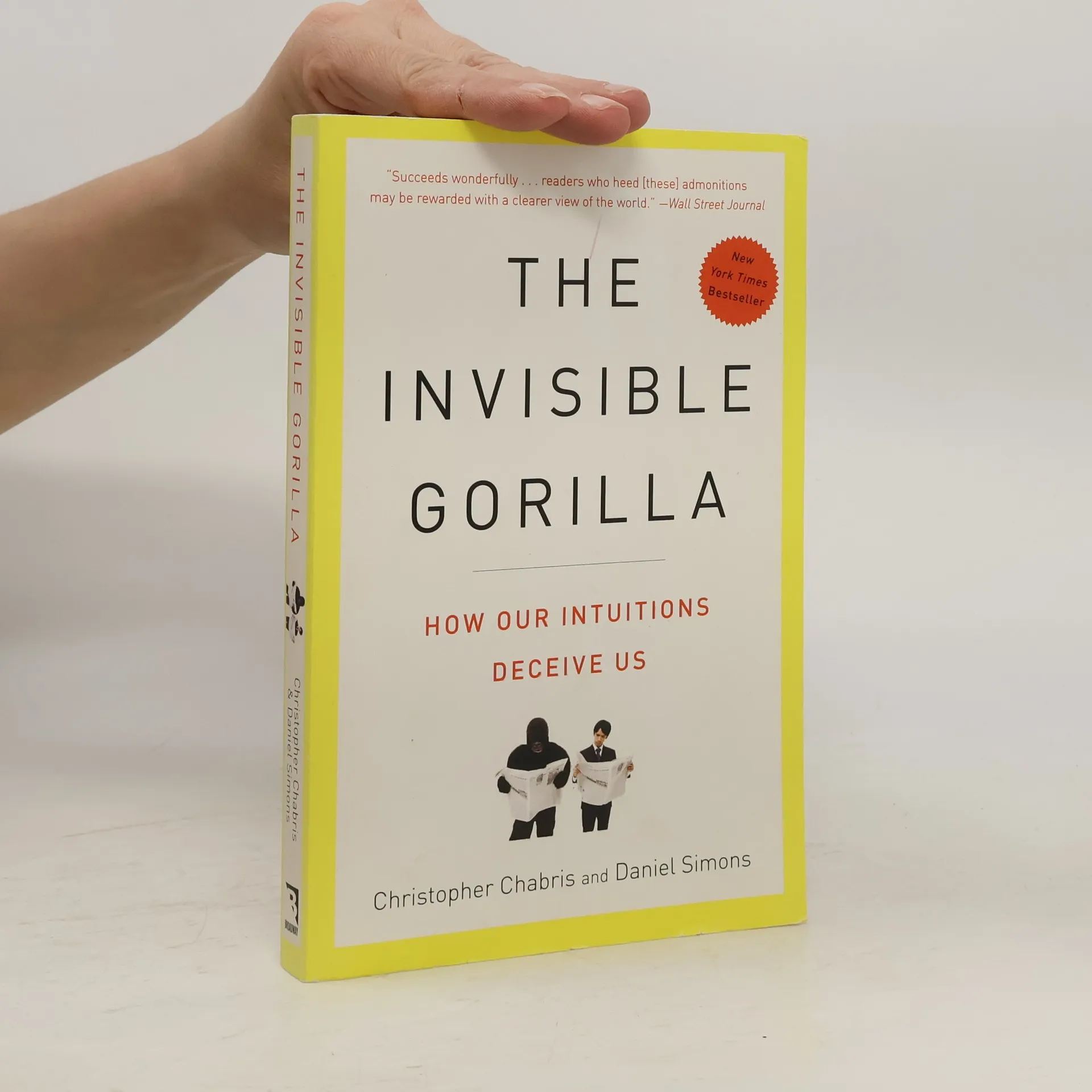
Reading this book will make you less sure of yourself—and that’s a good thing. Christopher Chabris and Daniel Simons, creators of a renowned psychological experiment, use compelling stories and surprising scientific findings to reveal a crucial truth: Our minds don’t function as we believe. We think we perceive ourselves and the world accurately, yet we overlook much. Time and again, we assume we experience reality as it is, but our thoughts are riddled with everyday illusions. We establish traffic laws and build criminal cases based on the belief that people will notice unusual occurrences right before them. We confidently recall our whereabouts on 9/11, mistakenly believing that vivid memories are etched in our minds with perfect clarity. Society invests billions in brain-training devices, drawn by the allure of quick fixes and effortless self-improvement. This book uncovers the many ways our intuitions mislead us, but it goes beyond merely cataloging human shortcomings. Chabris and Simons elucidate why we fall prey to these illusions and offer strategies to shield ourselves from their impact. Ultimately, it provides insight into our minds, allowing us to penetrate the veil of illusions that obscure our thoughts and enabling clearer thinking for perhaps the first time.